

创作上传
VIP
收藏下载
登录 | 注册有礼
查看完整案例

收藏

下载

分享
Cầu Đất茶叶工厂坐落于越南大叻市,由法国人于1929年建造,是当时东南亚地区的首个大型茶叶工厂。如今Cầu Đất茶叶工厂被改造为茶博物馆,为人们提供了各种各样的茶文化相关旅游设施,也成为了受越南年轻人青睐的新晋网红打卡目的地。改造后的茶博物馆场地内包括了茶山、开放的茶叶工厂、茶文化展览空间、艺术装置空间,以及一家面向游客们的咖啡酒馆。
Built-in 1929 by French, and located in Xuân Trường Town, Đà Lạt City of Lâm Đồng Province, 1.2 hectare, Cầu Đất Tea Department was the first place has a large tea factory in south-east asia. Now it’s transformed to Tea Museum and offers a variety of facilities for tea, as well as a new destination for Vietnamese youth. This includes tea hills, opening up for a tea manufactory with a tea culture exhibition, art installation spaces and a cafe bistro for visitors.
▼视频,video ©BODC
原茶叶工厂共有四栋建筑,这些历史建筑的外观不仅向人们传递着当时的审美价值,同时也彰显出一定的历史意义。它们与越南的过去有着明显的联系,同时也讲述着自己的故事,来到这里的游客将化身为历史的一部分,每个人都能获得独特的体验。通过这种方式,老建筑创造出一种历史归属感,用自身的结构保存着鲜活的社区记忆。
The old factory has four buildings. The appearance of these historic buildings does not only transmit a certain esthetic value, but also a particular meaning. They are a visible bond to our past. And they tell their stories that anyone can experience by going inside. People can think of themselves as being part of a longer history. This way, old buildings can create a feeling of belonging. In other words, their structures keep community memories alive.
▼项目与周边环境鸟瞰,aerial view of the project and surrounding environment ©BODC
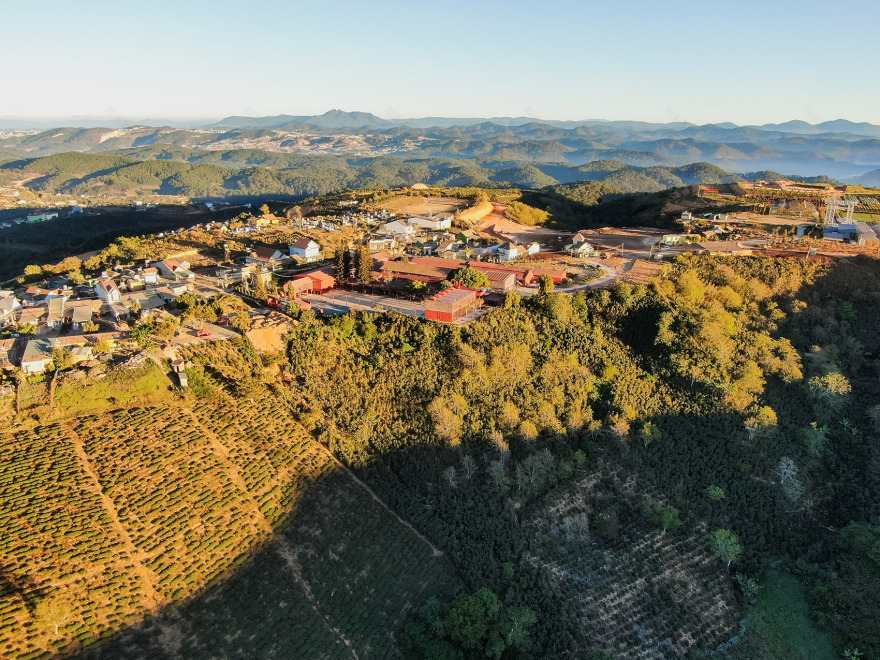
▼项目鸟瞰,aerial view of the project ©BODC
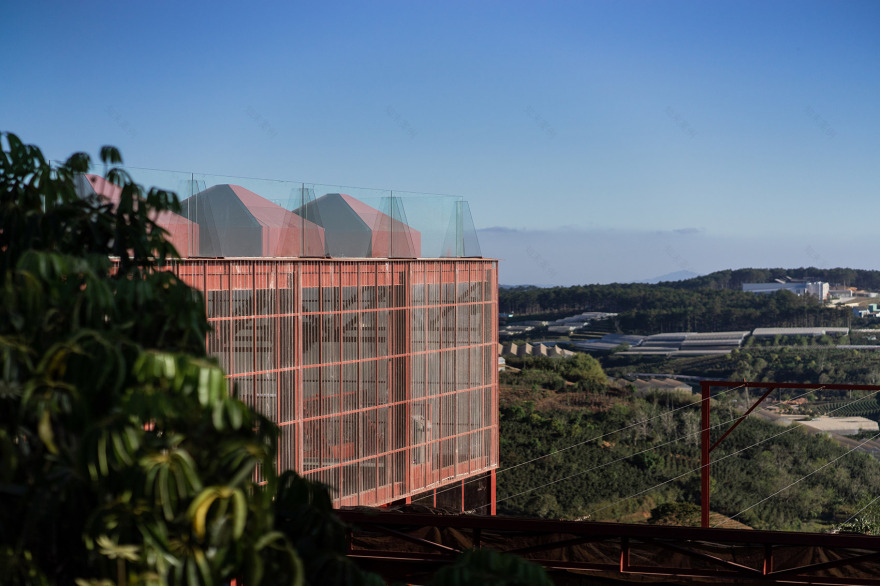
因此,建筑师选择将其中最古老的建筑——主要生产仓库,转变为一个充满活力的文化中心,以吸引游客与那些热爱或对越南茶文化充满好奇的人们。在改造之前,原建筑具有典型的工业建筑特征,由松木板和波纹钢板构成。这种废弃的工业建筑通常被认为没有什么价值,但是建筑师希望在本项目有限的预算下,以一种全新的方式对废弃的建筑结构进行改造利用与重新诠释。
▼分析图,diagram©BODC
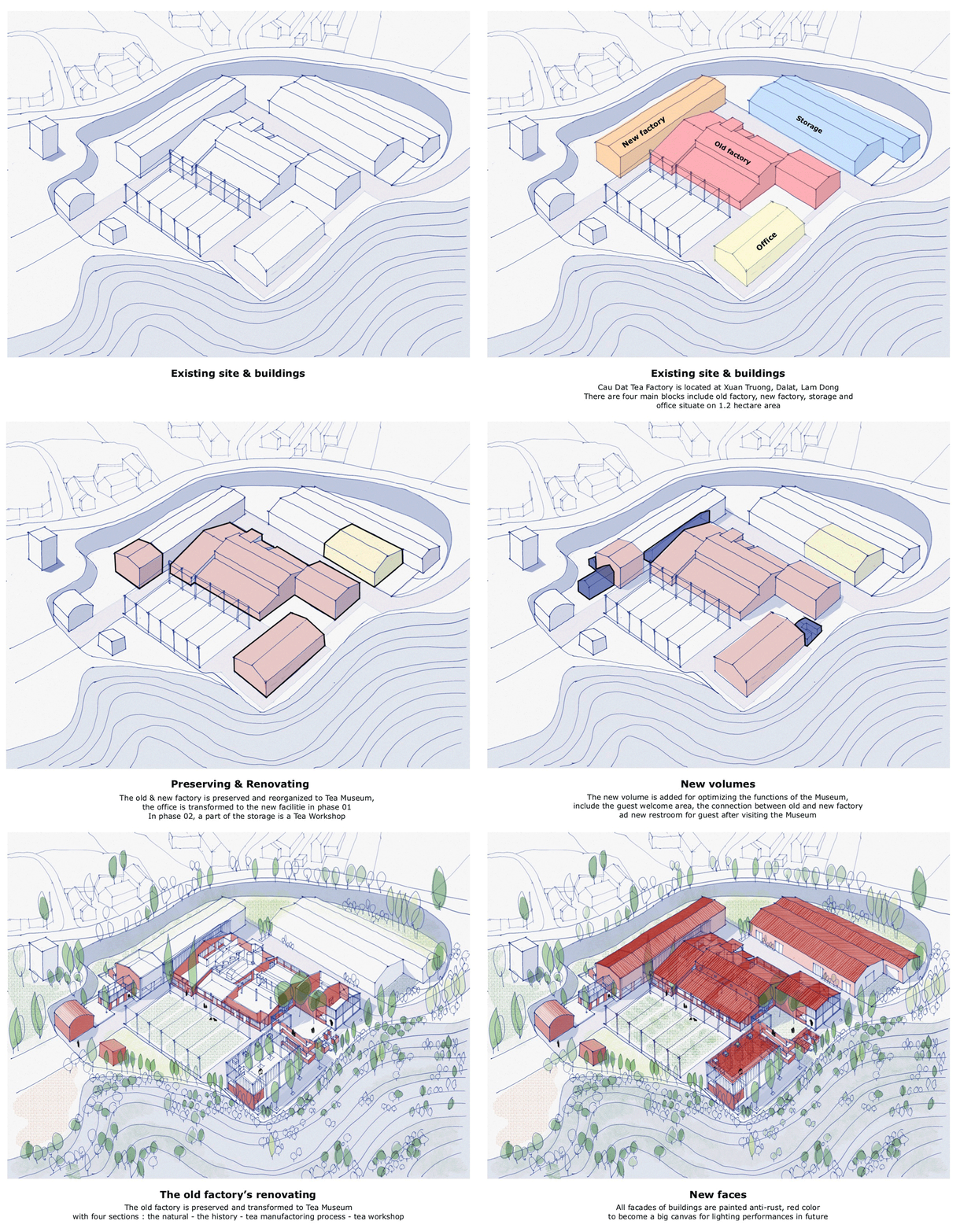
Therefore, the architects have taken the oldest building of them all – the main ancient manufacturing warehouse – and transformed it into a vibrant cultural hub for visitors and those who want to research Vietnam’s tea culture. Before the renovation, the building resembled a factory typical. This type of abandoned industrial building, made from pine wood boards and corrugated steel panels, is often perceived as having little value. But the architects hope this project shows how these structures can be reused and renovated in a qualitative way and for a limited budget.
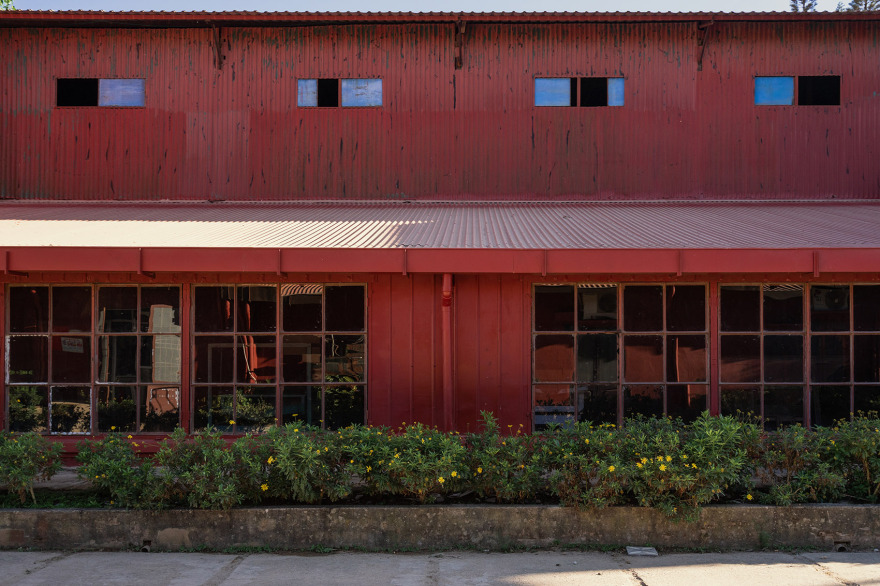
▼工厂立面,Factory facade ©BODC
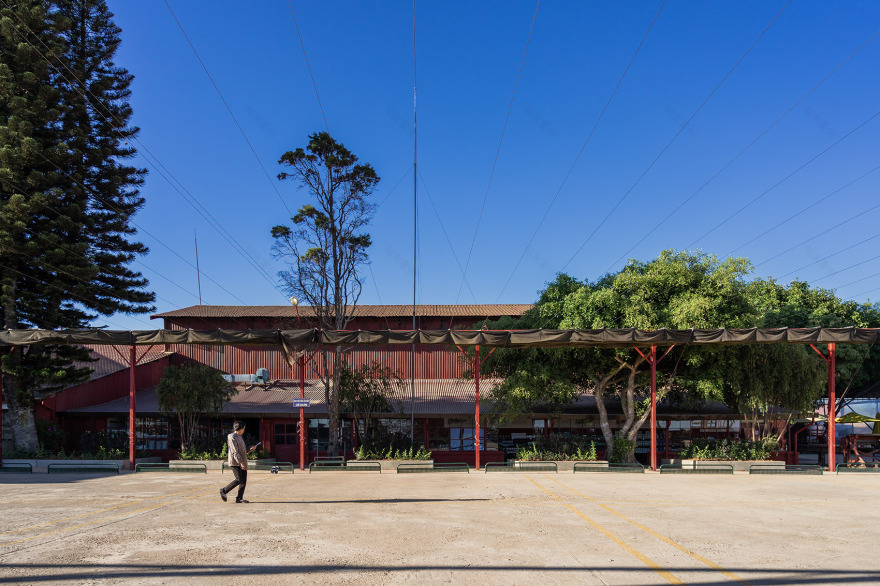

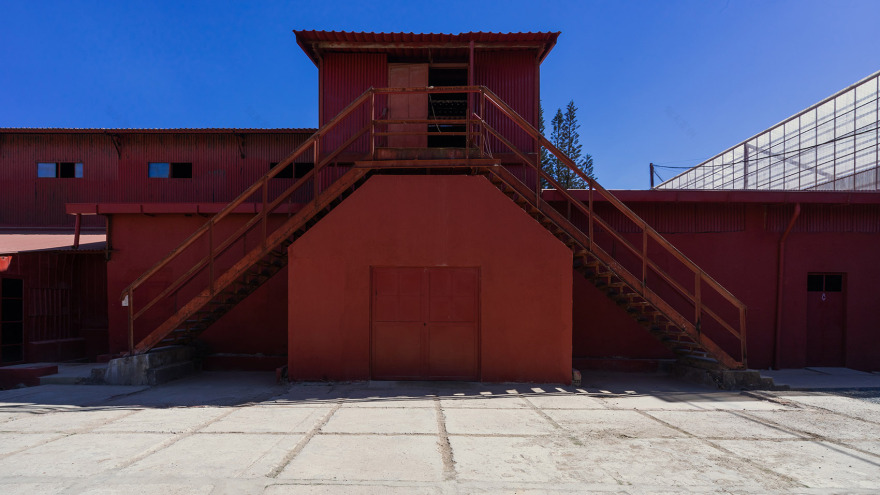
▼大部分的工厂建筑保留了下来,并经过了重新粉刷,Most of the factory buildings remain and have been repainted ©BODC
▼改造后的卫生设施,sanitary facilities after renovation ©BODC

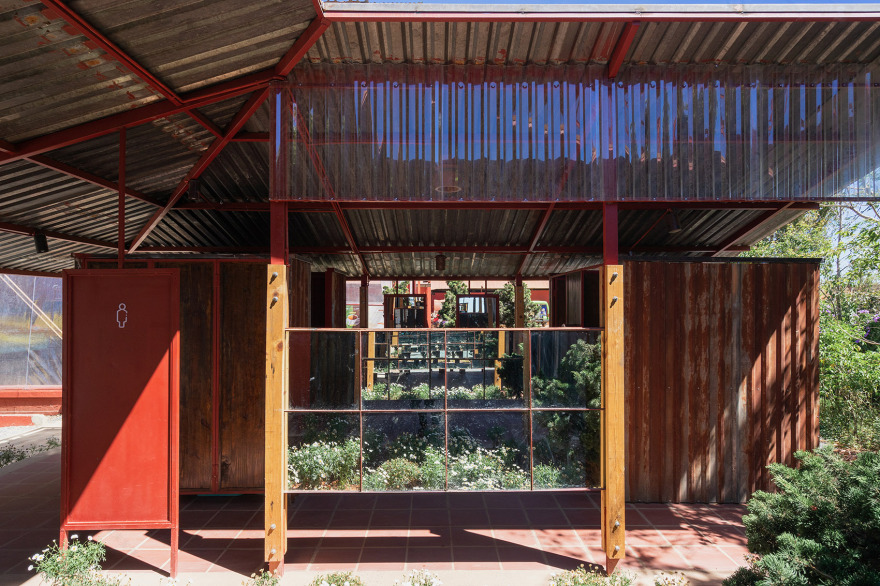
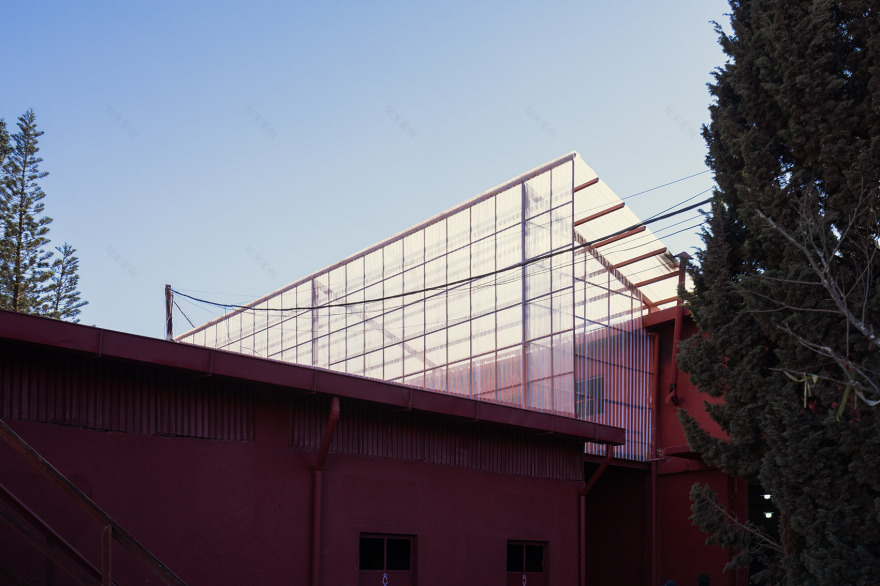
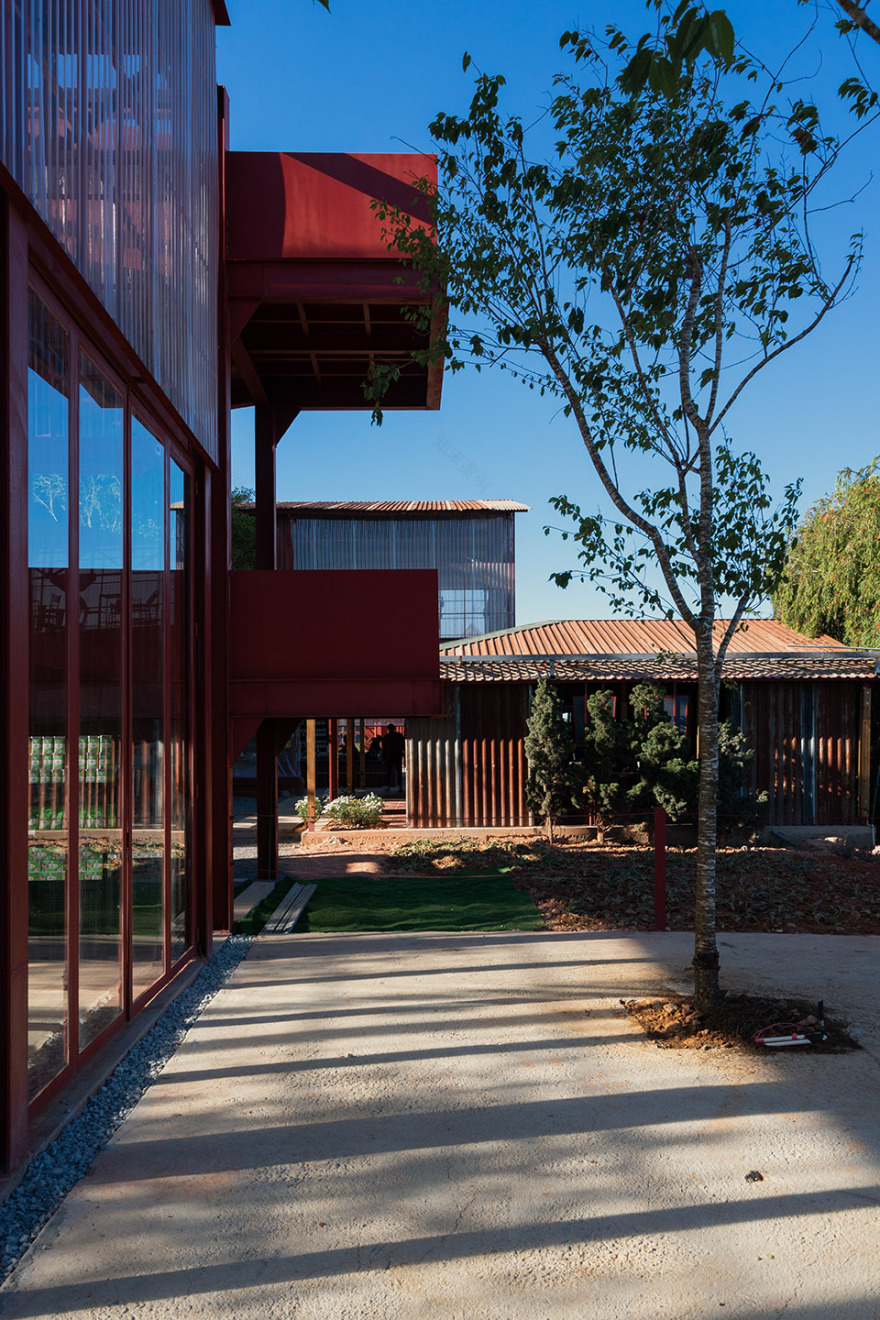
建筑外部采用了全新的防锈油漆表皮,旨在让其从周边的建筑环境中脱颖而出。此外,锈红色的墙面也作为一块巨大的画布,为未来的3D艺术光影作品提供投影背景。通过保留原始建筑结构,并将原建筑材料进行更新与再利用,整个工厂的翻新过程得以在极低的预算下完美落成。
The outside of the building is newly anti-rust painted skin, intended to make it stand out from its neighbors. Besides, this color will serve as a giant canvas for 3D mapping projects in the future. The preservation of the original structure and the reuse and upcycling of materials made it possible to carry out the refurbishment at a very low expense.
▼博物馆迎宾区,Guest welcome area ©BODC
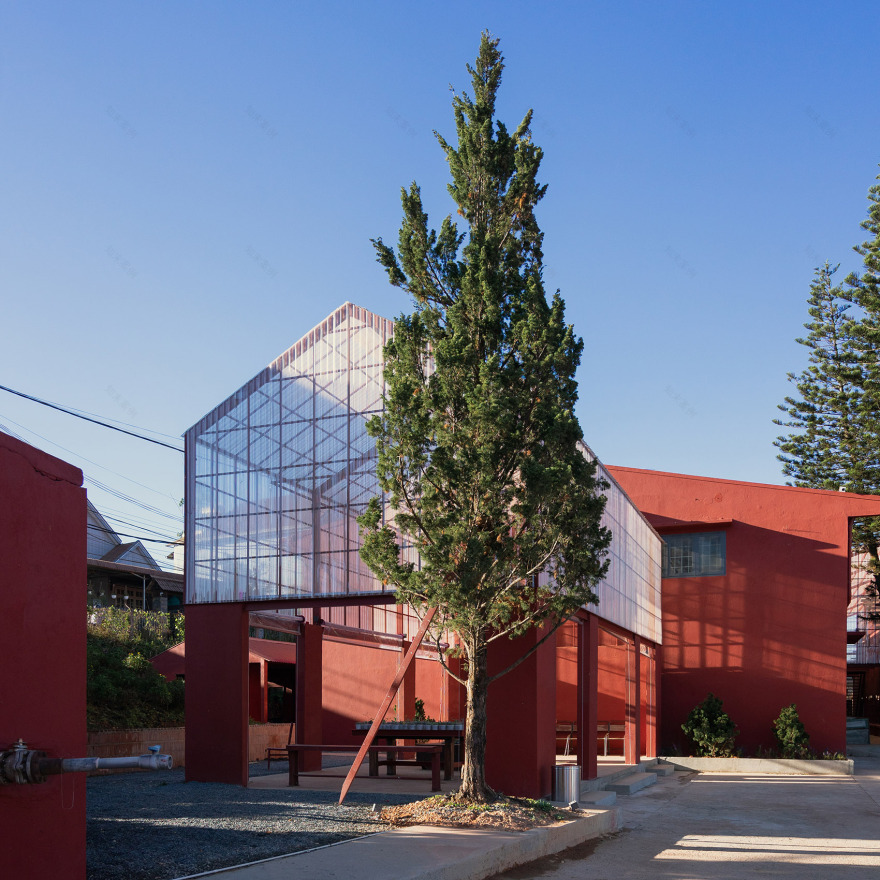
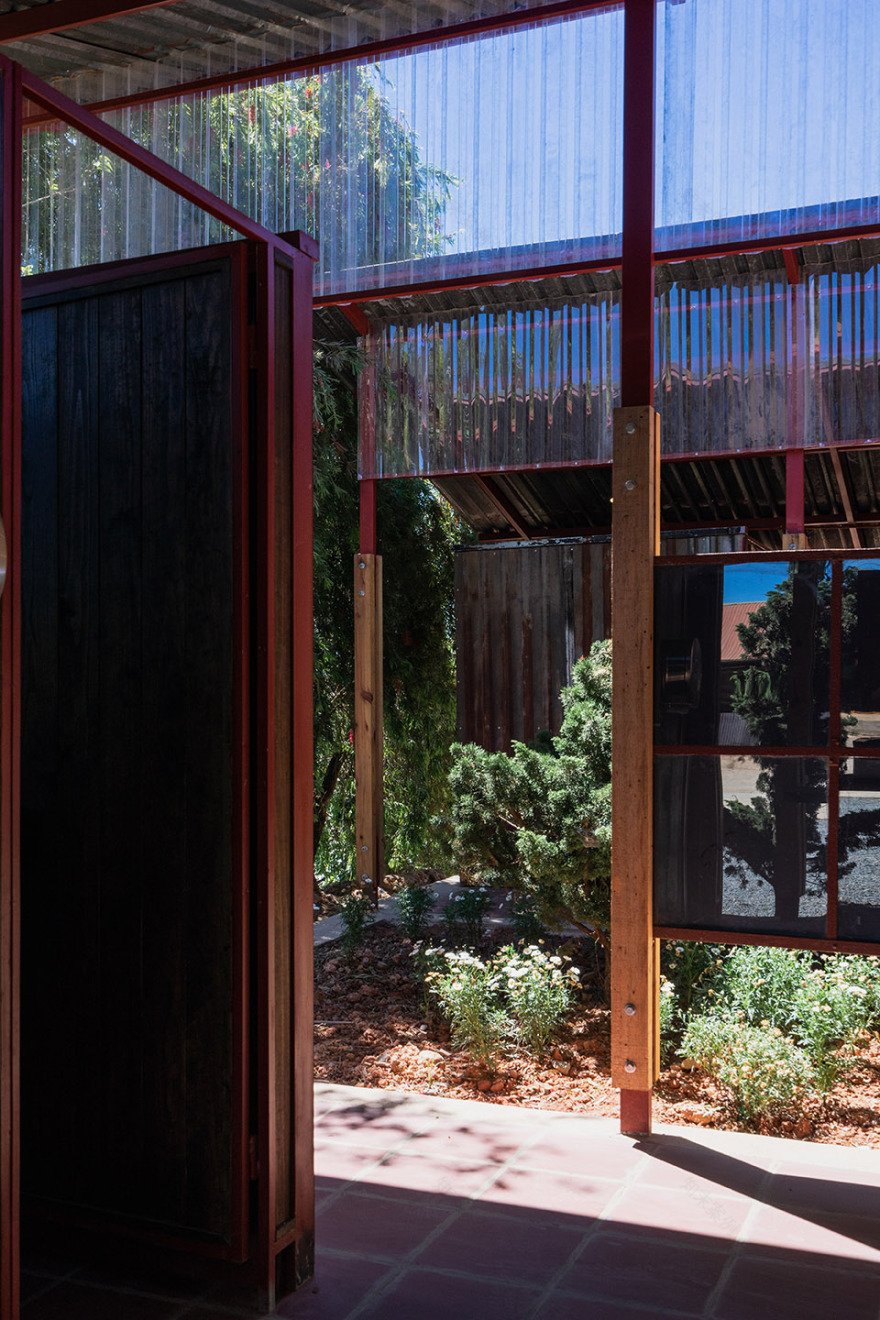
▼半透明的聚碳酸酯板显露出建筑鲜明的工业特征, Translucent polycarbonate panels reveal the building’s distinctive industrial character ©BODC
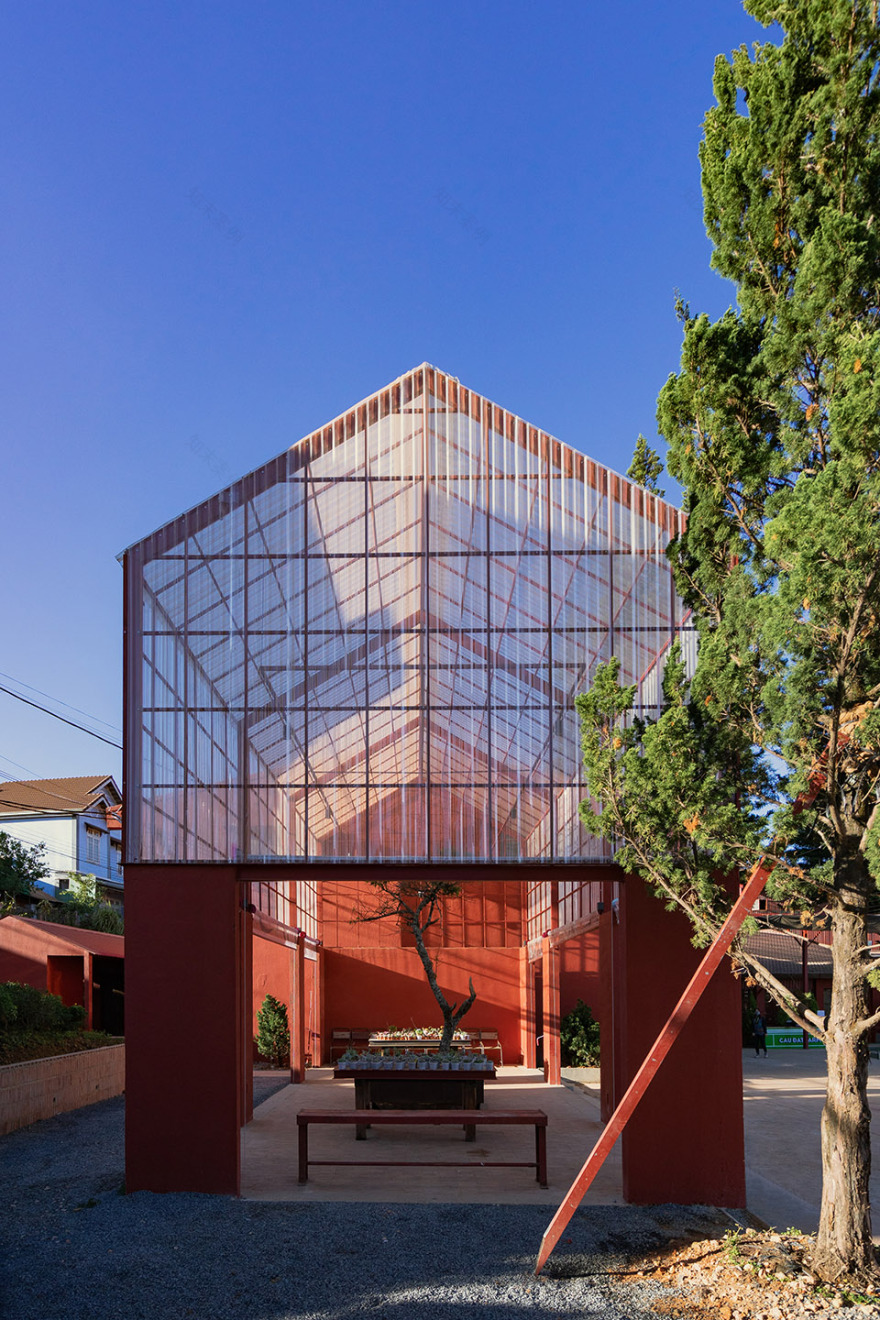
▼迎宾区室内,interior of the welcome area ©BODC

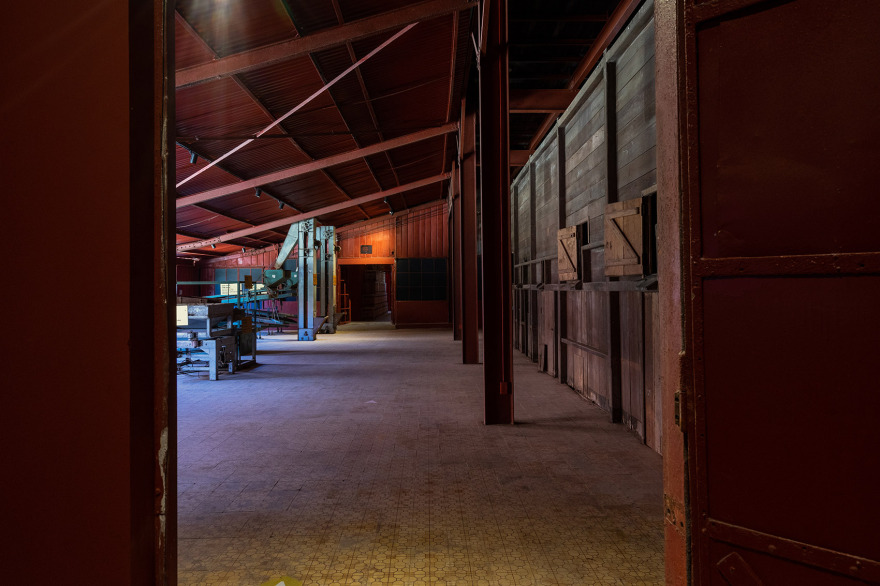
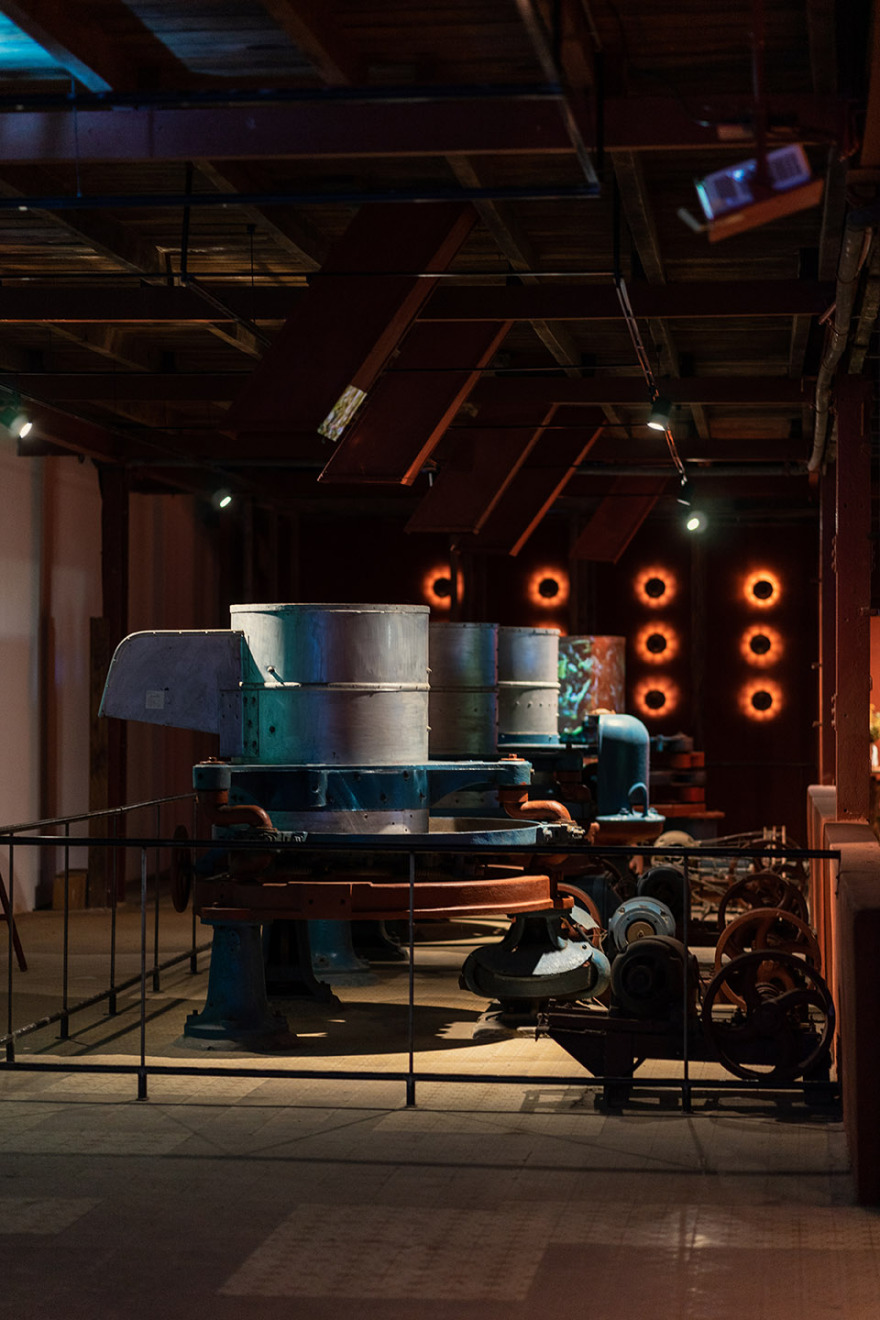
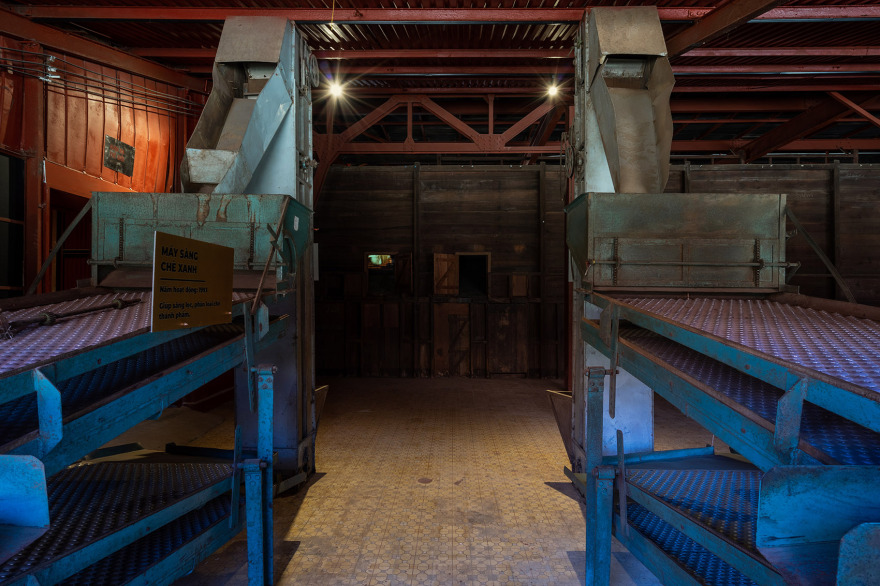
虽然原建筑的波纹钢板外观显得有些单调,但是老工厂仓库的内部却有着宏伟的空间比例,重复且排列整齐的结构体系,以及保存下来的、1931年从欧洲进口的古老工业器械,这一切都营造出一种令人印象深刻的怀旧氛围。同时这正是该建筑的真正价值所在,也是建筑师想要向外界展示和强调出来的关键点。
Although with the appearance of the uninteresting exterior and corrugated steel panels, this old factory often contains an impressive interior space of magnificent proportions based on a repetitive, neatly arranged structural system and the beautiful existence of some old manufactories (fully imported from Europe in 1931). This is the essential true value of the building – and the architects want to expose and highlight it to the outside world.
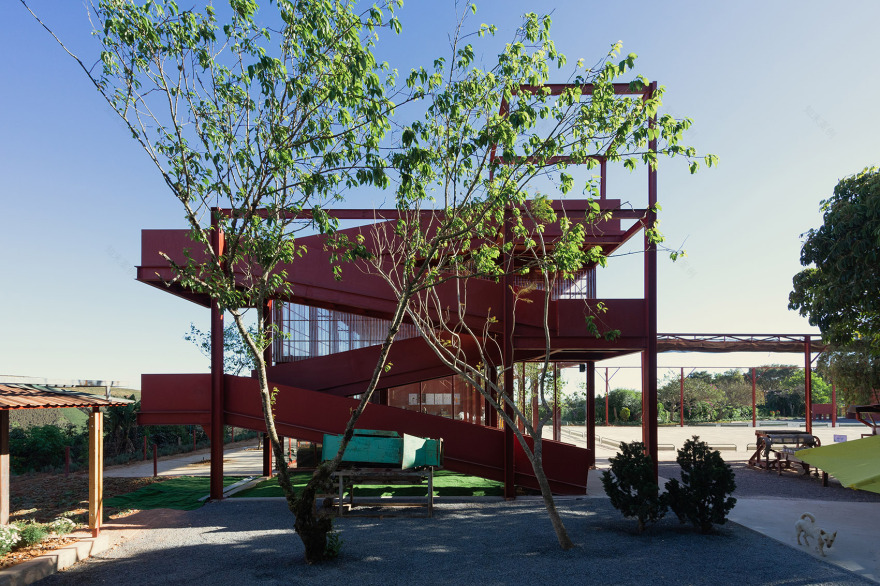
▼宛如艺术雕塑的室外坡道,An outdoor ramp that looks like an art sculpture ©BODC
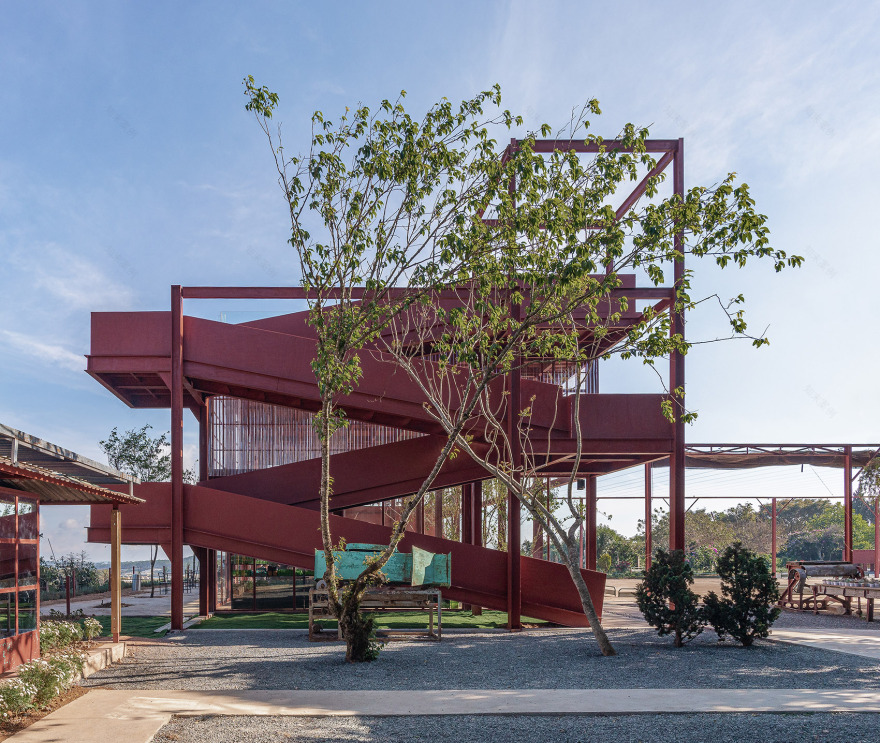
▼坡道与工业建筑结构的结合, The combination of ramps and industrial building structures©BODC
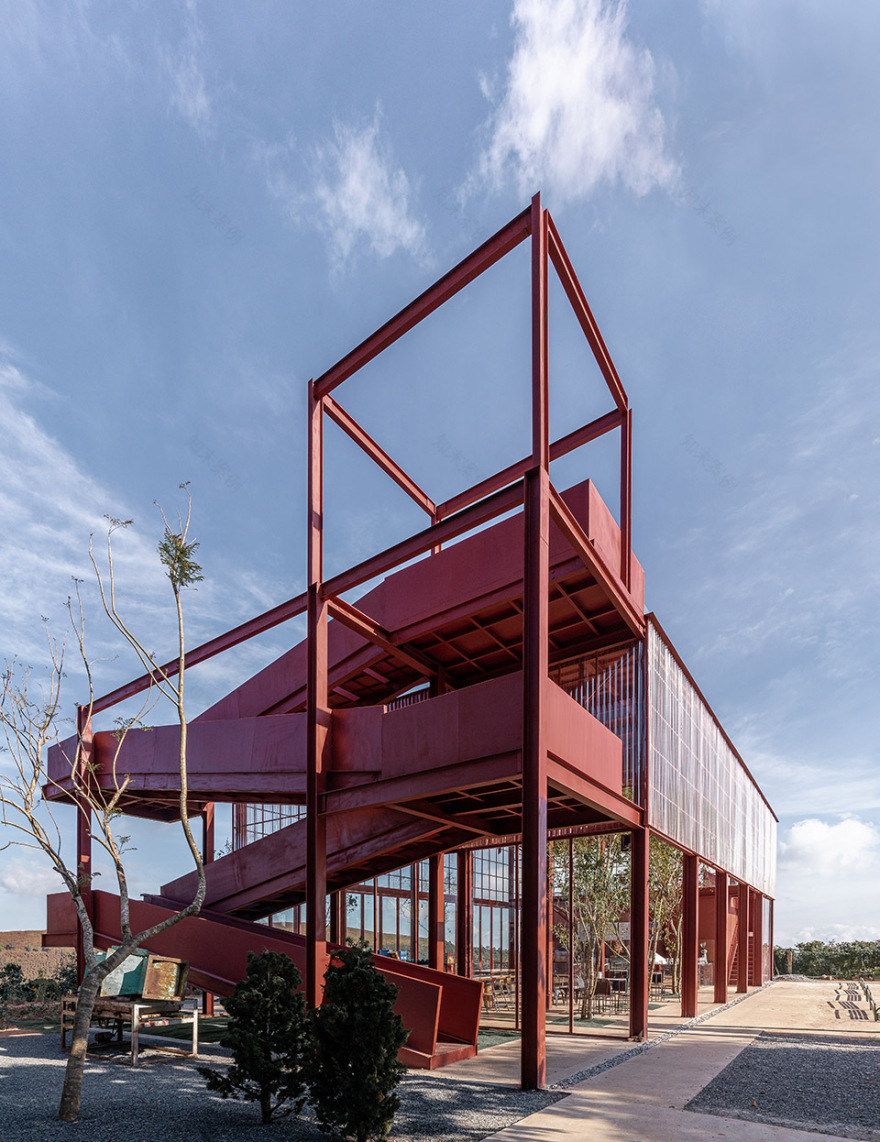
老工厂的改造方式简单高效,即,移除建筑中不合适的墙壁,使空间回归到原本的价值,之后再根据现有的结构重新规划出空间的功能和展览分区。通过这种方式,废弃的工业建筑获得了新生与活力,避免了面临拆除的命运。改造后的空间将随着使用者的需求不断发展,无论是作为短期的旅游目的地,还是从长远的发展越南茶文化的角度来看,它都能够以灵活的姿态回应这些需求。
The architects’ approach was simply to remove the unsuitable walls in the building, return the original worths and rearrange the rooms for functions and exhibition spaces depending on the existing structure. This approach can regenerate abandoned industrial buildings and revitalize the building facing demolition. And it will continue to evolve with its users – both in the short term, as the tourism aiming, and the long term, when new programs of tea cultures are added.
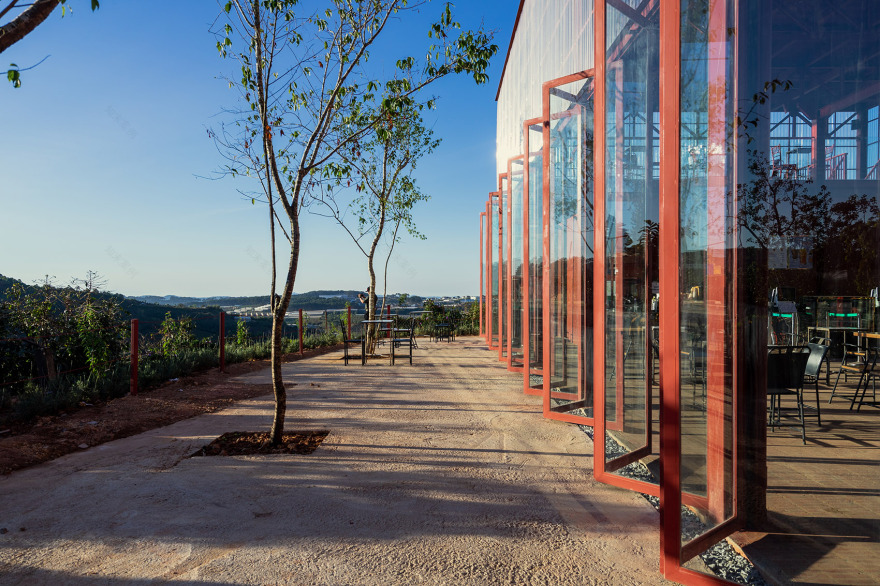
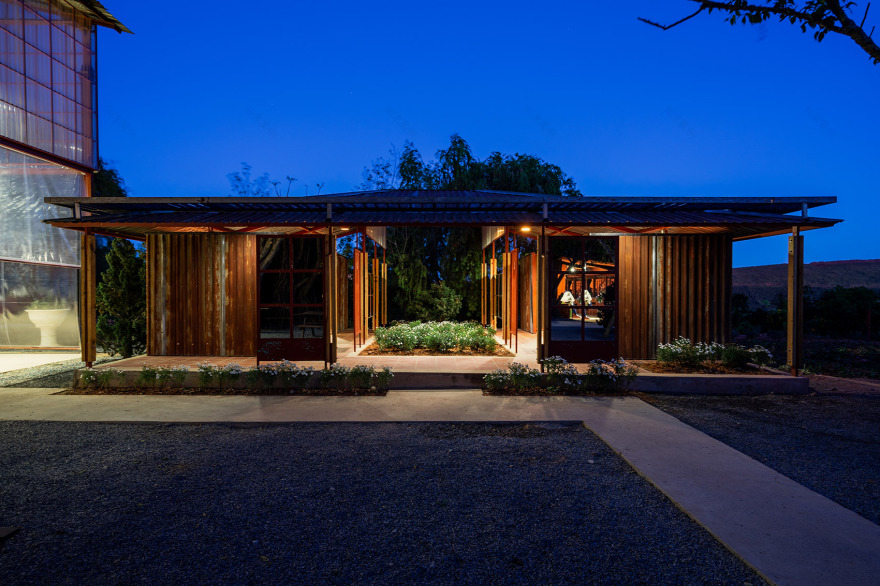
▼酒馆立面,facade of the bistro ©BODC
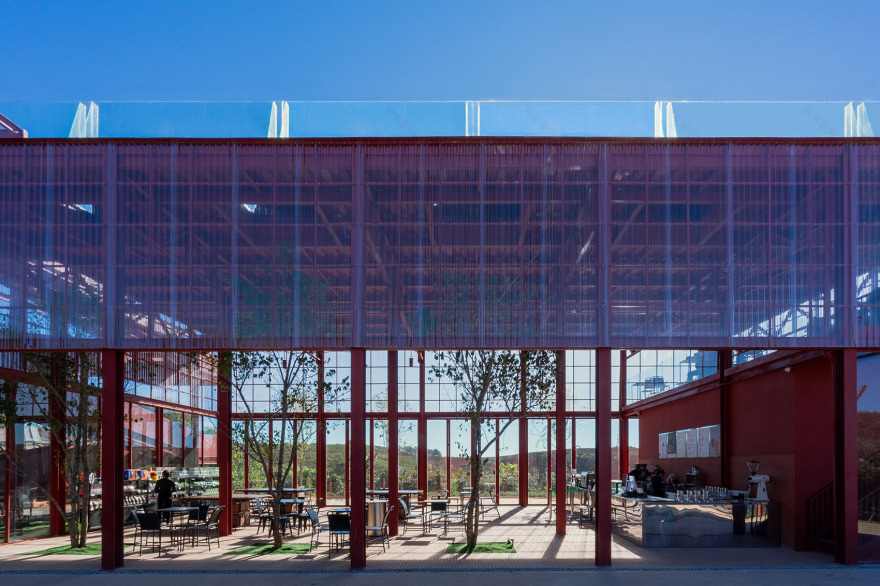
▼聚碳酸酯立面细部,Polycarbonate facade details ©BODC
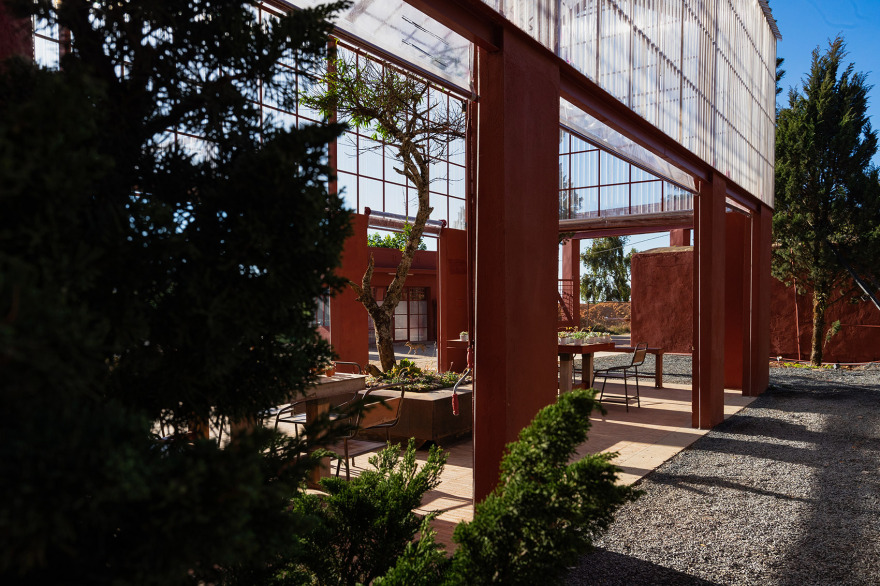
▼模糊的室内外界限,Blurred boundaries between interior and exterior ©BODC
▼由室内仰视天花板,View the ceiling from the interior ©BODC
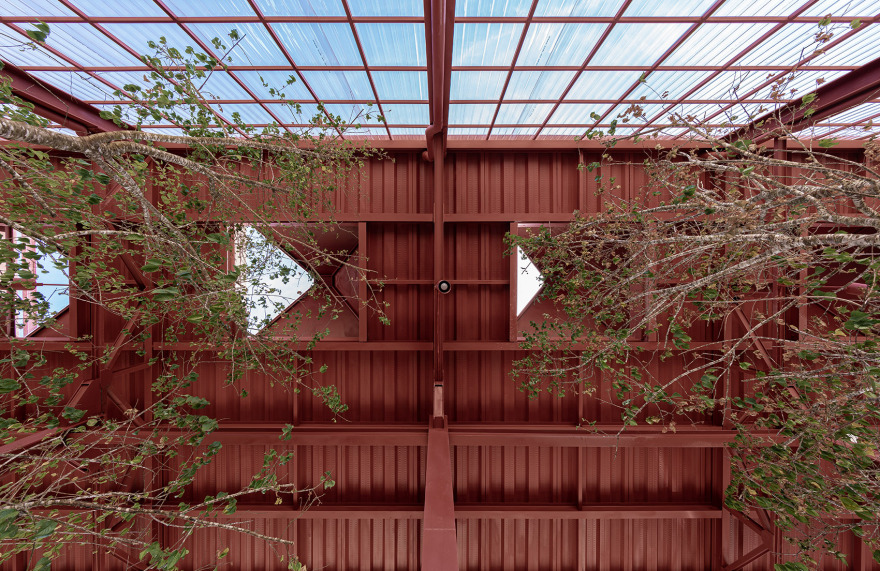
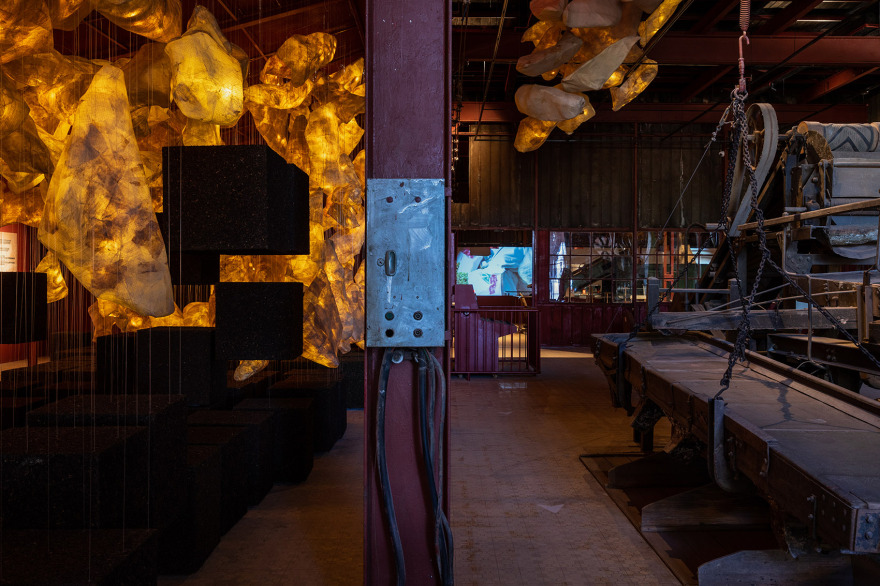
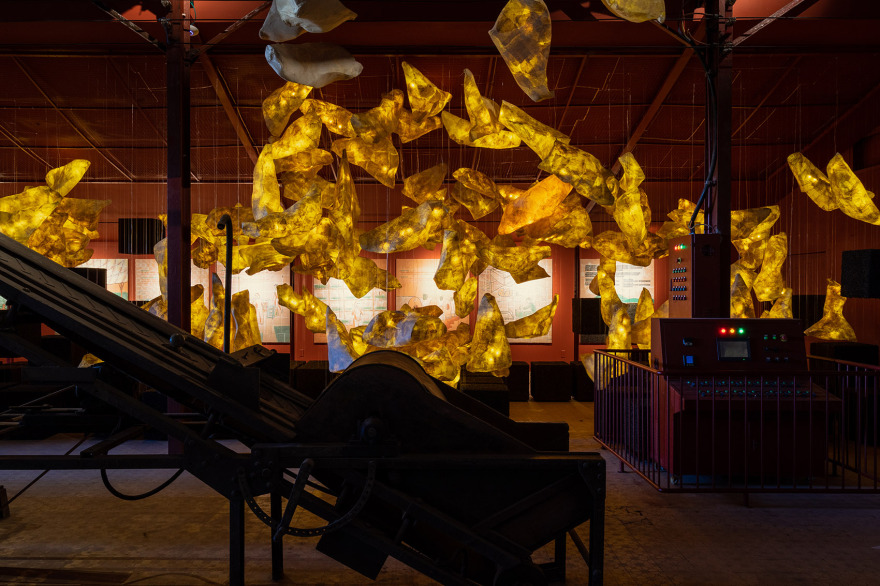
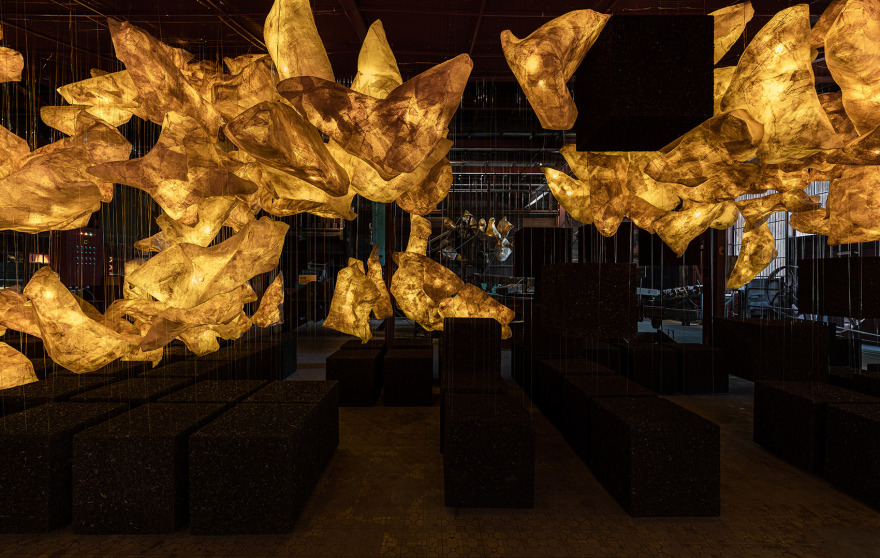
改造所使用的材料也非常简单,主要包括翻新的钢材、聚碳酸酯板、当地生产的砖材,以及混合有泥土的现浇混凝土。空间中悬挂的装置艺术品甚至是用茶叶制成的,表面刷有泥土和丙烯混合颜料。
The materials used are very simple, mostly refurbished steel, polycarbonate panels, local bricks and soil-cement mixture at the site. Even the artworks are made from tea leaves and painted by mixing earth with acrylic.
▼视觉媒体室,Visual media room ©BODC
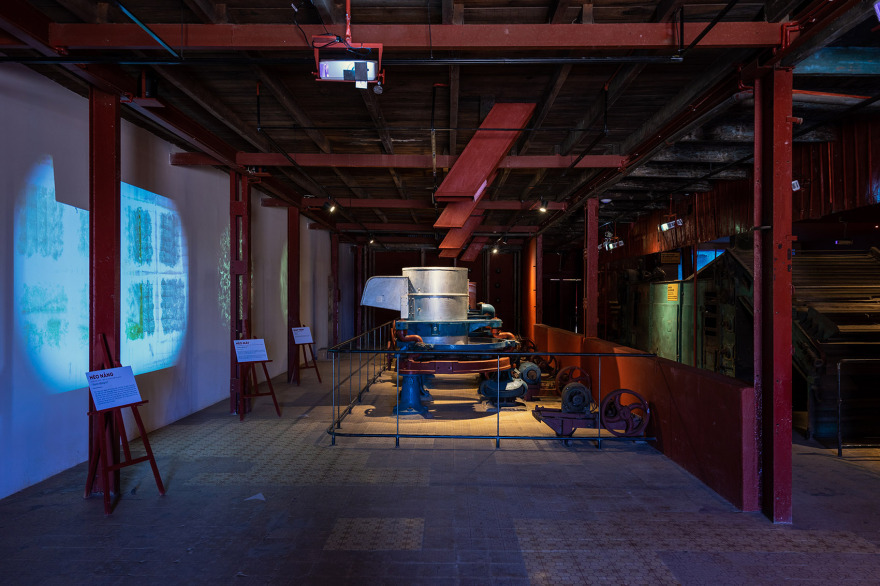
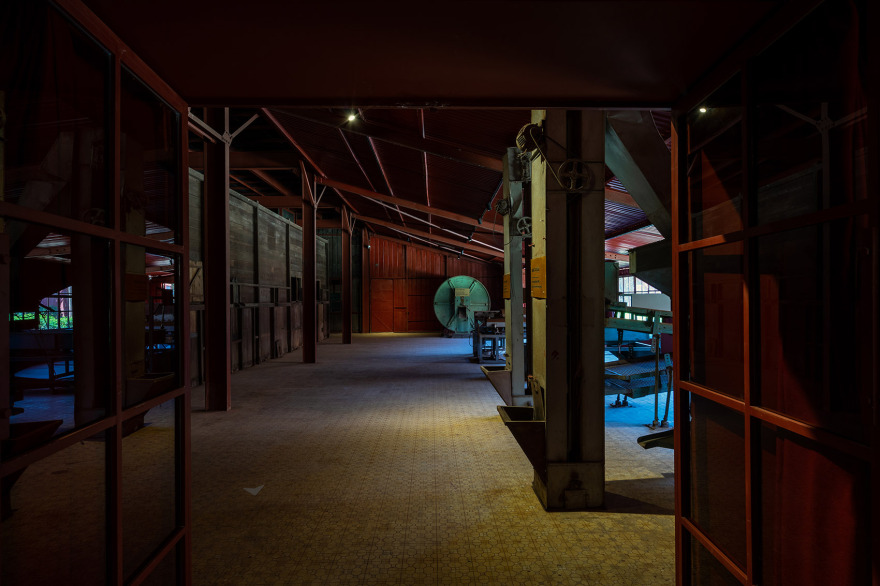
▼展览区与历史工业设备的结合,A combination of exhibition areas and historic industrial equipment ©BODC

▼现代艺术作品与历史遗址的新旧对比,Art installation in old factory ©BODC
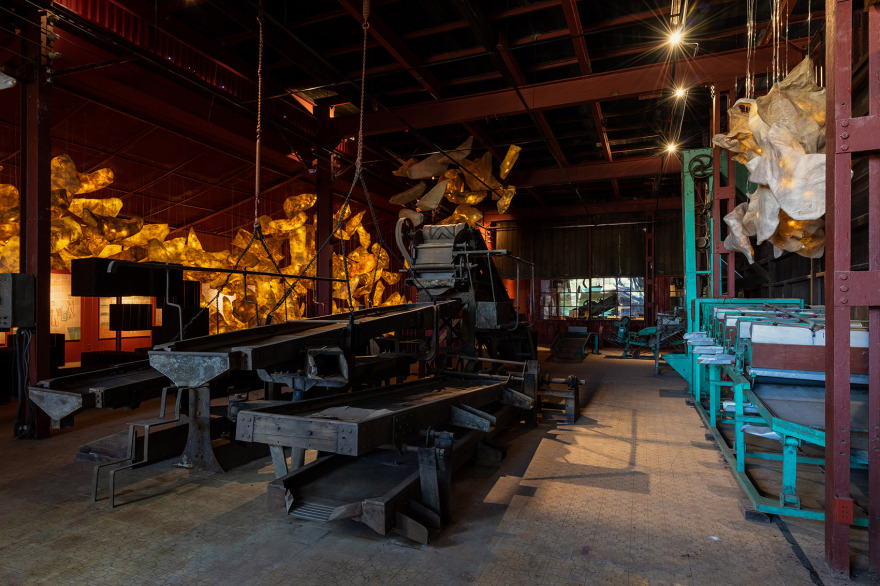
▼由茶叶加工制造的艺术装置,Tea Process Manufacture Art Installation Room ©BODC
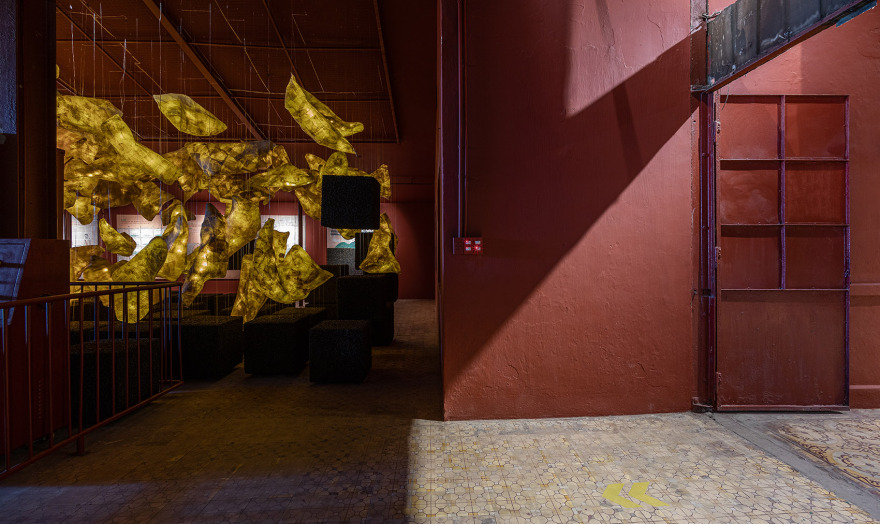
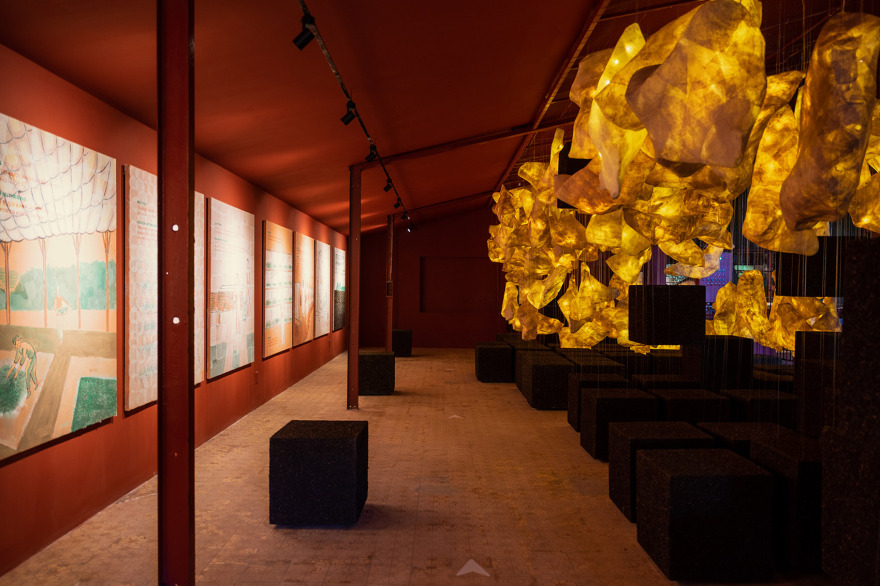
▼艺术装置细部,details of the installation ©BODC
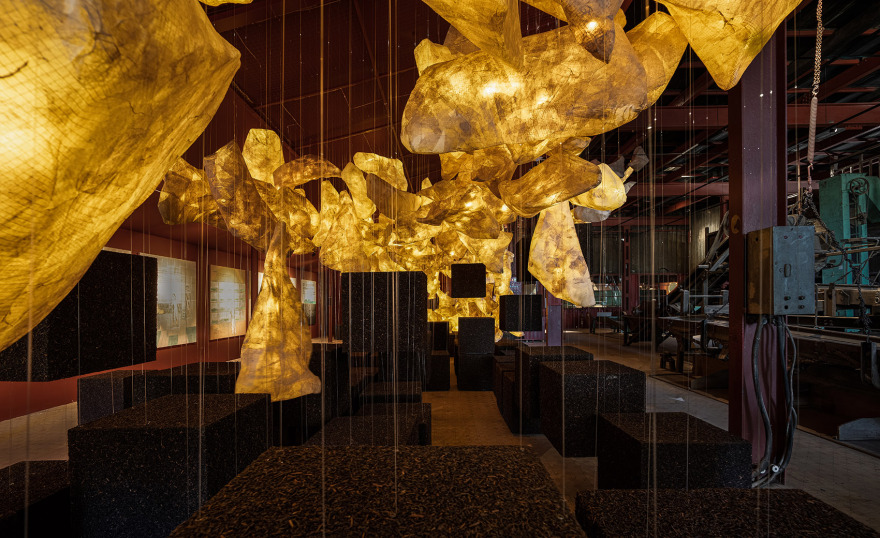
▼聚碳酸酯板室内细部,Polycarbonate board interior details ©BODC

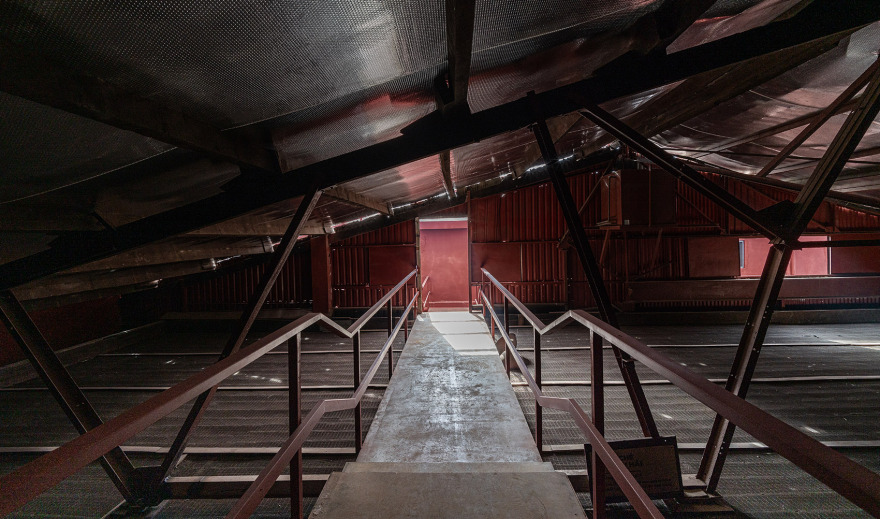
▼原始建筑结构为交通空间营造出独特氛围,The original structure creates a unique atmosphere for the circulation space ©BODC
本项目的改造造价大约为每平方米200美元,但它却有着极高的精神价值,为同类型工业建筑改造项目树立了一个经济高效的范本。自开业以来,博物馆工厂每天约有300名新参观者,它将带领人们深入了解当地的历史和人文,并通过将原有设备、机器与艺术模拟,以及茶产品制作工艺结合在一起,全面展示出越南茶文化的迷人风情。如果这一切还不足以让人尽兴,那么游客们可以来到茶吧,在这里茶师将会为人们烹煮各式各样的Cầu Đất茶产品,用丰富的茶叶知识与清新的新茶为游客们的参观之旅画上完美的句点。
It is an extremely economical conversion at around $200 per square meter, but incredible spiritual value. Since the opening, the factory has about 300 new visitors each day, who will understand the local history and people as well as being captivated by the combination of the original fixtures and machines and artistic simulations and steps for making tea products. And if all this isn’t enough to get visitors contented, there is a tea bar with sommeliers who will brew all kinds of Cầu Đất Tea Products and guide to make new tea drinks awaiting them at the end of their journey.
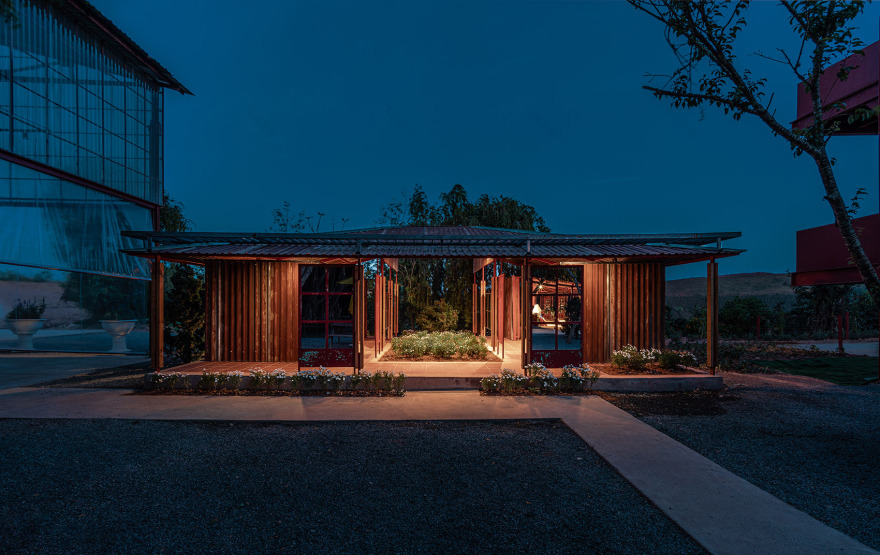
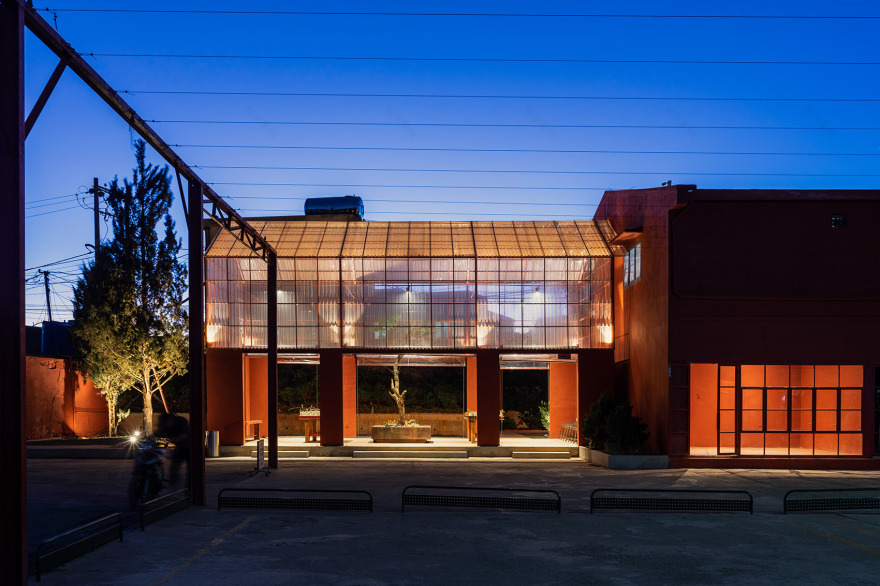
▼夜景,night views ©BODC
▼总平面图,master plan ©BODC
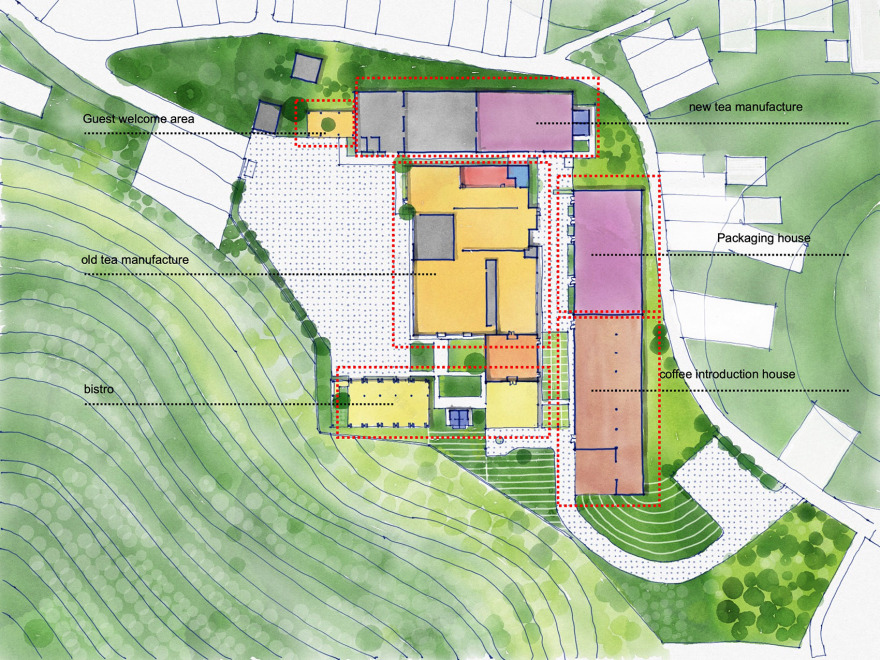
▼底层平面图,ground floor plan ©BODC

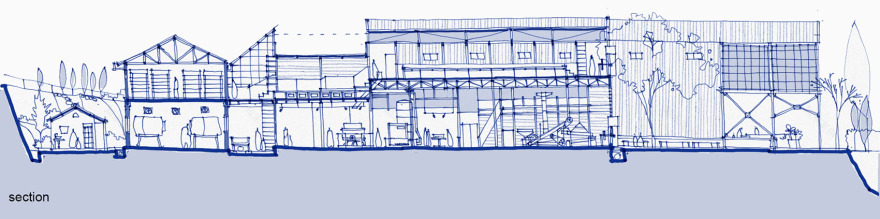
▼剖面图,section ©BODC
▼项目更多图片






南京喵熊网络科技有限公司 苏ICP备18050492号-4知末 © 2018—2020 . All photos and trademark graphics are copyrighted by their owners.增值电信业务经营许可证(ICP)苏B2-20201444 苏公网安备 32011302321234号
苏公网安备 32011302321234号客服
消息
收藏
下载
最近