

创作上传
VIP
收藏下载
登录 | 注册有礼
查看完整案例

收藏

下载

分享
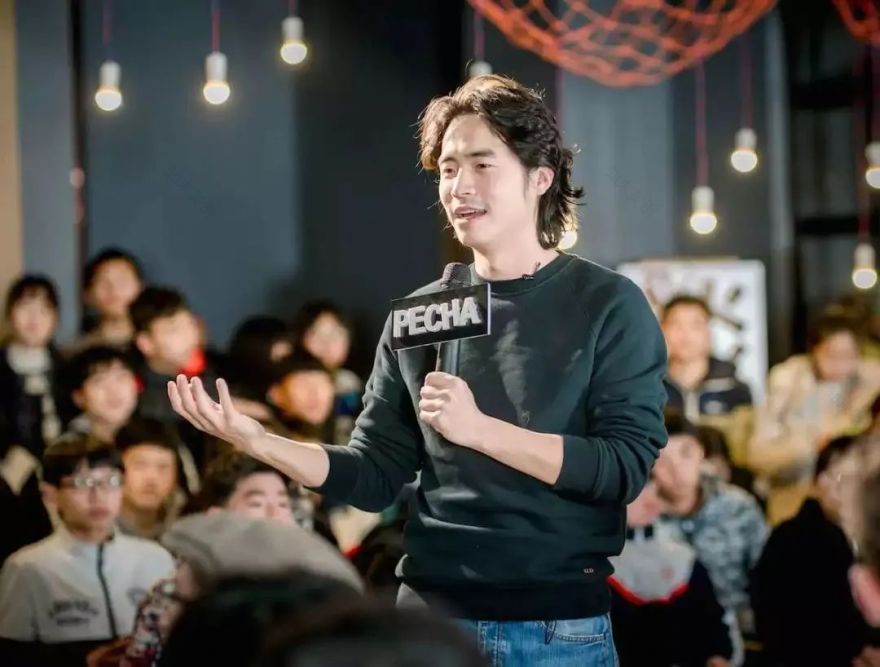
Daniel Zhang Xianming, Post-80s, sustainable city and architecture, Graduated from Carnegie Mellon University, Dr. TERI University, Chief concept designer of BROAD Pavilion of Shanghai World Expo, Head of corporate social responsibility of BROAD Group, general manager of BROAD core digital technology, founder of P8, founder of Lantian Laboratory.

ADA!Architects

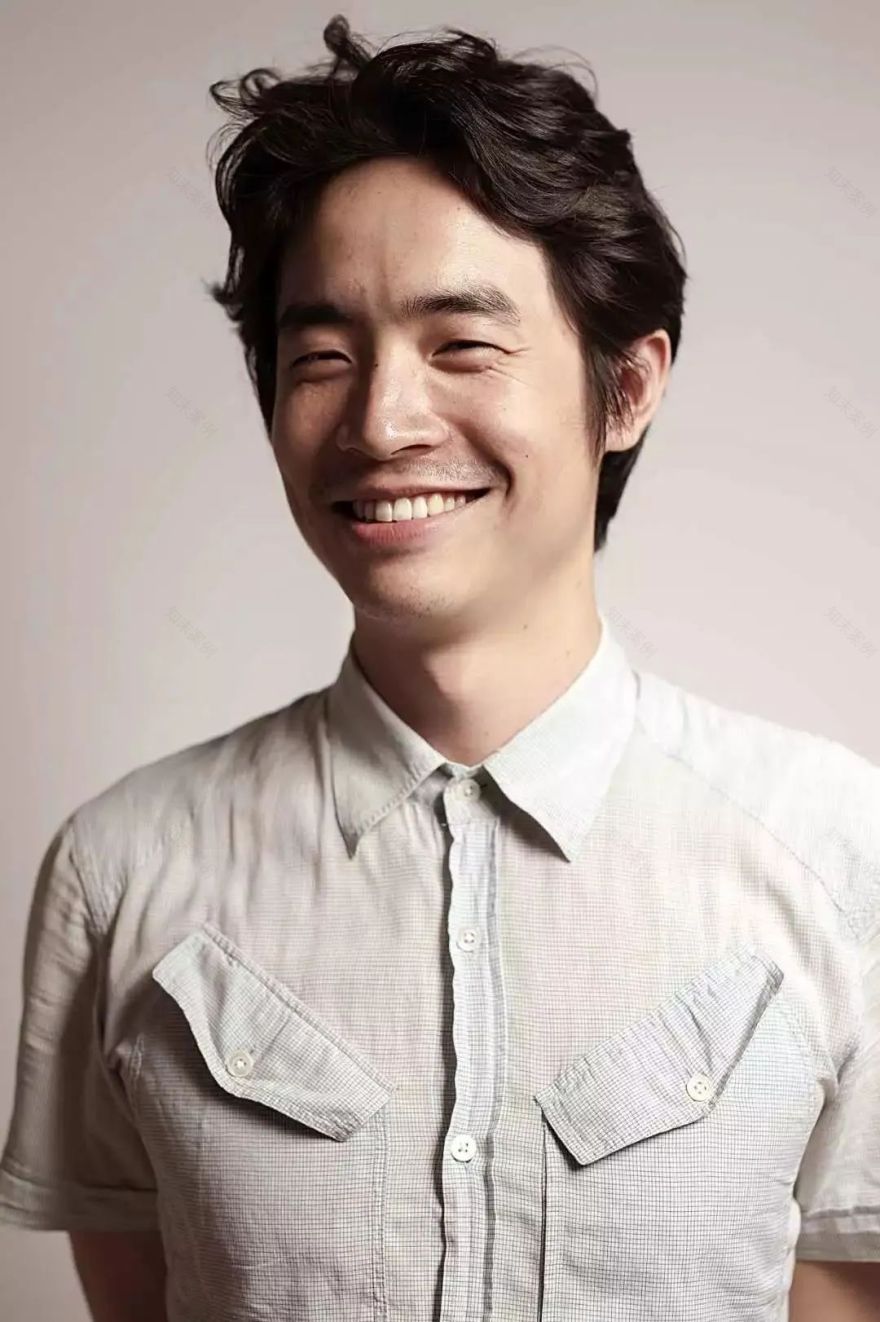
Daniel
张贤铭
—— 远大芯建
Q1
Is the Bcore slab mentioned in your last sharing lesson likely to become the basic driving force of building materials in the 21st century? Why are you so obsessed with it? Are there any new developments?
Daniel:If you come to think about it, building material hasn’t had any major change for centuries. I also think about the longevity of architecture, I once read an article, it is talking about whether we can build a skyscraper to outlast the pyramid. The issue is we can’t today, and we aren’t concerned with it. I think our schools have taught us to be short sighted. Architecture belongs to time, we should be concerned with what happens after we are gone, we are dead, what happens to architecture. I think to leave something for the future, like the great temples left behind by the egyptians, or great wall of china, these are wonderful things we have. I believe that is why in 21st century, suddenly we have breached so many limits of planet earth, we are to be responsible for future generations for real, we should be making buildings that last longer than concrete, that is why BROAD builds only with stainless-steel sandwich cores, the more we build with it, the more we practice with it, the more we are good with it, it gets more affordable. I feel like architecture is philosophy, and if we are in territories of new morality, I find that to be satisfying, we are venturing into new areas by the meaning of our action to choose to build with a material that will last thousand of years, and the whole team at BROAD understand it. Currently we are making hospitals for Korea, they are negative pressure rooms, they are to be built very quickly, although they are not purposefully design to be appealing, but the meaning of the action to use buildings to save life, and bring peacefulness, and sense of safety, that is my satisfaction about architecture, there is real need for it. With the new material, our partners are happy they will can be used for a long time, despite built in such a short time. We will manufacture them in our big factory in Hunan, then ship them to Wuhan, the modules have hinges, they flip open, and BROAD’s air systems are preinstalled, so the whole MEP just works without troubling the builders onsite, we did everything offsite in our factory. This is my feeling of what architectural grace is, it needs to look good on renderings, but the construction site has to be as graceful as well, if the site is made with brute force, and lack of environmental concerns, I think the beautiful renderings are lies. I believe the Bcore material is going to take time, but every small step now leads to potentials for a systemic change in the future, when people experience it, when it arrives in people’s lives, it is more than what words can describe.
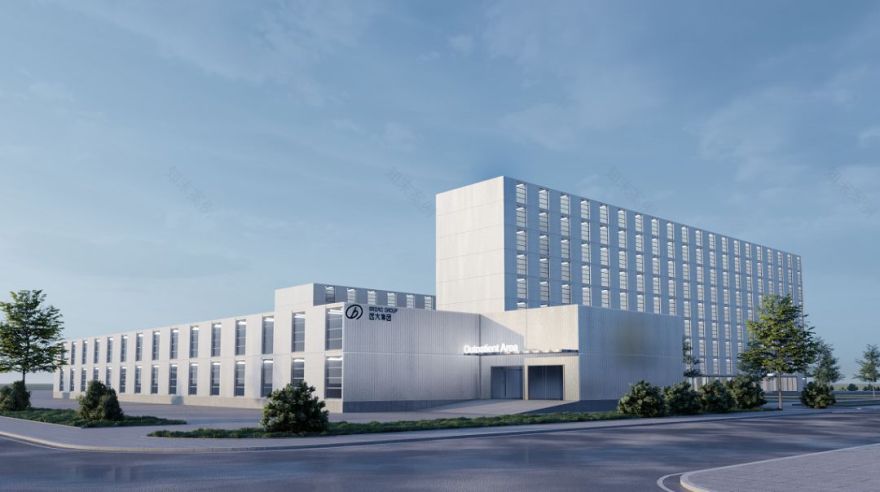

Mungyeong Negative Pressure Isolated Patient Room
Q2
How does BROAD core board and other projects you are working on deal with sustainability? Can we talk about the use efficiency of buildings and other aspects.
Daniel:Sustainability goes deep, I like to talk about deep time sustainability, architecture is embodiment, what is it made of, and how it performs are both important. We began decade ago to insulate houses, creating high performance building envelops, the lessons from retrofit is great, but later on we discovered the issues with concrete, and steel, the rebars and I-beams rust, so eventually the building have an expiration date. Building with concrete is worst, because most concrete end up as landfill, if they don’t fall on people. I am only talking about the basic foundations of sustainability, they it goes onto social sustainability, which is how we program the building, how we make buildings that can flexibly adapt to the future. In this way we have good long lasting materials, but we also have open floors, with flexibility of programming, and most importantly what building do after the are built, they change, but just at a very low speed, so we have to make buildings with possibility of reprogramming. So we build mostly with frames and columns, then each floor can have different interior wall separations. If we are to make buildings sustainable in many life times, we have to first build it to be safe, high energy performance, with low embodied material energy, like steel is stronger than concrete by weight to strength ratio, and our sandwich core is even lighter for every square meter steel usage, so we use less materials. And finally we make buildings adaptable over its super long term life span, that is to me sustainable architecture.
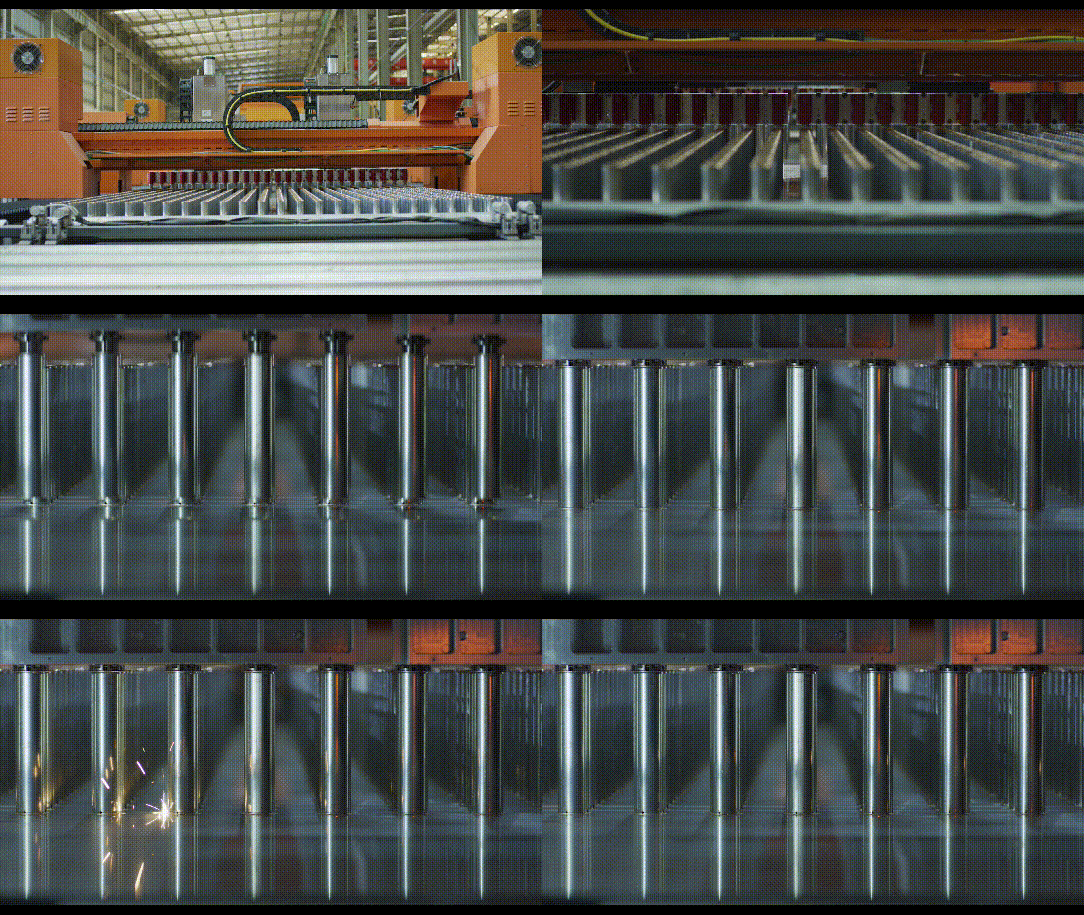

▲stainless steel BCore slab
Q3
If the city is compared to a living organism, then all kinds of buildings standing in the city are the cells of this organism. It can be seen that architecture is a very important part of the city. How do you interpret the relationship between architecture and the city?
Daniel:Yes, I often think of the organic cells, like seeds, seeds are composed of single cells, and the germinate, going through differentiation then formulate the wholeness of the urban organism. It is my world view of the world, I studied a lot of Christopher Alexander’s work, I even tried to do my phd dissertation on him. For one of his latest books, the battle for the life and beauty of earth is very accessible, the fuller compendium you have to read the colossal four volume Nature of Order, adds up to about 8000 A3 pages. The larger idea is quantum wholeness, so the relationship between architecture of city, is that city is greater holistic phenomenon of the parts, it is what Aristotle said the whole is greater than the sum of its parts. It is a counter-argument to reductivism, that is the newtonian and Descarte’s view. So if we follow through, the material, the building, the architecture, the planet, there are scalar relationships, each a greater whole of the previous small parts, together they behave with a larger field of coherence, this coherence needs to be taken care of, when the relationship between parts and whole are incoherent, there is significant disruption of human existence. In the end everything serves to a wholesome life of a person, what does it mean to be really alive? Your environment is important, there is even one more view it is to say, the environment is an organism, and we are part of it. Personally, I struggle between master plan and piece-meal design, I think this can only be resolved in practice, that is to say we have to resolve it again in real world, but not by words or theories. We have the tool, such as my approach and Broad’s approach to modular design. It is trying to experiment the relationship building, from planetary resource relations, to building usage relations, and also the much larger historical relations.
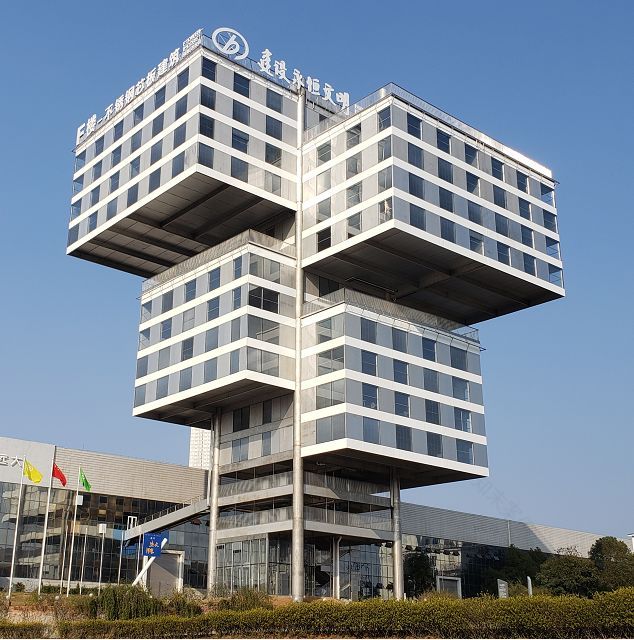
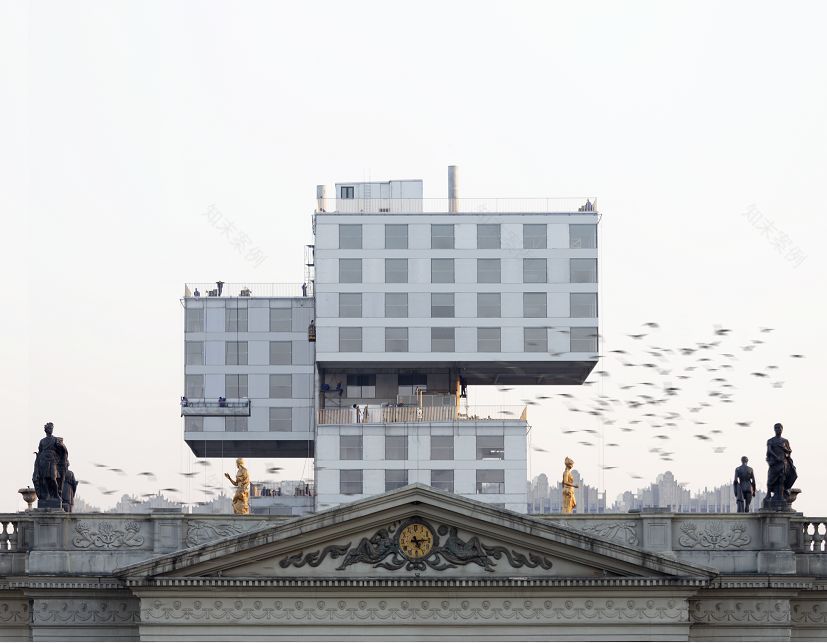
BCore building-F Tower
Q4
You have always been interested in literature. Which Chinese writers do you like? Why?
Daniel:I read so little Chinese, I am sorry, I do like the writing of the architect, Liang Si-cheng, he is one of the first person to call architecture a language. I read Lao Tzu quite thoroughly, and for modern writers, I really like the work of Dai Sijie’s imaginary landscapes.
Q5
Can you introduce your novel to us? At the end of the last class, many students were very interested and eager to read it. What is the opportunity for you to have the inspiration and motivation to write a novel? When will these books meet with us?
Daniel:Why I write is I think quite primal in shelter-making and nest building, I like animals, I have turtles and still some tortoises, I like seeing them live. As an architect I like to think in first-person walking around, or wondering around in my designs. As architects, we have developed strong spatial imagination. So writing helps me to get to the higher level of spatial imagination, I can dream in the space as character of my writing. I wrote stories for my imaginary architectural creation, Hi’Bitat, now I am working on the Evercity series, I have just finished the last short story of the first volume, it is made of seven stories. I started writing this, because skycity’s natural evolution, having read tens of thousands of people’s responses for skycity online, I want to keep the work in motion. So after skycity we created Evercity, a long linear structure, for Bcore also makes roads and bridges, aside from architecture. Evercity has a lot existing technical grounding, now I can take the grounding towards making stories around it. I think of the evercity’s climate great wall also as a character inside my stories, and how my characters interact it. Most of the conflict are personal conflicts in work and life, and the resolution are also personal too. I think it will be soon, 2020 Spring, it will be out to meet you guys.

Anna’s illustration for Daniel’s new short story, good ancestors, the city of eternity
Q6
What makes you choose the direction of architecture and now "climate Great Wall" and other projects? Can you share your personal study and work experience with us?
Daniel:Personal study, I have lived and worked in over 10 cities since young, Beijing, Singapore, Pittsburgh, New York, Berlin, New Delhi, Shenzhen, Changsha, Shanghai, Amsterdam, Taichung. I was educated in Carnegie Mellon University as bachelor of architecture, I really loved it, on my fourth year, I design and built the BROAD Pavilion in Shanghai World Expo, 2010, we had 2 million visitors in 6 months, it was quite a reality check, on what is architecture. Then I became a visiting scholar to India and then Berlin. I collaborate a lot with experience architects, then opening global competitions. I think the reason I chose the Climate Great Wall is because of my wild geographical experiences, I like to think in continents, think about big infrastructure projects, it was then I found I could break to a higher scale by playing with the largest human architecture ever created, the Great Wall of China, it is also because I am Chinese, I feel that spirit in us, besides all the socio-political connotations.

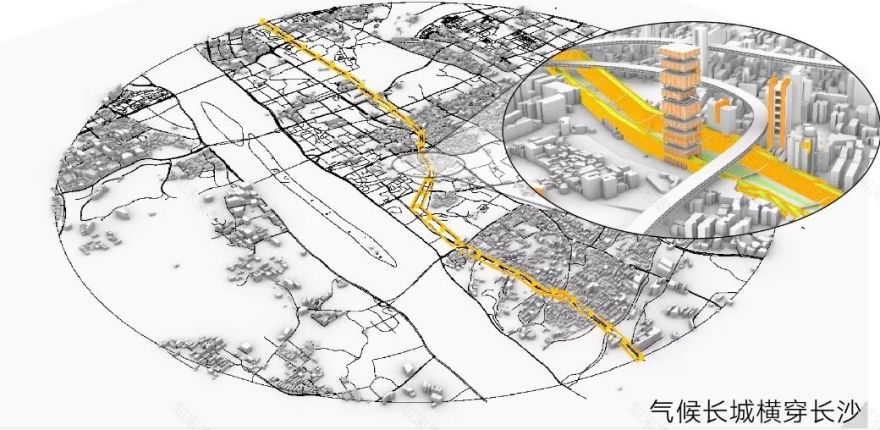
▲BROAD‘s Construction of "climate Great Wall"
Q7
What setbacks have you encountered in your design and career? Are the achievements achieved up to the original expectations?
Daniel:Setbacks are too often, making dozens and dozens of design iteration but never getting it built? Setbacks are so normal to architects, I wasn’t even admitted to architecture school in CMU, my grades were good enough. But then I wrote a long letter, the head of architecture school read it, and placed me in because if my tenacity. My life is about setbacks, I have had four surgeries, the first one was for my heart when I was 9. So I think setbacks are really accelerators, because they make you grow faster when you are out of your comfort zone. I moved six elementary schools. Having lived in many countries, which I don’t speak the language, and now I am in BROAD Town for 5 years, it is pretty rural here. So to speak of expectations, no one should have expectations, because you will surpass it or fail it, it never works. I read Fountainhead before I went to architecture school, so I had prepared myself psychologically, the life an architect, is a life of self-annihilation, you have to completely reborn yourself every so often, to create more art. I think architects are born for this.

Pay attention to your life and often see the happy moments of you and your wife. May I ask about your emotional experience? Is your partner very helpful and supportive to your work? Is it also your driving force?
Daniel:We are very similar people if you believe in horoscope, we have the same birthday, but a year apart. So it was more of fate. Like love you can’t really rationalise it. I think we are both very easily satisfied people. So we have all we need, to push forward is more about our responsibility to our teams, to our family and our friends. She is a professional user-experience designer, she designs according to what people want to do with their product. I am an architect, I design the building according to what I want them to do with their buildings. So in this way we get into arguments, but it is ying and yang, that is why we move forward, because of polarity.

Q9
We are in touch with you are kind and low-key, but also some lovely. Is it the same in daily life? Is it the state of workaholic or will you often relax and enjoy life? Is there any good way to relieve the pressure?
Daniel:I put so much on myself, so I am naturally in zen mode, or else it is hard to cope sometimes. To relieve pressure, it is important to know some basics of meditation. I think low key, and funny is important for you when you need to jump up. Sometimes at work I blow up, but that is rare, and that is when I need to, and most of the time I hold my temple not to hurry or get agitated. I find if you get agitated, you don’t see problems clearly, you are wasting time, which you could use to go deeper into investigation to the root cause of the problem, and naturally arrived at a solution. Solution comes to you when your mind is truly relaxed, like reading a novel.

10
Can you give some suggestions to the students and young designers of architecture major?
Daniel:I think you have to pick sides, whether you are going to be traditional or non-traditional. Pick the sides early on, I picked the non-traditional path, and I am who I am. Traditional is more about architectonics, like Le Corbusier. Non-traditional is more conceptual, I enjoyed conceptual work so much, I think I can be satisfied without money pressure, but that is also problematic, because you need to go very deep, before you can get out, and start to practice in the real world, start to turn conceptual knowledge into some kind of practice, I have grown out of the appearance of architecture now, I used to be more about form. Now I would say I am more about the culture of building, rather than the design of building, I am always seeking an unique cultural of building, like the Tulou, how it is built, without much more than just the culture of building. So my suggestion is really pick sides, know who you are early on, then go deep down that path, very deep.
"bonus scene"
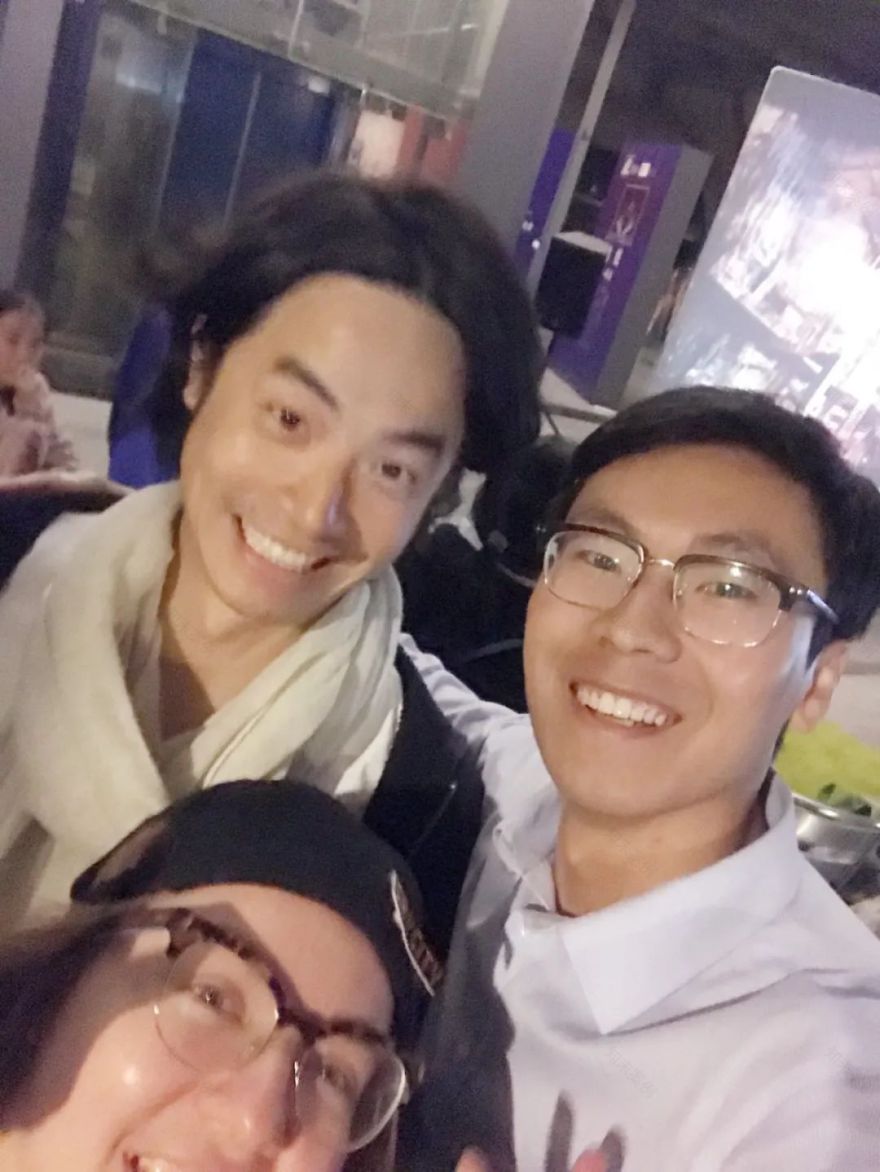
We met Daniel in the Skycity J57 Tower built by BROAD Group in ChangSha
南京喵熊网络科技有限公司 苏ICP备18050492号-4知末 © 2018—2020 . All photos and trademark graphics are copyrighted by their owners.增值电信业务经营许可证(ICP)苏B2-20201444 苏公网安备 32011302321234号
苏公网安备 32011302321234号客服
消息
收藏
下载
最近