

创作上传
VIP
收藏下载
登录 | 注册有礼
查看完整案例



收藏

下载

分享


“河道屋”是京都一家拥有300多年历史的荞麦面餐馆。这是 “河道屋 倖松庵“新店,也是“河道屋”的“become a goodwill partner”友好合作伙伴。
“KAWAMICHIYA” is a soba restaurant in Kyoto with a history of over 300 years. This is the new store of “KAWAMICHIYA KOSHO-AN”, which is “KAWAMICHIYA”‘s become a goodwill partner.
▼项目概览,Overall view © Kohei Matsumura

▼入口,entrance © Kohei Matsumura

▼入口庭院,entrance garden © Kohei Matsumura

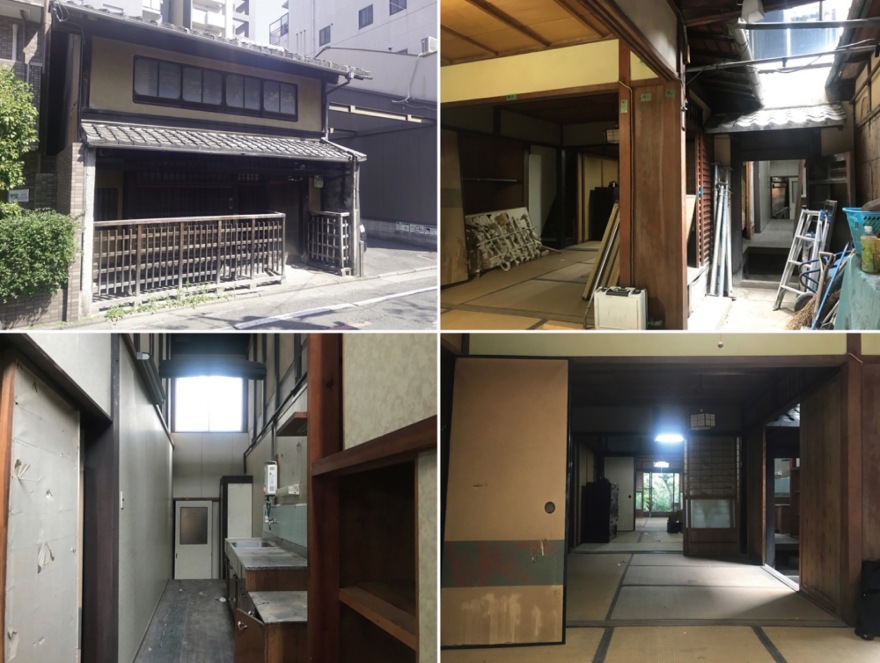
我们翻新了京都市中心的一座拥有110年历史的联排住宅。它原本设计精巧,但为了方便生活进行了各种改造,精妙的设计被隐藏或破坏了。因此,我们试图恢复联排住宅的元素,例如窗户和龛室,并添加新的几何元素,使其成为一家重新焕发生机的新店。
We renovated a 110-year-old townhouse in downtown Kyoto. Originally it looked like a townhouse with an elaborate design, but various modifications were made for living, and those designs were hidden or destroyed. Therefore, we tried to restore the elements of the townhouse, such as hidden or lost design windows and alcoves, and add new geometry to them to revive them as a new store.
▼入口区域就餐区,entrance seating area © Kohei Matsumura

▼各种材料作为新的建筑构件,various materials were adopted as new building members © Kohei Matsumura


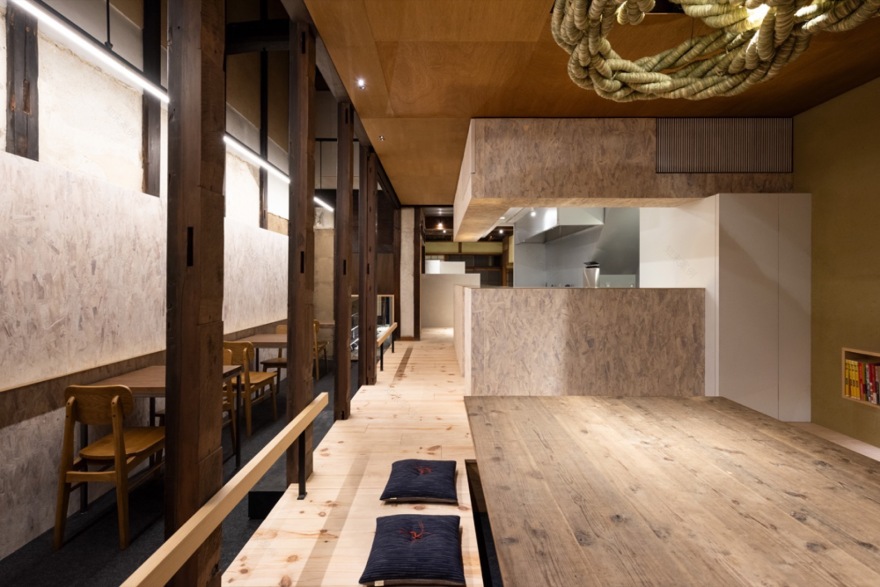
▼就餐区,seating area © Kohei Matsumura

我们认为,联排住宅的元素具有一种 “存在的密度”。我们考虑了”存在的密度 “的浓淡,并考虑了应在其中融合何种新建筑部件。为此,我们采用了各种材料作为新的建筑构件。在新建筑中,传统的联排住宅材料失去了原有的意义和功能,而作为新的设计复活。龛室凹间成为展示柜,木板门和障子失去原有推拉功能,而成为墙壁和屏风。
We believe that the elements of townhouse have a kind of “Density of Existence”. We considered the gradation of the “Density of Existence” and considered what kind of new building parts should be blended there. As a result, various materials were adopted as new building members.In the new architecture, the traditional townhouse materials have lost their original meanings and functions, and are revived as new designs. The TOKONOMA is a display shelf, and the wooden doors and shoji screens are not fittings but serve as walls and screens.
▼不同的地板高度,different floor height © Kohei Matsumura

▼厨房布置在建筑的中央,kitchen in the center of the building © Kohei Matsumura


我们将厨房布置在建筑的中央。食客在到达每个座位之前就会体验到不同的空间序列。此外,通过将地板高度设置为100至 300毫米,不管是脱鞋进入房间、坐在椅子上还是坐在地板上,而不会感到不自然。通过设置不同的地板高度,我们可以控制餐位、花园和街道的不同视线。
We laid out the kitchen in the center of the building. Visitors will experience various sequences before reaching each seat. In addition, by setting the floor height to 100 to 300 mm, it is possible to take off shoes to enter the room, sit on a chair, and sit on the floor without feeling unnatural. We control the line of sight to the audience, the garden and the street by the height of each floor.
▼体验不同的空间序列,experience various sequences © Kohei Matsumura
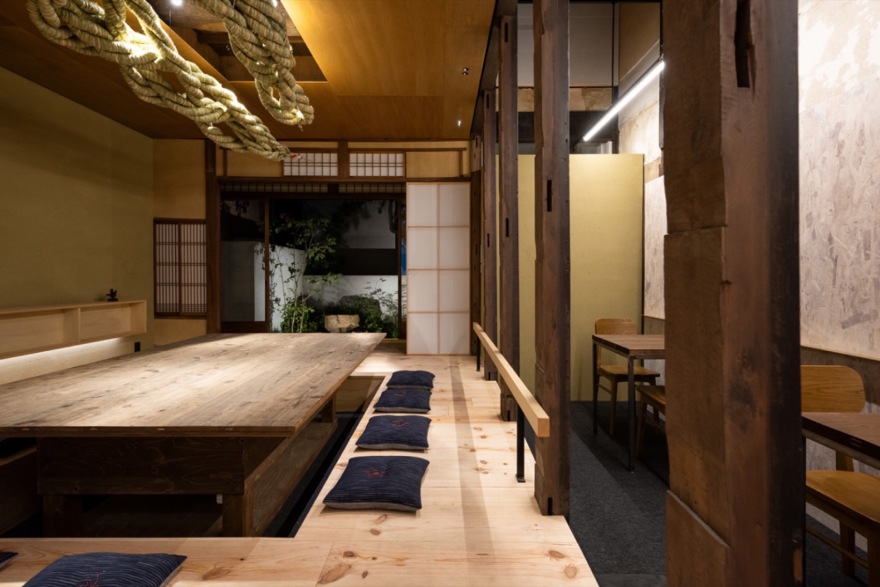
▼下沉座位区与庭院,zashiki seatings with garden view © Kohei Matsumura

▼庭院,garden © Kohei Matsumura
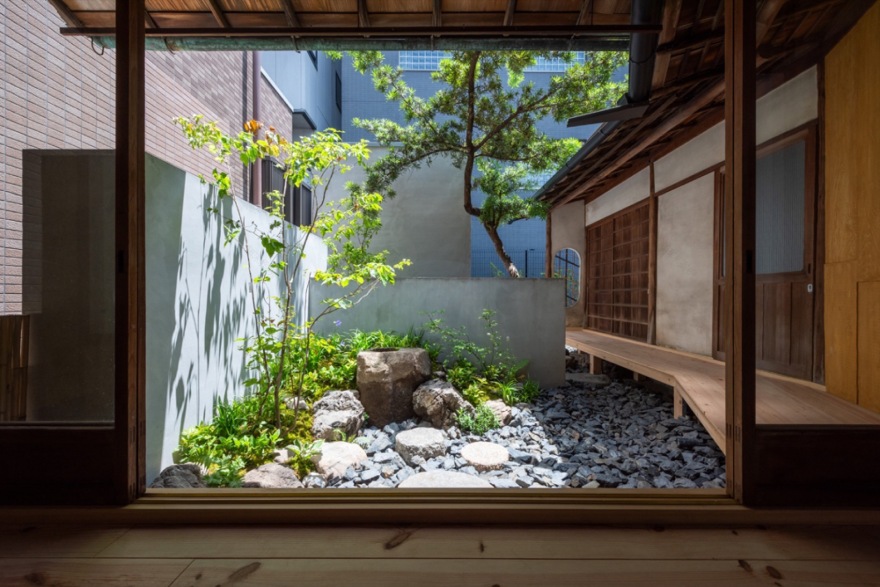
因此,它既是一个保留原有联排住宅元素新旧兼具且互相融合的全新设计。它成为一种具有模糊性的建筑。
As a result, it is an original townhouse element that is both old and new, and a new design that fuses old and new. It has become an architecture with such ambiguity.
▼二层空间概览,second floor space overview © Kohei Matsumura
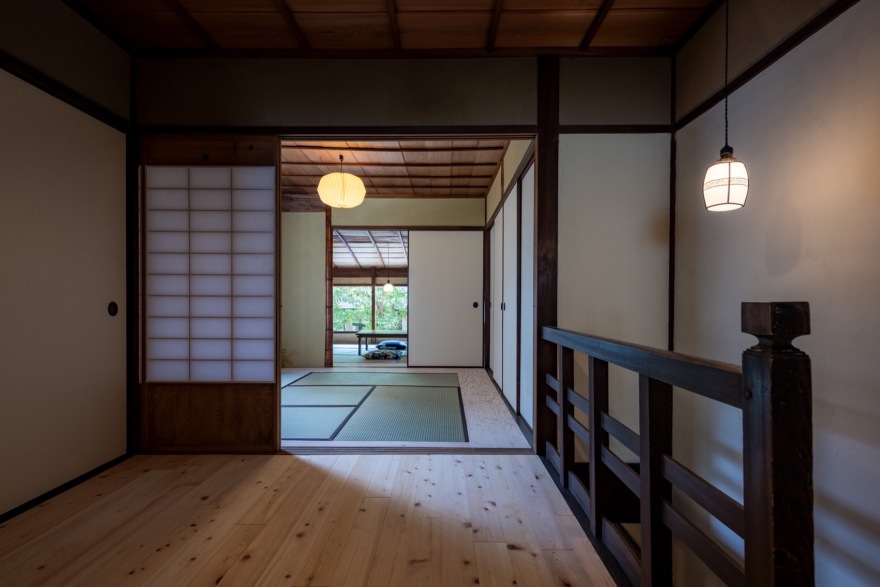


日本自古以来就有吃荞麦面的习惯。据说,荞麦面既是一种方便百姓食用的快餐,也是献给将军和大名的奢侈品。 我们遵循荞麦面的历史设计了这家餐厅。它既是一个日常的食堂,又是一个华丽的料理店。我希望尽可能多的人都能享用它。
Soba has been eaten in Japan since ancient times. It is said that it was a fast food that the people could easily eat, and it was also a luxury item that was presented to the Shogun and Lords. Following the history of soba, we designed a restaurant. It’s like a regular diner, and it’s also a gorgeous restaurant. I want as many people as possible to enjoy it.
▼改造前,before renovation
▼轴测,axon © td Atelier

▼剖面与平面图,section and plans © td Atelier

南京喵熊网络科技有限公司 苏ICP备18050492号-4知末 © 2018—2020 . All photos and trademark graphics are copyrighted by their owners.增值电信业务经营许可证(ICP)苏B2-20201444 苏公网安备 32011302321234号
苏公网安备 32011302321234号客服
消息
收藏
下载
最近