

创作上传
VIP
收藏下载
登录 | 注册有礼
查看完整案例

收藏

下载

分享

翻译
Architects:Kooshk Office
Area:100m²
Year:2023
Photographs:Mohammad Hassan Ettefagh
Construction:Kooshk Home
Structures:Kooshk Office
Electrical Engineering:Kooshk Office
Mechanical Engineering:Kooshk Office
Senior Architect:Arash Khodadad, Samaneh Yarahmadi, Pouria Ameri
Project Director:Farnoush Baratlou
Project Manager:Zahra Nikzare
Construction Manager:Rojin Rasulabadi
Graphic Designer:Maede Ghavidel
Senior Technical Designer:Fahimeh Mirzaie
Designer & Developer:Alireza Tajik, Reyhane Karimi
Technical Designer:Farnaz Jahangiri
Supervision:Kooshk Home
City:Qeshm
Country:Iran

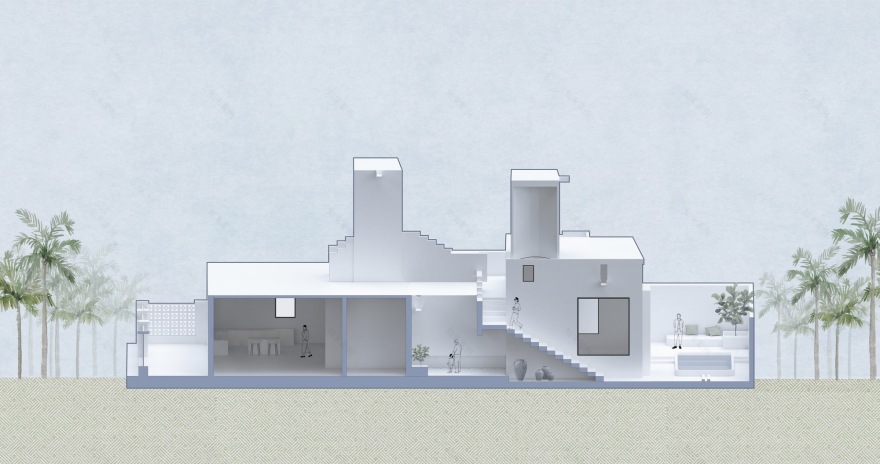
Text description provided by the architects. Gacho village is slowly on the verge of expansion, and due to the interest of non-native citizens to settle in Qeshm Island, Gacho will eventually be on the verge of uneven expansion. The incident that hit the coasts in the country's north is now creeping up in Qeshm. The presence and influx of capital to the region are creating unbalanced development. The result of this can be felt in the occurrence of colorful incongruous architectures in Qeshm and Hormuz; interestingly, even a correct definition of the architecture of the region is not presented in the traditional constructions, and practice, it will witness the presence of UFO's from other climates, Like the whole of Qeshm, Gacho lacks gas, and there is a lot of wear and tear on the electricity network, so energy has been one of the main concerns of the design team. Gacho is practically a family village, and all residents are connected to each other. It was very important for designers that the presence of new architecture does not cause visual disturbances.

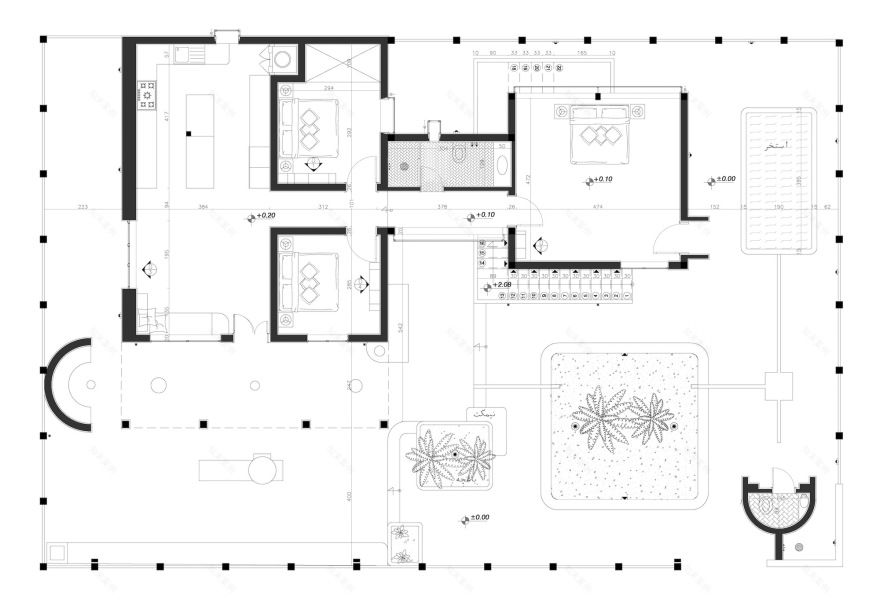
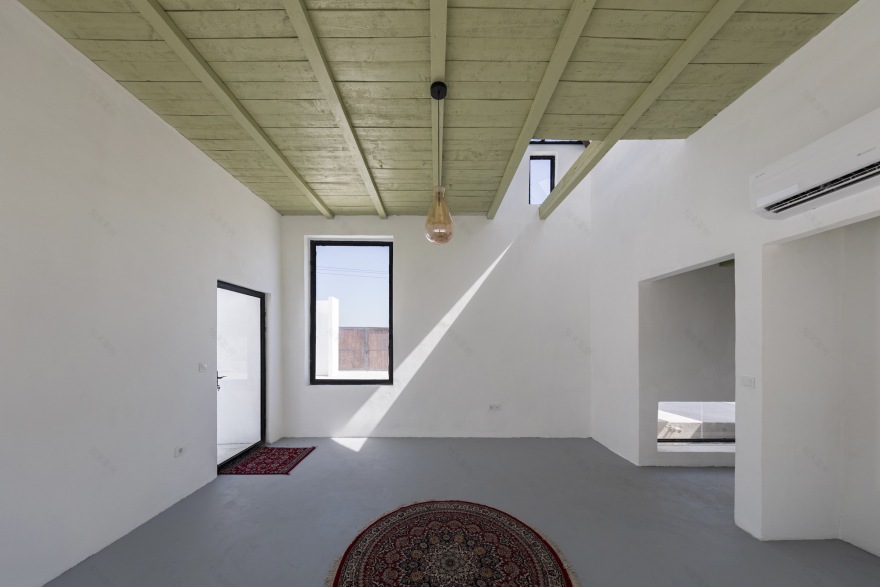
The project was handed over to the design team with the condition that there was a small dilapidated building of about 40 square meters. Considering the location of the project site on the beautiful and ancient island of Qeshm, which has a background of traditional southern architecture, the following principles were initially considered by the designers before starting the design.


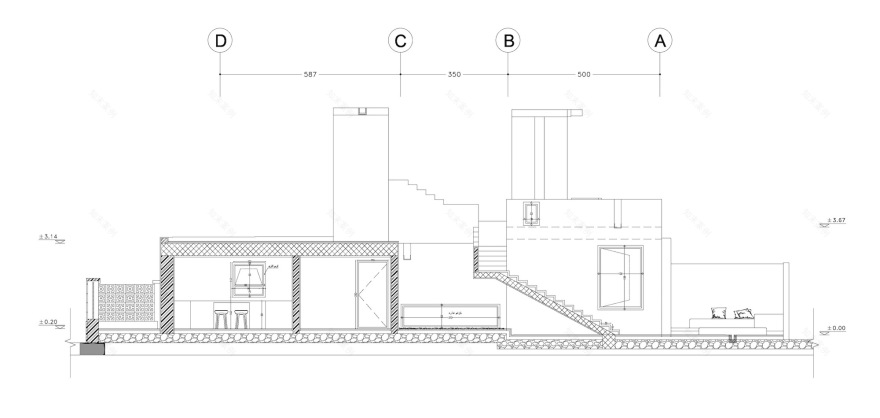
Providing a suitable model for expanding the rural context and future constructions in the village due to the project site's location at the village's main entrance. Emphasizing the use of local patterns and techniques to reduce the energy consumption of the building in the middle seasons (passive house).
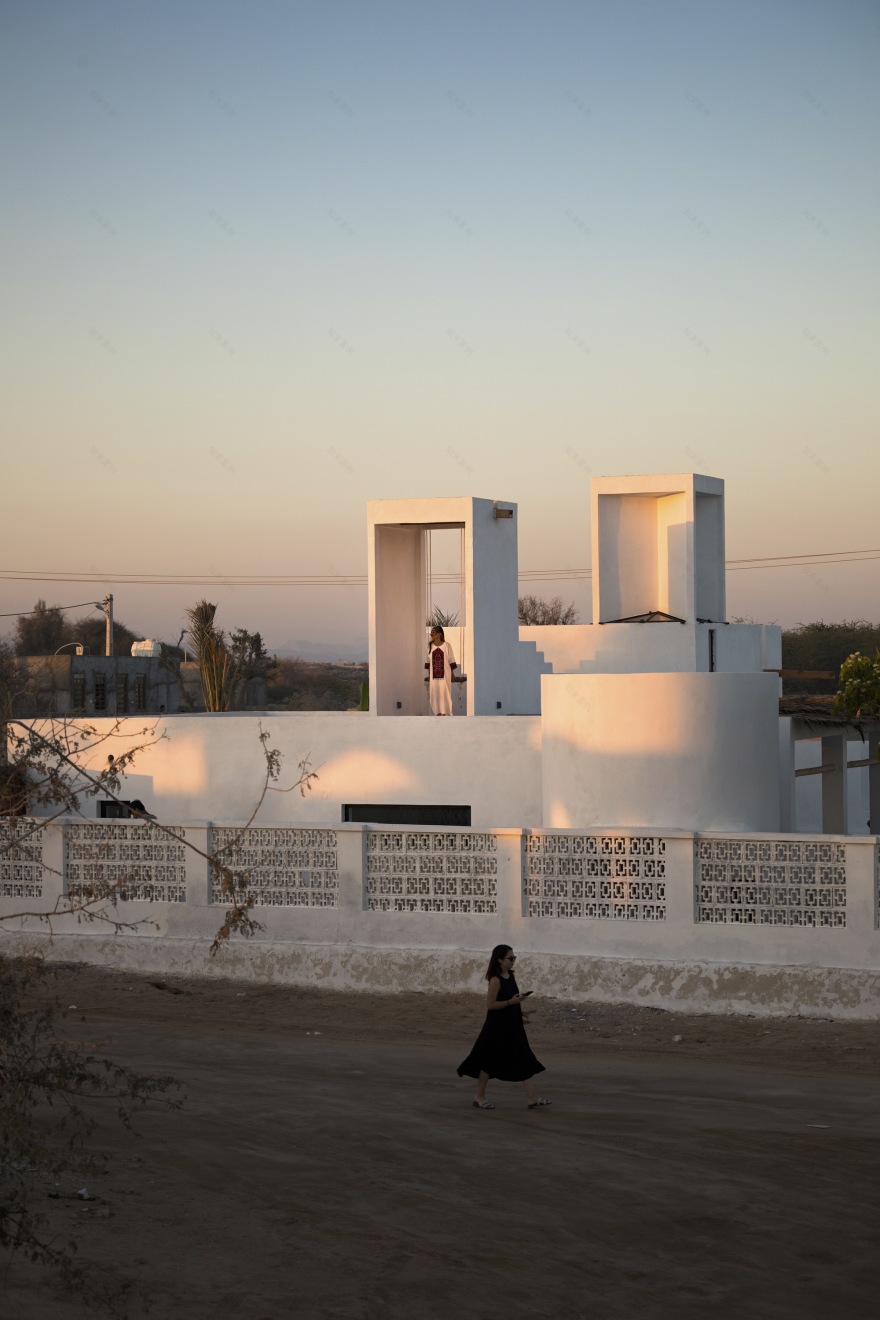
Avoiding any heterogeneous presence in the context of the design, respecting the visual comfort of the local residents, and using simple references to the village's traditional architecture. Applying salvaged or recycled materials into the project to reduce the project's embodied carbon entails using materials like dried palm leaves or old wooden parts of local sailing retired boats.

Project gallery





南京喵熊网络科技有限公司 苏ICP备18050492号-4知末 © 2018—2020 . All photos and trademark graphics are copyrighted by their owners.增值电信业务经营许可证(ICP)苏B2-20201444 苏公网安备 32011302321234号
苏公网安备 32011302321234号客服
消息
收藏
下载
最近