

创作上传
VIP
收藏下载
登录 | 注册有礼
查看完整案例

收藏

下载

分享

翻译
Architects:John Lin,Lidia Ratoi
Year:2023
Photographs:Rui Rui Deng, Motong Yang, Chang Liu
Design Team:Lidia Ratoi, John Lin / The University of Hong Kong
On Site 3 D Printing:Professor Weiguo Xu / Tsinghua University
Woodworking:Anhai Liu with local carpenters
Project Leader:Sun Yi
Project Team:Bo Yee Lau (Team leader in Spring 2022), Chau Ka Yee, Priscilla Chi Kar Yee, Osten Chan Chun Ngok, Mengyan Wang, Jenny Hsiao and Year 2 students HKU
On Site Team:Chengwei Sun, Xiayu Zhao, Hanyang Hu
Documentation:Rui Rui Deng, Motong Yang, Chang Liu
City:Guiyang
Country:China

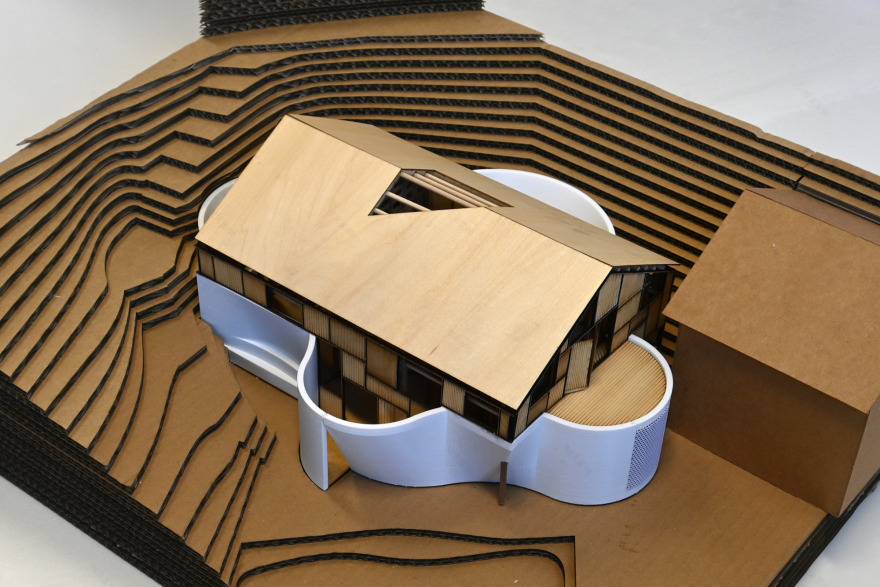
Text description provided by the architects. Traditional House of the Future is a prototype encapsulating the realities of a rapidly changing lifestyle, at the intersection between traditional and modern, neither rural nor urban.
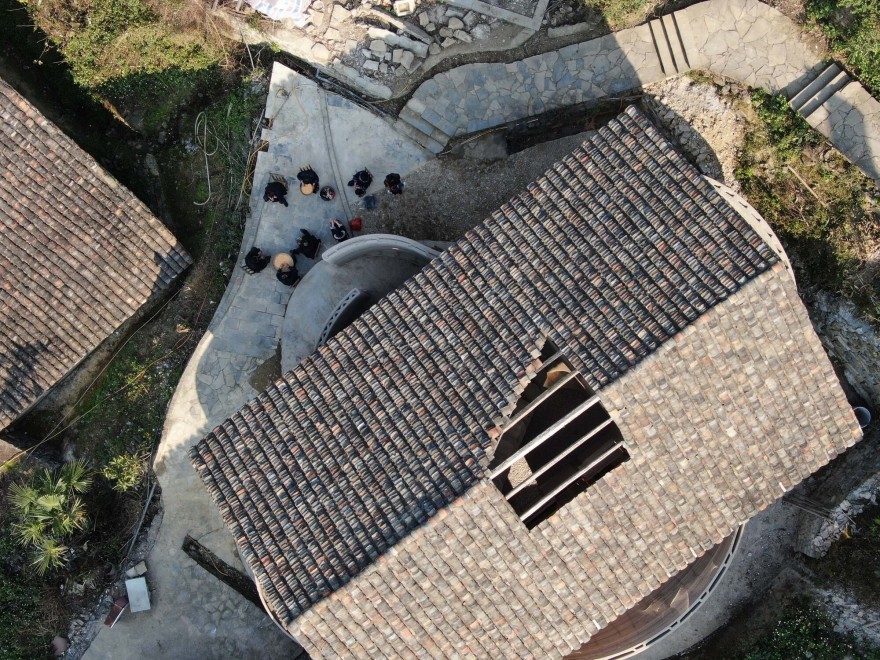
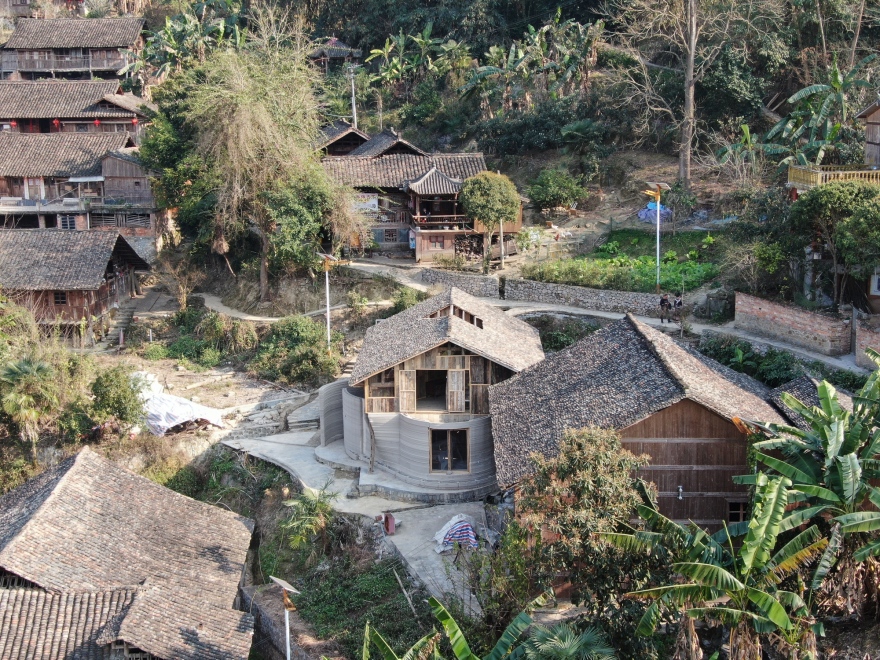
The project proposes strategies for recycling and revitalizing vernacular houses, following up research on how self-builders are transforming their own houses as a response to the urbanization of rural China.


The research demonstrates the necessity to evolve and adapt the traditional wooden house, incorporating modern amenities with flexible spatial organizations resulting from changes in livelihood. The project is part of a government plan in Nanlong Village, Guizhou Province, China, where hundreds of wooden houses are dilapidated and abandoned.


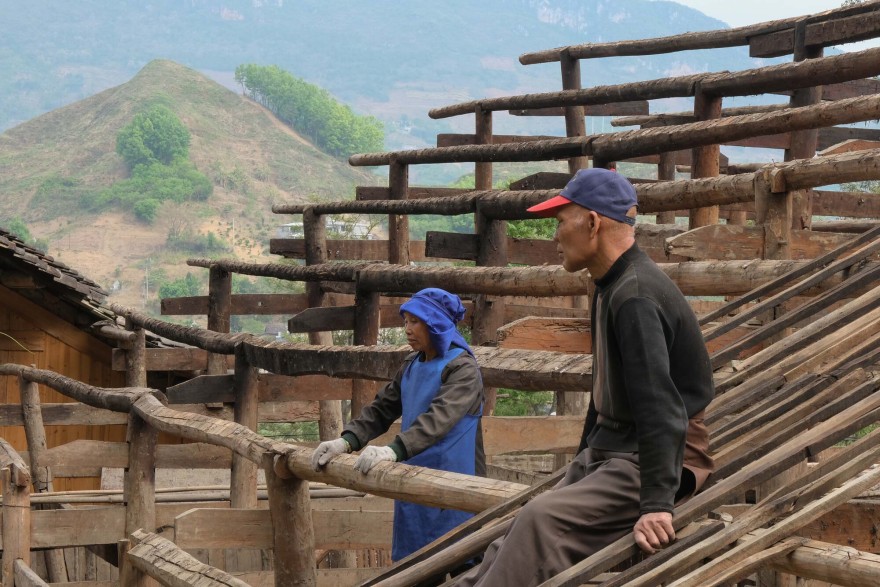
It proposes a participatory framework for design and construction that combines robotic on-site printing and traditional wood craftsmanship. Chinese traditional houses are built in such a way that they can be dismantled in a single day.


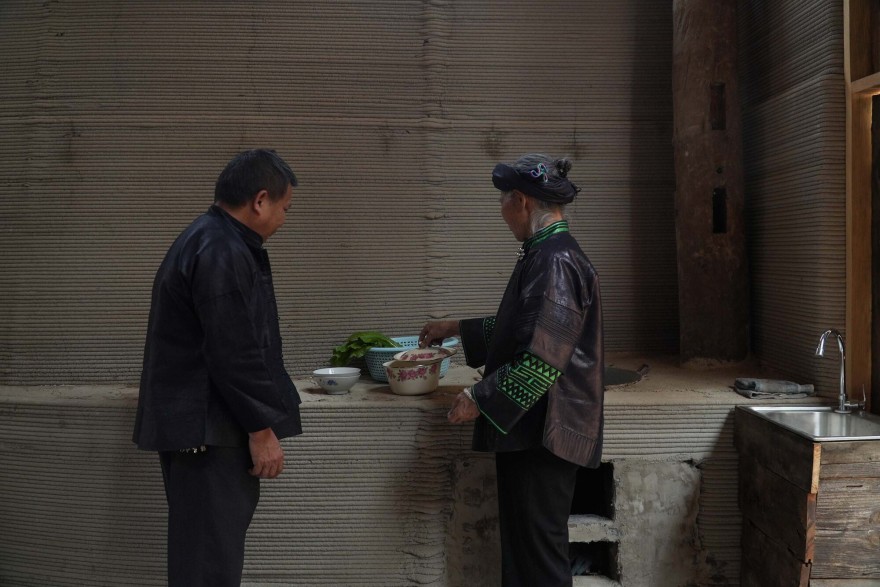
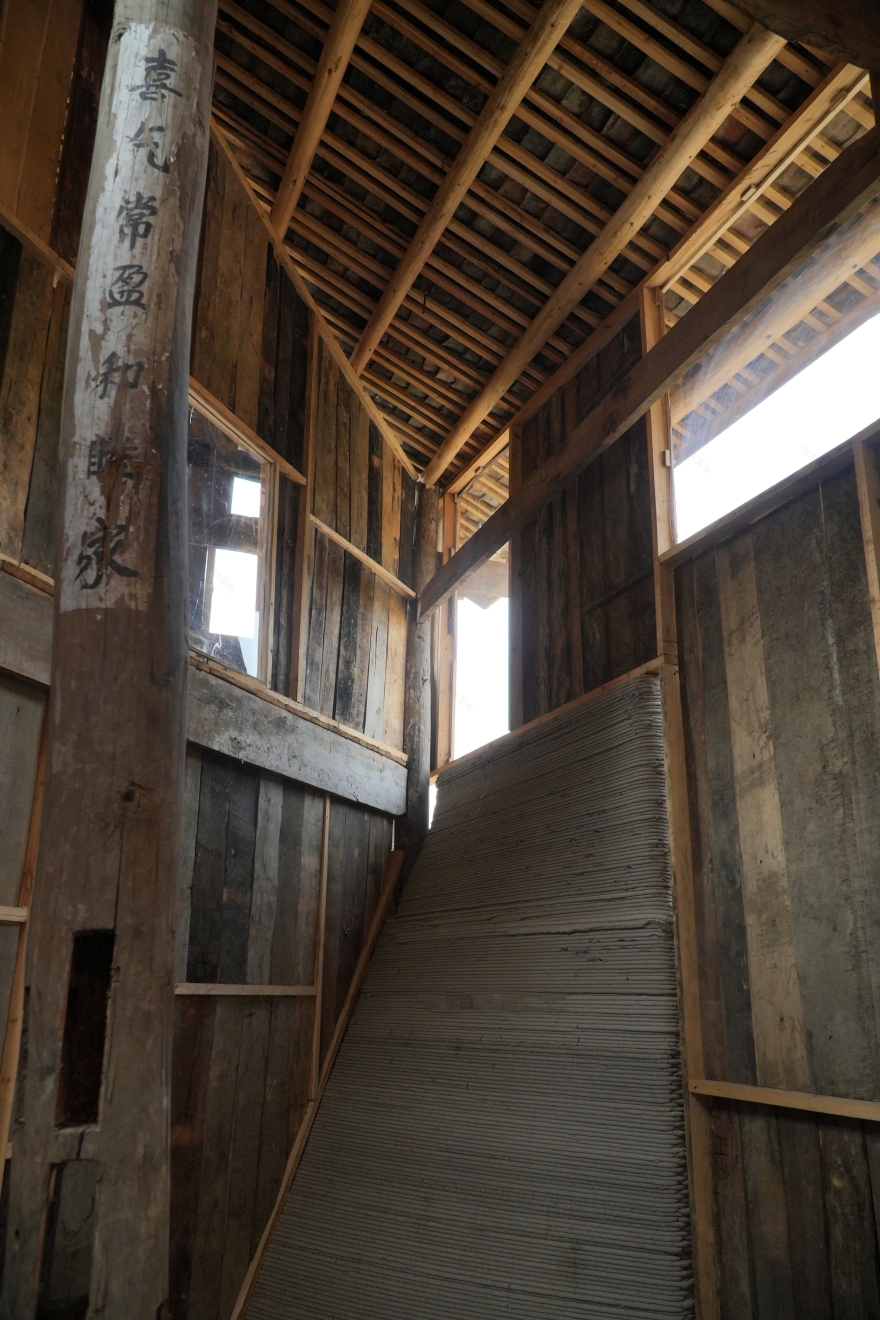
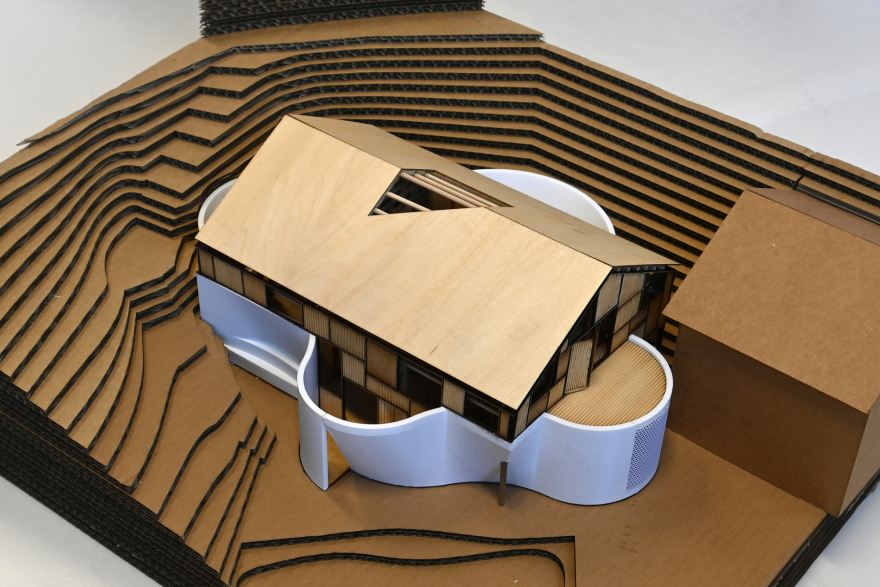
The original house was scanned, and robotically printed walls were customized to incorporate the original structure, making it possible to design new spaces: planting, entrance courtyard, skylight, balcony, kitchen, and bathrooms.


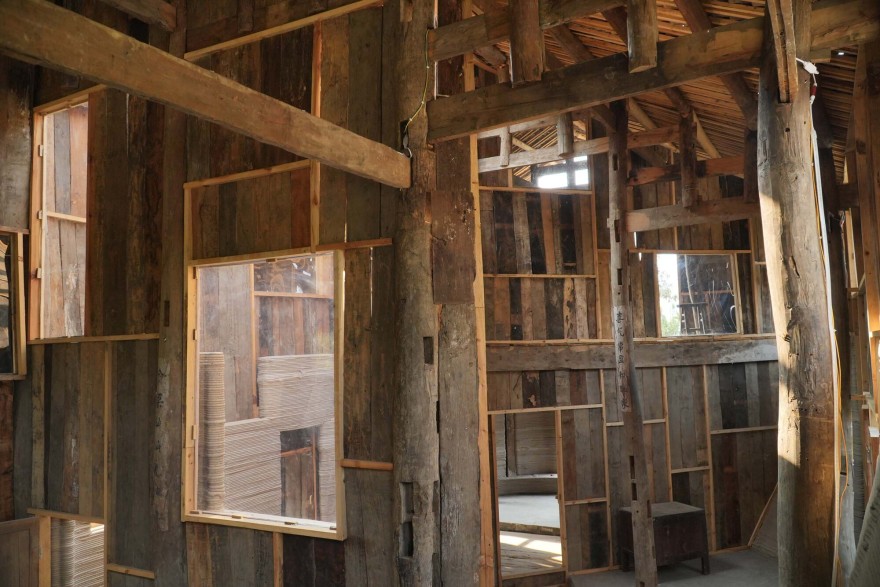
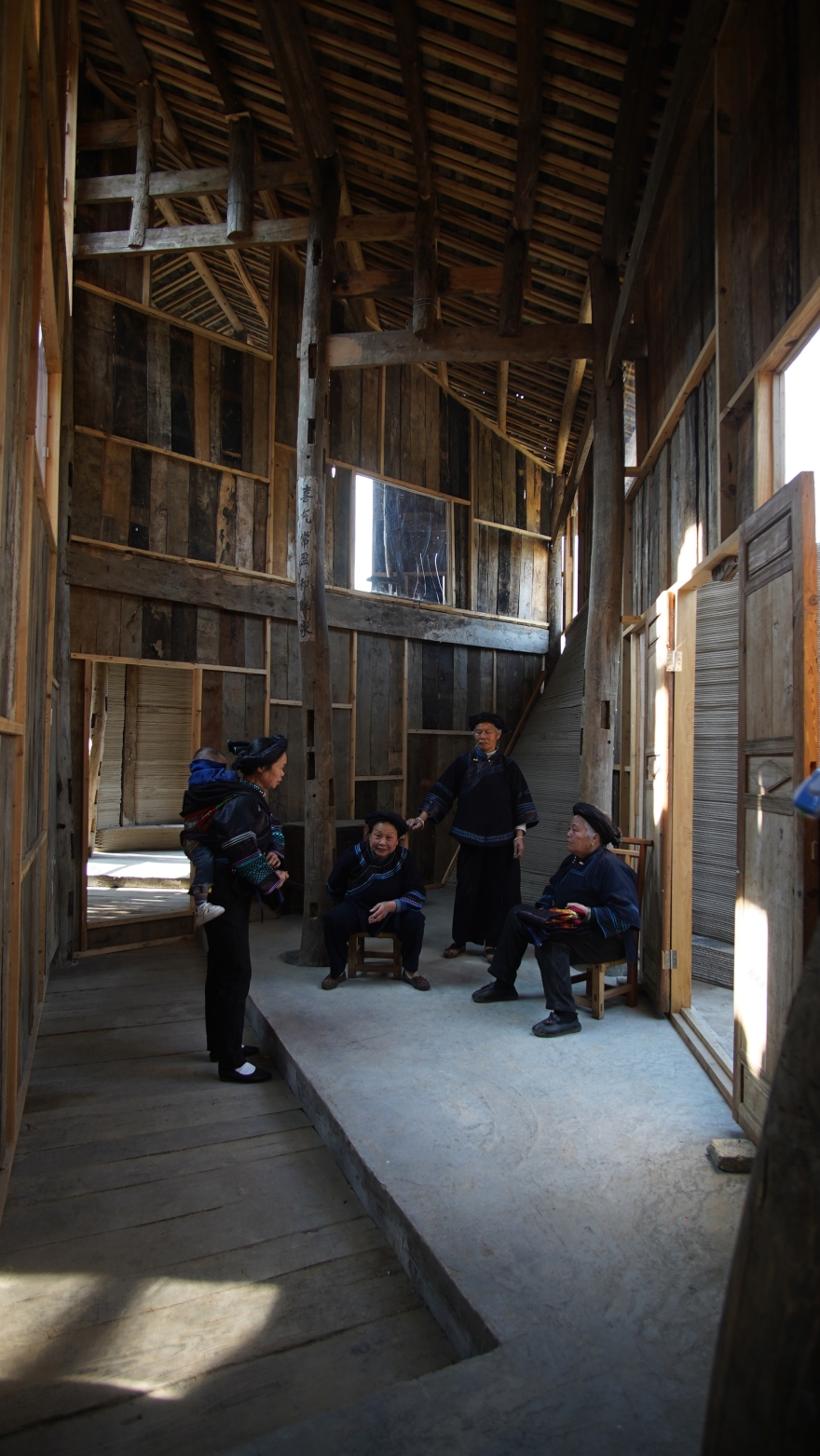
Local villagers dismantled and reconditioned the original structure, and once the walls were 3D printed, they were able to recycle and reassemble it into the new house.


The project questions how technology can act as a social potentiator and become a means to strengthen local and cultural building practices. Considering the existing built fabric as a “new nature”, which cannot be altered and therefore requires adaptation, the process touches upon key areas of sustainability: social, technological, and cultural.

Project gallery
















南京喵熊网络科技有限公司 苏ICP备18050492号-4知末 © 2018—2020 . All photos and trademark graphics are copyrighted by their owners.增值电信业务经营许可证(ICP)苏B2-20201444 苏公网安备 32011302321234号
苏公网安备 32011302321234号客服
消息
收藏
下载
最近