

创作上传
VIP
收藏下载
登录 | 注册有礼
查看完整案例

收藏

下载

分享

翻译
Reimagining Urban and Development Narratives
Towards Intersection of StewardshipsAarey Forest, Mumbai India
Commoning the city _ Masters thesis Advisors - Stefan Gruber & Jonathan KlineOther Advisors - Sarosh Anklesaria, Nida Rehman & Christine Mondor
Keywords:
Globalization, Development paradigms, Environmental justice, Indigenous, Neoliberalism, Urban governance, Political ecology, Library economy, Shared production, Counter-mapping
The thesis studio is founded on the principle of commoning, exploring how citizens can actively engage in shaping spaces and urban practices with limited intervention from thestate or market. The two-year master’s program delves into case studies and events that have influenced grassroots or bottom-up approaches to urban planning processes.
Reimagining Urban and Development Narratives examines the wicked problem and systemic challenges surrounding the Aarey Forest in Mumbai. This project explores the clash between neoliberal “development” goals and environmental conservation, emphasizing the marginalization of indigenous communities and the broader implications for social justice.
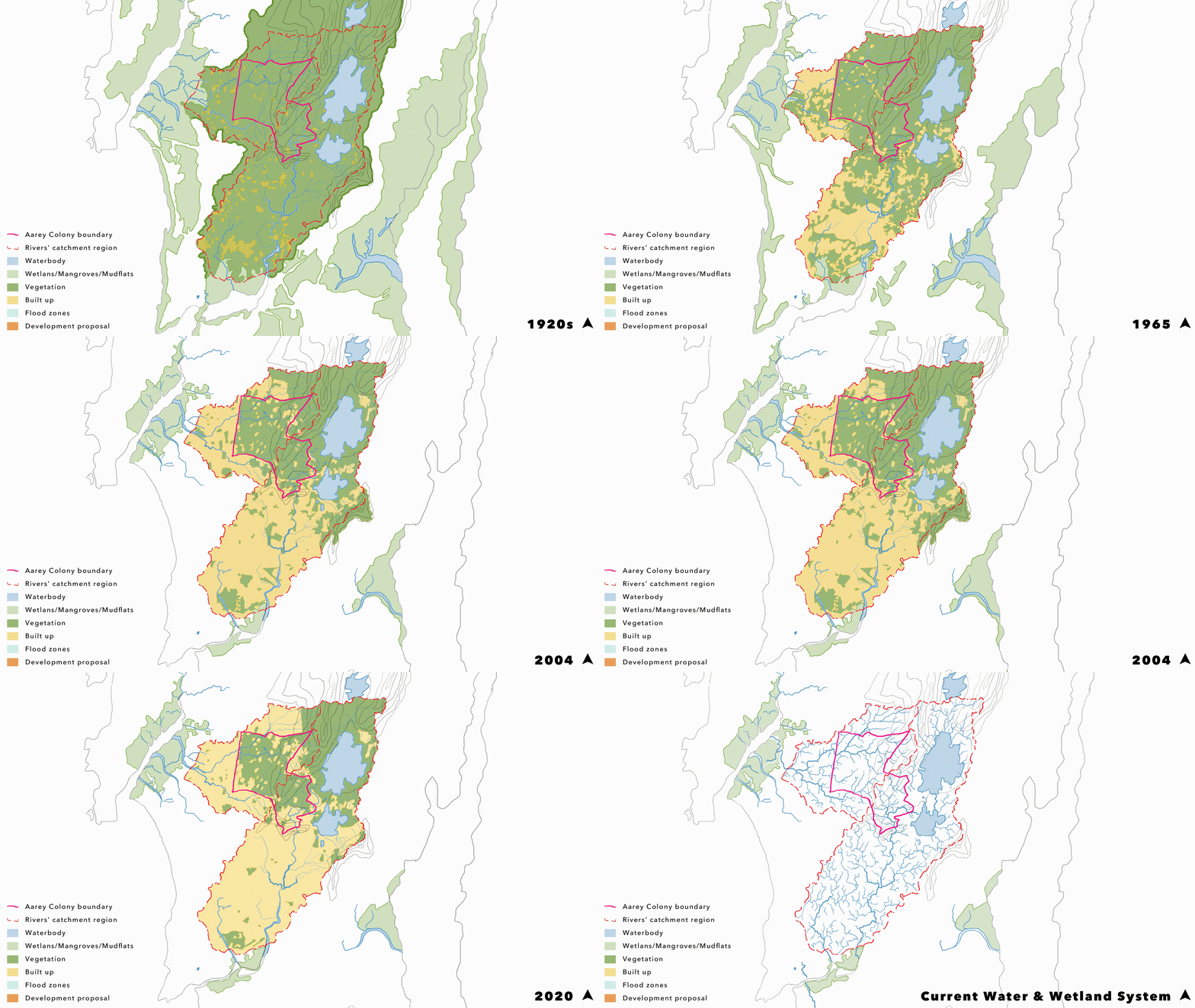
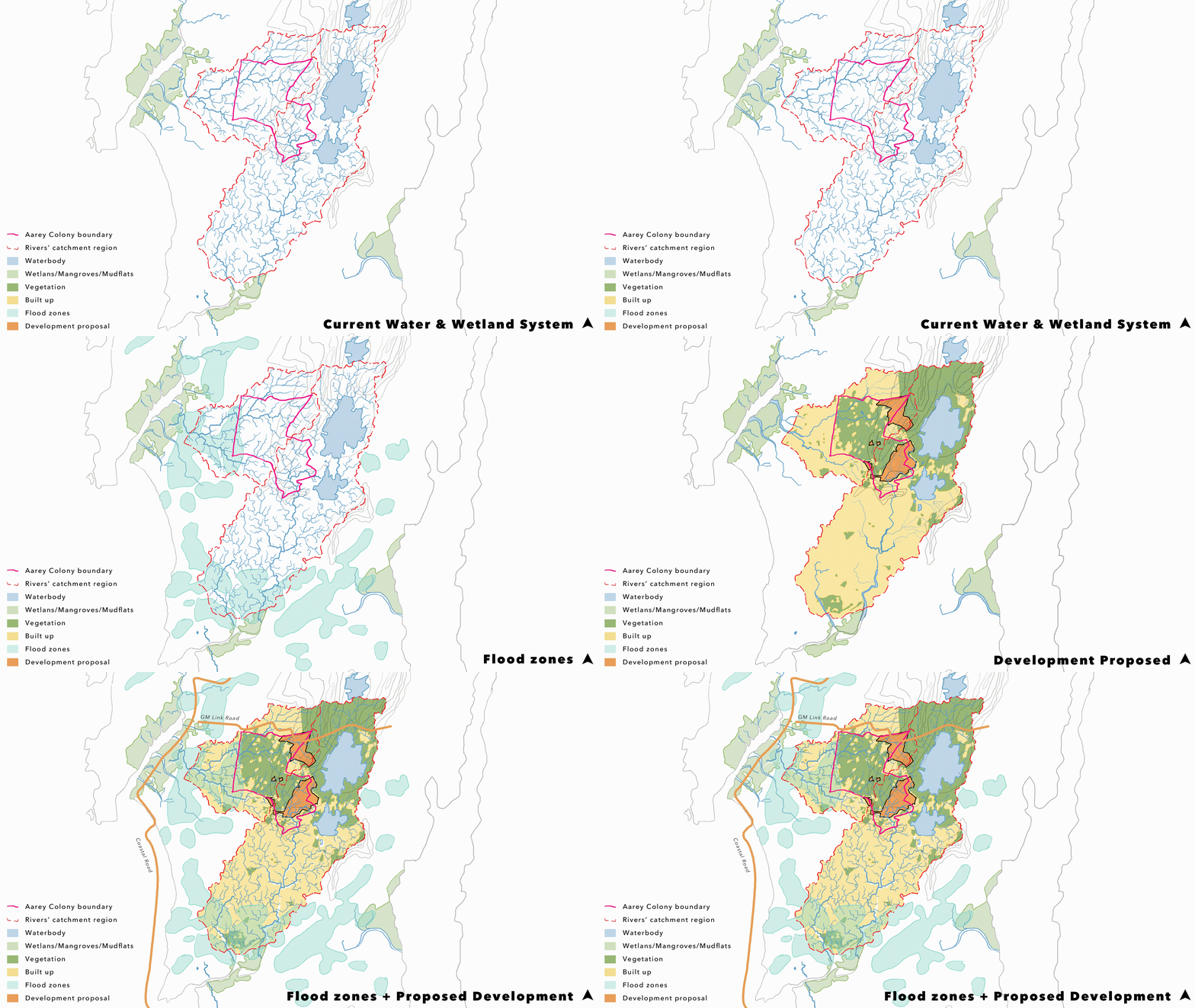
The Aarey Forest, a 2,000-hectare green lung in Mumbai, is home to indigenous (Adivasi) communities and numerous rare species. However, development pressures over the century have threatened this vital ecosystem and the livelihoods of its inhabitants. Now, the construction of a metro car shed threatens it alongside gentrifying and lining up many more real estate land grabs. The research delves into this issue's historical, political, and ecological dimensions, critiquing current neoliberal policies and development plans that prioritize commercial interests over environmental and social well-being.


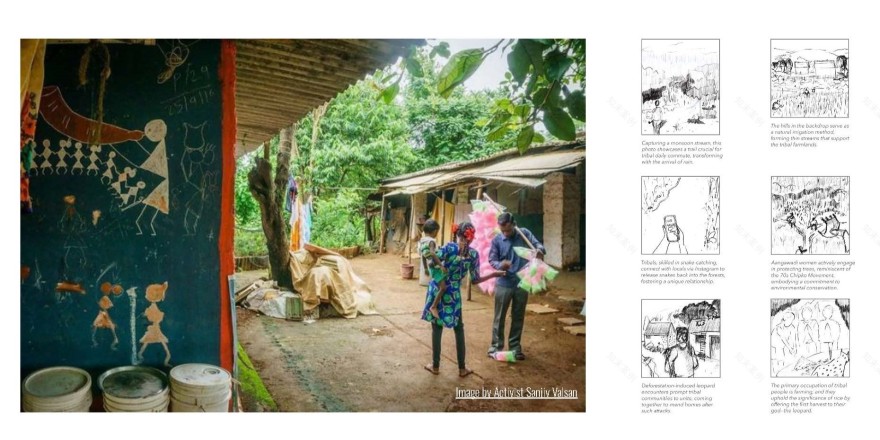


The thesis imagines and advocates for alternative urban governance models. It promotes a library economy based on collective living, voluntary cooperation, shared ownership, and co-production. This model envisions resources managed collectively for the benefit of all, challenging the commodification of public goods. It argues for empowering marginalized voices in urban development through grassroots activism and collaborative efforts.

The project highlights the interconnectedness of environmental and social issues, emphasizing the need for inclusive and sustainable urban futures. Based on on-site meetings with inhabitants and understanding their demands, it proposes forming a Gram Panchayat (municipality) for the Adivasis, granting them autonomy and ownership over their ancestral land. Additionally, it calls for reinstating the Urban Land Ceiling Act to curb unchecked privatization and ensure urban land remains accessible to the broader community. This project explores the process of reaching municipalization through forming advocacy groups and collectivizing for learning Indigenous practices, educating on land rights and urban inserts, and creating local markets through food production.

This exploration underscores the importance of democratic participation in urban governance. It aims to create resilient, self-sufficient communities that effectively advocate for their rights and manage their resources for the collective good. This vision resonates globally, offering alternative approaches to address systemic urban challenges.


南京喵熊网络科技有限公司 苏ICP备18050492号-4知末 © 2018—2020 . All photos and trademark graphics are copyrighted by their owners.增值电信业务经营许可证(ICP)苏B2-20201444 苏公网安备 32011302321234号
苏公网安备 32011302321234号客服
消息
收藏
下载
最近