

创作上传
VIP
收藏下载
登录 | 注册有礼
查看完整案例

收藏

下载

分享
出品人:向玲 / Producer: Xiang Ling
编辑:石安,张笑然 / Editor: Shi An,Pang Renfei, Song Linchen, Zhang Xiaoran
1.
您身兼数职,跨越多领域工作。通常,您的一天是如何度过的呢?
How do you usually spend your day given your multiple roles across different domains?
我白天大部分时间是在学校进行教学与行政管理的工作,我自己主要的工作时间实际上是晚上和周末,还有寒暑假。旅行、现场调研和学术考察,这些工作都可以在假期集中进行。在这种密集的生活中,我也养成了良好的调配时间、把控时间的习惯。
Most of my daytime is dedicated to teaching and administrative work at school. My primary work hours are actually in the evenings, weekends, and during school breaks. Tasks like travel, on-site research, and academic investigations are often concentrated during these breaks. Despite this busy schedule, I’ve developed strong time management skills to efficiently balance and control my time.
▼工作中的李翔宁老师,Photo of Li Xiangning at work

2. 您认为建筑评论的意义是什么?
What’s the significance of architectural criticism?
建筑评论是建筑文化向前发展非常重要的推动力。我们国家当下对建筑的批评不是非常活跃,更多的是对建筑的表扬。我们应该追求更深层次上的批评或者批判。通过评论家的思考,能够为当代中国建筑的发展找到新的方向,同时也能对建筑行业不尽如人意的发展现状,给出针砭时弊式的评论。
Architectural criticism serves as a crucial driving force for the advancement of architectural culture. Currently, criticism of architecture in our country is not very active; there tends to be more praise than criticism. It’s important for us to seek deeper levels of critique and criticism. Through the insights of critics, new directions can be discovered for the development of contemporary Chinese architecture. Moreover, constructive criticism can highlight the areas where the architectural industry falls short, providing insightful critiques that address existing challenges.
▼李翔宁老师部分著作封面,Books of Li Xiangning

3. 您对中国城市建筑有着一系列独特的评价标准和理论体系,请您为我们介绍下您视角中的“中国城市建筑”。
You have a distinct set of criteria and a theoretical framework for evaluating Chinese urban architecture. Could you share your perspective on “Chinese Urban Architecture” with us?
立足全球视野,当代中国建筑理论和话语体系深受西方影响,建筑风格和特征的描述也主要借鉴西方词汇。今天其实已经到了一个比较重要的关口,我们能够找到一些语汇来描绘和发掘当代中国建筑自身的独特特征,包括它的运作模式、机制,以及在建筑创作当中能够对当代中国城市和城市生活有具体反映的概念和关键词。我自己也做了一些这方面的研究,当代中国建筑在实践上非常兴盛,涌现了许多建筑大师和富有思想的建筑师。但是在理论和评论上,我觉得还缺乏自己的建构。对于我们中国自己的建筑实践,比如我提出的“权宜建筑”和“批判的实用主义”等理论观点,它们对当代中国基于实用主义哲学并具有一定现实批判性的建筑实践进行了理论总结。在当今中国,我认为类似的思考和总结是非常重要但又十分缺乏的。
此外,中国建筑面临的另一个重要瓶颈在于工业化程度不足。当今中国,虽然拥有众多优秀的设计师和建筑师,但日常生活中却难以买到优质的工业化建筑产品,中国自主生产的产品在质量和设计上仍有提升空间。提出建造理论并推动配套工业生产体系发展,对于未来中国建筑整体建造品质的提升至关重要。
Taking a global view, contemporary Chinese architectural theory and discourse are heavily influenced by the West, and the descriptions of architectural styles and features largely borrow from Western terminology. We are currently at a pivotal juncture where we can find language to describe and unearth the unique characteristics of contemporary Chinese architecture. This includes its operational modes, mechanisms, as well as concepts and keywords that offer concrete reflections of contemporary Chinese urban life within architectural creations. I’ve conducted research in this area as well. Contemporary Chinese architecture is thriving in practice, with many master architects and ideologically rich designers emerging. However, in terms of theory and critique, I believe there’s still a need for our own constructive framework. Concerning our Chinese architectural practice, such as the theoretical perspectives I’ve put forward like “Pragmatic Architecture” and “Critical Utilitarianism,” they provide a theoretical consolidation of contemporary Chinese architectural practice rooted in utilitarian philosophy, offering a practical critique. In today’s China, I think similar modes of reflection and synthesis are crucial yet somewhat lacking. Additionally, another significant challenge facing Chinese architecture is the insufficient level of industrialization. Despite the presence of numerous talented designers and architects, it’s challenging to access high-quality industrialized architectural products in daily life. There’s room for improvement in both the quality and design of domestically produced goods. Proposing construction theories and fostering the development of complementary industrial production systems are paramount for enhancing the overall construction quality of Chinese architecture moving forward.
▼策展实践 –哈佛大学设计研究生院(GSD)秋季主展览“走向批判的实用主义:当代中国建筑”,Curatorial practice – Harvard GSD Autumn Main Exhibition: “Towards A Critical Pragmatism: contemporary Architecture in China”© 哈佛展


4. 您在一次采访中提到中国还没有建立起属于自己的“现代性”,您觉得中国“错过”了建立现代性的时机吗?
You’ve mentioned that China hasn’t yet established its own “modernity.” Do you believe that China has missed the opportunity to establish modernity?
我们和西方进入现代社会的步伐是有时差的。到了七八十年代,大家在学习西方建筑理论的时候才意识到,虽然我们有很多现代建筑的产品、风格和设计的思想,但是其实我们对于现代社会,以及建筑师在这样的一个社会当中扮演的角色,以及整个社会现代性的发展进程,都是错位的。这就是为什么到了 21 世纪,我们仍然需要重新研读柯布西耶、路易康这种现代主义大师的作品,这些是医治当下中国建筑发展不足的良药。这些西方半个多世纪甚至接近一个世纪以前的思想,如今对于我们的当代建筑依然具有非常重要的意义。当然这不代表我们没有自己的现代性。它跟我们中国的地方性、自主性文化产生了对接。所以即使我们的现代性和全球的有不同,我们依然拥有自己的文化范畴中的现代性特征。
There’s a time gap between us and the West when entering modern society. By the 1970s and 1980s, when we were studying Western architectural theories, we realized that although we had many modern architectural products, styles, and design ideas, we were actually out of sync with modern society, the role architects play in such a society, and the overall development process of societal modernity. That’s why even in the 21st century, there’s a need to revisit the works of modernist masters like Le Corbusier and Louis Kahn. These serve as remedies for the deficiencies in our current Chinese architectural development. The ideas from over half a century ago, or even close to a century, from the West still hold significant relevance for our contemporary architecture. Of course, this doesn’t imply that we lack our own sense of modernity. It resonates with our regional and autonomous cultural identity. Thus, while our modernity may differ from the global norm, we still embody modernity characteristics within our unique cultural context.
5. 可以为我们具体讲解下“当代性”和“中国性”吗?
Please give us a specific explanation of “contemporary” and “Chinese”?
以艺术为参照,传统的艺术其实是以美和像作为评判标准。而当代艺术则更加关注对当下生活的深刻反映和体现,超越了对美的简单呈现,转向对有力量的、深刻的、可引发心灵震撼的元素的表达。这其实就是当代艺术和传统的现代艺术、古典艺术的差别,建筑也是一样。
我们经常会看到在建筑的论证当中,人们对于当下的建筑有不同的观点,比如 CCTV 总部大楼,人们对它的评价褒贬不一,但实际上,这座建筑追求的是对建筑学前沿的拓展和探索,具有非常明显的当代性特征。要反映当下时代的特质,需要通过当代性来呈现。这就需要对当代文化特质以及生活形态有充分的了解,才能意识到这种当代性是值得追求、研究和观察的。
那么再说到中国性,我们总体上是接受了西方当代建筑的现代主义思潮。中国传统的木结构建筑体系,在某种程度上已经让位于以钢筋混凝土为代表的现代主义建筑体系。我觉得在建筑当中应该体现对于中国传统文化的继承和发扬。这就是为什么今天我们会看到当代中国建筑中间出现了越来越多的传统建筑文化特征,不一定是中国传统的建筑形式,或者说某些形式的要素,而是中国的传统建筑的一种特征,比如空间的体系,或者说园林当中人的生活方式和空间的关系,这样一些更深层次的特质。
我觉得对于中国性的追求其实有不同的方式,比如说上海世博会的中国馆,红色体量是对中国传统文化的一种呈现,又比如王澍设计的杭州国家版本馆,将中国的传统建筑形象空间和当代语汇结合在一起。很多城市的微更新,或者那些反映了中国现实的快速建造的住宅,其实也是当下的中国性的一种体现。
In the realm of art, traditional art has historically been evaluated based on its beauty and lifelike qualities. However, contemporary art goes beyond mere aesthetics to deeply reflect and embody aspects of modern life, emphasizing powerful, profound elements that can evoke strong emotions. This distinction between contemporary and traditional art applies similarly to architecture.
Within architectural discourse, there are often diverse perspectives on contemporary architecture. Take, for instance, the CCTV Headquarters building, which elicits mixed reviews. However, its primary goal is to push the boundaries and explore the forefront of architectural innovation, showcasing distinct contemporary characteristics.
Achieving contemporaneity in architecture necessitates a thorough understanding of contemporary cultural traits and lifestyles. It involves recognizing that this contemporaneity is not only worth pursuing but also studying and observing.
Now, regarding “Chineseness,” it’s important to note that modernist influences from Western contemporary architecture have been widely accepted. This shift has, to some extent, displaced traditional Chinese wooden structural systems in favor of modern systems like reinforced concrete.
In architectural practice, there’s a growing trend of incorporating traditional Chinese cultural elements as a way to honor and promote cultural heritage. This doesn’t always mean directly mimicking traditional architectural forms but rather integrating elements such as spatial systems or the relationship between human activities and spaces found in traditional gardens—a deeper reflection of cultural identity.
The pursuit of “Chineseness” can manifest in various ways. For example, consider the China Pavilion at Expo 2010, which uses red volumes to symbolize traditional Chinese cultural motifs. Similarly, architects like Wang Shu blend traditional Chinese architectural imagery with contemporary design vocabulary, creating a fusion that resonates with both heritage and modernity. Additionally, urban development projects and rapidly constructed residences that capture the essence of China’s evolving reality also contribute to expressing contemporary “Chineseness.”
6. You once discussed the phenomenon of “internet-famous architecture” with everyone at the Sanlian Humanities City Forum. From the perspective of architectural criticism, how do you judge the success of a building? What is the most critical criterion for judgment?
How do you evaluate the success of a building, particularly in the context of “internet-famous architecture,” from the perspective of architectural criticism? What are the key criteria for such an assessment?
我觉得网红建筑只是反映了它被人接受和传播的一种可能性,但并不能直接反映它建筑品质的高或者低。对于建筑品质的判断,有几个方面:第一,它能够非常好地解决人们的需求,并与当下的生活形态相适应;第二,它能够为我们创造一种有品质的文化,这一点我觉得是非常重要的。有的作品是雅俗共赏,所以非常利于传播。但也有一些严肃题材的作品,它不一定能够很快的传播,但是它们都可以被认为是优秀的文化创作或者建筑设计作品。
I believe that the phenomenon of “internet-famous architecture” merely reflects its potential acceptance and popularity rather than directly indicating its architectural merit. When assessing architectural quality, several key aspects are considered: firstly, its ability to effectively meet people’s needs and align with contemporary lifestyles; secondly, its capacity to offer a quality cultural experience, which I consider to be highly significant. Some works appeal to both the general public and experts, making them highly shareable. However, there are also works with more profound themes that may not spread rapidly, yet they can still be regarded as excellent cultural or architectural creations.
7.
您觉得怎样通过展览增加建筑在大众之间的影响力?怎样将建筑学/建筑思想更多地传播给一般公众?
How can exhibitions be leveraged to increase the impact of architecture among the general public?
展览可以被认为是一种艺术再现的方式。今天的很多设计不一定能够真的建造出来,但是能够通过展览获得另外的一种生命形式。展览从某种意义上可以被理解为是科普的一种途径,是把建筑和城市的文化以及前沿思想和理念传播出去的途径。当然展览并不一定非要是浅显的、通俗的,也有非常学术性的展览。
我觉得在一个好的展览里,学术性与传播性这两者之间应该达到一种比较好的平衡。在我以前做的很多展览里,首先在展览的内容和设计构思上力求能够保持学术性,但是可以通过设计不同的导览途径,以不同的方式来讲述作品,使展览更加通俗易懂。比如我们在几届的城市空间艺术季,这样面向公众的大型的城市展览当中,都是采取了这样的一种形式。
作品应该具有学术严肃性,但其阐释和传播可以通过不同的路径实现,可以有非常亲民、活泼的一面,以讲故事的方式向市民传达建筑师的思想和理念。所以展览应该把“阳春白雪”和“下里巴人”很好的结合在一起。
Exhibitions serve as a form of artistic representation, breathing new life into designs that may not be physically realized. They act as a gateway for public education, disseminating architectural and urban culture, as well as cutting-edge ideas and concepts. While exhibitions can range from academic to popular, a successful exhibition strikes a balance between academic depth and public accessibility.
In my experience, a well-crafted exhibition maintains academic integrity in content and design while employing diverse storytelling techniques to make the works relatable and understandable to a broader audience. For example, in large-scale urban exhibitions like the Shanghai Urban Space Art Season, we employ multiple pathways and interactive elements to engage visitors and convey architects’ visions in an approachable manner.
Ultimately, exhibitions should have academic seriousness, but their interpretation and dissemination can be achieved through different paths, including a very communicative and lively approach that conveys architects’ thoughts and ideas to citizens through storytelling. Therefore, exhibitions should effectively combine academic rigor with a popular touch.
▼李翔宁老师策划的部分展览,Part of the exhibitions by Li Xiangning
8. 您曾经说您成为策展人,是从一开始“非有意为之”发展为“有意识地”,这中转变的过程是如何发生的?在此之间有没有什么您觉得印象深刻的事情?
You mentioned that your journey into becoming a curator began unintentionally but later became deliberate. How did this transition unfold? Were there any standout moments during this process?
策展人是一个非常重要的职业,我接触策展人这个工作也是偶然的机会。策展人需要具备扎实的理论素养和评论能力,但并不是所有的评论家或者理论家都能做好策展人,你还需要具有一些能够向大众传播的方法技巧和技术体系。
我在一开始接触到策展的时候,也是一个不断学习的过程。2006 年我到 MIT 去做访问学者,MIT 的建筑系历史理论和评论部门不仅有建筑师,还有很多艺术家,以及美国非常有名的艺术评论家。在那我不仅学到了很多关于建筑理论的知识,也学到了如何与艺术家、艺术评论家,以及研究艺术理论的人一起交流,如何将建筑理念像策展艺术作品一样呈现出来。
在美国期间,我还参观了许多建筑展览,包括在纽约现代艺术博物馆 (MoMA) 和波士顿美术馆 (MFA) 举办的现代建筑主题展览。在这个过程当中,我也学到了很多从策展构思,到展览呈现,再到和如何与各种机构之间打交道方面的知识,要成为一位专业的策展人,需要不断地磨合、学习和实践。
如今,我已经积累了丰富的策展经验,未来我将更加关注展览内容和主题的选择,深入挖掘当代中国建筑的特征,不仅仅是通过作品的方式呈现,而是通过研究展或主题展的形式,以新的展览形式呈现当代中国建筑的特质。
Curator plays a significant role in the world of art, and my path to curating was somewhat unexpected. To becoming a curator needs a strong foundation in theory and critical thinking, but it takes more than that—curators also require skills in communication and techniques to engage with the public effectively.
When I first delved into curating, it was a continual learning experience. In 2006, during my time as a visiting scholar at MIT, I had the chance to interact not only with architects but also with many artists and renowned art critics. This period not only enriched my understanding of architectural theory but also taught me how to collaborate and present architectural concepts in a curatorial manner.
During my stay in the United States, I visited numerous architectural exhibitions, including those at the Museum of Modern Art (MoMA) in New York and the Museum of Fine Arts (MFA) in Boston. These experiences provided valuable insights into curatorial practices, from conceptualization to presentation, and navigating collaborations with diverse institutions. Being a professional curator involves continuous refinement, learning, and practical experience.
Now, with a wealth of curatorial experience, I focus on selecting exhibition content and themes that delve deeply into the nuances of contemporary Chinese architecture. My goal is to present these aspects not just through individual works but also through curated exhibitions or thematic displays, showcasing the distinctive features of contemporary Chinese architecture in innovative and compelling ways.
▼策展实践 –2013 西岸建筑与当代艺术双年展,Curatorial practice – Biennale of Architecture and Contemporary Art in West Bund 2013© 西岸


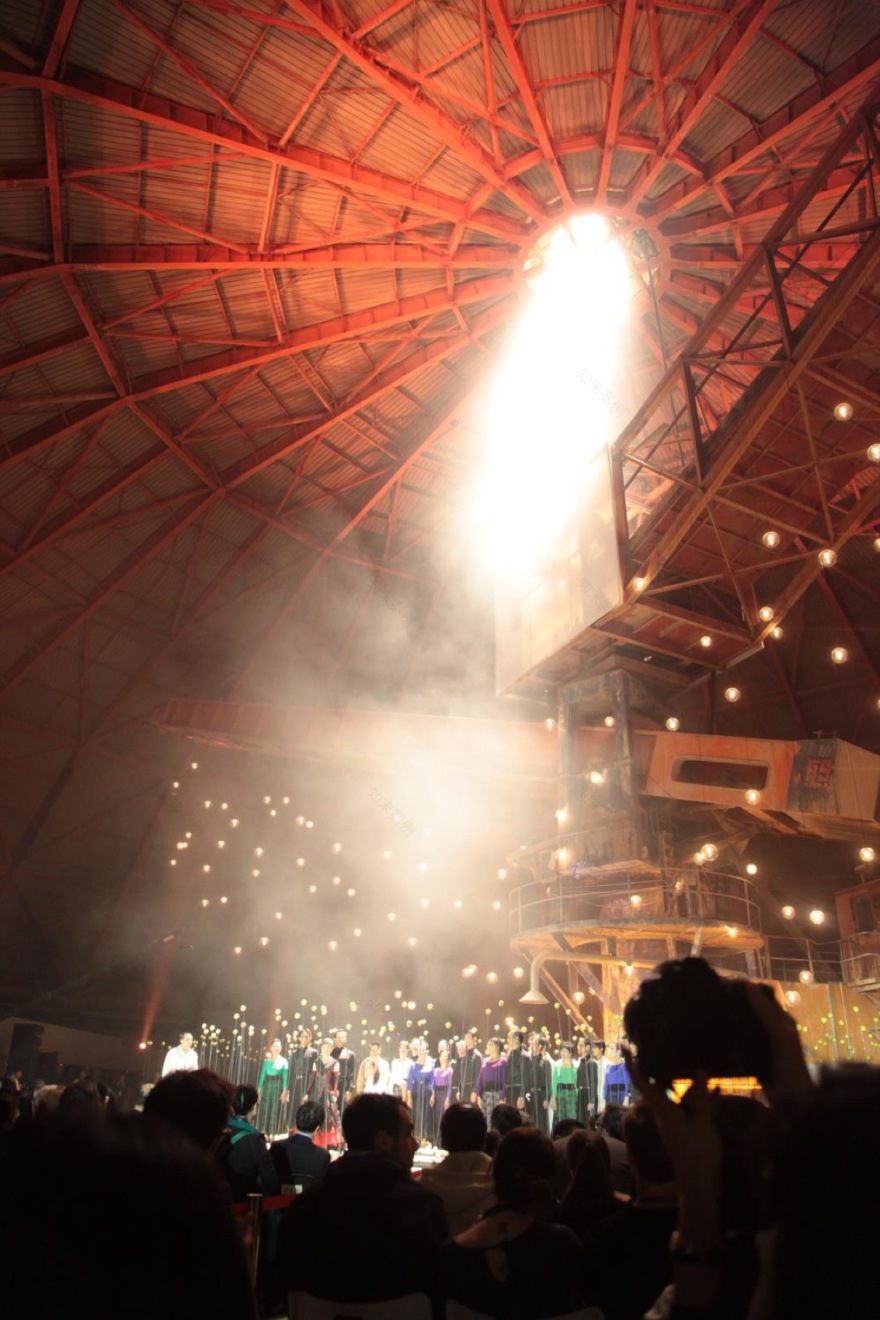
▼策展实践 –K11 建筑艺术节:木构复兴海报,
Curatorial practice – Poster of Architecture Festival: The Resurgence of Wooden Architecture© K11 展

▼策展实践 –K11 建筑艺术节:木构复兴,Curatorial practice – Architecture Festival: The Resurgence of Wooden Architecture© K11 展


9. 您如何选择展览的主题和形式?
How do you choose the themes and formats for exhibitions?
首先展览一般会有一个主题,围绕这个主题会有几条不同的思想发展的路径,在这样的一个路径下再来选择好的建筑师和好的艺术家。我也希望在每一个单元的建筑师和艺术家的选择当中,考虑到表现形式的多样性,比如建筑模型、影像、装置以及互动参与等,使得每一个单元的体验是多样化的和丰富的,而不仅仅是传统的学术展览呈现方式。
在展览当中,很难用套用固定的展览模式,对于不同身份、不同职业不同年龄段的人,我们都精心设计了不同的导览线路,有选择地把展览当中的一些作品串成一条故事线来呈现。导览的人员也经过培训,针对不同的观众,我们组织了不同的导览团,他们看到的故事线是不一样的。
通过这样的一个方式,既能够保证展览学术性和体系架构的完整性,又能针对不同观众选取不同作品,串联成不同的故事,使每个人都有不同的体验和感受。
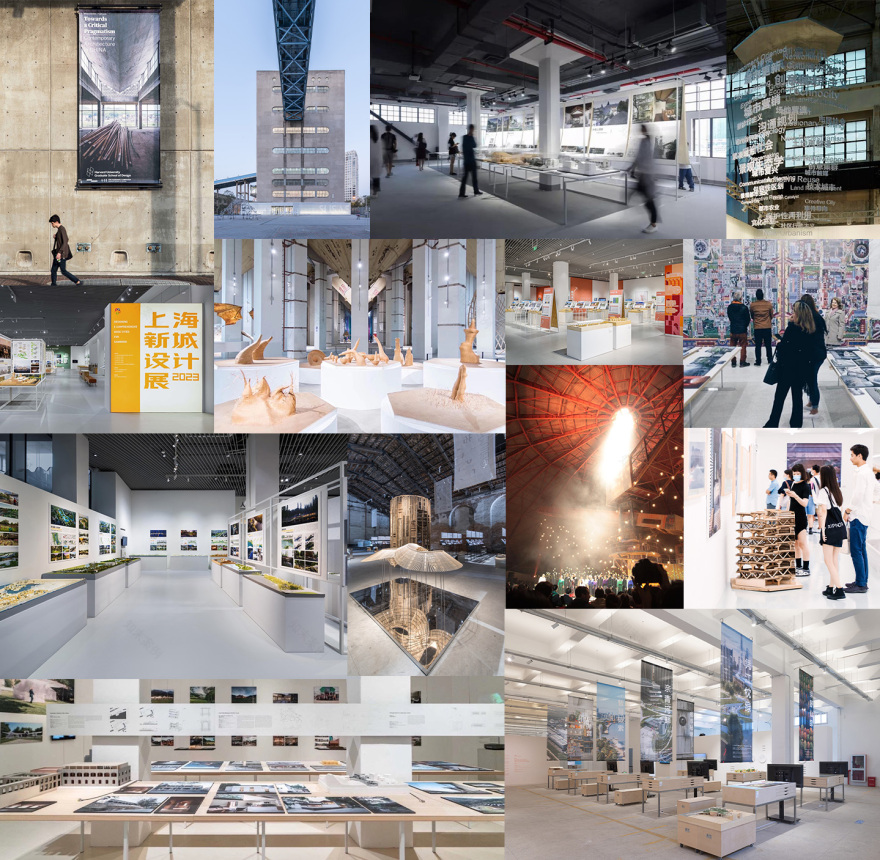
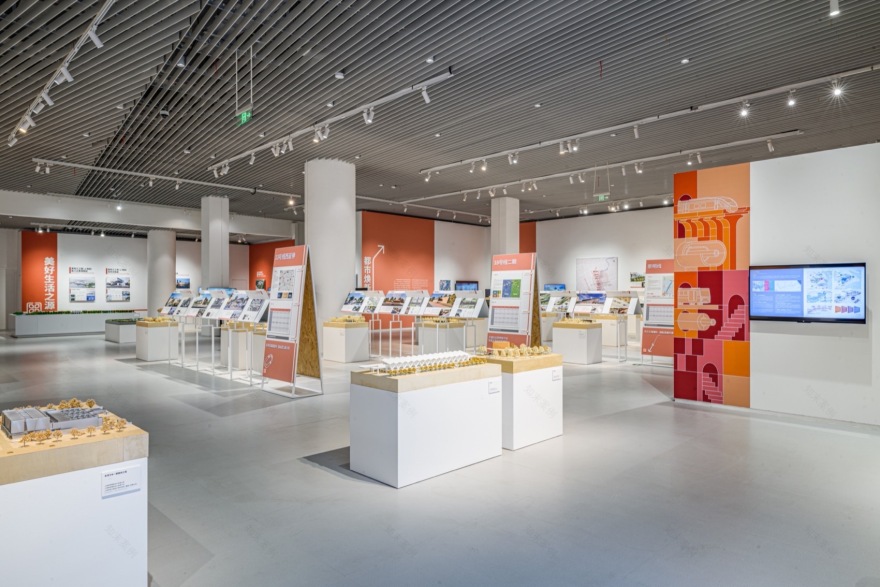
▼李翔宁老师于 2022-2023 所策划的三场有关上海城市发展的展览,Three exhibitions on Shanghai’s urban development from 2022 to 2023 curated by Li Xiangning© 夏至 /是然建筑摄影 /杨作勋

Typically, an exhibition begins with a central theme, around which several divergent paths of thought emerge. These pathways then guide the selection of exceptional architects and artists. I also prioritize diversity in presentation within each segment, incorporating various forms of expression like architectural models, imagery, installations, and interactive elements. This approach ensures that each segment offers a multifaceted and immersive experience, going beyond conventional academic exhibition formats.
In the exhibition, it is difficult to apply a fixed exhibition mode. Instead, we meticulously design distinct guided routes tailored to different identities, Professions, and age groups. These routes intelligently weave selected works into cohesive storylines within the exhibition space. Our guides receive specialized training, and we organize diverse tour groups to cater to various audience preferences, ensuring each group encounters a unique narrative.
This strategy maintains the exhibition’s academic integrity and structural coherence while adapting work selections to suit diverse audience demographics, thereby offering each visitor a distinctive and engaging experience.
▼策展实践 –“设计赋能,未来之城”2022 上海新城设计展,Curatorial practice – Designing 5 Comprehensive Node Cities for Shanghai 2022© 夏至


▼策展实践 –“集成设计,赋能新城”2023 上海新城设计展,Curatorial practice – Designing 5 Comprehensive Node Cities for Shanghai 2023© 是然建筑摄影


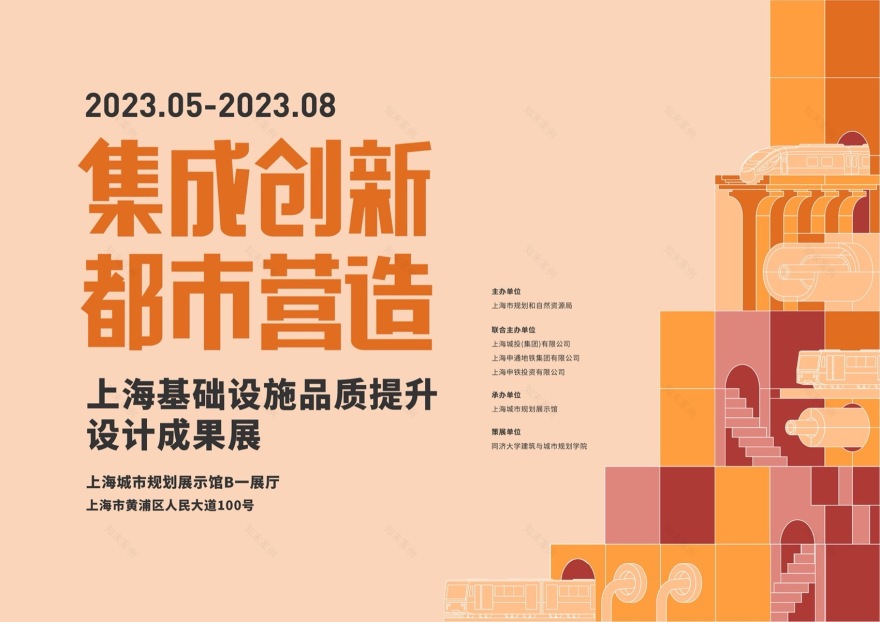
▼策展实践 –2023 上海基础设施品质提升设计成果展,Curatorial practice – 2023 Shanghai Infrastructure Quality Improvement Design Achievement Exhibition© 杨作勋

10. 在 2018 年的第 16 届威尼斯建筑双年展中,您作为中国馆策展人,以“我们的乡村(Building a Future Countryside)”为主题向全世界展示了属于中国当下的“自由空间”。并将中国近年乡村实践分为了“业、旅、社、文、居、拓”六个版块。时至今日,您认为这六个板块有新的发展吗,当下是否有作品走出了属于这六个板块以外的新方向?
During the 16th Venice Architecture Biennale in 2018, you curated the China Pavilion under the theme “Building a Future Countryside,” showcasing China’s contemporary “free spaces” to the global audience with six categories. Is there any new developments or new directions beyond these categories?
这 6 个板块旨在探索乡村的新可能性,涵盖了乡村发展的诸多方面。但每一个板块下是可以不断拓展出更加多元化,更加富有多样性的内容,它是向未来和新的形式开放的。
回顾过去几年,这六个方面虽然没有完全被打破,但每个方面都得到了深化和拓展。比如说文化或者旅游的板块,以前文化更多地是从城市向乡村延伸,今天更多的是希望文化能够在乡村当中能够扎根,和村民能够产生一种互动;再比如居住的形式,以前我们居住形式是非常单一的,如今则有了混合的居住模式,并且采用了多种不同类型的建筑设计来创造居住方式。中国乡村振兴的整个过程是在不断往前推进的,这一点还是挺令人鼓舞的。
These six categories aimed to explore new possibilities in rural areas, covering various aspects of rural development. However, each category can continuously expand to include more diverse and varied content, remaining open to the future and new forms.
Looking back over the past few years, while these six aspects have not been entirely shattered, each aspect has undergone deepening and expansion. For example, in the cultural or tourism sectors, culture used to extend from urban to rural areas, but now there’s a desire for culture to take root in rural areas and interact with villagers. Similarly, in terms of residence, the living forms used to be very uniform, but now there are mixed residential patterns and various architectural designs to create diverse living options. The entire process of rural revitalization in China is steadily progressing, which is quite encouraging.
▼策展实践 –第十六届威尼斯建筑双年展中国国家馆,Curatorial practice – Pavilion of China at La Biennale di Venezia 2018©Biennale di Venezia

▼策展实践 – 2018 威双中国国家馆“我们的乡村”海外巡展 柏林站,Curatorial Practice – Exhibition “Building a Future Countryside” in Berlin©Biennale di Venezia

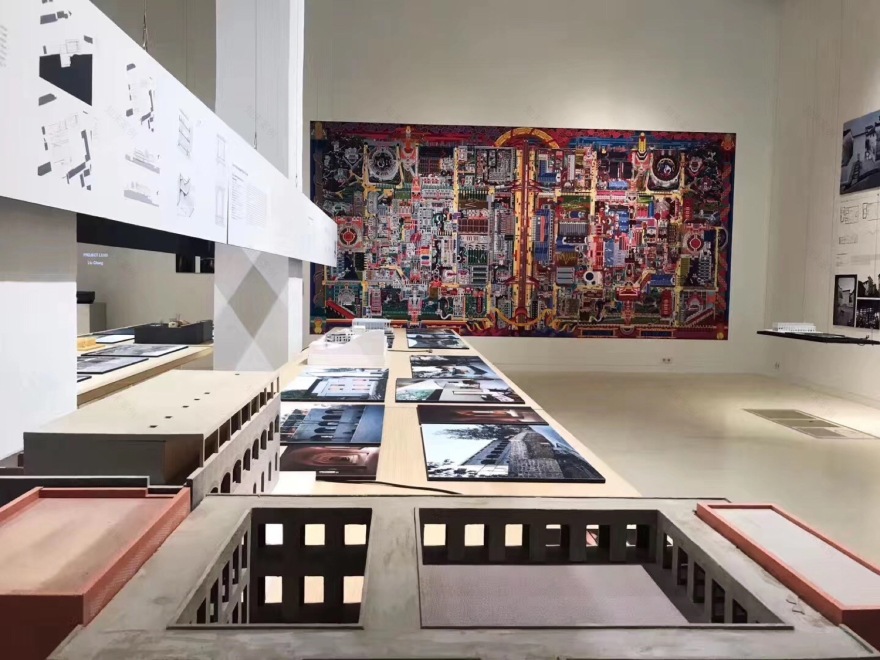
▼策展实践 – 2018 威双中国国家馆“我们的乡村”海外巡展 巴西站,Curatorial Practice – Exhibition “Building a Future Countryside” in Brizal©Biennale di Venezia


▼我们的乡村:中国当代建筑在威尼斯的呈现 – 李翔宁在 BCC 中国国际建筑科技大会演讲,Speech by Li Xiangning “Building a Future Countryside” 2018, Beijing
点击这里查看更多,Click HERE for details

11. 过去几年上海艺术空间季的主题体现了上海近年来城市怎样的发展方向呢?在城市尺度上进行策展最需要关注的是什么?
How did the Shanghai Urban Space Art Season reflect the development direction of Shanghai’s urban landscape? What is most crucial when curating exhibitions at the urban scale?
第一届主题为“城市更新”,第二届为“连接”,第三届为“相遇”,第四届为“15 分钟生活圈”,第五届为“共栖”。其实每一个时期的主题,并不是完全由策展人决定的,而是经过专家委员会的建议,以及好几轮的筛选才会定下来。
主题的选定都有几个特点:第一个是它和上海城市空间的发展,或者城市发展当中正在推行的一个政策有关,比如说“15 分钟生活圈”或者“连接”,实际上是与上海当时在推进的城市发展的工作重心有关。“共栖”是和“上海 2035”的“创新之城、人文之城、生态之城”的主题紧密关联在一起的。
The first edition focused on “Urban Renewal,” the second on “Connectivity,” the third on “Encounters,” the fourth on “15-Minute Life Circles,” and the fifth on “METro-BIOSIS.” In reality, these themes are not solely determined by curators but are suggested by an expert committee and finalized after several rounds of selection.
There are several characteristics in selecting these themes: firstly, they are closely related to Shanghai’s urban spatial development or policies being implemented, such as “15-Minute Life Circles” or “Connectivity,” aligning with the city’s development focus at the time. “METro-BIOSIS” is closely tied to Shanghai’s themes of “2035 Innovation City,” “Humanistic City,” and “Ecological City.”
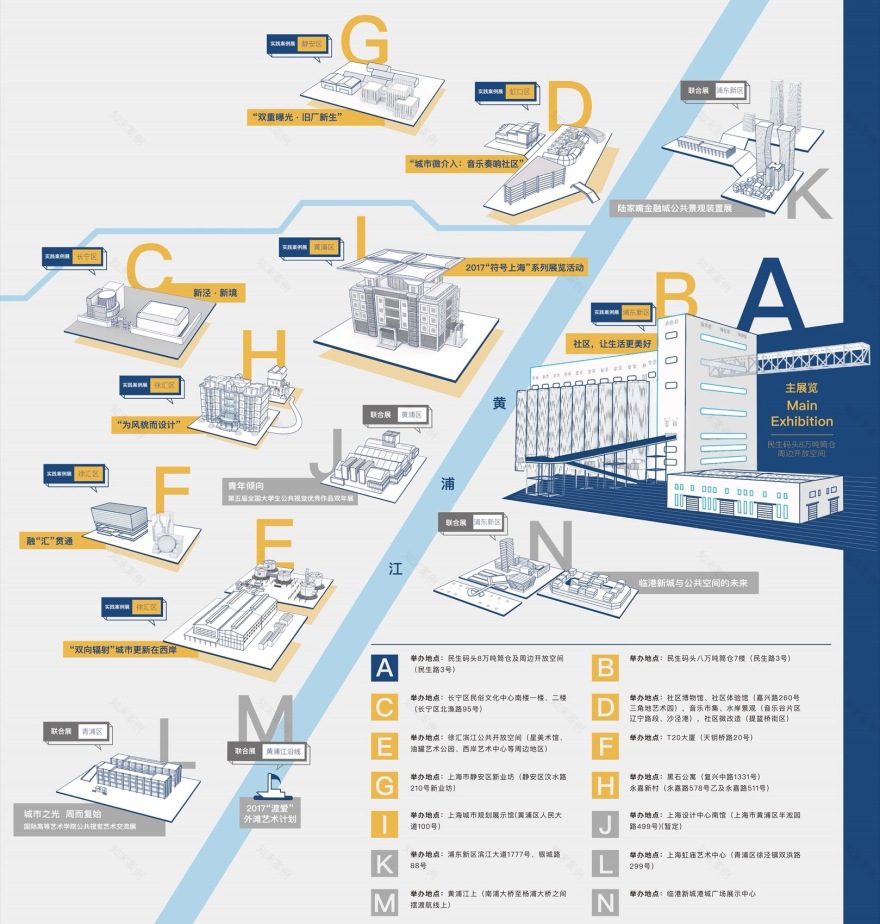
▼策展实践 –2015 上海城市空间艺术季,Curatorial practice – Shanghai Urban Space Art Season 2015©李翔宁 / SUSAS


▼策展实践 –2017 上海城市空间艺术季,Curatorial practice – Shanghai Urban Space Art Season 2017 © 高长军

▼策展实践 –2017 上海城市空间艺术季临港联合展雁飞建筑事务所参展作品《柔物》 ,Curatorial practice – SUSAS2017 “thisCONNECTION”- Soft Matter by Yanfei architects© 陈颢
点击这里查看更多,Click HERE for details

▼策展实践 –2017 上海城市空间艺术季临港联合展创盟国际参展作品《上海滴水湖畔落云亭》 ,Curatorial practice – SUSAS2017 “thisCONNECTION”- Cloud Pavilion at the Dripping Lake By Archi-Union Architects & Fab-Union © 陈颢
点击这里查看更多,Click HERE for details

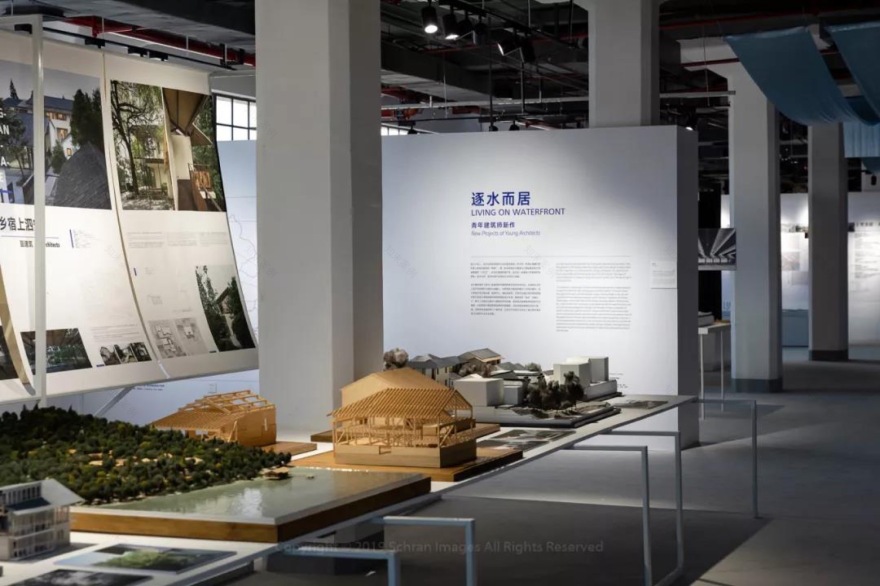
▼策展实践 – 2019 上海城市空间艺术季“逐水而居”展区,Curatorial Practice – 2019 SUSAS “Living on Waterfront” exhibition area © 2019 Schran Image All Rights Reserved
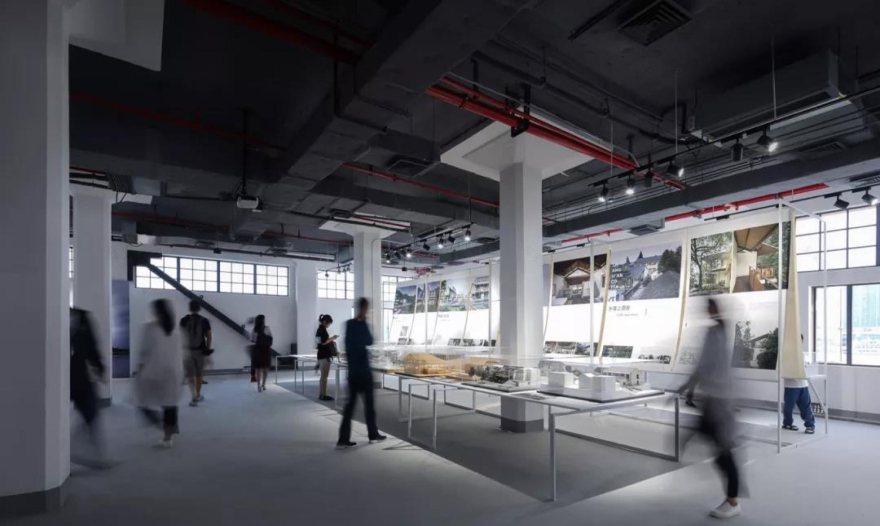


对于城市级的展览来说,需要关注几个方面的问题:
第一,主题的选择,它既需要呈现城市的特性,同时它又要具有全球性和普世价值。这些命题需要有共性,比如生物多样性,上海现在面临的生物多样性挑战,其他城市也同样面临,只是可能大家还没有意识到这个问题,通过展览,可以将这些议题和思考呈现出来,引发人们的关注。
第二,这个主题是要与人们的生活息息相关的。让无论是本地人还是外来参观的人,都觉得这个主题是和自己、和自己的生活以及生活环境息息相关的。不同的人都能够在这个展览当中有不同的感受和体验。
▼策展实践 –2023 上海城市空间艺术季《共栖 METro-BIOSIS》海报,Curatorial Practice –Poster Shanghai Urban Space Art Season 2023: METro-BIOSIS© SUSAS
点击这里查看更多,Click HERE for details
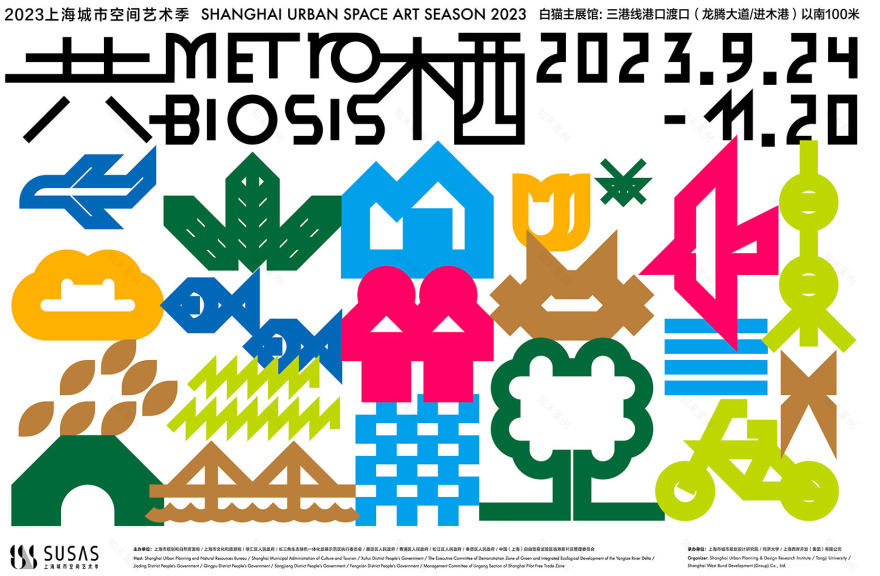
For urban-level exhibitions, several aspects need attention:Firstly, theme selection should not only showcase urban characteristics but also possess global and universal significance. These themes should be common, such as biodiversity; Shanghai faces biodiversity challenges, as do other cities, even if people are not yet aware of these issues. Exhibitions can highlight these topics and stimulate awareness.Secondly, the theme should be closely tied to people’s lives. Both locals and visitors should feel that the theme relates directly to their lives and environments. Different individuals should have diverse experiences and perspectives at the exhibition.
▼策展实践 –2023 上海城市空间艺术季《共栖 METro-BIOSIS》,Curatorial Practice –Shanghai Urban Space Art Season 2023: METro-BIOSIS© 田方方

▼策展实践 – 2023 上海城市空间艺术季 高目建筑参展作品《河图洛书亭》,Curatorial Practice – Hetu Luoshu Pavilion by GOM in SUSAS 2023© 田方方
点击这里查看更多,Click HERE for details

▼策展实践 – 2023 上海城市空间艺术季:同济大学建筑与城市规划学院+卷宗书店参展作品《流域:都市与环境》/上海市城市规划设计研究院参展作品《生态上海》,Curatorial Practice – Tributary urbanism and environment byTongji University + Wallpaper,Ecological Shanghai byShanghai Institute of Urban Planning and Designin SUSAS 2023© 田方方


12. 作为同济大学发展规划与学科建设部部长和建筑与城市规划学院教授、前院长,您对现代的中国建筑学教育有什么看法?
As the Minister of Division of Planning and Academic Development at Tongji University, as well as professor and former Dean of the School of Architecture and Urban Planning, what are your views on modern architectural education in China?
从同济大学建筑城市规划学院的院长到现在同济大学发展规划和学科建设这个岗位,对我自己是一个挑战,我在这个过程当中也成长了。我以前更多的是关心建筑学学科自身的问题,到了学科发展的部门以后,则需要我用不同的视角来看所有的学科。
建筑学面临着很多不同的挑战,首先是主体性的变化,以前我们会讲建筑就是给人用的,但今天面向未来的时候,我们会想如果是在虚拟的空间当中,给计算机或者给人工智能创造的环境应该是什么样的,或者说除了人之外的不同的物种共享我们的生活环境的话,城市和建筑应该造成什么样?
在这种跨学科的研究当中,也会探索人类未来发展的极限,比如说在深海或者在地底下造城市,又或者未来我们人类是不是要到新的地方去居住,比如说到火星到外太空,或者说到南极北极,去拓展我们新的居住的形式的时候,建筑学所面临的环境是什么样的。场景不同的时候,我们建筑师应该怎么样来应对。
另外,我们面临着技术的变革。比如我们如何来应对人工智能的挑战,从某种意义上设计,甚至建造、画施工图或者一些技术的解决方案,包括算结构,这些未来人工智能都可以解决。但是这个时候建筑的思想、理论,或者宏观的价值以及哲学的思考就非常重要。这种思考是需要人来建构的。
未来建筑行业的体量可能会缩小,但这也带来了一些积极的效应。第一、人才的培养和招生规模都会缩小,但在教育与研究上会更加深入。第二、体量缩小了以后,留下的是更加热爱建筑的人。
回到建筑行业的发展,今天我们其实只是回到一个正常的轨道,而建筑业不管过几十年甚至再过几百年,它也会还存在,就像从维特鲁威的那个时候写《建筑十书》,到今天我们社会已经发展了几千年,但是建筑建造没有完全被取代。虽然规模会有一些缩小,但设计和建造的品质会更高。这既是一个挑战,但也是一个机遇,把危机变成机遇,也是对我们行业自身提高的一个要求。
Transitioning from my role as Dean of Tongji University’s School of Architecture and Urban Planning to my current position in Division of Planning and Academic Development has been a personal challenge and a period of growth. Previously, my focus was mainly on the internal issues of architectural disciplines. Now, in the division of academic development, I approach all disciplines from a different perspective. Architecture faces various challenges today, starting with fundamental changes. In the past, we considered architecture solely for human use. However, looking towards the future, we now contemplate what environments should be like in virtual spaces for computers or artificial intelligence. Additionally, if species other than humans share our living environment, what should cities and architecture look like?
In interdisciplinary research, we also explore the limits of human future development. For instance, creating cities in the deep sea or underground, or considering whether humans should inhabit new places like Mars, outer space, Antarctica, or the Arctic, expands our forms of habitation. In these diverse scenarios, how should architects respond? Furthermore, we face technological revolutions. How do we address the challenges posed by artificial intelligence? In a sense, designing, constructing, drafting, or solving technical problems, including structural calculations, can all be handled by AI in the future. However, the philosophical reflection, theoretical concepts, and macroscopic values of architecture remain crucial and require human input.
The future of the architectural industry may see a reduction in scale, but this also brings positive effects. Firstly, talent cultivation and enrollment may decrease, but education and research will become more profound. Secondly, with a smaller scale, we are left with individuals who are more passionate about architecture. Looking ahead to the development of the architectural industry, we are simply returning to a normal trajectory. Architecture will continue to exist, regardless of whether it’s decades or centuries from now, just as Vitruvius wrote “De Architectura Libri Decem” centuries ago, and our society has developed over millennia without fully replacing architectural construction. Although the scale may decrease somewhat, the quality of design and construction will rise. This presents both a challenge and an opportunity, turning crises into opportunities and demanding an elevation in our industry’s standards.
13. 您在同济的毕业生讲话中说到:“虽然我们不一定从事我们这个行业,但是我们的建筑、规划、景观等专业的教育,仍然是最好的通识教育,让我们学会认识社会、进行研究、做项目…”,您为什么这样讲?请您为广大学子与青年建筑师们献上一段寄语。
Why do you believe that “education in architecture, landscape, and related fields remains the epitome of general education”? What would you like to say to students and young architects?
建筑师的教育是非常全面的,有哲学、社会科学、人文的教育,也有对艺术的、技术和理性思维的要求。建筑学是一个比较综合的学科,所以建筑学毕业的人以后不一定要干建筑,即使没有建筑可干,其他的工作也是能够胜任的。这个专业虽然面临着挑战,但现在更需要把我们的知识体系进行转型和升级。例如,我们可能会更多地使用人工智能,我们现在开始在一二年级的基础课里面增加一些人工智能的选修课和必修课,教学生用人工智能来帮助他们做设计,让学生更好地应对未来的挑战。但我不认为每个人都应该放弃建筑去学习人工智能,更重要的还是具备扎实的专业基础。所以我给大家的寄语就是:“保有你对建筑的热爱和梦想,但是学会迎接挑战和提升自己。”
Architectural education is profoundly comprehensive, blending elements of philosophy, social sciences, humanities, and a demand for artistic, technical, and analytical skills. The field of architecture is inherently multidisciplinary, meaning that architecture graduates aren’t confined to traditional architectural roles; they possess skills applicable across various Professions. Despite facing challenges, our education system must evolve and adapt. For instance, there’s a growing integration of artificial intelligence. We’re introducing elective and mandatory AI courses starting from the foundational years, equipping students to utilize AI in design processes and prepare for future industry demands. However, this doesn’t imply abandoning architecture for AI; rather, it underscores the importance of a robust professional foundation.
What I want to say to everyone is: “Nurture your passion and aspirations in architecture while embracing challenges and continuous self-improvement.”
▼自然建造奖·评审会(左图:李翔宁老师位于右二),Architecture China Award(left photo: Li Xiangning is on the second right)


▼南京红山动物园“动物理想家” 李翔宁老师演讲现场,Nanjing Hongshan Zoo “animal idealist” Li Xiangning at speech


14.
您个人的使命是什么呢?
What is your ambition?
第一、对当代中国的实践和整个发展路径进行梳理,我现在正在写《当代中国建筑史》,希望能够将当代中国建筑史更好地呈现出来。
第二、发掘当下建筑师实践中的特征,特别是中国独有的特征,比如我提出的“批判的实用主义”,或者是对当下现实的一种真实的理论化的总结和反映。
第三、把中国的建筑文化和建筑思想,以一种中国式的理论方式传播出去,在全球范围内为中国的建筑文化发声,让我们能够和全球文化更好地交流,同时也保有我们自己的话语权和文化地位。
Firstly, it’s to organize and present the contemporary practices and development trajectory of China. I’m currently working on “Contemporary History of Chinese Architecture,” aiming to offer a better presentation of the history of contemporary Chinese architecture. Secondly, it’s to uncover the distinctive features within current architectural practices, especially those unique to China. For instance, I’ve introduced the concept of “Critical Pragmatism,” which represents a genuine theoretical synthesis and reflection on present realities. Thirdly, it’s to disseminate Chinese architectural culture and ideas using a distinctly Chinese theoretical approach. I aim to advocate for Chinese architectural culture globally, fostering improved communication with global cultures while keeping our own voice and cultural stature.
▼李翔宁,Li Xiangning
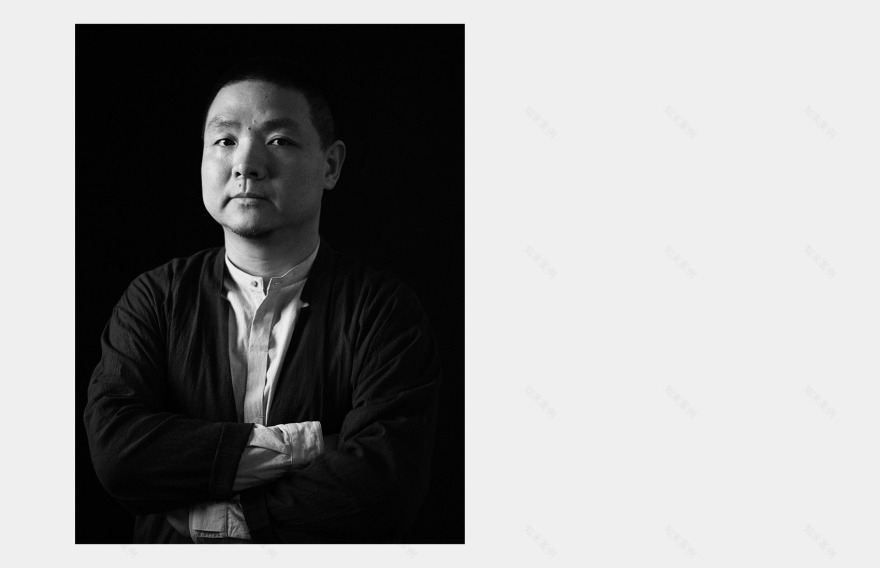
李翔宁
教授 博士生导师
同济大学建筑与城市规划学院
上海市杨浦区四平路 1239 号
邮编 200092
博士,同济大学建筑与城市规划学院教授、博士生导师。知名建筑理论家、评论家和策展人,哈佛大学客座教授。
学术研究主要聚焦当代中国建筑、城市艺术理论和批评,基于对当代中国建筑的切近观察和理论化,探索具有“当代性”和“中国性”的中国城市建筑的一系列独特评价标准和理论体系,提出“中国新建筑五点”“中国建筑 24 个关键词”“权宜建筑”“批判的实用主义”等理解当代中国建筑发展的关键概念与路径图谱,发掘当代中国建筑的独特文化价值,引起西方学界后批评理论相关学者从中西比较角度对中国问题的讨论。长期从事建筑、设计艺术和城市文化领域的理论批评和策展方法体系建构,以批评和策展作为社会创新和学术研究的平台和工具。并且整合评论、策展、出版、评奖的研究和传播平台,提升当代中国建筑国际话语权与软实力。作为第一负责人主持“十四五”国家重点研发计划项目 1 项、国家社会科学基金艺术学重大项目 1 项、国家艺术基金项目 1 项、国家自然科学基金面上项目 2 项、美国国务院“城市未来研究项目”1 项。出版中文著作 3 本,国际英文著作 5 本。在国内外期刊发表论文百余篇,其中包括 5 篇 A&HCI 检索期刊论文。
因学术能力及影响力突出,曾受邀任教哈佛大学、达姆施塔特工业大学、东京工业大学、UCLA 等多所国际高校,并任中国美术家协会建筑艺术委员会委员,中国建筑学会建筑评论学术委员会副理事长兼秘书长,国际建筑评论家委员会(CICA)主任委员,米兰三年展国际学术委员会委员等多个学术组织职务。担任国际建筑杂志《Architecture China》主编,《Architecture Asia》《The PLAN》《Le Visiteur》等国际刊物编委,及密斯·凡·德罗奖欧盟建筑奖、The PLAN 建筑奖、亚洲建筑师协会建筑奖等国际奖项评委。2017 年获得教育部设计学领域“青年长江学者”称号,2020 年获得教育部设计学领域“长江学者特聘教授”称号,2022 年获得第十八届光华龙腾奖中国设计贡献奖银质奖章。
作为知名建筑艺术学术策展人,担任了 2018 年威尼斯双年展中国国家馆策展人,及 2016 年哈佛大学 GSD 当代中国建筑展,2015 年、2017 年和 2023 年上海城市空间艺术季,2013 年西岸当代艺术与建筑双年展,2013 年深港双年展,2012 年米兰三年展中国建筑师展等重大展览的策展人,任 2017 年釜山建筑文化节艺术总监。




南京喵熊网络科技有限公司 苏ICP备18050492号-4知末 © 2018—2020 . All photos and trademark graphics are copyrighted by their owners.增值电信业务经营许可证(ICP)苏B2-20201444 苏公网安备 32011302321234号
苏公网安备 32011302321234号客服
消息
收藏
下载
最近