

创作上传
VIP
收藏下载
登录 | 注册有礼
查看完整案例

收藏

下载

分享

翻译
BREVE HISTORIA DEL URBANISMO EN BERLÍN
Berlín - Alemania / 1860 - 2000
El urbanismo es desarrollado con mayor profundidad en la ciudad a partir de la industrialización -que trajo consigo un fuerte crecimiento económico, nuevos materiales, sistemas de transporte e innovaciones técnicas-, en 1870 el ferrocarril se convierte en un icono de las ciudades modernas por lo que Berlín desarrolla una amplia infraestructura para este medio.
Ya para 1900 se desarrollan transformaciones en el área central de la ciudad que desembocan en el nacimiento del Gran Berlín -integrado por 8 ciudades integradas bajo un único término municipal- trayendo consigo la articulación del territorio circundante y la configuración de una metrópoli rural.
Entre 1914 y 1920 transcurre la Primera Guerra Mundial que termina con el Tratado de Versalles y la promulgación de un concurso para la reestructuración de las áreas centrales y la reconexión con la periferia de Berlín, este concurso concluye con una propuesta en tres niveles de tratamiento: el centro histórico, las áreas de ensanche y la periferia de la ciudad. Para 1933 Adolf Hitler es nombrado Canciller lo que posteriormente evitara que se lleve a buen termino la reestructuración pensada para la ciudad.
En 1957 -años después de la finalización de la Segunda Guerra Mundial- se desarrolla el "Berlín Hauptstadt" donde se pretendía levantar las zonas destruidas de la ciudad pero en 1961 se levanta el Muro de Berlín que divide la ciudad en dos territorios que se transforman de manera autóctona; ya para 1989 se destruye el muro -generando así la unificación territorial de la ciudad- y sus rezagos se convierten en monolitos históricos y urbanos.
A SHORT URBAN HISTORY OF BERLIN
Berlin - Germany / 1860 - 2000
Urbanism is developed with greater depth in the city from industrialization -which brought with it strong economic growth, new materials, transport systems and technical innovations-, in 1870 the railway became an icon of modern cities, therefore that Berlin develops an extensive infrastructure for this medium.
By 1900 transformations were taking place in the central area of the city that led to the birth of Greater Berlin -made up of 8 cities integrated under a single municipal term- bringing with it the articulation of the surrounding territory and the configuration of a rural metropolis.
Between 1914 and 1920, the First World War took place, ending with the Treaty of Versailles and the promulgation of a competition for the restructuring of the central areas and the reconnection with the periphery of Berlin, this competition concluded with a proposal in three levels of treatment: the historic center, the expansion areas and the outskirts of the city. For 1933 Adolf Hitler is appointed Chancellor, which will later prevent the restructuring planned for the city from being carried out.
In 1957 -years after the end of World War II- the "Berlin Hauptstadt" was developed where it was intended to raise the destroyed areas of the city but in 1961 the Berlin Wall was erected, dividing the city into two territories that were transformed indigenously; By 1989, the wall was destroyed, thus generating the territorial unification of the city, and its remnants became historical and urban monoliths.

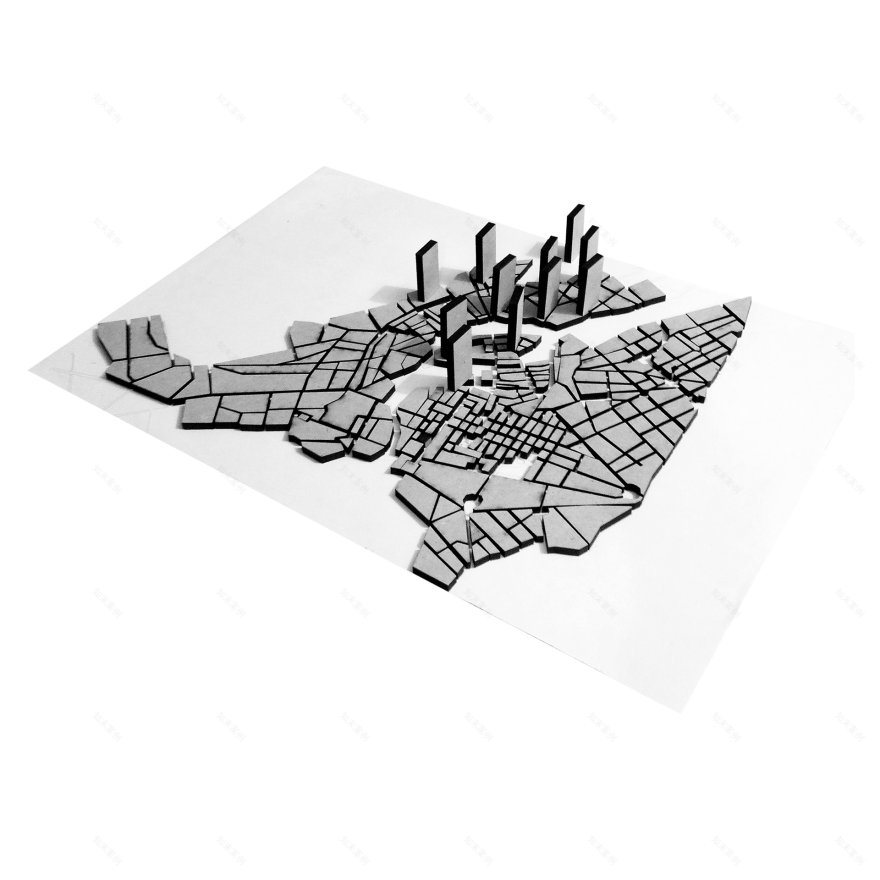
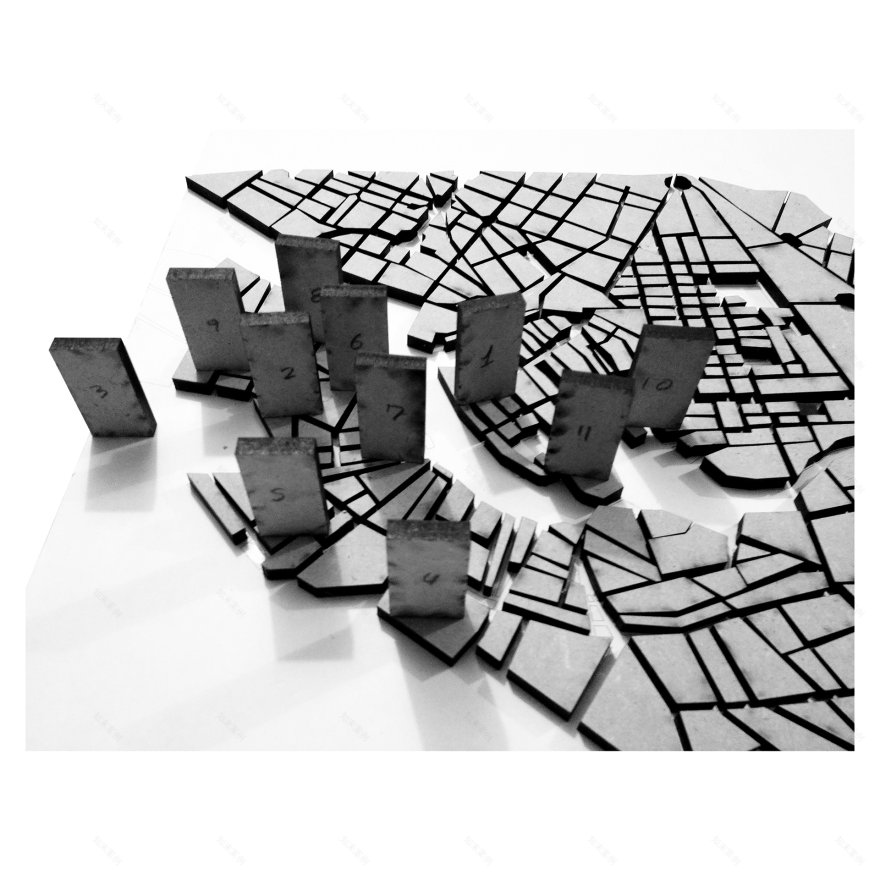
BERLÍN
1860
Hitos:1. Museo Antiguo y Museo Nuevo (1822-1828) 2. Puerta de Brandenburgo (1788-1791)3. Columna de la Victoria (1864-1874) 4. Jardin Botanico (1897-1910)5. Postdamer Platz (1838) 6. Bebel Platz (1741-1743) 7. Gendarmenmarkt (1688)8. Reichstag (1849)9. Palacio Bellevue (1786)10. Iglesia de San Nicolas (1213) 11. Catedral de Berlin (1895-1905) 12. Palacio Real (1443)


BERLÍN
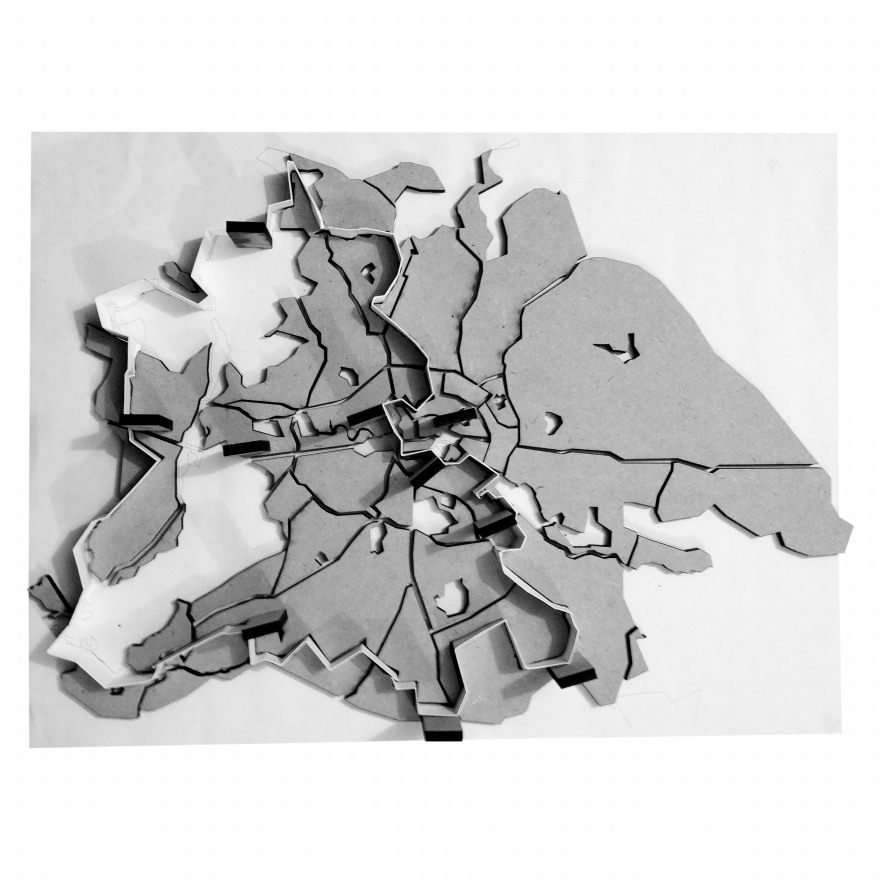
1961
Hitos:1. Parque Tiergarten (1948) 2. Fuente de Neptuno
Cruces Fronterizos:3. Checkpoint Charlie4. Checkpoint Chausseestrasse 5. Checkpoint Stolpe6. Chechpoint Staaken 7. Checkpoint Drewitz 8. Checkpoint Mahlow9. Checkpoint Waltersdorfe Chaussee 10. Checkpoint Sonnenallee


BERLÍN
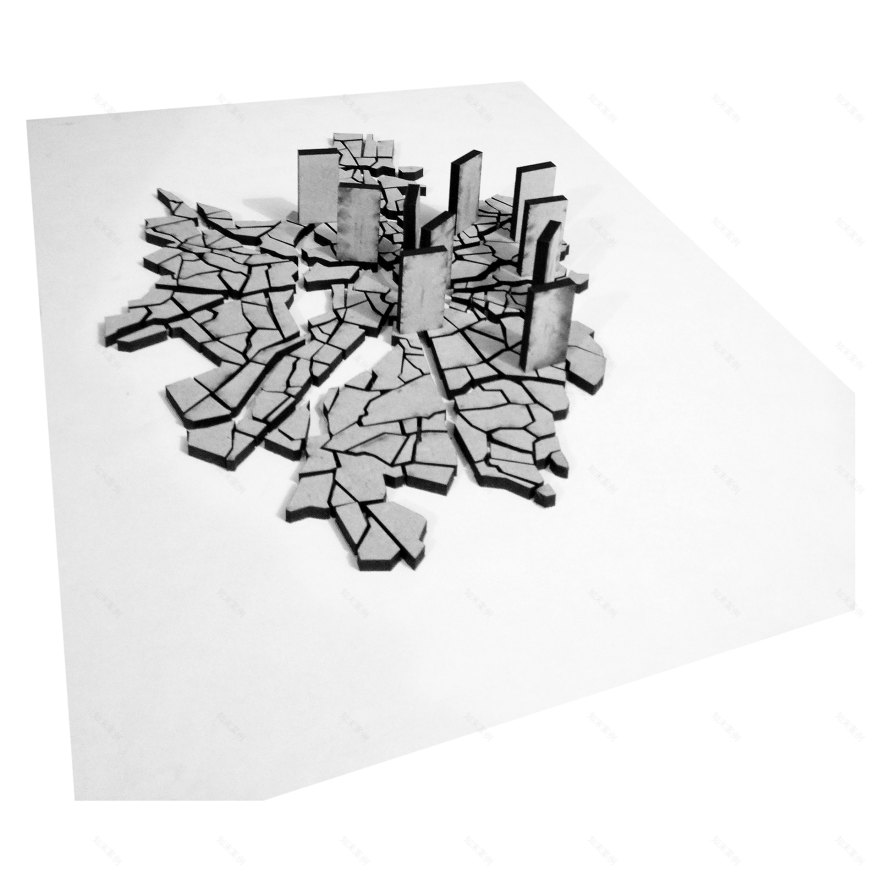
2000
Restos existentes del muro de Berlín


南京喵熊网络科技有限公司 苏ICP备18050492号-4知末 © 2018—2020 . All photos and trademark graphics are copyrighted by their owners.增值电信业务经营许可证(ICP)苏B2-20201444 苏公网安备 32011302321234号
苏公网安备 32011302321234号客服
消息
收藏
下载
最近