

创作上传
VIP
收藏下载
登录 | 注册有礼
查看完整案例

收藏

下载

分享

翻译
Seodaemun History Museum, Korea
.
The March 1st is the national holiday of the Republic of Korea. It is the day of the Declaration of Independence and the Constitution of the Republic of Korea on Saturday, March 1, 1919 (January 29 on the lunar calendar), during the Japanese colonial period. It is a day to celebrate the birth of the spirit of the March 1st Movement, the constitutional ideology specified in
The March 1st Movement is a large-scale collective resistance movement with few similar examples in the world. It is recorded as an incident that informed the Koreans' desire for liberation and the brutality of Japanese imperialism. The Korean Constitution established Korea as the March 1st Movement, and succeeded its spirit. It states that a government has been established.
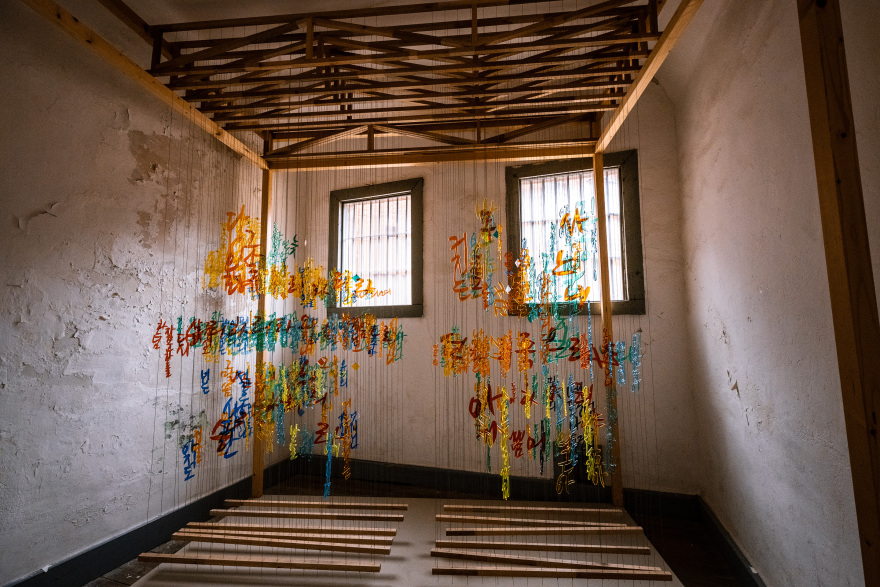

A few days before this incident, 33 national representatives announced the Declaration of Independence in the vacant house called'Taehwagwan'. They were scheduled to be arrested after announcing the declaration, so it is said that there were 15 more people to lead the actual protests as backup agents. However, there are also 14 and 16 people here, and they are divided according to whether Jeong No-sik is excluded or Kim Se-hwan is added. As a result, the 15 people who actually led the protests are called 48 national representatives.
Three or four of these will later turn pro-Japanese, but the rest of them devoted themselves to the independence movement. Specifically, three of the 33 members, Park Hee-do, Jung Chun-soo, and Choi Rin, are the ones who have turned away, and among the 48, there are four, including Choi Nam-seon. The Declaration of Independence they wrote is the Declaration of Independence.


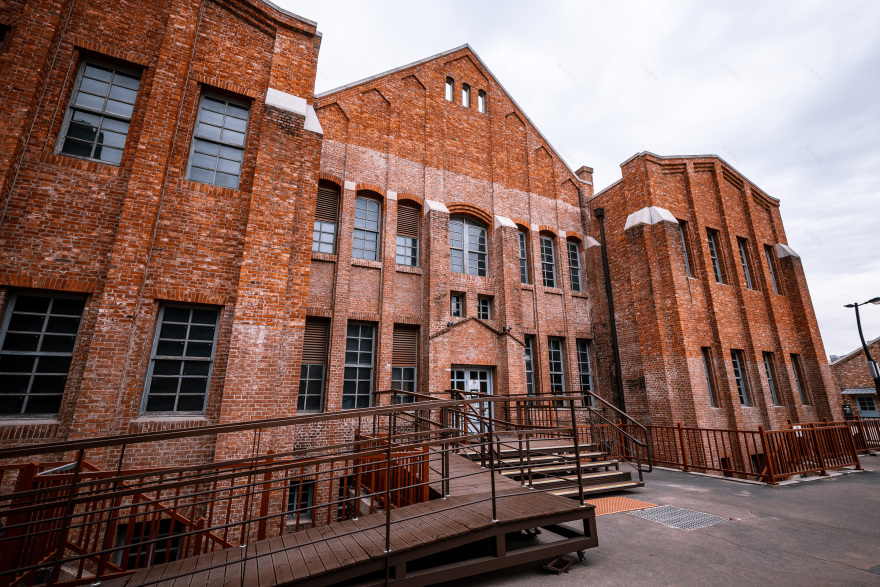


The name Samil Jeol has been in use since 1920, but the name of the national holiday determined by law by the Provisional Assembly at that time was the anniversary of the Declaration of Independence, sometimes called Independence Day and National Holiday. It is assumed that the name of the Three Days is taken from the two elevens of the Republic of China or the Fourth of July, an alias for the American Independence Day.[8] The Korean Provisional Government has made it a public holiday since 1920.
On the other hand, independence activists and overseas Koreans during the Provisional Government recognized the Three Days Day as the anniversary of the founding of the Republic of Korea. This is supported by the fact that this day was designated as the first birthday of the 1st anniversary since the declaration of free independence of Korea and as a feast to be celebrated forever by the nation. # In addition, in the case of The New Korea, a Korean newspaper in the Americas, Section 3.1 was referred to as Korean Independence Day, and the commemorative object was referred to as the March 1st Movement and the establishment of the Republic of Korea [9]. In the letter to the US Senators, on March 1, Koreans around the world commemorated the Declaration of Independence, the establishment of the Republic of Korea, and the founding of the Provisional Government.
As the provisional government evacuated after the observance of Dr. Yun Bong-gil's ceiling, it became difficult to hold a grand ceremony, but the celebration was held briefly. there was.
The first border of 3.1 after liberation ...


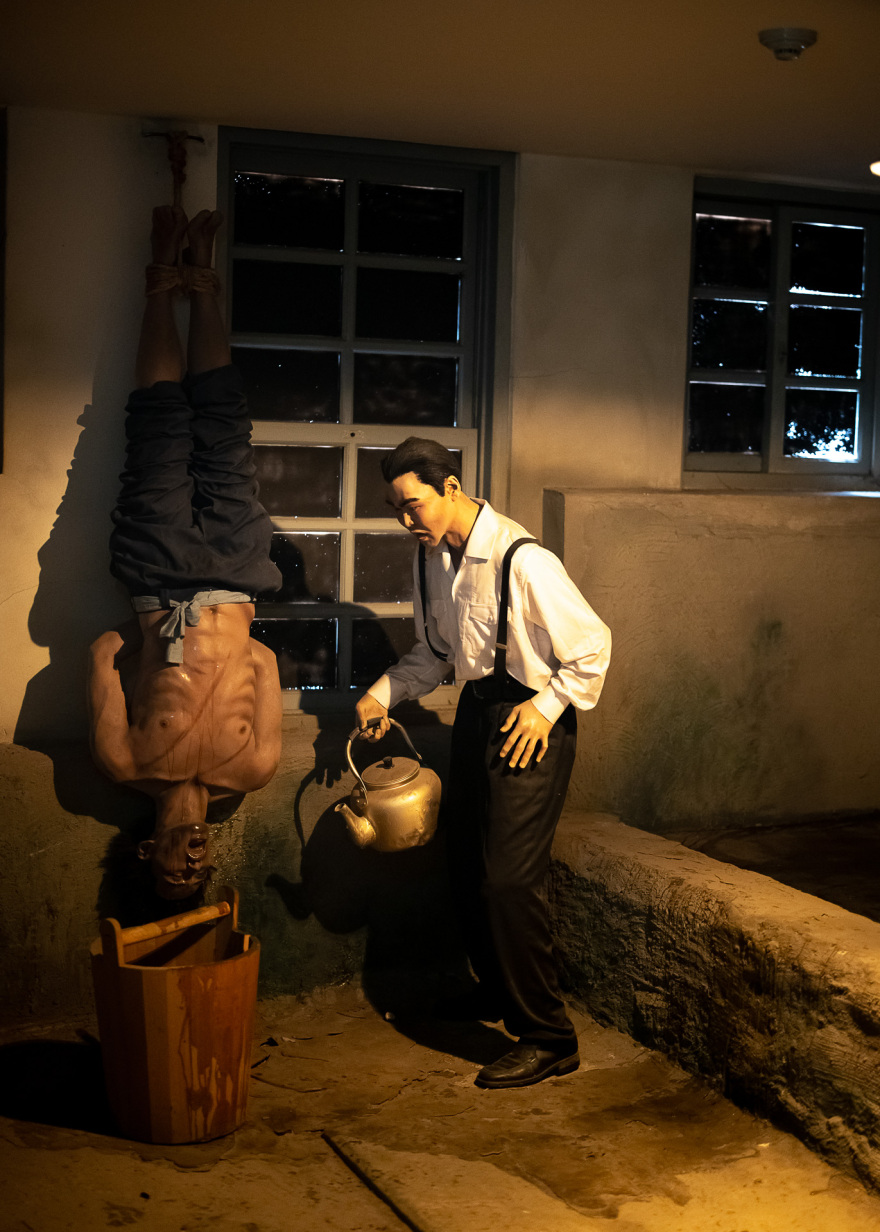

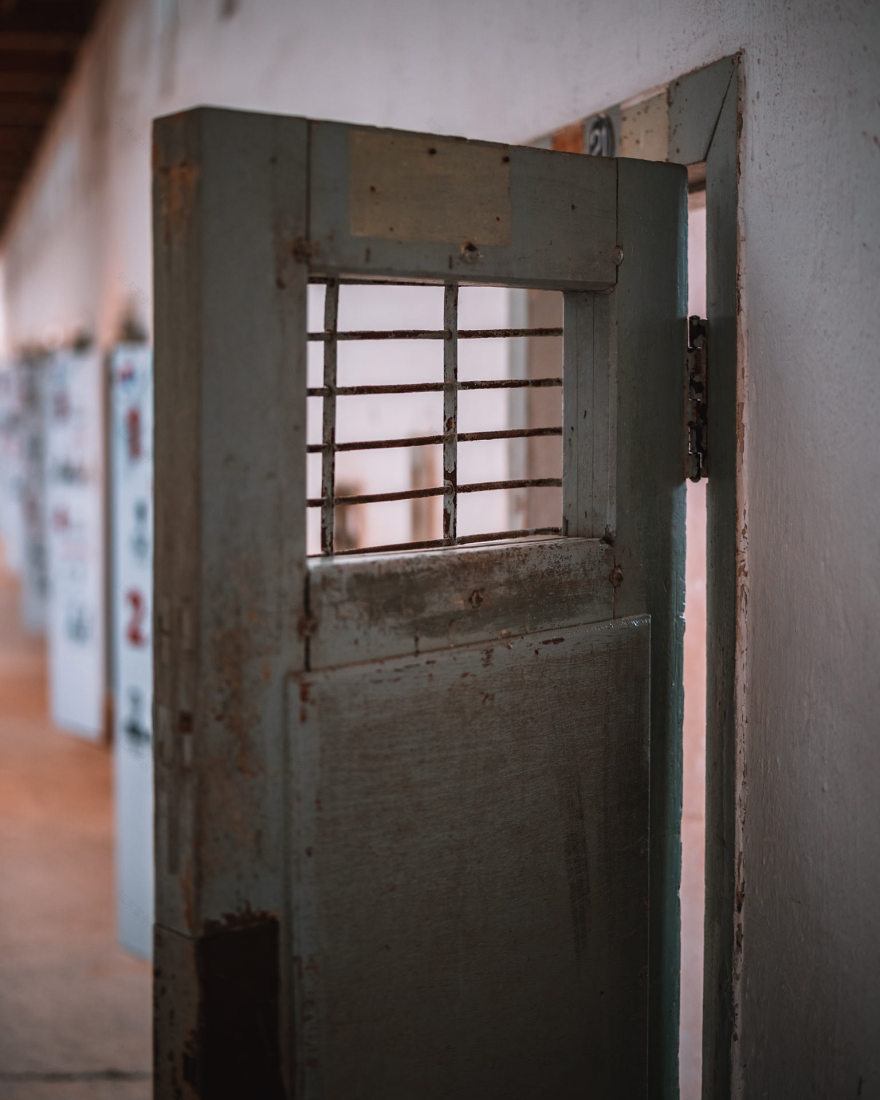


After liberation in 1945, the Korean Democratic Institute enacted a bill to designate March 1 as a national holiday, and the following year, on March 1, 1946, a three-day celebration was held in front of Bosingak in Seoul. The ceremony was attended by Dr. Syngman Rhee and President Koo Kim, and the ceremony was ended with Dr.
However, immediately after liberation, Section 3.1 emerged as a venue for confrontation between the left and the right, but as the left and the right, who tried to put the legitimacy of the national construction into the March 1 Movement, confronted each other, celebrations were held individually as well as conflict between them. At the time of the 1960s, when March 1 came, the police were on the verge of being nervous. However, celebrations were also held, such as performances in section 3.1 held in various places, satisfying the needs of the people of the time when they were thirsty for cultural life.
Since the establishment of the Korean government on August 15, 1948, Section 3.1 has been included in the four periods, and has been regarded as the largest national holiday, the beginning of the establishment of the Republic of Korea.





南京喵熊网络科技有限公司 苏ICP备18050492号-4知末 © 2018—2020 . All photos and trademark graphics are copyrighted by their owners.增值电信业务经营许可证(ICP)苏B2-20201444 苏公网安备 32011302321234号
苏公网安备 32011302321234号客服
消息
收藏
下载
最近