

创作上传
VIP
收藏下载
登录 | 注册有礼
查看完整案例

收藏

下载

分享
© Wumichi Architects
1.背景
background
崔岗艺术村,位于合肥市庐阳区三十岗乡城郊,距离市区约 20 公里,是个地处三县交接的普通村落。
Cuigang Art Village is located in the suburbs of Shisangang Township, Luyang District, Hefei City, about 20 kilometers away from the urban area. It is an ordinary village located at the intersection of three counties.
▼房屋和周边环境鸟瞰,aerial view the house and the context ©WM STUDIO

从 2012 年起,众多艺术家陆续来到这里租用闲置农房,寂静的小山村里,有艺术家工作室、书店、咖啡馆、画廊。崔岗村摇身一变成为了艺术小镇。
Since 2012, many artists have come here to rent idle farmhouses. In the quiet small mountain village, there are artist studios, bookstores, cafes, and galleries.
▼沿街立面,street facade ©WM STUDIO

2013 年,崔岗艺术家村正式开村,诗人、画家、雕塑家、玩家等艺术家云集。崔岗从此成为合肥乃至安徽文化艺术村的一个代表作,吸引了不少人慕名而往。
In 2013, Cuigang Artists’ Village officially opened, gathering artists such as poets, painters, sculptors, and players. From then on, Cui Gang became a representative work of cultural and artistic villages in Hefei and even Anhui, attracting many people to visit.
▼建筑外观,appearance ©WM STUDIO

艺术助力乡村建设的实践项目,一方面促进城乡之间的资源流动、互补,激发乡村的经济活力,赋予了乡村发展更多可能性。另一方面,乡村也为艺术提供机遇,即乡村广袤的空间、别样的风貌、多样的资源可以为艺术家提供创作灵感和资源,推动其创作。
The practical projects of art assisting rural construction, on the one hand, promote the flow and complementarity of resources between urban and rural areas, stimulate the economic vitality of rural areas, and endow rural development with more possibilities. From another perspective, rural areas also provide opportunities for art, that is, the vast space, unique features, and diverse resources of rural areas can provide artists with creative inspiration and resources to promote their creations.
▼建筑外观,appearance ©WM STUDIO

2.场地 Project site
建筑总面积约为 220 平方米,建设用地近长方形,可建设范围仅有 280 平米,面宽 12 米,进深 24 米。
The total construction area is about 220 square meters, and the construction land is nearly rectangular. The construction area is only 280 square meters, with a face width of 12 meters and a depth of 24 meters.
▼分析图,analysis diagram ©Wumichi Architects

长方形用地决定了建筑形态。由于原本农村自建房及年久失修等局限性,最终决定将整体建筑拆除,在支离破碎的城市、无序的乡村里重新构造了一个新的现代化建筑,构建具有场所感的人性化空间。
The rectangular land determines the form of the building. Due to limitations such as self built houses and dilapidation in rural areas, it was ultimately decided to demolish the entire building and reconstruct a new modern building in fragmented cities and disorderly rural areas, creating a humanized space with a sense of place.
▼建筑局部近景,close-up view ©WM STUDIO

▼入口,entrance of the studio ©WM STUDIO

▼建筑局部近景,close-up view ©WM STUDIO

现有的场地条件定义了整体空间的叙事基础,大胆地将建筑的主体结构裸露了出来,不同的体块交错层次营造出流动的、开放的空间关系。
The existing site conditions define the narrative foundation of the overall space, boldly exposing the main structure of the building, and creating a flowing and open spatial relationship with different interlocking levels of bloks.
▼会客厅空间概览,overview of the Reception Hall Space ©WM STUDIO

3. 建造 The Built
一层空间。将裸露的承重结构墙体内退,两面玻璃面围合成建筑主体空间会客厅。
二层空间似悬浮在半空中的体块,一定程度上弱化建筑的体量感,模糊建筑的边界感。
One floor space. Move the exposed load-bearing structure wall inward and enclose both glass surfaces to form the main space of the building’s reception hall. The second floor space resembles a floating block in mid air, which to some extent weakens the sense of building volume and blurs the sense of building boundaries.
▼建筑外观,appearance ©WM STUDIO

建筑立面上层空间上通过百叶窗式框架的运用,将可打开的窗户隐藏在木制百叶窗后面,固定玻璃前面则是木制滑动门,提供防晒、遮光和隐私。
The upper space of the building facade is concealed behind wooden blinds through the use of louvered frames, with wooden sliding doors in front of fixed glass to provide sun protection, shading, and privacy.
▼建筑内院近景,close view of the inner courtyard of the building ©WM STUDIO

天窗和立面圆洞窗的开设在保证空间私密性时,也尽可能地增强室内与邻近景观,将室外的蓝天与阳光随时引入室内,随着光线的移动呈现出明与暗的相互交织,充满了时间的轨迹。
The opening of skylights and façade circular window not only ensures spatial privacy, but also enhances the indoor and adjacent landscape as much as possible, introducing the outdoor blue sky and sunlight into the room at any time. As the light moves, it presents a interweaving of light and darkness, filled with the trajectory of time.
▼楼梯细部,details of the staircase ©WM STUDIO
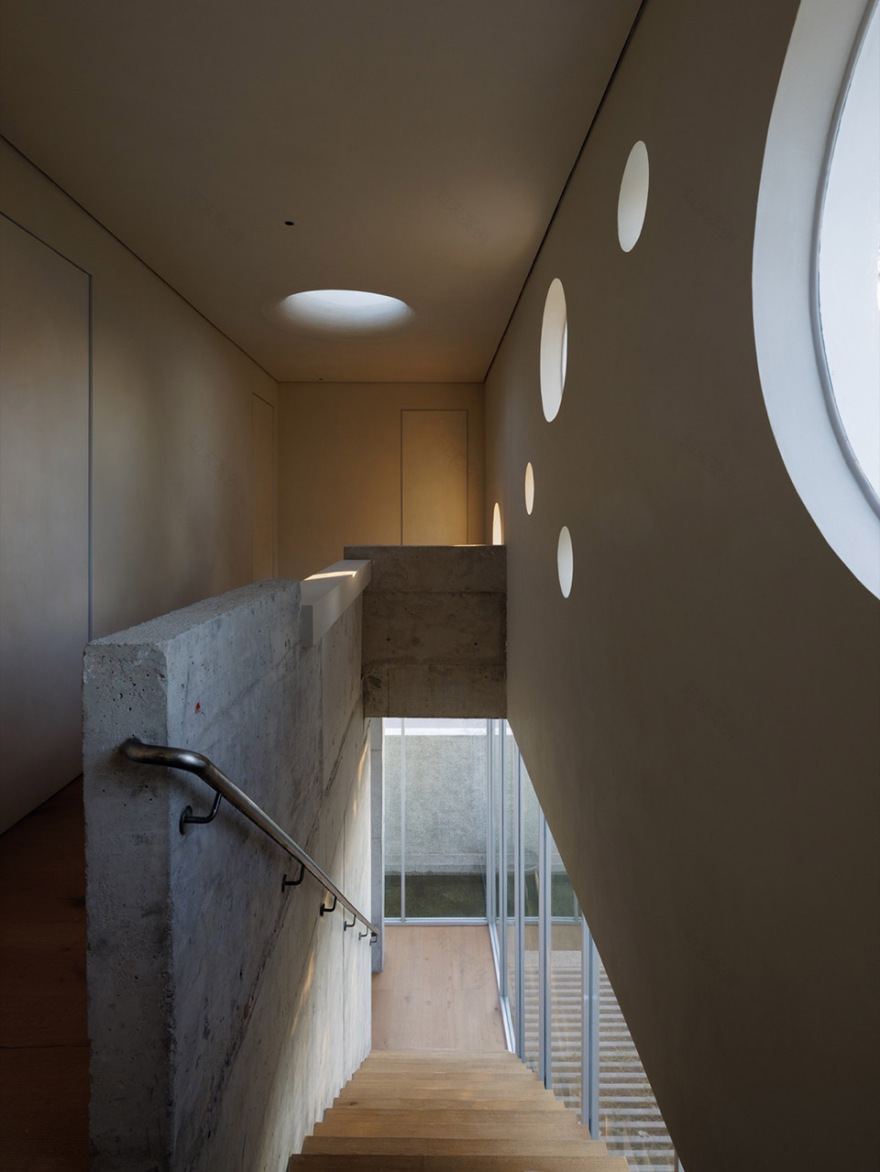

设计旨在最大限度地采用本地材料、本地工匠和本地技术的建造策略,自然材料的使用,软化了现代建筑的形式语言。
The design aims to maximize the use of local materials, local craftsmen, and local technology in construction strategies. The use of natural materials has softened the formal language of modern architecture.
▼雨水链,rainwater chain ©WM STUDIO

4. 设计
Project design
“无论在任何情况下, 建筑室内外的生活都比空间和建筑本身更根本, 更有意义。”
In any case, the indoor and outdoor life of a building is more fundamental and meaningful than the space and the building itself
比设计空间更重要的,是连接人与人之间的关系。设计过程中关注空间的公共属性、社交属性,打造一个既开放又封闭的人文关怀的空间和建筑。
More important than designing a space is connecting the relationships between people. During the design process, attention should be paid to the public and social attributes of the space, creating an open and closed space and building with humanistic care.
▼局部小景,local scenery ©WM STUDIO

整栋建筑以混凝土为主体结构,裸露的混凝土楼板和承重墙体有一种原始的、未完成的感觉,配上有岁月痕迹的中古家具。前后两院模糊了建筑和开放的景观之间的界限,分隔了会客区域及餐厅,通过一条连廊连接。
The entire building is made of concrete as the main structure, with exposed concrete floors and load-bearing walls giving a primitive and unfinished feel, complemented by medieval furniture with traces of time. The front and rear courtyards blur the boundary between the building and the open landscape, separating the reception area and restaurant, connected by a corridor.
▼会客厅空间,the Reception Hall Space ©WM STUDIO


▼会客厅空间概览,overview of the Reception Hall Space ©WM STUDIO
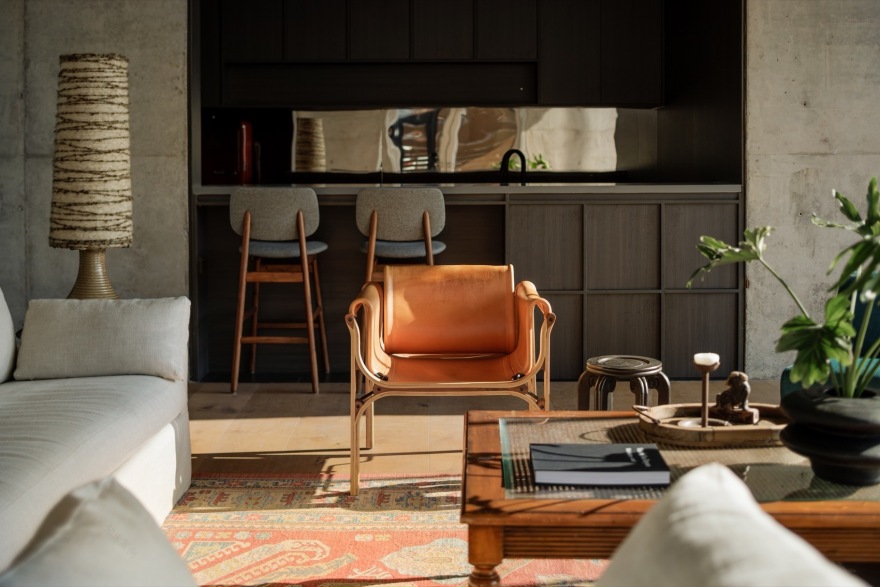
会客厅和餐厅的大面积落地窗可以看到花园全景,创造内外之间的连续性。
The large french window in the reception hall and restaurant can see the garden panorama, creating continuity between inside and outside.
▼从会客厅看向庭院,looking into the courtyard from the reception hall ©WM STUDIO

▼餐厅,restaurant ©WM STUDIO

▼局部小景,local scenery ©WM STUDIO

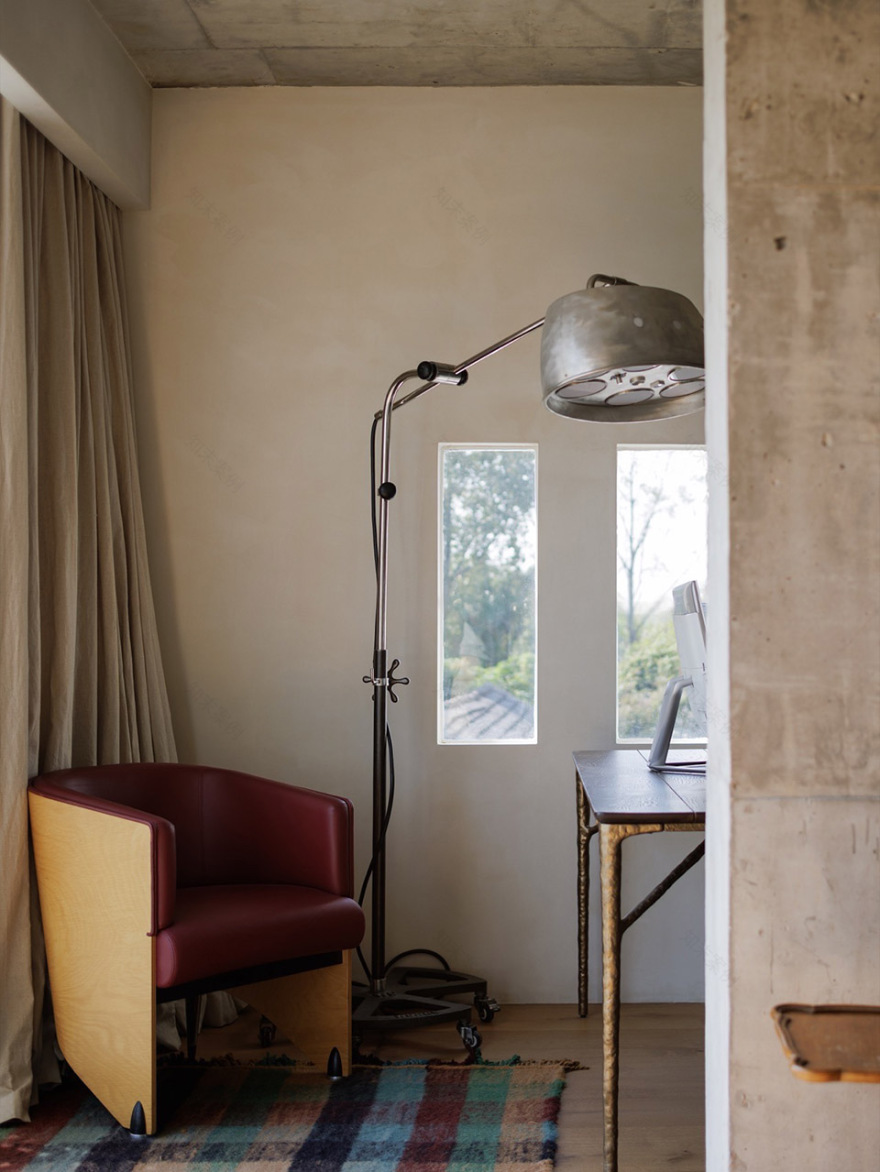
二层是主人的私人办公空间,兼作会议和讨论使用及主卧空间。
The second floor is the owner’s private office space, which is also used for meetings and discussions, as well as the master bedroom space.
▼办公区域,office area ©WM STUDIO

▼办公区域小景,small view of office area ©WM STUDIO

▼卧室,bedroom ©WM STUDIO

5.结语 Conclusion 融入唯美乡村,现代而自然的住宅。挑战在于,我们需要突破传统的乡建思维,创造一种与过去相连,但是属于当代的设计干预。
Integrating into the beautiful countryside, a modern and natural residence. The challenge is that we need to break through traditional rural construction thinking and create a design intervention that is connected to the past but belongs to the contemporary era.
▼从庭院看向餐厅,looking at the restaurant from the courtyard ©WM STUDIO

同时,设计过程中对于新与旧、装饰性与功能性的讨论,也试图为当下在广袤乡土大地蓬勃展开艺术乡建实践中提供一个小小的参考。
At the same time, the discussion of new and old, decorative and functional aspects in the design process also attempts to provide a small reference for the flourishing artistic rural construction practice in the vast rural land.
▼施工过程照片,construction process photos ©Wumichi Architects

▼底层平面图,first floor plan ©Wumichi Architects

项目名称:崔岗艺术村自宅
设计方:伍米尺建筑设计事务所
项目设计 & 完成年份:2020 年 03 月-2023 年 6 月
主创及设计团队
主创建筑师:曹伟
设计团队:李裕瑶、曹宇祥
项目地址:安徽省合肥市庐阳区三十岗乡崔岗村
建筑面积:约 320㎡
摄影版权:WM STUDIO
Project name: The House of Cuigang Art Village
Design: Wumichi Architects
Design year & Completion Year: March 2020 – June 2023
Leader designer & Team
Leading architects: Cao Wei
Design team: Li Yuyao, Cao Yuxiang
Project location: Cuigang Village, Sanshigang Township, Luyang District, Hefei City, Anhui Province
Gross Built Area: About 320㎡
Photo credits: WM STUDIO
南京喵熊网络科技有限公司 苏ICP备18050492号-4知末 © 2018—2020 . All photos and trademark graphics are copyrighted by their owners.增值电信业务经营许可证(ICP)苏B2-20201444 苏公网安备 32011302321234号
苏公网安备 32011302321234号客服
消息
收藏
下载
最近