

创作上传
VIP
收藏下载
登录 | 注册有礼
查看完整案例

收藏

下载

分享

翻译
Architects:RAU Architects
Area:1157m²
Year:2025
Photographs:Zhu Yumeng
Manufacturers:Cooloo,Forbo,Het Anker,Kojima Shoten
Lead Architect:Thomas Rau
Category:Cultural Architecture,Pavilion
Design Team:Marta Roy, Esteban Serrano, Katarzyna Kędziorczyk
Technical Team:Thomas Dill, Dennis Grootenboer
Curtain Designer:Studio Mae Engelgeer
Experience Design:{:text=>"Tellart", :url=>""}
Engineering Company:{:text=>"DGMR", :url=>""}
Country:Japan

Text description provided by the architects. The Netherlands participates with a pavilion built entirely using circular principles and presented under the theme "Common Ground." The pavilion highlights the importance of international collaboration to tackle major global challenges such as accelerating the energy transition and keeping our planet livable. For six months, the Netherlands pavilion will also host an extensive program, offering Dutch businesses, research institutions, and organizations the opportunity to connect with Japan and build or strengthen partnerships.
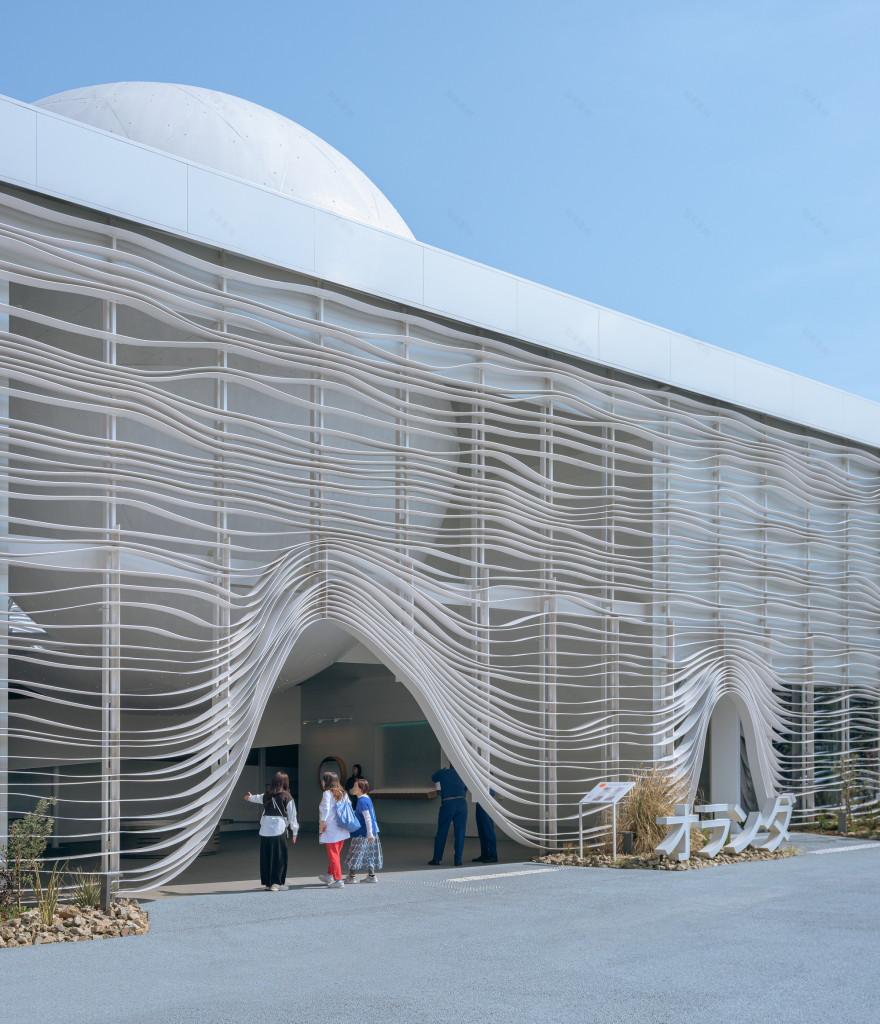


Common Ground - The pavilion's theme is inspired by the country's unique relationship with water. With large parts of the Netherlands lying below sea level, cooperation has always been essential. This spirit of collaboration extends internationally, particularly with Japan, with whom the Netherlands has shared centuries of trade and exchange. In fact, for a long period, the Netherlands was the only Western country allowed to trade with Japan. This historical bond shaped the theme "Common Ground." "The urgent challenges to humanity's existence increasingly call for international cooperation on 'common ground'. The awareness that we are guests on Earth forms the foundation for this common ground in the Netherlands Pavilion. This shift in mindset leads, among other things, to the realization that everything is finite and that we must keep the infinite available. We call this: the circular economy." Thomas Rau, founder of RAU Architects.
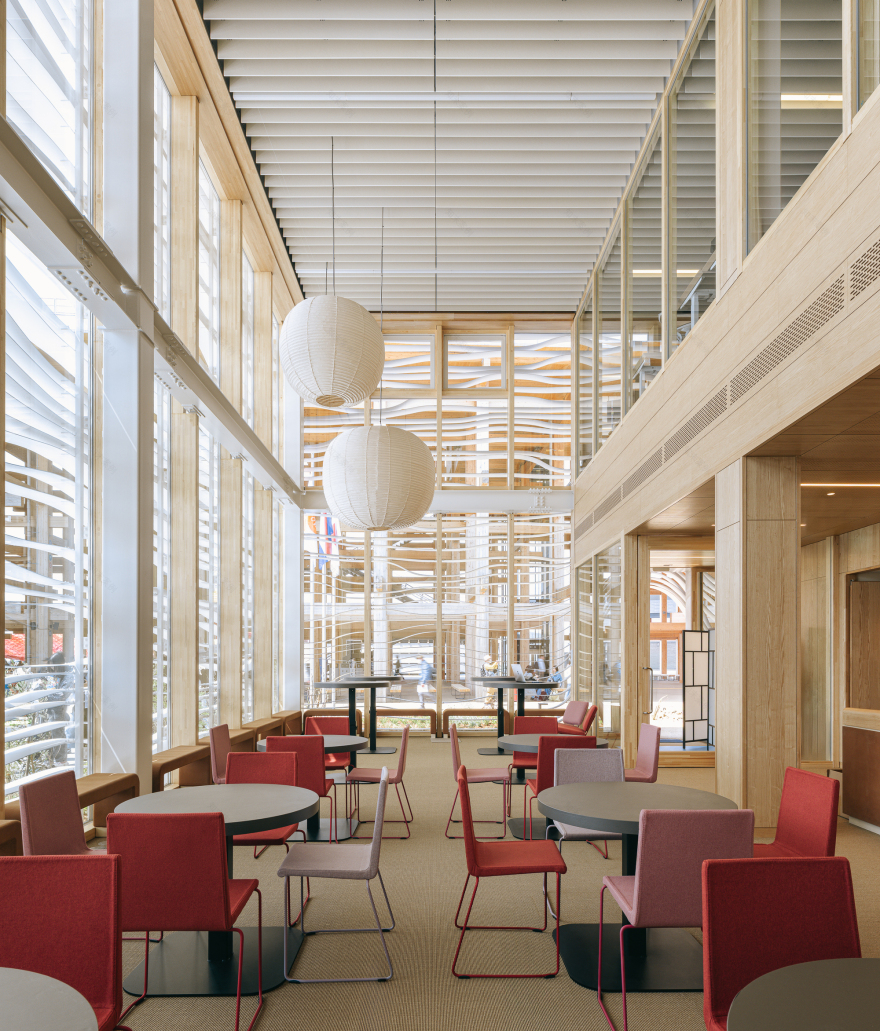
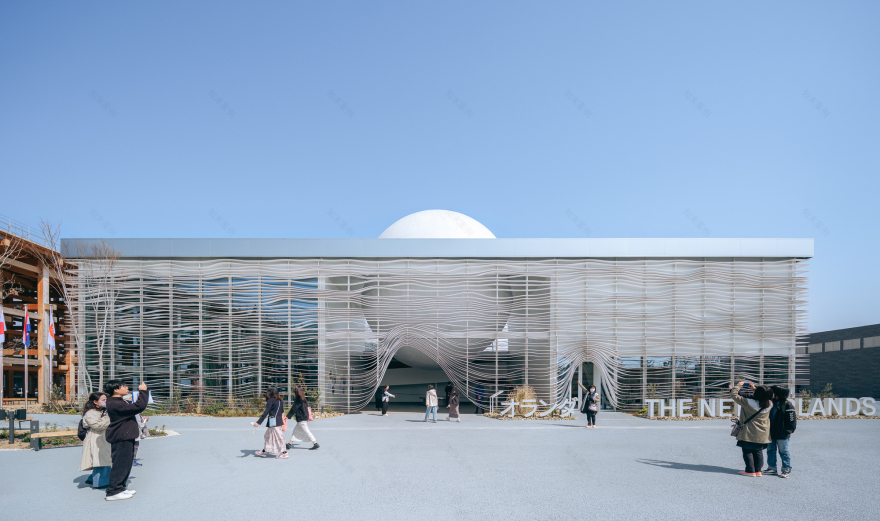
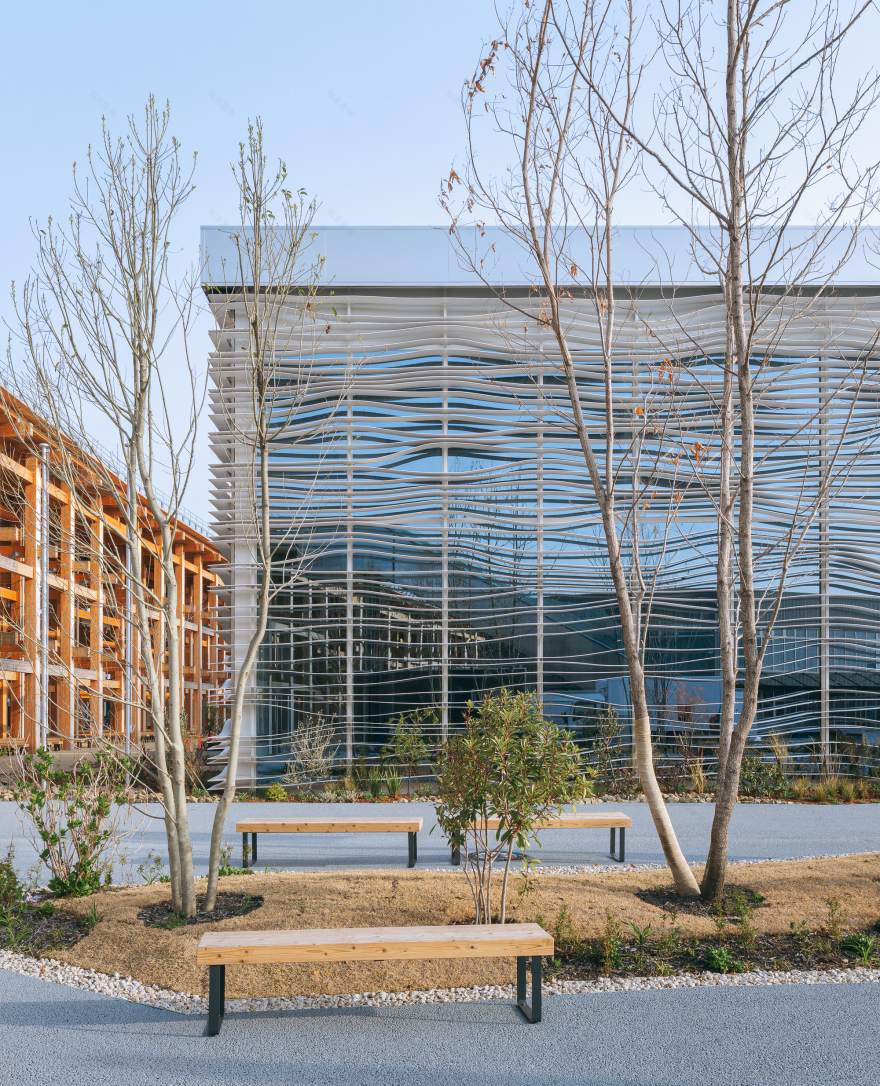
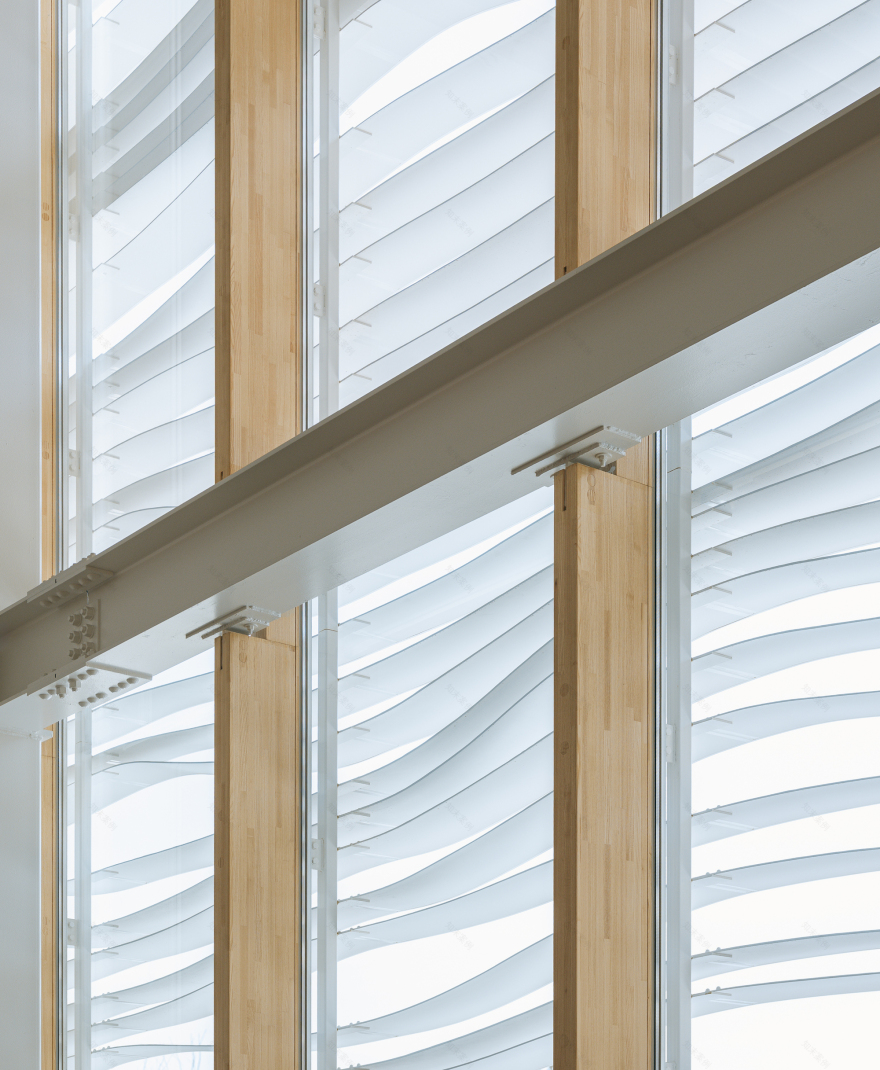
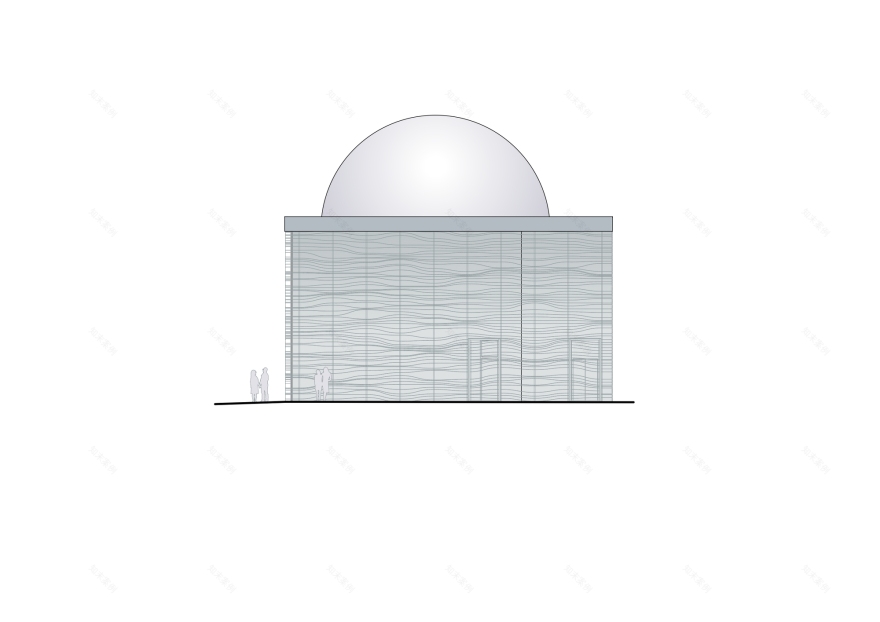
A circular pavilion showcasing innovation and collaboration - The Netherlands pavilion at Expo 2025 has been designed and built by the Dutch-Japanese consortium AND BV, which includes architecture firm RAU Architects, engineering consultancy DGMR, design studio Tellart, and Japanese construction company Asanuma Corporation. The pavilion is a rectangular structure with a glowing sphere at its center—an impressive symbol of a "man-made sun," representing clean, limitless energy based on hydropower. Its facade is adorned with undulating slats that evoke the movement of flowing water. Together, these slats span exactly 425 meters, a tribute to 425 years of trade relations between the Netherlands and Japan. The pavilion is also a strong example of circular building. All materials used are registered in Madaster, the digital materials passport for circular construction and infrastructure. This ensures full transparency of the materials used and prevents the loss of valuable resources. After the Expo, the pavilion will be carefully dismantled and rebuilt at a new location, ready for a second life.


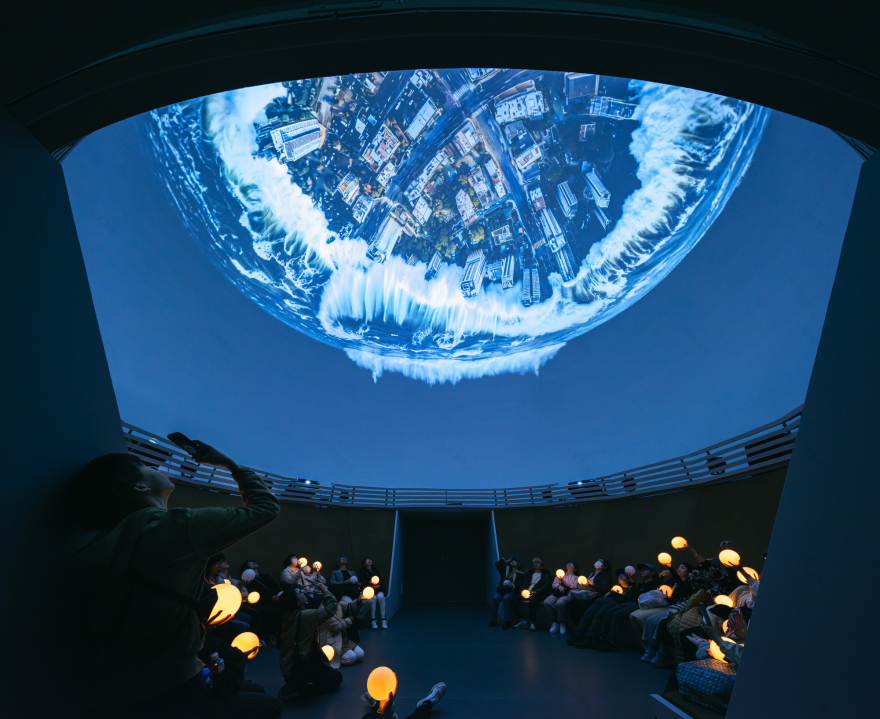
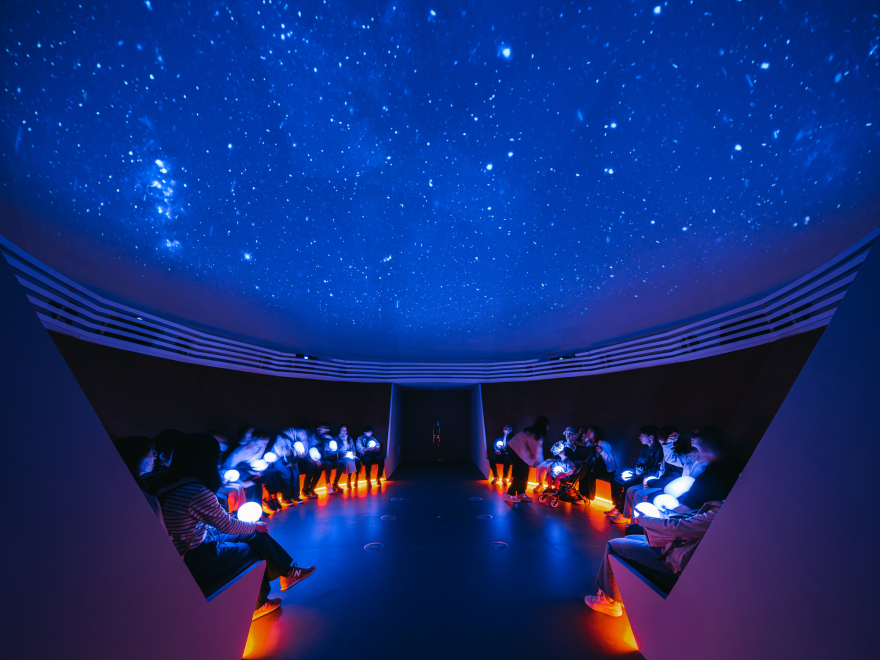
An interactive visitor experience - Upon entering the pavilion, visitors receive a small glowing orb that interacts with the installations placed throughout the space. These installations guide them through the shared history of the Netherlands and Japan, as well as the Dutch battle against water. The highlight of the visit is the central glowing sphere, where guests can experience the world's first AI-generated 360-degree dome film. Finally, visitors are invited to share their own dreams and ideas for the future through an interactive art piece.

Project gallery




南京喵熊网络科技有限公司 苏ICP备18050492号-4知末 © 2018—2020 . All photos and trademark graphics are copyrighted by their owners.增值电信业务经营许可证(ICP)苏B2-20201444 苏公网安备 32011302321234号
苏公网安备 32011302321234号客服
消息
收藏
下载
最近