

创作上传
VIP
收藏下载
登录 | 注册有礼
查看完整案例

收藏

下载

分享

翻译
Architects:Simple Architecture
Area:182m²
Year:2025
Photographs:Jonathan Wiedemann,Alessandra Esposito
Category:Schools
Architect:Jan Glasmeier
Graphics, Drawings:Leonie Beisler
Collaborators:Stiftung Deutscher Architekten, socialarchitecture e.V
City:Tambon Mae Sot
Country:Thailand
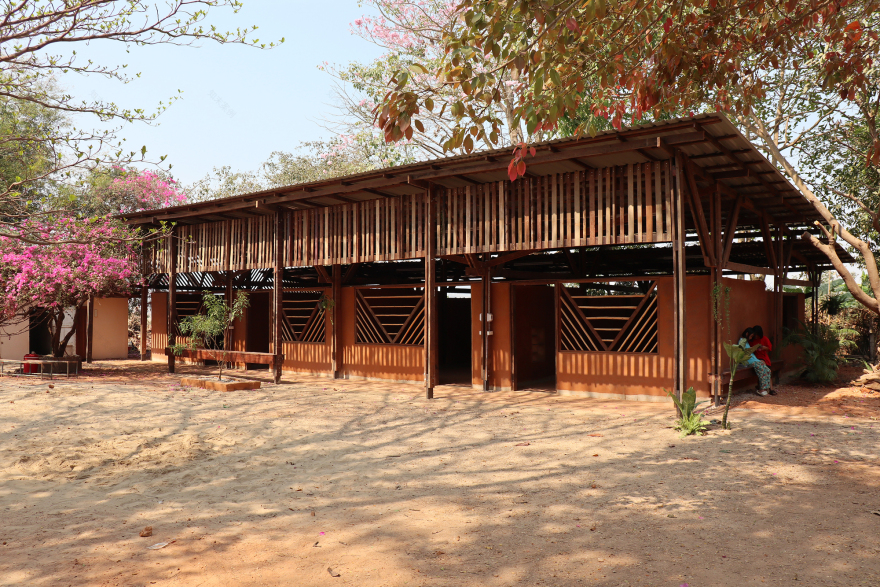
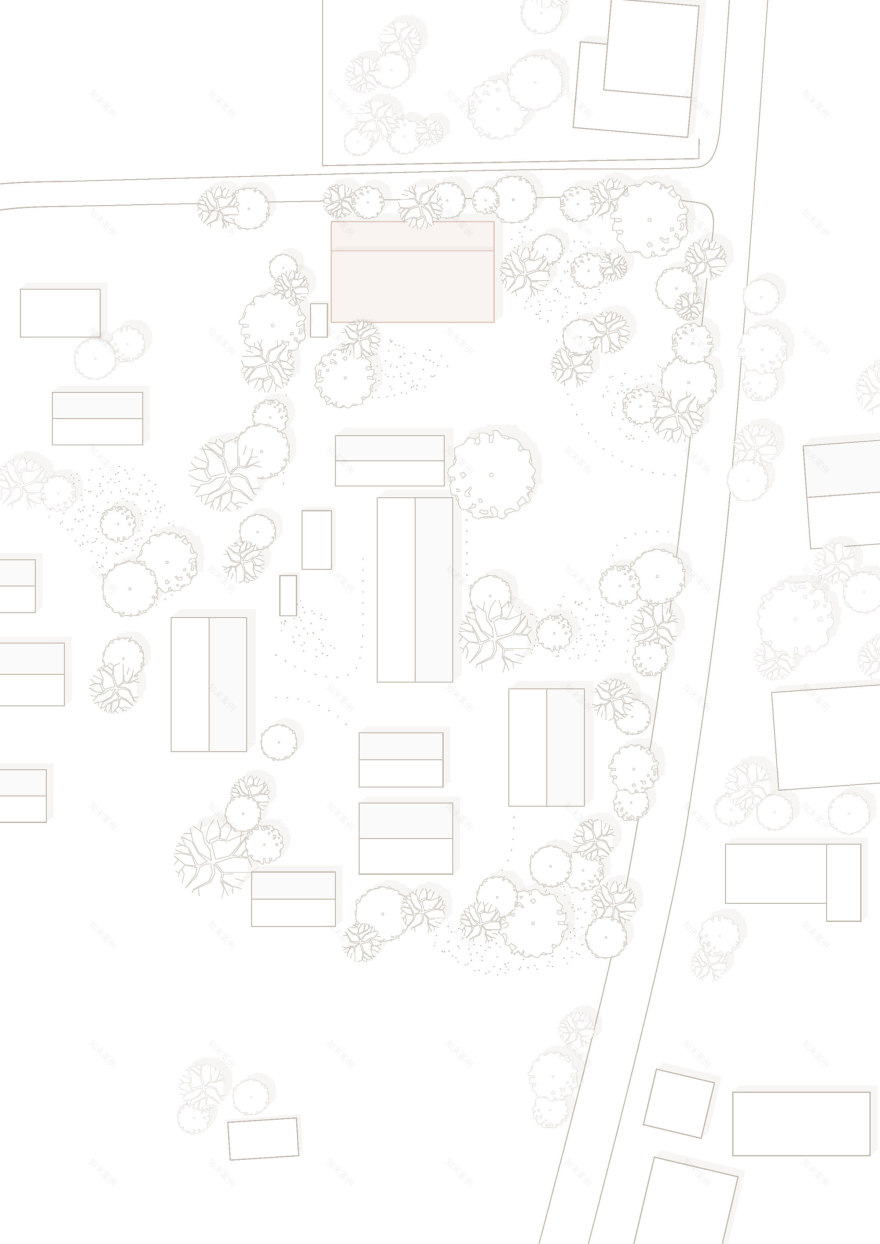
Text description provided by the architects. Hway Ka Loke is a school for Burmese migrants and refugees in the outskirts of the Thai border town of Mae Sot. Since the last military coup on 1st of February 2021, the number of Burmese refugees and migrants crossing into Thailand has dramatically increased. Three local community-based organisations are supporting learning centres by providing essential funding for teacher salaries, lunches, and school uniforms. Very often, there is no adequate support for new classroom buildings, sanitation facilities, and overall infrastructure.


Existing school facilities are often not big enough to provide enough space for all children. Temporary shelter-like structures have been erected to provide additional space to host children who have arrived in Mae Sot. Even though most of the schools are registered under the Thai Ministry of Education (MoE), none of the schools is receiving financial support. This results in the erection of temporary structures which are often very basic, mostly not sustainable, and almost never long-lasting.


Within a period of six weeks and in cooperation with the school community, we were able to build four new classrooms. The project has been fully supported by the Stiftung Deutscher Architekten. Prior to the start of the project, the Stiftung Deutscher Architekten announced the opportunity to join the construction as part of a travel scholarship for young architects and students. All decisions on site have been made in a very close relationship with the school director, the board of parents, and the local community in general.
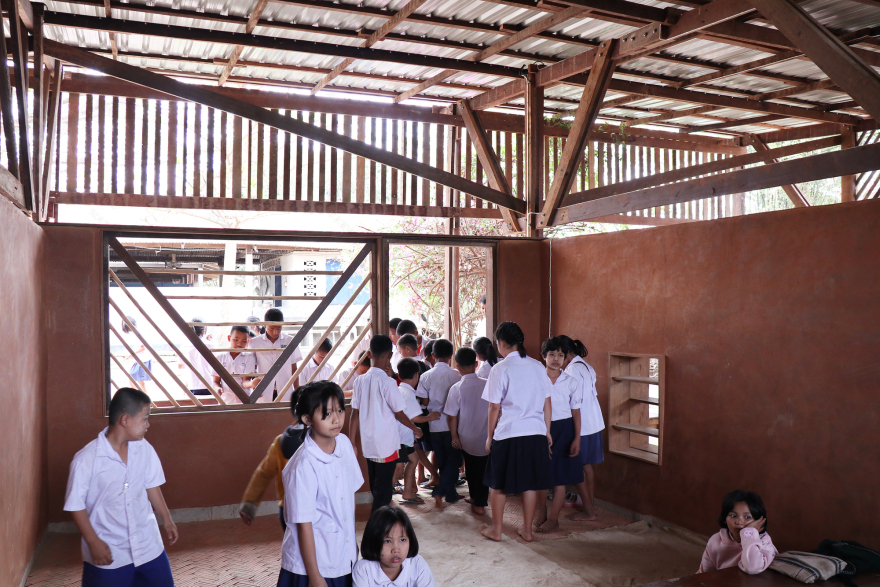


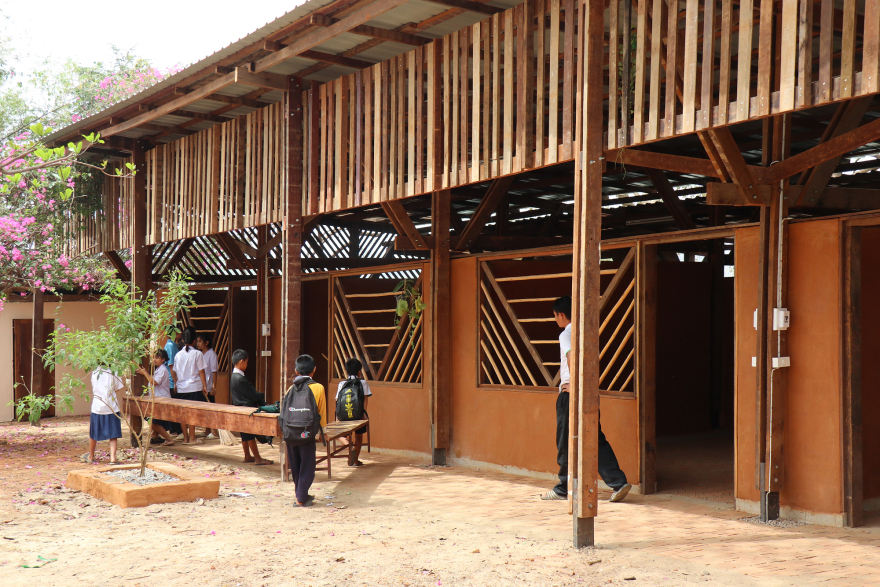
Selected by climatic properties, availability, ecological footprint, and social factors, adobe bricks and locally sourced second-hand timber have been used as the two main construction materials for the school. The soil that originated from the site has sufficient clay content. By mixing it with locally available rice husk, we managed to produce around four thousand five hundred Adobe bricks within a period of four weeks. By boiling locally available tapioca starch and adding it to a mix of fine sand and a slag of local soil, we have created a very strong and water repellent final coating for the external earthen classroom walls.

With our initiatives, we aim to collaborate with rural migrant and refugee communities from Burma. The process of making adobe bricks is highly replicable, and the technique of making earthen bricks and using them as a construction material is fairly simple. Every year, we invite local architecture faculties and high schools to participate in brick-making workshops and in the process of building earthen walls.


We are trying to continue and multiply these workshops year by year. During the workshops, students are not only learning about natural buildings, but they are also getting exposed to the complex political situation of Burmese migrants and refugees who are fleeing from a civil war conflict across the border into Thailand.
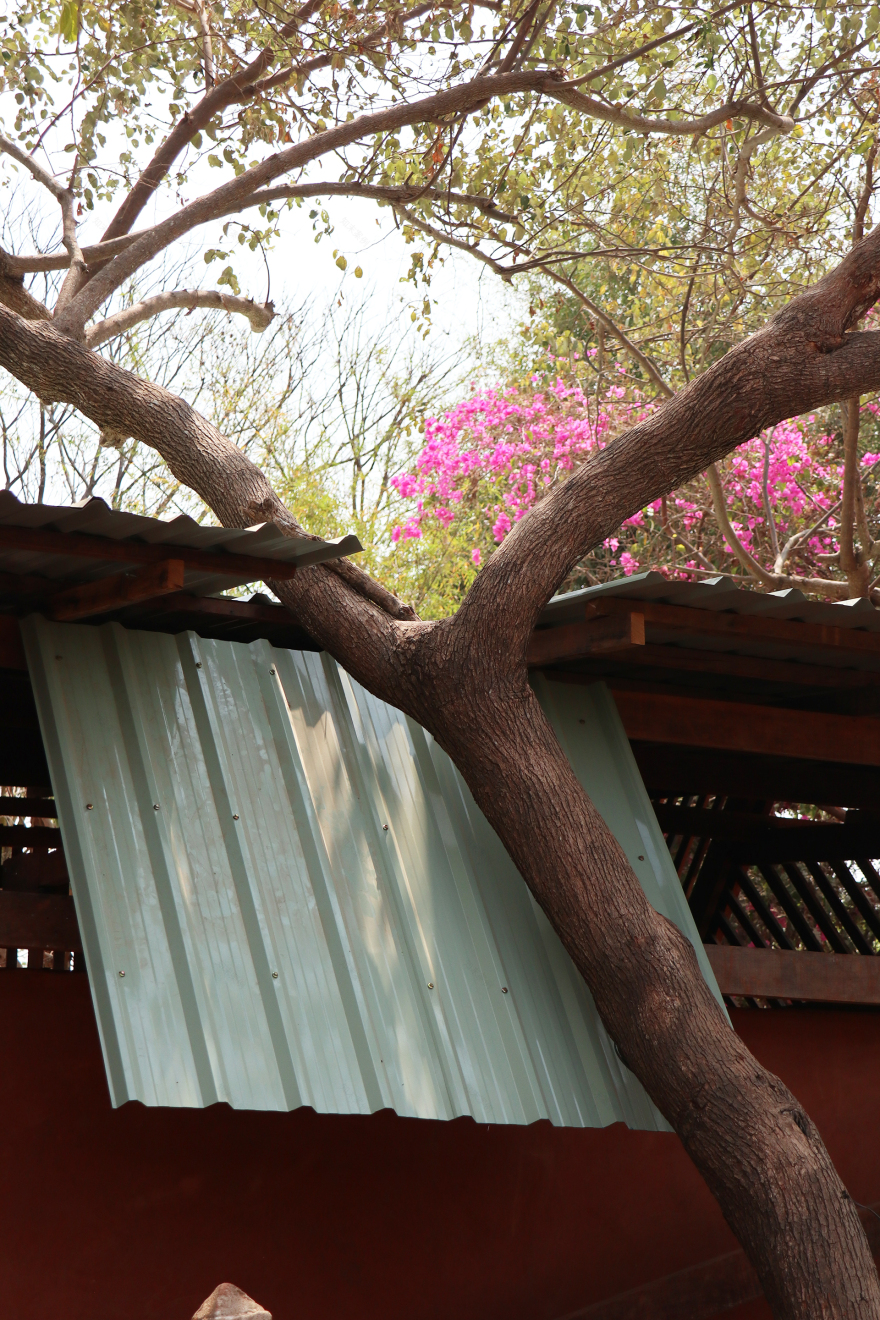
The project took place from 14th January until 21st February 2025, in Mae Sot, Thailand, in collaboration with Burma Migrant Teacher Association (BMTA), Stiftung Deutscher Architekten, and socialarchitecture e.V.

Project gallery




南京喵熊网络科技有限公司 苏ICP备18050492号-4知末 © 2018—2020 . All photos and trademark graphics are copyrighted by their owners.增值电信业务经营许可证(ICP)苏B2-20201444 苏公网安备 32011302321234号
苏公网安备 32011302321234号客服
消息
收藏
下载
最近