

创作上传
VIP
收藏下载
登录 | 注册有礼
查看完整案例

收藏

下载

分享
A 1,000-year-old stepwell in Sudi, Karnataka, is now being restored to its Chalukyan glory
With the Nagakunda’s restoration, the Deccan Heritage Foundation is taking charge of replenishing local water systems and cultural bustle in Sudi.
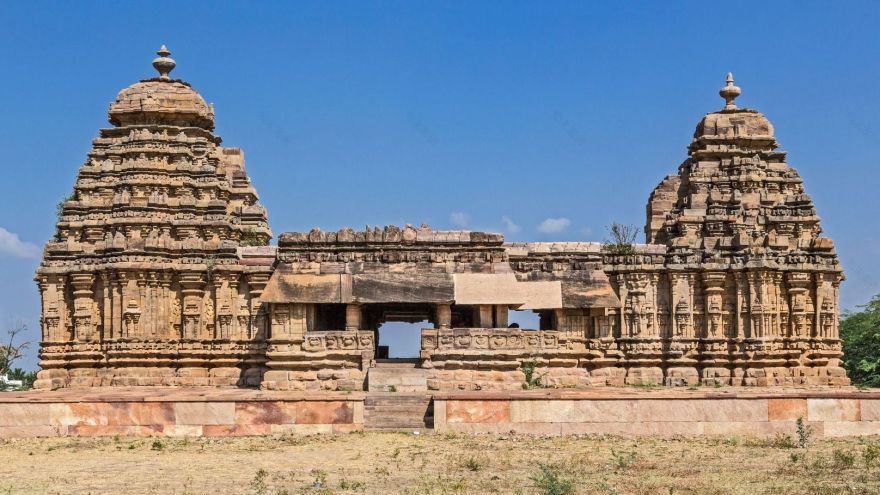
Not many know of Sudi, a town often skipped by travellers following roads leading to the popular site of Badami in
Karnataka
. But for those who dare to venture, it offers a glimpse of splendid architecture that harks back to an era gone by. Once a major trading town commanded by the Kalyani Chalukyas, Sudi is home to several temples and a stepwell named Nagakunda. Lying dusted and deteriorating against the test of time, these monuments are now being restored by the Deccan Heritage Foundation (DHF).
Surendra Kumar
“Chalukyan princess Akkadevi – one of the few medieval women known to have ruled territory and led armies in her own name – was active [in Sudi] from the 1020s to 1050s. She constructed the spectacular Mallikarjuna shrine (originally Akkeshvara, Akka’s Lord),” shares historian and author Anirudh Kanisetti. He further adds that it was Nagadeva, the deputy of Akkadevi’s nephew Someshvara, who commissioned the twin-towered Jodu Kalasha temple along with the Nagakunda, back then. This stepwell is exactly the kind of marvelous artistry that the Chalukyas have come to be known for. Designed as an inverted temple, it features elements of a temple’s exterior on the inside of the well.

A thousand years later this January, the DHF signed an agreement with the Government of Karnataka in the presence of Mr HK Patil, Minister of Tourism, to restore the Nagakunda stepwell and other 10th- and 11th-century monuments in Sudi—all under the government’s Adopt a Monument scheme. For this, the DHF is being joined by Heritage Matters and the Water Literacy Foundation, with generous funding from Rajashree Pinnamaneni in memory of her late father Dr. Subba Rao Devineni.


The project will unfold in two phases. The first will involve connecting the stepwell to natural aquifers, restoring it as a source of drinking water for the locals. Alongside, landscaping of surrounding areas will ensure regular groundwater recharge for maintaining this hydraulic system. The second phase will see the restoration of the Ganesha Shrine, two mantapas—one housing a Sivalinga and the other, a Nandi—and the Jodu Kalasa
temple
.

“A photogrammetric survey conducted by Professor Kailash Rao a decade ago provides valuable data on the degree of stone deterioration [at these sites]... One pressing concern is the noticeable pulverisation of stone into powder in some areas,” shares Sarath Chandra, conservation architect at Heritage Matters, confirming that, “The restoration will prioritise halting further stone deterioration and carefully removing insensitive modern interventions added in recent decades.”

The overall site development will also include the revival of historical connections between the stepwell and the surrounding monuments, restoring the spatial linkages that once defined the landscape. The first phase of the project is set to be completed later this year. By the end, the hope is for Sudi to regain a spot on India’s cultural map as a destination with its own architectural soul, only an hour away from Badami.

南京喵熊网络科技有限公司 苏ICP备18050492号-4知末 © 2018—2020 . All photos and trademark graphics are copyrighted by their owners.增值电信业务经营许可证(ICP)苏B2-20201444 苏公网安备 32011302321234号
苏公网安备 32011302321234号客服
消息
收藏
下载
最近