

创作上传
VIP
收藏下载
登录 | 注册有礼
查看完整案例

收藏

下载

分享

Photographer: Rasmus Hjortshoj
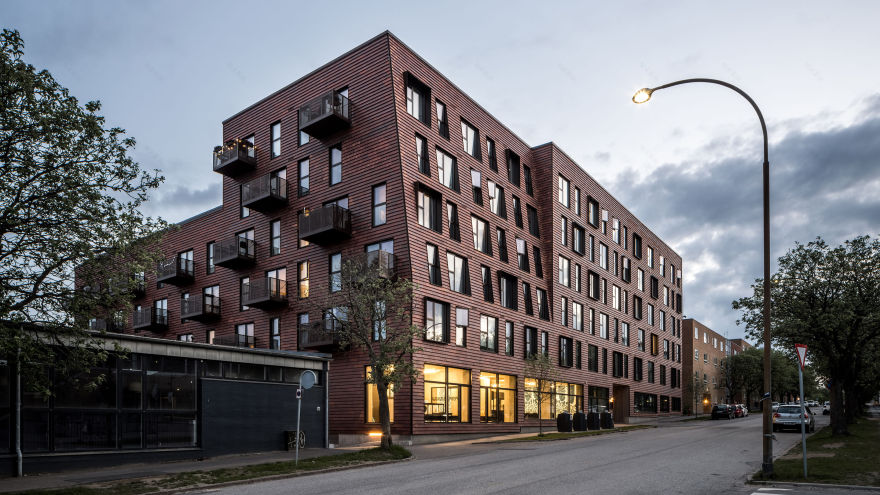
Dept.76., designed for a local housing association, is completed with an aim to reduce loneliness among residents through opportunities to engage in social activities within the complex. From courtyard to roof terrace, the complex is characterized by community-based and sustainable solutions and by the building-integrated art, which adorns walls, corridors and stairs throughout.
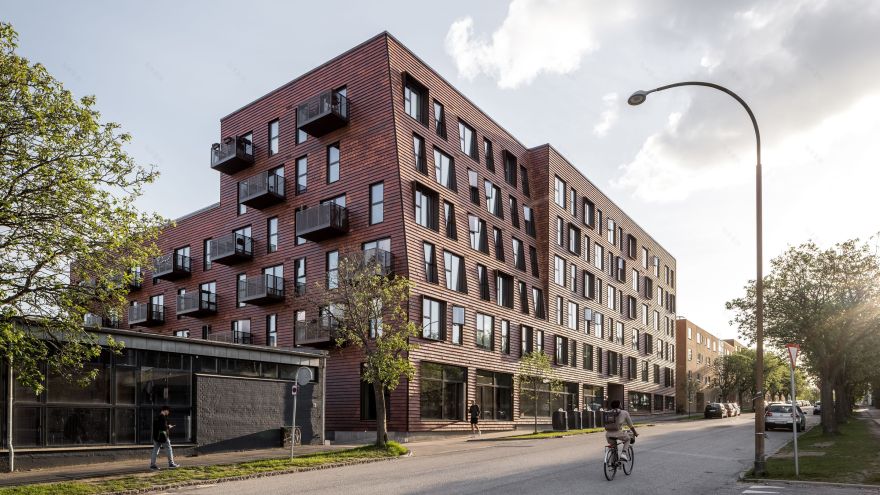
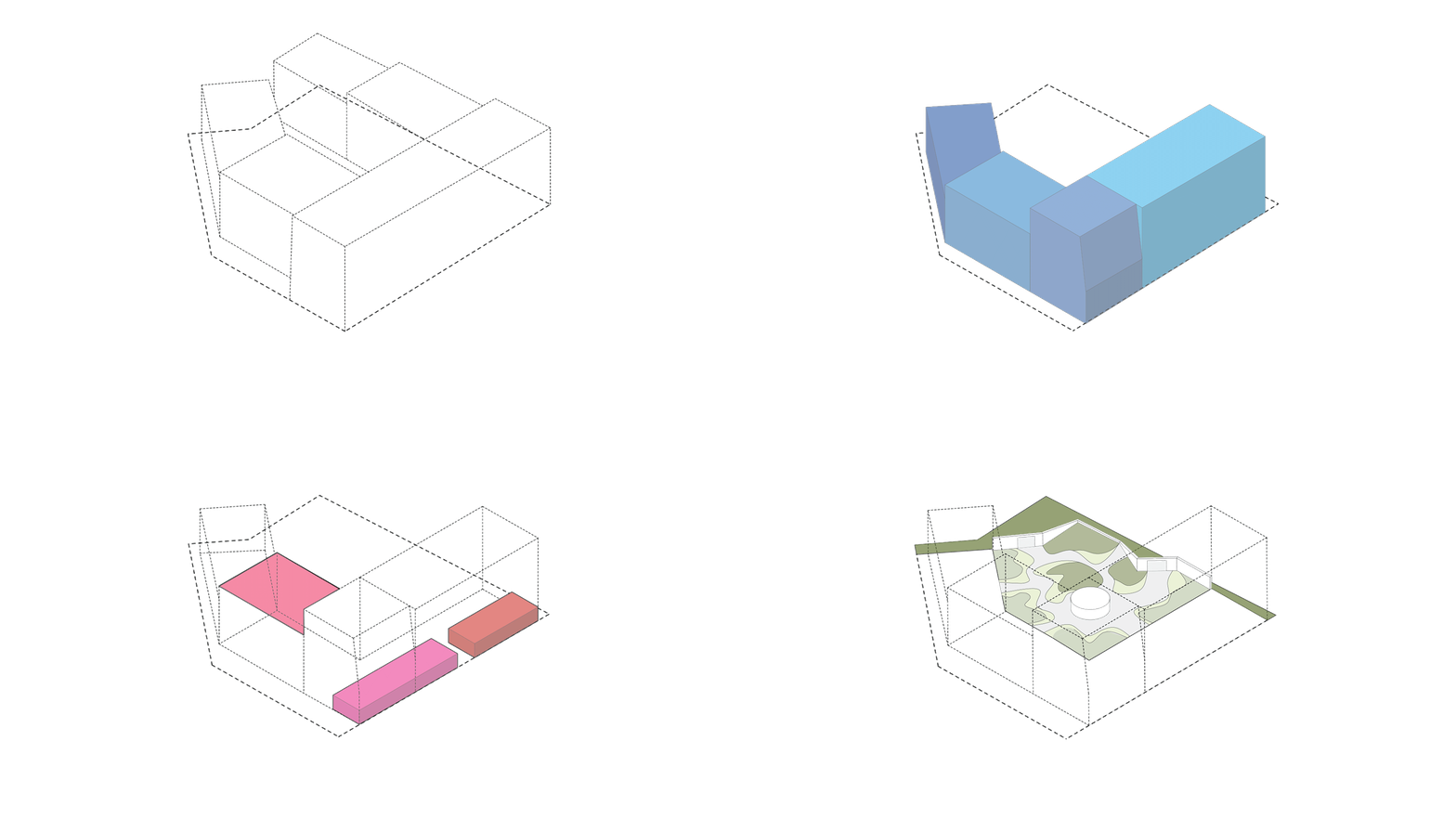
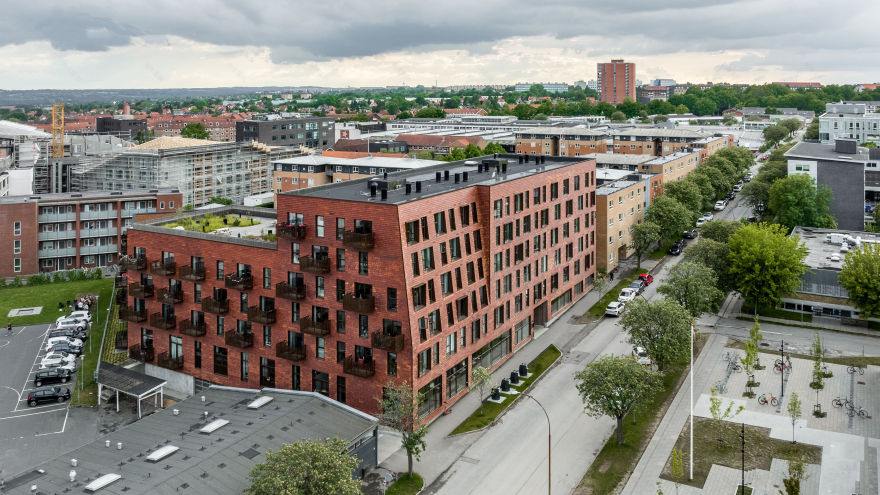
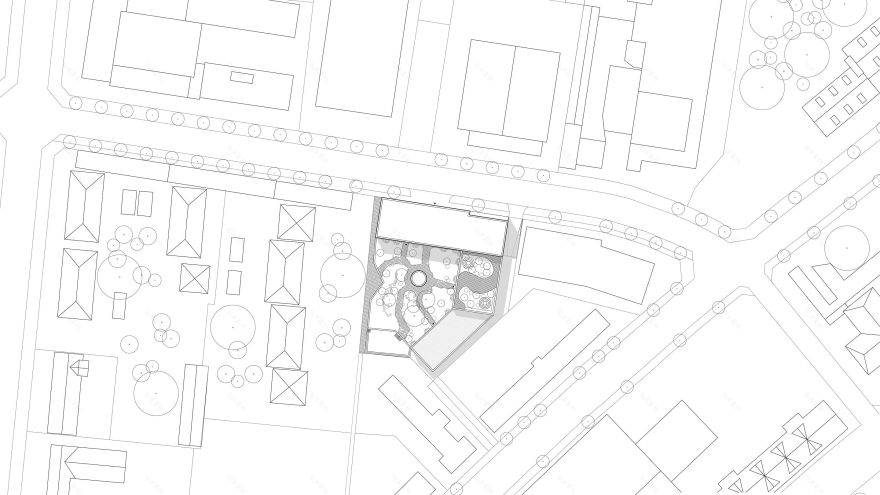
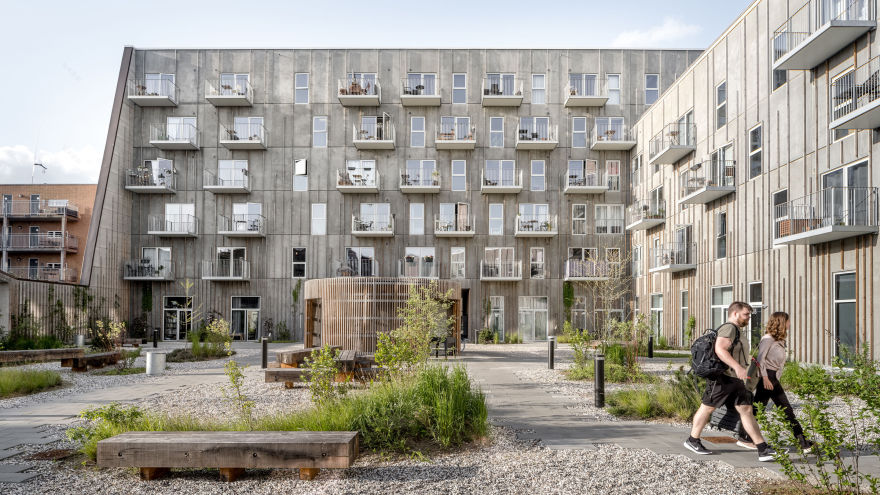
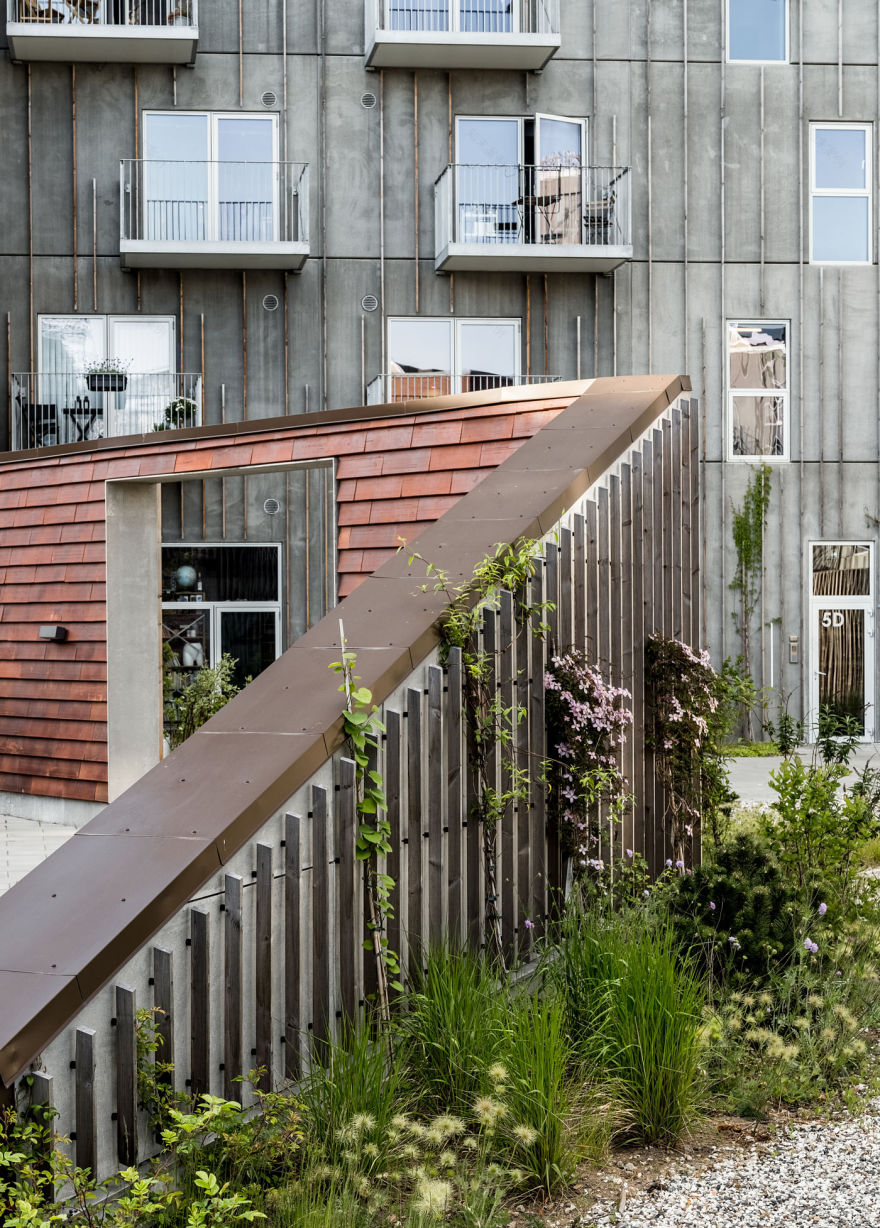
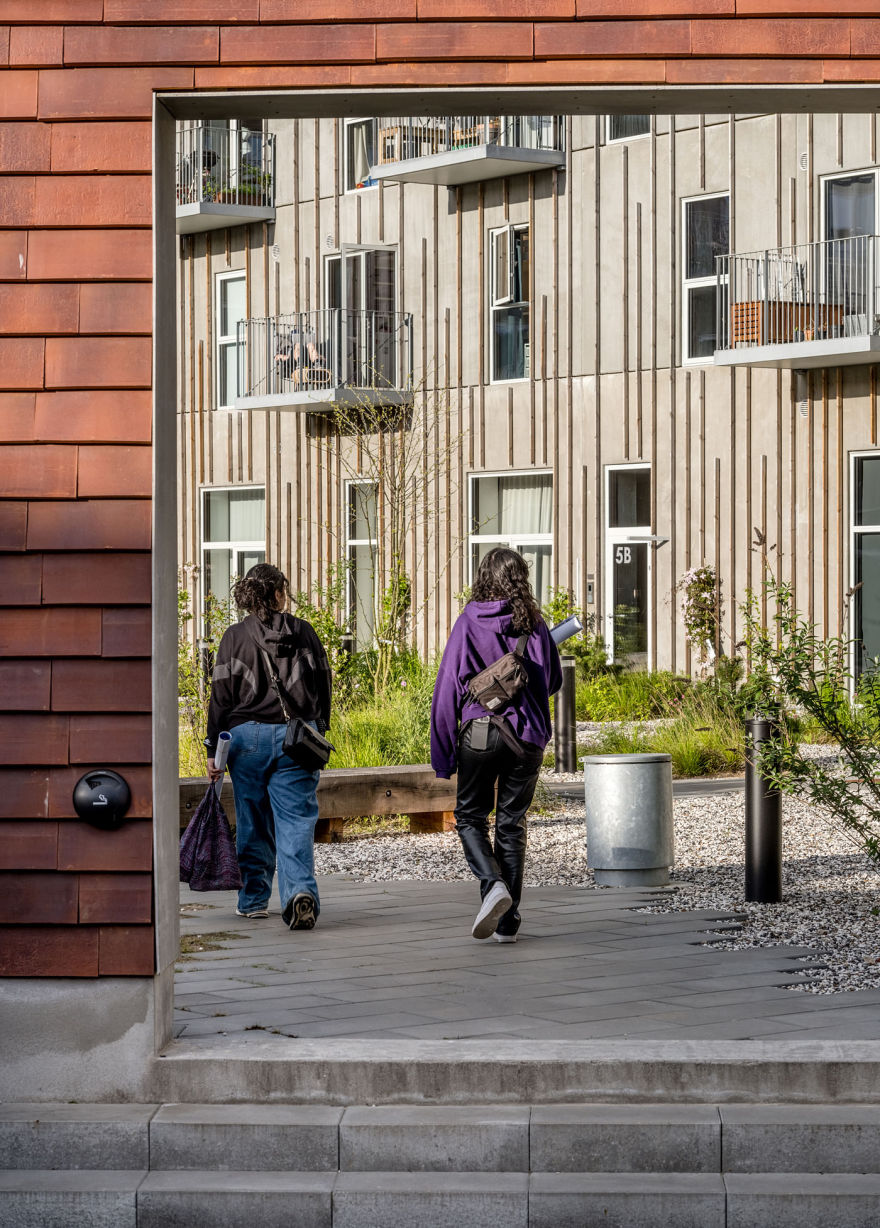
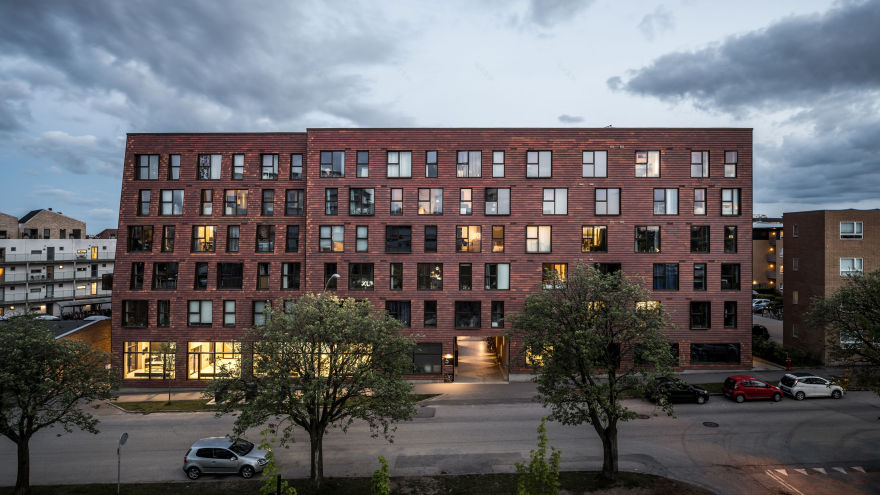
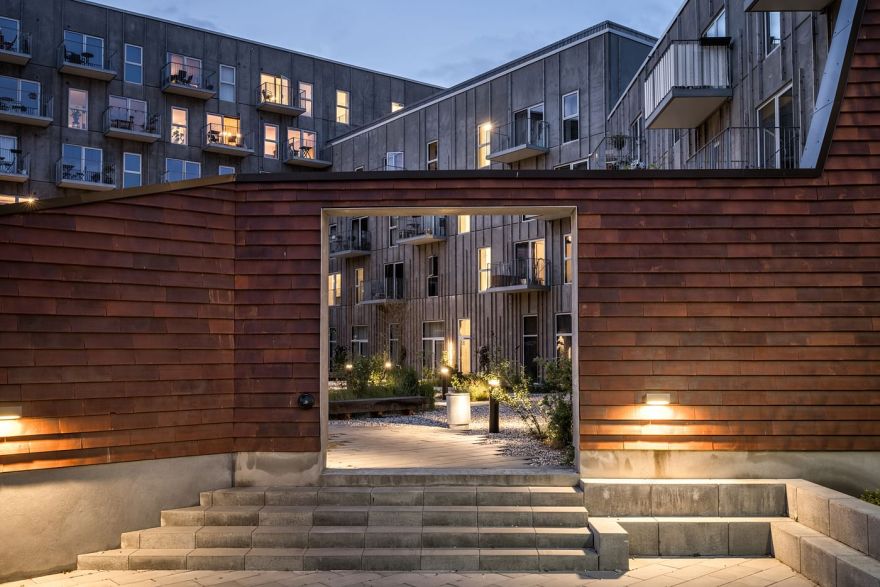
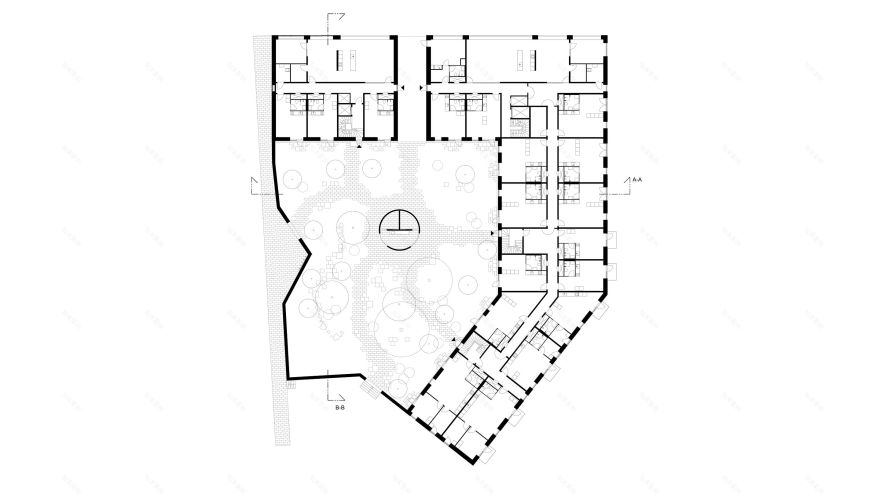
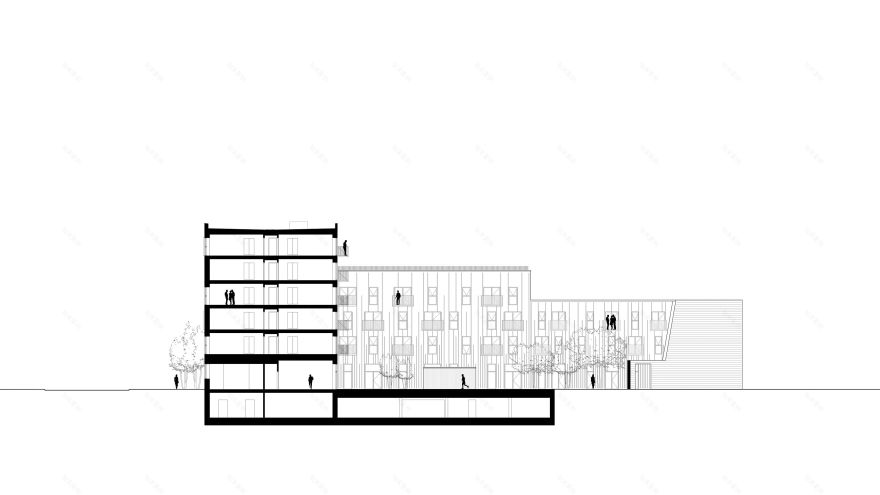
The 130 units are organized in four clusters forming an L-shaped building that embraces the shared courtyard. The simple design is varied by shifts in the building height and by the partly angled façade towards the street, which breaks down the scale of the whole volume. Reddish-brown screen tiles and clearly marked openings detail the exterior facades. Towards the courtyard, the façade is clad with vertical wooden lamellae, which in time will be greened with climbing plants. The gables of the complex continue as a low wall encircling the courtyard.
Dept. 76 is an example of how sustainability strategies and community can go hand in hand by optimizing square meters and materials. Quite simply, the architecture embraces the social element by prioritizing areas for communities to form and unfold. At the same time, a quite narrow material palette and carefully chosen solutions contribute to strengthening the complex’ sustainable profile through visible initiatives that the residents can relate to.
The complex was built with a limited budget but prioritizes a varied architecture with high quality materials and sustainable solutions. Among the choices that have resulted in the DGNB Gold label is the choice of certified or eco-labeled materials where possible, focus on durability and the possibility of material recycling as part of a circular mind-set. Another important focal area was to make the building literally green by including greened facades and roofs with rainwater local handling, as well as a garden-like courtyard with integrated climate adaptation and good conditions for micro-local biodiversity. Furthermore, the overall operating economy is an integrated part of the design through optimized processes and an accessible supply infrastructure.
Collaboration: Luplau Poulsen Arkitekter, Niras, Opland
Status:
Built
Location:
Aarhus, DK
Firm Role:
Lead design architect
Additional Credits:
Collaboration: Luplau Poulsen Arkitekter, Niras, Opland
Image credits: Rasmus Hjortshoj
Photographer: Rasmus Hjortshoj
Photographer: Rasmus Hjortshoj
Photographer: Rasmus Hjortshoj
Photographer: Rasmus Hjortshoj
Photographer: Rasmus Hjortshoj
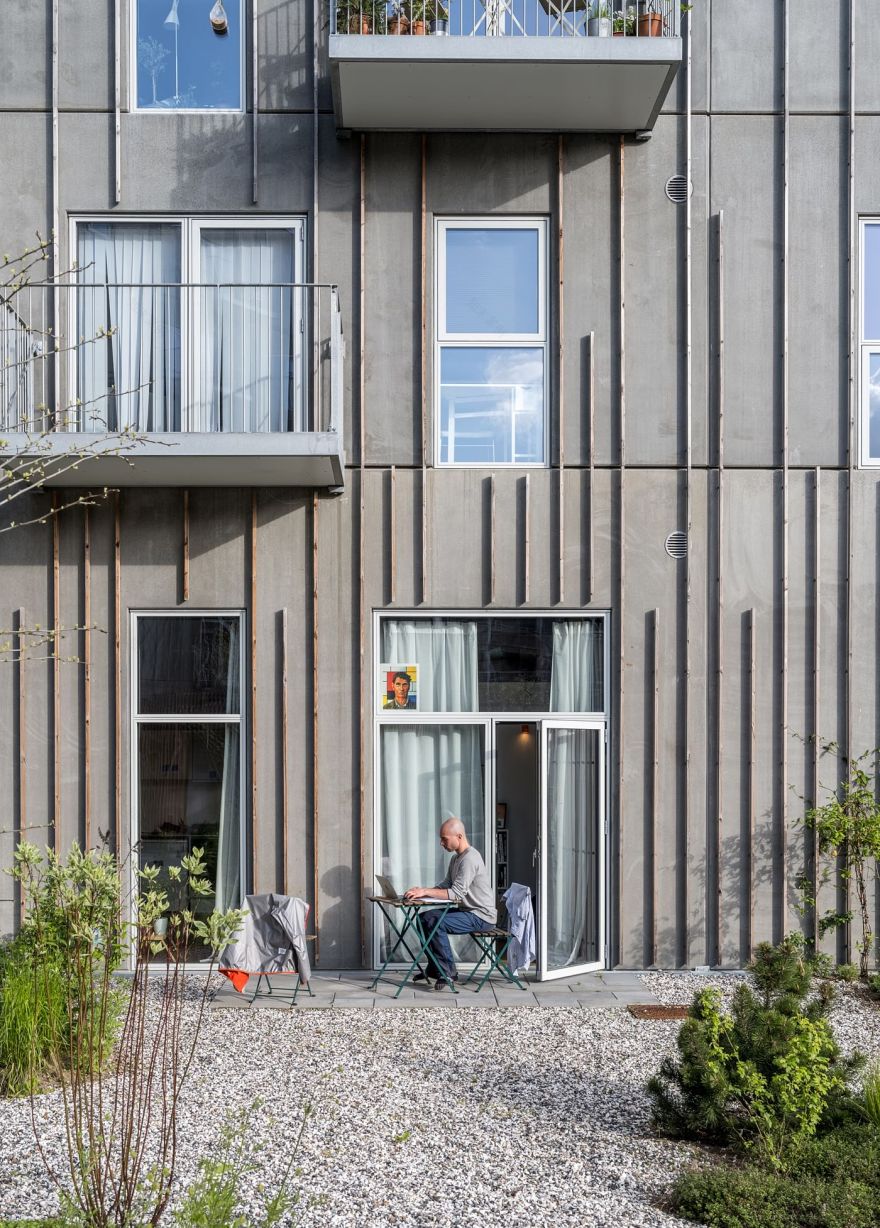
Photographer: Rasmus Hjortshoj
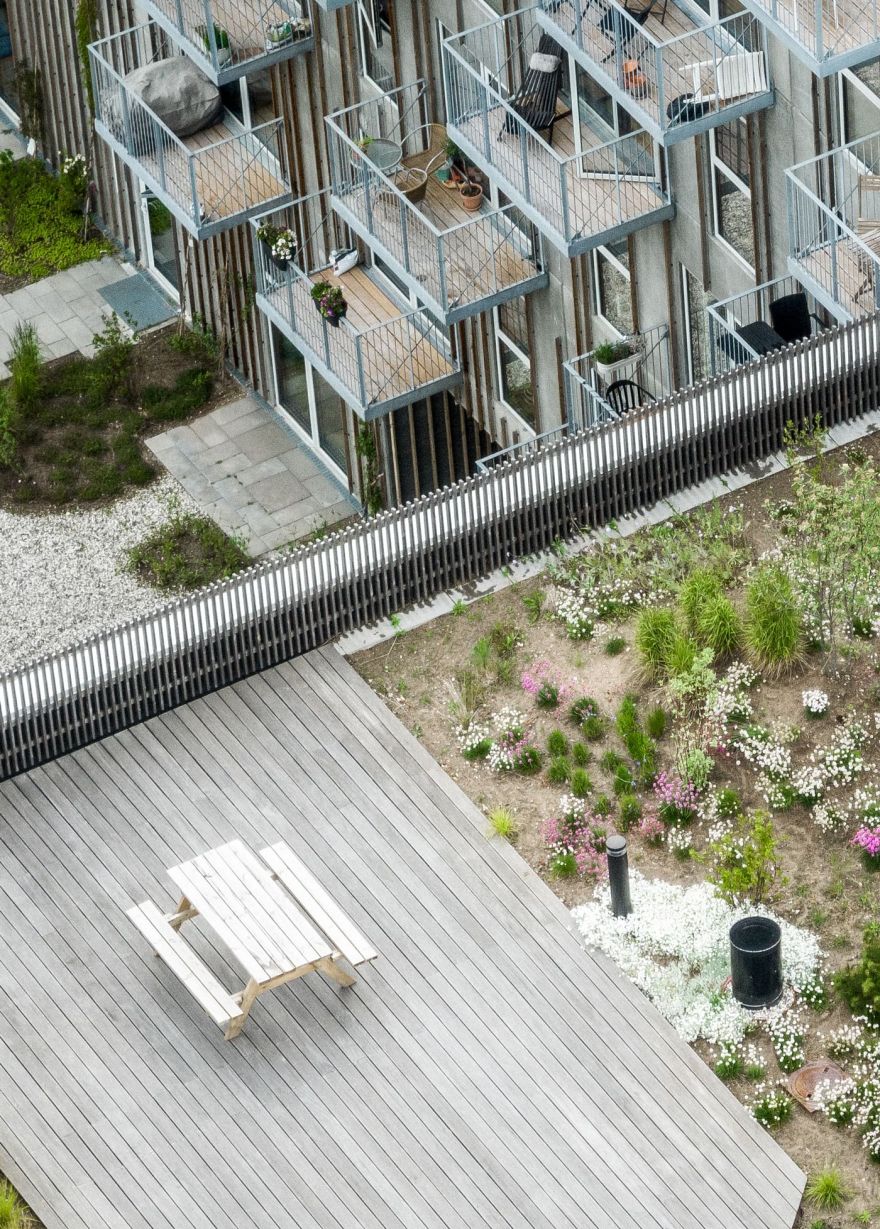
Photographer: Rasmus Hjortshoj
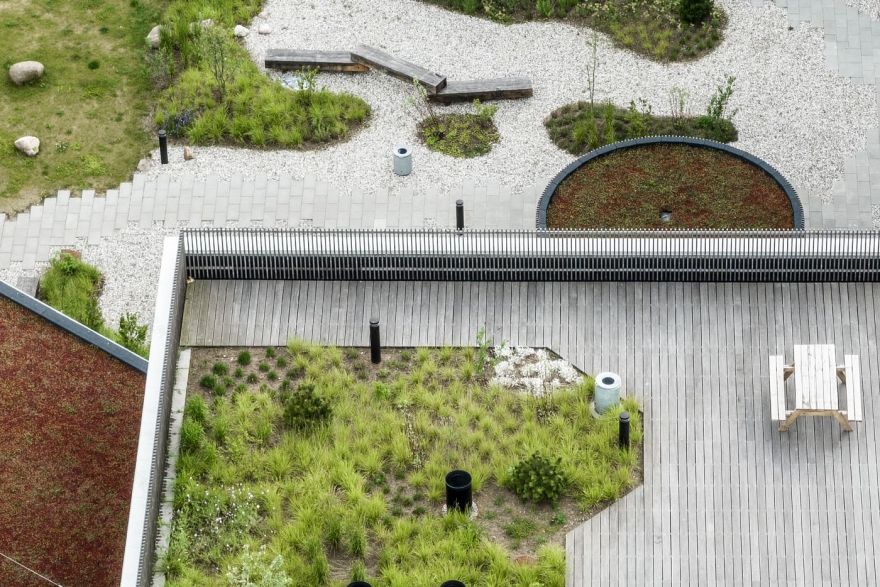
Photographer: Rasmus Hjortshoj
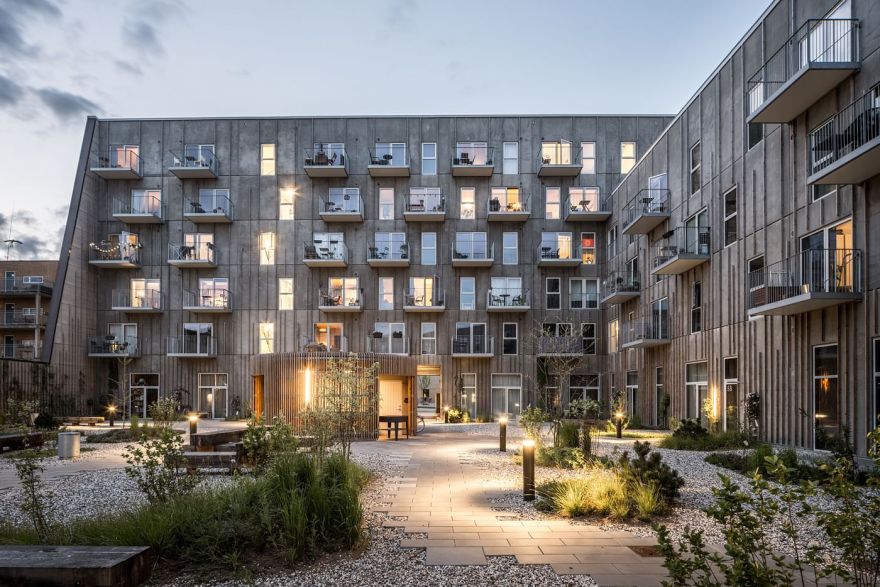
Photographer: Rasmus Hjortshoj
Photographer: Rasmus Hjortshoj
Photographer: Rasmus Hjortshoj
南京喵熊网络科技有限公司 苏ICP备18050492号-4知末 © 2018—2020 . All photos and trademark graphics are copyrighted by their owners.增值电信业务经营许可证(ICP)苏B2-20201444 苏公网安备 32011302321234号
苏公网安备 32011302321234号客服
消息
收藏
下载
最近