

创作上传
VIP
收藏下载
登录 | 注册有礼
查看完整案例

收藏

下载

分享
Testing Grounds: The Japanese Pavilion

Japanese Pavilion

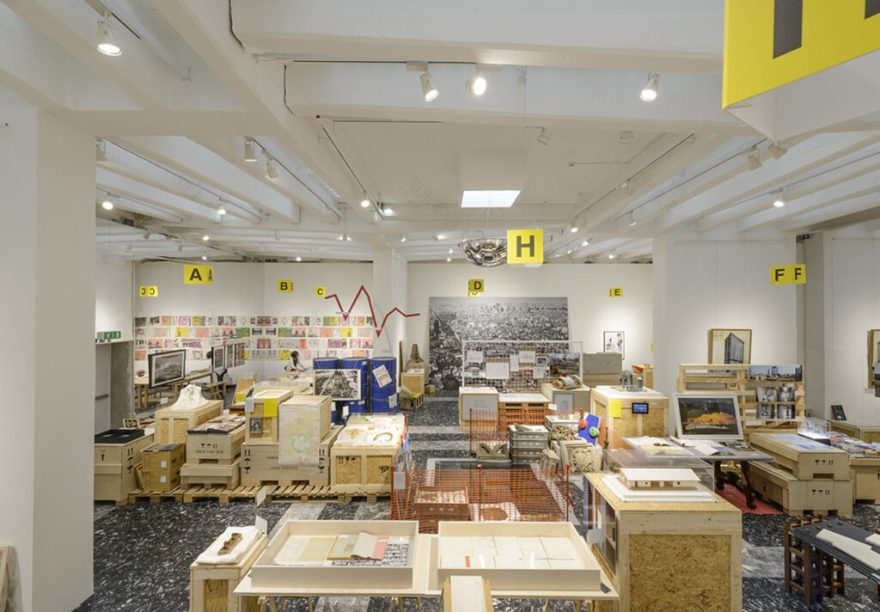


Japan’s Biennale Pavilion presents the complex web of earnest 1970s architects whose, largely unsung, endeavours connect Japanese Modernism to its vernacular roots
With the Osaka World Fair of 1970, Japan offered a global declaration of its economic resurgence and social reinvention in the years since the war. In the space of less than 30 years, it had risen from humiliating military defeat to become the world’s second largest economy − a journey that had provided extraordinary opportunities for a generation of architects headed by Kenzo Tange. You might have expected the Japanese to address this period of astounding change, but instead they have opted to look at the 1970s − a decade defined by the deep recession that followed the 1973 oil crisis.
The Japanese architects that emerged in these years enjoyed nothing like the scale of commissions that had been extended to Tange and his fellow Metabolists. However, as this captivating exhibition makes clear, the constraints of the period proved a spur to significant artistic innovation. Much of the work in the exhibition comprises small houses, which served as a testing ground for highly individual architectural languages and often very experimental lifestyles. Tadao Ando and Toyo Ito are both represented by concrete residences of a quite startling introversion. Neither presents a single window on its street frontage, while the Ando one even requires residents to step outside moving between rooms.
In an altogether less minimalist vein, the work of self-proclaimed outsider architect, Osamu Ishiyama, is included along with projects by Team Zoo that aimed to reconnect Modernism to Japanese vernacular sources. Terunobu Fujimori’s documentation of historic buildings in Tokyo constituted another attempt to widen Japanese Modernism’s reference points beyond those established by the strongly Le Corbusier-inspired Tange. Installed in suitably cheap and cheerful fashion, this is among the Biennale’s most inspiring exhibitions and one of real local relevance given the comparable economic predicament faced today by Italians.
南京喵熊网络科技有限公司 苏ICP备18050492号-4知末 © 2018—2020 . All photos and trademark graphics are copyrighted by their owners.增值电信业务经营许可证(ICP)苏B2-20201444 苏公网安备 32011302321234号
苏公网安备 32011302321234号客服
消息
收藏
下载
最近