

创作上传
VIP
收藏下载
登录 | 注册有礼
查看完整案例

收藏

下载

分享
Raising the roof: Terrain Architects, Japan


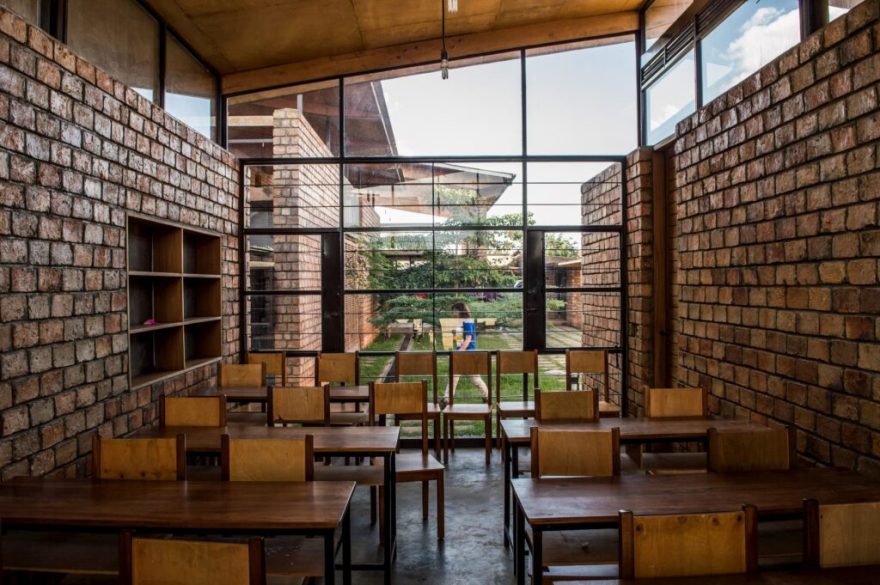


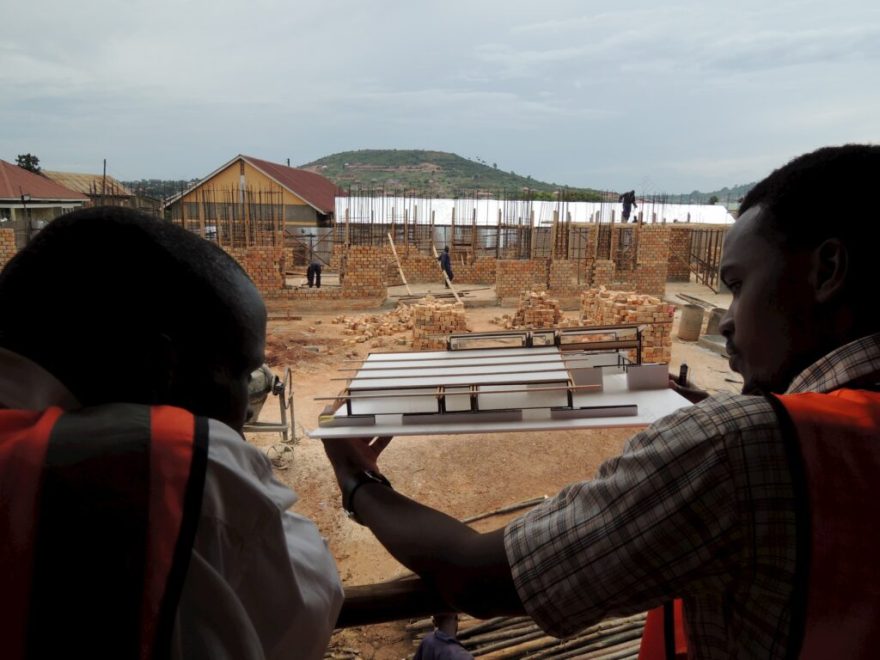
Terrain Architects’ body of work in Uganda, although defined by its response to local need and the tropical climate, has a distinctly Japanese slant
Terrain have been shortlisted for the AR Emerging Architecture awards 2019. View the shortlist
Contrast is central to the practice of architecture. The split between exterior and interior landscapes, the divide of daylight and shadow, the frontier of public and private, are defined on a day-to-day basis by architects and their design tools. For Terrain Architects, founded in Tokyo by Ikko Kobayashi and Fumi Kashimura in 2011, this contrast is felt in the geographical divide between their native Japan and Kampala, Uganda, where their most striking work has been realised.
Many of the differences between Kampala and Tokyo are plain to see. Japan is one of the wealthiest countries in the world, Uganda one of the poorest. And the scale of the cities varies dramatically: Kampala has a population of under two million while Tokyo’s is more than four times larger.
This particular disparity, however, obscures a more pressing difference – the population of Japan is shrinking, but in Uganda it is rapidly increasing. Kampala has a growth rate of 4.03 per cent (Mexico City, in comparison, has a growth rate of 0.9 per cent and Stockholm 0.67 per cent), a rapid pace necessarily supported by the construction of informal neighbourhoods, homes and shops.
It is in these informal contexts that Terrain’s 2015 Adjustable KIOSK project, developed in collaboration with Japanese and Ugandan university students, was put to work. The kiosk, a lightweight, temporary structure, appears as a hybrid between a foldable
screen and a chest of drawers. Each of its plywood panels is punctuated by cut-out shelves and boxes that reveal themselves when the kiosk is unfolded; in this state, it can be used to display fruit and vegetables for sale. Its demountable design makes it easier (and quicker) to close up than a traditional kiosk and it is easily transportable by car.
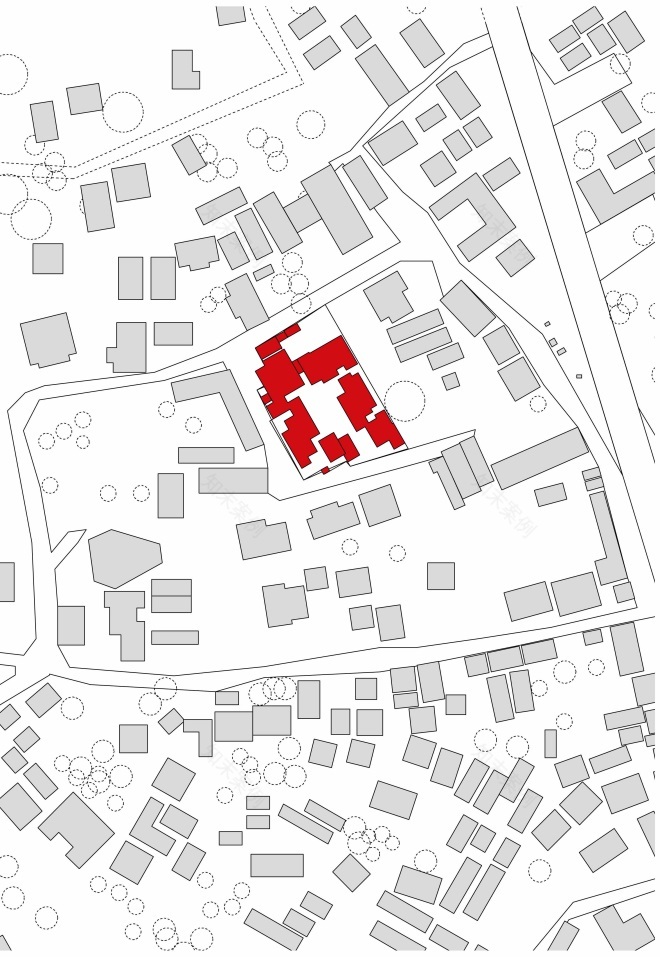
In researching the pre-existing informal market conditions, Terrain became interested in an idea of ‘indigenousness’, a set of characteristics specific to a location and its built environment, which they see in conversation with their own ‘transnational’ approach. This is made most clear in Terrain’s AU Dormitory in collaboration with Plantek, in Nansana outside Kampala. Completed in 2015, the building provides new facilities for an NGO which supports orphans, and is where Kobayashi began his relationship with Uganda as an intern in 2003. The tall walls that maximise shade and large openings that draw breezes through the clusters of brick rooms – housing classrooms, dormitories, a canteen, kitchen and offices – are tailored to their equatorial, East African location, and the sandy bricks for the buildings’ walls were locally sourced. But the corrugated-iron roofing, held above the walls by a structure of slender timber columns and rafters, has a distinctly Japanese provenance.
This conversation between Japan and Uganda continues in Yamasen, a Japanese restaurant in Kampala completed in 2018. In a city suburb, the restaurant sits atop a steel and concrete plinth and beneath an exposed timber roof structure with complex joinery reminiscent of a traditional Japanese domestic interior. The timber is locally sourced eucalyptus, a material regularly used by local labourers for scaffolding, which has been dried and cut to prevent twisting or cracking. The dramatic thatched sloping roof is interrupted by a pre-existing tree which shades a patio.
As with the wood-framed work of Terrain’s compatriot Kengo Kuma, the AU Dormitory project is transparent in its simplicity amid complex social and political realities. Elegant in their conceptual and design phases, Terrain’s projects, perhaps more importantly, display a sensitive consideration for local construction conditions. This contributes to their projects’ refined ease with contrast and their sense of cultural conversation, rather than clash or conflict.
南京喵熊网络科技有限公司 苏ICP备18050492号-4知末 © 2018—2020 . All photos and trademark graphics are copyrighted by their owners.增值电信业务经营许可证(ICP)苏B2-20201444 苏公网安备 32011302321234号
苏公网安备 32011302321234号客服
消息
收藏
下载
最近