

创作上传
VIP
收藏下载
登录 | 注册有礼
查看完整案例

收藏

下载

分享
1928 - 1929
Disappeared work
Ludwig Mies van der Rohe
German Pavilion of the 1929 International Exhibition






Address
Av. Francesc Ferrer i Guàrdia, 7
Barcelona
Other Appellations
German Pavilion of the 1929 Universal Exhibition
Category
Building
Typology
Exhibitions / Installations
Trade Fairs / Congresses
Protection Category
BCIN (Bé Cultural d'Interès Nacional)
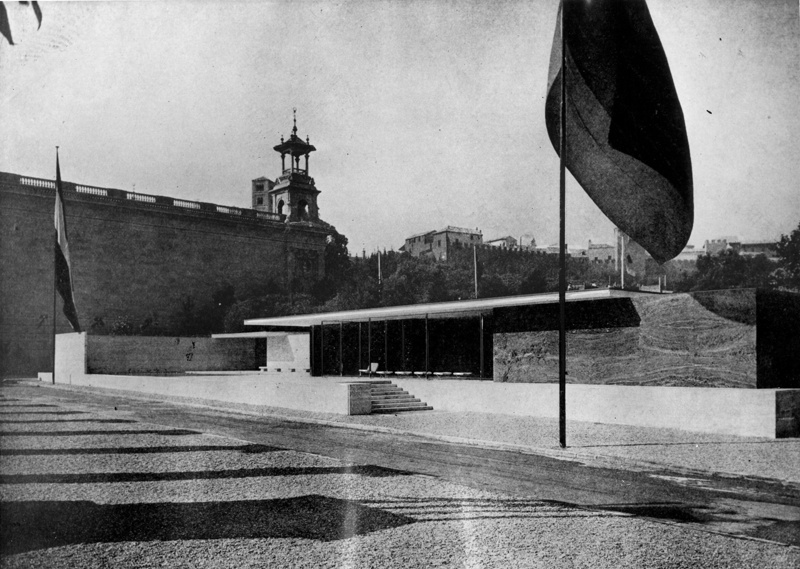
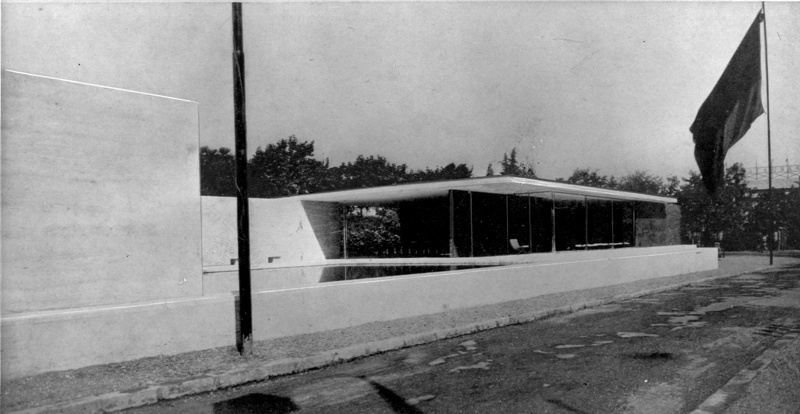
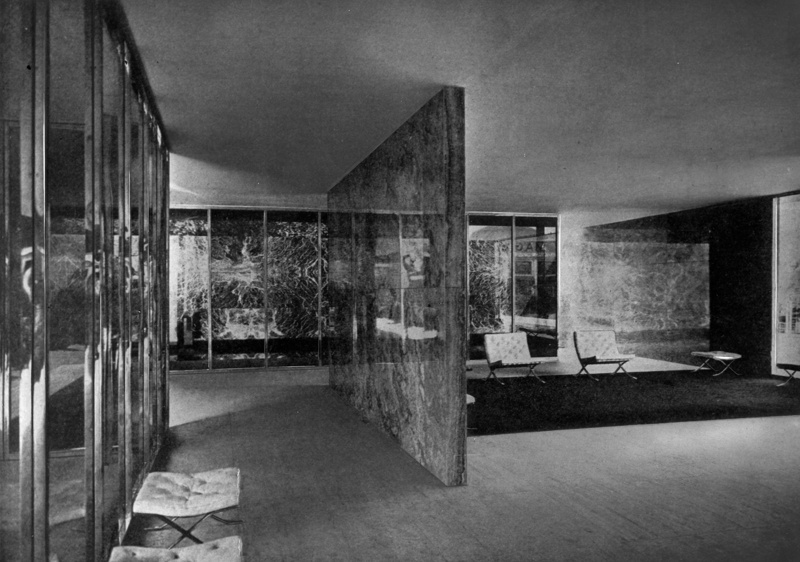
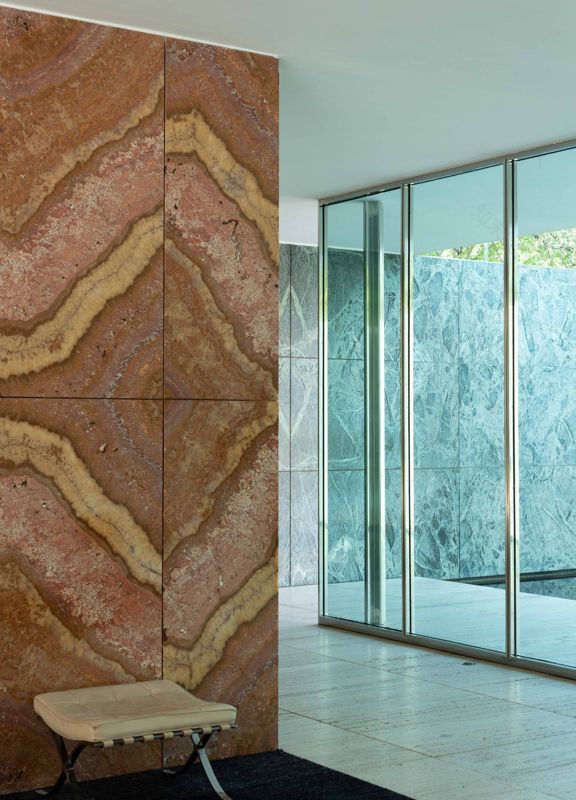
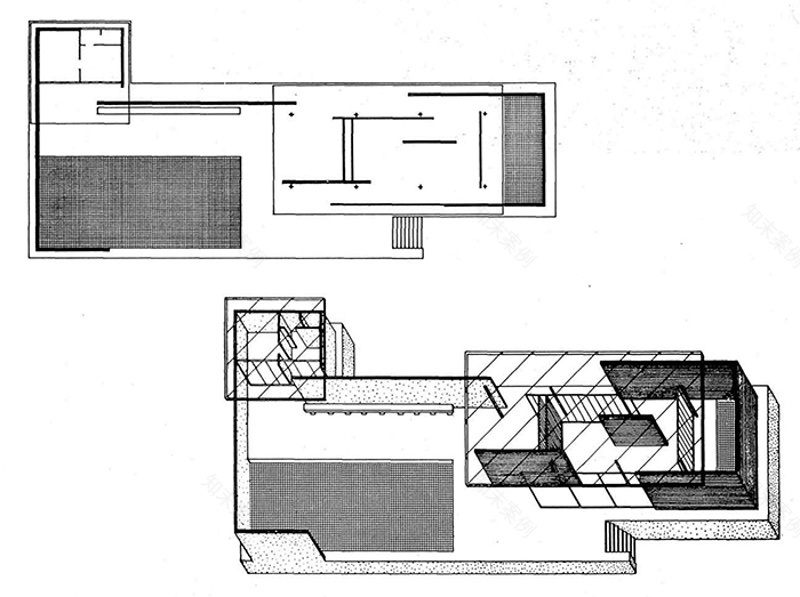
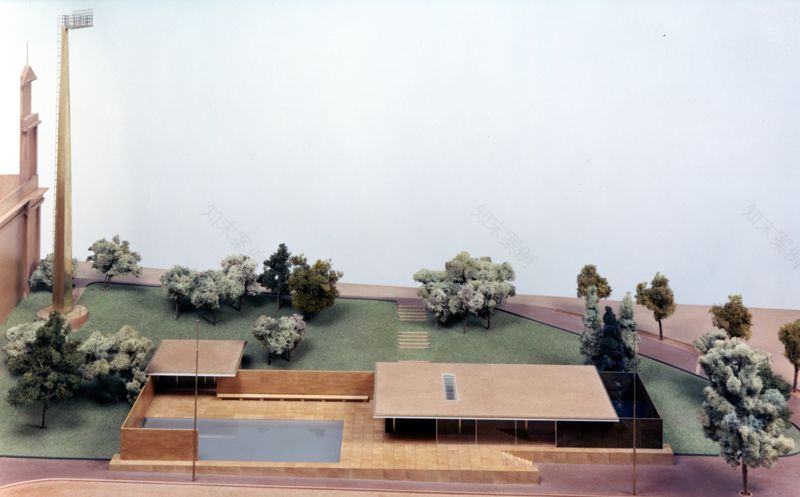
The German pavilion represents a new way of conceiving space, and it is completely different from the traditional one and consistent with the possibilities offered by the new metal pillar structures. Mies takes this constructive innovation to the limit of its visual possibilities, allowing the enclosing walls to be freely distributed throughout the floor plan. Another remarkable aspect of the pavilion is the selection of high-quality materials and very intense colours, as well as the introduction of two sheets of water in the exterior spaces.
Bruno Zevi carries out an investigation where he aesthetically places the architecture of the pavilion within neo-plasticism, an anti-classical movement which Mies belonged to. The dynamism of the horizontal and vertical planes of the pavilion clearly responds to the aesthetic principles of this avant-garde movement and is clearly opposed to the static conception of Greco-Roman art. The pavilion should be read as a manifesto that will determine all of Mies's latter architecture and will influence successive generations of modern architects. However, the Catalan architects of the Republic had already taken sides with Le Corbusier and the CIAM, and the influence of Mies would have to wait until the 1950s.
Contrary to general opinion, this pavilion should also be read as a new housing prototype that Mies has successively presented at different international exhibitions: the Glasraum in Stuttgart, 1927; the German Pavilion in Barcelona, 1929; and the House for a Bachelor in Berlin, 1931. All of them are variations of a new typology of courtyard houses.
The first proposal for the reconstruction of the German pavilion was made in Mies van der Rohe by Group R, which received an enthusiastic response from the architect, but the project did not prosper due to the Administration’s disinterest. There is a second proposal by Joan Bassegoda i Nonell from 1964, and ten years later Professor Fernando Ramos organised a seminar to get to know the building in detail, as there was almost no project originally. The final proposal was born in 1981, when some scholars and historians already had a fair knowledge of the archived materials in Barcelona, Berlin, New York and Chicago. This knowledge, in addition to some working hypotheses and the analysis of the remains found in the same place, could guarantee the rigorous fidelity of the reconstruction, based on the original building and not so much on the redrawn plans that Mies had done on behalf of Werner Blaser. Reconstruction differs from the original in aspects such as roof waterproofing, water collection or security. The building is currently the Mies van der Rohe Foundation headquarters and functions as a conference room for small events.
南京喵熊网络科技有限公司 苏ICP备18050492号-4知末 © 2018—2020 . All photos and trademark graphics are copyrighted by their owners.增值电信业务经营许可证(ICP)苏B2-20201444 苏公网安备 32011302321234号
苏公网安备 32011302321234号客服
消息
收藏
下载
最近