

创作上传
VIP
收藏下载
登录 | 注册有礼
查看完整案例

收藏

下载

分享
Opposites attract: Lenschow & Pihlmann, Denmark
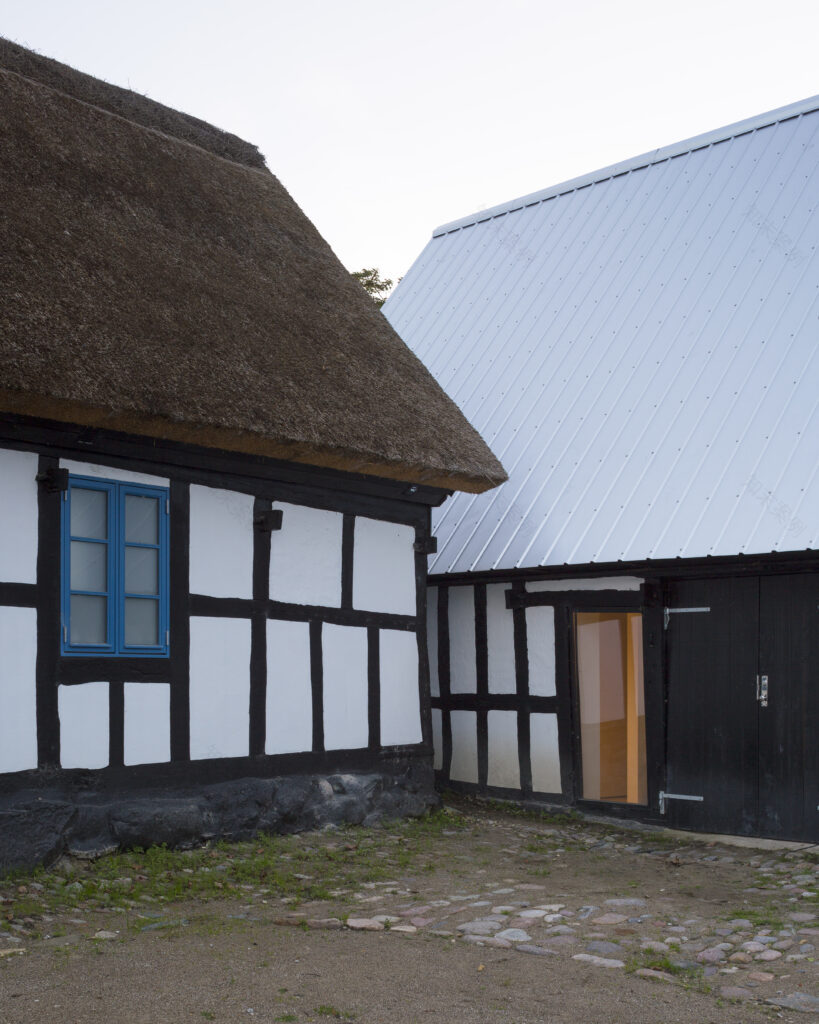
Seven new buildings are combined with a 17th-century farmhouse to provide students with double- and single-room apartments. The timber cladding, pitched roofs and exposed trusses of the new structures are a nod to the site’s historical architecture
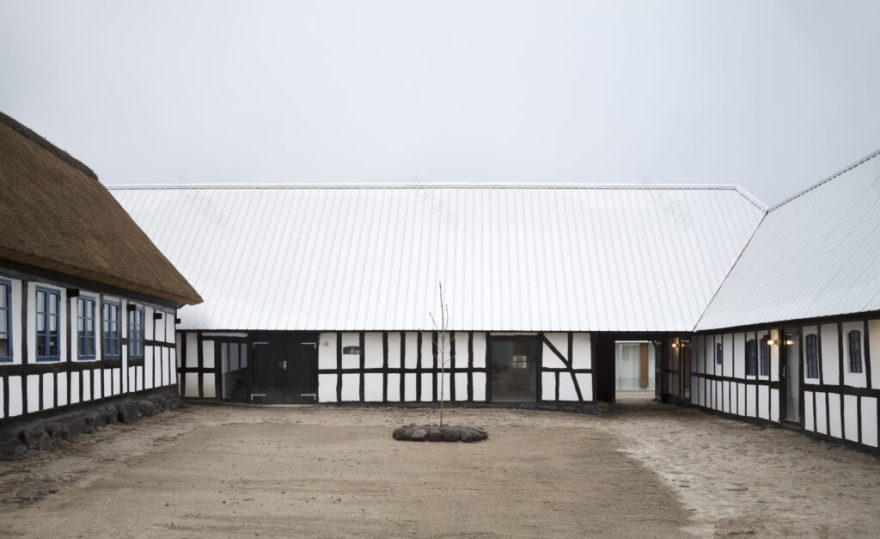
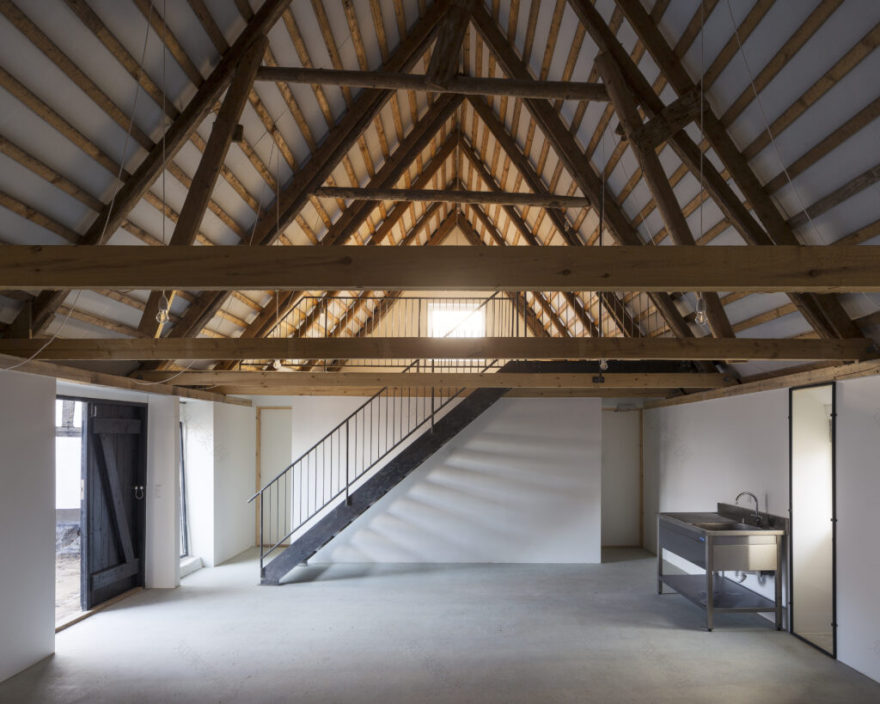
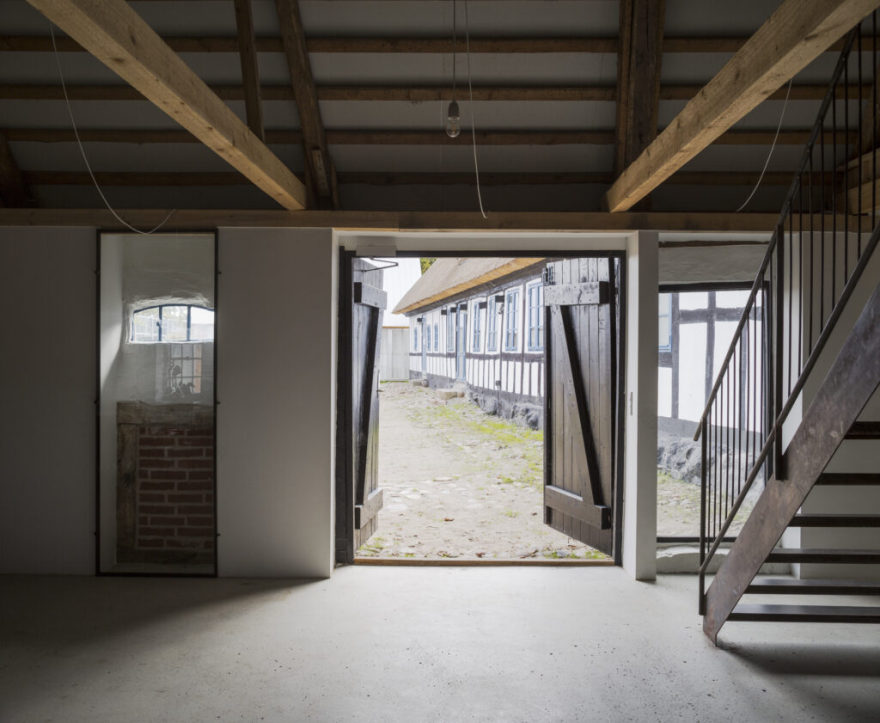

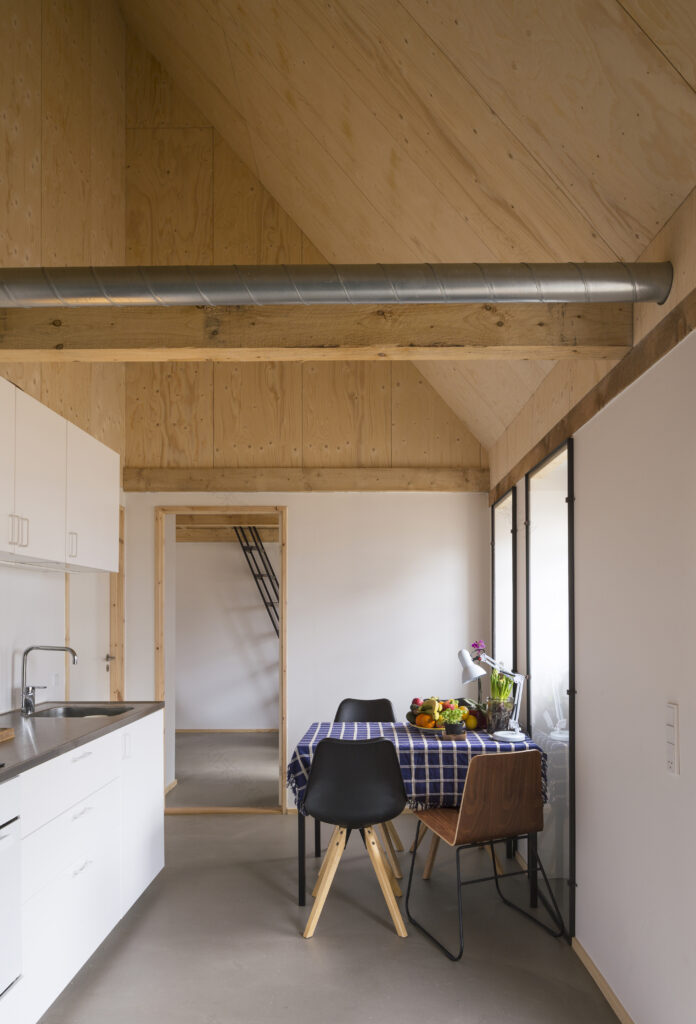


Lenschow & Pihlmann’s Danish student village just outside Aarhus successfully fuses old with new, rural with urban, and the modern with the historical
Lenschow & Pihlmann have been shortlisted for the AR Emerging Architecture awards 2019. View the shortlist
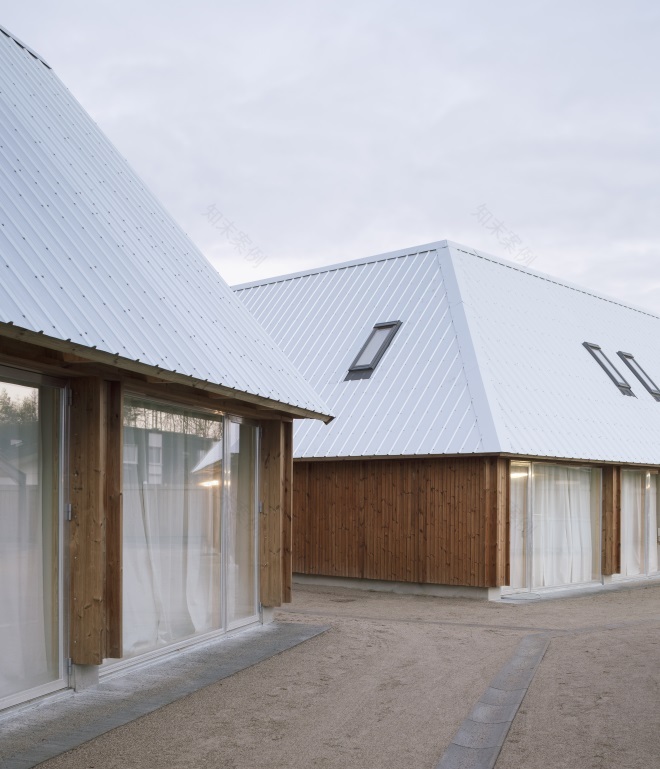
Just outside Aarhus, a cluster of buildings mimics the characteristic layout of a Danish village. Søgaard, a 17th-century timber-framed farmhouse, has been joined by seven new buildings added in 2017 by Lenschow & Pihlmann and accommodating around 60 students in 56 double- and single-room apartments. At the centre of the ‘village’ lies the farmhouse courtyard, which provides its residents with communal spaces alongside the transformed barn. Among the buildings, intimate courtyards and narrow streets open up views to the surrounding forest greenery.
Working predominantly in rural Denmark and Norway – Kim Lenschow Andersen is from Trondheim, Norway, while Søren Thirup Pihlmann hails from Aarhus in Denmark – the pair founded their practice in Copenhagen in 2015 after meeting during their studies at KADK, the Royal Danish Academy of Fine Arts. Their work brings to light distinct local traditions and histories through an ingrained material, contextual and historical sensitivity. ‘We try to highlight poetic potentials in the familiar’, the pair explain. ‘We strive to change our common perception of existing building types, construction methods or materials – we often find they have qualities that are ignored.’
In Aarhus, the existing farmhouse has gone through a restoration in which, as Lenschow and Pihlmann explain, ‘new material appears on equal terms with the farm’s original design and materials’. The building has been insulated, the existing timber restored and a new roof and foundation added. The seven new buildings resemble barn-like structures with pitched roofs and timber cladding, the structures of the facades imitating the patterns of the farmhouse timber frames. Large windows look out over the surrounding landscape while closed facades with smaller windows face the intimate village streets.
The old farmhouse is referenced both architecturally and materially in the newly built structures; in turn, the plans, along with the spatial and social logic, reference its historic context. As Lenschow and Pihlmann put it, the project ‘blends the old with the new, the rural with the urban, as well as the progressive with the nostalgic, in order to highlight the area’s diversity and adapt Søgaard to a new context in a modern age’.
The architects’ tactile use of materials and historic references can be seen across their portfolio of housing, cabins and pavilions. In the gardens of Gammel Holtegaard art gallery, north of Copenhagen, the plan of their Orangery pavilion reprises that of Francesco Borromini’s San Carlo alle Quattro Fontane church in Rome, reimagining the Baroque icon. On Fanø, a rural Danish island, a single-family house is currently under way, referencing the typology of the local traditional longhouses. These projects illustrate the practice’s understanding of the economic and material logic of small-scale architecture ‘making the past present’.
南京喵熊网络科技有限公司 苏ICP备18050492号-4知末 © 2018—2020 . All photos and trademark graphics are copyrighted by their owners.增值电信业务经营许可证(ICP)苏B2-20201444 苏公网安备 32011302321234号
苏公网安备 32011302321234号客服
消息
收藏
下载
最近