

创作上传
VIP
收藏下载
登录 | 注册有礼
查看完整案例

收藏

下载

分享

翻译
Sesame DressingRole | Furniture Design, Modeling, VisualizationsLocation | Midas Showrooms (Saudi Arabia, Jordan)Project Year | 2025Software: Rhino7 | D5 render | AutoCAD

In an old house in Asir, a young man discovered a wooden chest called the "Sesame Chest," a part of Saudi heritage. Inside, he found traditional garments belonging to his ancestors, evoking pride and a deep connection to his past. He preserved and displayed the items in his new home as a tribute to his family's history. One evening, he shared the chest's story with his children, teaching them the importance of preserving their heritage.
Heritage is an everlasting treasure; it is a bridge that connects the past and the present, remaining alive in our hearts and memories no matter how many years pass

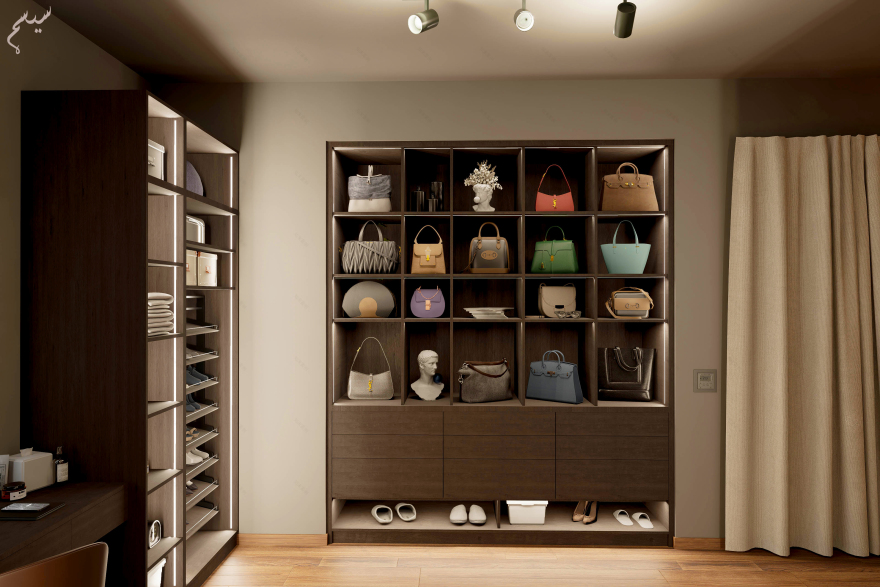
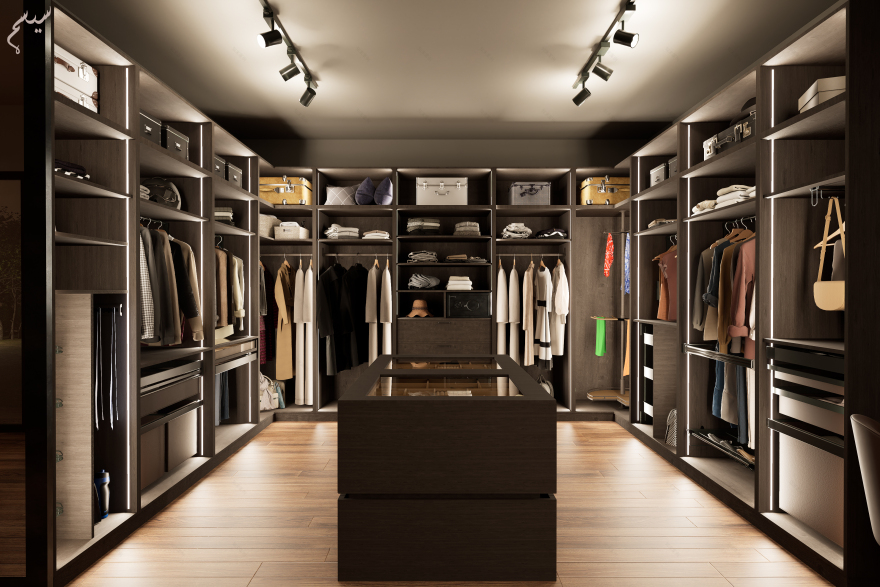
This dressing room embodies refined sophistication with rich wooden cabinetry, seamlessly blending storage and display for an elegant, functional space. Thoughtfully designed open shelves, drawers, and hanging sections ensure effortless organization, while glass-fronted compartments add a modern touch. A central island with divided sections enhances convenience, making accessories easily accessible. Warm lighting accentuates the wood’s natural beauty, creating an inviting atmosphere that harmonizes tradition with contemporary luxury.


The "Sesame Chest" was traditionally used to transport a bride’s belongings from her family's home to her husband's home. It was a well-known old chest style in Mecca and the Quraysh region.
Throughout Meccan history and until the early 20th century, the chest remained one of the most important furniture pieces accompanying a woman into her marital home. It was primarily used for storing clothes and was usually crafted locally from thick wood.
One of the finest versions was called the "Sesame Chest," made from luxurious and expensive types of wood, such as mahogany or beechwood. These chests were decorated with intricate carvings or inlaid with brass pieces. Another special type, known as the "Kokab Sesame Chest," was adorned with mirrors, brass nails, silver pieces, or other metals.
Some of these chests were large, reaching up to a meter in height and nearly two meters in width. They were often divided internally into compartments, and some had drawers at the bottom for additional storage.
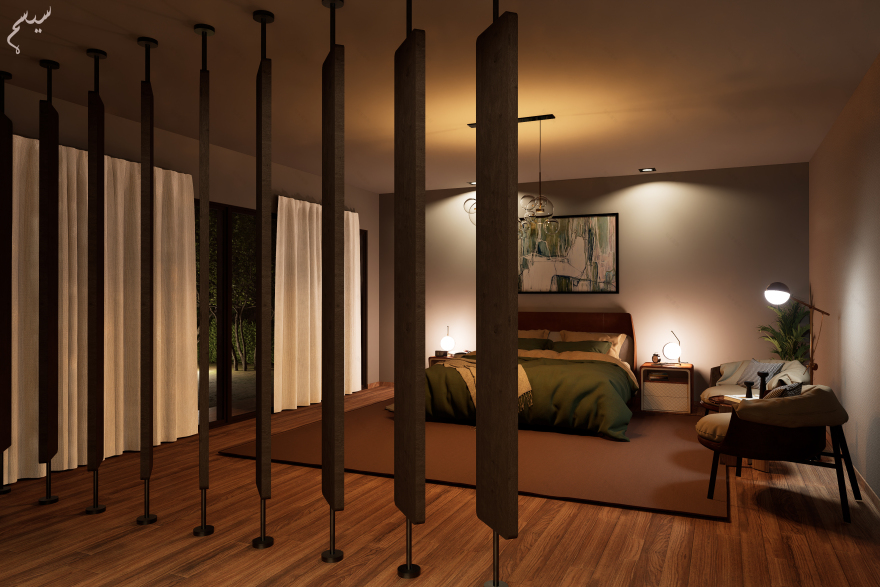

This project presents other alternative color schemes for the same kitchen layout, tailored to suit different client preferences and interior moods.
Wooden Oak Option

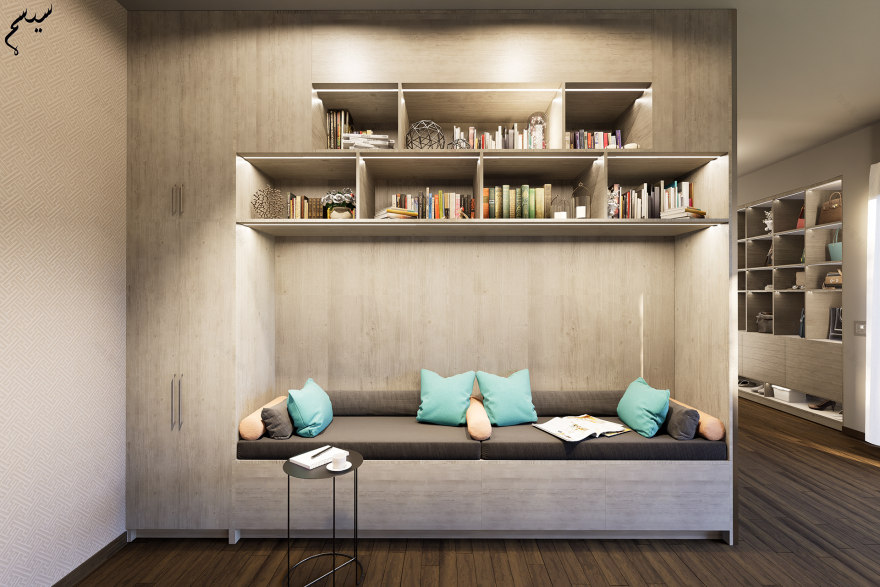
Wooden White Option


南京喵熊网络科技有限公司 苏ICP备18050492号-4知末 © 2018—2020 . All photos and trademark graphics are copyrighted by their owners.增值电信业务经营许可证(ICP)苏B2-20201444 苏公网安备 32011302321234号
苏公网安备 32011302321234号客服
消息
收藏
下载
最近