

创作上传
VIP
收藏下载
登录 | 注册有礼
查看完整案例

收藏

下载

分享

翻译
Architects:atelier SALAD
Area:88m²
Year:2025
Photographs:Kenta Hasegawa
Lead Architects:Kohei Tokunaga,Hiroko Kakoi
Category:Houses
Lead Team:Kohei Tokunaga,Hiroko Kakoi
Engineering & Consulting > Lighting:Filaments
Landscape Architecture:Weru Landscape
City:Akune
Country:Japan

Text description provided by the architects. A Michelin-starred chef relocated to a 90-year-old traditional wooden house in a small fishing village in Akune City, southern Japan. Deeply inspired by the chef's unique worldview, which values local materials and traditions, we sought to express a similar sense of regional identity and cultural continuity through architecture.


The rugged silver steel fish crates stacked at Akune Fishing Port left a strong impression on us. Drawing inspiration from these crates and the abundance of bluefish, such as horse mackerel and sardines caught in the nearby seas, we envisioned enveloping the old house with silver steel panels. This bold architectural gesture not only protects the building from the harsh coastal climate but also symbolizes a dialogue between preservation and transformation, blending the old with the new.


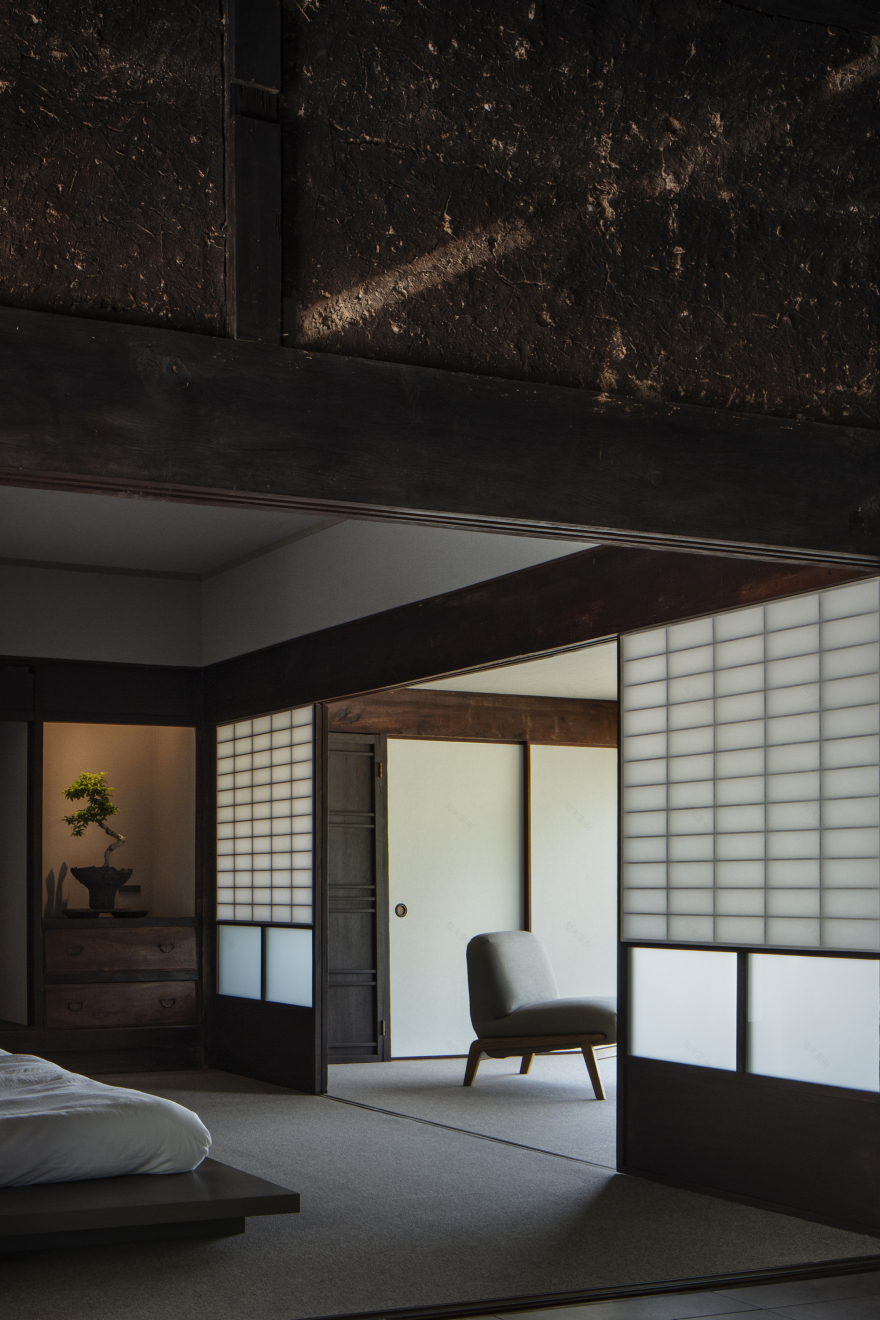
We carefully preserved the original wooden structure, allowing it to remain visible beneath the new metal skin. This layering creates a visual and tactile conversation between past and present, embodying the spirit of the local fishing community while inviting reflection on change and continuity.

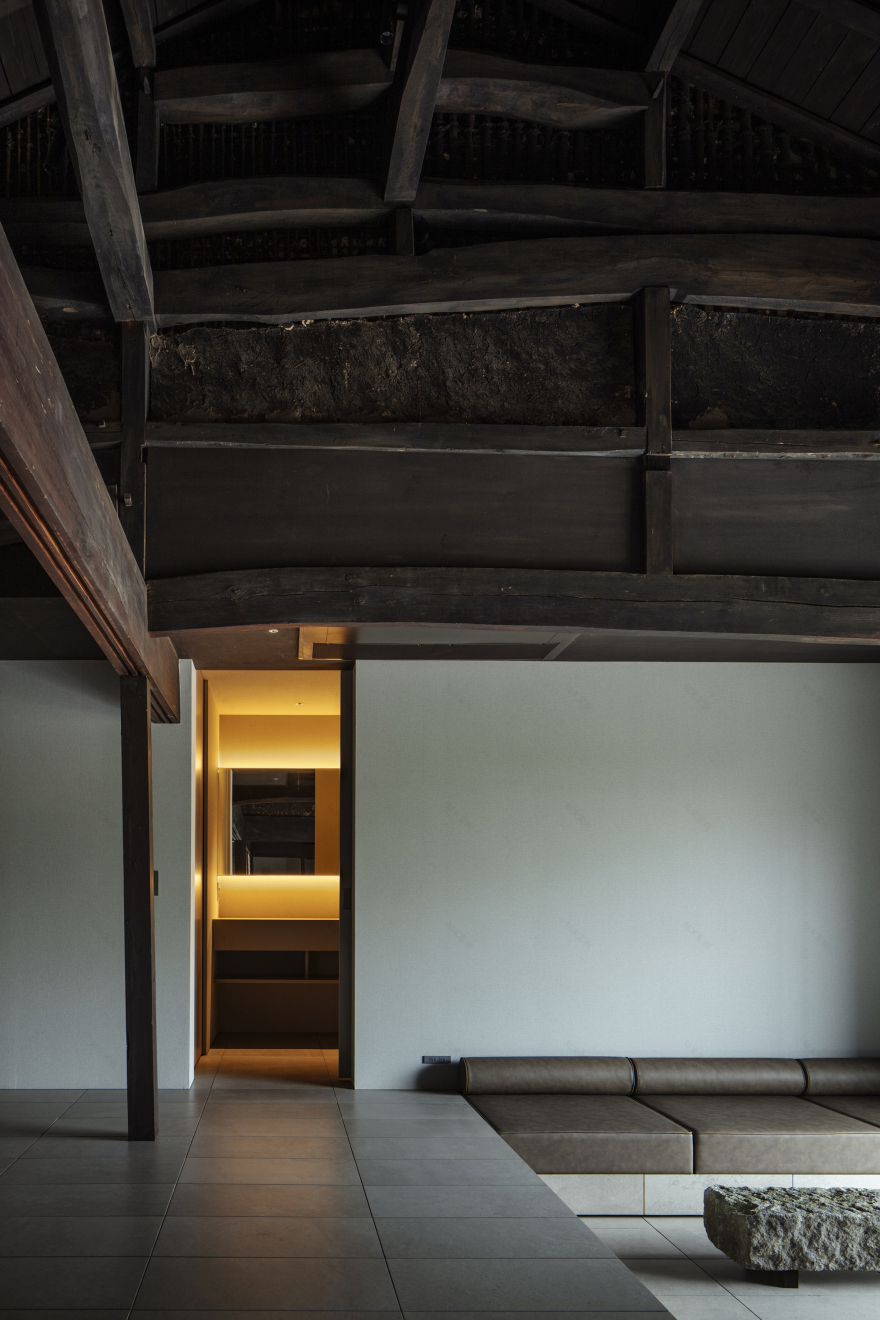
The traditional "genkan doma" — the earthen-floored entrance space that once functioned as both a reception area and kitchen — was reinterpreted to extend its continuity into the interior. This created a seamless flow between indoor and outdoor spaces and established a flexible semi-public venue that reflects the communal nature of the fishing village.

Sustainability and social impact were central to the design. By reusing the existing structure rather than demolishing and rebuilding, the project significantly reduces construction waste and embodied carbon. The house also serves as a social catalyst, reactivating a once-abandoned home as a gathering place that fosters community connection in a depopulating village.

This architecture aspires to be a living phenomenon rooted in local livelihood, connecting past, present, and future. It demonstrates a sensitive, poetic approach to rural revitalization, offering a new model for how traditional architecture can evolve while honoring heritage.

Project gallery



南京喵熊网络科技有限公司 苏ICP备18050492号-4知末 © 2018—2020 . All photos and trademark graphics are copyrighted by their owners.增值电信业务经营许可证(ICP)苏B2-20201444 苏公网安备 32011302321234号
苏公网安备 32011302321234号客服
消息
收藏
下载
最近