

创作上传
VIP
收藏下载
登录 | 注册有礼
查看完整案例

收藏

下载

分享

翻译
Architects:Agence Vulcano-Gibello
Area:3300m²
Year:2025
Photographs:Charly Broyez
Manufacturers:AQform,Caloriver,Kawneer,Knauf,MALERBA,SETP,Vegetoit
Category:Educational Architecture,University,Refurbishment
Design Team:Agence Vulcano-Gibello
General Constructing:Artelia
Engineering & Consulting > Acoustic:DB Silence
City:Nancy
Country:France
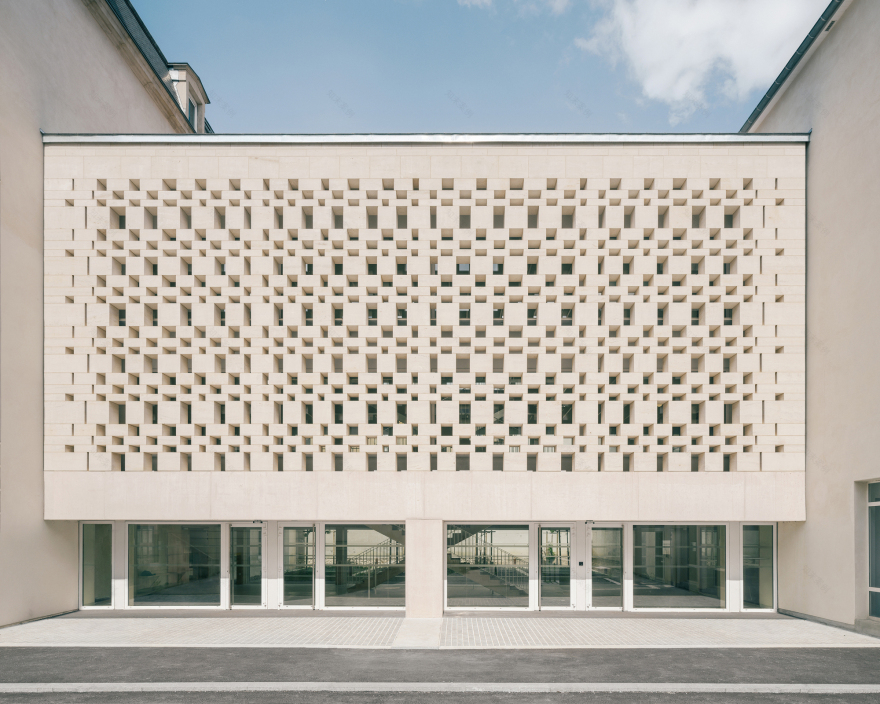
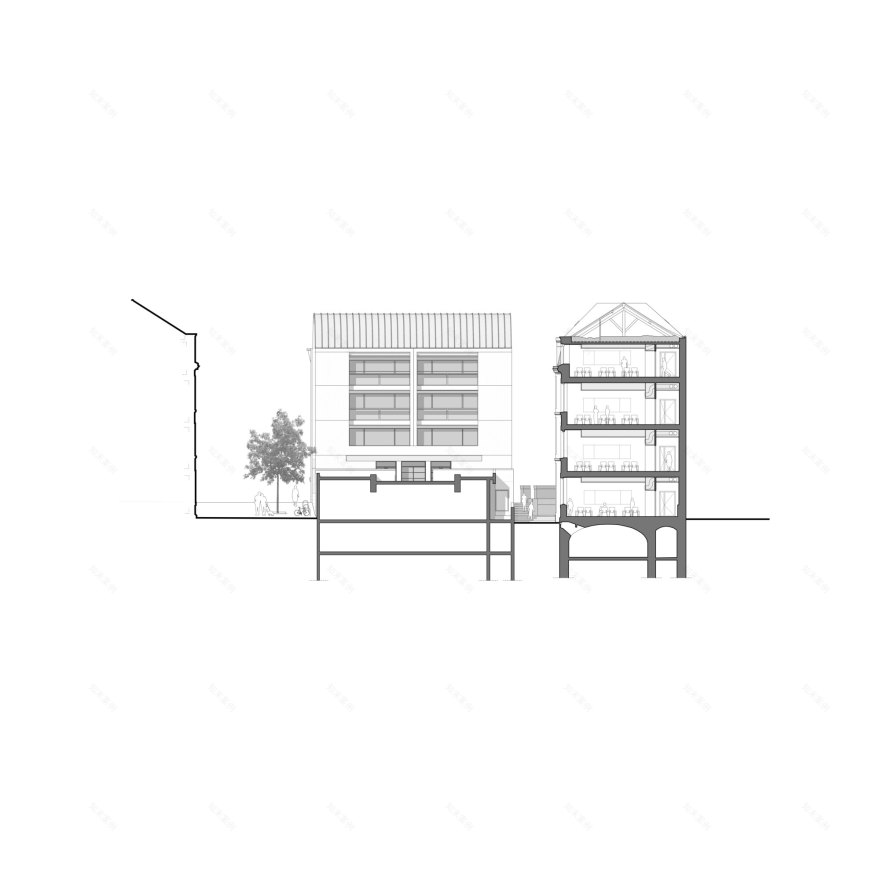
Project Context - Located within the historic Carnot-Ravinelle Campus in Nancy, the project site holds strong architectural and academic significance. The University Palace, inaugurated in 1862, originally housed several faculties and symbolized Nancy's ambition as a center of intellectual influence. Today, this legacy provides the backdrop for the restructuring and renovation project, which focuses on Buildings I, J, and L. Positioned in an L-shape along the plot's northern and eastern boundaries, these structures are part of a dense urban fabric, adjacent to a contemporary building by Christian François and Patricia Henrion.
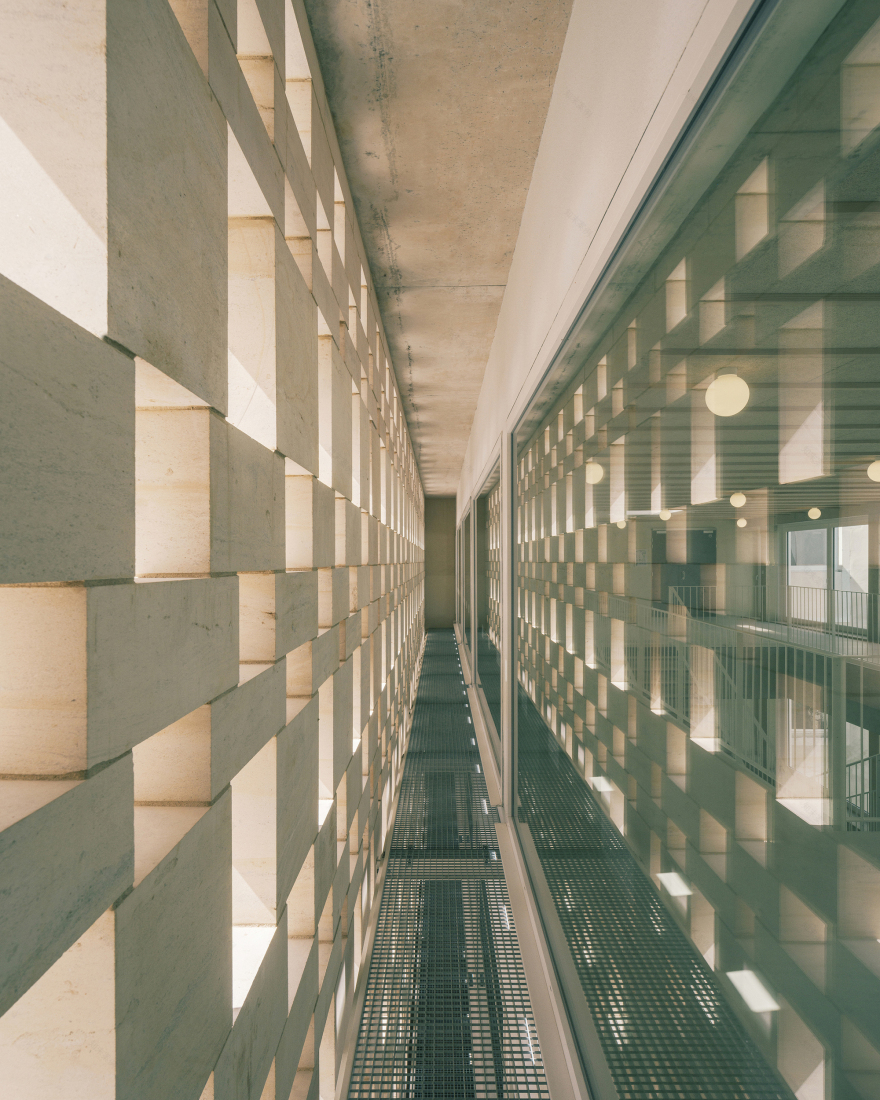
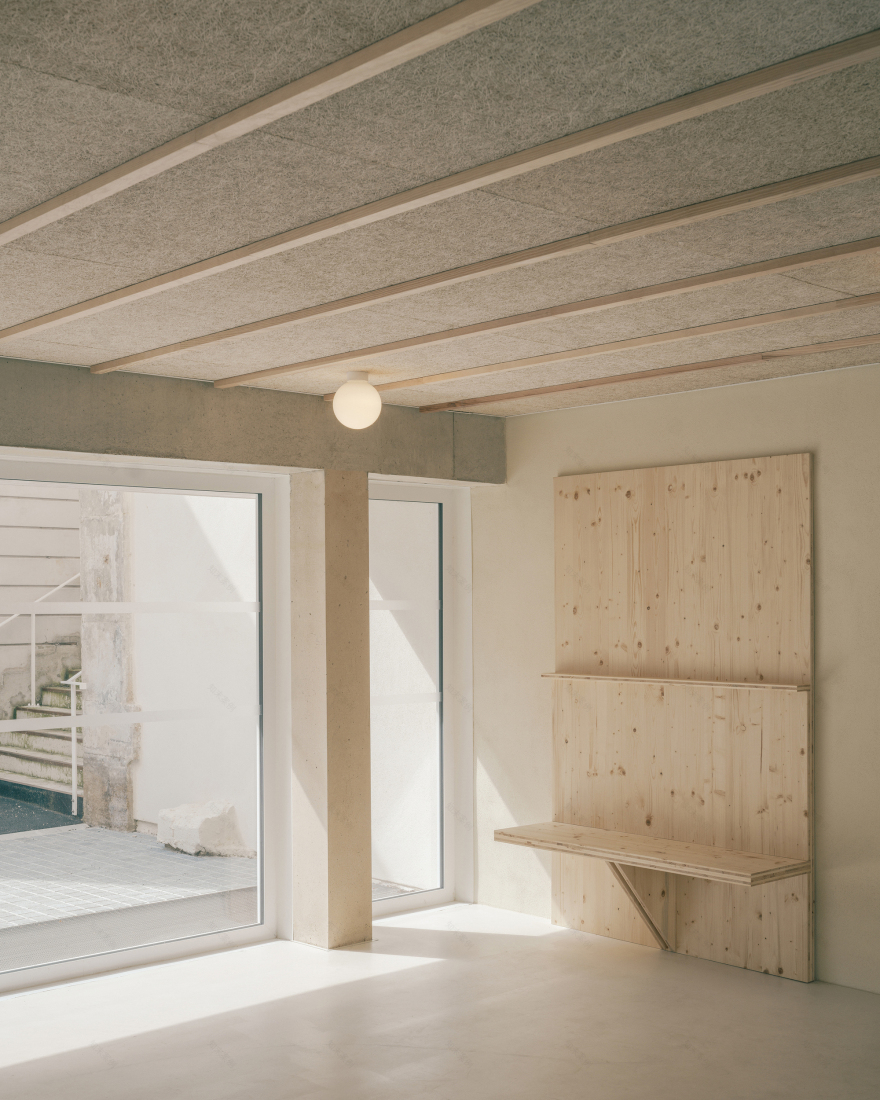
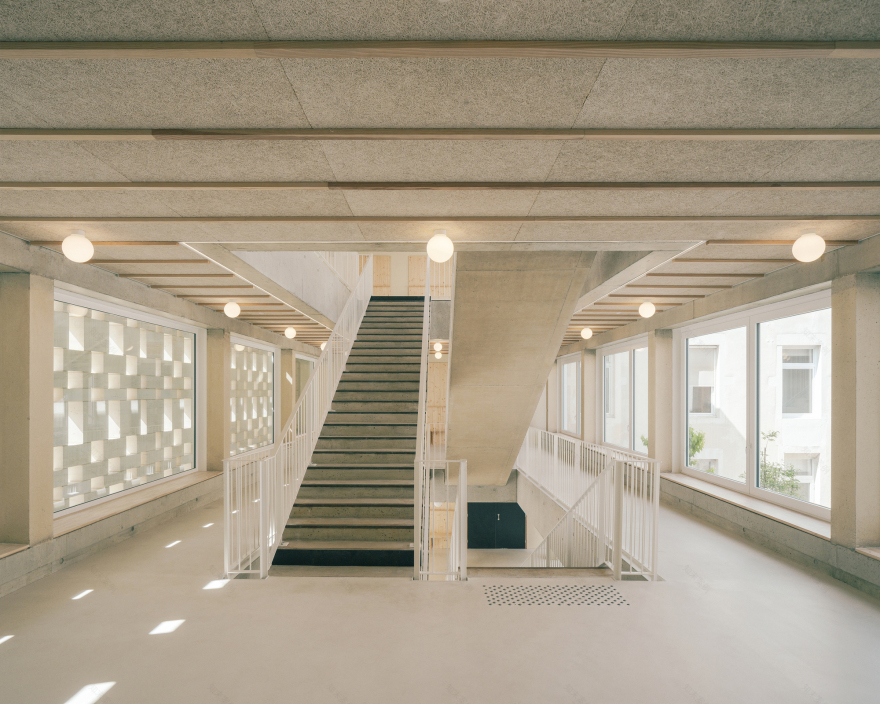
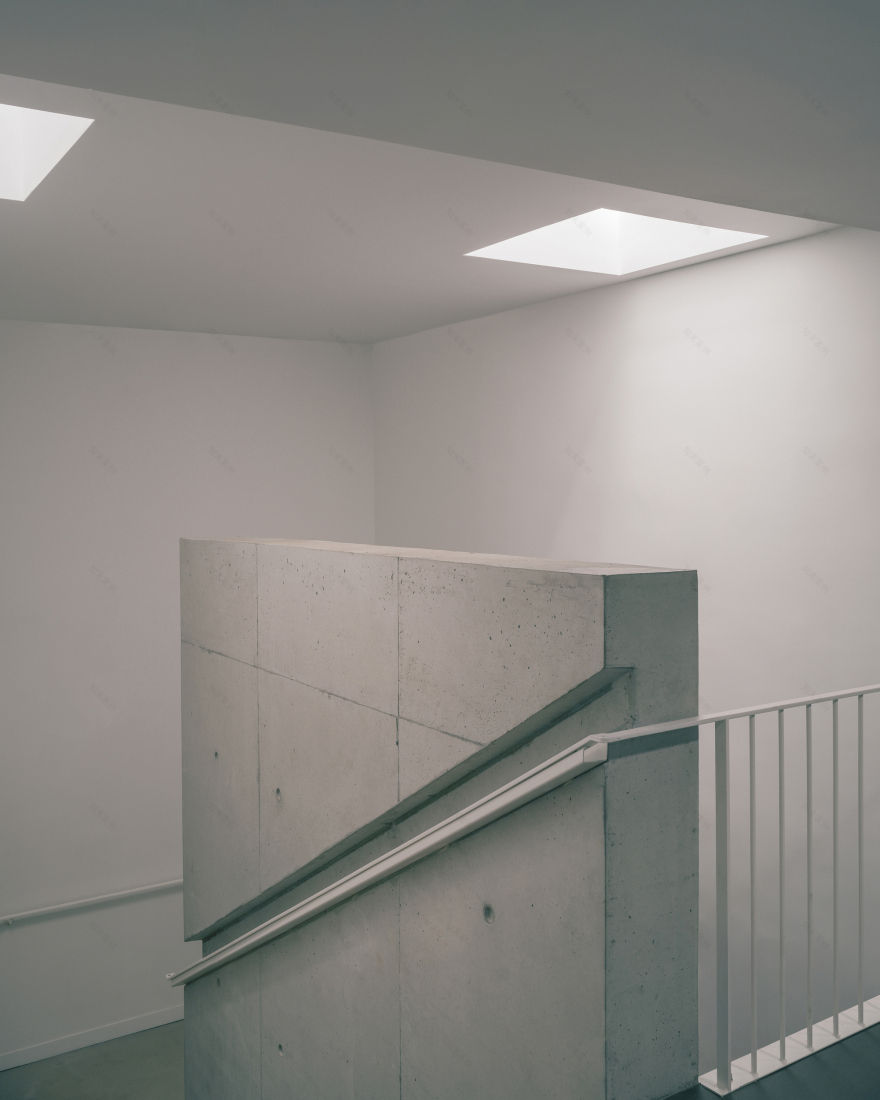
Program and Circulation - The project integrates several academic institutions: the European University Centre (CEU), IPAG, IRT, and the College of Law, Economics, and Management. The functional layout is carefully distributed across the buildings and floors. A central feature of the intervention is the creation of a new circulation core, replacing the demolished Building I. This new volume, set slightly back from Building J, forms a raised gallery that extends the forecourt and opens views to the inner courtyard. It includes a double central staircase with wide landings, serving both as a vertical connector and a communal social space—a multifunctional area that acts as a lobby, corridor, and gathering point.

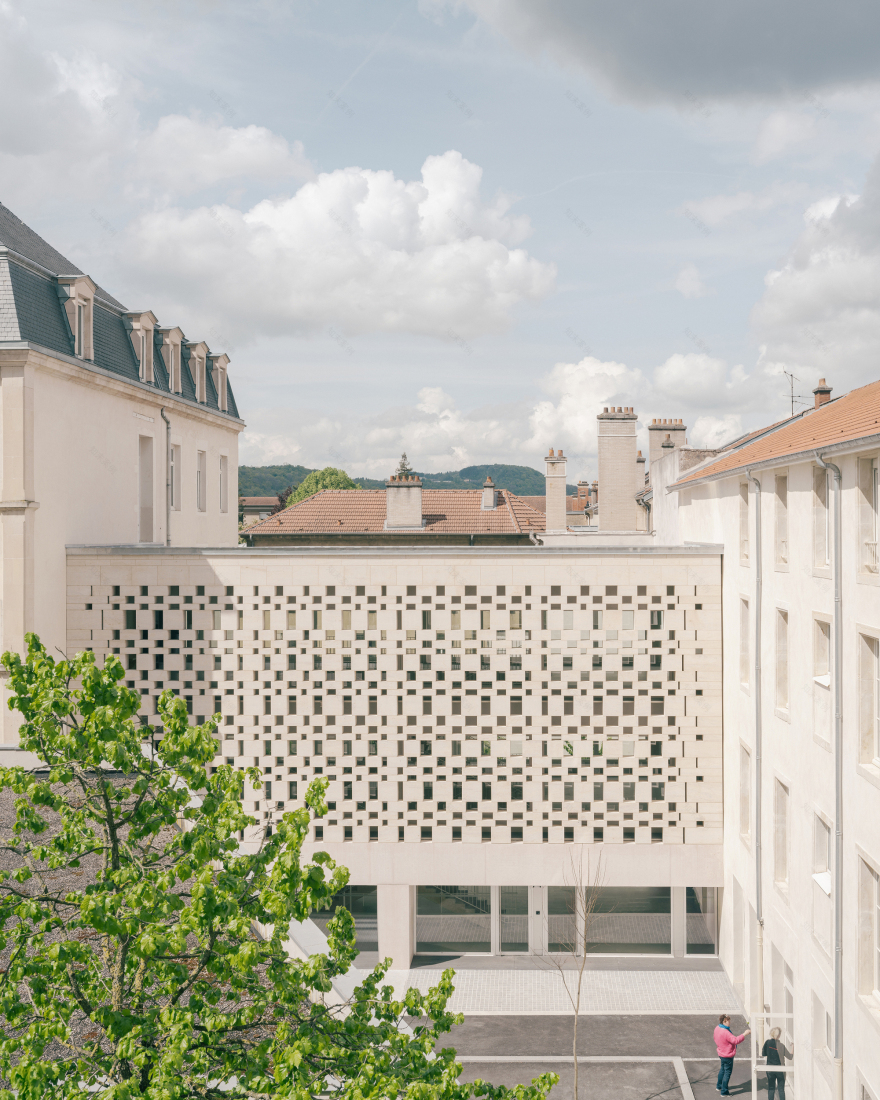
Architectural Expression - The design respects the existing architecture, maintaining original building heights and proportions. The new gallery is built in limestone concrete and follows a symmetrical plan. The façades adapt to their orientation:

On the south side, the gallery is shielded with a perforated Burgundy limestone screen, offering shade and diffused light. Set back from the façade, this claustra creates depth, conceals technical walkways, and harmonizes with the site's material palette. A single central column supports the structure, allowing views and circulation through the garden space, which mirrors the geometry and tones of nearby buildings.

On the north side, large openings bring in diffuse natural light and offer expansive views of the courtyard garden. This façade is finished in lime plaster, echoing the treatment of adjacent buildings. The geometry contrasts with the natural greenery, creating a tranquil, luminous environment. The garden, designed for efficient rainwater absorption, also acts as a summer microclimate—crucial in this mineral-heavy architectural setting. Its visibility from the entrance helps transform what was once a rear access point into a welcoming gateway to the campus.

Sustainability and Comfort - The renovation emphasizes low-tech, efficient energy strategies over complex systems. The gallery's envelope provides excellent thermal and humidity regulation, while upgrades to the existing buildings enhance their energy performance. Natural lighting, passive cooling, and thoughtful material choices contribute to user comfort and environmental sustainability, making well-being a core element of the project's design.

Project gallery








南京喵熊网络科技有限公司 苏ICP备18050492号-4知末 © 2018—2020 . All photos and trademark graphics are copyrighted by their owners.增值电信业务经营许可证(ICP)苏B2-20201444 苏公网安备 32011302321234号
苏公网安备 32011302321234号客服
消息
收藏
下载
最近