

创作上传
VIP
收藏下载
登录 | 注册有礼
查看完整案例

收藏

下载

分享

翻译
The Silence of Space
Architecture is often thought of as static — walls, floors, and ceilings frozen in form. But its true life emerges only when humans inhabit it. This project explores that invisible dialogue, capturing fleeting gestures, pauses, and glances within architectural spaces. Light bends around movement, shadows stretch across surfaces, and every frame reveals how space transforms when it is experienced.
Human Moments in Architecture
Through cinematic framing and careful attention to light, scale, and composition, the work emphasizes human presence as the ultimate design catalyst. Each render and animation becomes a story: corridors breathe, corners hold memory, and emptiness becomes charged with emotion. By focusing on people rather than buildings, this project turns architecture into living narrative, revealing the poetry of everyday moments in space.
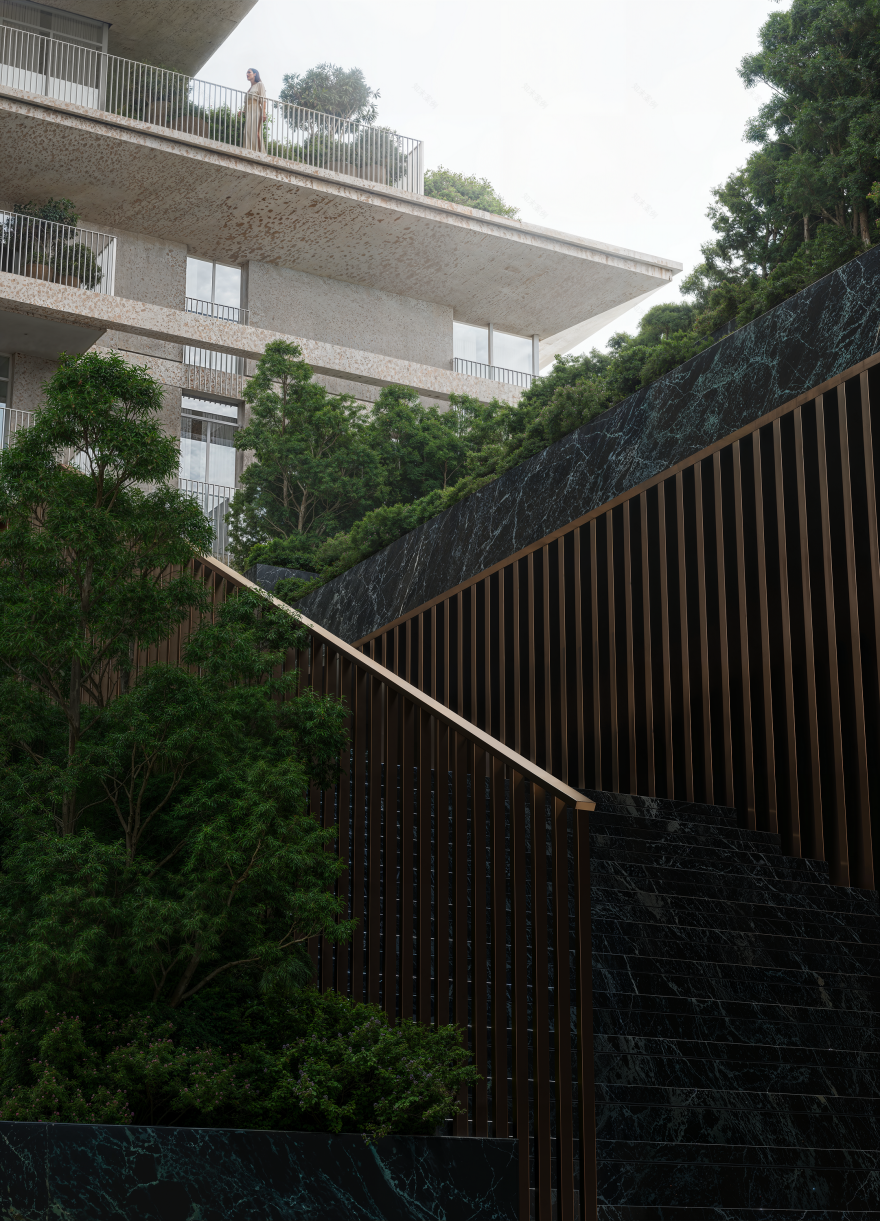
A figure pauses, caught between silence and movement. The space listens, holding the weight of that stillness like an unspoken secret.

Light grazes the body as if it knows it belongs there. In that instant, the architecture becomes less about walls and more about presence.

Two figures cross paths without words. The geometry around them frames their encounter, as if the building itself witnessed the meeting.


Eyes lift upward, searching for something beyond stone and glass. The ceiling becomes not just structure, but a canvas for longing.

Shadows grow, stretching farther than the figures who cast them. They carry memory into corners where light cannot reach.
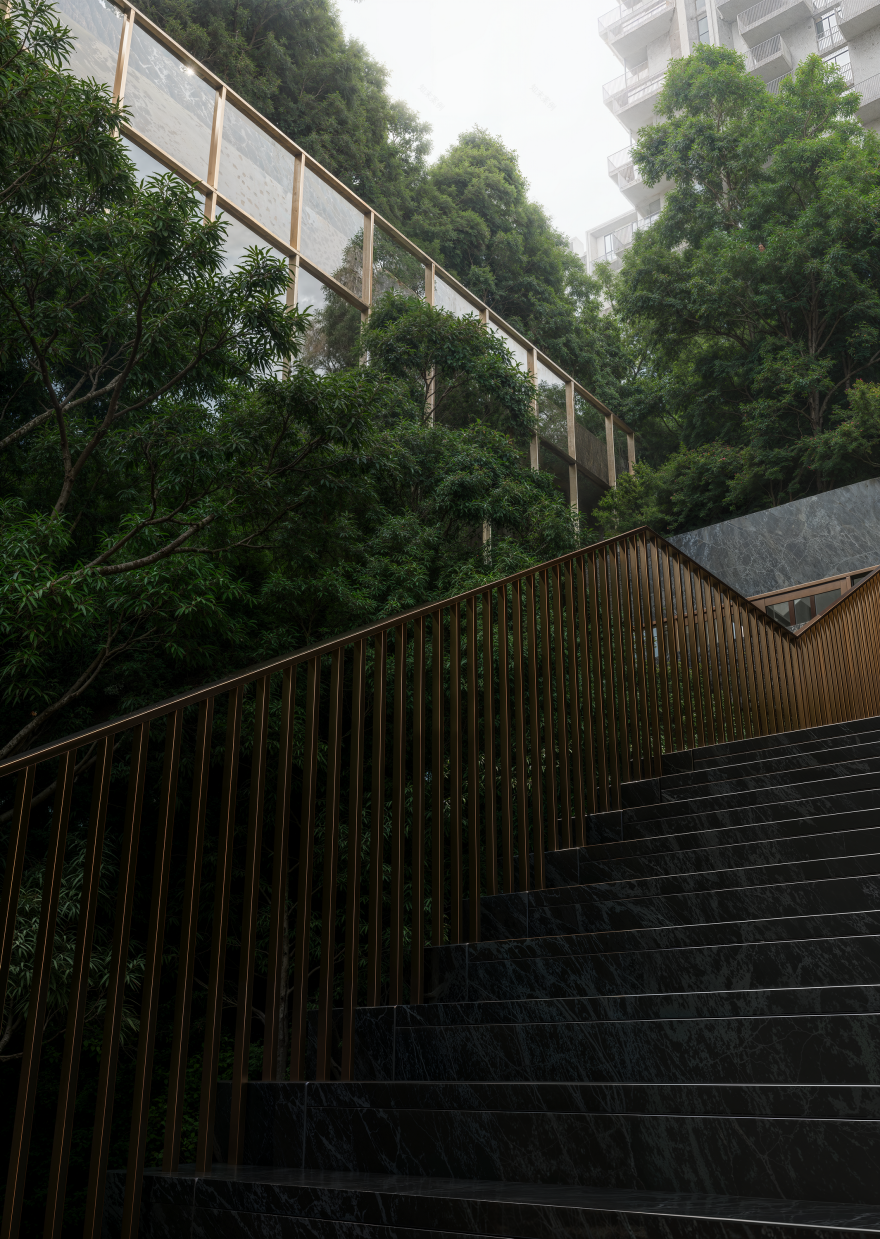
For a breath, stillness takes over. The air is thick with quiet, and the walls seem to expand and contract, like lungs remembering how to breathe.

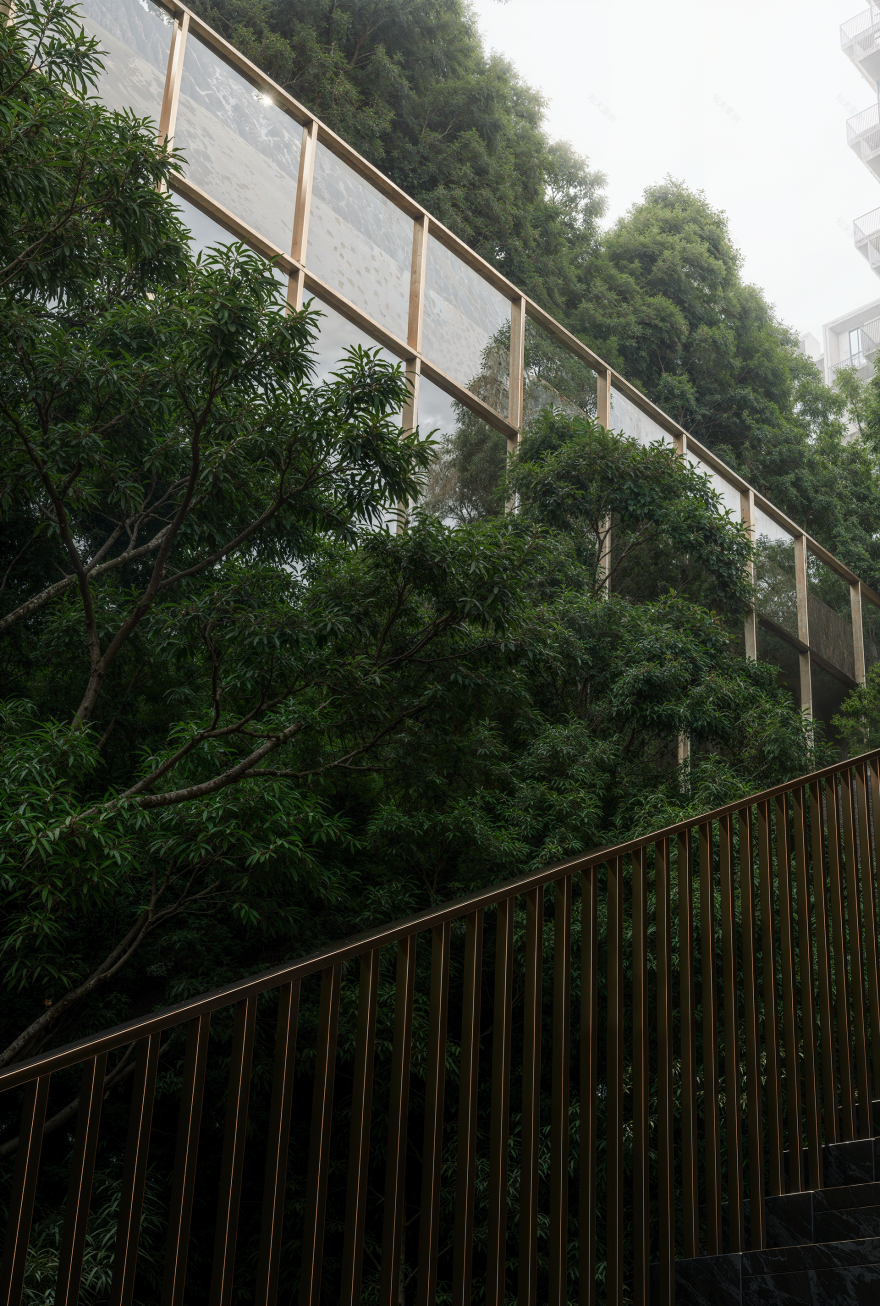
Voices drift into rhythm, bouncing softly off hard surfaces. In their echoes, conversation becomes music made by architecture itself.

A simple step inscribes invisible lines into the geometry. Movement becomes a drawing, temporary but no less real.
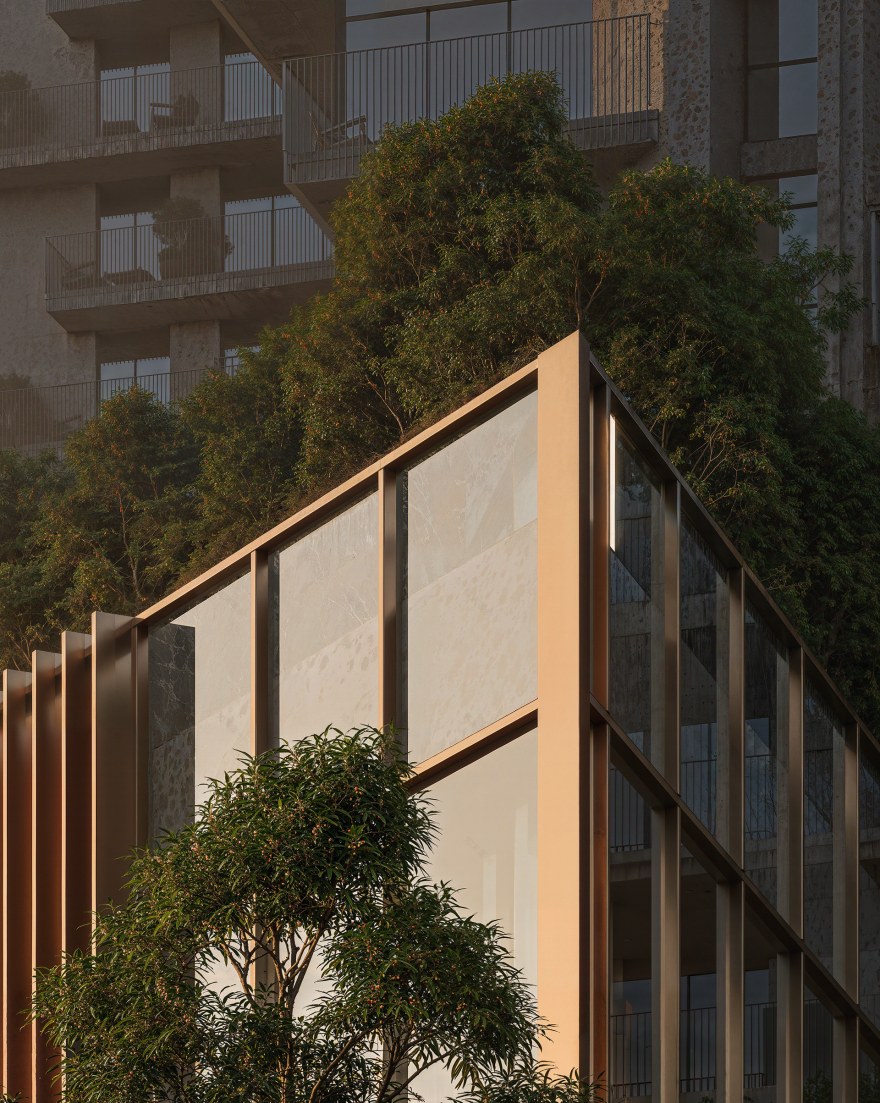

Silence becomes louder than any sound. The absence of noise feels charged, as though the space itself is speaking back.

Every wall carries the imprint of presence. Footsteps fade, but their echoes cling to the surfaces, refusing to disappear.


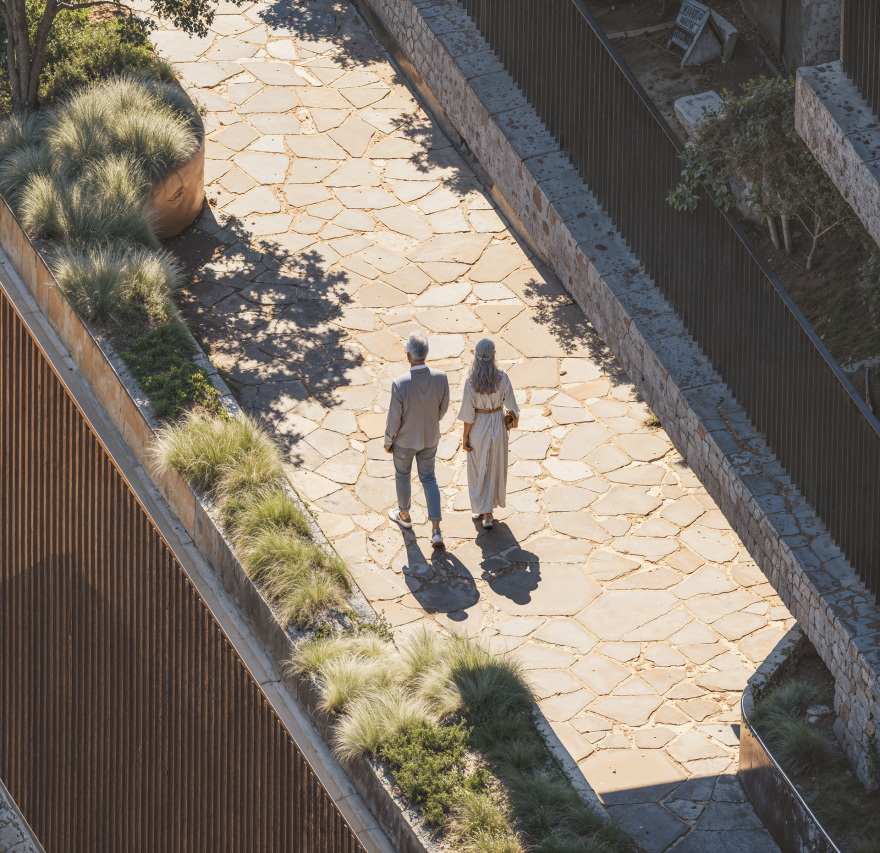


Light fractures across surfaces, scattering like memory — fleeting, impossible to hold, yet impossible to forget.

Where light falls, presence follows. Space awakens only when people inhabit it.

Stillness is not the absence of motion, but the presence of awareness. The air thickens when the body stops.
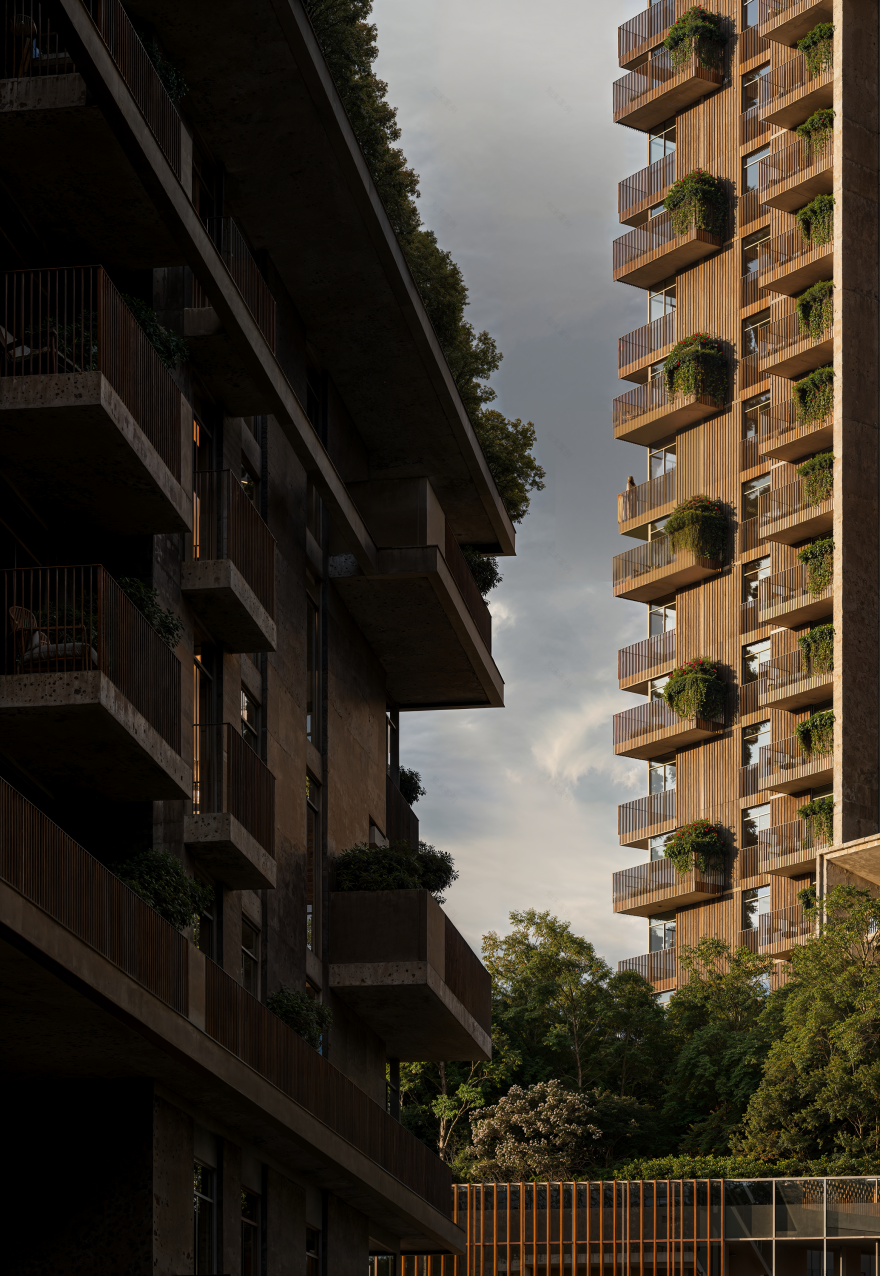
Architecture becomes theater, and every passerby unknowingly performs a scene written by space itself.

As light fades, the space shifts. What was once solid begins to feel fragile, like memory dissolving into air.

What remains is not the building itself, but the feeling it leaves behind — fleeting, fragile, yet deeply human.
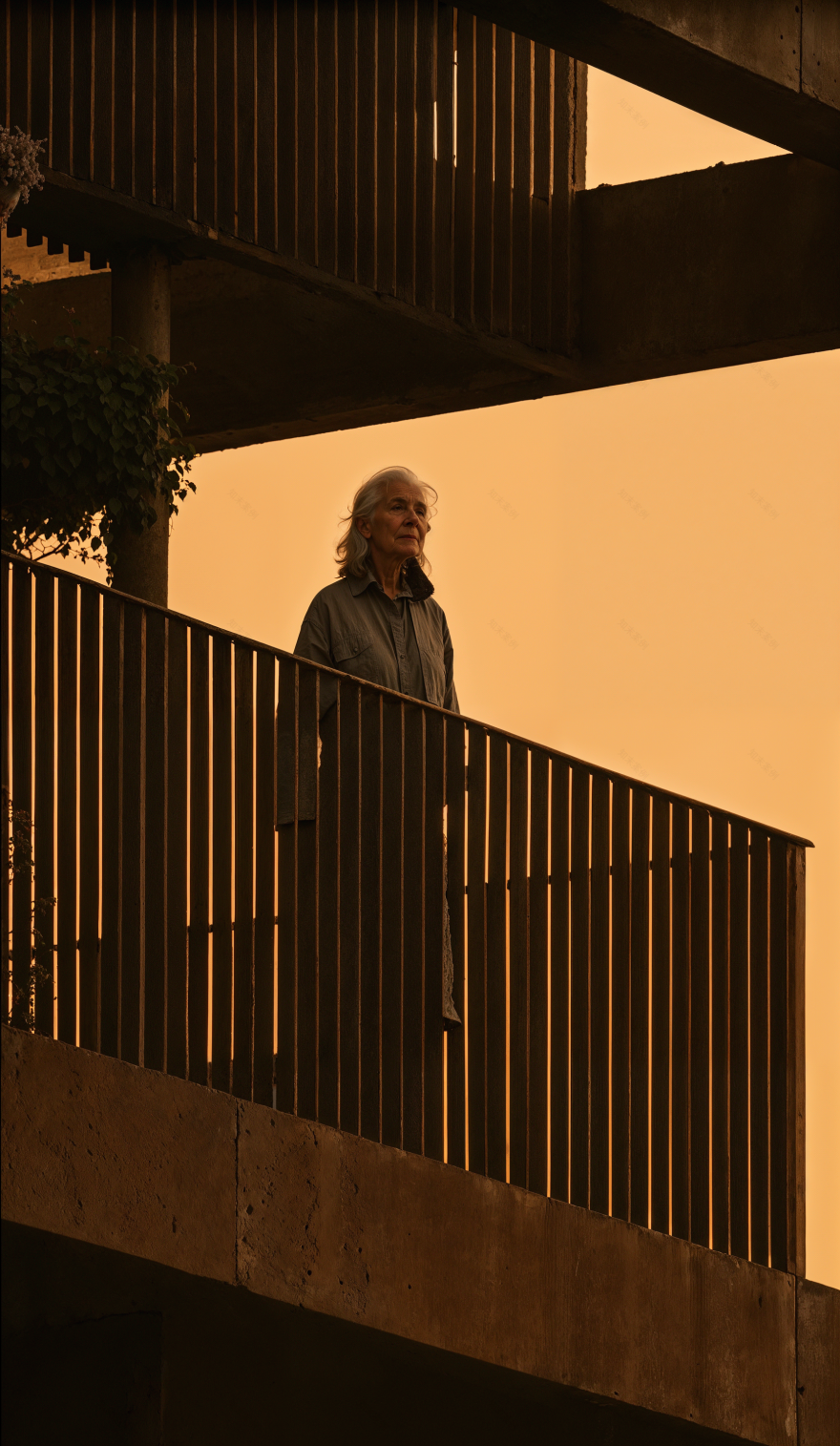
Light does not just illuminate — it chooses, it frames, it gives importance to what would otherwise remain unseen.

Presence reshapes emptiness — what was once hollow becomes charged with memory the moment someone passes through.

Light, shadow, and body language transform empty structures into living environments. This work is less about the building itself and more about the emotions that emerge when people move within it.
This animation explores the invisible relationship between people and architectural space. Every step, every pause, and every glance reshapes the environment, turning silence into story and shadow into witness.
Through the subtle choreography of humans, light, and architecture, this project reveals that space is not merely built, but lived. Every shadow, every step, every glance tells a story — a fleeting, intimate narrative that transforms walls into memory.
Technical Profile
3D Modeling: 3ds MaxRendering Engine: Corona RendererPost-Production: Adobe PhotoshopAI Enhancement: Magnific AIAnimation & Editing: Runway - Google Flow
Design Language
Human Presence as Catalyst: Architecture is revealed not by its form alone, but by how people move within it.Light and Shadow as Material: Shadows stretch, overlap, and dissolve, becoming as vital as walls.Spatial Silence: Empty corridors and pauses in movement carry as much weight as activity.Temporal Fragments: Each frame is less about permanence and more about fleeting human moments.
Approach
Cinematic Lighting Logic: Every highlight and shadow is staged intentionally.
Human-Centered Scale: Spaces measured by gestures, footsteps, and pauses.
Composition-First Methodology: Each render treated as a standalone narrative.
Minimal Post-Intervention: Atmosphere and emotion are created in-render with subtle refinement.
Curious for more?
Visit our website for more visualization stories: https://rudepeople.ae/
南京喵熊网络科技有限公司 苏ICP备18050492号-4知末 © 2018—2020 . All photos and trademark graphics are copyrighted by their owners.增值电信业务经营许可证(ICP)苏B2-20201444 苏公网安备 32011302321234号
苏公网安备 32011302321234号客服
消息
收藏
下载
最近