

创作上传
VIP
收藏下载
登录 | 注册有礼
查看完整案例

收藏

下载

分享
位于瓦哈卡市历史悠久的索奇米尔科街区,Casa Arco将一段古老的高架水渠转化为当代住宅的生活核心。项目通过开放的底层、金属包覆的上部体量,以及铺设热带木材的下层,将原有拱门加以保留与框景。在97平方米的地块上建造200平方米的建筑面积,住宅融合了气候响应型设计策略、当地材料,以及与艺术家Sabino Guisu和Doktor Lakra的艺术合作,营造出一个既与历史、气候和文化认同对话,同时又体现永久性与尊重的空间,在遗产丰富的环境中彰显分量。
Located in Oaxaca City’s historic Xochimilco neighborhood, Casa Arco transforms a fragment of the aqueduct into the living core of a contemporary home. The project preserves and frames the original arch through an open ground floor, a metal-clad upper volume, and a lower level lined with tropical wood. With 200 m2 of construction on a 97 m2 plot, the house integrates climate-conscious design strategies, local materials, and artistic collaborations with Sabino Guisu and Doktor Lakra, generating a space that dialogues with history, climate, and cultural identity while projecting permanence and respect in a heritage-rich context.
▼外观概览,Exterior © Pacu

从一开始,Casa Arco就被设想为一个感官避所,不与其历史环境竞争。设计方案尊重水渠的尺度和材质,在底层和地下层采用绿色Cantera石材与石灰砂浆,而金属包覆的上层体量则引入了现代解读,同时不破坏视觉平衡。这种“底部传统,上方现代”的二元性,通过完全开放的出入口得到强化,使拱门视野不受阻碍,并与光线和空气直接接触。入口序列延伸了街道本身,作为气候和视觉的过渡,使住宅始终与街区脉动保持联系。
▼建筑立面,Facade © Pacu


▼入口门,Entrance door © Pacu

建筑功能分布在三层,使用和私密性分级明确。底层作为公共空间,水渠的视野保持通透,尺度与质感得以保留。上层设置一间卧室,位于轻盈的金属体量中,可捕捉晨光并框景城市景观。下层采用本地采集的Tzalam木材包覆,安置第二间卧室,为使用者营造温暖而私密的氛围。垂直布局辅以庭院与策略性天窗,增强了自然通风与采光,通过被动设计最大化舒适度。
The program unfolds across three levels with clear hierarchies of use and privacy. The ground floor functions as a public space where the aqueduct remains visually unobstructed, preserving its scale and texture. The upper floor houses a bedroom within a light metallic volume designed to capture morning light and frame views of the urban landscape. The lower level, clad in locally sourced tzalam wood, shelters a second bedroom that envelops the user in a warm and intimate atmosphere. Vertical organization, complemented by patios and strategically placed skylights, enhances cross ventilation and natural lighting, maximizing comfort through passive solutions.
▼起居空间概览,Living area © Pacu


▼起居室旁的水池,Pool next to the living room © Pacu

▼水池近景,Pool close view © Pacu

材质成为连接古今的桥梁,强化了建筑与场地的整体性。除了水渠的绿色Cantera石材,设计还采用Tzalam和桉树木材、结构钢,以及由当地工匠制作的混凝土和砖元素。纹理和色调不仅追求美学和谐,还考虑瓦哈卡气候下的温度调节与声学效果。这种用心确保住宅能以尊严老去,随着时间自然融入城市景观。
Materiality acts as a bridge between old and new, strengthening the project’s coherence with its site. Alongside the aqueduct’s green cantera stone, the design incorporates tzalam and eucalyptus woods, structural steel, and elements in concrete and brick, crafted by local artisans. Textures and tones were chosen not only for aesthetic harmony but also for their ability to regulate temperature and acoustics in Oaxaca’s climate. This attention ensures the house will age with dignity, naturally blending into the urban landscape over time.
▼餐厨空间,Kitchen and dining area © Pacu


▼厨房操作台,Kitchen worktop © Pacu

▼厨房操作台近景,Kitchen worktop close view © Pacu

室内空间以简洁线条和定制家具延伸建筑表达,保证空间间视觉与功能的连续性。亮点包括实木餐桌及外露榫卯结构、为主客厅量身定制的低靠背模块化沙发,以及面向窗户的内置长凳,可捕捉晨光。泥土色调、暖光照明和有机材质营造出宁静且永恒的氛围。浴室使用石材洗手盆及含矿物骨料的树脂饰面,兼具坚韧与低调;厨房被设想为聚会空间,结合热带木橱柜、宽敞台面与拉丝钢金属配件,确保耐用性。
Inside, clean lines and custom furniture extend the constructive expression of the architecture, ensuring visual and functional continuity between spaces. Highlights include a solid wood dining table with exposed joinery, a low-back modular sofa custom-made for the main living room, and a built-in bench by the window that captures morning light. Earthy tones, warm lighting, and organic textures shape a serene and timeless atmosphere. Bathrooms feature stone sinks and resin finishes with mineral aggregates for resilience and sobriety, while the kitchen—conceived as a gathering place— combines tropical wood cabinetry, expansive countertops, and brushed steel fittings to ensure durability.
▼餐桌近景,Dining table © Pacu


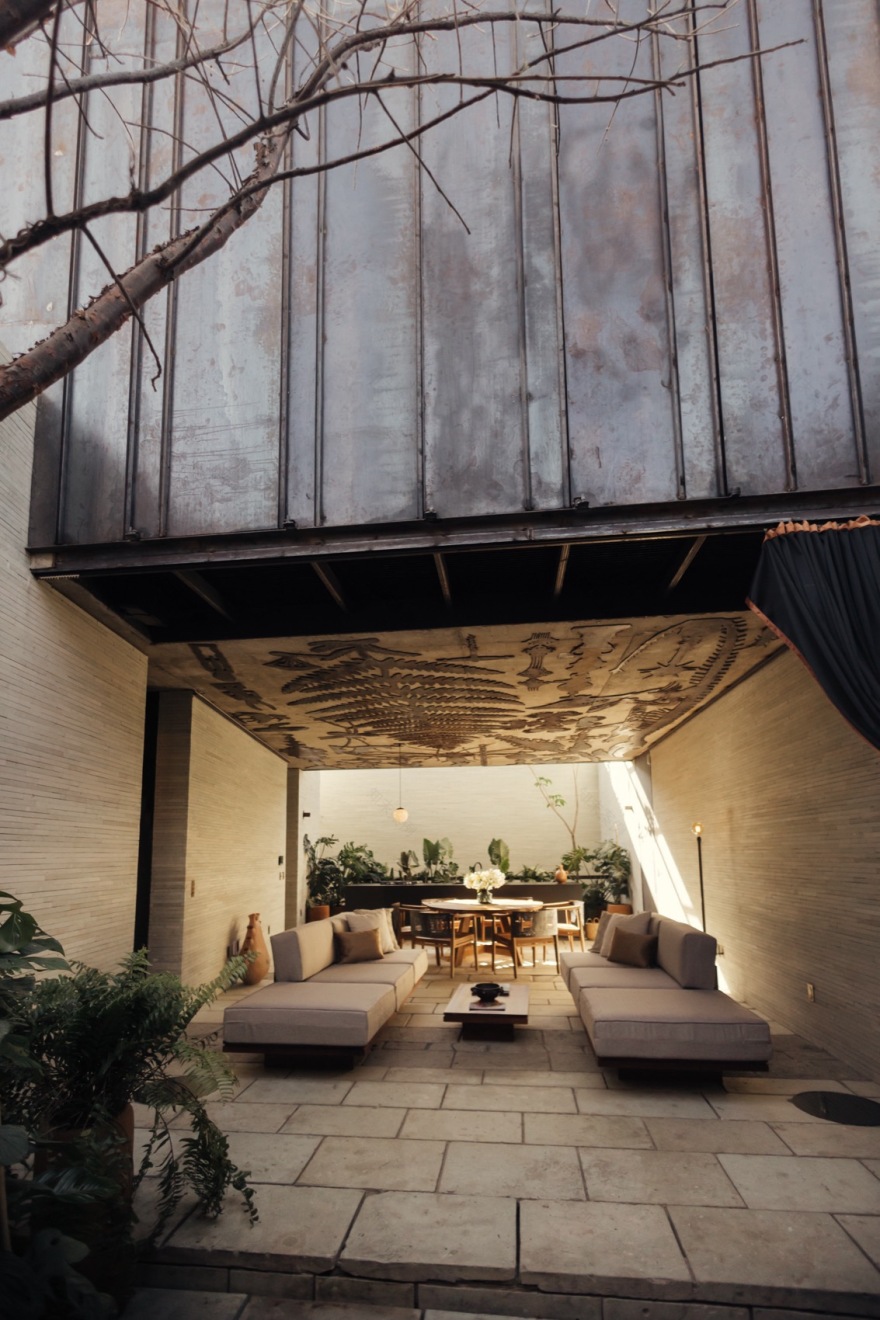
最具特色的元素之一是主起居区的钢制天花板,融入了艺术家Sabino Guisu和Doktor Lakra的艺术干预。作品与结构融为一体,将表面转化为一块“活的画布”,光影在一天中生成不断变化的图案。这一艺术手法使天花板成为叙事元素,丰富建筑体验,凸显项目的跨学科特性。RootStudio由此再次证明了其将工艺与艺术融入深植于瓦哈卡文化身份的当代建筑实践的能力。
One of the most distinctive features is the steel ceiling of the main living area, with interventions by artists Sabino Guisu and Doktor Lakra. The artwork, integrated into the structure itself, transforms the surface into a living canvas where light and shadows compose shifting patterns throughout the day. This artistic gesture turns the ceiling into a narrative element, enriching the architectural experience and underscoring the project’s interdisciplinary character. RootStudio thus reaffirms its ability to integrate craft and art into a contemporary architectural practice deeply rooted in Oaxaca’s cultural identity.
▼钢制天花板,The steel ceiling © Pacu

Casa Arco采用环境敏感型设计措施,如精准朝向、自然通风、室内庭院与低冲击材料,实现稳定微气候,而无需依赖侵入性技术。原有拱门的保留避免了拆除或替换带来的环境成本,同时强化了赋予现有结构新意义的价值。选用当地材料减少运输带来的碳排放,而手工工艺则保证传统建筑技术的延续。这一方法表明,可通过敏感性和场地认知实现可持续性,而无需依赖复杂技术方案。
Casa Arco applies environmentally sensitive design measures such as precise orientation, cross ventilation, interior courtyards, and low-impact materials to achieve a stable microclimate without resorting to invasive technologies. The preservation of the original arch avoids the environmental costs of demolition or replacement, reinforcing the value of ascribing new meaning to existing structures. The choice of local materials reduces emissions associated with transport, while artisan labor ensures the continuity of traditional construction techniques. This approach demonstrates that sustainability can be achieved through sensitivity and contextual knowledge, without relying on complex technological solutions.
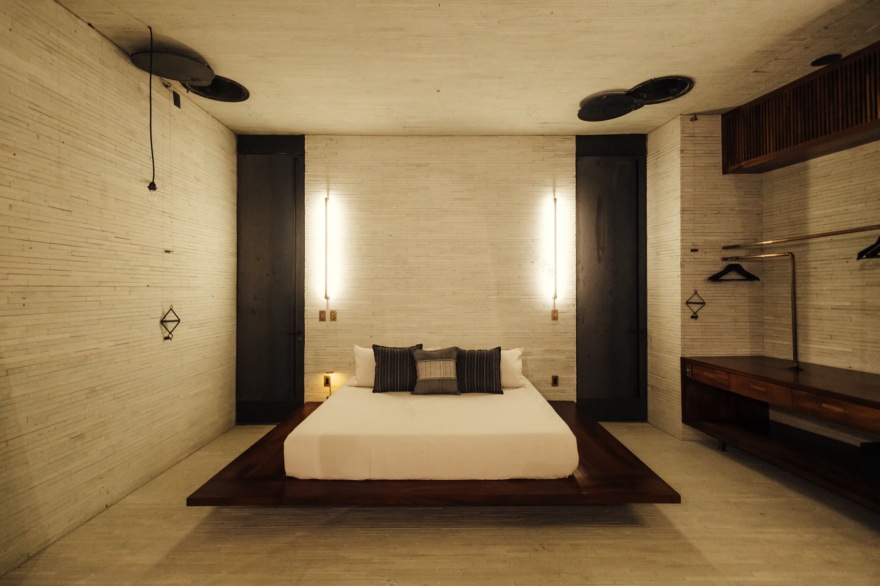
▼卧室,Bedroom © Pacu


▼卧室,Bedroom © Pacu
Casa Arco是在遗产环境中建造而不削弱其本质的宣言。通过保护并居住在历史遗迹中,项目不仅保存记忆,还强化社区认同,促进过去与现在的持续对话。RootStudio由跨学科团队组成,涵盖建筑、室内设计及施工,以技术、敏感性与场地尊重为纽带,提供超越潮流的建筑启示:如根扎入土般自然地融入环境,成为瓦哈卡景观与历史的活生生组成部分。
Casa Arco stands as a manifesto for building within heritage contexts without displacing their essence. By conserving and inhabiting a historic vestige, the project not only preserves memory but also strengthens neighborhood identity and fosters an ongoing dialogue between past and present. With its ability to unite technique, sensitivity, and respect for place, RootStudio—composed of an interdisciplinary team spanning architecture, interior design, and construction—offers a lesson that transcends trends: an architecture that settles into the earth as naturally as roots, remaining a living part of Oaxaca’s landscape and history.
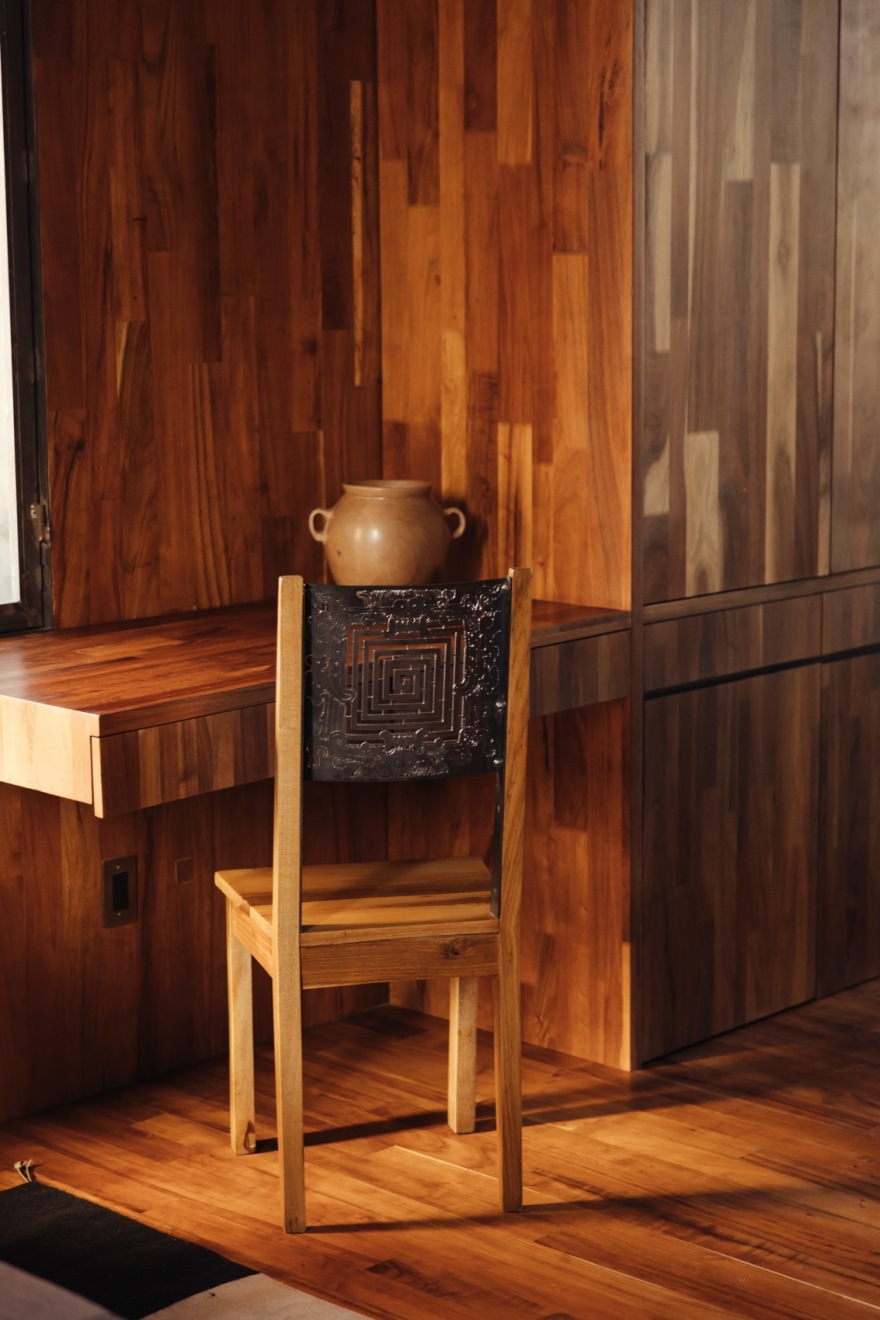
▼书桌与展架,Desks and display racks © Pacu

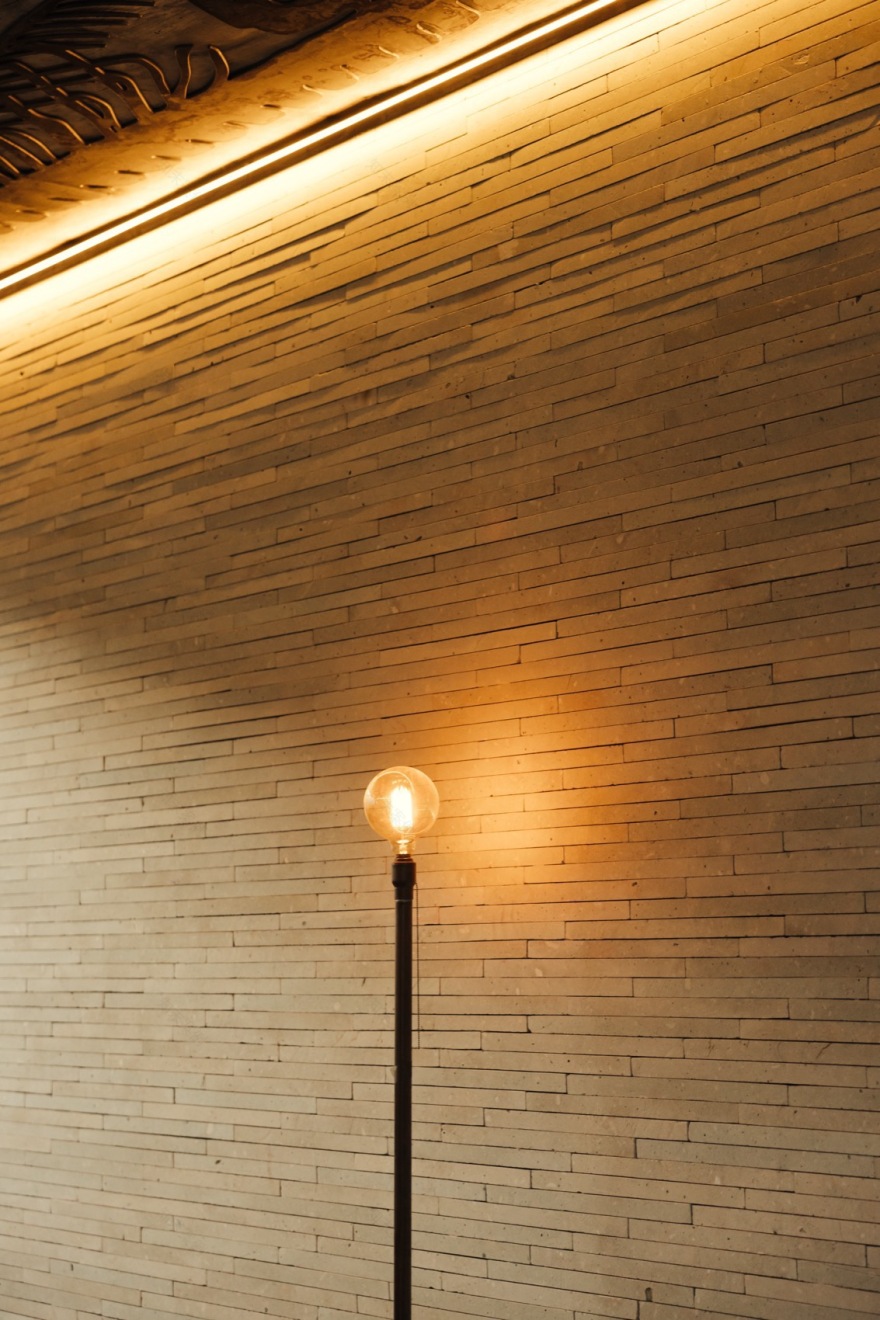
▼灯具与光影,Lamps and light and shadow © Pacu

▼楼梯与卫生间,Stairs and toilet © Pacu


Photo credits: ©Pacu

南京喵熊网络科技有限公司 苏ICP备18050492号-4知末 © 2018—2020 . All photos and trademark graphics are copyrighted by their owners.增值电信业务经营许可证(ICP)苏B2-20201444 苏公网安备 32011302321234号
苏公网安备 32011302321234号客服
消息
收藏
下载
最近