

创作上传
VIP
收藏下载
登录 | 注册有礼
查看完整案例

收藏

下载

分享

翻译

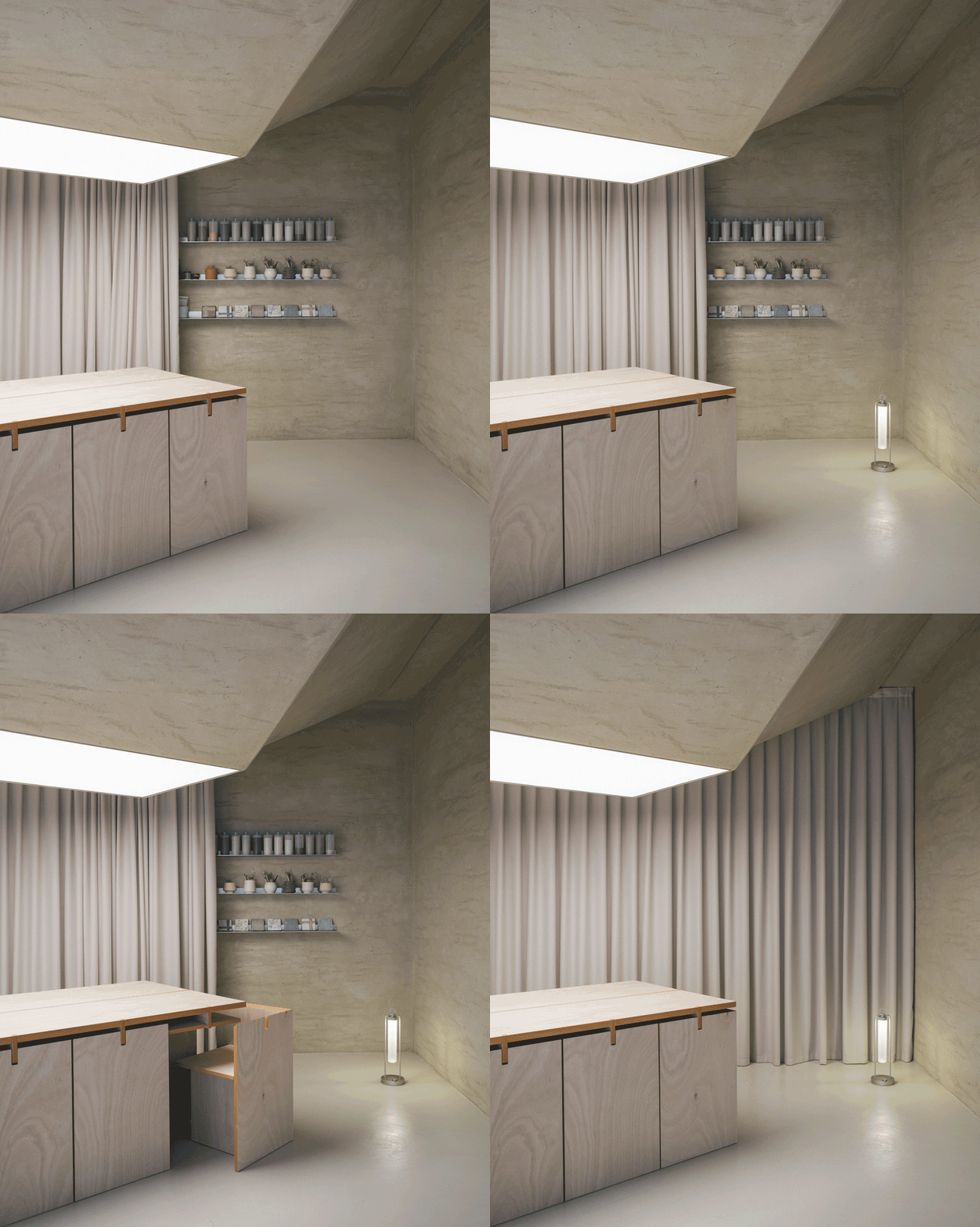

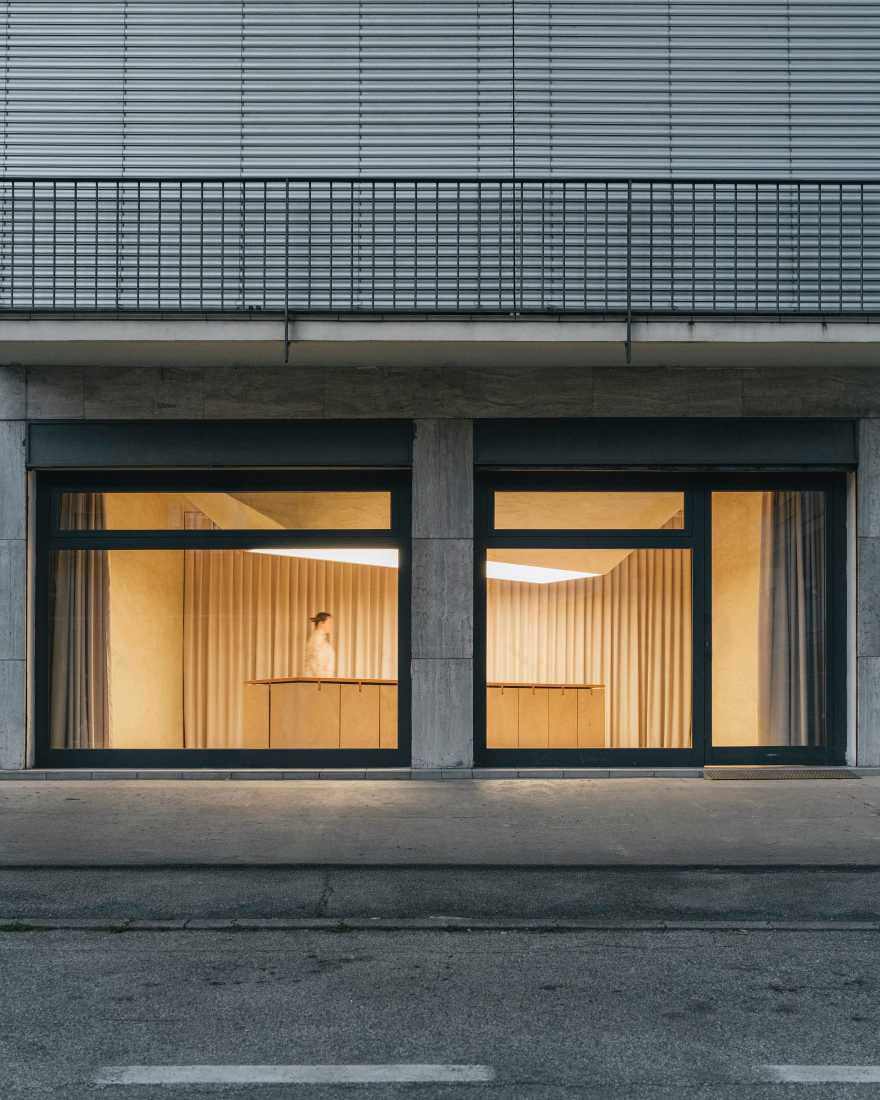
In the northern Italian city of Padova, Atelier Architettura Chinello Morandi (AACM) has created a ceramic workshop that doubles as an exhibition space—a space where architecture tells the story of terracotta craftsmanship. Mosca Bianca isn’t your typical workshop; it’s a 50-square-metre space where every design decision reflects the pottery process.
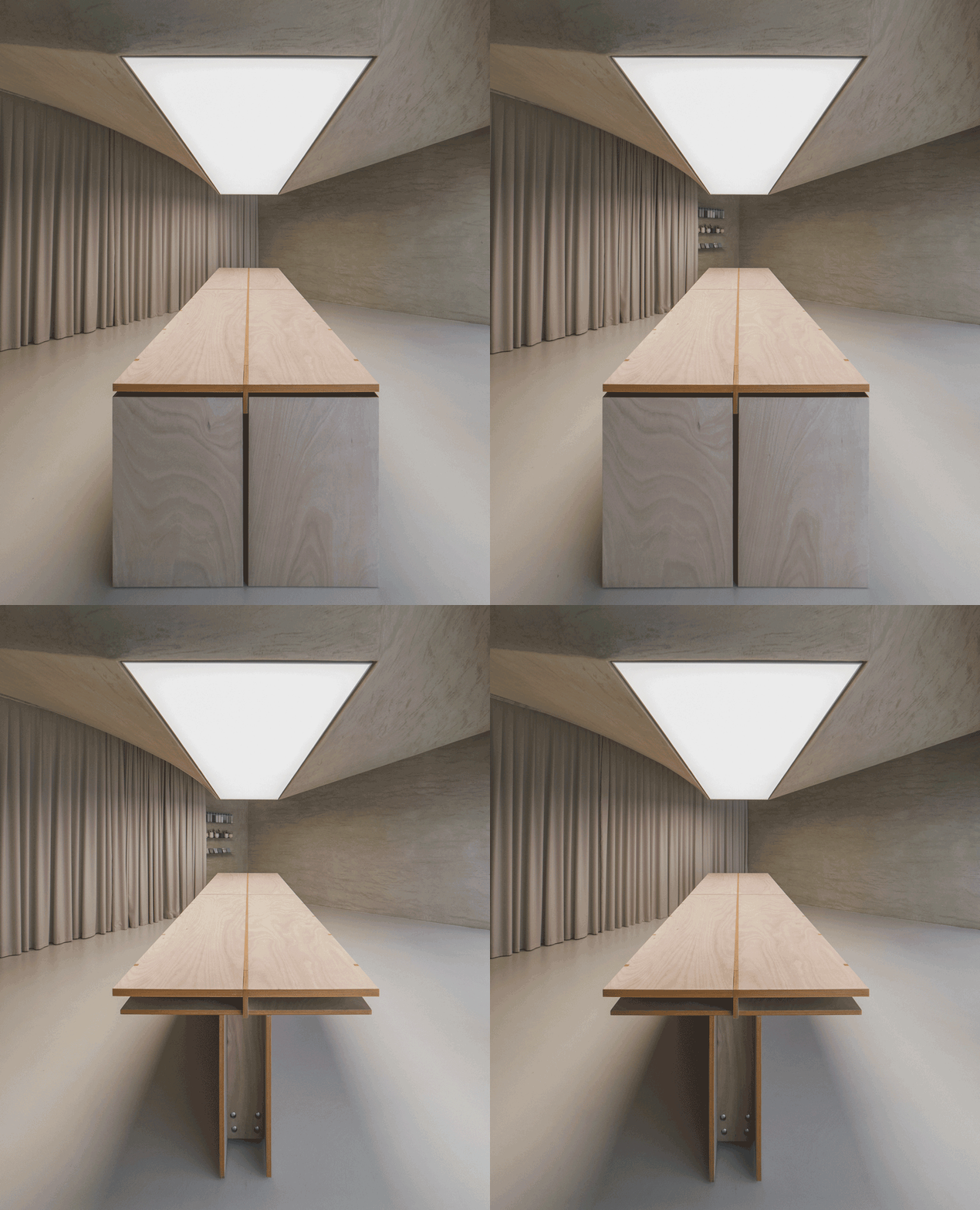
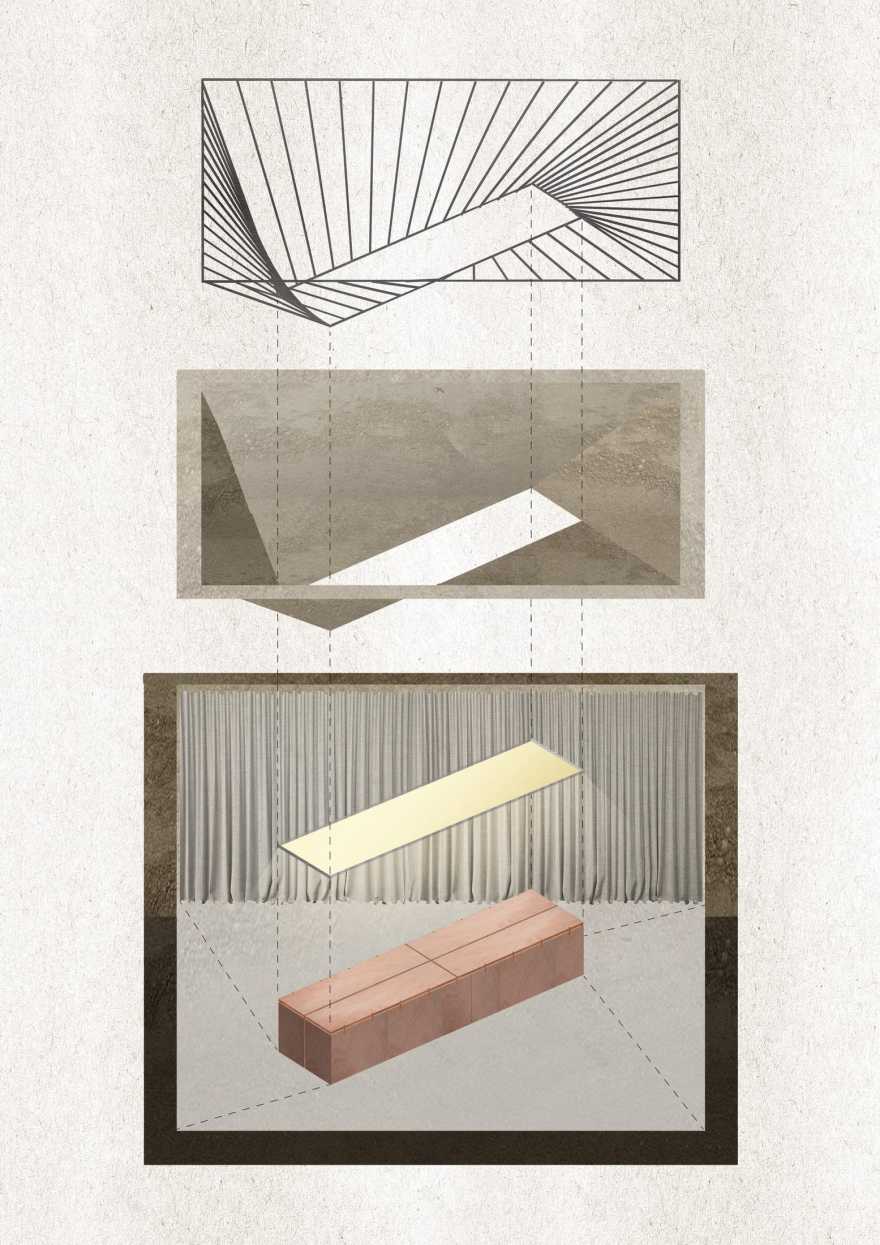
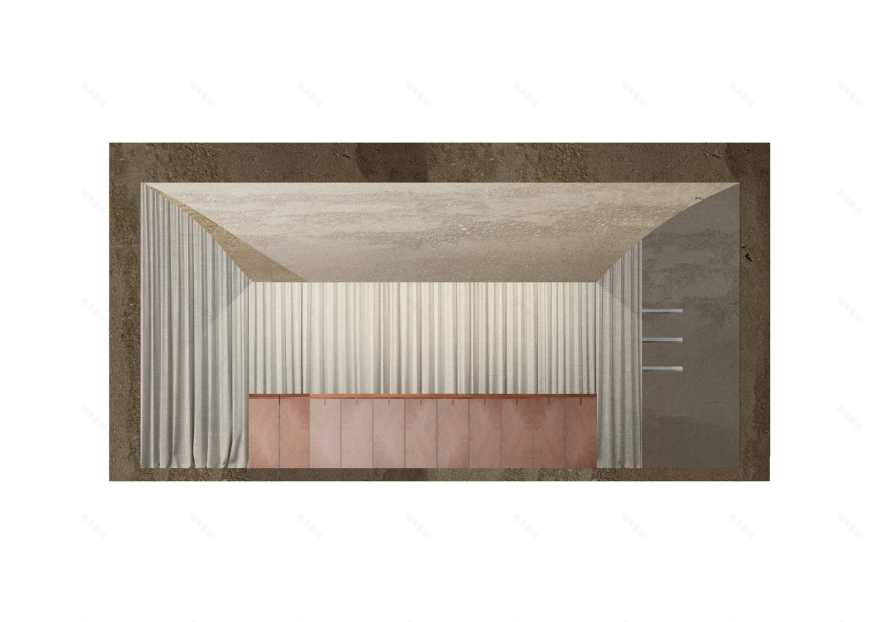
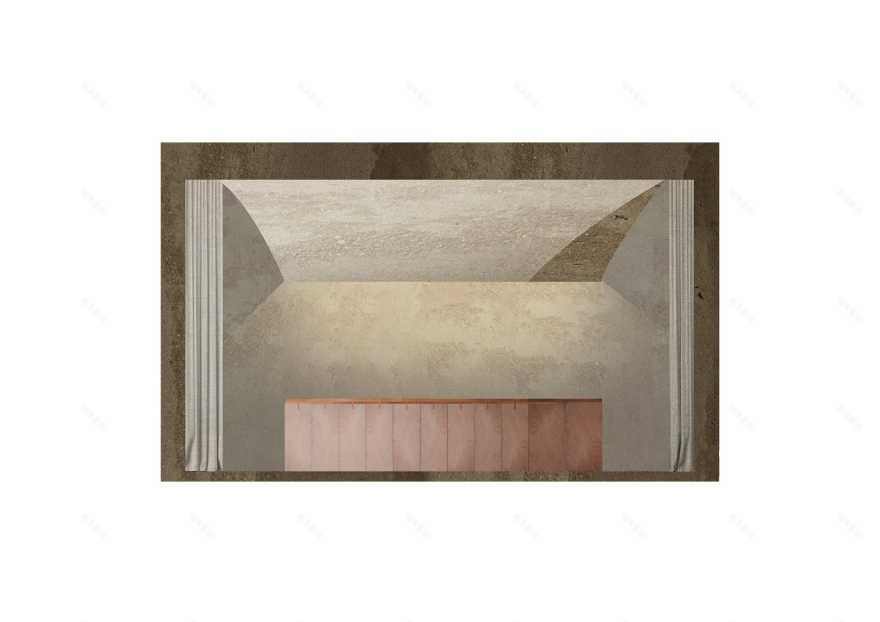
Architects Nicolò Chinello and Rodolfo Morandi have shaped the interior like clay on a potter’s wheel. The ceiling twists and curves, creating a centripetal force that draws your attention to a single zenithal light source. It’s a physical manifestation of the ceramic process, where clay responds to the potter’s hands and the wheel’s rotation.
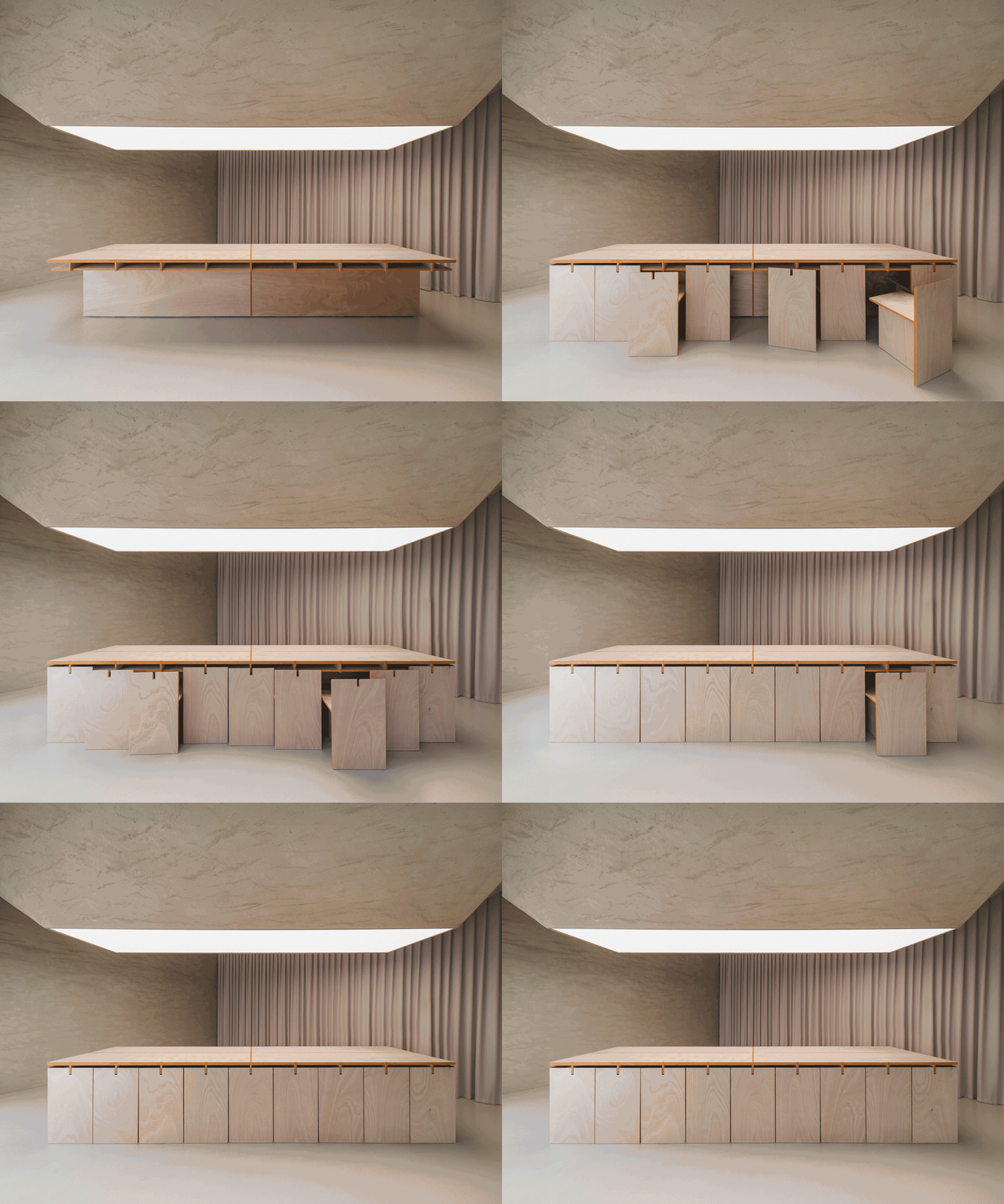
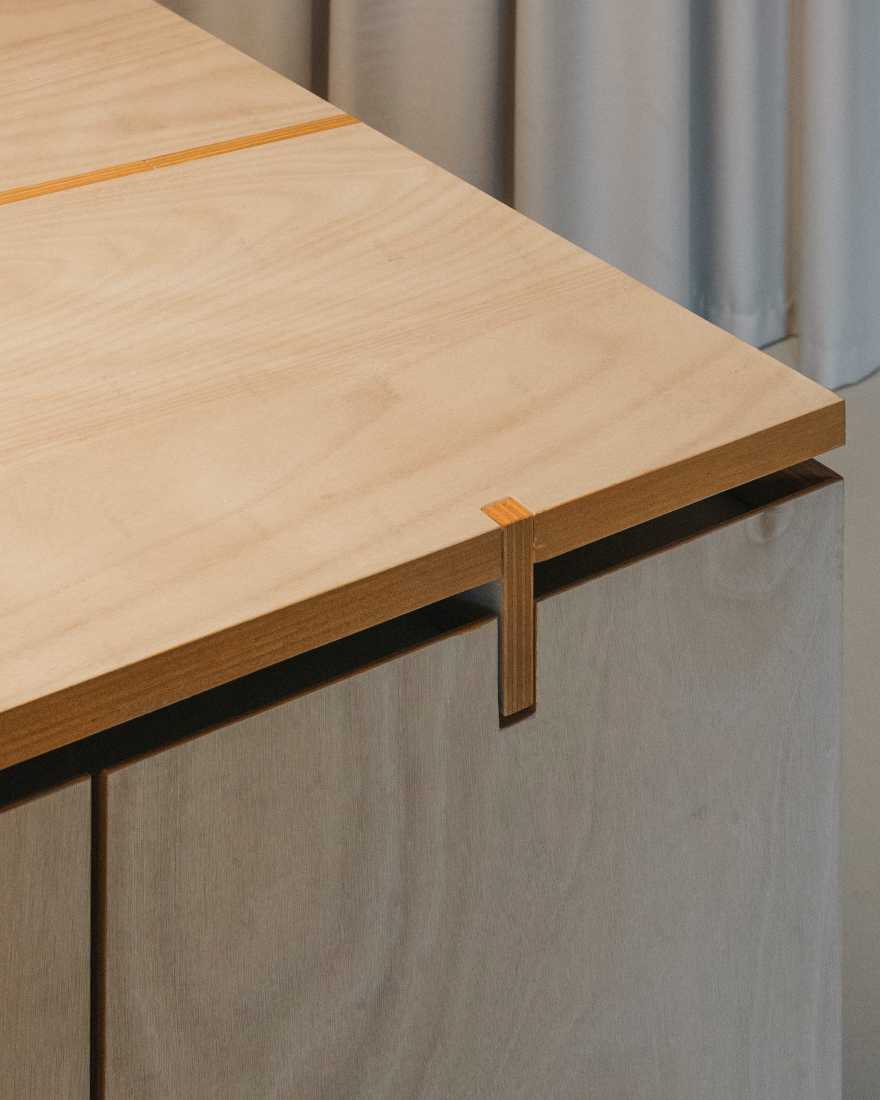
The workshop’s centrepiece is a diagonal exhibition altar that initially appears monolithic but reveals its tectonic nature upon closer inspection. When the sides fold open to expose working seats, you witness what the architects describe as “a nature of interlocking and overlapping.” Strip away the seating, and the table becomes “an architecture within architecture”—slender okumé timber sheets seemingly suspended in air, supported by T-frame cantilevers that challenge gravity.
Material choices reinforce the narrative beautifully. While the okumé work surface serves practical needs for clay manipulation, the walls and ceiling speak symbolically through rammed-earth plaster. This finish, composed of clay and brick production waste, represents terracotta’s cyclical life—a commitment to continuous reuse and recovery that feels increasingly relevant in today’s design landscape.
AACM thoughtfully concealed the workshop’s functional elements. Modelling tools are hidden behind metal blades and curtains, only revealed during workshop activities. This theatrical approach maintains the space’s clean exhibition aesthetic while preserving its working functionality.
The workshop’s inaugural exhibition, “Last Supper,” references Leonardo’s masterpiece. The sacred table becomes a stage for presenting working tools—typically excluded from finished product exhibitions—arranged as a “mise en place” for a ceramic banquet about to begin.
Mosca Bianca bridges the gap between workspace and gallery, process and product. The space narrates clay’s journey from raw material through shaping and firing to final display, all under that commanding zenithal light. It’s a project that elevates both the craft of ceramics and the art of interior architecture.


[Images courtesy of Atelier Architettura Chinello Morandi. Photography by Marco Lumini, Catalogo.]




南京喵熊网络科技有限公司 苏ICP备18050492号-4知末 © 2018—2020 . All photos and trademark graphics are copyrighted by their owners.增值电信业务经营许可证(ICP)苏B2-20201444 苏公网安备 32011302321234号
苏公网安备 32011302321234号客服
消息
收藏
下载
最近