

创作上传
VIP
收藏下载
登录 | 注册有礼
查看完整案例

收藏

下载

分享

The Villa Moon Restaurant project was born in a key historical and
cultural block in Hangzhou. It is an architectural renovation project
located in the historical block along the Dadou Road and Yunhe (canal),
adjacent to Xiangji Temple, a key cultural relic protection scenic spot
in Zhejiang Province. Since 2009, the Canal Group has gradually upgraded
and transformed the entire historic district, aiming to protect and
reinterpret the cultural circle along the canal.
明月山庄项目诞生于杭州市重点历史文化街区。位于大兜路、运河沿着历史街区内的建筑改造项目,毗邻浙江省重点文物保护景区香积寺。从2009年开始,运河集团逐步对整个历史街区进行升级改造,旨在保护和重新诠释运河沿着的文化圈。
▼玻璃幕墙为项目提供了更明显的深度,有助于从街道上照亮项目,使其脱颖而出。

The concept of Villa Moon is inspired by the scene described in
“Drinking under the Moon” by Li Bai, a poet of the Tang Dynasty: “You
must drink fine wine, and ride the moon to get drunk on the high
platform”. Based on the characteristics of traditional Chinese culture,
combined with modern urban lifestyle, in the process of concept
creation, contrasting elements of traditional Chinese garden
architecture and typical materials of modern architecture are applied,
such as: moon-shaped arches (garden entrance doors), wooden windows
Facade decoration, natural stone and modern double-facade shading
system, and the concept of “remove decoration” in interior space.
明月山庄的概念灵感来自唐代诗人李白在《月下饮酒》中描述的场景:“必饮美酒,乘月醉高台”。基于中国传统文化的特点,结合现代城市生活方式,在概念创作过程中,运用了中国传统园林建筑的对比元素和现代建筑的典型材料,如:月形拱门(花园入口门),木窗立面装饰,天然石材和现代双立面遮阳系统,以及室内空间的“去除装饰”概念。
▼城市城市图层,城市景观

▼更多的灯光用在结构的外部,从而突出建筑内部的纵深感

The urban context around the restaurant, the constant alternation of
“traditional” and “modern” architectural languages also happens to place
the project at a fairly central location. Here, the change of
architectural style is radial, and the restaurant is just at the
boundary of urban style transformation, so it is necessary to find a
design style, and strive to accompany tourists in this historical and
cultural district and retain the memory of Dadou Road. Therefore, the
project building adopts a “double-sided” organizational design. The west
side overlooks the inner lanes of the historic district: the
traditional language of white brick walls and black terracotta tiles are
preserved; the east side faces Lishui Road, supplemented by modern
architectural language. The project and urban culture The fusion of
project and surrounding therefore echoes the starting point of the
concept itself.
▼城市-城市层次,项目视图
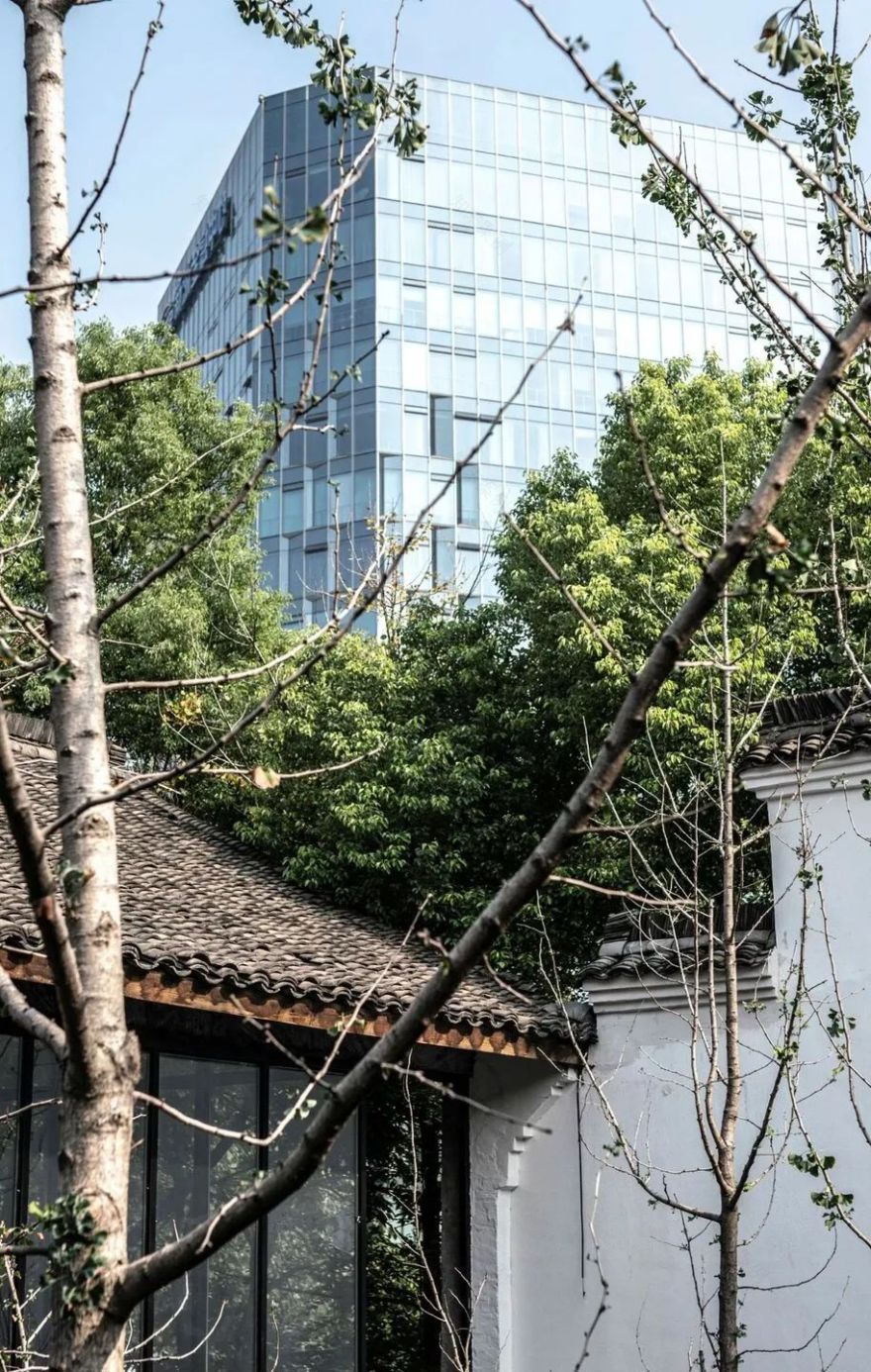
▼坐在庭院里休息的人们,看着月亮门外匆匆的人流,营造出环境文脉的有趣对比

According to the instructions of the district government department, the
project is positioned as one of the entrances of the historic district
along the river, so the project is defined not only as a restaurant, but
also as a link between two distinct urban environments: modern and
traditional. Of course, we cannot forget the function of the building
itself: a dining place that needs to balance privacy and comfort.
根据区政府部门的指示,该项目被定位为历史街区沿着的入口之一,因此该项目不仅被定义为一家餐厅,还被定义为现代与传统两种截然不同的城市环境之间的纽带。当然,我们不能忘记建筑本身的功能:一个需要平衡隐私和舒适的用餐场所。
▼在概念上试图保留建筑的历史部分,并赋予其现代技术

How can we integrate and express the above elements? The answer is to
seek a solution in the control of the transparency of the facade, which
uses a wooden sunshade system designed according to the typical
proportions of Zhejiang historical buildings. This effect ensures that
the facade is shielded from direct sunlight and genitally show the
interior artificial light during night.
我们如何整合和表达上述要素?答案是在外立面透明度的控制上寻求解决方案,它采用了根据浙江历史建筑典型比例设计的木结构立面系统。这种效果确保立面免受阳光直射,并在夜间显示内部人造光。
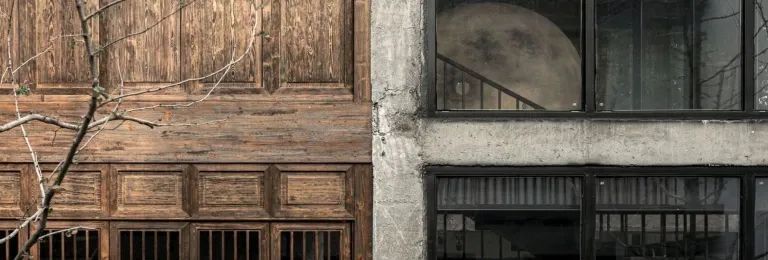
▼窗户的划分、高度和材料使用都能潜在地体现中式风格的精神

On the south-facing facade, due to the influence of the previous
renovation, the order of the original facade elements was completely
eliminated. The use of window systems and modern fixtures presents a
sudden change in style against the historical background of the
historical block. Our solution was to minimize the stylistic incongruity
caused by the elements of the window system by transforming the window
system into simple opening. This brings about a transformation that
enriches the meaning of the walls on the second floor, transforming it
into an exhibition space. From the outside to inside, what you see is
the courtyard telling the fireworks story of the restaurant and food;
from the inside to outside, you can overlook the surrounding historical
buildings, telling the past and today of the city close to canal.
在南向立面上,由于前期改造的影响,原有立面元素的秩序被完全消解。窗户系统和现代固定装置的使用在历史街区的历史背景下呈现出风格的突然变化。我们的解决方案是通过将窗户系统转换为简单的开口来最大限度地减少由窗户系统的元素引起的风格上的不协调。这带来了一种转变,丰富了二楼墙壁的意义,将其转变为一个展览空间。从外到内,你看到的是讲述着餐厅和美食烟火故事的庭院;从内到外,你可以俯瞰周围的历史建筑,讲述着这座靠近运河的城市的过去和今天。
▼向东看,立寿街生活成为项目不可或缺的一部分,这种效果是通过利用餐厅在道路水平1米处的自然位置的策略获得的。
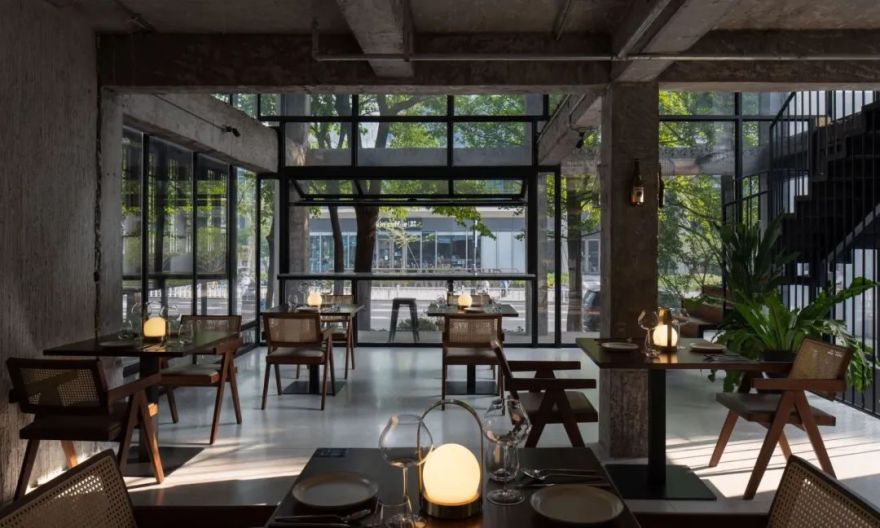
▼二楼概况

Walking into the interior of the restaurant, the project is mainly
divided into two floors. The west area of the first floor is equipped
with kitchen and bar space. Going up to the second floor, the special
hollow design of the east facade creates an interior landscape balcony,
through the large floor-to-ceiling glass, overlooking the city and
savoring life. On the west side of the second floor, a private box is
set up, with an exposed double-slope roof looking up, and a wall that
tells the various styles of wine when viewed from the top, reflecting
the love and praise of the elegant restaurant owner for wine. The
sunlight shines through the geometric pattern of the Chinese windows and
the floor-to-ceiling glass, sprinkles on the decorative texture of the
wall, and falls on the reeded glass, forming a decorative element with
alternating shadows. Enjoy a glass of delicious afternoon wine in the
private room and taste a delicate meal elegant dinners suddenly give
birth to a sense of peace and tranquility of “slowly appreciating the
fireworks in the world, and watching everything for a long time”.
走进餐厅内部,项目主要分为两层。一楼的西区设有厨房和酒吧空间。上至二楼,东立面特殊的镂空设计打造室内景观阳台,透过大面积落地玻璃,俯瞰城市,品味生活。二楼西侧设置了一个私人包厢,露出的双坡屋顶向上望去,一面墙讲述着从顶部俯瞰时各种风格的葡萄酒,体现了优雅的餐厅老板对葡萄酒的喜爱和赞美。阳光透过中式窗户的几何图案和落地玻璃,洒在墙面的装饰纹理上,又福尔斯落在芦苇纹玻璃上,形成光影交替的装饰元素。在包间里享用一杯美味的午后美酒,品尝一顿精致的晚餐优雅的晚餐,顿时让人给予一种“慢赏人间烟火,久久看尽一切”的平和宁静之感。
▼人类共同的记忆是停下来观看一个形状和颜色各异的月亮

▼根据窗外亮度的变化,月光的强弱也能随之变化,保证了用餐空间的静谧与空旷的灵感

▼建筑中使用的“剥离”概念

Going back to the first floor, a typical Chinese traditional courtyard
building is undergoing a strong integration of internal and external
spaces. The folded door on the south side can be fully opened to
perfectly connect with the courtyard garden; in spring, on the
east-facing facade, a large folded window creates an interesting space
where you can sit and watch the city scenery with exquisite and
beautiful decorations. Enjoy a unique, fast-paced and cozy lunch with
the green leaves and breeze in spring.
回到一楼,一个典型的中国传统庭院建筑正在进行内部和外部空间的强烈融合。南侧的折门可以全开,与庭院花园完美衔接;春天,在东向立面,一扇大折窗营造出一个有趣的空间,可以坐在这里,用精致漂亮的装饰品观赏城市风景。在春天的绿色树叶和微风中享受独特、快节奏和舒适的午餐。
▼三扇窗户分别面对万年青树、白色墙壁和落叶树。秋天,人们甚至可以感受到窗外不同季节的景色

▼室内的宁静感

The selection of interior decoration and soft decoration materials is
based on the concept of “nature”, but not too much “artificial”
decoration, materials without complicated processing processes are
selected, such as: concrete, stainless steel, micro cement, polished
concrete, wood and reeded glass. Considering that after a series of
previous renovations, the house completely lost its original structural
features, and its own structure is no longer wood, but reinforced
concrete, we chose to highlight the natural expression of concrete by
means of “Remove decoration” contrary to the traditional “covering
decoration” approach, we try to “discover” the original face of the
building and transform it into a decorative element.
室内装饰和软装饰材料的选择以“自然”为理念,但不要过多的“人工”装饰,选择没有复杂加工工艺的材料,如:混凝土,不锈钢,微水泥,抛光混凝土,木材和网状玻璃。考虑到经过前期的一系列改造,房屋完全失去了原有的结构特征,其本身的结构也不再是木材,而是钢筋混凝土,我们选择了与传统的“覆盖装饰”方式相反的“去除装饰”方式,突出混凝土的自然表现力,试图“发现”建筑的本来面目,并将其转化为装饰元素。
▼设计运用阴影来丰富室内的质感。午后,传统木质门窗的阴影渗入室内,为铺装增添趣味

▼每个地方都有自己独特的风景

The connection part of architectural and interior is its inner
courtyard, echoing the style of the project interior, the gray tone of
the gravel paving and the yellow tone of the ginkgo leaves form a color
contrast, creating a richer sensory experience. We also preserved
traditional elements of Chinese gardens that are important to the city
of Hangzhou, such as the arched entrance on the east side and paths
paved with local stone. The brand-new interpretation of the big stone
window in the kitchen, while allowing light to pass through, can also
slightly obscure the sight of passing guests. The figures in the window
are faintly visible, showing the wonderful process of food cooking.
建筑与室内的连接部分是其内部庭院,与项目室内的风格相呼应,砂砾铺装的灰色调与银杏叶的黄色调形成色彩对比,营造出更丰富的感官体验。我们还保留了对杭州市非常重要的中国园林传统元素,例如东侧的拱形入口和用当地石头铺设的路径。全新演绎的厨房大石窗,在让光线透过的同时,也能略微遮挡过往客人的视线。橱窗里的人物若隐若现,展示着食物烹饪的奇妙过程。
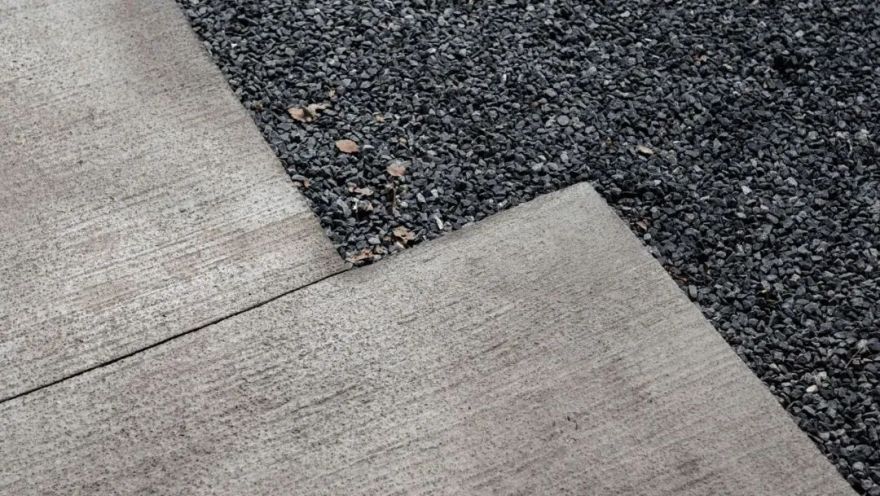
▼景观选用石砖、粗糙的混凝土和黑色的石头,以配合建筑中使用的“剥离”概念

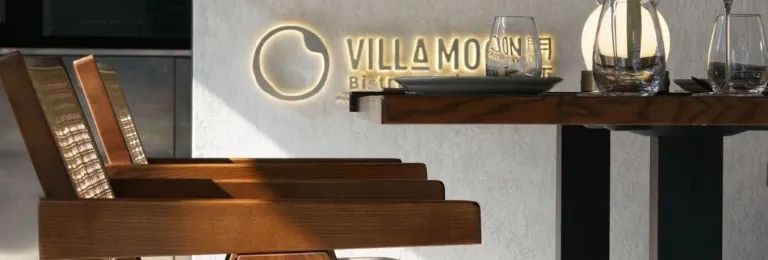
In terms of lighting selection, we chose to use rechargeable ambient
lights for the dining table lighting, which not only ensures greater
freedom in the table layout, but also follows the elements of the
project theme “Moon”, creating a “before the flowers and under the moon,
hidden in nature, Drink and chat” relaxed atmosphere. This point not
only reproduces the poetic flavor of the interior space concept, but
also integrates into the modern and urban environment through the facade
glass.
在灯光选择上,我们选择使用可充电的氛围灯进行餐桌照明,既保证了餐桌布置的更大自由度,又沿袭了项目主题“月”的元素,营造出“花前月下,隐于自然,饮酒聊天”的轻松氛围。这一点不仅再现了室内空间概念的诗意,而且通过立面玻璃融入了现代和城市环境。
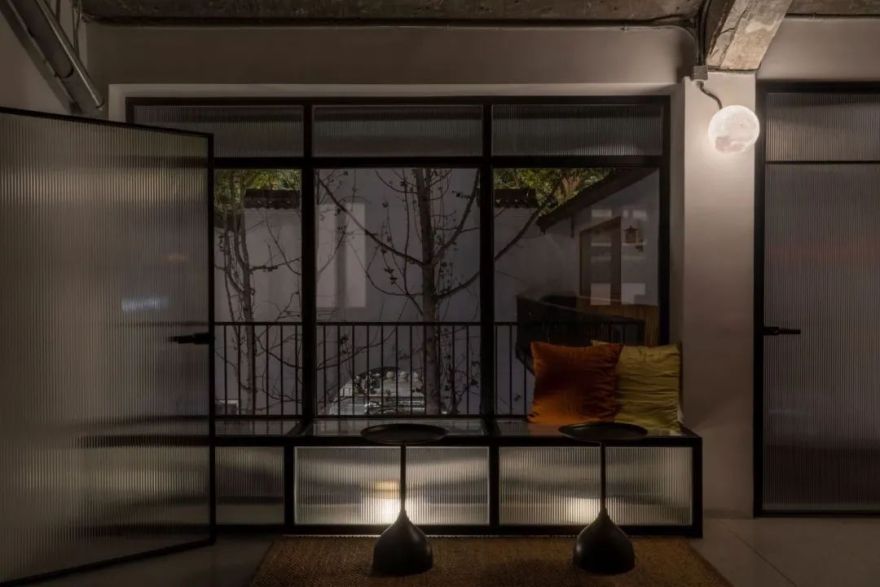
▼由于光线和Reeded玻璃的结合设计,即使在夜晚,项目的内部也不会缺乏质感。



编辑:Thomas
撰文:
设计先锋队
校改:Pioneer
编排:设计先锋队
本文素材图片版权来源于网络,
如有侵权,请联系后台,我们会第一时间删除。
建筑 | 室
内 | 设计 | 艺
术
商务联络
南京喵熊网络科技有限公司 苏ICP备18050492号-4知末 © 2018—2020 . All photos and trademark graphics are copyrighted by their owners.增值电信业务经营许可证(ICP)苏B2-20201444 苏公网安备 32011302321234号
苏公网安备 32011302321234号客服
消息
收藏
下载
最近