

创作上传
VIP
收藏下载
登录 | 注册有礼
查看完整案例

收藏

下载

分享

翻译
Architects:AMA architectural office
Photographs:Mikel Ibarluzea
Category:Installation
City:Bilbao
Country:Spain
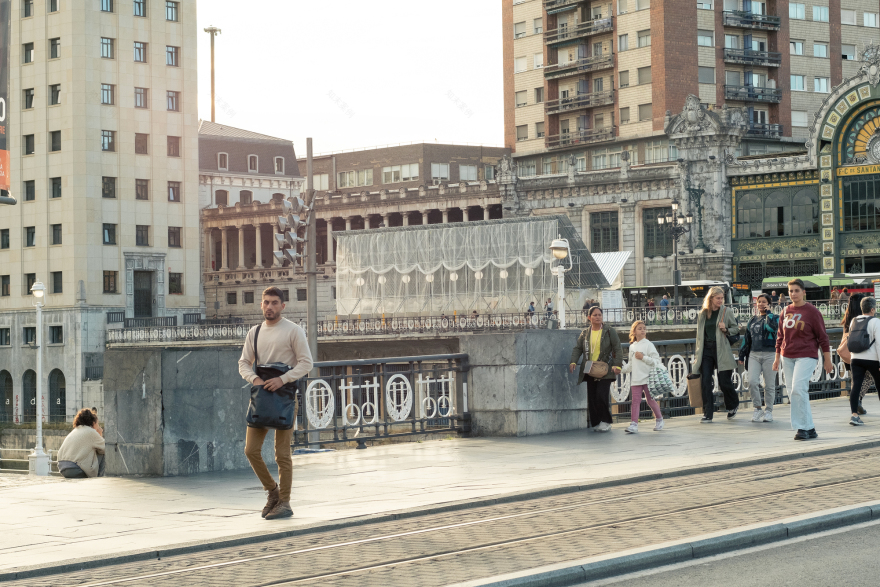
Text description provided by the architects. In cities, containers filled with construction debris and discarded furniture are evidence of constant interior renovations driven more by aesthetic trends and marketing strategies than by real functional needs. This same superficial impulse is also reflected in public spaces and buildings, where many interventions prioritise image over fundamental aspects such as accessibility, comfort, or future adaptability.


The pavilion is based on a critical reinterpretation of the concept of utopia, moving away from its abstract or idealised meaning to transform it into a tangible and accessible possibility. From this perspective, it proposes looking at everyday life — the home, the domestic, the habitable — as the place from which to rethink the future of architecture. The pavilion is designed as a space for reflection and dialogue, where visitors can explore the possibilities of utopia as a way of rethinking the future of architecture.


The pavilion proposal is located in Bilbao's Plaza de las Mujeres. The space is characterised by being very long and narrow, and is more of a place of passage than a place of rest. At the end of the square are key elements for the city, such as the Concordia station and the Arriaga theatre. In keeping with the spatial layout of the square, the proposal is for a rectangular pavilion measuring 18x6 m, with a main entrance that coincides with the flow from the Arenal bridge to Bailén street and an exit following this route on the other side.


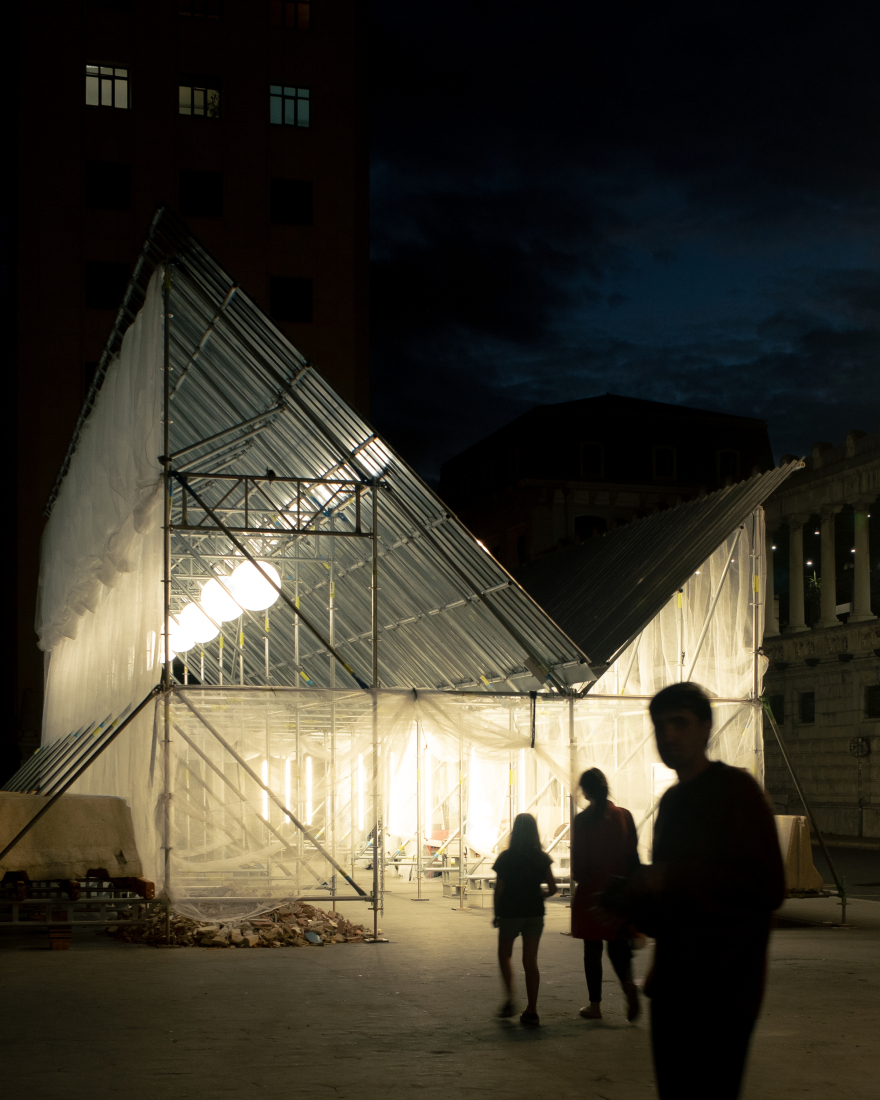
The pavilion was constructed using rented scaffolding. The choice of material was based on several factors: zero waste generation, ease of assembly, the possibility of creating large spans, and aesthetic compatibility with the pavilion's theoretical theme. The pavilion has nine identical bays, designed with a gable roof but with drainage towards the centre of the pavilion, coinciding with the natural drains in the square. Steel panels used to protect construction sites were chosen to cover the pavilion, as they can be rented from construction companies. Mosquito netting used to cover scaffolding was chosen to delimit the spaces, but it was placed in such a way as to highlight the aesthetic intent of the proposal.
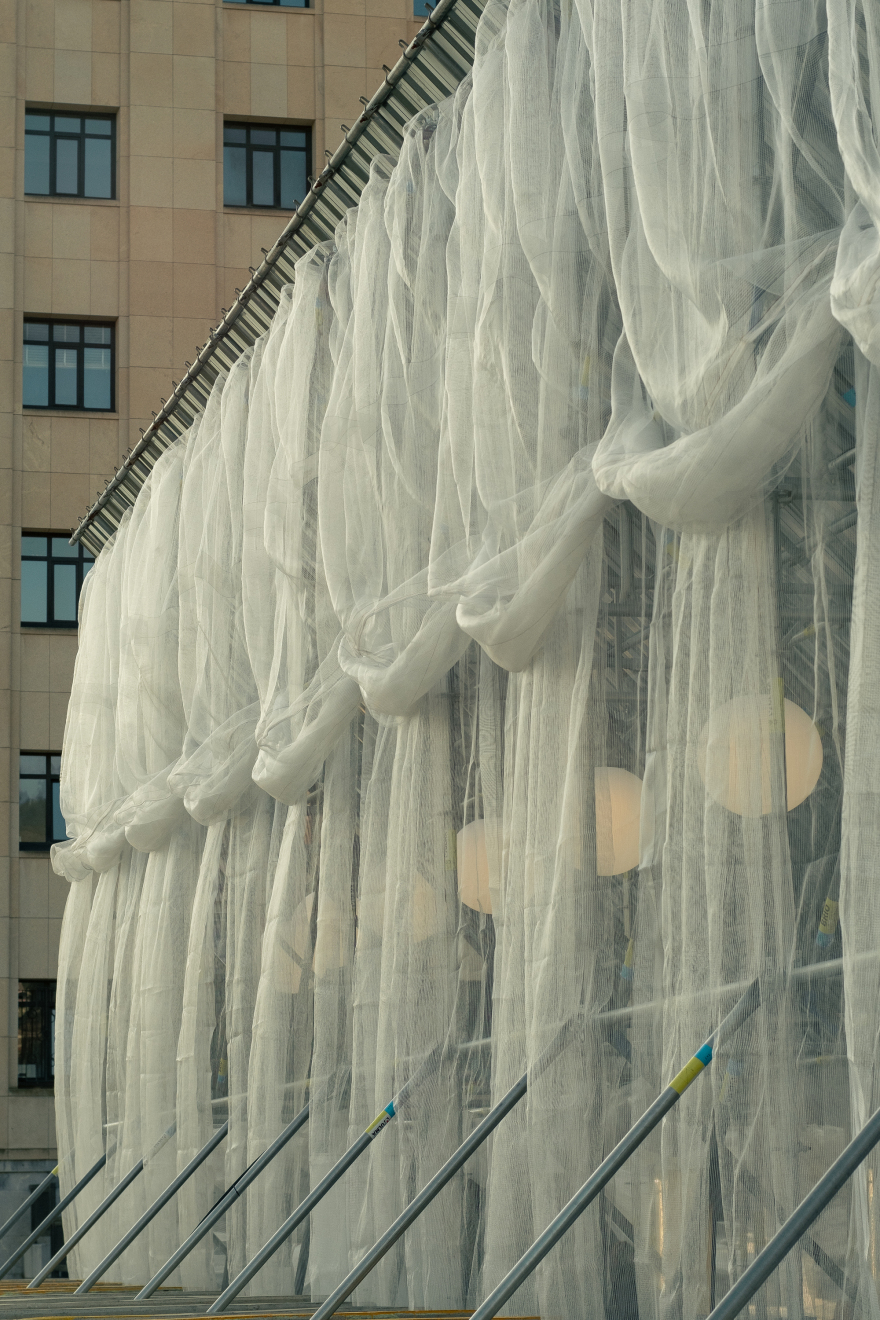

The interior space will consist of a series of "exhibitions" on the everyday nature of the construction debris located in the side "chapels" of the pavilion and, at the end of the tour, a place where talks or discussions can be held on issues relevant to the biennial. The different rooms are divided from each other by the same mosquito netting mentioned above. The main space has a platform for exhibitions and bleachers for seating to listen to the presentation.

Project gallery



南京喵熊网络科技有限公司 苏ICP备18050492号-4知末 © 2018—2020 . All photos and trademark graphics are copyrighted by their owners.增值电信业务经营许可证(ICP)苏B2-20201444 苏公网安备 32011302321234号
苏公网安备 32011302321234号客服
消息
收藏
下载
最近