

创作上传
VIP
收藏下载
登录 | 注册有礼
查看完整案例

收藏

下载

分享
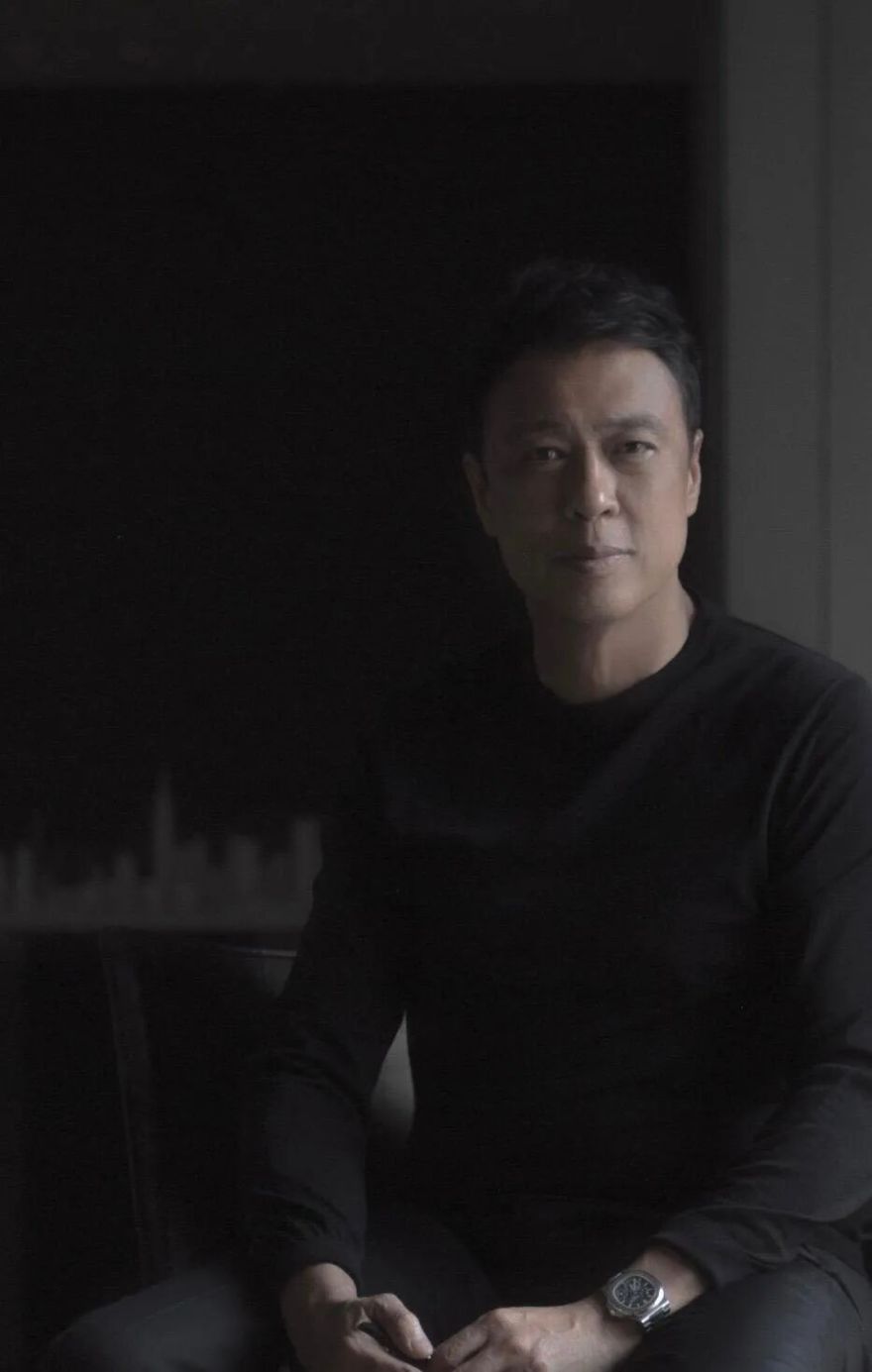
封面 曾仕乾,SCDA创始人
Cover
Soo K. Chan, founder of SCDA Architects
By Jennifer Choo
Aug 26, 2025
SCDA
创始人
曾仕乾将自己童年时光度过的槟城乔治市店屋,改造为一座拥有
15
间套房的精致奢华遗产酒店。
SCDA founder Soo Chan transforms the George Town shophouses where he spent his childhood into an intimate 15-suite luxury heritage hotel
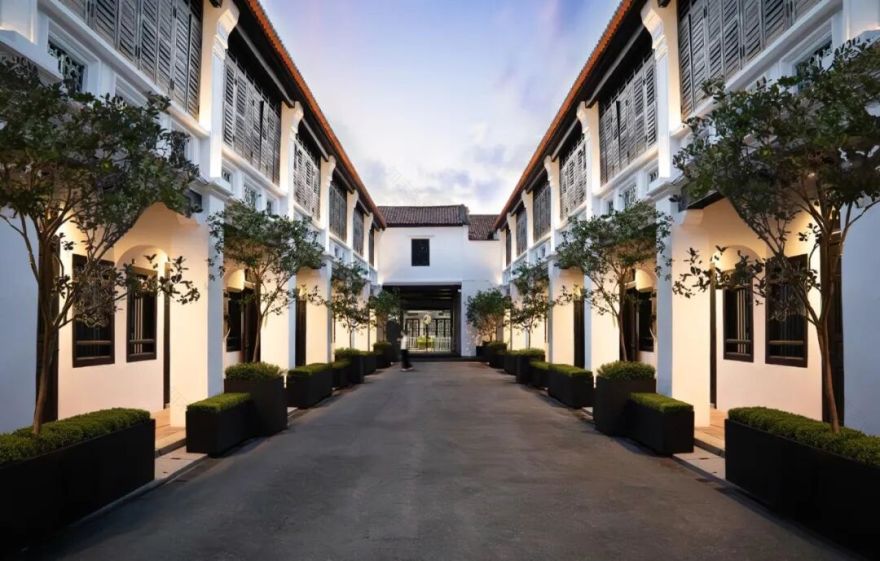
槟城乔治市邱公司(Khoo Kongsi)院落里的店屋,对曾仕乾 来说不仅仅是建筑遗产,更承载着他童年的记忆——那是他生命最初四年奔跑于庭院之间、与亲族共处的紧密社区。如今,距他创立 SCDA 建筑事务所三十年后,曾仕乾正在将其中 15 座传承建筑改造为 苏丽槟城酒店,这是迄今为止他最具个人色彩的酒店项目。今年正值 SCDA 三十周年纪念,事务所如今已主要作为一家国际化的建筑实践运营。曾仕乾的酒店作品遍及马尔代夫,并与奢华品牌 Janu 与 Aman 合作,但真正奠定他在奢华度假酒店设计领域声誉的,是他既亲自设计又亲自经营的 苏丽巴厘岛度假村。
The shophouses of
Penang’
s George Town Khoo Kongsi compound hold more than architectural interest for
Soo K Chan
—they’re where he spent his first four years, running between courtyards in a close-knit community of related families. Now, three decades after founding
SCDA Architects,
Chan is transforming 15 of these
heritage buildings
into Soori Penang, his most personal hospitality project yet. This year marks the firm’s 30th anniversary, and today, SCDA operates primarily as an international practice. Chan’s hospitality projects span the Maldives and include work with luxury brands Janu and Aman, but it’s Soori Bali—which he both designed and operates—that established his reputation in luxury resort design.


他最新的项目将他带回到最初的起点。苏丽槟城酒店坐落于槟城乔治市邱公司院落的 15 座历史店屋中,这里正是 曾仕乾幼年生活的地方。这家精品酒店已加入 世界顶级酒店联盟(Leading Hotels of the World),成为继兰卡威达泰酒店之后,联盟在马来西亚的第二家成员酒店。
His latest project takes him back to where it all began. Soori Penang occupies 15 heritage shophouses in George Town’s
Khoo Kongsi
compound, the same place where Chan lived as a young child. The boutique hotel joins Leading Hotels of the World as only the second Malaysian property in the consortium, after The Datai Langkawi.
该项目预计将在 2026 年 1 月开幕,目标客群是曾仕乾所称的“临时当地人”——那些渴望深入体验在地文化、超越常规旅游体验的旅行者。对曾仕乾而言,这既是一项关于建筑再利用的专业挑战,也是一段归家的个人旅程。
The project opens in January 2026, targeting what Chan calls “temporary locals”- travellers seeking authentic cultural immersion beyond typical tourist experiences. For Chan, it’s both a professional challenge in adaptive reuse and a personal journey home.
Tatler Homes
与这位知名建筑师面对面,探讨这项极具个人意义的项目、他在建筑再利用上的方法,以及童年记忆如何塑造他的建筑愿景。
Tatler Homes
sits down with the renowned architect to discuss this deeply personal project, his approach to adaptive reuse, and how childhood memories can shape architectural vision.


邱公司(
Khoo Kongsi
)的店屋对您有着深厚的个人意义。您童年在那里生活的记忆,是如何影响您的设计思路的呢
?
The shophouses at Khoo Kongsi hold deep personal significance for you. How did your memories of living there as a child influence your design approach?
在
SCDA
,我的设计哲学非常人本主义。我常常提到
“
现象学
”
,它强调的其实就是以感官体验为基础来进行设计。对于店屋空间的记忆,源自我童年在其中生活的经历
——
在一个多代同堂的环境里,两排彼此相对的店屋住着有血缘关系的家人
。
My design philosophy at SCDA is very humanistic—there’s a movement called phenomenology, which is really about designing based on the senses. My memory of the shophouse space comes from living in one of these shophouses in a multigenerational setting, where two rows of shophouses across from each other housed somewhat related people.
那种感觉就是
“
社区
”
。你可以跑到庭院里,总能遇见大家。那是一个安全的空间,彼此都熟识。这样的空间感受,我把它转译进了公共区域的设计中,借由自己孩童时期的记忆来塑造。
My feelin
g is that of
community
—you could run out into a courtyard and everyone would be there. It was a safe space where everybody knew each other. In terms of the feeling of the space, which I translated to the design of the common areas, I adapted it to my memory of
what
the space was like for me as a young child.
首先,是光与暗。住在店屋里其实相当昏暗,我记得光线总是从天井透入——一点点光斑洒落进来。所以我记住的是光与暗的对比,这几乎直接转化为公共区域的设计:空间本身是黑色的,墙体用黑色木材覆面,再由戏剧性的日光点缀其间。
First of all, darkness and light. When you live in a shophouse, it’s quite dark. I remember light coming through the airwell—punctuations of light just coming in. So I remember darkness and lightness, and that translates quite directly to the design of the common area, which is actually black. The walls are made of black brushwood, punctuated by dramatic sunlight.
更重要的是,下雨时的情景尤为深刻。大雨倾盆时,排水槽无法应付,花岗岩铺砌的天井会被积水淹没,因为排水系统跟不上。对我来说,那是我会跑进去玩水的时刻。既像在室内,又像在户外——这种“室内外一体”的特质,也体现在我许多设计之中。
But more importantly, what happens when it rains—that’s vivid. When it pours, the gutters can’t handle the rain, and the airwell, made of granite, fills with water because the drainage system can’t keep up. To me, that was a moment where I would actually go in and play in the water. It’s living inside and yet outside—that indoor-outdoor quality is reflected in many of my designs as well.


您在设计中融入了哪些峇峇娘惹文化的元素?又是如何让它们呈现出现代感的?
What specific elements from Peranakan culture did you incorporate, and how did you make them contemporary?
我从一些具有代表性的符号中汲取灵感,比如传统的
石磨
,并将它们重新引入设计之中,但赋予了更当代的表现。石磨不再具有原本的功能,而是被我放大许多倍,转化为景观元素——大多数时候,它们被设计成水景喷泉。
I took some of the icons, like the rice grinder, and reintroduced them into the design, but I tried to make them more contemporary. The rice grinders aren’t functioning, but I’ve made them a lot bigger and repurposed them as landscape features—most of the time they’re water fountains.
我也借鉴了宗祠中的
石狮
意象,并在中国南方重新制作了这些作品,当地常见制作庙宇石兽与类似雕刻。它们并非基于某个具体的装饰细节,而是通过这种意象传递出空间应有的品质与氛围。
I also took imagery from the original clan house for the stone lions and had them recreated in
southern China,
where it’s very common to do temple dogs and similar pieces. It wasn’t based on any particular detail but rather the feeling of what the quality of the space is like.


承担起修复邱公司建筑群的一部分,一定让你感到肩负重任。你是如何面对和处理这一任务的?
Taking on the restoration of part of the Khoo Kongsi compound must have felt like an enormous responsibility. How did you approach this?
主要的庙宇修复工作由 Lawrence Loh 建筑事务所承担——他们的成果非常出色,在方法上也极其忠实于原貌。而我的工作范围则是 15 间店屋,它们原本是 “The Clans Hotel”,但这家酒店已经倒闭,我便在此基础上接手并展开修复。
The major temple restoration was undertaken by Lawrence Loh Architects—they did a fantastic job, being very authentic in their approach. My scope was the 15 shophouses, which I took over from what used to be The Clans Hotel, which had gone under.
当前任业主建造
The Clans Hotel
时,大约设置了 40 间客房,在二层通过一条走廊把前后朝向的房间连接起来。而我所做的则是将它们恢复为独立的住屋。前任业主曾把 15 个单元打通,改造成一个拥有众多客房的酒店;我则将它们重新还原为 15 栋独立的住屋,其中 13 栋主要作为套房使用。
When they built The Clans Hotel, they created it with approximately 40 rooms, each with a corridor connecting rooms facing the front and back on the second level. What I did was restore them back to individual houses. While the previous owner combined the 15 units to create a hotel with many rooms, I restored them to 15 houses, with 13 of those houses primarily used for suites.
进入空间时,会首先经过天井,我尽可能把它恢复成童年记忆中的样子。因为如果只是做成一个前方有厕所、配上一道门的房间,那无法承载我当时的记忆和感受。我尝试捕捉的是记忆的核心,而不是逐字逐形地翻译出来。这里没有传统的娘惹屏风,也没有摆放太多娘惹器物,但你依然能够感受到它属于那个时代,只是以一种更为凝练和纯粹的方式呈现。
When you come in, you have the
airwell
, and I returned it very much back to the memory of what the space was, because for me to create a room with just a toilet in the front and a door, I couldn’t capture the memories and feelings I have. I tried to capture the essence of what I remember without translating it literally. There are no Peranakan screens or too many Peranakan objects, but you can still feel it’s part of that era, just in a more distilled way.


您在苏丽巴厘岛的成功对槟城项目有何影响?您希望在哪些方面有所不同?
How did your success with Soori Bali influence your approach to Penang, and what did you want to do differently?
苏丽巴厘岛是我第二或第三个度假村项目,当时我想做的是一种最直接表达我对“度假村应当是什么”的理解。直到今天,我仍然亲自经营它。我认为,建筑师同时参与酒店运营极其重要,因为这不仅让你理解如何打造“硬件”,也能真正把握“软件”层面的东西——服务涵盖从水疗、餐饮到各种细节的方方面面。
S
oori Bali was my second or third resort, and I wanted to design something that’s a direct expression of what I think a resort should be. Until today, I’m still running it, and I find that being an architect dealing with
hospitality
operations is extremely important because it provides a full understanding of not just creating the
hardware but also the software—service encompasses everything from spa to food and every aspect in between.
在巴厘岛,我们有 85 间客房和 45 栋别墅。而在槟城,这是一个非常精品化的项目,这也让我觉得这里可以更专注——一切都需要更为精心策划、更奢华。因为当数量有限时,你反而可以投入更多。槟城项目的成功,很大程度上将取决于我们如何去设计宾客的体验和旅程。
On the Bali side, we have 85 keys and 45 villas. On the Penang side, it’s very boutique, and that’s why I think for Penang we can afford to be more focused—everything needs to be more curated and luxurious because when you only have a few, you can do a lot. Much of Penang’s success will centre on how we design the experiences or journeys.


您曾提到希望避免典型的“古迹酒店”美学。您对“不同”的设想是什么?
You’ve mentioned wanting to avoid the typical heritage hotel aesthetic. What was your vision for something different?
如果你去看槟城的一些酒店——比如
Seven Terraces
以及我曾入住过的许多其他酒店——它们往往要么极度现代,要么堆满了古董、鸦片床和各类娘惹物件。而我尝试做的,是一种真正基于我个人感受的表达,依托于我事务所在过去三十年中逐步形成的设计语言。
If you look at hotels in Penang—
Seven Terraces
and many others I’ve stayed at—they tend to be either super contemporary or loaded with antiques, opium beds, and Peranakan objects. I’m trying to do something that is a true expression of what I feel, based on my own design language that my company has developed over the last 30 years.
在苏丽槟城酒店,你会感受到那份精神内核,但不会直接通过物件或家具来暗示——它不是直白的复制。我想营造的是一种“提炼过的奢华体验”:比如浴袍必须极致精良,洗漱用品必须是最高品质,一切都要达到最顶级的标准。但与此同时,所有与体验无关的元素都应当被剔除。
At Soori Penang, you’ll feel that essence, but you won’t be directly referred to in terms of objects and furniture—it won’t be literal. I aim to create a distilled luxury experience, meaning the robes must be exceptionally fine, the toiletries will be of the highest quality, and everything should meet the highest standards. However, you want to remove everything extraneous to the experience.


店屋生活中的群居特质似乎给您留下了深刻的印象。能否谈谈这段经历?
The communal living aspect of shophouse life seems to have left a strong impression. Can you tell us more about that experience?
那真的是一种彻底的群居生活——你可以随意进出。我记得在屋子里,新婚夫妇通常会被安排住在前屋。如果你刚结婚,就会分到前面的套房,因为对新婚夫妻而言,组建家庭是非常重要的。等到下一个人结婚时,他们又会调整位置。这是一种相当灵活的生活方式。
Totally
communal
- you could run in and out. I recall that, within the house, newly married couples would typically be given the front room. If you were newly married, they’d give you the suite in the front because it was important for newlyweds to start a family. Then, when the next one got married, they’d move around. It was pretty flexible living.
设施同样是共享的。即便在吃饭时,你也必须遵循长幼次序,尊重谁先动筷。在厨房里,总有姑妈、祖母、帮佣——娘惹厨房几乎是所有事情发生的地方。你会听到她们在厨房里与邻居闲聊。我还记得石磨、
giling
(研磨工具)这些来自旧一代的器物。
The facilities were very communal. Even at dinner, you had to respect the hierarchy of who
ate first. In the kitchen, there were aunties, grandmothers, helpers—the Peranakan kitchen is where everything happens. You’d hear them chatter with neighbours in the kitchen. I remember the rice grinder, the giling - different tools from a different generation.
许多这样的记忆,其实是在我开始做这个项目时才重新浮现出来。我重新去挖掘这些记忆,翻看旧照片,因为出国求学后,这些东西我几乎都遗忘了。
Many of these memories resurfaced only when I began working on this project. I excavated the memories, looked at photos, because I’d largely forgotten about it after going overseas to study.


您是如何在竞争激烈的槟城酒店市场中定位苏丽槟城酒店的?
How do you position Soori Penang in the competitive Penang hotel market?
我尽可能多地走访了当地的精品酒店,从我常住的 E&O 到香格里拉金色沙滩酒店,以及各类背包客旅馆与古迹酒店。我很清楚这个项目在商业上不会容易,因此我将它定位在市场的最高端,并希望以全新的视角来诠释待客之道——把槟城呈现为一个文化与美食的目的地。
I visited as many boutique hotels as possible, from E&O, where I always stay, to Shangri-La Golden Sands, as well as various backpacker and heritage hotels. I know this one is not going to be commercially easy, so I positioned it at the very high end of the spectrum and want to really look at hospitality in a different light—introducing Penang as a cultural food destination.
我们也成为了 世界顶级酒店联盟(Leading Hotels of the World) 的一员。据我所知,在马来西亚,另一家入选的只有兰卡威的 The Datai。
We’re part of Leading Hotels of the World. I think in Malaysia, there’s only one other Leading Hotel, which is
The Datai
in Langkawi.
您提到过希望为“临时的当地人”创造体验。建筑是如何帮助实现这种更深层次的文化参与的?
You’ve described creating experiences for ‘temporary locals.’ How does the architecture facilitate this deeper cultural engagement?
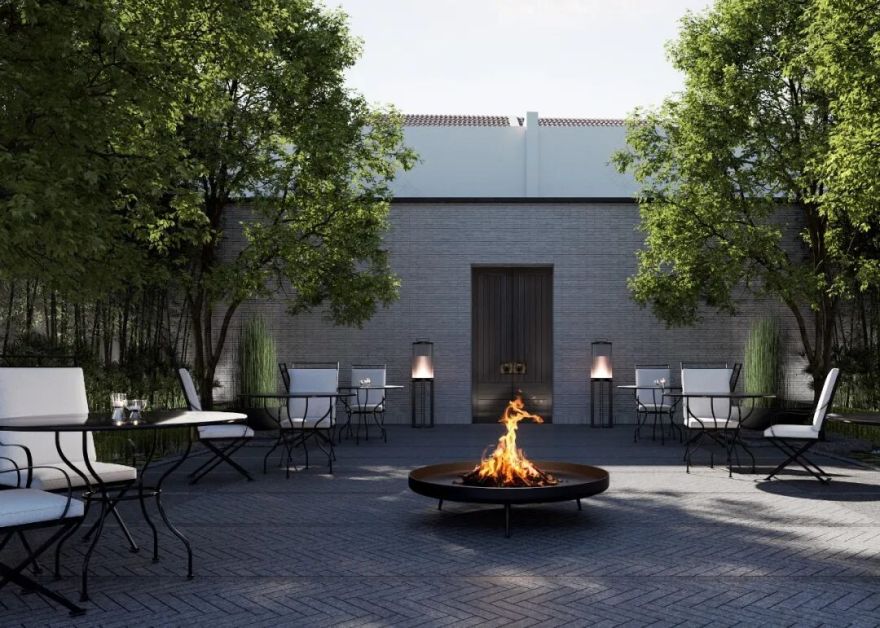
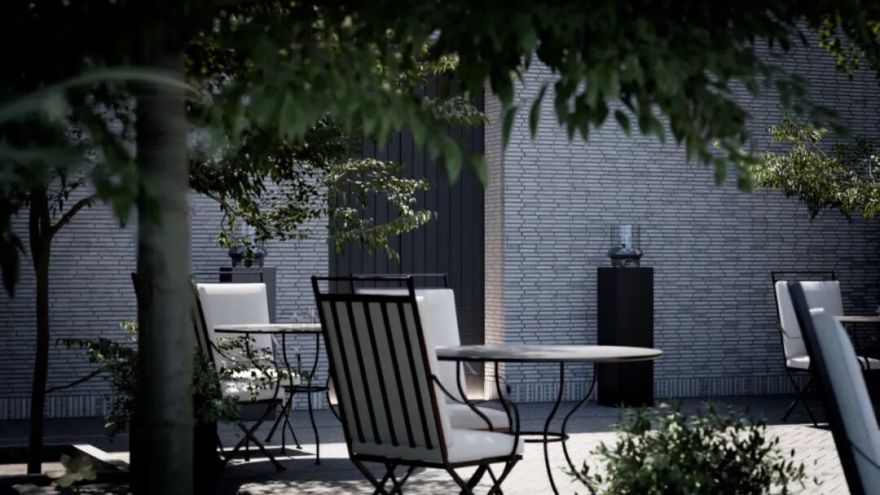
在设计空间时,我特别考虑了宾客在酒店内的用餐体验。其中一个收获是,我们成功争取到酒店后方的一个停车场,并将其改造成一个种有大树的景观庭院,与酒店相连。
When I designed the space, I considered where guests could dine within the hotel. One thing I managed to secure was a car park lot behind our hotel, which is connected to the hotel, and we transformed it into a
landscaped
courtyard with large trees planted.
体验可以从早晨开始——我们与邱公司协商,可以在游客参观之前先在庭院中享用早餐。我们希望在庭院里布置优雅的早餐环境,让宾客在欣赏庙宇景致、感受空间仪式感的同时,再进入游览行程。
The experience could start in the morning—we’ve worked out with Khoo Kongsi that we can use the courtyard for breakfast before people pay visits. We want to set up a nice breakfast in the courtyard to experience the space and formality of the area, while taking in the view of the temple, followed by a tour.
下午至傍晚,宾客可以在庭院或别墅里享用茶点,搭配小糕点和饼干。到了晚上,当大门在下午 5 点关闭后,整个建筑群将转为私密空间,我们便能在庭院中布置餐桌,举办文化舞蹈表演。
In the afternoon toward evening, they could have tea with small kuih and cookies in the courtyard or within the villa. In the evenings, when the gate closes at 5 PM, the compound becomes private, allowing us to set up tables and host cultural dance performances.
在整个入住期间,宾客都在不同场景中与美食互动——而食物本身只是一个契机,真正重要的是它让人们进入庭院。你在哪里用餐,完全改变了这段体验的质感。
Throughout their stay, they’re engaging with food in different settings—the food is just the excuse to be in the courtyard. Where you eat changes the experience entirely.


您曾说过,这不仅是一家酒店,更是一种对地方与记忆的致敬。对于这样一个私人色彩浓厚的项目,您如何定义成功?
You’ve described this as more than a hotel—a living tribute to place and memory. What does success look like for such a personal project?
对我来说,成功就是当宾客来到这里,能切身体会到作为“临时的当地人”的完整体验——就像我们把槟城人的生活经验压缩后,用非常私人的方式与他们分享,带他们去看、去吃、去理解我们的文化。
Success to me is when a guest comes and experiences the full spectrum of what it means to be a temporary local—as if we’re compressing our experience as Penang people and sharing it in a very personal way, taking you to see, to eat, explaining the
culture
.
成功意味着即便苏丽槟城酒店规模不大,也能吸引到合适的宾客。因为我认为,我的家乡还有许多未被诉说的故事,但我需要找到真正有兴趣去了解、去分享这些故事的人。
Success would be establishing Soori Penang, small as it may be, to attract the right kind of guests, because I think my hometown has many untold stories. But I need to find the right people who are really interested in sharing this.
槟城人普遍受过良好教育,很多人出国求学。当我走进槟城的书店时,总能看到精选的政治与历史书籍。在这里也有许多才华横溢的人——厨师、艺术家。我希望在酒店正式运作后,能借助他们的力量举办更多活动,把艺术社群与美食文化汇聚在一起。这也是我重新连接自身根源的一种方式。
Penang people are highly educated, many of whom have left to study abroad. When I walk into bookstores in Penang, I find a well-curated selection of books on politics and history. There are so many talented people—chefs, artists. I’m hoping that with help, when the hotel is in place, we can host more events to bring together the artistic community and culinary scene. It’s a way for me to reconnect with my roots as well.
这一切就像是一个完整的循环——我成长于槟城,90 年代曾在新加坡的店屋中生活,如今这些生活经历影响了我看待空间的方式:总体上是有序的、古典的。现在,我又回到这里来做设计。我的设计方法论从未改变——它始终回应着不同地方的文化背景,但其中清晰可见的一条主线始终贯穿其中。
It’s come full circle—where I grew up in Penang, where I lived in Singapore in a shophouse in the ’90s, and now the places where I’ve lived have affected the way I look at spaces, which is generally very ordered, very classical. Now, I’m coming back to design this. The underlying way I design hasn’t changed—it responds to each place culturally, but there’s a common thread that’s quite clear.


S C D A | 官 方 微 信
SCDA Design
SCDA成立于1995年,是一家多元化的建筑设计事务所,
主创设计师兼公司创办人是国际知名建筑师Soo K. Chan先生。
SCDA崇尚平静优雅的空间、光影和结构表现,并致力于追求纯粹的设计精神和室内外空间的无缝结合。
”,详细了解SCDA更多最新消息及活动。
南京喵熊网络科技有限公司 苏ICP备18050492号-4知末 © 2018—2020 . All photos and trademark graphics are copyrighted by their owners.增值电信业务经营许可证(ICP)苏B2-20201444 苏公网安备 32011302321234号
苏公网安备 32011302321234号客服
消息
收藏
下载
最近