

创作上传
VIP
收藏下载
登录 | 注册有礼
查看完整案例

收藏

下载

分享


内建筑的这五个微更新项目都处于杭州,面积体量都不大,分别散落于传统街巷与校园,在这种图底下,项目的意涵不仅在于空间改造本身,更在于通过实际激活/重现/复兴该区域,实现人文与商业环境的优化织补。新的空间物种与生态产生新的平衡,或许是在更新维度上城市价值存活与再续的有益尝试。
All five micro-renovation projects by Interior Architecture Studio are located in Hangzhou, scattered across traditional alleyways and campuses in modest scales. Their significance lies not merely in spatial transformations but in their role as catalysts for revitalizing/reimagining/rejuvenating local areas—achieving harmonious integration of cultural and commercial environments through practical interventions. The emergence of new spatial typologies and dynamic ecological balances represents a promising experiment in sustaining and renewing urban value through incremental renewal.
·1
二头坞荟馆
Harmony overflowing from outside to inside
二头坞荟馆在杭州的中山南路,临近美院、吴山和清河坊的传统古城区。作为杭州最有本塘烟火气的地方,这里既有仿古的明清建筑、也有部分古迹的遗址,包括上世纪50年代到90年代的老房屋。内建筑在这里将共 700㎡的面积改造为集包子铺、炒饭铺、小酒馆与会所于一体的复合空间。
Located on Zhongshan South Road in Hangzhou, near the China Academy of Art, Wu Mountain, and the historic Qinghefang District, Baitouwu Culinary Village occupies a vibrant area steeped in local street culture. This district blends Ming and Qing dynasty-style architecture with historical relics and old residential buildings from the 1950s to 1990s. Interior Architecture Studio transformed 700㎡ of space here into a mixed-use culinary destination, integrating steamed bun shops, fried rice stalls, a bistro, and a private club.
二头坞的名字巧化了中国四大名猪之首“二头乌”和杭州地缘人文中带有山水意趣的“坞”字。起名如此巧意的荟馆,其所兼带的烟火气本质上亦来源于人,朱建作为二头坞荟馆创始人之一,亦是杭州非常资深的文艺青年诗人,我们在与他的合作中,共同践行了前言提及的 "保留杭州烟火气和底色" 这一新大众文艺理念下的在地情怀,让二头坞既更新出符合新时代人民大众欣赏口味的生活话语,又和历史、人文、顾客们互为依存,展现出杭州本身自带的烟火气。
The vibrant street culture inherent in food ultimately stems from human interaction. Zhu Jian, one of the founders of Baitouwu Culinary Village and a seasoned literary youth poet in Hangzhou, collaborated with Interior Architecture Studio to implement the local ethos of "preserving Hangzhou’s street culture and cultural essence" under the new public cultural philosophy mentioned earlier. This partnership has transformed Baitouwu into a place that offers a rich lifestyle narrative aligned with contemporary tastes while maintaining an interdependent relationship with history, culture, and customers—thus embodying Hangzhou’s inherent vitality.


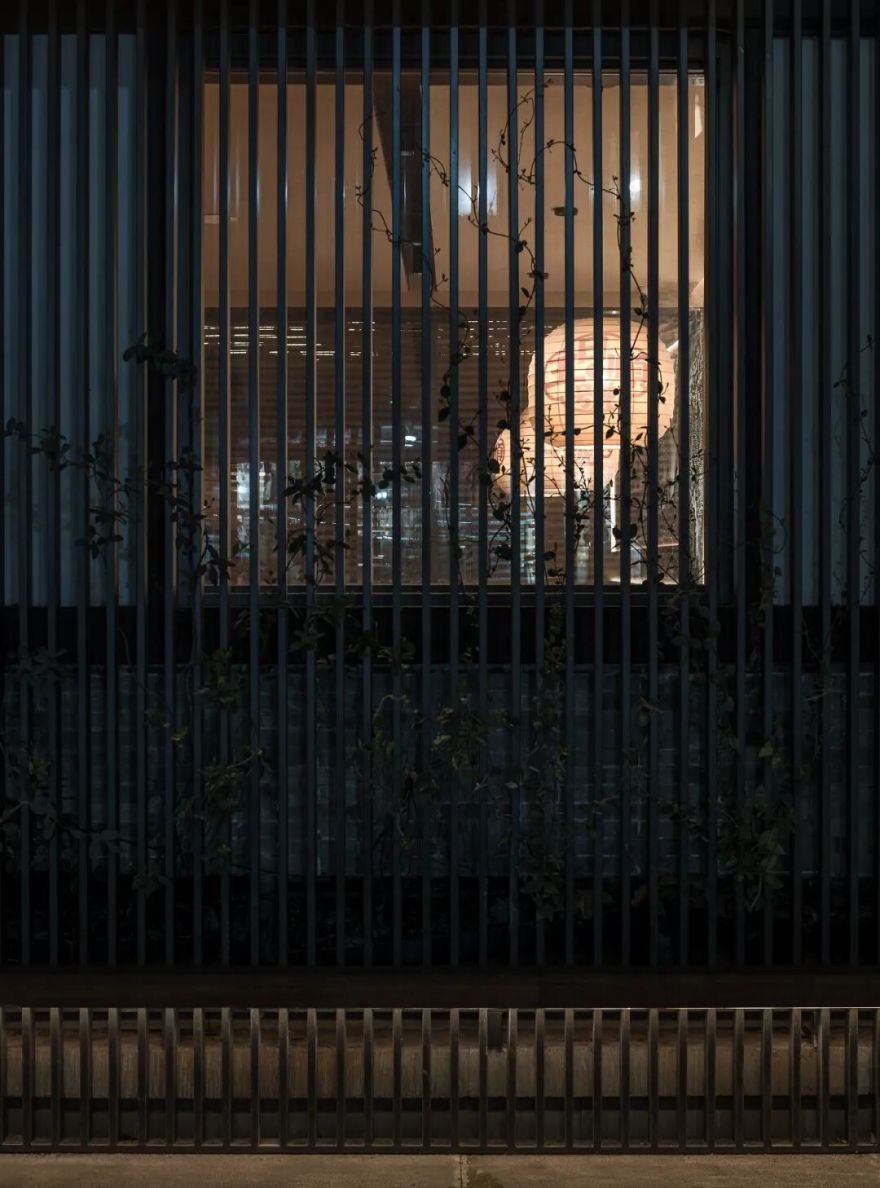


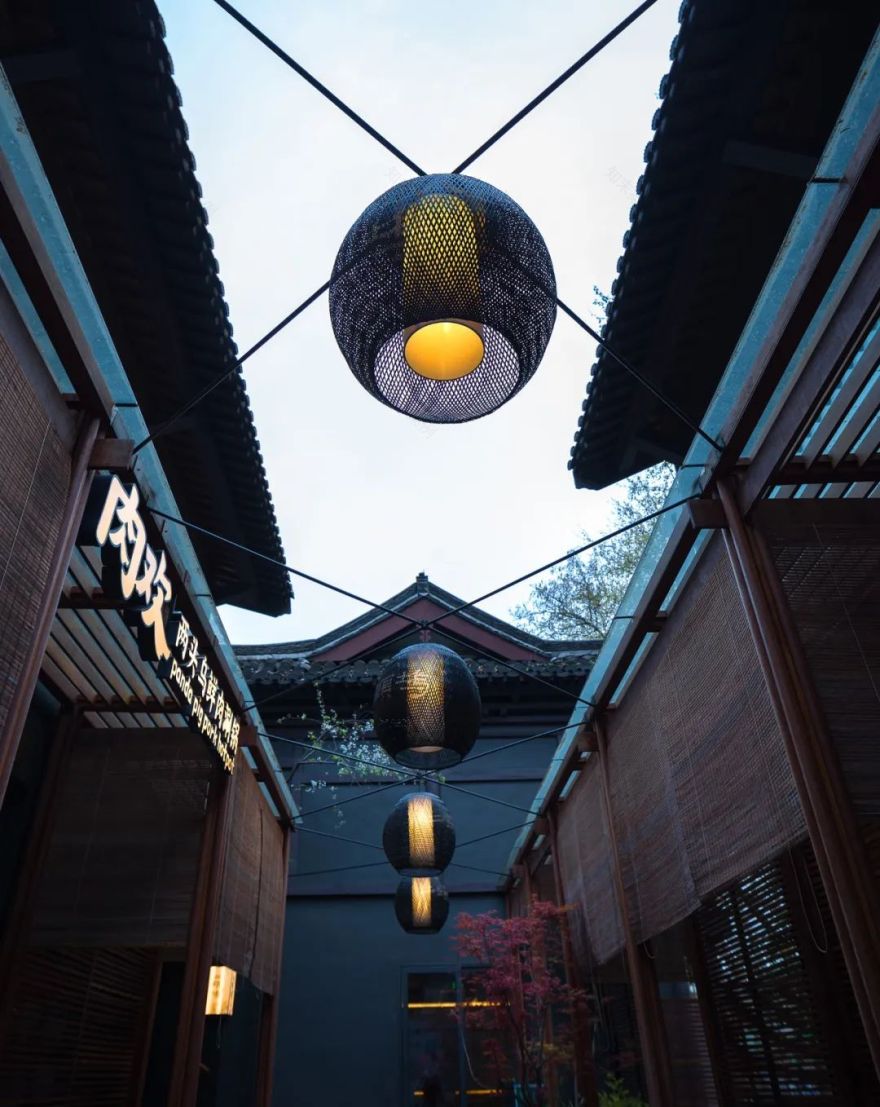

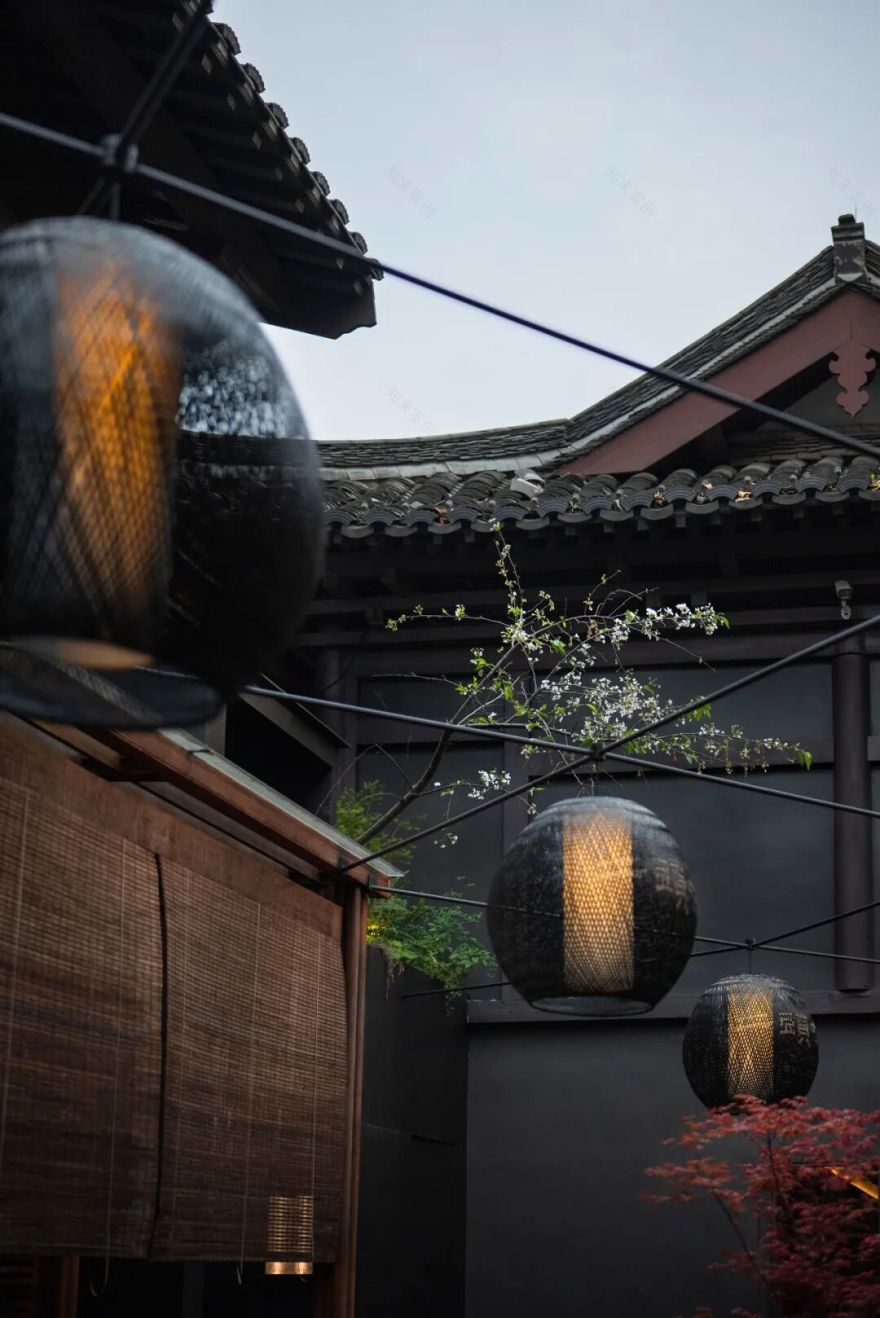

在这个地方你可以看到杭州自带的烟火气,不仅在这里老杭州青瓦白墙的建筑肌理上,更渗透于日常美食的空间叙事上。这里的空间形态随四季变化,并还原了传统文艺意境中享闲吃食的“院子文化”;许多店铺从清晨6点营业到晚上、甚至深夜,让到众饕客到杭州能邂逅一处充满烟火气的地段。
Here, Hangzhou’s inherent vitality manifests not only in the city’s architectural fabric of blue-tiled roofs and whitewashed walls but also in the spatial narratives of everyday culinary experiences. The design adapts to seasonal changes while reviving the "courtyard culture" of leisured dining from traditional literary aesthetics. Many shops operate from 6 a.m. until late evening or even midnight, allowing food enthusiasts to encounter a truly vibrant corner of Hangzhou.


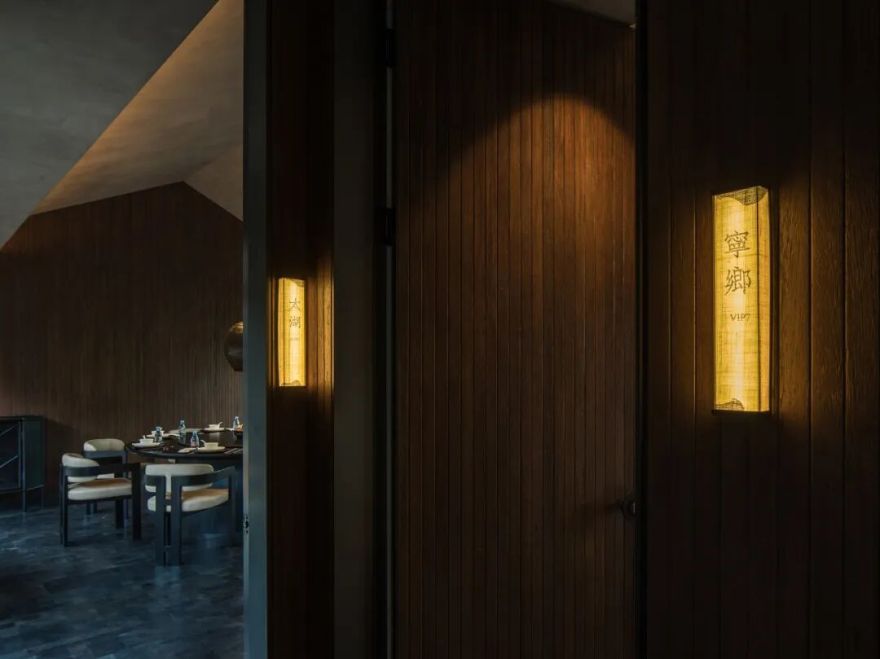

对于本地居民来说,改造后的沿街仍是生活场景的一部分,熟悉的市井味道与邻里温情并未改变;对于游客而言,这里是体验、解码杭州烟火气的绝佳入口,通过一街一巷、一食一味最直观地感知这座城市的市井温度。
For local residents, the renovated street remains an integral part of daily life—authentic street flavors and neighborly warmth persist unchanged. For visitors, it serves as an ideal gateway to experience and decode Hangzhou’s vibrant street culture, offering direct sensory encounters with the city’s urban warmth through every alley and lane, every dish and flavor.
二头坞这样的更新项目用到的设计方式很简单,我们在其中只力求一点:让大家可以真正获取美食的味道。这也是内建筑对在城市微更新中“如何去用最少的设计干预让它呈现最本质状态”的思考成果。
The design approach for projects like Baitouwu Culinary Village is refreshingly simple—our sole focus is enabling people to truly savor the authentic flavors of food. This reflects Interior Architecture Studio’s philosophy on urban micro-renovation: achieving the most essential spatial expression through minimal intervention.
·2
中国国际设计博物馆MUSE餐厅
Breath of the Artistic Realm
位于中国美院象山校区的 CDM 博物馆由葡萄牙建筑师阿尔瓦罗・西扎(Alvaro Siza)设计,MUSE 咖啡即坐落于其中。这个项目对室内有严格的空间改造限制:不得改变原有空间形态、材质等等,在这种情况下,微更新成为一个挑战设计师对空间介入尺度的难题。
Located within the China Academy of Art’s Xiangshan Campus, the CDM Museum designed by Portuguese architect Álvaro Siza houses MUSE Coffee. This project imposed strict interior renovation constraints: no alterations to the original spatial geometry, materiality, or finishes. Under these conditions, micro-renovation became a challenge that tested the designer’s ability to balance intervention with preservation—a delicate dance between enhancing functionality and honoring architectural heritage.
在对空间改造有限制的前提下,该如何用为美术馆的参观者提供一个舒适的就餐环境呢?设计应该如何的度介入原来的场景?微更新应该是简单明了的,设计也应该围绕明了的立意去做。从头看向整个项目,我们便明确了MUSE此回更新的目的:应该让餐厅是有氛围的,然后,是和艺术相关的。人,应该在博物馆的餐厅中获得安定感。
Given the constraints on altering the space’s architectural tension, how could we create a comfortable dining environment for museum visitors? What degree of intervention would respect the original context while enhancing functionality? Approaching the project with clarity, Interior Architecture Studio defined MUSE Coffee’s renovation goals: cultivate an ambiance that feels inherently artistic, offering visitors a sense of calm—a sanctuary within the museum’s cultural fabric.
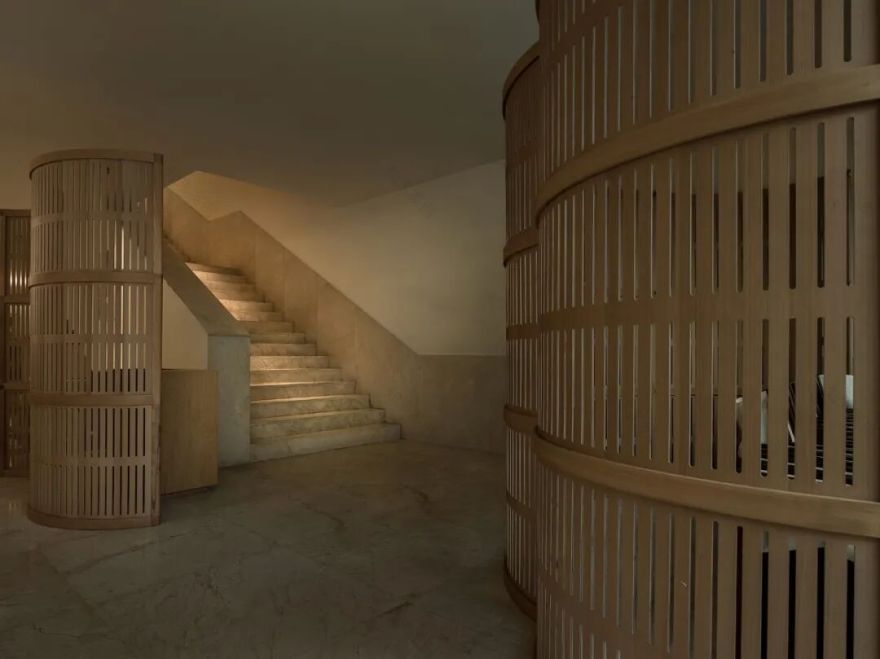


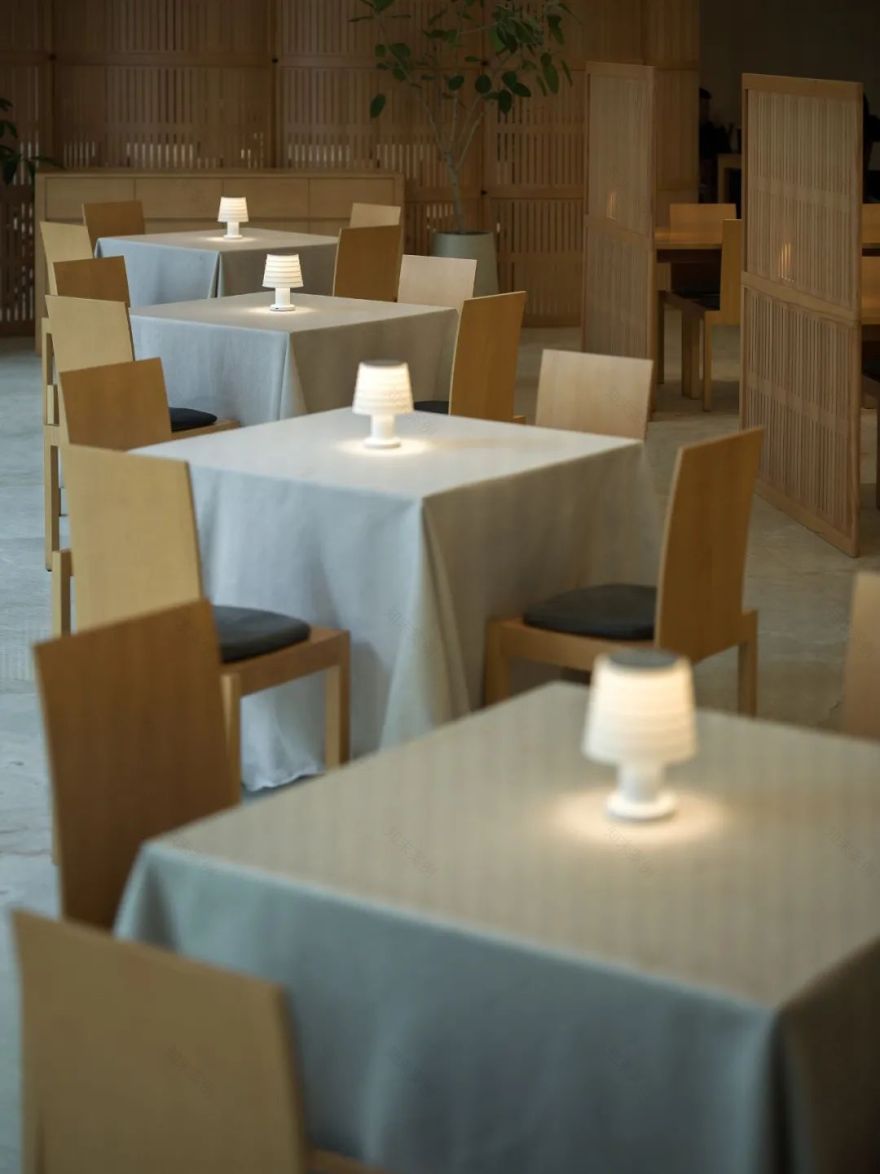


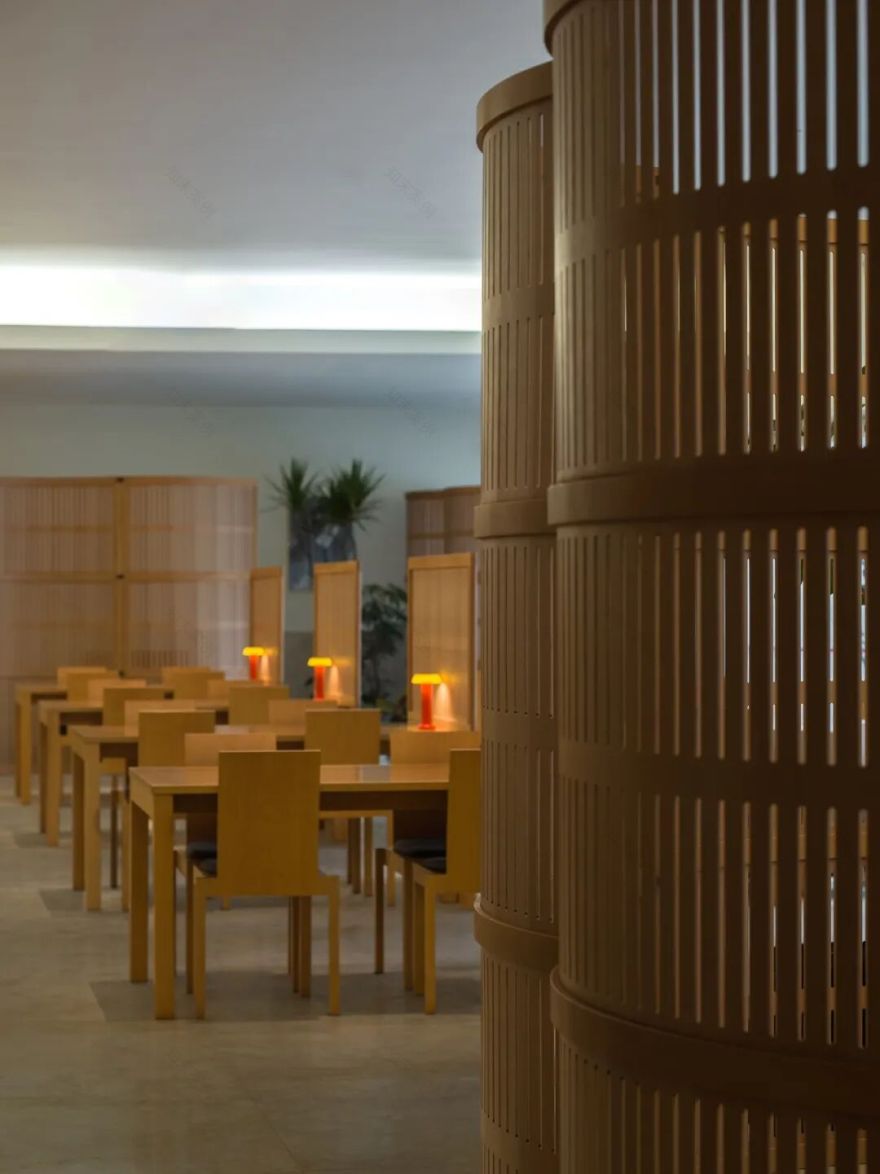


所以内建筑最终呈现的是一个 —— 可以去看大大的草坡、看室外的香草;阳光清脆澄澈时候可以欣赏空间面上的投影和流转;与朋友约会、聚餐的时候,有美好氛围的餐厅。
Interior Architecture Studio’s final design for MUSE Coffee offers visitors vast grassy slopes, outdoor herb gardens, and sunlit spatial projections—a place where friends can gather in an aesthetically rich environment. When sunlight filters through crisp, clear skies, the space comes alive with shifting shadows and textures, creating a sanctuary that balances natural beauty with artistic ambiance.
这次更新以后,中国国际设计博物馆的馆长非常开心与内建筑联系,她转述波士顿美术馆主策展人对MUSE餐厅的评价:“有非常高的水准,对建筑和空间的把握有非常好的分寸”——这就是设计师的点,也是微更新的点。其更新部分给人的感觉,应将是所做的一切都归回属于了原空间的一部分。
·3
新侨饭店 LS 美发沙龙
Feather-Touched Metamorphosis
空间位于湖滨商圈的新侨饭店北侧,毗邻银泰和苹果店,是杭州繁华商业中心的一处标志性建筑。说起新侨饭店本身,其曾是上世纪很有特色的杭州的高星级酒店,彼时酒店的大堂空间全采用了香港来的手艺内饰的不锈钢、地板使用的都是印度红石材,只是这些在20年前酒店更新的时候全部拆除了,变成了相对平庸的酒店。
Located north of the Xinqiao Hotel in the Hubin Commercial District, adjacent to Intime Department Store and the Apple Store, this space stands as an iconic landmark in Hangzhou’s bustling retail core. The New 侨 Hotel itself was once a distinctive luxury establishment in the mid-20th century, boasting a lobby adorned with Hong Kong-crafted stainless steel finishes and Indian red marble flooring—elements demolished during a renovation two decades ago, transforming it into a generic hotel.
这个空间的更新是酒店的一部分,即是面对银泰百货的侧翼做一个沙龙的空间。因此,怎么让老的建筑焕发新的活力,让这块地处优渥的街角重焕繁华的风景,并将新的业态注入到此处的空间关系中就成为了本次更新的核心思考。
This renovation project focuses on transforming a wing of the Xinqiao Hotel facing Intime Department Store into a salon space. The central challenge was to revitalize the historic building, reinvigorate its prime corner location with renewed urban vitality, and introduce new business models that harmonize with the existing spatial relationships—a quintessential micro-renovation approach by Interior Architecture Studio.


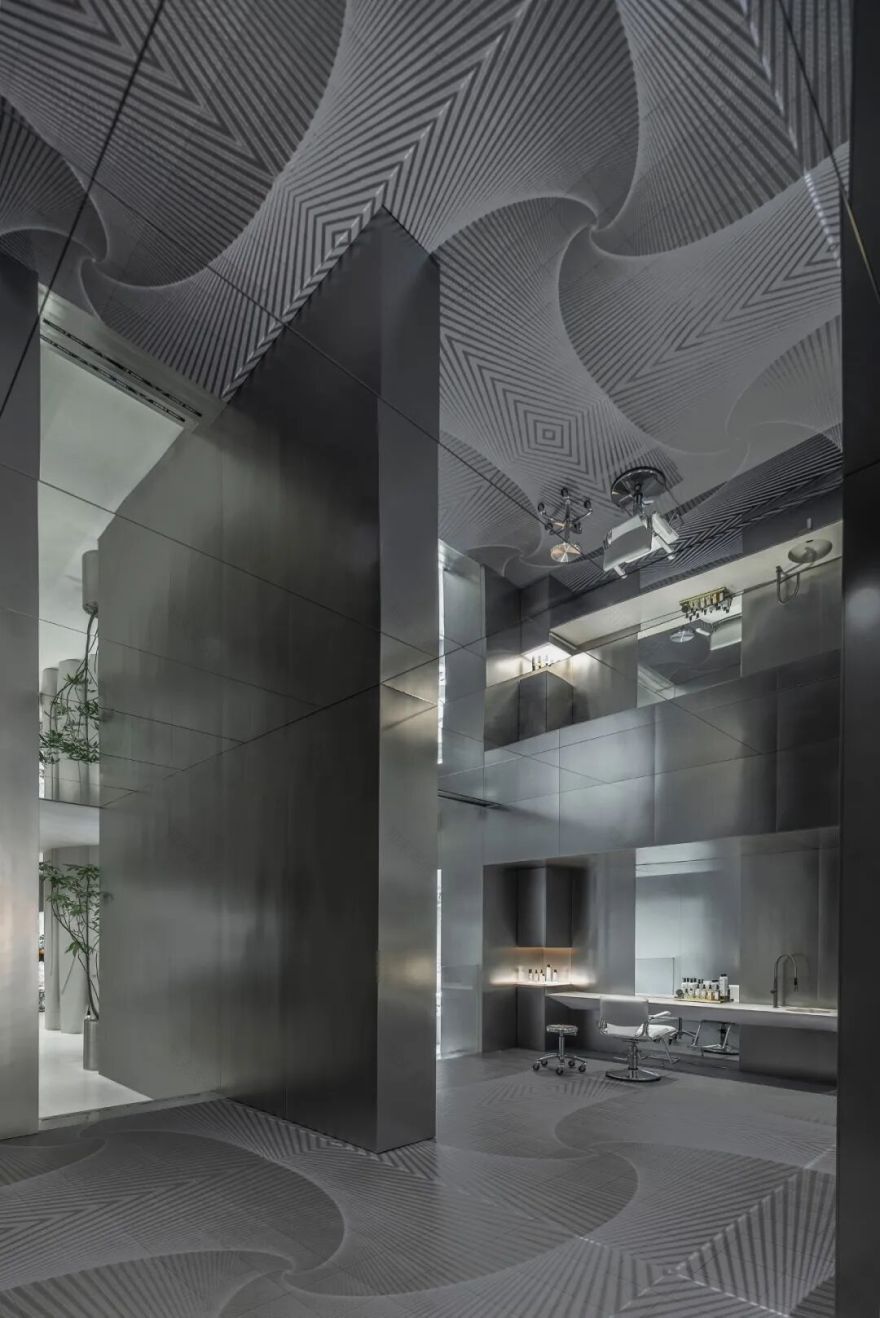
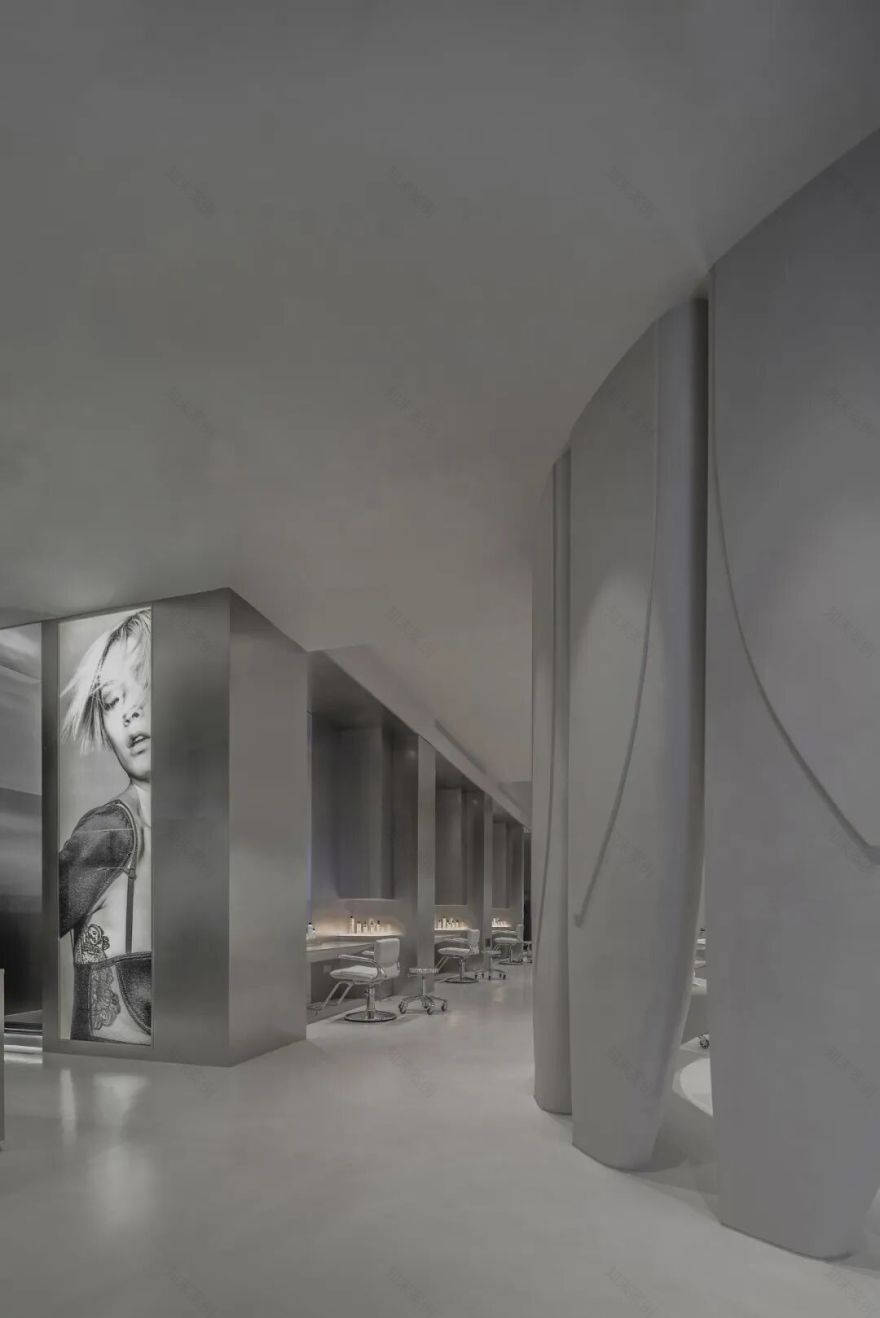

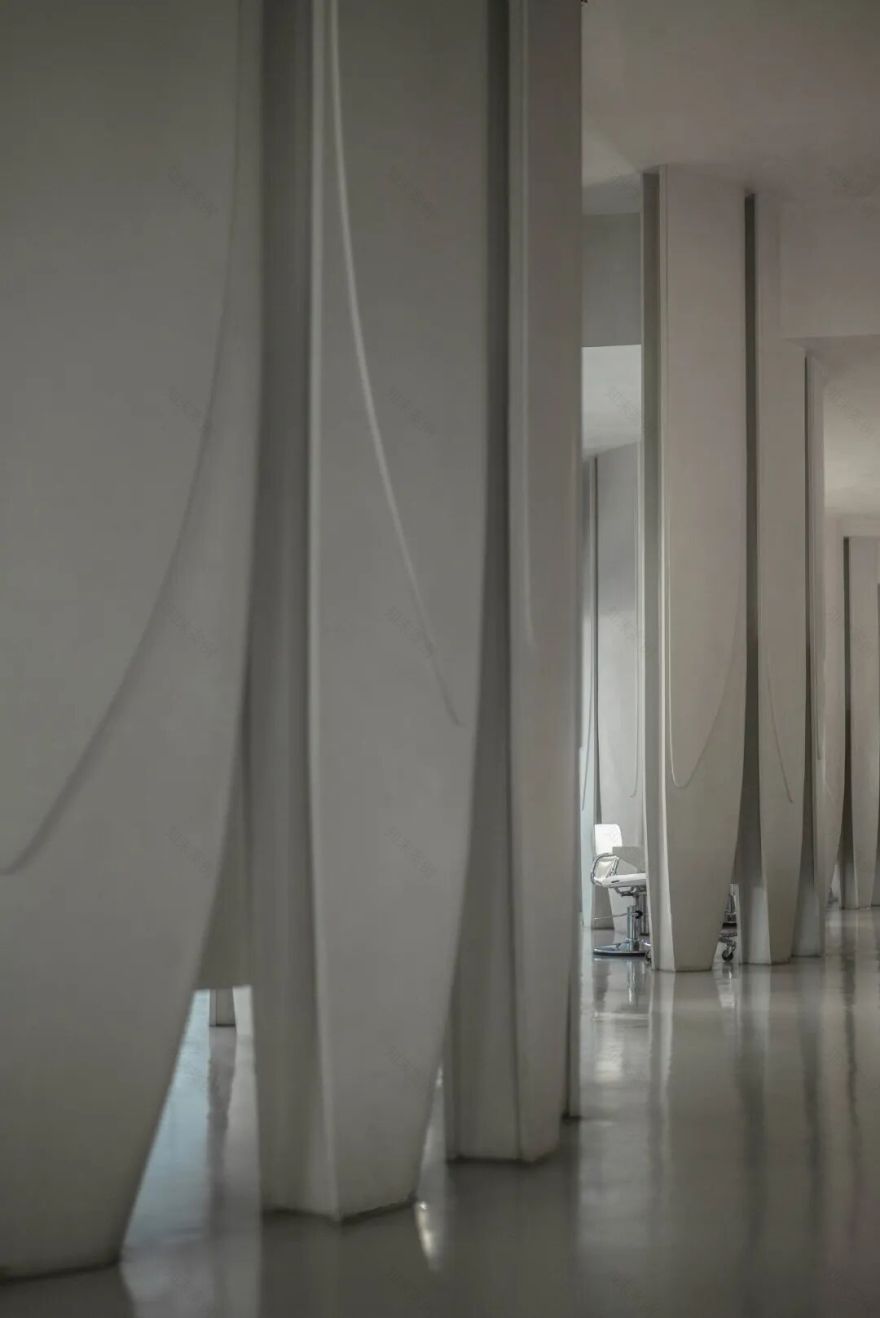


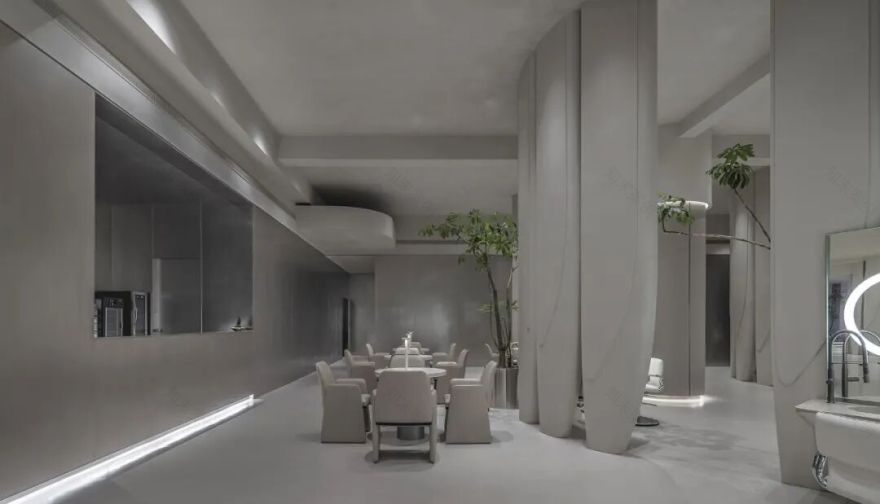
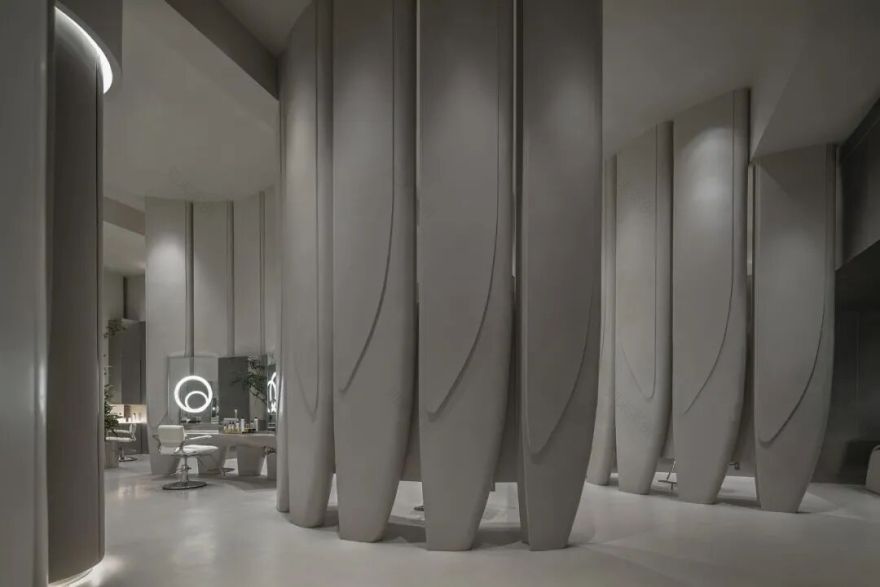


老子曾说“凿户牖以为室,当其无,有室之用。”重新建构老酒店的空间部分,正是向其中填充、赋予这里的无“有用”的意义,整个建筑在这次更新中秉持LS品牌一直以来的专业、舒适和仪式感的美学理念,传达到“所有人能像动物爱护羽毛一样爱惜自己的头发”的想法。
Laozi once said, "Cut doors and windows to form a room; it is the void within that gives the room its purpose." By reconstructing parts of the historic hotel’s interior, we sought to fill this "void" with meaningful utility. The renovation adheres to LS Brand’s core aesthetic principles of professionalism, comfort, and ceremonial elegance, conveying the p
hilosophy
that "everyone should cherish their hair as animals care for their plumage."
空间通过自流平和塑形水泥来达到空间的分割和重构,
使顾客在其中辗转的时候能体验到空间对头、发型的关注,通过微更新的部分进入建筑的意义,最终让整个区域“名副其实”。
The space employs self-leveling concrete and molded cement to achieve spatial division and reconstruction, enabling customers to experience the environment’s focus on head shape and hairstyling as they navigate through it. By integrating micro-renovated elements into the building’s narrative, the design ultimately ensures the area "lives up to its name"—redefining its purpose through intentional, incremental interventions.
·4
松木场菜市
Gustatory Echoes Along the Canal
位于杭州老城区省府保俶路约1000㎡的老菜场。承载着老杭州人独特的集体记忆。松木场在很多老杭州眼里是一个特定的概念。因为历史上,松木场河曾西接沿山河、余杭塘河,南连西湖,北通运河,作为水路枢纽,曾因松木堆积如山、香气远溢而得名 "松木场香市"。那段商船云集、香客络绎的繁荣景象,积淀了深厚的市井烟火记忆。
Located on Baoshu Road in Hangzhou’s historic provincial government area, this 1,000㎡ former wet market carries unique collective memories for long-time residents. For many older Hangzhou natives, "Songmuchang" (Pinewood Market) represents a distinct cultural identity. Historically, the Songmuchang River connected the Yanshan River and Yuhangtang River to the west, West Lake to the south, and the Grand Canal to the north. As a vital waterway hub, it earned its name from the mountains of pine logs that once filled the area, their fragrance permeating the air—a thriving era marked by merchant ships and incense pilgrims that shaped its vibrant street life legacy.
区域从水运时代传承下来的市井基因让设计有了“风雅与烟火共存”的着眼点。松木场菜市的 VI 系统参考了胡庆余堂片墙的大字风格,醒目而凸显文化厚度。内部通过非遗材料与传统工艺,在室内重构四季蔬果、美食轻食等一系列属于老百姓生活的场景空间。保留它与西湖非常近的距离感:通过通透的玻璃幕墙、可呼吸的院落布局,让市民在买菜时能隐约望见断桥垂柳,将松木场与西湖的空间对话延伸至日常消费场景。
The area’s historical legacy as a waterway hub inspired the design concept of
"harmony between elegance and street life". The VI system for Songmuchang M
arket borrows bold typography from the exterior walls of Huqingyutang Pharmacy, a cultural landmark, to create a visually striking yet culturally rooted identity. Inside, intangible cultural heritage materials and traditional craftsmanship recreate seasonal produce, gourmet snacks, and everyday life scenes—all while preserving its proximity to West Lake. Transparent glass facades and breathable courtyard layouts allow residents to glimpse the Broken Bridge and weeping willows while shopping, extending the spatial dialogue between Songmuchang and the lake into daily consumption scenarios.


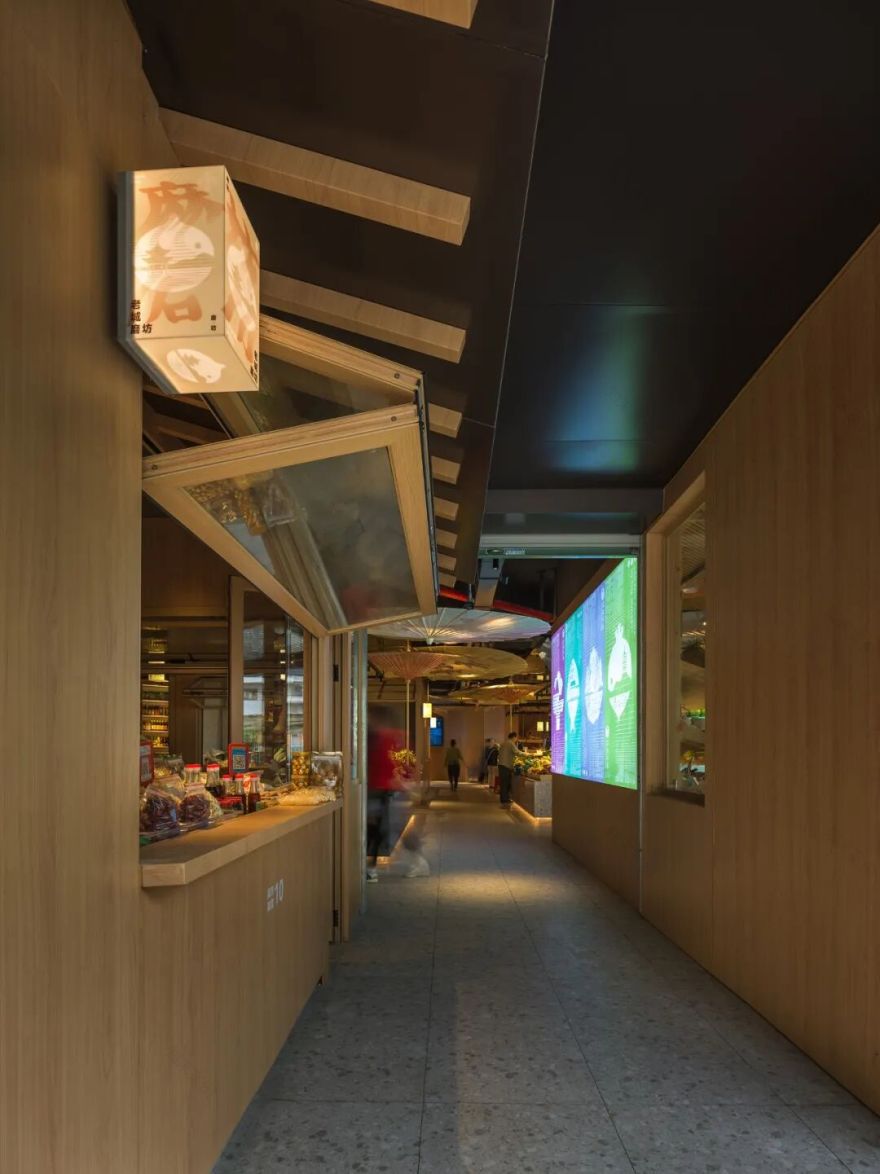


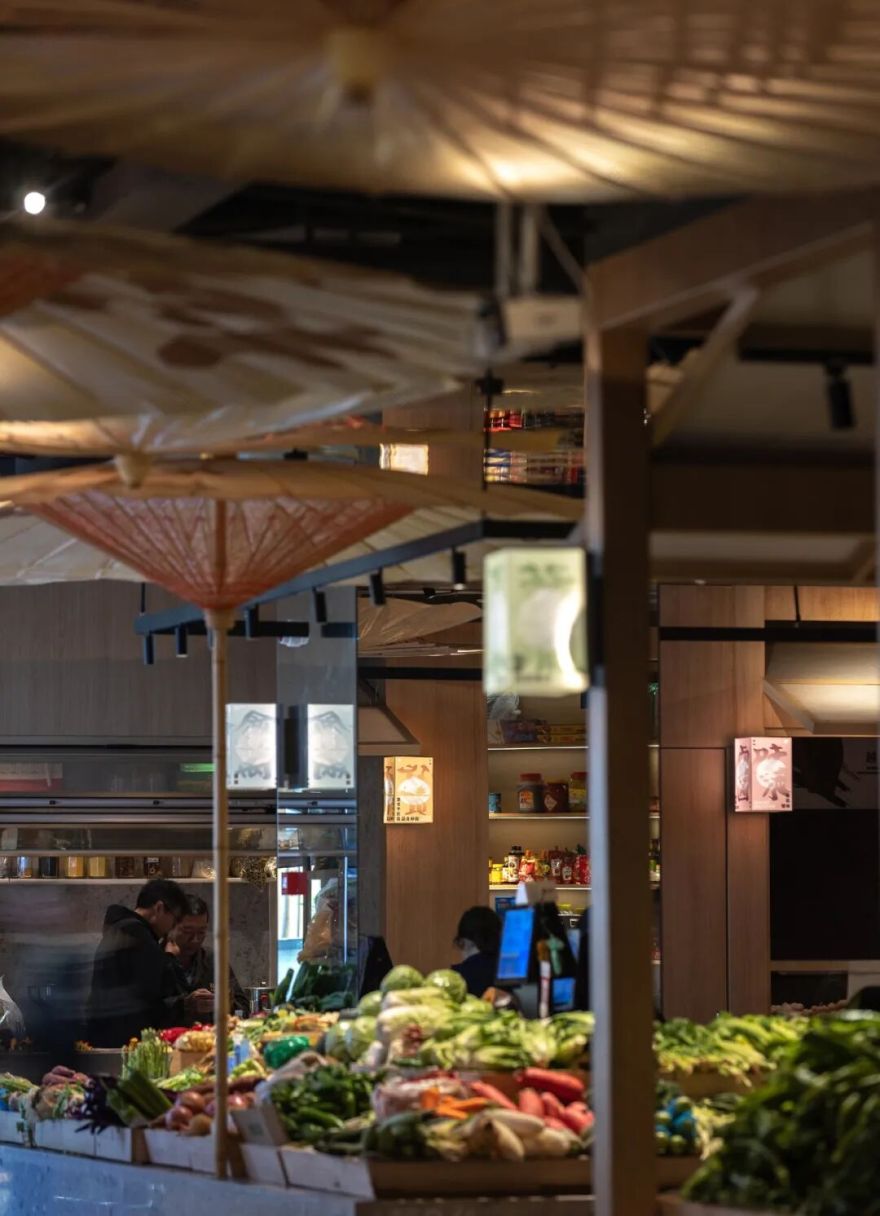


城市文化差异与文旅特征的显现,源于人们探索城市的视角与方式。杭州既适合隐逸山林,也适宜漫步市井。过去的杭州曾是由无数承载味觉记忆的巷弄编织而成的,而现在……这座城市从来不缺少精致的空间叙事,但当标准化商业浪潮席卷街巷,本土生活的诗意也乏善可陈了,所以还是要把那些精致的东西提出来。松木场菜市的微更新正是此文化自觉的实践——以精致菜场为载体,将杭州 "风雅与烟火并存" 的城市特质具象,抵御标准化商业对本土生活的稀释。
Urban cultural diversity and tourism identities emerge from the perspectives and methods by which people explore cities. Hangzhou caters to both reclusive mountain retreats and leisurely strolls through urban alleyways. Historically, the city was woven from countless lanes steeped in culinary memories. Today, while Hangzhou abounds in sophisticated spatial narratives, the poetic essence of local life risks dilution under homogenized commercialization. This calls for a reclamation of refinement—a mission embodied by Songmuchang Market’s micro-renovation. As a curated food market, it materializes Hangzhou’s unique duality of
"elegance coexisting with street life", resisting standardized commercialization
to preserve the city’s authentic cultural fabric.
·5
文二菜市·称心书房
Renaissance of a Derelict Villa
称心小筑原为文二菜市对面一栋面积约 200㎡的废弃老别墅。在与中国计量学院的合作中被改造为社区公共客厅。作为文二社区更新计划的重要拼图,设计以 "全民阅读" 为核心理念,通过院落式空间布局,打造集阅读、社交、文化体验于一体的社区公共客厅。
C
hengxin Xiaozhu, originally a 200㎡ abandoned villa opposite Wen’er Market, was transformed into a community living room through collaboration with China Jiliang University. As a key component of the Wen’er Community Renewal Initiative, the design centers on "nationwide reading" as its core philosophy. By adopting a courtyard-style spatial layout, it creates a spiritual retreat integrating reading, social interaction, and cultural experiences—a vital hub for community engagement.


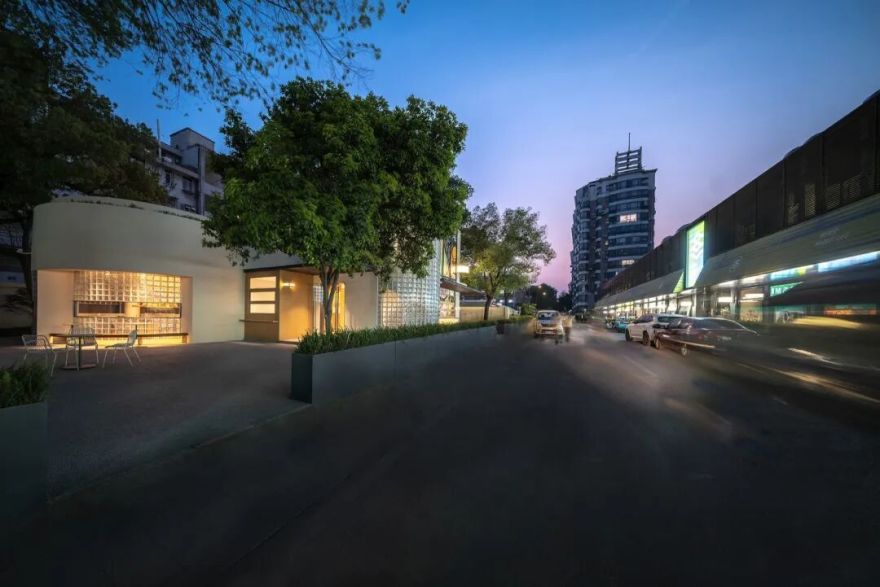


为什么叫称心小筑?其名称源于对 “称心如意” 的生活期许:当文二菜市满足了居民物质世界的需求,则也应该提供一处转化“柴米油盐”到“诗与远方”的过渡空间来喂饱精神世界。它有一二楼打通的非常舒服的院落空间,将整个流动的共享场域和外立面一体化后,融洽地成为了这个社区的一部分。
The name Chengxin Xiaozhustems from the Chinese idiom "称心如意" (achieving heartfelt satisfaction). While Wen’er Market fulfills residents’ material needs, this space aims to bridge the gap between daily necessities and spiritual aspirations. By integrating a two-story courtyard layout and harmonizing its shared interior with the exterior facade, it seamlessly becomes part of the community—a transitional zone where mundane routines transform into moments of elevated living.
在设计成果的角度上看,文二微更新群为杭州增色不少。称心小筑的意义在于提供了一个符合市民理想的公共空间,它有着老百姓想象的、想要的气质、观感和氛围。用微小的部分改变生态,让整体的氛围变得更加和谐,这亦是微更新的意义所在。
From a design perspective, the Wen’er Micro-Renovation Cluster has significantly enhanced Hangzhou’s urban fabric. Chengxin Xiaozhu exemplifies this by providing an ideal public space that aligns with citizens’ aspirations—embodying the character, aesthetics, and ambiance they envision. By transforming ecosystems through incremental interventions, micro-renovation achieves its true purpose: harmonizing the overall urban atmosphere through strategic, small-scale transformations..
建筑与室内设计|内建筑
文字、摄影|景别
南京喵熊网络科技有限公司 苏ICP备18050492号-4知末 © 2018—2020 . All photos and trademark graphics are copyrighted by their owners.增值电信业务经营许可证(ICP)苏B2-20201444 苏公网安备 32011302321234号
苏公网安备 32011302321234号客服
消息
收藏
下载
最近