

创作上传
VIP
收藏下载
登录 | 注册有礼
查看完整案例

收藏

下载

分享

Deep in the streets of Bangkok, Phanu House tells a moving story of "inheritance and rebirth" through a gentle renovation. This family residence renovated by S+S Architects not only solves practical problems such as roof leakage and cramped space, but also takes "new things from the past" as the design soul, transforming the old house built by the late father into an emotional container that carries the memories of multiple generations living together.
在曼谷的街巷深处,Phanu House 以一场温柔的改造,讲述着关于 “传承与新生” 的动人故事。这座由 S+S Architects 操刀翻新的家族宅邸,在解决屋顶渗漏、空间局促等实用问题的同时,以 “旧物新生” 为设计灵魂,将已故父亲亲手建造的老宅转化为承载多代同堂记忆的情感容器。


The architects retained the original wooden structure of the building, and the mottled beige paint on the exterior wall was carefully peeled off, revealing the rough texture of the hand-plastered plaster in the 1980s. The wooden beams of the eaves that were eroded by bird nests were reinforced with steel structures after anti-corrosion treatment, and transparent acrylic panels were embedded in the gaps, which not only preserved the traces of time but also gave the structure safety. The wooden shutters facing the street are particularly worth mentioning - the teak texture of the original window sash has been polished by time to be as smooth as jade. During the renovation, only the rusted hinges were replaced, and the familiar creaking sound can still be heard when opening and closing.
建筑师保留了原建筑的木结构框架,外墙斑驳的米黄色涂料被小心剥离,露出 1980 年代手工抹灰的粗糙肌理。那些被鸟类筑巢侵蚀的屋檐木梁,经防腐处理后以钢结构加固,缺口处嵌入透明亚克力板,既保留岁月痕迹又赋予结构安全。特别值得一提的是临街的木质百叶窗 —— 原窗扇的柚木纹理已被时光打磨得温润如玉,翻新时仅更换了锈蚀的合页,启闭间依然传来熟悉的吱呀声。


Entering the entrance hall, the reclaimed wooden floor underfoot tells the past and present of the old house: 70% of the floor was taken from the original second-floor deck, and after sanding, the herringbone pattern that was spliced by my father was revealed. The newly added oak board was dyed dark brown, forming a visual collage of "old times and new daily life". The stair handrail retains the original turned wood shape, and the cracked end of the handrail is carefully repaired. A brass nameplate is embedded in the gap, engraved with the names of family members and the year of renovation. The most touching thing is the old wardrobe door in the living room - these wooden doors with carved glass are disassembled as wall decorations, and the water marks on the glass and the patina of the wooden frame are completely preserved, becoming the silent narrator in the space.
踏入玄关,脚下的再生木地板诉说着老宅的前世今生:70% 的地板取自原二楼甲板,经砂光处理后露出当年父亲亲手拼接的人字形纹路,新补的橡木板则以深褐色染色,形成 “旧时光与新日常” 的视觉拼贴。楼梯扶手保留了原始的旋木造型,开裂的扶手末端被小心修补,缺口处嵌入黄铜铭牌,刻着家族成员的名字与改造年份。最触动人心的是客厅的旧衣柜门 —— 这些带有雕花玻璃的木门被拆解为墙面装饰,玻璃上的水痕与木框的包浆被完整保留,成为空间中静默的叙事者。


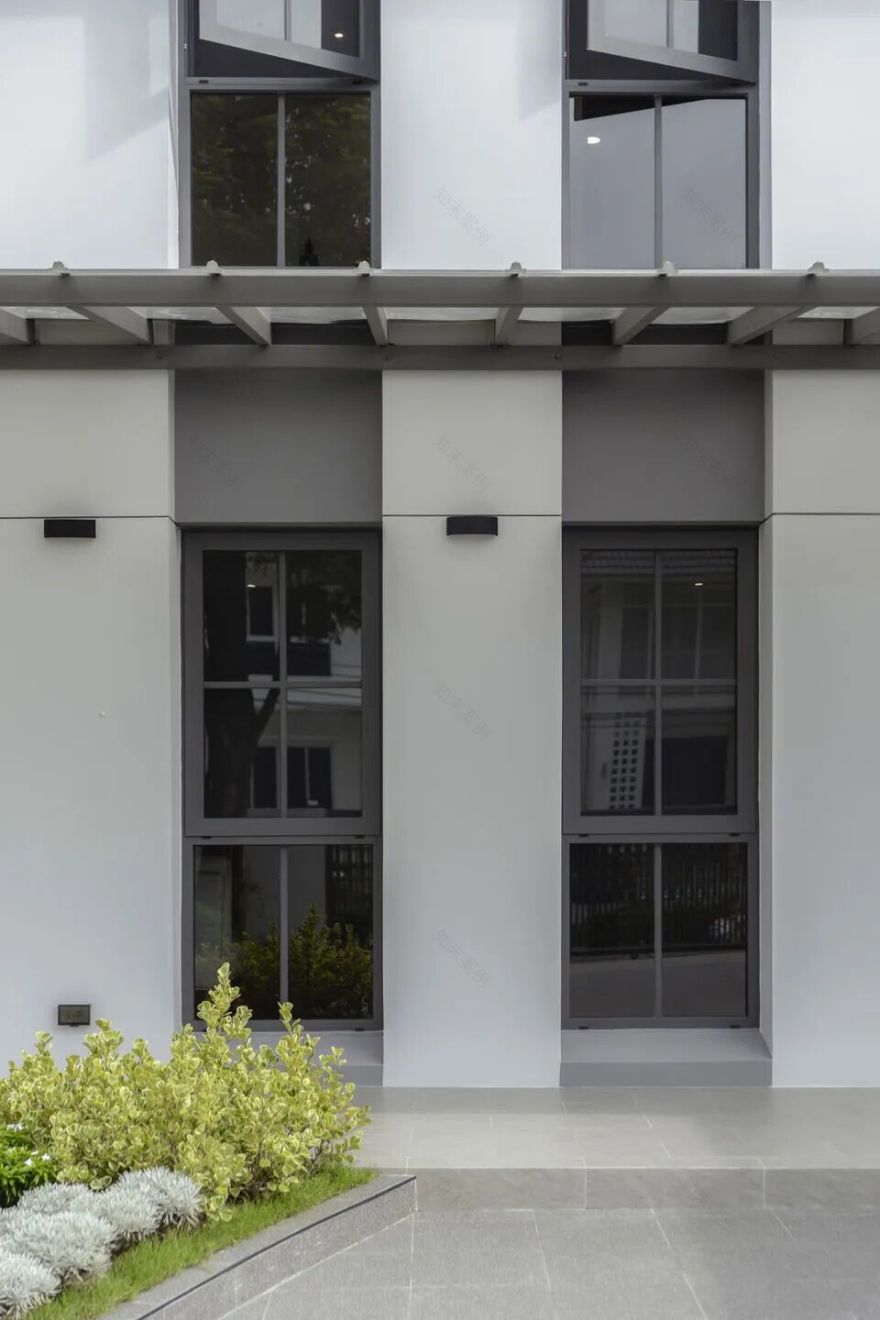

In response to the needs of multi-generational living under one roof, the design team carried out "minimally invasive additions" without destroying the original structure: a new steel-structured staircase was added on the north side of the old house, leading to the added attic bedroom, and the stair treads were made of slices of wooden beams removed from the original house, with each wooden board marked with the location of the material; the basement was transformed into a shared activity space, with the brick foundation of the original building exposed and matched with the newly poured concrete floor, forming a vertical dialogue between the "historical layer and the modern layer".
针对多代同堂的居住需求,设计团队在不破坏原有结构的前提下进行 “微创式加建”:在老宅北侧新增钢结构楼梯,通往加盖的阁楼卧室,楼梯踏板采用原老宅拆除的木梁切片,每块木板都标注着取材位置;地下室被改造为共享活动空间,原建筑的砖基础裸露在外,搭配新浇筑的水泥地面,形成 “历史层与现代层” 的垂直对话。


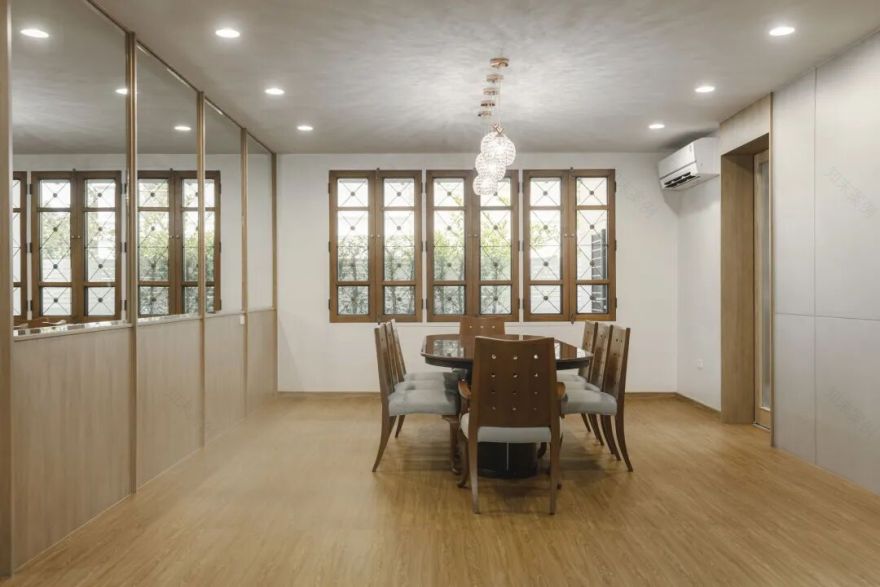


The original closed kitchen was opened up to form an "L-shaped social hub" with the living room. The island countertop uses the cabinet door panels removed from the old house, and the burn marks and knife scars on the edges are carefully preserved, becoming the center of discussion during family gatherings; the wall is embedded with a retro enamel tableware cabinet, which forms a material contrast with the newly purchased stainless steel kitchenware. The chandelier hanging above the restaurant is made from an old bicycle wheel, with family photos wrapped between the spokes, and the dining time seems to be drawn into the vortex of memory.
原有的封闭厨房被打通,与客厅形成 “L 形社交枢纽”。岛台台面沿用老宅拆除的橱柜门板,边缘处的烫痕与刀疤被精心保留,成为家庭聚餐时的话题中心;墙面嵌入复古搪瓷餐具柜,与新购置的不锈钢厨具形成材质对比。餐厅上方悬挂的吊灯由旧自行车轮改造而成,辐条间缠绕着家族照片,用餐时光仿佛被卷入记忆的漩涡。


The whole house adopts a "dual light source" design: the basic lighting is a hidden LED light strip, which provides sufficient brightness for modern life; the key lighting uses Edison bulbs with old kerosene lampshades, and the warm yellow light sprinkled on the old furniture instantly awakens the nostalgic atmosphere. Especially at the corner of the stairs, the wall lamp of the original building has been transformed into an audio-visual device. Touching the switch can play family recordings, allowing the voice of the deceased father to echo in the old house again.
全屋照明采用 “双光源” 设计:基础照明为隐藏式 LED 灯带,提供现代生活所需的充足亮度;重点照明则使用爱迪生灯泡搭配旧煤油灯罩,暖黄色光线洒在老家具上,瞬间唤醒怀旧氛围。特别在楼梯转角,原建筑的壁灯被改造为声光装置,触碰开关即可播放家族录音片段,让已故父亲的声音再次在老宅中回荡。


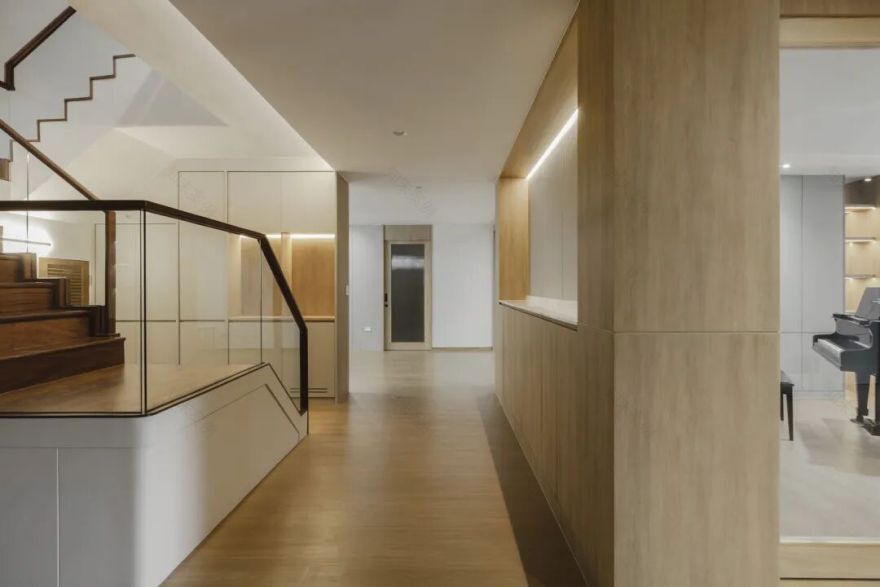
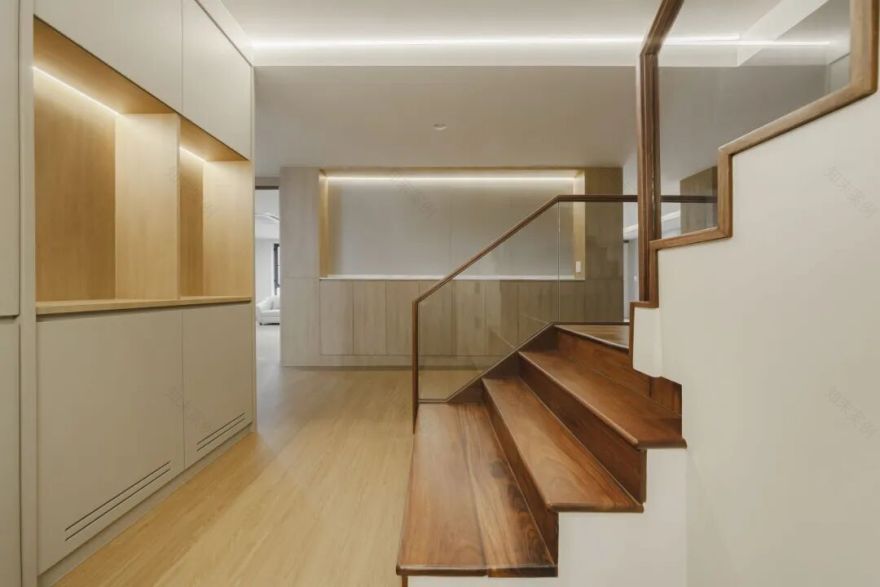

95% of the construction waste generated during the renovation process was recycled: the demolished red bricks were crushed into aggregate for the courtyard paving, and the concrete fragments were used to fill the new foundation; old newspapers, letters and other debris were pressed into decorative panels for the background wall of the children's room. The most ingenious thing is the washbasin in the bathroom - the countertop is made of the threshold stone of the original old house, and the worn edges just form a comfortable grip. The storage cabinet under the counter is transformed from an old wooden box, and the handle retains the "P" abbreviation carved by my father.
改造过程中产生的建筑垃圾实现 95% 回收利用:拆除的红砖被粉碎为庭院铺装的骨料,混凝土碎块用于新地基的填充;旧报纸、信件等杂物被压制成装饰板材,用于儿童房的背景墙。最具巧思的是卫生间的洗手台 —— 台面采用原老宅的门槛石,边缘磨损处恰好形成舒适的握感,台下的储物柜则用旧木箱改造,拉手保留着父亲当年刻下的 “P” 字母缩写。
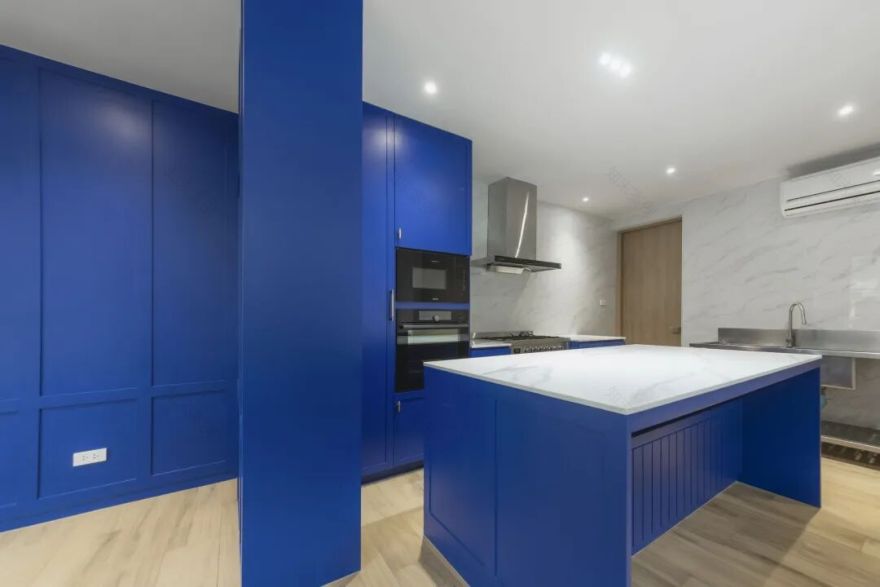

The renovation of Phanu House is essentially a spatial experiment on "how to coexist with the past". It refuses to turn the old house into a museum, but through the design syntax of "juxtaposition of old and new", it makes history a touchable and participatory living background. When grandchildren run on the recycled wooden floor, the footsteps overlap with the sound of their father's leather shoes in memory; when the family gathers for dinner, the carved glass of the old wardrobe door reflects the smiles of new faces - these moments prove that true inheritance is never a clinging to material things, but to let the warmth of the past continue to grow in the present life.
Phanu House 的改造,本质是一场关于 “如何与过去共处” 的空间实验。它拒绝将老宅变成博物馆,而是通过 “新旧并置” 的设计语法,让历史成为可触摸、可参与的生活背景。当 grandchildren 在再生木地板上奔跑,脚步声与记忆中父亲的皮鞋声重叠;当家族聚餐时,旧衣柜门的雕花玻璃映照着新面孔的笑容 —— 这些瞬间证明,真正的传承从来不是对物质的固守,而是让过去的温度,在当下的生活中持续生长。

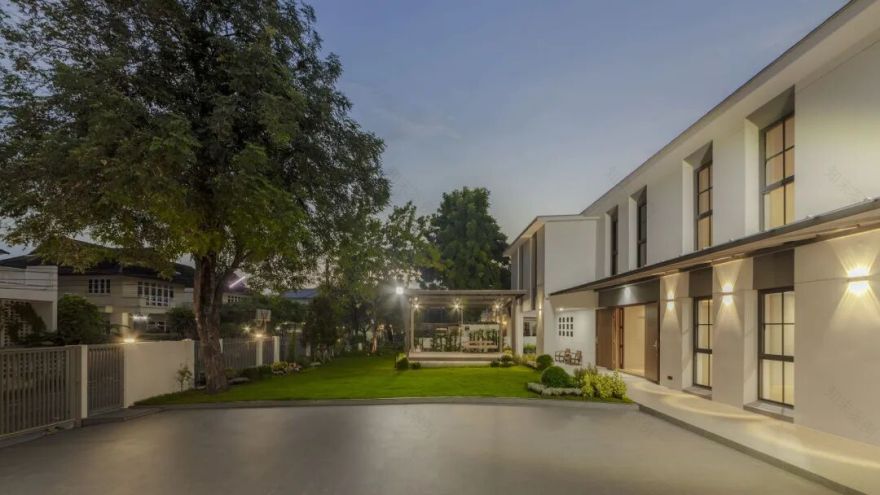


In the rapidly changing city of Bangkok, Phanu House is like a piece of warm amber, sealing the emotional code of a family and illuminating another possibility for the renovation of old houses: not to tear them down and start over, but to move gently towards the future with the weight of time.
在曼谷这个飞速变迁的都市里,Phanu House 如同一块温润的琥珀,封存着一个家族的情感密码,也照亮了老宅改造的另一种可能:不是推倒重来的决然,而是带着时光的重量,温柔地走向未来。


编辑:
夏边际
撰文:豆宝宝
校改:吴一仁
编排:布忠耀
本文素材图片版权来源于网络,
如有侵权,请联系后台,我们会第一时间删除。
建筑 | 室
内 | 设计 | 艺
术
商务联络
南京喵熊网络科技有限公司 苏ICP备18050492号-4知末 © 2018—2020 . All photos and trademark graphics are copyrighted by their owners.增值电信业务经营许可证(ICP)苏B2-20201444 苏公网安备 32011302321234号
苏公网安备 32011302321234号客服
消息
收藏
下载
最近