

创作上传
VIP
收藏下载
登录 | 注册有礼
查看完整案例

收藏

下载

分享
BAU创始人在“大地之歌·2025美丽中国纪事”展览专访中分享环元荡贯通桥项目
BAU Founding Partners' In-Depth Interview
on Yuandang Bridge Project in “Song of the Earth · 2025 Beautiful China Chronicle” Exhibition
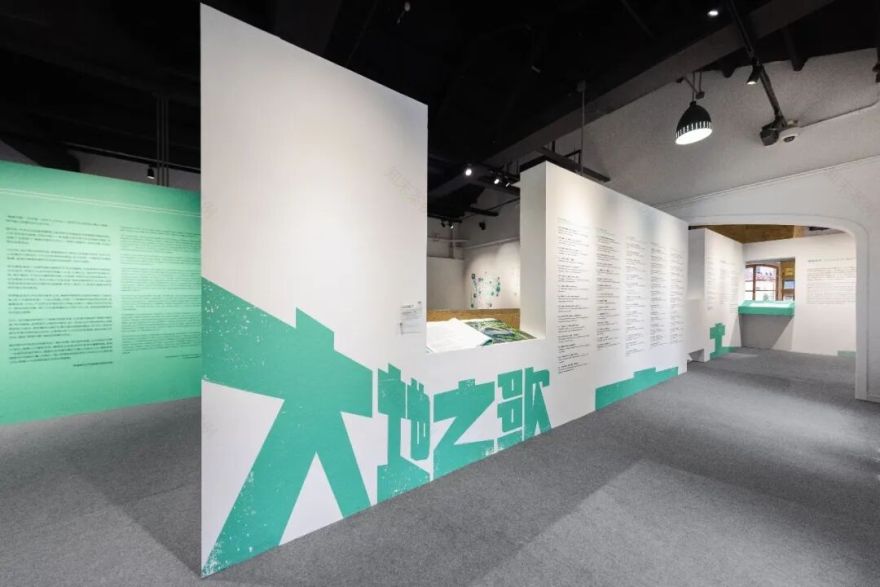
Brearley Architects & Urbanists (BAU)受邀参加“大地之歌·2025美丽中国纪事”系列展览。展览由中国美术学院、自然资源部宣传教育中心主办。
Brearley Architects & Urbanists (BAU) has been invited to participate in the “Song of the Earth · 2025 Beautiful China Chronicle” exhibition, jointly organized by the China Academy of Art and the Publicity and Education Center of the Ministry of Natural Resources.
BAU
的参展项目为环元荡贯通桥,主办方对
BAU
创始人
James Brearley
和
Shirley Fang Qun
方群进行了专访。
The project exhibited by BAU is the Huanyuandang Connection Bridge. The organizers conducted an exclusive interview with BAU founders James Brearley and Shirley Fang Qun.

环元荡贯通桥
长三角一体化示范区首座新建慢行桥
地点
上海市青浦区、江苏省苏州市吴江区
主创代表
James K Brearley、黄芳、郭列侠、潘琳璐
合作共建
中国长江三峡集团
江苏省汾湖高新技术产业开发区建设局
上海市青浦区水利管理所
长三角生态绿色一体化发展示范区执委会
上海勘测设计研究院有限公司
中交上海航道局有限公司
时间
2020年
简介
环元荡贯通桥横跨沪苏边界的元荡湖,连接上海青浦与江苏吴江,是长三角一体化示范区的首座新建慢行桥,全长586 米。桥梁以“同心结”为设计理念,象征青吴两地协同发展的愿景。桥身如一条飘逸的缎带,栏杆融入湖水柔波元素,与湖面波光交相辉映。桥上的太湖石小品结合传统雕塑与数字技术,既是艺术装置,又为游客提供互动体验。桥面分为骑行道、慢行道和绿化带,线性布局巧妙分隔行人与骑行者,并设有观景平台、休闲长凳等设施,为游客提供舒适的休憩空间。
作为生态与文化的纽带,元荡桥延续了两岸生态公园的原生理念,打造了一座“浮动花园”。桥上绿化种植融入本土植物,与周边自然环境和谐相融。桥梁串联了千帆归渡、闲梦云台等旅游资源,形成一条连续的生态景观带。元荡桥不仅提升了区域环境品质,还实现了青浦与吴江蓝绿体系的直接联通,满足了居民游览、休闲、观赏等多重需求,成为元荡湖上一道兼具功能性与观赏性的标志性景观。

受访者
James Brearley,Shirley Fang Qun方群
采访时间
2025年1月3日
问:您能简单介绍一下这个项目吗?它具体包含哪些内容?我们看到这座桥了,但它是否还涉及其他部分?另外,您能大致谈谈它的预算吗?
Q: My first question is, could you please briefly introduce this project, like what it includes? Because we saw this bridge, but does it include anything else? Also, could you please kind of talk with us about its approximate budget?
J. Brearley:这是上海和江苏之间一项非常有意思的新合作。这个地区位于两个省市的交界处,而通常来说,省份的边缘区域往往容易被忽视,缺少关注。但事实上,由于这些区域彼此相邻,特别是靠近上海这样一座超大城市,它其实拥有巨大的发展潜力。这次合作的一个有趣之处就在于,它巧妙地重新定义了这些边缘地区,使其从传统意义上的“边缘地带”变成了一个积极发展的合作区域。
方群:过去,这些边缘地区几乎没有得到太多关注,而现在政府希望将上海、江苏和浙江三个区域整合在一起,增强它们之间的联系,充分利用各自的优势,把发展的重点放在这个区域。上海、江苏和浙江是长三角最发达的地区之一,所以现在这个区域有点像一个特别的行政区,设立了专门的管理机构。不过,它并不是传统意义上的政府,而是一个专门负责建设和开发的机构,同时也得到了各地方政府的资金支持。
J. Brearley:在管理层级上,它的职能类似于一个跨省级联动机构,使该区域有机会开展一系列具有示范性的重点项目。而这座桥梁,正是为庆祝三地合作而建的标志性启动项目。
方群:当然,这座桥只是整个区域更大规模景观规划的一部分。如果你看它的位置,上海和江苏各自都有很大的城市景观公园,比如湿地和自然公园,而这座桥就是连接这两大片公园的重要纽带。我记得桥的总长度大概是600 米,包括水面上的部分以及两端的坡道。其中,大约一半的长度是跨水桥段,而两端的坡道各自大约150 米,加起来共300 米。所以整个建设成本,包括桥梁本体、坡道,以及水中的净化岛(这些岛屿也是桥梁工程的一部分),总预算大概是8700万人民币。
J. Brearley:这无疑是一项非常大的投资,也是一个极具重要性的项目。围绕这个湖区,政府投入了大量精力用于污染治理、生态修复,同时也希望将这里打造为一个环境优美的休闲场所,让当地居民和来自上海及其他地区的国际游客都能享受这里的自然景观。
J. Brearley: Well, we can just do it together. Don’ t you think, well, there’ s a very interesting new cooperation between Shanghai and Jiangsu. And it’ s interesting because this area is the sort of edge of each of those provinces or city provinces, and being at the edge of a province, these are often the neglected areas, places that don’ t get enough attention. As it turns out, because of the proximity of these areas together, especially being close to Shanghai, one of China’ s megacities, it’ s a place with great potential. So there’ s this quite ingenious reframing of these edge areas into a positive cooperation project.
Fang Qun: The edge was totally neglected before, and then the government wants to combine the three areas and strengthen the connections, you know, get the advantages of these three places to focus on this area. Shanghai, Jiangsu, and Zhejiang are really the most developed areas in China’ s Yangtze River Delta. So now it’ s acting like a special district, and it has its own government. It’ s not a general government, but it's just the construction and development government. Yeah, so there’ s a new authority, which has some funding from each of those governments.
J. Brearley: It’ s a federal level, yes, I believe. And that’ s giving this region the opportunity to do some very special projects. We were talking about this because this little bridge is sort of the opening project to celebrate the coming together of the provinces.
Fang Qun: So the bridge is only part of the overall bigger-scale landscape. If you look at where the bridge is, Shanghai and Jiangsu both have very large urban landscape parks, like wetlands and natural parks, which connect, and the bridge actually connects those two huge parks. I think the bridge is about six hundred meters long, including the part on the water and the two ends, the ramps. So probably about half of that is the actual bridge over water and the other one hundred and fifty meters on either end, adding up to three hundred. Is it totally six hundred meters? So the overall construction cost, including the ramps and those purification islands in the water, which were also built as part of the bridge, I think it’ s about eighty-seven million RMB.
J. Brearley: So that’ s a very big investment. It’ s seen as quite an important project. Yeah, around this lake, there’ s a lot of attention to cleaning it up, reducing the pollution, bringing back the ecology, and importantly, making it a great place for visitors to enjoy this natural resource, both local visitors and international visitors from Shanghai and beyond.
问:那您是负责整个区域,还是只是这座桥呢?
Q: Yes, so, are you responsible for the whole area, or just the bridge in this case?
J. Brearley:只是这座桥。我们主要负责桥梁本身,以及它如何与周围环境相融合。我们的团队有很强的景观设计、建筑和规划背景,也在很多方面做了努力来支持这个生态项目。简单来说,我们希望这座桥不仅是一个交通连接点,还能延展周边的生态系统,为鸟类、昆虫和其他野生动物提供更多活动空间,让整个区域的生态更加连贯和丰富。
J. Brearley: Just the bridge. The bridge and knitting the bridge into the surrounding context. We have a strong landscape team, as well as architecture and planning. We worked on a lot of strategies to support this eco-initiative. Literally, we tried to bring that ecology across the bridge to help extend the network for birds, insects, and other wildlife.
问:这个项目投入了多少时间和人力?它的整体时间线大致是怎样的?
Q: That’ s very good. Can I ask, how much time and how many people were invested into this project? What’ s the approximate timeline for the project?
J. Brearley:这个项目有一个非常特别的地方,它是三家公司之间的竞标项目,而我们只有三周的时间来完成概念设计。大概是在赢得竞标后的三周左右推进到下一阶段。整个竞标过程本身也非常短,应该只有两周时间。大约两周后,他们最终选择了我们的方案,然后又给了我们三周时间来完成基础工程设计,并确保整个设计开发阶段的完成,这样他们就能与施工方进行成本评估,并迅速推进施工。
方群:整个桥梁的建设周期大约是四个月,这其中也包括设计阶段。整个过程就像是一边设计一边施工,非常紧张和混乱。这是一个典型的中国政治导向型项目,有一个明确的最后期限,所有人都围绕着这个时间节点全力推进。
J. Brearley: Well, the radical thing about the project is that it was a competition between three firms, and we only had three weeks to do the concept. Let me remember, I think it was about three weeks after winning the competition. The competition itself was very short, I believe it was about a two-week competition. Once they chose our scheme after about two weeks, they gave us another three weeks to finalize the base engineering and have the design development stage finished, so they could start pricing it with builders and get construction moving. Fang Qun: The overall construction period for the main bridge part is about four months, including the design stage. It’ s like constructing while you’ re still designing, so it’ s quite chaotic. It’ s a typical kind of Chinese political-oriented project, where there is a deadline, and everybody is just working around the deadline.
问:这对你们来说是一个挑战吗,还是你们已经习惯了?
Q: Was that challenging for you, or have you already gotten used to it?
J. Brearley:幸运的是,我们已经积累了一些经验。我们之前设计过桥梁,对这些情况也比较熟悉。我们主要在上海和墨尔本工作,所以有很多这样的经验。因为在中国,项目进度非常快,所以你真的需要把很多知识带入其中。你必须在其他项目中尝试并验证很多想法,才能在这种竞争中获胜并付诸实施。你不会从零开始,也不会花一个月做社区咨询,你必须随时准备好。这确实是一个挑战。在澳大利亚,类似的竞争可能会持续大约五个月,而不是两周。然后施工图阶段可能需要一年时间,来完成这样一个昂贵且重要的公共项目。
方群:我们大概有七到八名工作人员在墨尔本参与这个项目,这段时间虽然项目不大,但需要大量人力。同时,我们在上海也有工作人员负责现场考察和项目管理。整体上,参与这座桥梁建设的施工人员可能超过两千人。这是一个大型项目,而且是在 COVID 期间完成的,所以我们还是挺幸运的。
J. Brearley: Well, luckily, we’ve developed a few skills; we’ve designed bridges before, and we’ re familiar with the context. We’ re mostly based in Shanghai and Melbourne, so we needed all of that experience. In China, because of the speed, you really need to bring a lot of knowledge to the table. You have to try and test a lot of ideas from previous projects in order to win a competition like this and actually build it. It’ s not like starting from scratch or doing community consultation for a month—you have to be ready to go.
It was definitely a challenge. In Australia, the competition would probably last about five months instead of two weeks. Then the documentation stage would probably take about a year for such an expensive and important public project.
Fang Qun: I think we had seven to eight staff working on this project in Melbourne during that period. It wasn’t a very big project, but it required a lot of work. We also had staff in Shanghai who were visiting the site and managing the project. Overall, the number of construction workers involved in building the bridge was probably over two thousand. It’s a big project, and it was done during COVID, so we were lucky.
问:从你们的经验来看,所有这些研究和建设经验在这个非常短期的项目中发挥了重要作用。那在这样短时间内,是否遇到过冲突或困难?因为一切都是在非常快速的步伐中完成的,你们是如何解决这些问题的?
Q: It’ s not an easy word. And it seems like your experience, all those research and construction experiences, worked well in this very short-period project. Was there any kind of conflict or difficulty, especially because everything was done in such a rapid pace? How did you solve them?
J. Brearley:我不太想深入谈论这个,但你知道,我们有一些正常的内部冲突。比如,一个设计方案涉及两座桥梁交汇成一个结,象征着不同元素的结合。不过,客户更喜欢我们最终选择的设计,所以我们有些争论,但最终决定推进这个方案。
至于冲突,我们面临了质量方面的挑战。因为这是一个快速的项目,根本没有时间进行测试和完善,只能选择一个方案并执行。我们可能对一些选择不太满意,但必须继续推进。所以,很多事情我们只能妥协。
方群:回顾起来,我们认为这个项目的紧迫期限其实没有那么必要。如果能多两个月时间,我们就能做得更好,比如对材料进行比较,提升施工质量。
在中国,速度是最重要的。我确实认为质量更重要,但速度依然主导一切。
J. Brearley:尤其是设计阶段,本来不应该那么匆忙。推进施工是可以理解的,但设计阶段需要更多的时间来完善。
方群 :不过,值得一提的是,中国的成就确实令人惊讶。在澳大利亚,几乎不可能在这么短的时间内建造一座将近 600 米结构长的水上桥梁。尽管桥梁的主结构并不复杂,但我们确实引入了一些新技术,像是结构设计。最初,建设公司并不认为这种结构能够建造出来,但我们有一位出色的工程师,他拥有这项技术的专利。
J. Brearley:我们应该提到我们的工程师,他真的非常出色。然而,遗憾的是,他只有时间将他的卓越技术应用于桥梁顶部的亭子部分,那里有非常薄的屋顶和精美的柱子。那些柱子的尺寸各不相同,我们把它们做得尽可能小,只有在必要时才做得大。
但可惜的是,桥梁的底部部分我们不得不做出妥协。他没有时间去完善那部分设计。如果我们有多两三周时间,可能能够做得更好,但因为结构支柱必须在工厂生产,我们实在无法再拖延了。一旦生产开始,就无法改变了。
J. Brearley: I don’t want to go into too much detail about that, but you know, we did have the usual in-house conflicts. For example, one design concept involved two bridges coming together in a knot, symbolizing the union of different elements. However, the client preferred the design that was ultimately chosen, so we argued a bit, but decided to pursue it.
As for conflicts, there were challenges with quality. In such a fast-paced project, there’ s no time for testing or perfecting things - you just have to make a selection and run with it. We may not have been entirely happy with some of the choices, but we had to keep moving forward. So, we had to agree to a lot of things without the opportunity to refine them.
Fang Qun: Looking back, we feel that it wasn’t absolutely necessary to stick to such a tight deadline. If we had just two more months, we could have done a lot of things better, such as comparing materials and improving construction quality.
In China, speed is prioritized above all else. I do think that quality is more important, but speed still rules here.
J. Brearley: The design phase, in particular, didn’t need to be rushed so much. It’ s understandable to push construction, but the design process deserves more time to get it right.
Fang Qun: That said, it’ s still amazing what China has achieved. In Australia, it would be almost impossible to build a nearly 600-meter- long bridge over water. The main structure itself wasn’t that complex, but we did introduce new technologies, like the structure. The construction company initially didn’t think it could be built in that way, but we had excellent engineers who held the patent for that structure.
J. Brearley: We should mention our engineer now—he was absolutely fantastic. However, he only had time to bring his excellence to the top of the pavilion, at the top of the bridge, where the very thin roof and fine columns are. The columns had different dimensions, and we managed to make them as small as possible while still being large enough to serve their purpose.
Unfortunately, though, we had to compromise on the underside of the bridge. He simply didn’t have enough time to refine that part of the design. We could have used another two or three weeks to perfect it, but because the structural poles had to be made in the factory, we just couldn’t delay. Once the production started, it was impossible to change it.
问:这确实很复杂,尤其是当项目涉及这么多不同的团队和方面时。我想知道,在整个设计和施工过程中,是否有其他团队或机构参与其中?你们是如何处理与他们的关系的?
Q: Yeah, that’ s complex, especially when you have so many different groups and aspects involved in the project. I wonder, during the whole design and construction process, were there other groups or institutes playing roles in the project? And how did you manage your relationship with them?
方群:这个项目的协作其实还算简单。我们通常会和当地的设计院合作,但这个项目更多的是结构方面的工作,所以我们主要是和结构工程师紧密合作,大家组成了一个非常高效的团队。设计上,我们内部的冲突并不多,大家合作得很顺畅。
Fang Qun: This project was relatively straightforward in terms of collaboration. We usually have to work with local design institutes, but in this case, it was quite a pure, structurally oriented project. So, we worked closely with the structural engineers, and we really functioned as a very integrated team. Internally, we didn’t have much conflict in terms of design.

问:时间确实很紧张。我们做这个展览已经有三年了,目标之一就是带来一些新的思维和不同的视角,特别是让决策者明白,设计项目往往有它自己的节奏。有时候,你得给设计更多的时间去打磨,因为设计不是能一蹴而就的事。
Q: Time was definitely too short. Also, we’ve been working on this exhibition for about three years now. One of our goals was to bring new thoughts and different ideas to the decision-makers, especially to make them understand that design projects sometimes have their own way of doing things. Sometimes, you need to give people more time to do the design because design is not something you can do overnight.
J. Brearley:没错。我觉得另一个需要传达给决策者的重要信息是,中国的建筑设计费非常低,低到根本雇不起高水平的建筑师。按照标准费用,根本无法做出优秀的项目,甚至只能勉强维持生计,偶尔还能有一点点利润。
由于费用太低,建筑师们不得不在很短的时间内完成设计。所以,这种快节奏的压力,不仅来自建筑施工的紧迫性,更大一部分是来自内部的经济压力,担心每个项目都无法盈利。其实,这些费用大概是西方国家的10%。
方群:如果拿中国和澳大利亚的项目做对比,客户对中国本地设计院的服务期望要低得多。在中国,我认为支付给设计院的费用和他们实际做的工作紧密挂钩,很多时候,服务内容是残缺不全的,这也是我们面临的现实。
由于工作质量不高,很多问题和冲突必须在现场处理。这也是为什么很多政府开发公司,甚至一些私营开发商,都会有自己的管理团队。在西方国家,客户只需要将项目交给专业团队,聘请专家来解决所有问题。虽然费用更高,但服务也更全面。而在中国,客户往往要承担很多原本该由顾问处理的工作。
J. Brearley: Exactly. And I think another important message that needs to be delivered to political leaders is that architectural fees in China are incredibly low—too low to hire quality architects. The standard fees just can’ t afford to deliver great projects; they barely allow for survival and a small profit.
Architects are forced to do designs too quickly because of this. So, the pressure to move quickly doesn’t just come from the need to build buildings fast; it also comes from the internal pressure to avoid going broke on every project. The fees are about ten percent of what they would be in most Western countries.
Fang Qun: Comparing projects in Australia and China, the service expected by clients from the local design institutes in China is much less. In China, I would say the fees paid to the design institutes are closely tied to the work they actually do. The service is often incomplete. That's the reality.
The quality of work is not as high, and many issue and conflicts have to be resolved on-site. This is why many government development companies, and even private developers, have their own management teams. In Western countries, the client just hands over the project to the final product, employing professionals to resolve everything for them. The fees are higher, but the work is much more thorough. In China, the client ends up doing a lot of the work that consultants should be handling.
问:这也让我想知道,您和客户之间的沟通是如何进行的?因为这是一个政府项目,他们是否参与了这个过程?您提到他们做出了选择哪个设计的决定,但除此之外,他们在这个项目中的角色是什么?
Q: That’ s true. Yes, so that makes me wonder, how was your communication with the client in this case, since it’ s a government project? Did they get involved in the process? You mentioned they made the decision about which design to go with, but beyond that, what was their role in this project?
J. Brearley:我们几乎每天都在沟通,因为项目推进得非常快,而且它是一个非常重要的项目。客户的角色也非常不容易,他们必须把所有事情协调好。这个项目真的是一个了不起的成就,现在只有中国才能做到这么大规模、这么快速的完成。中国在这方面确实积累了非常丰富的经验。
方群:我们非常幸运,由一个年轻的长三角执委会负责。这个负责人审美品味非常好,而且也非常理解可持续性的重要性。他能够识别出优秀的设计,所以我们非常幸运他作为决策者,或者至少是关键决策者之一。当然,他也需要向上级汇报并获得批准。
另一个非常好的地方是,他非常信任专业公司。他知道我们是一个很好的公司,也愿意听取我们的意见。有时候,可能会收到一些不太有帮助的指令,搞得你不知道该怎么办,这种情况可能会拖延整个项目。但这次并没有时间让这种情况发生。有时候,时间反而成了你的优势。如果不能重新设计,根本没时间争论,你只能接受已做的设计并继续推进。所以,我们非常感谢客户对我们的信任。
J. Brearley: Every day, we communicated because the project was moving so quickly, and it was an important project. They had a tough role; they really had to pull everything together. It’ s an incredible feat, and it can only be achieved in China now—such a big project done so fast. China just has so much experience in doing this.
Fang Qun: We were very lucky to have the young Delta committee in charge. The top guy has great taste aesthetically and also understands the importance of sustainability. He recognized good design, so we were fortunate to have him as the decision-maker, or at least one of the key decision-makers. Of course, he also had to report to higher levels for approval.
The other good thing about him was that he trusted professional firms. He knew we were a good firm, and he listened to us. Sometimes you get commands or instructions that aren’t very helpful, and you just wonder what to do next, which can compromise the whole project. But in this case, there was no time for that. Sometimes, speed works in your favor. If you can’ t redesign, there’ s no time to argue, and you just get on with what’ s already been done. So, we were very grateful for that trust from the client.
问:这是一个邀请制竞赛,还是公开竞赛呢?
Q: So, was this an invited competition or an open competition from the beginning?
方群:这是一个邀请制竞赛。因为时间非常紧张,他们没有时间做公开竞赛。
Fang Qun: It was an invited competition. The client already had a list of good firms, including us, and because the time was so short, they didn’t have the time for an open competition.
问:我有点好奇,您提到你们在上海有分公司,也在墨尔本有办公室,这样的运作方式是怎么进行的?作为一家外国设计事务所,管理中国的项目会不会遇到更多挑战,特别是在工作方式上是否有不同?
Q: That’ s nice. Otherwise, it would have been another long process, often with competition and a lot of work. It seems like you already had a reputation in the area, so they found you. I’ m curious, because you mentioned you have a branch in Shanghai, but also offices in Melbourne. How does that work? Is it more difficult to manage Chinese projects because of the different ways of working?
J. Brearley:我们一直与当地的建筑师和设计院合作,他们负责对我们的工作进行审定,确保设计方案符合要求。工程设计也通常由同一家公司负责,因为我们自己不做工程设计。
我们2001 年进入中国,最开始做的是一些小项目,经过几年的积累,慢慢建立起了我们的办公室。随着项目的增多,我和Shirley(方群)意识到必须常驻上海,亲自参与项目管理。通过每天与客户、施工方沟通,并定期去现场监督,我们很快就适应了中国项目的运作方式。此外,我们还在公司内部培养了符合西方标准的工作方式,强调细节至上的同时,也确保项目从设计到交付后,依然能保持高度的责任心。这个做法其实是很关键的,因为很多公司由于预算限制,无法持续进行现场监督,而我们始终保持这一标准。这也是为什么客户能最终选择信任我们的原因之一。
方群:中国在过去的25年里发展得非常迅速,我们也非常幸运能够在早期就参与其中。2000 年时,中国还没有很多外国设计事务所,因此我们抓住了那个阶段的机会,努力工作,逐渐在行业内建立了口碑。现在,随着中国设计行业的迅速崛起,很多本土公司也逐渐成为行业的佼佼者,竞争愈发激烈。
J. Brearley:在早期,我们因为是外资公司而赢得了不少尊重,但如今这种尊重已经发生了变化。尤其是一些跨国公司,虽然他们有着丰富的经验和资源,但在中国市场的投入却相对较少,因此他们的设计作品往往显得平淡无奇。现在,越来越多的本土公司在项目竞标中脱颖而出,实际上,他们的设计水平已经超越了很多外国公司。
方群:在西方,许多设计公司专注于创造富有创意的、精美的作品,而一些大型商业设计公司则更侧重于快速、高效的大型项目实施。在西方,这类大型公司往往被认为是“ 低水平”的设计公司,但在中国,它们却获得了很高的评价。
这种差异也很有意思。在中国,大公司更容易受到青睐,似乎越大越好,但这并不总是对的。
J. Brearley:需要注意的是,很多外国公司在中国的项目通常是以较低的费用进行的,这直接影响了项目的质量。如果你去参观跨国公司在美国或欧洲的项目,你会发现这些项目的完成度非常高,但同样的项目到了中国,可能就会有很多设计和细节被简化掉。
J. Brearley: Well, we always team up with local architects and design institutes. They need to check and approve our work, and the same firm usually handles the engineering, as we don’t do engineering ourselves.
We started in China in 2001, and we began very small with a lot of small projects. We slowly and carefully built our office up. As we got busier, both Shirley and I found that we had to live and work in Shanghai to oversee the projects. By being thereon-site regularly, meeting with clients, builders, and checking on every project, we quickly developed an understanding of how things work. We also trained our staff in a Western style of working, which means very high attention to detail and a strong sense of responsibility after a project leaves the office. This was a big difference. Other firms might not have enough fees to keep visiting the site through construction. That’ s what made us different. I think this is why, in the end, clients could trust us.
Fang Qun: China has developed very fast in the past25 years, and we were lucky to tap into the development stage early. In 2000, there weren’t many foreign design institutes in China, so we got some good opportunities. We worked hard and built a good reputation.
Now, however, the industry in China has improved a lot, and there are many good Chinese firms. The competition is fierce.
J. Brearley: In the early days, we were respected because we were foreign, but that respect has changed. Nowadays, especially with multinational firms, they don’t seem to be fully invested in China, and their work often feels fairly ordinary. Now, when it comes to selecting architects, it’ s often the Chinese firms that win the job, and rightfully so. They’ re simply better.
Fang Qun: Things have changed a lot. In the West, there are design-oriented firms that always produce beautiful designs with lots of ideas, while there are big commercial design firms that do fast, large-scale projects. In the West, these big commercial firms aren’t considered good design firms, but in China, these firms are highly regarded. In China, there’ s more recognition for big firms, and the bigger the better, but that’ s not always true.
J. Brearley: You have to keep in mind that these foreign firms often work on reduced fees—Chinese fees—and that impacts the quality. If you visit a multinational’s project in the U.S. or Europe, it will be highly finished, but the same project in China often has a whole layer missing.
问:经济因素在项目中起着重要作用。
Q: So, it’ s a very realistic situation, where the economic factor plays a major role.
J. Brearley:是的,确实如此。现在有很多像我们这样的中国公司。我们总是努力工作,确保每一分钱都用到实处,尽可能提供最好的成果,同时确保公司不至于破产。现在很多中国公司也在做同样的事。我为他们感到遗憾,因为他们的付出往往得不到应有的回报。
方群:我们非常尊敬这些新兴的优秀中国设计公司,我们也认识其中一些,他们的工作非常棒,但我们能感受到他们的困境,因为他们的费用根本无法覆盖他们的工作量。
J. Brearley:当然,也有一些客户支付较高的费用,但大多来自私人部门。我们大部分项目都是政府项目,因此几乎完全是在费用紧张的情况下运作。我们还是非常喜欢做公共项目的,比如我们做的住房项目,大多数都是拆迁安置或公共住房项目。虽然这些项目非常艰难,但我们认为它们是值得的。
方群:在中国,项目的推进速度很快,规模也非常庞大,所以即使这样,我们还是能够按时完成。如果项目非常小,那就几乎不可能做了,但有时我们还是得做。
如果你看我们的公司网站,你会发现我们大部分的已建项目都位于长三角地区。我们只能做离上海办公室比较近的项目。为了确保项目质量,我们必须确保项目能在一天内往返。我们需要定期派员工每周到现场进行监督。
我真不明白那些能做遍中国甚至全球的公司是如何承担这些成本的。J. Brearley:我们曾经自称 “BAU International” ,因为我们觉得这样会让我们听起来更有实力。后来我们意识到,其实我们根本不算国际公司。我们只在澳大利亚的墨尔本附近做项目,在中国,我们也仅限于上海周边的项目。
从我们的办公室到工地,最多四小时的车程是我们能接受的距离。如果距离超过这个范围,项目就容易失控。那些在中国做全国性项目的跨国公司,我真不明白他们怎么能够理解当地文化,更不用说理解中国的文化了。
J. Brearley: Yes, exactly. There are many Chinese firms like us. We always work hard and ensure we spend the fees completely, doing the best possible work without going broke. Many Chinese firms are doing the same thing now. I feel for them because they’ re not well enough rewarded.
Fang Qun: We respect many of these new, very good Chinese design firms. We know some of them, and they do great work, but we can feel their pain because fees just can’ t cover their work.
J. Brearley: There are some clients who pay good fees, but they’ re all in the private sector. We mostly work for government projects, so we almost exclusively work with these difficult fees. But we enjoy working on public projects, like the housing projects, which are mostly relocation or public housing projects. They’ re tough, but we believe they’ re worthwhile.
Fang Qun: Because in China, the speed is fast, and the project scale is huge, so we can still work on them. If a project is very small, then it’ s just impossible. But sometimes, we still have to do it.
If you look at our company website, you’ll see that most of our built projects are in the Yangtze Delta area. We just can’t go too far away to service the projects. To ensure quality, it has to be within a one-day trip from the office. We need to send staff regularly to visit the site every week.
I don’t understand how companies that do projects all over China or the world can cover the costs.
J. Brearley: We used to call ourselves "BAU International “because we thought it made us sound more powerful. Then we realized, it’ s a terrible brand. We hate it. We’ re not international. We only do work in Australia and close to Melbourne, and in China, we only work very close to our Shanghai office.
A four-hour door-to-door trip from our office to the site is the maximum we can handle. If the distance is any greater, the project just spirals out of control. Multinational firms that handle projects all over China often don’t know anything about the local culture, let alone Chinese culture.

问:一开始,我们都很惊讶,这个项目居然是外国公司设计的。我们有时候很难想象,一家外国公司是如何远程完成这样一个高度本地化的项目,并且真正理解项目的背景的。现在我明白为什么这个项目如此特别了,真的非常棒。
很多时候,设计师要么就在当地,要么至少有时间去现场,时常待在现场。这点尤其重要,因为有时候施工质量并不能完全得到保证,所以必须亲自去现场看看工程如何进行。我觉得这对完成一个优秀项目至关重要。
我也听说过一些公司接遍全国的项目,试图抓住尽可能多的机会。但有时,某些公司在自己所在的地区反而接不到项目,因为他们的声誉不好。以前没能用心对待项目,所以当地客户不会再给他们新的工作,最终只能从其他地区的客户那里找到机会。
Q:At the beginning, this project surprised us. We never thought it could be designed by a foreign company. And we sometimes can't imagine how a foreign company, working remotely, could finish such a very local project and really understand the context of it.
Now, I understand why this project is so special. It’s really great.
A lot of times, the designers are local, or at least they have time to visit the site and always be around. This is especially important because sometimes construction quality can’ t always be guaranteed. So, you have to go there and see how things are made. I think that’ s key to having a great project.
I’ve also heard of some companies that take on projects all over China because they want to grab as many opportunities as they can. But sometimes, some companies can't find projects in their own area because of their bad reputation. They didn’t treat previous projects carefully, so local clients don’ t give them new projects. They only find work from clients in other regions.
方群:我们上海的关键员工几乎每天都去现场,持续了两个月,每周至少两到三次,工作非常紧张。她还得去工厂监督,确保一切都没有问题才能将材料运送到现场。施工过程相当混乱且紧凑。
中国的高铁发展真是对我们帮助很大。现在,我们可以承接更远的项目,因为我们能够快速到达。
此外,确保项目质量的另一个重要因素是留住优秀的员工。如果你一直派员工到全国各地,他们很快就会应付不过来,六个月后就会精疲力尽,家庭生活也会受到影响,最后就会辞职。而我们总是在想办法让员工待得久一些。
J. Brearley:我们的员工算是比较幸运的,我们带来了澳大利亚式的工作态度
⸺
我们希望员工拥有私人生活和有趣的个人生活,周末和晚上都有休息时间。我们鼓励他们把灵感带回办公室。
方群:我们可能是业内为数不多的愿意支付加班费的公司之一。如果你加班了,可以选择在之后休假补偿。我们的员工可以积累加班时间,用来旅游或者休息。
这非常好,因为作为设计师,你需要旅行。如果你每天只是坐在电脑前,你的创意就会枯竭。
Fang Qun: Thanks. Our key staff in Shanghai visited the site almost every day for two months, sometimes twice or three times a week. It was very intense. She also had to go to the factory on the first day to check things. We had to decide if everything was okay before it was shipped to the site. It was a very chaotic and intensive period for construction. The high-speed train development in China has really helped us a lot.
J. Brearley: We can now take on projects further away because we can get there quickly.
Fang Qun: Also, another very important point to ensure quality with projects nearby is keeping a good staff. If you keep sending your staff all over the country, they won’ t be able to handle it. Six months later, they’ll be worn out and their family life will be affected. They’ll just quit. A lot of design firms lose their staff quickly, but we try to keep ours as long as possible.
J. Brearley: Our staff is quite lucky. We came with an Australian attitude—we want our staff to have a private life and an interesting personal life, with weekends and nights off. We encourage them to bring ideas back to the office.
Fang Qun: I believe we are probably the only company in our industry that actually pays overtime. If you work overtime, you can take time off later. Our staff can accumulate those overtime hours and use them for trips or vacations.
Yes, and this is very good because, as designers, you need to travel. If you just sit in front of a computer every day, you’ll run out of ideas.
问:你提到这个项目的背景是长江三角洲一体化的一个部分,跨越不同区域的设计会遇到一些特有的情况,这是否为项目带来了挑战?
Q:Definitely. To be a good designer, you have to have your own life. I have another question. You mentioned that this project is part of the Yangtze River Delta integration. Since it covers different regions, did you run into any unique challenges during the design process?
J. Brearley:是的,我们需要同时跟两边的机构打交道。上海青浦这一侧,挺麻烦的。我们当时想让大桥穿过一片植被,等大桥接触到陆地时,植被应该很密集。但在说服当地机构时非常棘手,他们非常难沟通,虽然最后他们答应了,但最终还是没能按承诺执行。
在江苏那边,团队则完全不同,合作非常顺利,大家完全支持我们的计划。那边的自然景观非常棒,很多人也喜欢在桥那一端待一会儿。
方群:如果你去过那座桥,应该能看到两个地方公园的差异。现在上海那边的植被可能长得更好了,但一开始,江苏那边的植被状况要好得多。
这座桥并没有涉及到浙江省,所以我们还没和浙江方面的相关部门打交道,也没遇到任何问题。上海这边的经历还是让人挺失望的,大家一般会认为上海的合作会更顺畅一些。
J. Brearley: Exactly, we had to deal with institutes on either side, and it was remarkable that on the Shanghai Qingpu side, we had a lot of difficulty convincing the local institute to approve our landscape planting. We wanted the bridge to go through vegetation before it reaches the land, and when it hits the land, it should be quite dense. They were very difficult, and in the end, they didn’t deliver what was promised, even though they were supposed to. On the Jiangsu side, the team was fantastic. They were totally on board with us, and it was a magnificent experience. You really have a great nature experience there, and more people spend time at that end of the bridge.
Fang Qun: If you visit the bridge, you’ll notice the different results of the parks. The vegetation on the Shanghai side is probably doing better now, but at the beginning, the Jiangsu side was much better. But it doesn’t actually touch Zhejiang Province, so we haven’ t encountered any issues with the Zhejiang authorities yet.
It was a very disappointing experience with Shanghai, though. You would normally think Shanghai would be more cooperative.
问:是的,挺可惜的。
Q: Yeah, that’ s a pity.
J. Brearley:其实他们有其他更重要的事情要处理。项目进展非常快,可能他们没法安排足够的合适人员来处理。可能他们更关注商业需求,想着能稍微赚点钱。
方群:相比之下,江苏方不太有利润上的考虑,在项目推动层面更主动。
J. Brearley: It’s just that they had other, more important things to deal with. It was very fast-paced, and maybe they didn’t have enough good people to handle it. Yes, and they may have more commercial demands to focus on, aiming to make a little profit.
Fang Qun: On the other hand, the Jiangsu side was very enthusiastic about the project. They didn’t care whether they made money or not, they just loved the project. It seems the Jiangsu government is more initiative-driven.
问:执委会在这其中扮演了什么角色?执委会是你和两边政府之间的中介,还是你需要分别与江苏、上海和执委会沟通?
Q: Yes, so what role did the committee play in this? Was the committee the intermediary between you and the governments on both sides, or did you have to communicate with Jiangsu, Shanghai, and the committee separately?
方群:实际上只是执委会在发挥作用。他们作为一个组织,我们只与他们沟通。后来,他们成立了一家公司,因为政府不能直接投资。
Fang Qun: No, it was really just the committee. They acted as one organization, and we only communicated with them. Later, they formed a company underneath, because the government couldn’t invest directly.
问:之前提到的景观差异,是因为江苏的公园是由一家公司做的,而上海的公园由另一家公司做的?
Q: I see. So the landscape differences you mentioned earlier were because the Jiangsu parks were done by one construction company, and the Shanghai parks by another company?
J. Brearley:是的。两家公司分别负责这些区域,所以实际上,这就像是两个独立的项目。就像那部电视剧《桥》,他们在桥中间发现了一具尸体,而两国都有责任解决这个谋杀案件。至于设计,景观其实是在桥梁设计之前就规划好的。景观的规划早于我们桥梁的设计。
J. Brearley: Yes, that’ s right. Two different companies worked on these areas, so essentially, it’ s like two separate projects. It’ s like that TV series, The Bridge, where they find a dead body in the middle of the bridge, and it’ s a responsibility of both countries to solve the murder. As for the design, the landscape was actually planned before the bridge design itself. The landscape came earlier than our bridge design.
问:通过这次项目合作,你们如何理解长三角一体化这一政策?我认为这是一个很有意思的信号,政府希望打破边界,促进不同区域之间的合作。
Q: Regarding the Yangtze River Delta integration, I wonder, since you finished this bridge in the center of the area, how do you understand this policy? I think it’ s a pretty interesting signal, where the government wants to break boundaries and foster cooperation among different areas.
J. Brearley:我觉得引入新的视角对这个区域很有意义。执委会负责推动高水平项目,虽然他们可能缺乏经验,但新鲜的眼光能带来创新和活力,这对区域发展可能是好事。
方群:我的理解是,这个区域是三座主要城市的交界地,政府在这里的管理相对较少。比如,吴江有很多高污染产业,浙江也有不少工业污染,尽管上海会有意识地管控和治理污染,但废水和废弃物依旧会流入这里。
长三角一体化的目标很明确,就是要让这个地区更可持续、更生态友好。所有高污染产业都必须搬走,这对典型的江南地区来说尤为重要。毕竟,这里本该是环境优美、干净整洁的,而且发展潜力巨大。
现在情况正在好转。像华为这样的高科技企业已经入驻,还有一个技术园区,目前大约有3 万人在这里工作,未来的目标是扩大到20 万人。这将吸引大量高科技产业入驻,推动区域发展。
J. Brearley: I find it quite refreshing to have new eyes on the district. The new committee is charged with doing great, high-level projects. I think they are a bit green and may not have much experience with such projects, like the local government does. But fresh eyes are a good thing, and they'll bring new energy and design innovation to the area. It could be a great thing.
Fang Qun: My understanding is that this is the edge area for the three major municipal regions, and it becomes a place where the government is not responsible for many things. For example, Wujiang has many heavily polluted industries. When Shanghai is trying to control pollution, Zhejiang also has a lot of industrial pollution, and the polluted waters and waste often flow into this area.
So by combining the areas, the Yangtze Delta's goal is very clear: to make this area sustainable and ecological. All the heavily polluting industries have to be moved out, which is great for the area because it’s a typical Jiangnan region. It’ s beautiful and should be clean, with a lot of potential for development.
Before, many places were polluted, but now, this is really a great thing. They also have Huawei and a technology district there. They already have about30,000 people working there, and the target is200,000. This will bring many industries to the area, particularly in high-tech fields, which is really great for the region.
问:不仅城市在发展,农村也在发展,这点我觉得非常好。听起来这将带来更多设计项目,因为很多地方需要重新设计,比如污染严重的区域和农村的生活环境。
Q: Not only economic development is happening in the city, but also in the countryside. I think that's also very good. It sounds like it will hopefully bring more design projects, because they have a lot of things that need redesigning, such as the polluted areas and the countryside living environment.
方群:我觉得有新视角进来挺重要的,因为快速发展和高密度增长的阶段已经过去。如果我们能正确地处理这个区域,它完全可以既美丽又现代,同时保持高质量的建设。
J. Brearley:希望这里能成为一个理想的分散发展区,让人们从上海搬出来,开一些小型企业,不需要太多员工。这样,大家可以在一个相对安静的环境中生活,同时又离全球最大的中心城市很近,还是能开车进上海开会。
方群:我不太清楚中国这边的情况,但在西方,尤其是墨尔本,自疫情以来,很多公司都推行了远程工作政策。比如,在我们墨尔本的办公室,我们一周四天在办公室,剩下的一天在家办公。这样大家可以远程工作,享受乡村的美好环境,同时保留市中心的工作。
Fang Qun: I think it’ s important to have new perspectives because the fast development stage and high-density growth phase have passed. If we approach this area correctly, it can be beautiful and high-tech with good quality work.
J. Brearley: Hopefully, it can become a great decentralization zone, where people move out of Shanghai and have smaller businesses, which don’ t employ so many people. It will allow many people to live in a different environment, yet still be very close to one of the biggest centers in the world. People can still drive into Shanghai for important meetings.
Fang Qun: I’ m not sure about China, but in Western countries, especially in Melbourne, since the pandemic, most companies have a work-from-home policy. For example, in our Melbourne office, we work four days in the office and one day from home. This has made it possible for people to work remotely, and they can enjoy the countryside life in a beautiful environment while still having jobs in the city center.
问:在这个高速发展、过程粗糙的时代,这种发展带来了许多问题。但现在那个时代已经过去,我们正进入一个新的时期。正如你提到的,在这些边缘区域,人们现在可以和自然有更好的关系,在更生态友好的环境中实现更好的工作与生活平衡。我们有了新的局面,新的背景。那么,作为一家设计公司,你觉得我们应该如何面对这种转型?我知道你已经提到过保持本地化,和当地的人和文化保持紧密关系,但我想听听你对这个问题的整体看法。
Q: In this new era, with high-speed development and rough courses, that kind of development has created a lot of problems. But now that era has passed, and we’re entering a new time period. As you mentioned, in these edge areas, people can now have a better relationship with nature and achieve a better work-life balance in amore eco-friendly environment. We have this new situation, this new context,what kind of transformation do you think a design company needs to have to address this new situation? I know you’ve already mentioned staying local, having a responsive and close relationship with people and culture in the area, but I’ d like to hear your overall perspective on this.
J. Brearley:这个问题其实我们自己也还在摸索中。换作是我,如果我是个年轻的本地建筑师,我可能会选择住在这样的郊区。我会努力成为本地事务的专家,积极参与社区建设,并在设计上不断进步。像青浦以及整个新区域的发展都非常快,这里有一种新的时代精神。
我觉得,如果你是一名有进取心的建筑师、景观设计师,甚至是规划师,你完全可以把重心放在这个区域,同时还能享受一种不错的半乡村生活。你可以在这里养孩子,享受美丽的水道、自行车道,甚至拥有一小块自己的土地。当然,我也认为,随着高密度城市化的推进,很多人最终会搬进城市中心,乡间的房子可能会被租出去。但即便如此,我仍然觉得在小镇上生活对身心健康很有好处。
未来十年,年轻的建筑师们可能需要调整自己的节奏。中国的房地产泡沫已经破裂,市场上的工作机会并不像以前那么多。现在正是尝试新方向的好时机,而最值得探索的地方,或许就是大城市之外的区域。
方群:我希望未来的设计师能更多关注可持续性。说实话,我觉得中国本地的设计公司在这方面的理解还不够深入,特别是在低碳建筑设计和能源评级上,很多时候还只是停留在表面。例如,能不能真正实现“ 脱离电网生活”?也就是说,完全自给自足地生产能源,比如太阳能、风能,或者其他可再生能源。此外,本地废物处理能否做到更高效?这些概念在西方设计行业已经研究得很深入,但在中国,才刚刚开始,甚至还处在非常初级的阶段。我觉得,这将是一个值得关注的方向。
设计师们确实需要放慢脚步,深入挖掘这些领域。现在正是政府加强监管的好时机。
J. Brearley:在澳大利亚,我认为在五年内,每个建筑项目都需要根据其嵌入能量来进行评级。
方群:这涉及到考虑建筑中使用的材料,这是整个链条的一部分。而在中国,你找材料时,甚至无法测量它们的碳足迹。所以,实际上这方面还远远没有到位。这是政府需要解决的问题,虽然中国在这方面已经大幅追赶,但仍处于非常初级的阶段。
J. Brearley: Well, we're still trying to work that out ourselves. In this particular area, if I were a young local architect, I think I would choose to live outside the city in a district like this. I’ d aim to become an expert in everything local, be involved in all local matters, and try to be progressive in design.
This area, Qingpu, and the new region overall, is very progressive. There's a new kind of zeitgeist here. Everyone is really aiming for the world’ s best practices, and after the past twenty years of development, everyone’ s very smart. I think if you're a progressive architect, landscape architect, or even planner, you could focus on this area and live a great semi-rural existence.
You could raise your children there, enjoy fantastic waterways, cycling networks, and even have a small plot of land. Though I think everyone will be living in high-density areas soon, and village houses will likely be rented out. Still, I believe it's healthy to live in a smaller town. In the next decade, young architects need to be prepared for some downtime. The property bubble has burst in China, and there’ s not much work to go around. It’ s a good time to try something different, and probably the place to do that is outside of the big cities.
Fang Qun: I would like to see designers focus more on sustainability. I think local design firms in China don't really understand sustainability issues, especially regarding low-carbon building design and energy ratings. It’ s still very superficial in this area. For example, is it possible to live off the grid? Off-grid living means producing your own electricity, whether it's solar, wind, or other sources. Also, being able to treat waste locally. These concepts have been widely studied in the Western design industry, but in China, they haven’ t even started yet. It’ s very superficial.
Designers really need to slow down and dig into these areas. It's the right time for the government to regulate more.
J. Brearley: In Australia, I think within five years, every building project will need to be rated based on its embodied energy.
Fang Qun: This involves considering what materials are used in construction, which is part of the whole chain. In China, when you find materials, you can’t even measure their carbon footprint. So, it’ s really not there yet. This is something the government needs to address, and it’ s still at a very low level in China, although there has been a big catch-up.
问:看来年轻的建筑师和研究者还有很多事情要做。不仅是建筑师,所有设计师都可以在这方面深入研究。
Q: It seems like young architects and researchers have a lot to do. Not just architects, but all designers can really dig into it.
J. Brearley:现在正是时候。政府应该资助大学进行这方面的研究,而大学也应该主动与...
J. Brearley: Now is the time. The government should be sponsoring universities to conduct this research, and universities should be reaching out to...
问:关于这座桥,你还有什么想补充的吗?
Q: Would you like to add more about the bridge? Because I think the bridge itself is very straightforward, and we can see those specific aspects about the design in the images and other materials. But please, if there's anything more to add about the design, I’ d love to hear it.
J. Brearley:我想说的是,没想到会有这么多人对这个小项目感兴趣。它成了我们最意想不到的“ 爆款”项目。大家似乎特别喜欢有这样一个远离城市的目的地。你也知道,上海乃至整个中国的旅游业正经历爆发式增长。像“ 一日露营”或者“ 骑行郊游”这样的概念,对很多人来说还是相对新鲜的。
而且,这个地方本身就很受欢迎,大家愿意来这里欣赏风景,顺便参观这个项目。从某种程度上来说,它也在推动当地的旅游发展。
方群:还有一点让我特别开心,每次我去那座桥,都能看到很多当地人在使用它。有一次,我遇到一个人,他告诉我,他每天晚饭后都会来这里散步。还有些村民甚至在桥上卖自己家种的农产品,我自己也买过一些。这让我特别高兴,因为这座桥不仅仅是给游客打卡拍照的,它更应该是一个真正融入当地人生活的地方。光靠游客来拍照是远远不够的。
我想提一下桥的设计,我不知道你有没有注意到那个非常有趣的形状。它是一个基于最小曲面理论的数学和设计模型,但这个创意来源于苏州的太湖石,你知道的,那些有很多孔的石头。后来,我们将这个概念转化成了一个数学上的最小曲面模型,使其在结构上更加合理。还有那个亭子的屋顶,它极致轻薄,结构非常特别。我觉得应该特别提一下我们的工程师彭礼博士。那个像机翼一样的薄屋顶,其实是他的设计,既具有美感,又充满了工程上的巧思。
J. Brearley: Yeah, well, I’d probably just say that, you know, we’ re totally shocked and surprised at how many people are interested in this tiny little project. It’ s been the most surprisingly popular project. People really love to have a destination outside the city. You know, tourism in Shanghai and across China has exploded. This idea of going out camping for the day or riding bikes for the day is really novel.
And this is a place where people just love to go and take in the view, you know, they visit the project. So it’ s helping to build this tourism.
Fang Qun: I’d also like to add that when I visited the bridge a few times, I was really happy to see many locals using it. I met someone who said they walk there every day after dinner.
Some villagers even sell their local products on the bridge. I’ve bought some myself. I’ m really happy to see that because, you know, it should be loved by the locals, not just by tourists who come to take a picture. That’ s not enough.
I just want to mention one thing about the bridge’s design. I don’ t know if you noticed the very interesting shape.
It’s actually culturally based. It’ s a mathematical and design model based on minimal surface theory, but the idea comes from the Taihu stones from Suzhou, you know, those rocks with many holes.
So the inspiration is from that, but then it becomes an abstract mathematical model based on minimal surfaces. I just wanted to add that, and also, the very thin roof of the pavilion is structurally quite special.
We should give a mention to our engineer, Dr. Peng Li. That airfoil-like thin roof is actually his design.
问:没想到大家还会在桥上卖东西。
Q: We saw that concept in other materials introducing the design, but it’ s amazing to hear that people sell their products on the bridge.
方群:因为游客很多,每次有游客来时,人们就会卖东西。卖水、冰淇淋之类的,我甚至在桥上买过梅干菜。
Fang Qun: Because there are so many visitors, whenever there are visitors, you can sell. You know, like water or ice cream. I even bought some preserved vegetables on the bridge, like“Mei Gan Cai”.
问:这意味着它真的成为了当地人生活的一部分,成为了社会的一部分。那么之前那里有桥吗?
Q: That means it’ s really become part of the local people's life, part of the society. Was there a bridge there before?
方群:那附近有一座桥,但那座桥是供汽车通行的,不是专为行人设计的。
Fang Qun: No, there was a bridge nearby, but it was for cars, not really for pedestrians.
问:我觉得这也是关于长三角一体化的一个好处
⸺
从日常生活的角度来看。
Q: I think that’s another good thing about this Yangtze River Delta integration—on a very daily-life level.
方群:是的,现在人们可以和周围的村庄有更多的连接,生活变得更加紧密。
Fang Qun: Yes, so now people can enjoy a more connected life with the surrounding villages, I guess.

Design Service Enquiries
媒体联络
地址Address
墨尔本 Melbourne
117-119 Fitzroy Street, St Kilda Victoria 3182, Australia
T: +61 3 9537 2551
上海 Shanghai
上海市徐汇区宝庆路8号5楼
No.8 5F, Baoqing Road 200031 Shanghai China
T: +21 5466 6969
南京喵熊网络科技有限公司 苏ICP备18050492号-4知末 © 2018—2020 . All photos and trademark graphics are copyrighted by their owners.增值电信业务经营许可证(ICP)苏B2-20201444 苏公网安备 32011302321234号
苏公网安备 32011302321234号客服
消息
收藏
下载
最近