

创作上传
VIP
收藏下载
登录 | 注册有礼
查看完整案例

收藏

下载

分享
大湾区体育中心将于 2025 年 12 月 5 日起,以四场全部售罄的演唱会作为开幕,迎来其首批大型活动。
The Greater Bay Area Sports Centre will host its first large-scale events with a series of four sold-out concerts beginning 5th December 2025. © CRLand
这座新的体育中心服务于珠江三角洲的城市,包括广州、深圳、香港和澳门,这些城市共同构成了大湾区——世界上最大的城市群,其人口预计将在 2030 年达到一亿。
The new sports centre serves cities within the Pearl River Delta including Guangzhou, Shenzhen, Hong Kong and Macau which comprise the Greater Bay Area—the world’s largest conurbation, with its population anticipated to reach 100 million by 2030.
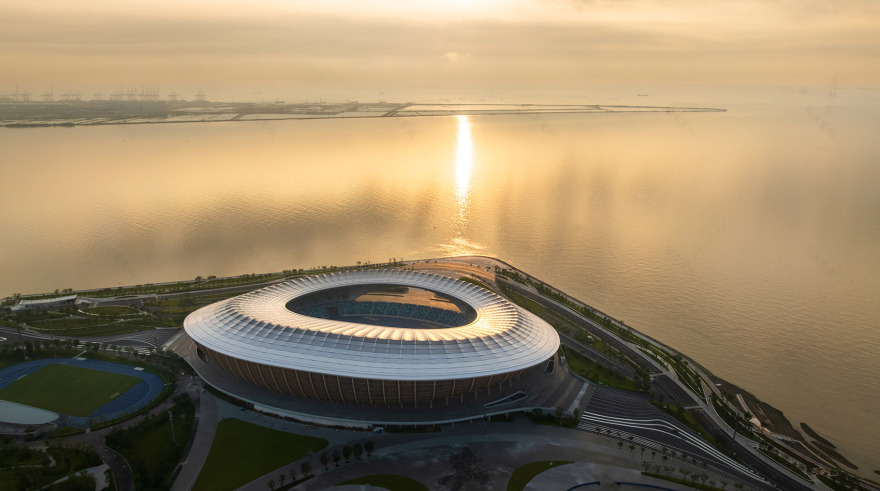
▼项目鸟瞰,Aerial view of project © 张灏 Seilaojiong

▼项目概览,Overview of project © CRLand


体育中心位于广州南沙区南部、三角洲西岸,将成为大湾区核心位置一个新的市政、商务与居住片区的锚点。▼规划总平面,Planning masterplan © Zaha Hadid Architects

Situated in the south of Guangzhou’s Nansha District on the western bank of the river delta, the sports centre will anchor a new civic, business and residential quarter at the heart of the Greater Bay Area.
▼大湾区核心位置的锚点,Anchor of the Greater Bay Area © CRLand

中心为当地社区提供最高标准的体育设施,同时也被设计为可举办各类大型国内和国际体育赛事及文化演出,并可通过广州地铁 18 号线以及新的深中通道,让大湾区居民便捷抵达。
Offering its local community sports facilities of the highest standards, the centre has also been designed to host a diverse programme of major national and international sporting events, as well as cultural performances, that can be easily accessed by all residents of the Greater Bay Area via Line 18 of the Guangzhou Metro and the new Shenzhen-Zhongshan Bridge.
▼项目整体俯瞰,Aerial view © 张灏 Seilaojiong

▼建筑群与大湾区水岸,Buildings along the bay © 张灏 Seilaojiong

除了为南沙的当地学校和体育俱乐部提供优质场地外,中心还将延续中国在区域及国家层面的体育发展项目。中心为竞技运动员(包括所有田径项目)提供关键基础设施,其设计利用南沙温暖的冬季,打造理想的户外训练设施与环境,以孕育未来的体育传承。
▼总平面,Masterplan © Zaha Hadid Architects

In addition to providing exceptional facilities for use by Nansha’s local schools and sports clubs, the centre will continue China’s ongoing sports development programmes at regional and national levels. Providing the essential infrastructure for competitive athletes including those participating in all track and field events, the centre’s design optimises Nansha’s warm winters to create the ideal outdoor training facilities and conditions to foster future legacies.
▼主体育场鸟瞰,Aerial view of stadium © 张灏 Seilaojiong

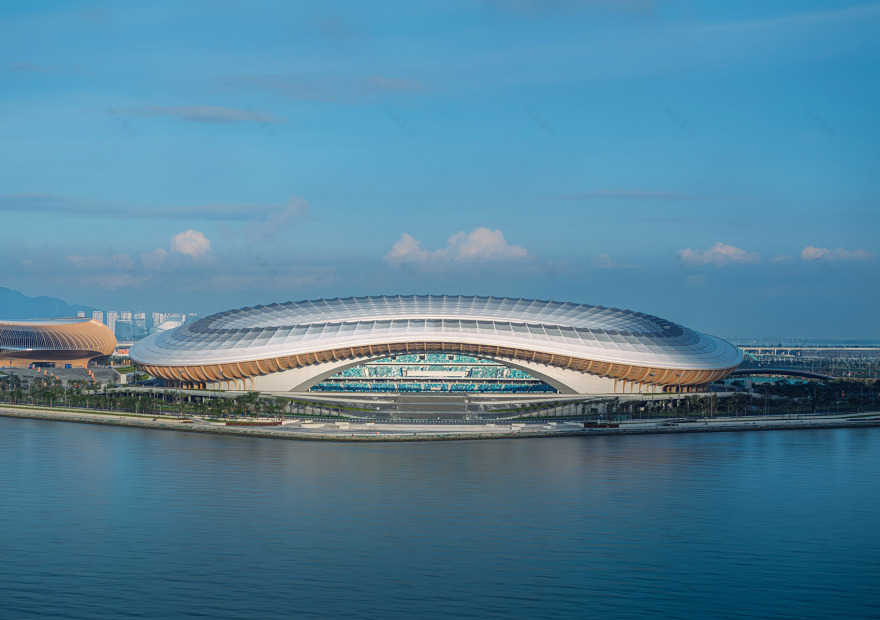
▼主体育场外立面,Facade of stadium © 张灏 Seilaojiong

▼主体育场拱形开口,Arch opening of the stadium © 张灏 Seilaojiong

体育中心占地 70 公顷的公园,为南沙居民提供各种沿江的景观化运动与休闲空间,包含一座 6 万座体育场、一座 2 万座可举办篮球等室内活动的综合馆,以及一座配备 50 米泳池与跳水池、拥有 4,000 个座位的水上中心,用于训练与比赛。
▼主体育场立面图,Stadium elevation © Zaha Hadid Architects

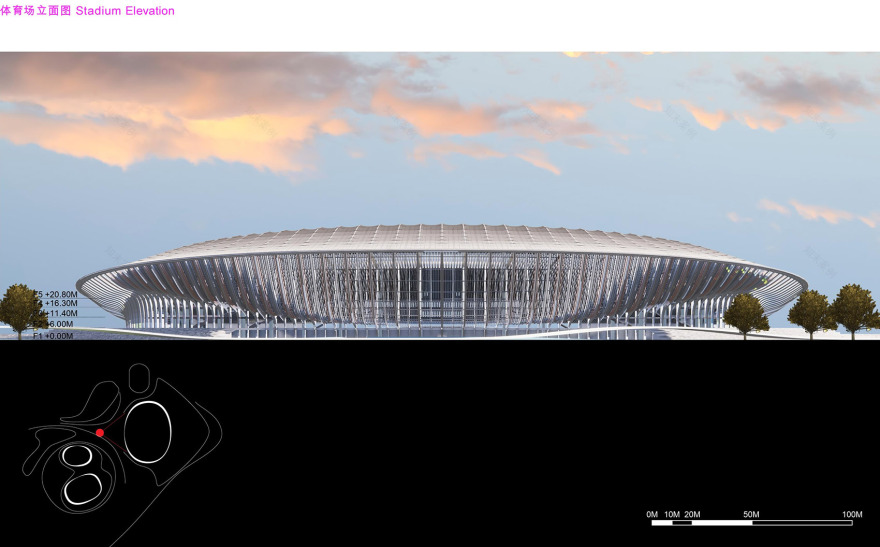
The centre’s 70-hectare park gives Nansha’s residents a variety of landscaped spaces on the banks of the river for sports and recreation, and incorporates a 60,000-seat stadium, a 20,000-seat arena for basketball and other indoor events, as well as a 4,000-seat aquatic centre with 50-metre swimming pool and diving well for training and competition.
▼主体育场内部,Stadium interior © CRLand

▼不同时间段的景色,view form different daytime © 张灏 Seilaojiong

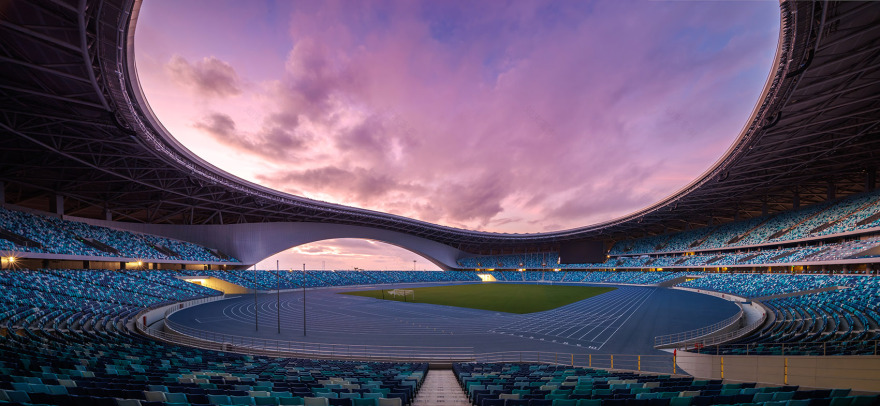
体育中心还提供大量配套设施,包括运动员住宿区,以及户外训练场地与跑道,以支持当地政府在学校体育方面的推广计划,提升区域年轻一代的健康水平。
The sports centre also provides extensive supporting facilities including athletes’ accommodation, as well as outdoor training pitches and running tracks that will support local government programmes which encourage increased sports participation in its schools to enhance the well-being of the region’s younger generations.
▼主体育馆的拱下内外空间,transition space beneath the arch © 张灏 Seilaojiong

▼体育场看台与跑道视角,view of seating bowl and running track © 张灏 Seilaojiong

▼体育场看台与景观关系,stadium seating with view © CRLand

位于广东的亚热带季风气候区,这座占地 70 公顷的滨水公园被设计为该区域防洪体系的组成部分,并将包含湿地,以应对极端海平面波动时的蓄洪调节。
Located within Guangdong’s subtropical monsoon climate, this 70-hectare waterfront park has been designed as an integral element of the district’s flood protection measures and will include wetlands that manage excess water during extreme sea-level fluctuations.
▼体育馆鸟瞰,Aerial view of arena © 张灏 Seilaojiong

中心流动的建筑形态呼应了本地区传统帆船船体上可见的渐收几何,这类帆船最早约在一千年前的宋代设计而成。这些古老船只使珠江成为中国通向世界的门户。
▼主体育场立面图,Stadium elevation © Zaha Hadid Architects
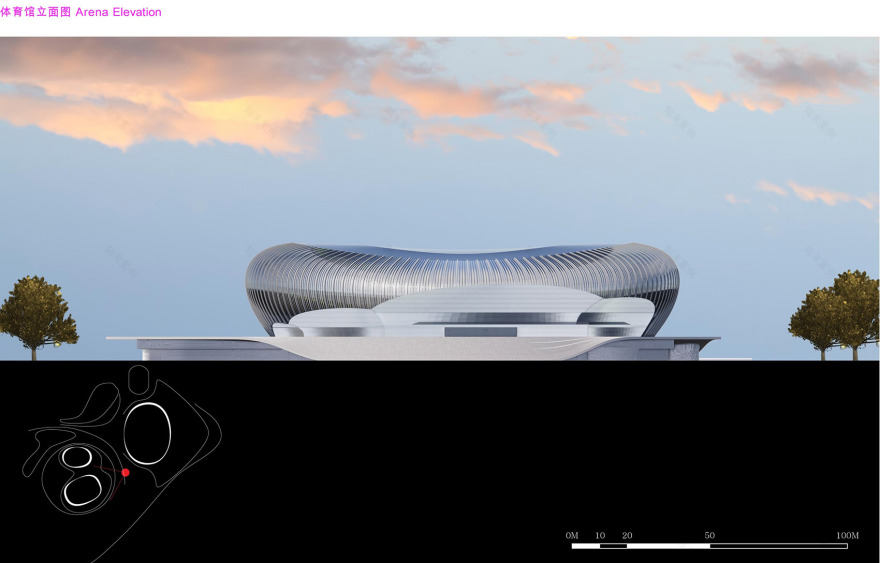

The fluid forms of the centre’s architecture echo the tapering geometries evident in the hulls of the region’s traditional sailing ships that were initially designed during the Song Dynasty approximately a thousand years ago. These historic vessels established the Pearl River as China’s gateway to the world.
▼体育馆立面概览,Overview of arena exterior © 张灏 Seilaojiong
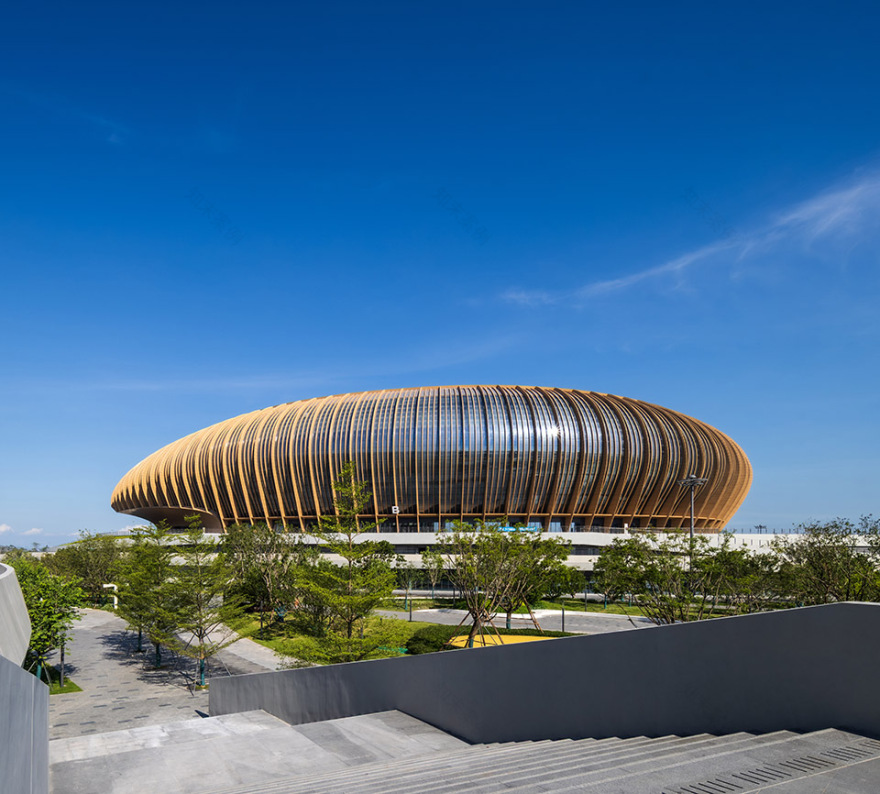
▼体育馆入口侧视图,Side elevation of the arena entrance © 张灏 Seilaojiong

体育中心也融合了岭南地域建筑的环境策略,包括大面积可遮蔽空间,以及在湿热的亚热带夏季通过有效自然通风技术实现降温的方式。
The sports centre also integrates environmental concepts from the local Lingnan vernacular architecture that include generous areas of sheltered spaces cooled with effective natural ventilation techniques during the region’s humid subtropical summer months.
▼体育馆立面细节,Exterior details of Arena © CRLand


体育场屋顶采用多层系统设计,为 6 万名观众提供遮雨与遮阳,同时允许升腾的热空气自然排出建筑外。这一独特的环形分层屋顶仿若传统中国折扇的褶皱丝结构。
The stadium’s roof has been designed as a system of layers that shelter the 60,000 spectators from rain and direct sunlight while also enabling rising warm air to be naturally vented outside the building envelope. This distinctive layered roof encircles the stadium, emulating the pleated silk structures of traditional Chinese fans.
▼体育馆室内空间,Interior of Arena © CRLand
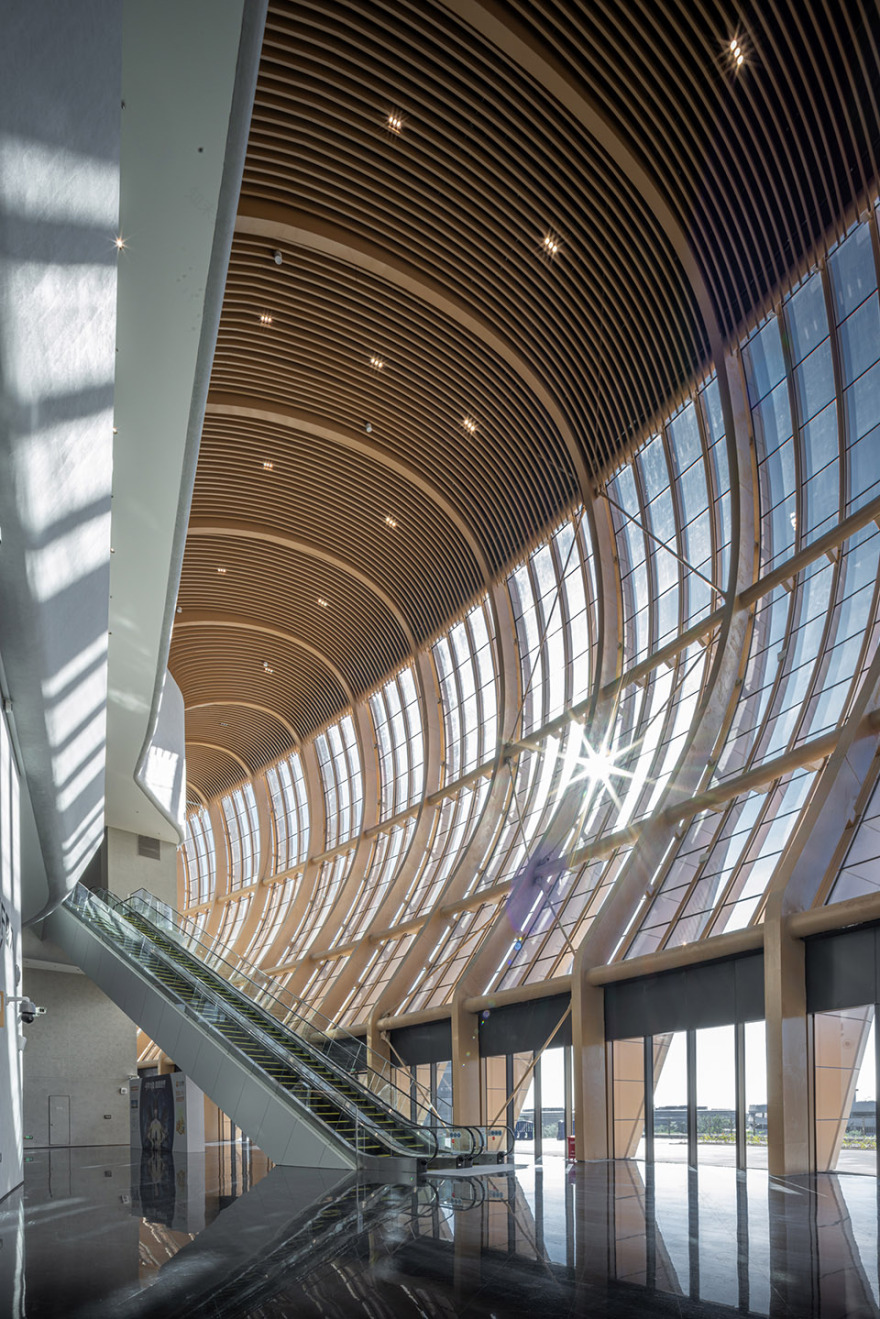
▼室内赛体育馆全景,interior view of the indoor arena © CRLand

体育中心位于从北侧通往深中通道的主要入口位置,该通道连接着大湾区的主要城市。体育中心沿珠江的建筑形态标志着通往广州及大湾区北部各区的门户。
Located on the primary approach from the north to the Shenzhen-Zhongshan Bridge which connects the Greater Bay Area’s major urban cities, the sports centre’s architecture on the banks of the Pearl River marks the gateway to Guangzhou and the districts of the northern Greater Bay Area.
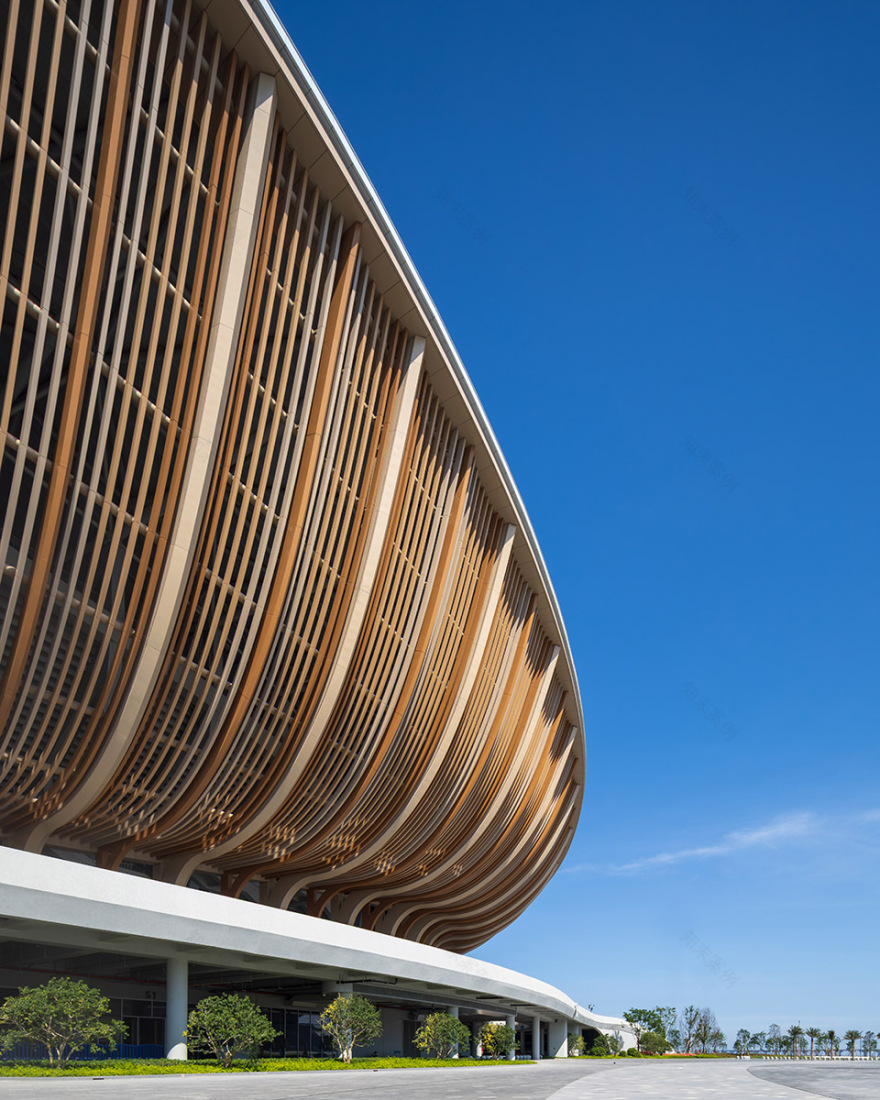
▼跳泳馆立面概览,elevation of Aquatic Centre © 张灏 Seilaojiong

▼立面椭圆开洞,façade detail of the carved oval opening © CRLand

一系列竖向百叶定义了中心内各建筑的曲线。结合详细数据分析与先进的三维数字建模,以优化公共空间的遮阳与自然通风,每一栋建筑的构成与朝向均被精确设计,以利用来自南海沿岸、吹向内陆的夏季主导风实现降温。
▼跳泳馆立面图,Aquatic Centre elevation © Zaha Hadid Architects


A network of vertical louvres defines the curvatures of each building within the centre. Informed by detailed data analytics and advanced digital 3D-modelling to optimise shading and natural ventilation within their civic spaces, each building’s composition and orientation has been designed to encourage cooling by the prevailing summer winds that blow inland from the South China Sea.
▼金属覆面的细部,metal cladding detail © CRLand

体育场可容纳 6 万名观众观看不同类型的体育赛事,其看台结构可调整,以为各类特定赛事提供理想观赛条件;保证最佳视野与最具激情的现场氛围,并在全年内保持最高灵活度以适应不同用途。
Hosting 60,000 spectators for a variety of different sports, the stadium’s seating bowl can be adjusted to provide ideal spectator conditions for each specific event; ensuring optimal views of the athletes and the most exciting event atmosphere, together with maximum flexibility for differing uses throughout the year.
▼跳泳馆入口空间,Entrance of Aquatic Centre © CRLand

体育场还可转换为文化演出场地,观众面向舞台,舞台设有独特的背景结构。设计中的宏大拱体允许来自珠江口的较冷海风进入体育场——为运动员与观众降温,同时在体育与文化活动期间提供江景,使观众与体育场的滨江场地建立直接联系。
The stadium can also be configured for cultural performances with spectators facing a stage that includes a unique backdrop. The grand arch within the design permits colder sea air from the Pearl River estuary to enter the stadium—cooling athletes and spectators while also giving views of the river during sports and cultural events, establishing a direct connection between spectators and the stadium’s riverside setting.
▼立面细部,Elevation details © CRLand


▼立面细部,Elevation details © 张灏 Seilaojiong

该项目由南沙区文化和体育局在 2023 年国际设计竞赛后委托,方案由扎哈·哈迪德建筑事务所与广东省建筑设计研究院合作完成。
Commissioned by the Nansha District Bureau of Culture & Sports following the 2023 international design competition, the centre has been designed by Zaha Hadid Architects in collaboration with the Guangdong Architectural Design & Research Institute.
▼夜览,Nightviews © 张灏 Seilaojiong


▼体育场首层 / 地下一层平面图,Stadium 1F Plan / B1F Plan © Zaha Hadid Architects

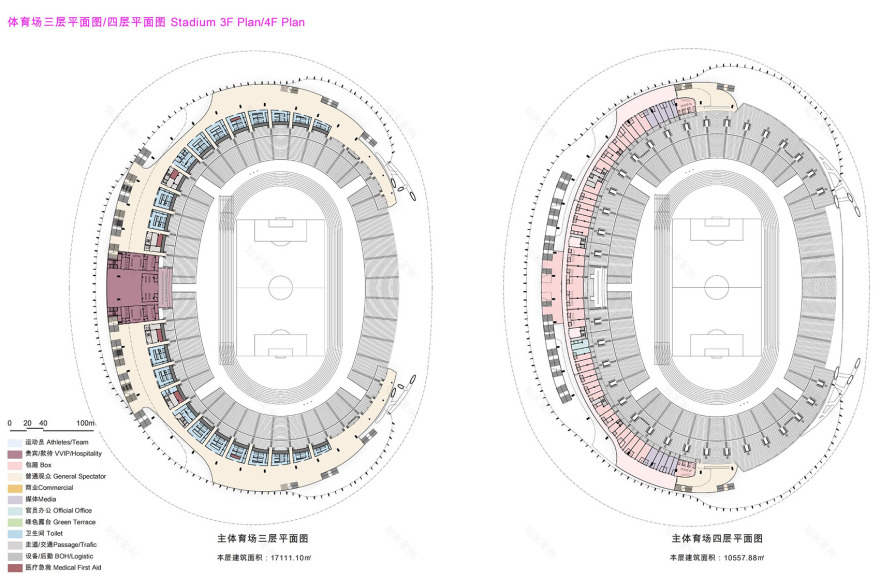
▼体育场二层平面图,Stadium 2F Plan © Zaha Hadid Architects
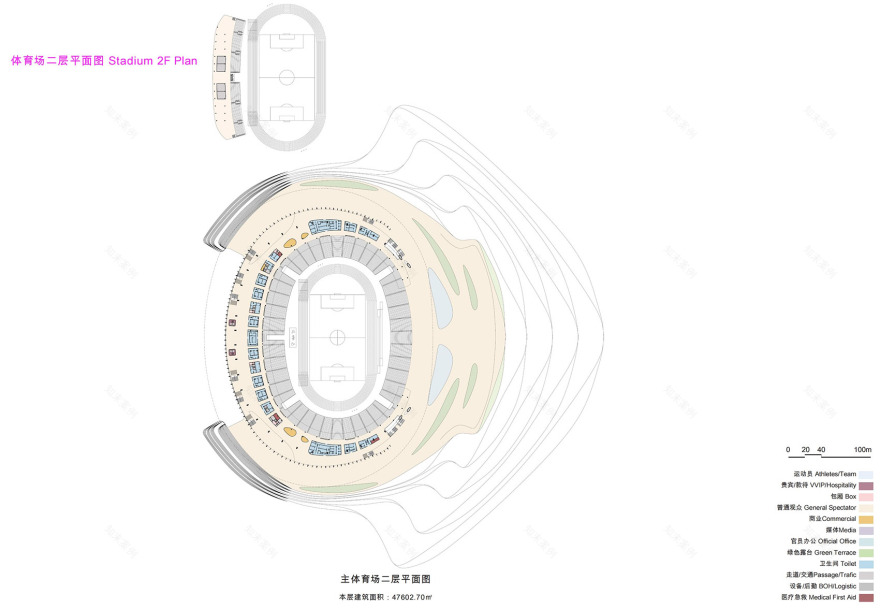
▼体育场三层 / 四层平面图,Stadium 3F Plan / 4F Plan © Zaha Hadid Architects
▼体育场五层 / 看台平面图,Stadium 5F Plan / Stand Plan © Zaha Hadid Architects
▼体育场立面图,Stadium elevation © Zaha Hadid Architects


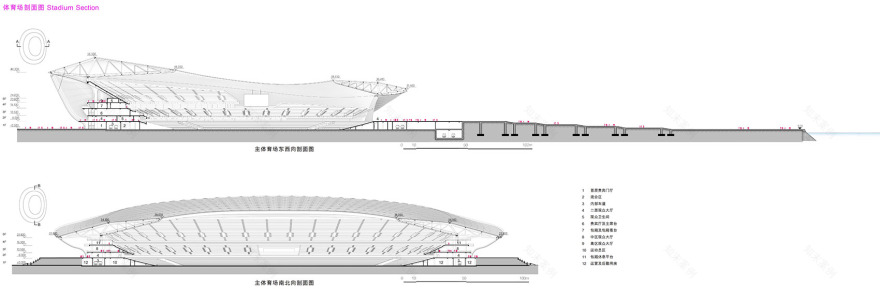
▼体育场剖面图,Stadium section © Zaha Hadid Architects
▼体育馆首层平面图,Arena 1F Plan © Zaha Hadid Architects

▼体育馆首层夹层平面图,Arena 1MF Plan © Zaha Hadid Architects

▼体育馆三层平面图,Arena 3F Plan © Zaha Hadid Architects

▼体育馆四层平面图,Arena 4F Plan © Zaha Hadid Architects

▼体育馆剖面图,Arena section © Zaha Hadid Architects

▼跳泳馆首层平面图,Aquatic Centre 1F Plan © Zaha Hadid Architects

▼跳泳馆二层平面图,Aquatic Centre 2F Plan © Zaha Hadid Architects

▼跳泳馆二层夹层平面图,Aquatic Centre 2MF Plan © Zaha Hadid Architects

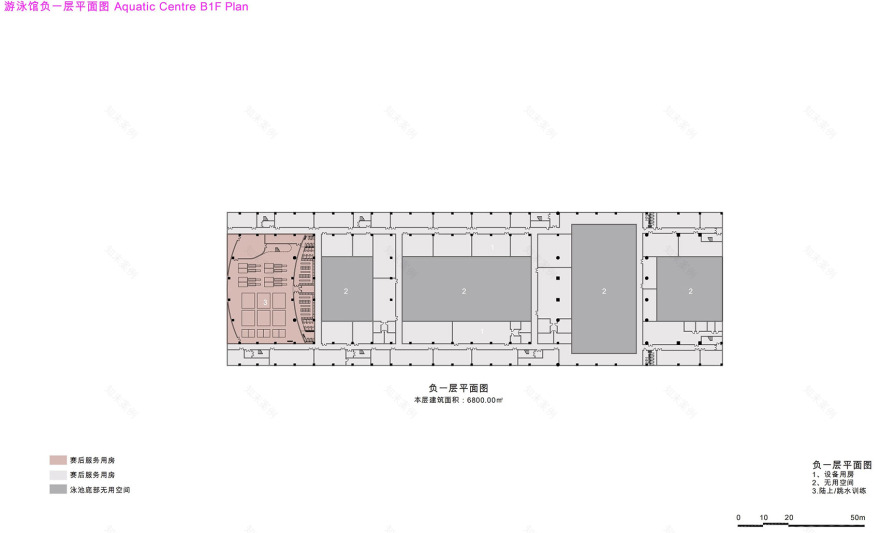
▼跳泳馆负一层平面图,Aquatic Centre B1F Plan © Zaha Hadid Architects
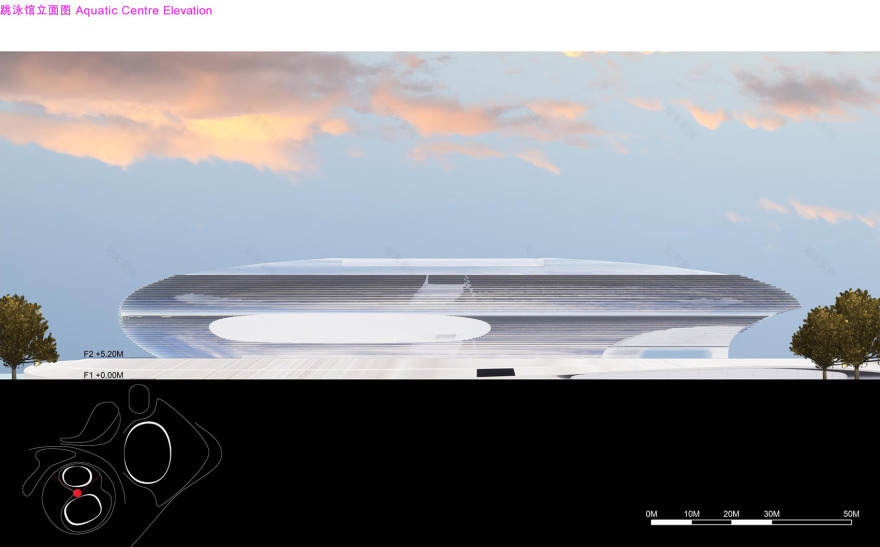
▼跳泳馆立面图,Aquatic Centre elevation © Zaha Hadid Architects

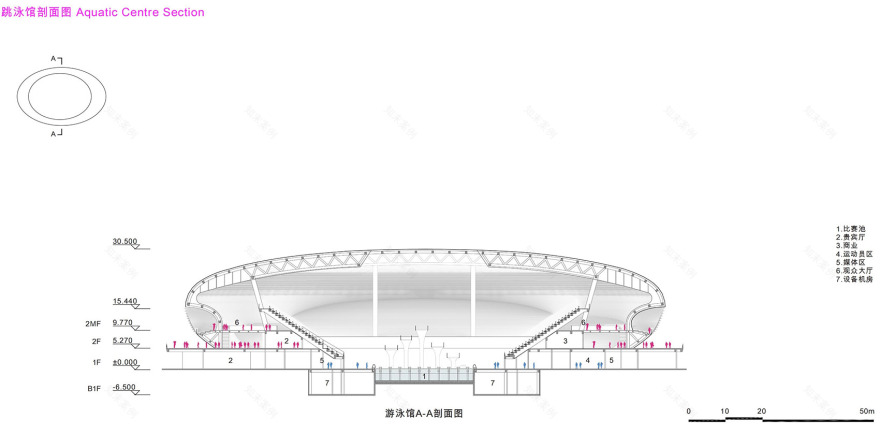
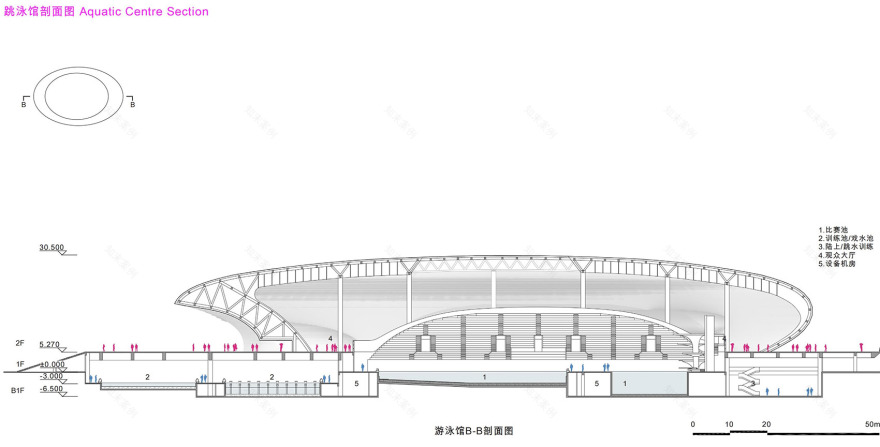
▼跳泳馆剖面图,Aquatic Centre section © Zaha Hadid Architects
Architect: ZahaHadid Architects(ZHA)
Design:Patrik Schumacher
ZHAProjectDirectors:Lei Zheng,NilsFischer
ZHAProject Associates: JinqiHuang, VishuBhooshan, JakubKlaska
ZHAProject Architect:Hung-daChien
ZHAProject Team: Teodor Andonov, ShajayBhooshan, Taizhong Chen,HebaEiz,VegardElseth,Matthew Gabe,SoniaMagdziarz,LingMao,KeertiManney, Xin Swift,Ke Yang, Chris Whiteside,Svenja Siever, Tul Srisompun
ZHA Competition Team:LucaBacilieri,NiranBuyukkoz, Junfei Chen,NilsFischer,Matthew Gabe, JakubKlask ,HanHsunHsieh, Jingwen Yang,Paul Joseph, ShuaiweiLi, JuanLiu, SoniaMagdziarz, YulingMa, Satoshi Ohashi,Michael On,XinSwift,CerenTekin,Ke Yang,Bo Zhang, Chu Zhou,LeiZheng
Competition Sports Consultant: Clive JohnLewis
Competition ConsortiumMember: Guangzhou ArchitecturalDesign &ResearchInstitute Consultants
Executive Architect: Guangdong ArchitecturalDesign &ResearchInstitute GroupCo.ltd(GDAD), China Southwest ArchitecturalDesign andResearchInstitute(CSWADI)
StructuralEngineers: GDAD, CSWADI
General Contractor: China ConstructionEighthEngineeringDivision & ChinaConstruction ThirdEngineeringDivision
FaçadeEngineering:RFR(RiceFrancisRitchie sarl)Engineers, GDAD, CSWADI
M&EEngineering: GDAD, CSWADI
Landscape Consultant: AECOM
LightingDesign:LichtvisionDesign & TsinghuaUrbanPlanning andDesignInstitute(THUPDI)
Site Supervision: GuangzhouRunhe Consulting, GuangzhouPearlRiver Supervisionand Consulting Group, Guangzhou ConstructionEngineeringSupervisionCo.


南京喵熊网络科技有限公司 苏ICP备18050492号-4知末 © 2018—2020 . All photos and trademark graphics are copyrighted by their owners.增值电信业务经营许可证(ICP)苏B2-20201444 苏公网安备 32011302321234号
苏公网安备 32011302321234号客服
消息
收藏
下载
最近