

创作上传
VIP
收藏下载
登录 | 注册有礼
查看完整案例

收藏

下载

分享
Liberia Health Infrastructure Standards
Project Data
Year 2014
Status Completed
Location Liberia, Africa
Partners Liberia Ministry of Health, Rebuilding Basic Health Services (RBHS), JSI, USAID
Collaborators Fall Creek Engineering, Mazzetti, NOUS Engineering
Focus areas Healthcare, Services, Architecture, Engineering, Landscape Architecture, Research & Publishing, Strategic Planning
Project Team Christian Benimana, Garret Gantner, John Padmore, Alan Ricks, David Saladik, Amie Shao, Alison Tramba
Full Team
Project Team Christian Benimana, Garret Gantner, John Padmore, Alan Ricks, David Saladik, Amie Shao, Alison Tramba

The Liberia Health Infrastructure Standards provide context-specific space guidelines to inform infrastructure investment, policy, and health systems strengthening.
After a long civil war, Liberia’s healthcare infrastructure was in critical need of attention. Although rebuilding efforts had begun, many facilities were poorly constructed. Standardized designs for clinics and health centers were not being adapted to specific contexts or sites, and construction quality was low. Water, sanitation, and electricity systems frequently failed. Furthermore, a lack of coordination among aid groups led to facilities being built without staff or operational plans, leaving them unused.
Recognizing the urgency of systemic rebuilding, the Liberian government developed the National Health and Social Welfare Policy and Plan to improve access to basic health services and strengthen decentralized health system management.




In support of this effort, MASS collaborated with the Ministry of Health and Social Welfare to develop National Healthcare Infrastructure Standards and Guidelines. These emphasize investment in decentralized rural care networks and specialized referral centers.
To guide the development of these standards, MASS conducted a large-scale situational analysis of healthcare infrastructure across the country, funded by USAID and the Rebuilding Basic Health Services (RBHS) project. This comprehensive assessment covered dozens of facilities—from small rural clinics to large tertiary hospitals—spanning both urban centers and remote, hard-to-reach areas. MASS teams met with patients, healthcare workers, district health officers, and national ministry officials to understand the diverse challenges faced across geographies, including seasonal access issues and supply chain limitations.
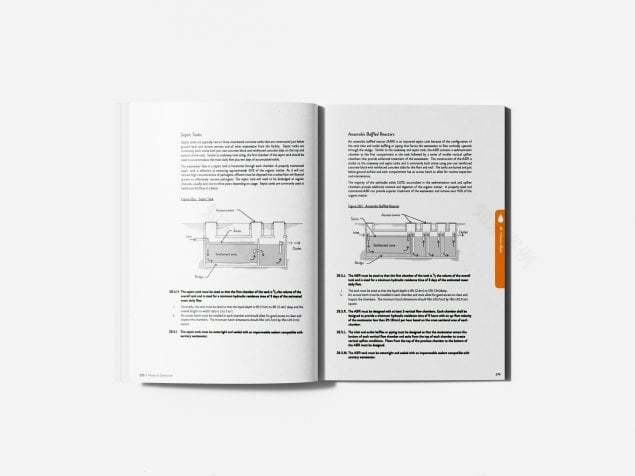

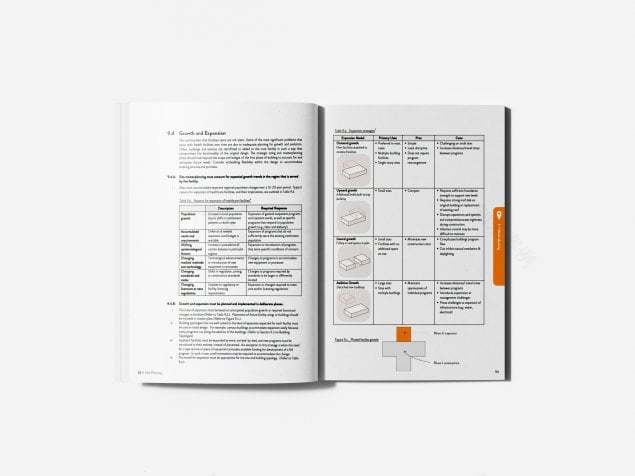

These findings informed the creation of architectural and engineering standards for clinics, health centers, and hospitals nationwide. The guidelines address all aspects of facility planning, design, and construction—from departmental layout to specific protocols for structural engineering, water and waste systems, ventilation, and electricity.
The standards establish minimum requirements for both new and existing facilities. They also outline a transparent Project Delivery Process, including pre-construction reviews, clearly defined roles and responsibilities for the Ministry’s Infrastructure Unit and stakeholders, and ongoing maintenance and evaluation protocols.
Liberia’s Ministry of Health Infrastructure Unit is now advancing the implementation of these guidelines to rebuild and expand key nodes within the national referral system—including at the New Redemption Hospital in Monrovia. These standards, together with MASS’s broader work in the country, aim to strengthen national capacity, align infrastructure with health outcomes, and ensure long-term sustainability.
南京喵熊网络科技有限公司 苏ICP备18050492号-4知末 © 2018—2020 . All photos and trademark graphics are copyrighted by their owners.增值电信业务经营许可证(ICP)苏B2-20201444 苏公网安备 32011302321234号
苏公网安备 32011302321234号客服
消息
收藏
下载
最近