

创作上传
VIP
收藏下载
登录 | 注册有礼
查看完整案例

收藏

下载

分享
Kananguio Natural Reserve
San Francisco Pichátaro, Mexico
image: RENDER IMAGE* CARLOS PLASCENCIA BAEZA | © all rights reserved
Location: San Francisco Pichátaro, Mexico
Category: education
Phase: design development
Updated: 27 May 2025
Rooted in the biocultural landscape of San Francisco Pichátaro, this initiative seeks to co-create architecture through community participation. By reactivating spaces with local materials, knowledge, and traditions, the project aims to foster cultural continuity, environmental care, and social empowerment from within the community itself.
Project leader: Carlos Plascencia
What is still needed to proceed?
Finance
Still 100% of € 12,000
Skills
Stuff
Hands
Support
The project
Updates (0)
What’s needed?
Introduction
This project emerged from a long - standing relationship between the autonomous community of San Francisco Pichátaro and the Faculty of Architecture at UMNSH. Rooted in a rich Purépecha heritage and shaped by a biocultural landscape, the community faces urgent challenges such as deforestation, water scarcity, and the erosion of traditional knowledge. Through participatory design, this initiative addresses the need to preserve cultural identity, promote ecological stewardship, and empower local self - management. The project is both a response to immediate infrastructural needs and a catalyst for long - term, community - led development.

VILLAGE DOWNTOWN
image: ABRIL AGUILAR | © all rights reserved
Impact
The Kananguio Natural Reserve is an ecoturistic development that strengthens community resilience through cultural preservation, ecological awareness, and economic self-management. Designed to host up to 20 visitors in 5 cabins and around 50 participants in communal areas, it enables monthly workshops on traditional knowledge shared by and for the community. The project encourages sustainable tourism, seasonal stays (mainly weekends and holidays), and intergenerational learning, reinforcing biocultural continuity over time.


Core team
This project is the result of a close collaboration between academic, professional, and communal actors. Professor Juan Carlos Lobato, from the Universidad Michoacana de San Nicolás de Hidalgo (UMSNH), serves as the key liaison between the university and the communal government of San Francisco Pichátaro, facilitating dialogue and ensuring respectful engagement. Architect and photographer Abril Aguilar contributes to the architectural design process and documents the project visually, also managing communication and social media outreach. Architect Carlos Plascencia leads the architectural planning and project coordination, working hand in hand with the communal government, including the delegate responsible for the management of the Kananguio natural reserve. The project has been supported from its inception by local authorities, who have actively participated in assemblies, site visits, and decision-making. This collaboration reflects a shared commitment to ecological restoration, cultural preservation, and sustainable development rooted in participatory design.
Image gallery

VEGETATION ANALYSIS
image: Carlos Plascencia | © all rights reserved

ANALYSYS OF PROYECTS IN THE COMUNITY
image: Carlos Plascencia Baeza | © all rights reserved

Kananguio Natural Reserve image: Carlos Plascencia | © all rights reserved

Kananguio Natural Reserve
image: Carlos Plascencia | © all rights reserved

Kananguio Natural Reserve
image: Carlos Plascencia Baeza | © all rights reserved

ANALYSYS OF PROYECTS IN THE COMUNITY
image: Carlos Plascencia Baeza | © all rights reserved
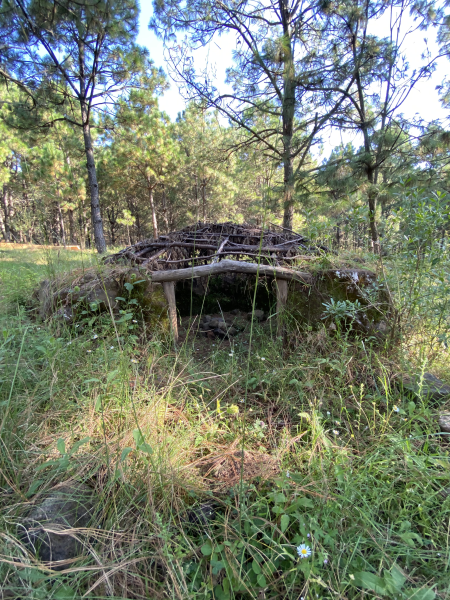
Kanaguio Natural Reserve
image: Carlos Plascencia | © all rights reserved

Render common area image: Carlos Plascencia | © all rights reserved

Render common area image: Carlos Plascencia | © all rights reserved

Render common area image: Carlos Plascencia | © all rights reserved
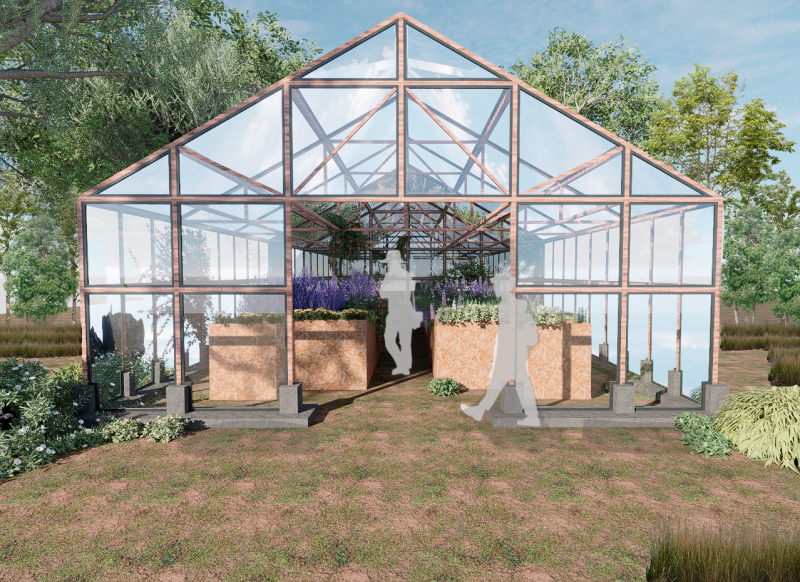
Render greenhouse image: Carlos Plascencia | © all rights reserved

ANALYSYS OF PROYECTS IN THE COMUNITY
image: Carlos Plascencia Baeza | © all rights reserved

Render greenhouse
image: Carlos Plascencia | © all rights reserved
Technical drawings

SITE PLAN
image: Carlos Plascencia | © all rights reserved
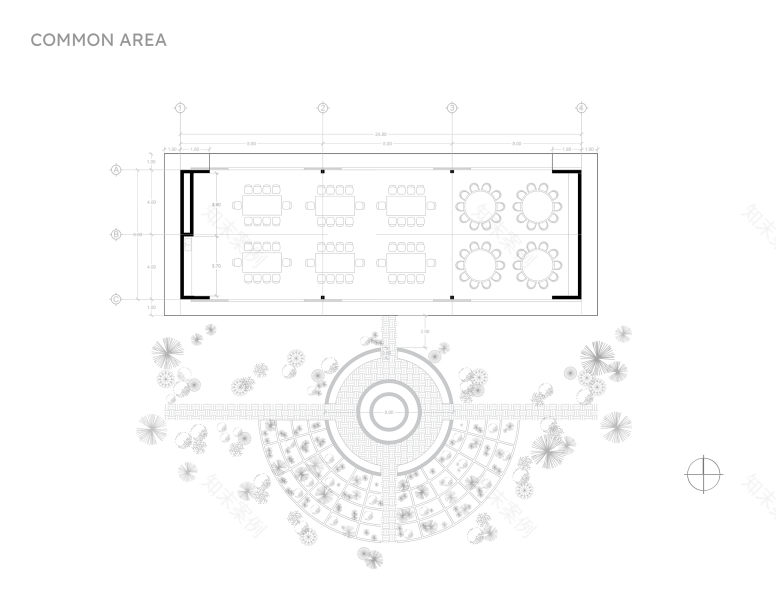
FLOOR PLAN
image: Carlos Plascencia | © all rights reserved

FLOOR PLAN
image: Carlos Plascencia | © all rights reserved

Greenhouse plans
image: Carlos Plascencia | © all rights reserved

FLOOR PLAN
image: Carlos Plascencia | © all rights reserved
Help bring our project to life!
Finance: Still 100% of € 12,000 Support
Stuff: Materials Support
There are no updates yet.
Help bring our project to life!
Finance: Still 100% of € 12,000 Support
Stuff: Materials Support
Where are we now
So far, the project has secured strong community support and active participation from local authorities. We are currently finalizing the cost estimates and developing a self-financing strategy through the sale of handcrafted wood furniture made within the community. This initiative not only supports the project economically but also reinforces local craftsmanship and cultural identity. Our team brings together academic expertise, architectural design, and grassroots organization, laying a strong foundation for sustainable development.
An indication of our team’s capacity:
10% funding already raised
100% expertise already found
60% materials / equipment already found
80% builders already found
Finance: € 12,000
Funding will directly enable the construction of key infrastructure: five eco - cabins, a 200m² communal area with a wood - fired kitchen, greenhouse, temazcal, and dry toilets—all designed using local materials and traditional techniques. Investors can expect to see the creation of a functioning ecotourism center that hosts 20 visitors and facilitates monthly cultural workshops for up to 50 participants. The project will also support local employment, training in hospitality and sustainable practices, and the commercialization of handmade wood furniture. In the long term, it will serve as a replicable model of self - managed, regenerative rural tourism.
Building material 10,000
Furniture 2,000
Stuff: Materials
Thanks to the collective effort of the community, much of the construction material—such as wood and handmade clay tiles—has already been sourced locally through communal collaboration. The only materials still needed are basic but essential ones: rebar, concrete, and limestone. Donations of these items would significantly accelerate the construction process and help complete the project using a mix of traditional craftsmanship and essential modern techniques.
Help bring our project to life!
Finance: Still 100% of € 12,000 Support
Stuff: Materials Support
Location
南京喵熊网络科技有限公司 苏ICP备18050492号-4知末 © 2018—2020 . All photos and trademark graphics are copyrighted by their owners.增值电信业务经营许可证(ICP)苏B2-20201444 苏公网安备 32011302321234号
苏公网安备 32011302321234号客服
消息
收藏
下载
最近