

创作上传
VIP
收藏下载
登录 | 注册有礼
查看完整案例

收藏

下载

分享




ASSIGNMENT
NYOTA YA ASUBUHI RESOURCE CENTER
KILIFI, KENYA – 2022-Ongoing
CLIENT:
Fondazione Maria Grazia Cutuli for Koynonia
DESIGN TEAM:
2A+P/A (Gianfranco Bombaci, Matteo Costanzo)
Studio BAN (Carmelo Baglivo, Laura Negrini)
Mario Cutuli
LGSMA (Luca Galofaro, Stefania Manna)
ma0 (Alberto Iacovoni, Luca La Torre, Ketty Di Tardo)
ENGENEERING
Ing. Umberto De Matteis
EXECUTIVE DEVELOPMENT
Federico Caserta, Francesca Di Benedetto
CONSTRUCTION MANAGER
Allan Ngari Nyagah
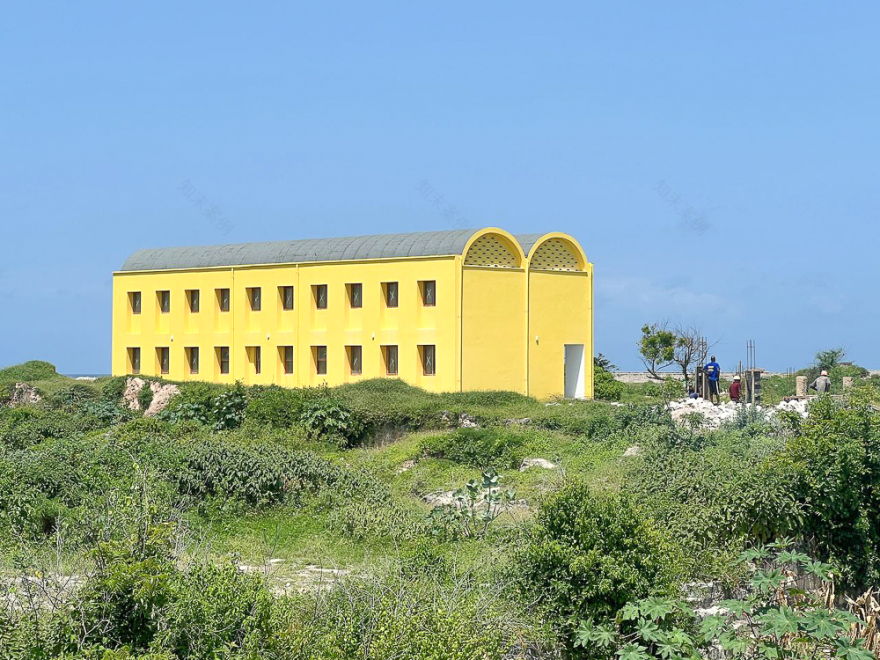
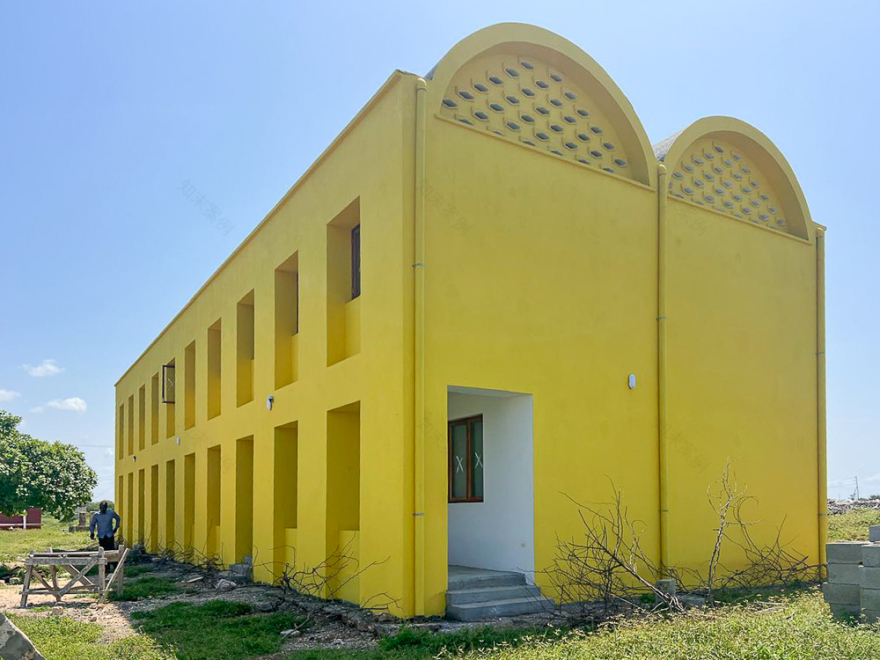
The Nyota Asubuhi Resource Centre is a shelter and support center for street children located near Kilifi, a town 56 km north of Mombasa, Kenya. Funded by the Maria Grazia Cutuli Foundation for the Koinonia Community—an organization active for years in Kenya, Zambia, and Sudan, promoting integral human development and community life with particular attention to the most vulnerable—the centre offers a range of services and activities dedicated to care, hospitality, and connection. The project was designed voluntarily by a group of architects from Rome, the same team behind the Maria Grazia Cutuli School built in 2011 in Herat, Afghanistan, with the support of the Cutuli Foundation: 2A+P/A, Studio BAN, Mario Cutuli, LGSMA, ma0. The Nyota Ya Asubuhi Resource Centre is a place to be, a shelter that builds community. And it is precisely around this idea of community that the project takes shape. Like the school in Herat, the centre is conceived as a collection of distinct elements connected by a large U-shaped portico. This generous structure not only links the different parts of the centre but also hosts the offices, a small clinic, and everyday communal spaces. Adjoining the portico are a two-storey dormitory and a circular hall designed for group activities and collective celebrations. The centre takes shape as a single building composed of three distinct, recognizable elements—each identifiable by its function, character, dimensions, colour, and materials. The two-storey dormitory, covered by a pair of Nubian vaults, is a plastered volume painted yellow. The portico is built with a mixed structure clad in brick, while the hall for collective celebrations is enclosed by a circular wall of perforated concrete blocks produced locally and topped by a lightweight tensile roof. The building unfolds like a small village, where each component expresses its own identity: the dormitory as a large, protective house that opens discreetly onto the inner courtyard; the communal hall as a monumental centre for collective gatherings—sheltered from wind and sun; and the portico as the social infrastructure of the entire complex—a catalyst for the daily life of the community that will inhabit the centre.
南京喵熊网络科技有限公司 苏ICP备18050492号-4知末 © 2018—2020 . All photos and trademark graphics are copyrighted by their owners.增值电信业务经营许可证(ICP)苏B2-20201444 苏公网安备 32011302321234号
苏公网安备 32011302321234号客服
消息
收藏
下载
最近