

创作上传
VIP
收藏下载
登录 | 注册有礼
查看完整案例

收藏

下载

分享
Mathare Park Hydroponics Project
Nairobi, Kenya

Location: Nairobi, Kenya
Category: infrastructure
Phase: in use
Updated: 27 May 2025
Through active community engagement in Mathare, an informal settlement grappling with inadequate sanitary facilities and limited food access, we want to alleviate the growing issue of food insecurity. The community has asked MaSCA for help to implement a hydroponics urban farm in the Mathare Community Park. Our target is to increase food supply in Mathare and raise awareness among residents on alternative sources of food and farming systems.
Project leader: Charles Onyango
What is still needed to proceed?
Finance Still 100% of € 14,300
Skills Stuff Hands
Support
Updates (0)
What’s needed?
Introduction
Across Kenya an estimated 1.5 million people are acutely food insecure. Nairobi, like many other African cities, is experiencing rapid urbanisation, and urban food insecurity is on the rise.
In 2015, MaSCA supported the community in building an urban garden, beside what is now the Mathare Community Park, which fed 30 families. In 2022, MaSCA worked with the community to convert this garden to sac gardens, which increased the yield to feed 100 families. In early 2023, the acre of land surrounding the river was donated to the project for the newly-created Mathare Community Park. The project involves waste management, urban farming, communty sports, and soil conservation. In 2024, the community asked MaSCA for help to upgrade the urban gardening program to include hydroponics, which would increase the yield to feed 300 families, just to start.
Hydroponics is a form of agriculture that involves growing plants with little to no soil. Instead, the plants are grown in a nutrient - rich solution that provides everything the plant needs to grow. Hydroponics has numerous benefits, including higher yields, efficient use of water and space, and reduced environmental impact. Our target is to increase food supply in Mathare and raise awareness among residents on alternative sources of food and farming systems. The hydroponics system that we want to implement has a 12 year usable life, a big difference from the 6 months life of a sacs used currently.
Impact
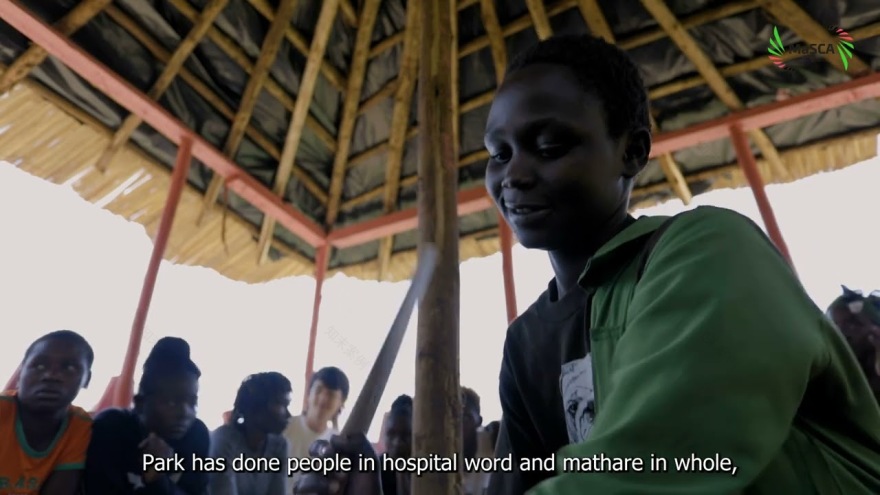
Research from the International Fund for Agricultural Development suggests that a large number of households in Kenya limit their food intake to one or two meals a day due to food insecurity. MaSCA has engaged multiple community organizations and local residents in regular discussions on community solutions to increase food supply.
The initiative, however, is not only about access to food. Farmers enrolled in the program are taught about sustainable farming, business management skills, saving money and starting their own business. This project is being implemented holistically in partnership with other projects taking place within the park, including waste management, community sports and supportive programming for young and single mothers, with the objective to improve the quality of life of people who live in the vicinity of the Mathare river. As well, wherever possible, work will involve training and capacity - building opportunities for local stakeholders, which also contributes to community ownership.
Farmers who are trained to manage the hydroponics farm will receive support to sell the food that is grown at affordable prices for the community. The money that is raised would then be used to purchase gardening materials, seedlings, and cover operational costs like electricity and water. The initial costs to launch the hydroponics project include 2 months of operational costs. It is estimated that it will take 6 months for the hydroponics farm to become self - sufficient, growing enough to cover operational costs and become self - sufficient.


Core team
MaSCA’s Kenyan personnel organize and implement all of MaSCa’s activities in Mathare. MaSCA’s Kenyan personnel consist of 5 manager roles and four team leads that each lead a team of volunteers in Mathare. The 5 manager roles are treasurer, secretary, general manager, operations manager and communications and partnerships. All five of these will help oversee the hydroponics project. Reagan Kapiyo is the urban farming team lead, working with his assistant Lavender Otieno. There are currently 3 other volunteers on his team who run the sac garden.
Reagan completed a 4 year certificate in urban farming in highschool. The certificate practicum convinced Reagan that this was what he wanted to do with his life. In his last year of high school, he signed up for a one-year leadership and entrepreneurship program that MaSCA had sponsored for 20 promising youth leaders from the Mathare community. Reagan chose to use urban gardening examples for all his exercises, from financial literacy to writing business proposals. When he graduated from the program he asked the leaders at MaSCA if he could lead the other youth to implement a sac garden. Inspired by the people who were helped by the sac garden, he enjoys teaching people about farming and food.
When facing challenges like too much rain, or a fungus that rots the root, Reagan leans on more experienced farmers in the community who have been mentoring him. Reagan is consulting with urban gardening initiatives in Mathare (Awsome Blossoms) and Kibera (The Group of Five) to successfully implement the hydroponics project.
Image gallery

2015 Terrace Urban Garden

MaSCA Urban Garden Volunteer
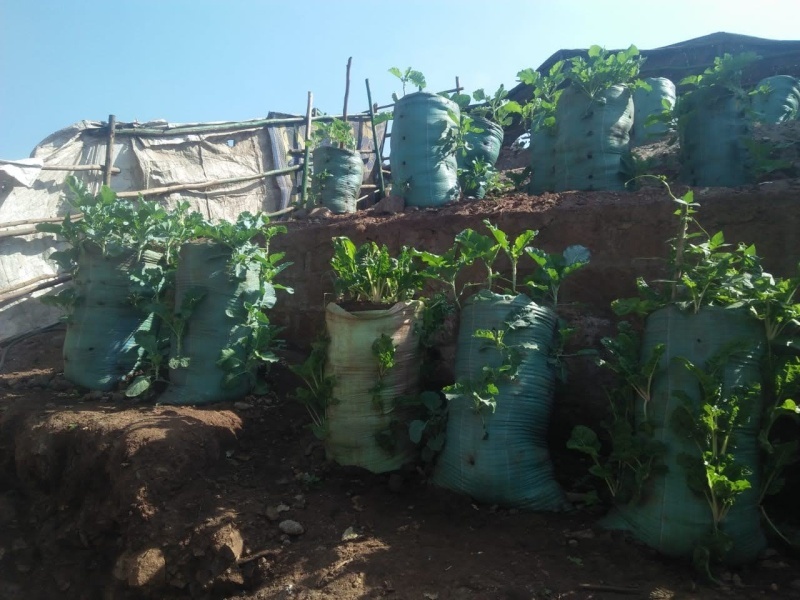
2022 Sac Garden

Reagan working in Sac Garden

Urban Sac Garden

Hydroponics Workshop

Raegan at urban gardening workshop

Urban gardening team at workshop

Urban gardening class for local youth
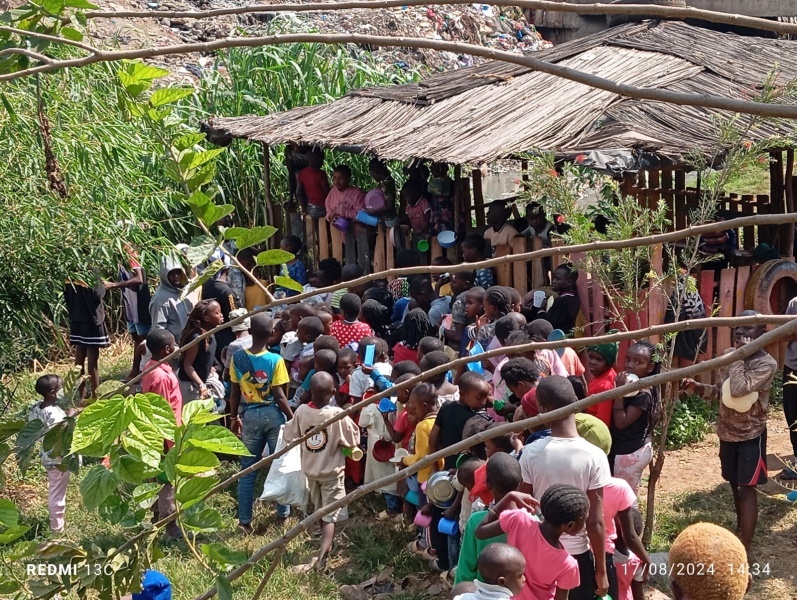
Mathare Community Park Gazebo

2025 - Mathare Commnunity Park

MaSCA Management Team

MaSCA Tre Planting
Technical drawings

Location of Hydroponics Project
External links
MaSCA Website
Finance: Still 100% of € 14,300
Stuff: Equipment & tools
Stuff: Materials
There are no updates yet.
南京喵熊网络科技有限公司 苏ICP备18050492号-4知末 © 2018—2020 . All photos and trademark graphics are copyrighted by their owners.增值电信业务经营许可证(ICP)苏B2-20201444 苏公网安备 32011302321234号
苏公网安备 32011302321234号客服
消息
收藏
下载
最近