

创作上传
VIP
收藏下载
登录 | 注册有礼
查看完整案例

收藏

下载

分享

PHOTO by DAICI ANO

PHOTO by DAICI ANO

PHOTO by DAICI ANO

PHOTO by DAICI ANO

PHOTO by DAICI ANO

PHOTO by DAICI ANO

PHOTO by DAICI ANO

PHOTO by DAICI ANO

PHOTO by DAICI ANO
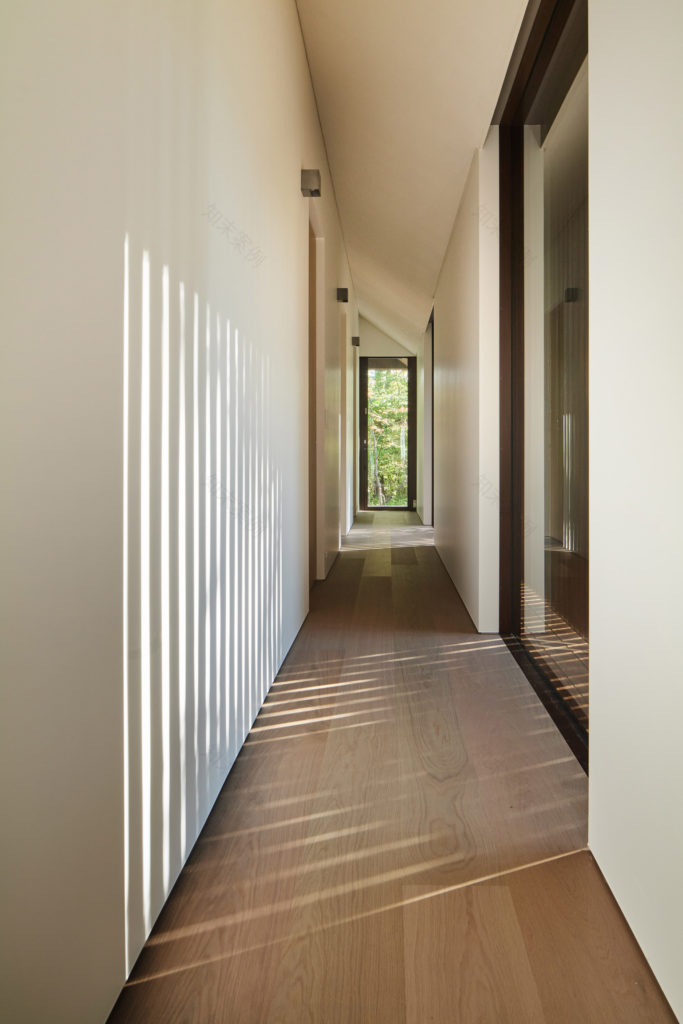
PHOTO by DAICI ANO
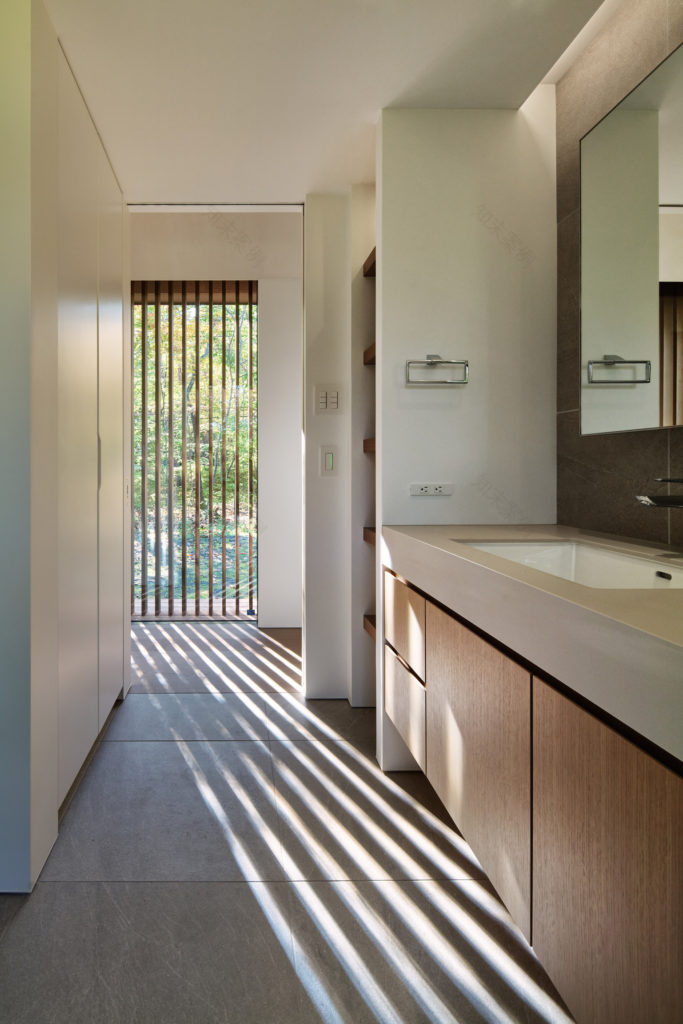
PHOTO by DAICI ANO
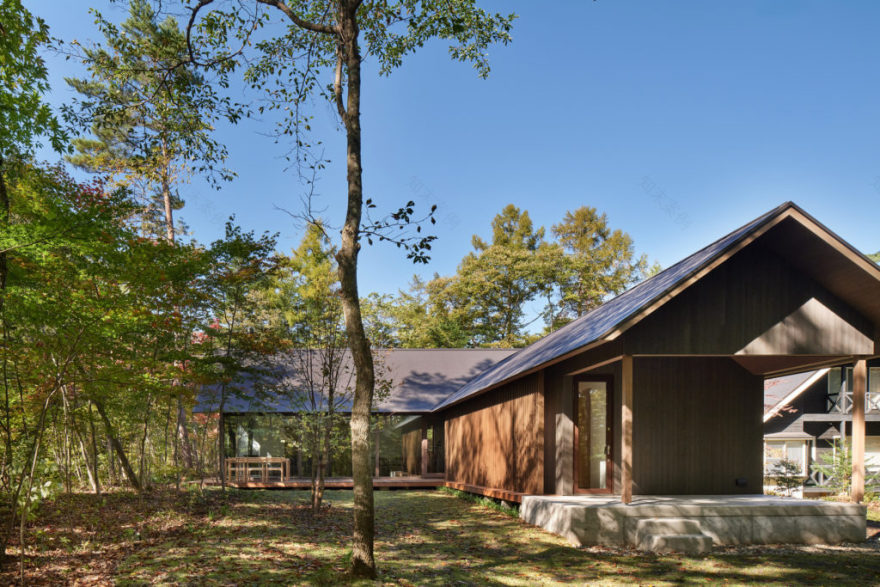
PHOTO by DAICI ANO

PHOTO by DAICI ANO

PHOTO by DAICI ANO

PHOTO by DAICI ANO

PHOTO by DAICI ANO

PHOTO by DAICI ANO

PHOTO by Kosuke Ino

PHOTO by Kosuke Ino
Villa M
Completion:
2024
Principal use:
Villa
Location:
Karuizawa-machi, Nagano
Total floor area:
151.5㎡
Floor:
1 story
This is a vacation home project located in Karuizawa, Nagano Prefecture.
Before construction, the site had been untouched for many years, preserving the quintessential Karuizawa forest landscape. In designing this retreat, our goal was to respect the existing scenery and create an architecture that feels as if it had always belonged there—simple, primitive, and reminiscent of a mountain cabin. The site is elongated in the north-south direction, offering beautiful views of the forest from every point. To fully embrace the site, we envisioned a building that would also take on an elongated north-south form.
The clients, a busy couple based in Tokyo, wished to escape the hustle and bustle of city life and spend their weekends in Karuizawa in tranquility, while also hosting many guests. To ensure privacy between the couple’s master bedroom and the guest rooms, we designed separate cabin-like bedroom volumes extended to the north and south like the wings of an airplane. The central “fuselage” connects these wings and houses a large living-dining-kitchen space under a gabled form, serving as the primary gathering area. This configuration ultimately gave rise to an intriguing composition of interconnected cabin-like volumes arranged in a kinked, L-shaped layout.
For the structural system of the main living-dining-kitchen space, we adopted the “home connector” method. By rigidly connecting paired rafters at their apex to form inverted V-shapes and linking them like ribs, we achieved a large, uninterrupted interior space free of columns and walls.
This kinked geometry divides the site into two outdoor areas: the north side serves as an entry garden, while the south side becomes a garden viewed from the living area. The two gardens are arranged in point symmetry but are visually separated by the building, never seen together at once. The northern garden evokes a natural alpine landscape with native plants reminiscent of Karuizawa’s roadsides, while the southern garden contrasts with a more designed composition—a deck terrace, a lawn, and a symbolic tree against the backdrop of the existing forest. As one enters from the northern approach and opens the front door, an unexpected view of the southern garden dramatically unfolds through the glass, creating a striking spatial experience. Here, residents can enjoy moments of quiet solitude or lively gatherings with guests amidst the Karuizawa forest.
In selecting the exterior color palette, we sampled and studied the bark of existing trees on site—primarily species such as Konara oak, Mizunara oak, and maple—and found a consistent charcoal gray tone. We chose rough-sawn cedar siding finished in a similar charcoal gray to harmonize with the bark and allow the architecture to blend naturally into its surroundings.
Time spent in this retreat reveals ever-changing scenes: sunlight filtering through the trees in the morning, evening mists at dusk; melting snow in spring, vibrant greenery in summer, fiery foliage in autumn, and a silver-white blanket of snow in winter. Our aim was to create a place where one can encounter these unexpected moments of beauty and experience the richness of life in harmony with the nature that has always been here.
南京喵熊网络科技有限公司 苏ICP备18050492号-4知末 © 2018—2020 . All photos and trademark graphics are copyrighted by their owners.增值电信业务经营许可证(ICP)苏B2-20201444 苏公网安备 32011302321234号
苏公网安备 32011302321234号客服
消息
收藏
下载
最近