

创作上传
VIP
收藏下载
登录 | 注册有礼
查看完整案例

收藏

下载

分享

翻译
Architects:Taller MACAA
Area:140m²
Year:2025
Photographs:Rafael Ortiz Santos
Lead Architect:Rafael Ortiz Santos
Category:Community Center
City:Taray
Country:Peru

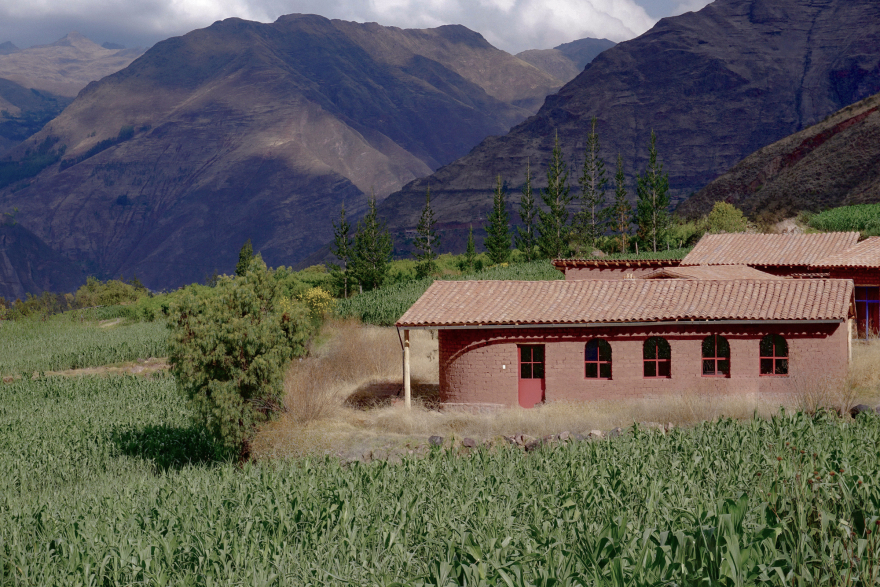
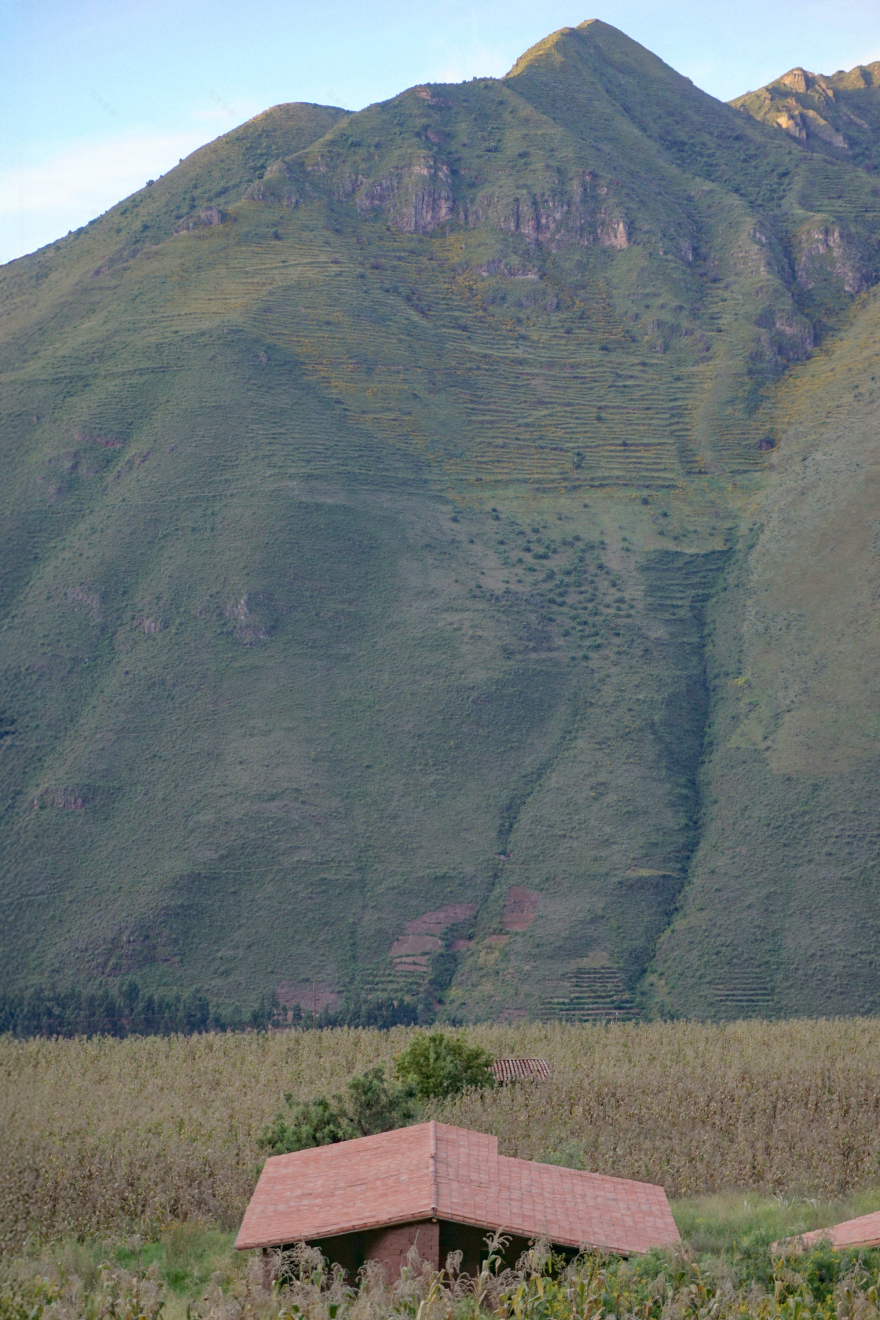
Text description provided by the architects. The Quincho is the communal heart of KUSKA, a set of habitable structures woven into the Andean landscape, located between the archaeological parks of Písac and Uchuy Qosqo in the South American Andes.
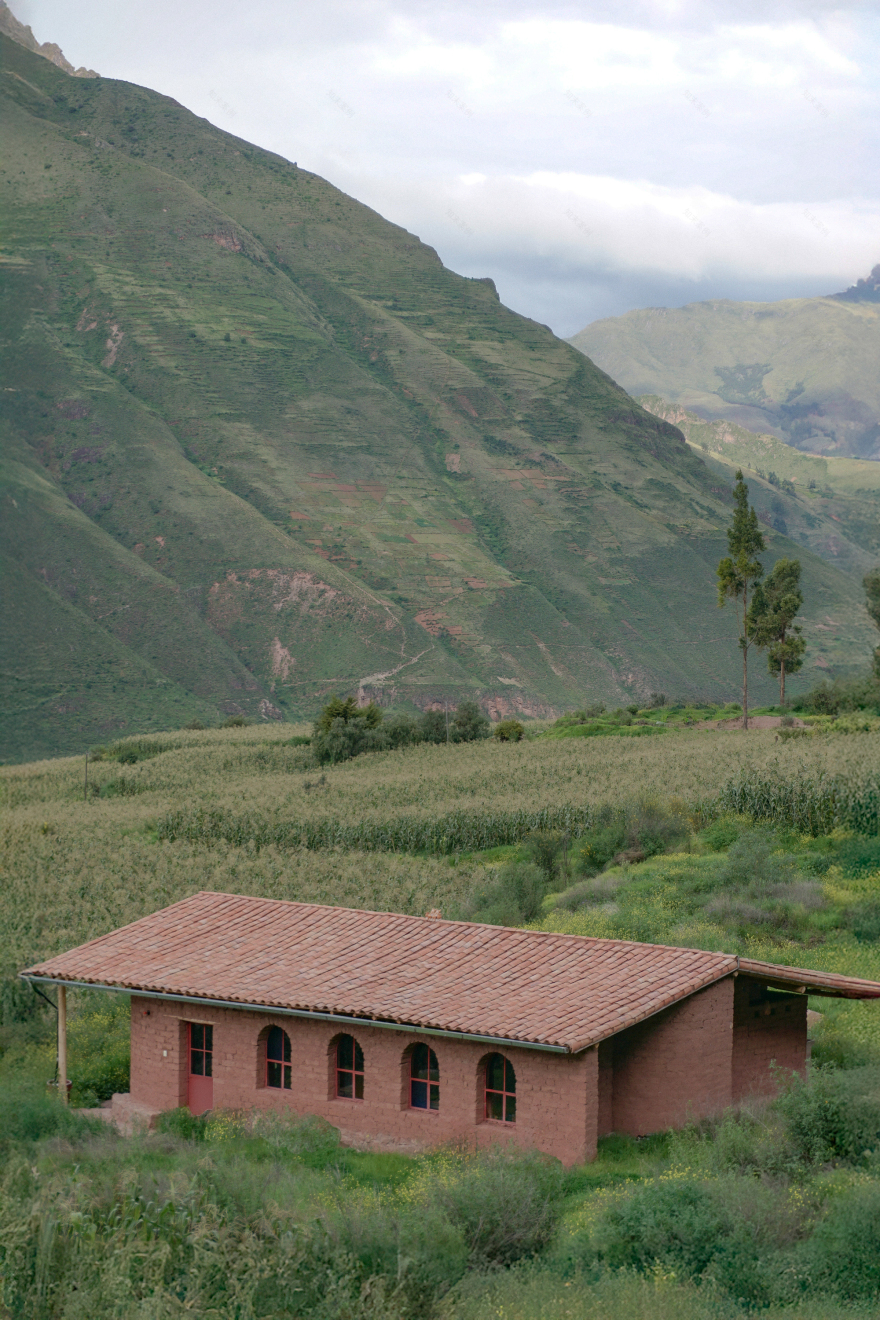
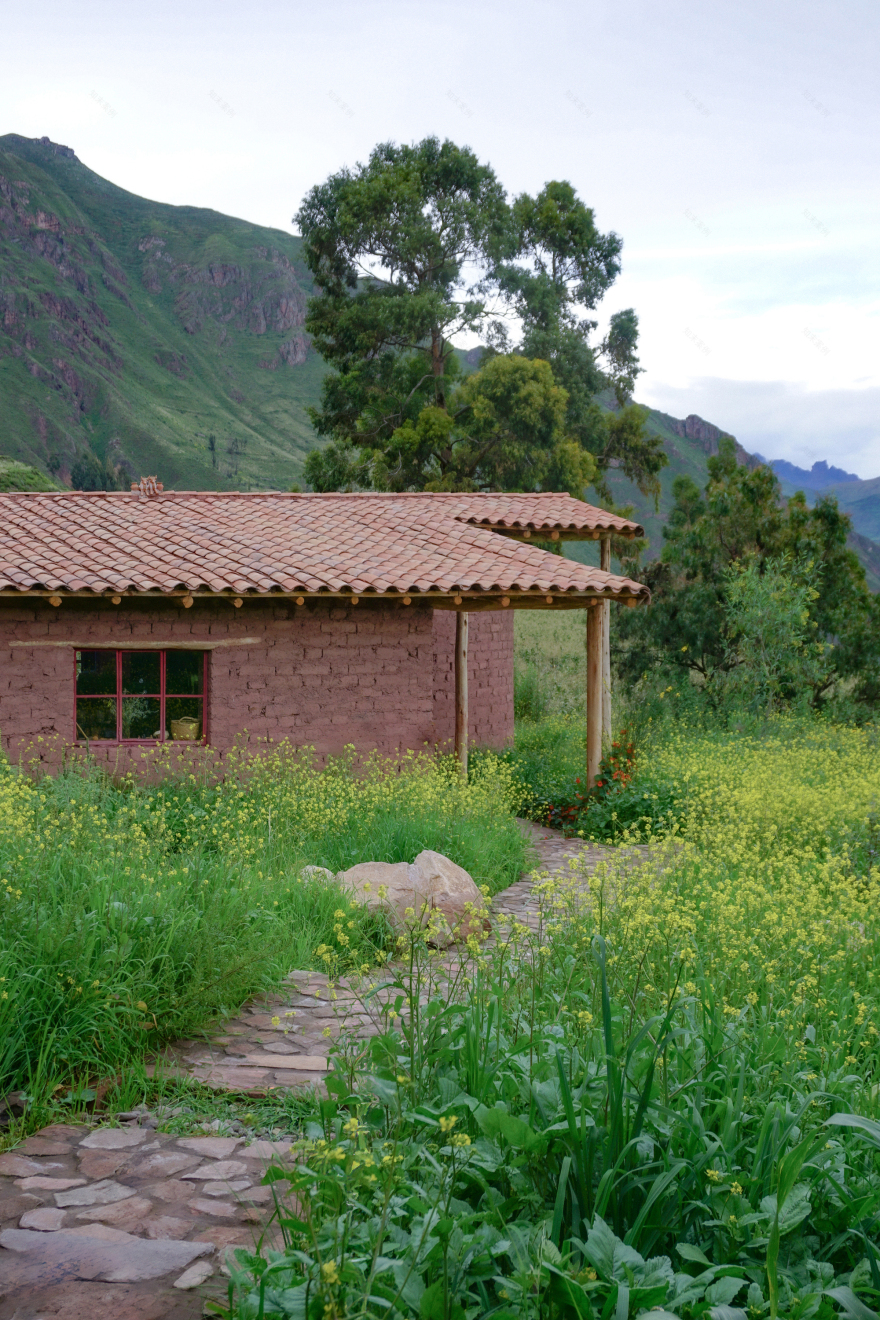
Unlike the other buildings in the ensemble—the House and the Dormis—this structure is inwardly focused and conceived as a shared collective space for residents and visitors. Its name comes from the Argentine tradition of the Quincho, a domestic gathering space centered around food and drink, here reinterpreted as architecture for encounter.

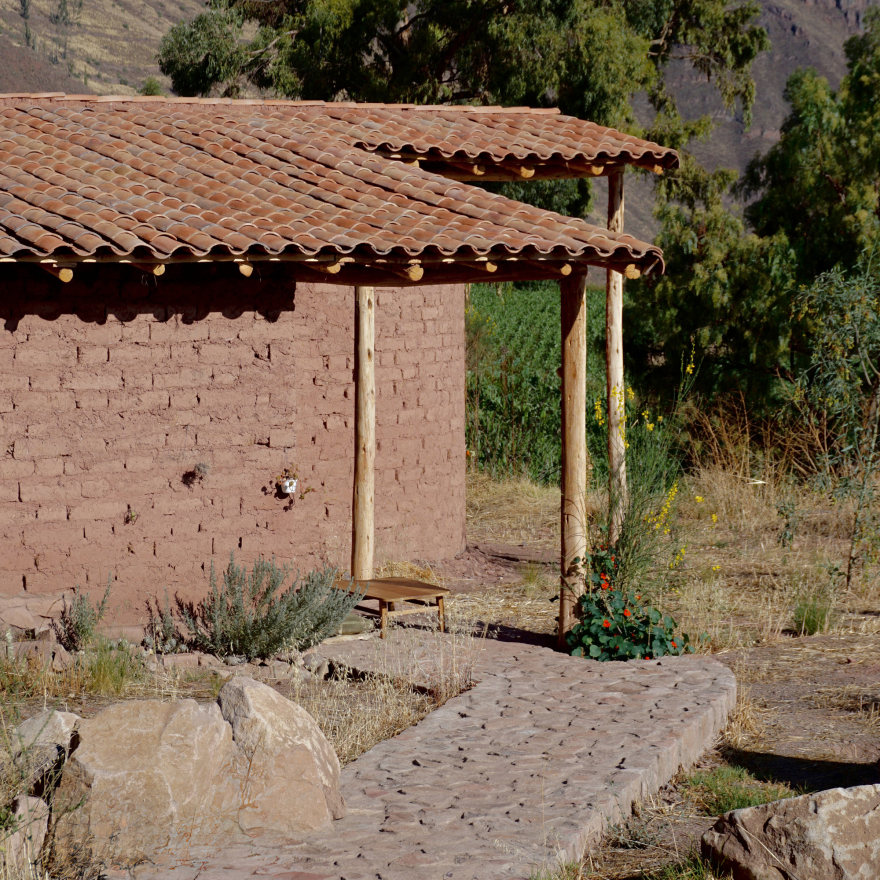
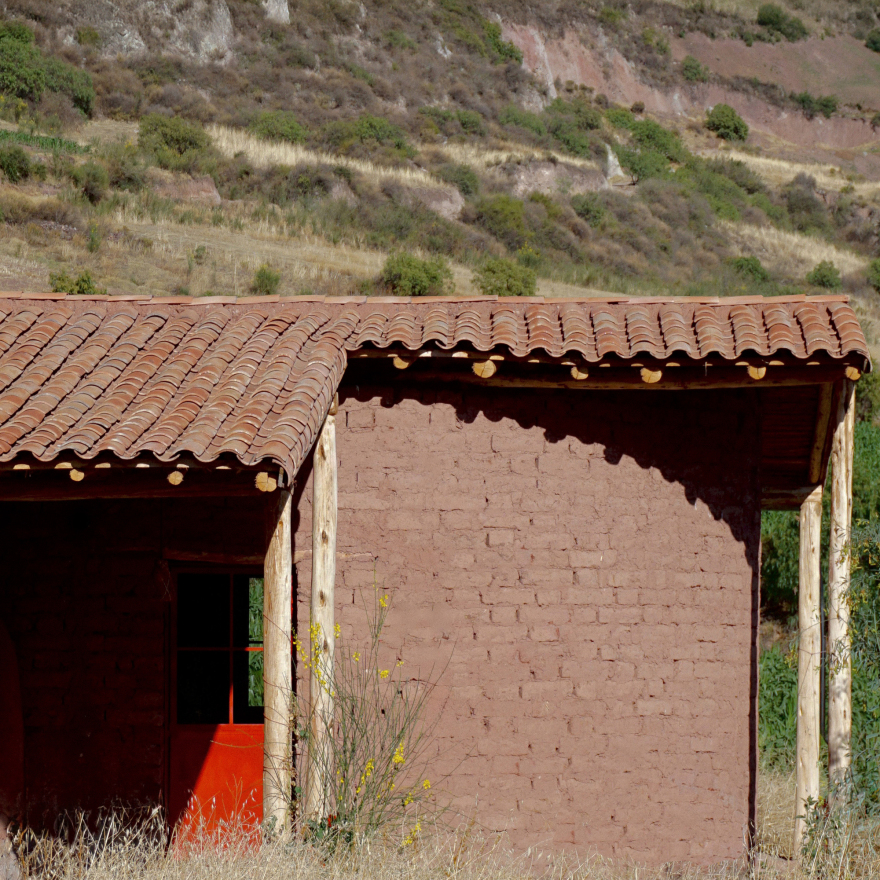
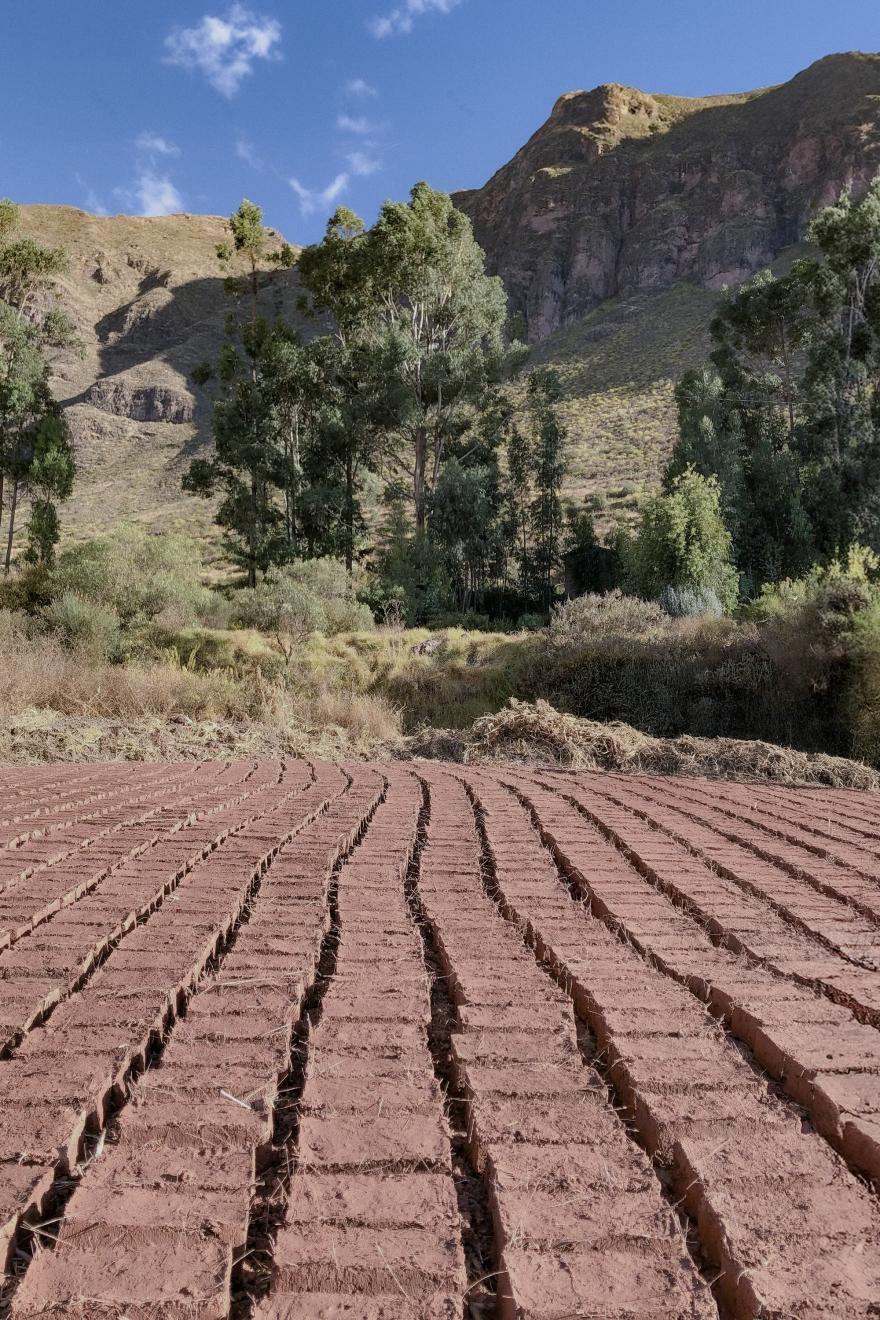
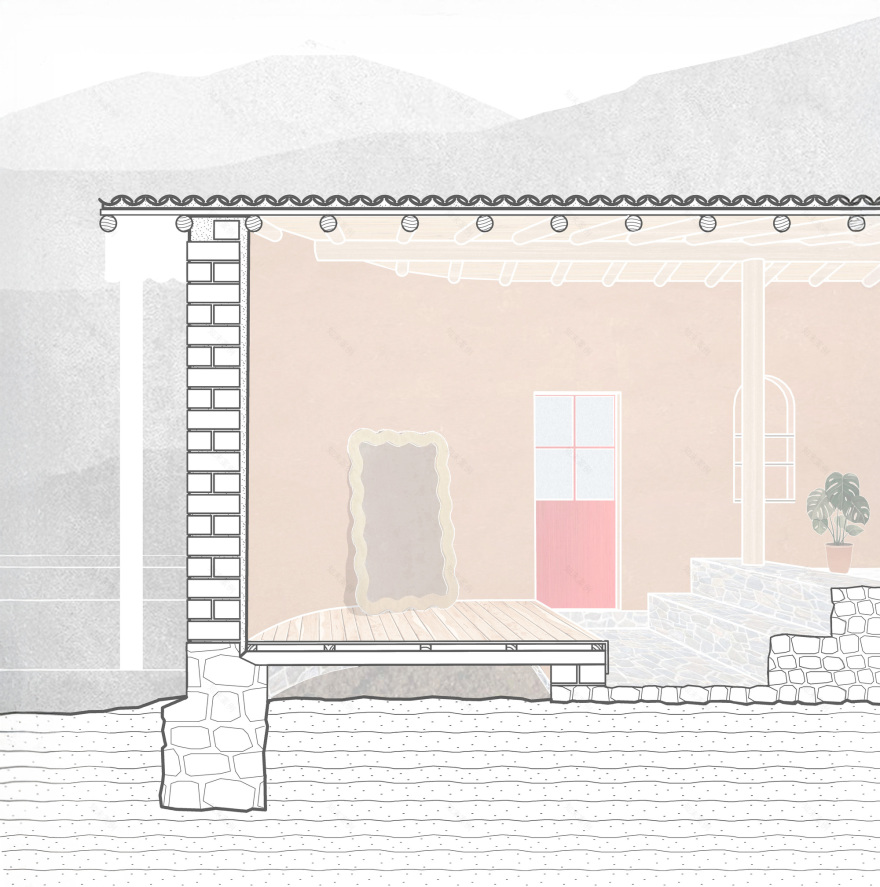
As with the other constructions, adobe is not hidden: it is exposed as body, texture, and structural system. The traditional load-bearing wall technique is integrated with a contemporary spatiality that maximizes the material’s qualities, creating a robust and warm atmosphere.

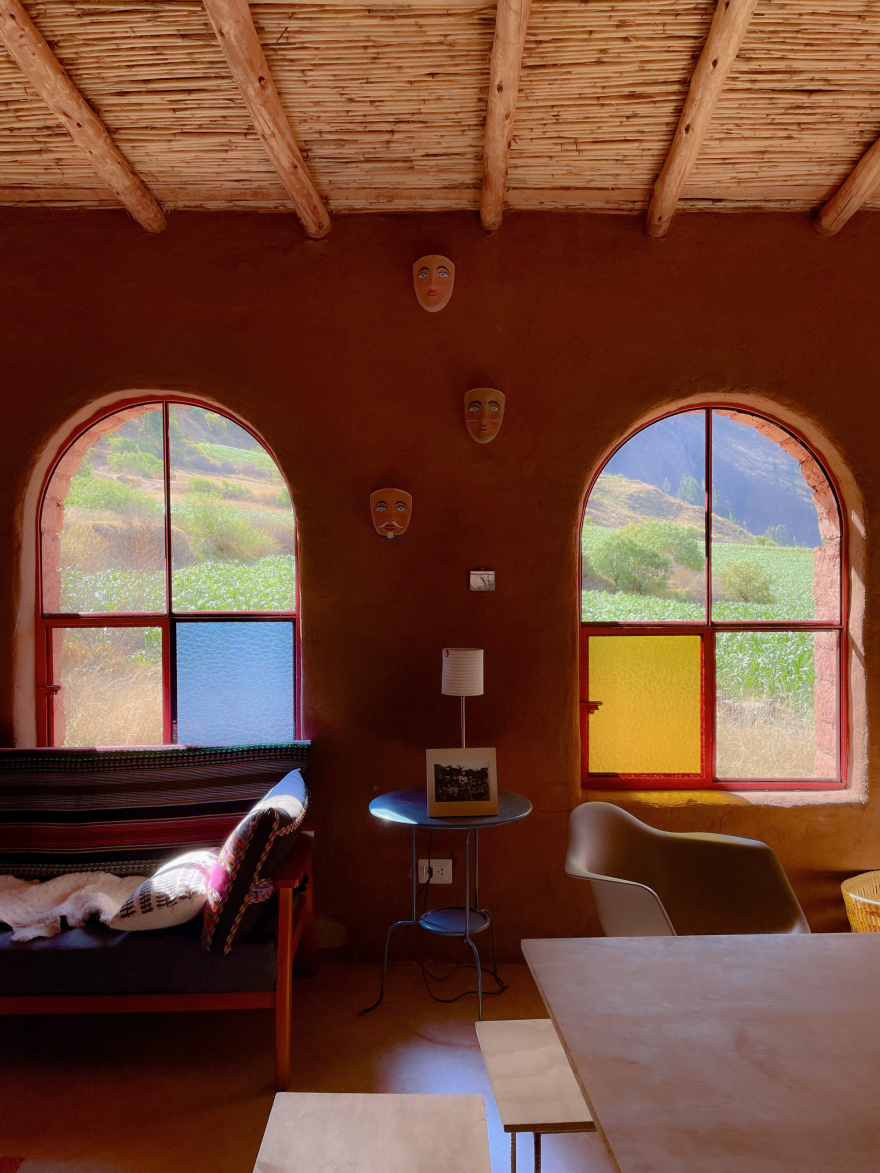
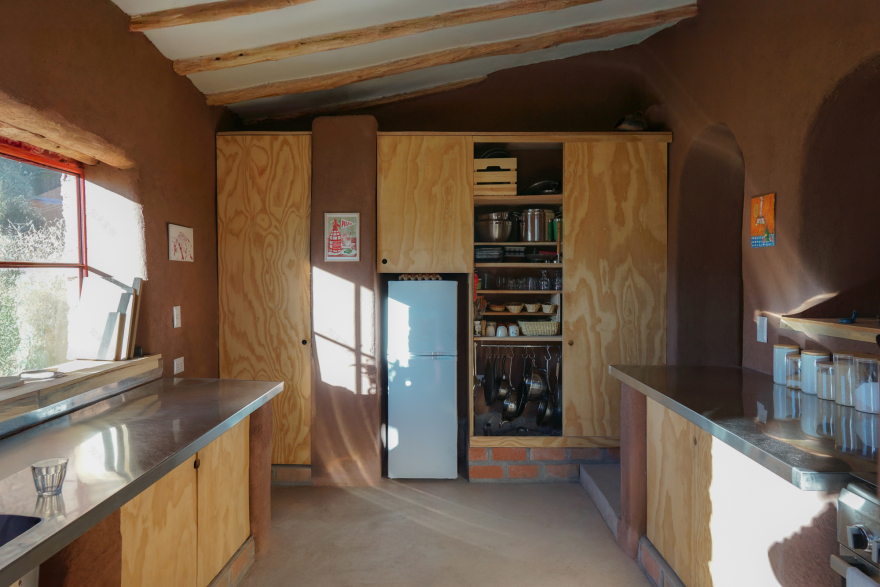
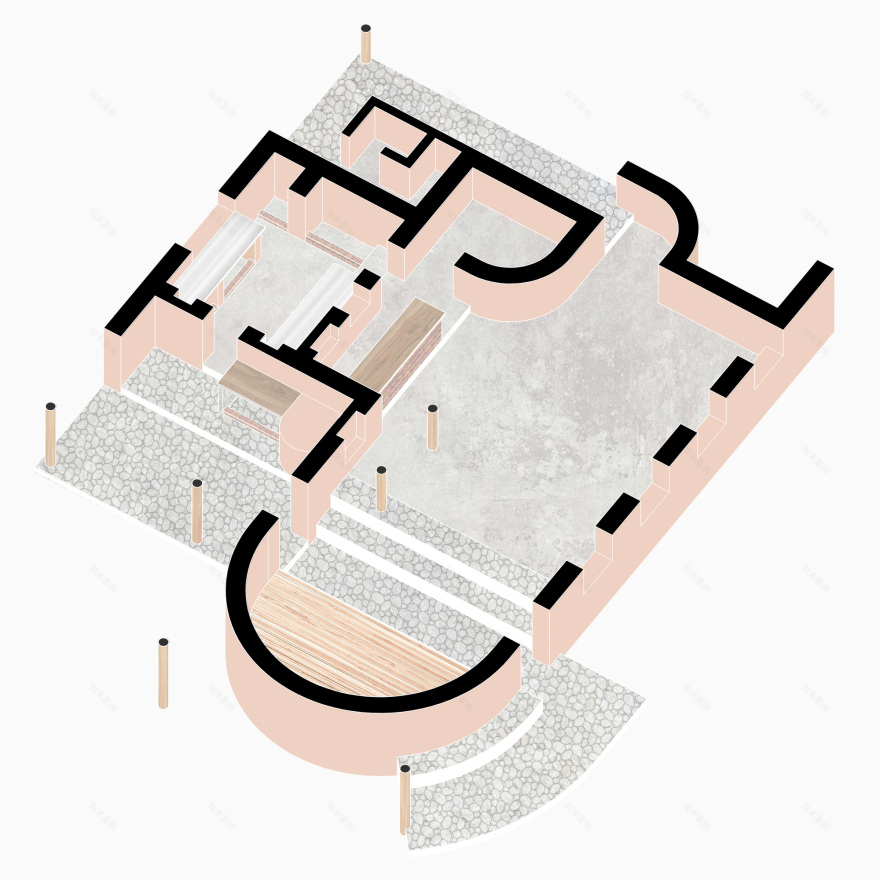
Arches are used as structural solutions to avoid lintels, optimize adobe’s seismic behavior, and incorporate wall niches that resolve storage needs in an integrated manner. Curved walls, beyond their sculptural value, guide circulation and define the enveloping character of the space.
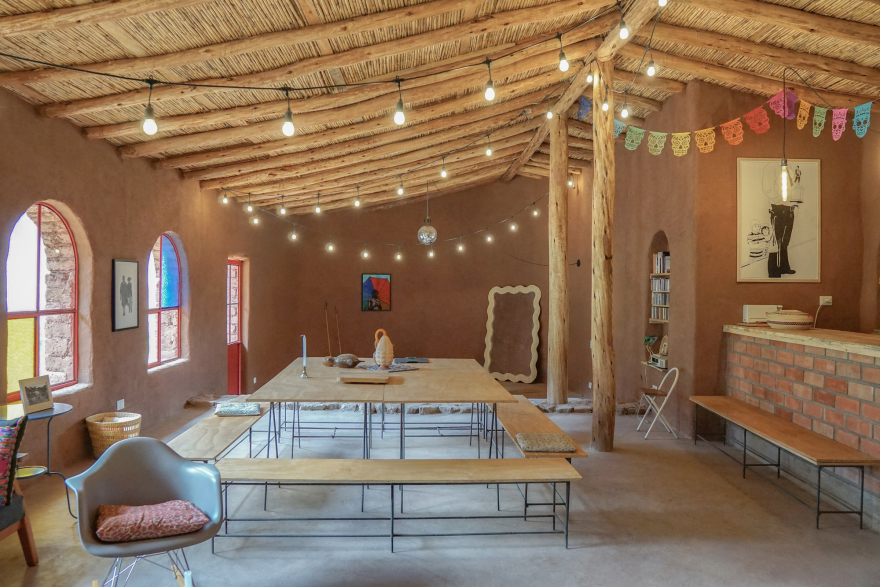
The spatial organization follows a simple layout: a main volume with a gabled tile roof. The ridge beam, supported partly by adobe walls and two eucalyptus columns, shifts the roof’s structural axis off-center relative to the main hall, generating an asymmetry that—together with the sloping terrain—reinforces internal hierarchy without needing partitions.


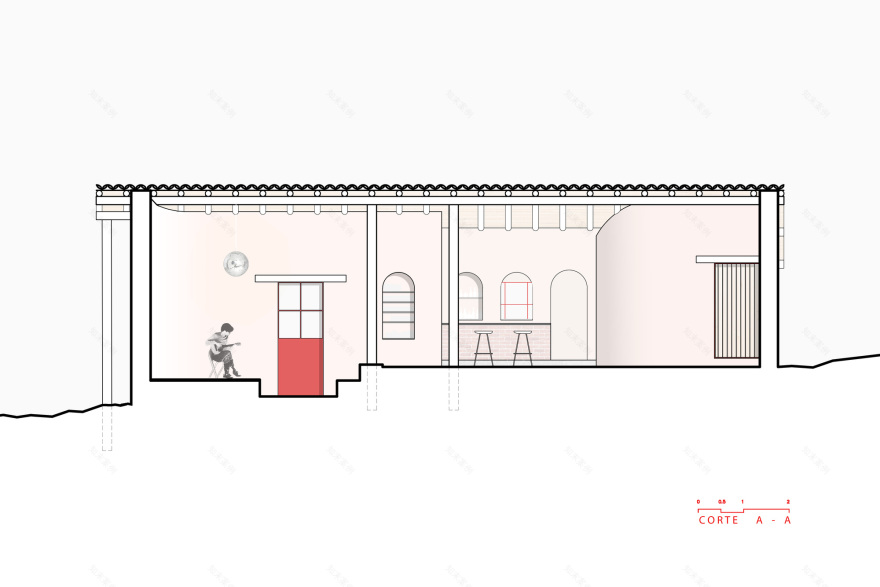
The program combines three main areas: a central nave, a kitchen, and two terraces. The hall includes a lounge area, a communal table, a bar connected to the kitchen via a pass-through and a door—both featuring curved openings—and a small stage set at a lower level. Between the hall and the stage, stone steps serve as informal seating, configuring a flexible space for cultural and community activities.
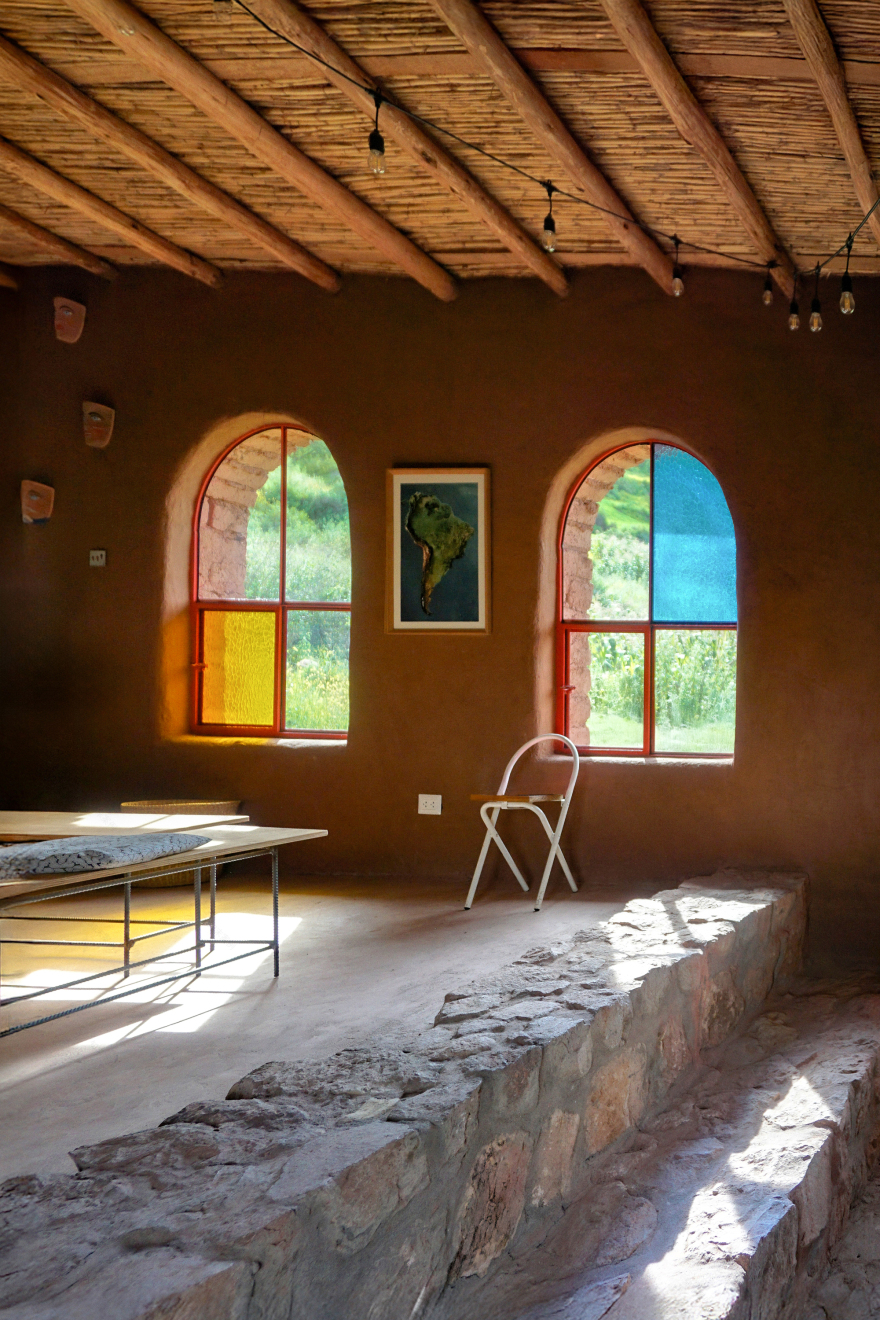


The terraces extend the interior experience into the surrounding landscape. The northeast terrace, covered and located between the kitchen and the hall, receives the morning light. The northwest terrace, semi-covered and following the terrain’s slope, serves as a lookout toward Apu Sahuasiray. The west façade features colored stained glass that filters the last rays of sunlight, tinting the interior with warm hues and contributing to the thermal mass of the adobe walls.


Ultimately, the Quincho offers a free reinterpretation of the basilica typology, stripped of its religious dimension to reclaim its potential as a communal structure. The hall functions as an open and welcoming nave where architecture and culture converge in daily life. In this sense, the stage takes the symbolic place of the altar—a focal point around which the space is organized. The curved wall embracing it not only matches its geometry but also acts as a spatial closure, reinforcing the sense of containment and cohesion of the ensemble.

Project gallery







南京喵熊网络科技有限公司 苏ICP备18050492号-4知末 © 2018—2020 . All photos and trademark graphics are copyrighted by their owners.增值电信业务经营许可证(ICP)苏B2-20201444 苏公网安备 32011302321234号
苏公网安备 32011302321234号客服
消息
收藏
下载
最近