

创作上传
VIP
收藏下载
登录 | 注册有礼
查看完整案例

收藏

下载

分享

翻译
Architects:NextOffice–Alireza Taghaboni
Area:900m²
Year:2025
Photographs:Parham Taghioff,Ehsan Hajirasouliha,Mohammad Afsarian,Mahdi_Kamboozia
Lead Architects:Alireza Taghaboni
Category:Cultural Architecture,Adaptive Reuse
Design Team:Alireza Taghaboni, Elnaz Kharaghani, Hoodad Zoroufchiyan, Meysam Ebrahimi Moaghaddam, Roza Bemani, Ali Ghods, Farzad Farasat, Hadi Irani, Gelare Geranseresht, Negar Mansouri, Mohammad Motamedi, Elahe Babaei, Homa Asadi, Asal Karami, Shadi Bitaraf, Marziyeh Norouzi, Mohammad Amin Abedin, Soroush Attarzadeh, Ehsan Ahani, Saba Salehi, Mohammad Mardi, Ali Jahani
Engineering & Consulting > Structural:Bastan Pol
City:Tehran
Country:Iran

Text description provided by the architects. The Poet's House by Next Office is the restoration and adaptive reuse of the former home of Iranian poet and dissident Ahmad Shamlou into a cultural center in downtown Tehran. While preserving the original brick façade and structural shell, the project introduces a spatial intervention along a second-floor wall bearing a handwritten poem by Shamlou. This element was extended into a conceptual and semi-structural backbone—transformed into a three-dimensional promenade that opens the house toward the city. Through this approach, the formerly private courtyard becomes a public open space that invites visitors into the life, thoughts, and legacy of the poet.


The client—a devotee of Shamlou—sought to preserve the poet's former home and transform it into a public space commemorating his literary and political legacy. Shamlou, a politically engaged poet who was repeatedly imprisoned for his counter-viewpoints, remained a controversial figure even after his death, with his gravestone vandalized multiple times by government supporters.
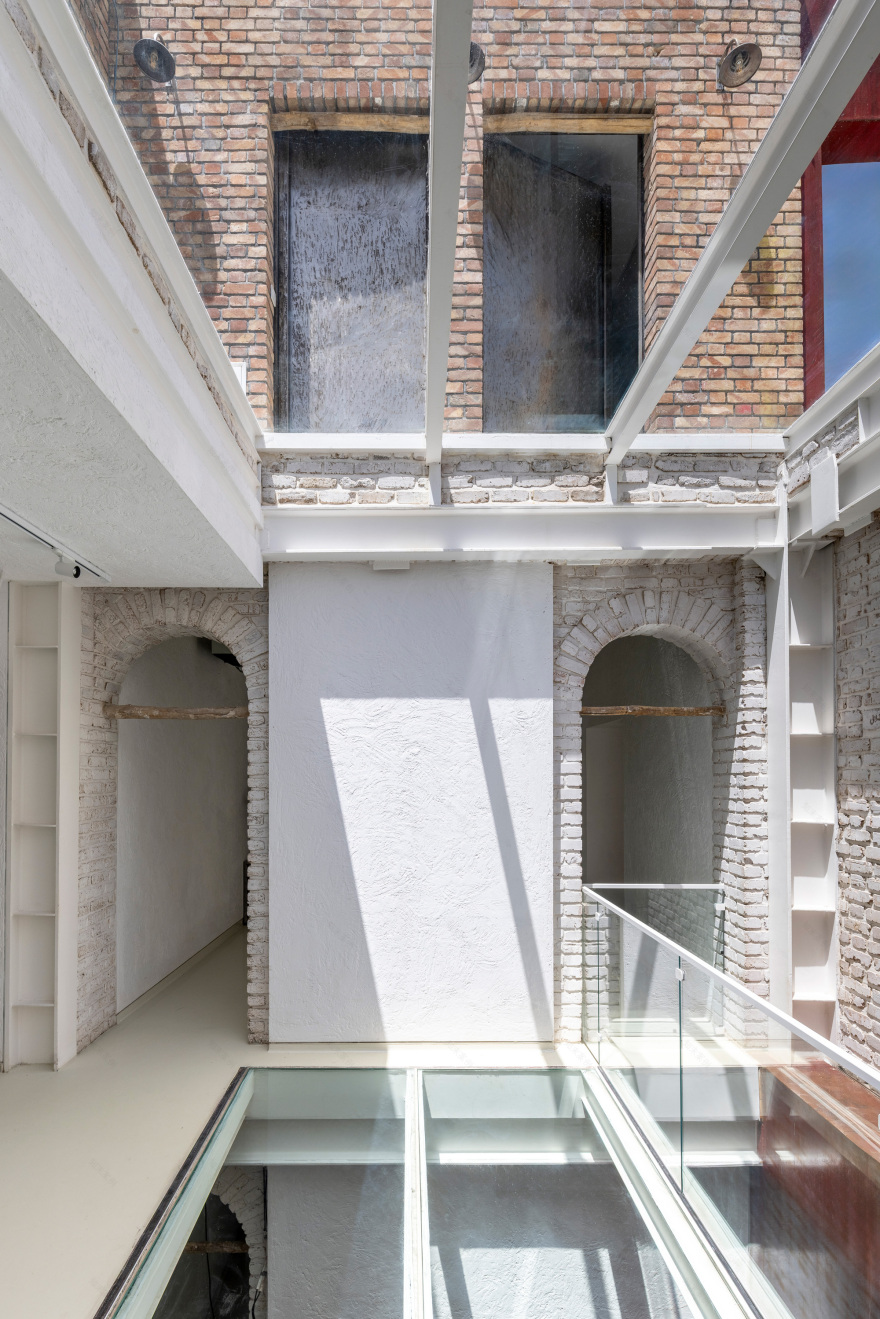
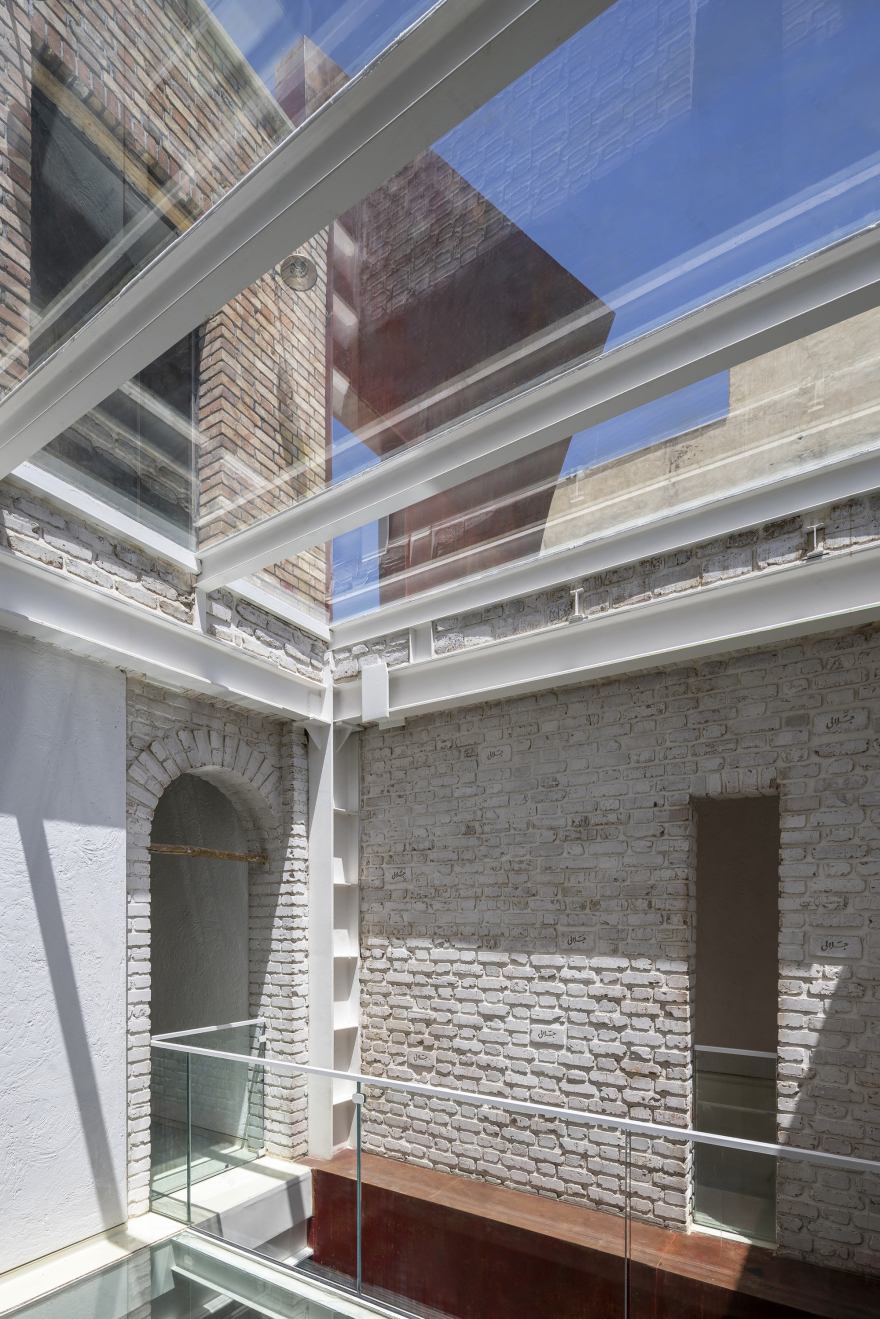
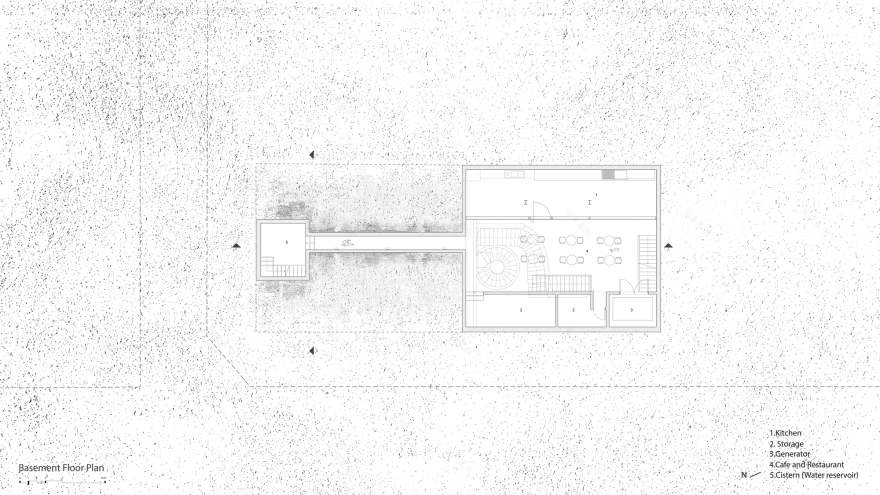
The house itself was a neglected brick building with rounded corners and expressive lintels, characteristic of Tehran's 1970s architecture. The anticipated program included exhibition areas, a library, bookstore, café, and restaurant, envisioned as a hub for writers and Shamlou's readers, along with an informal urban tour of his life.


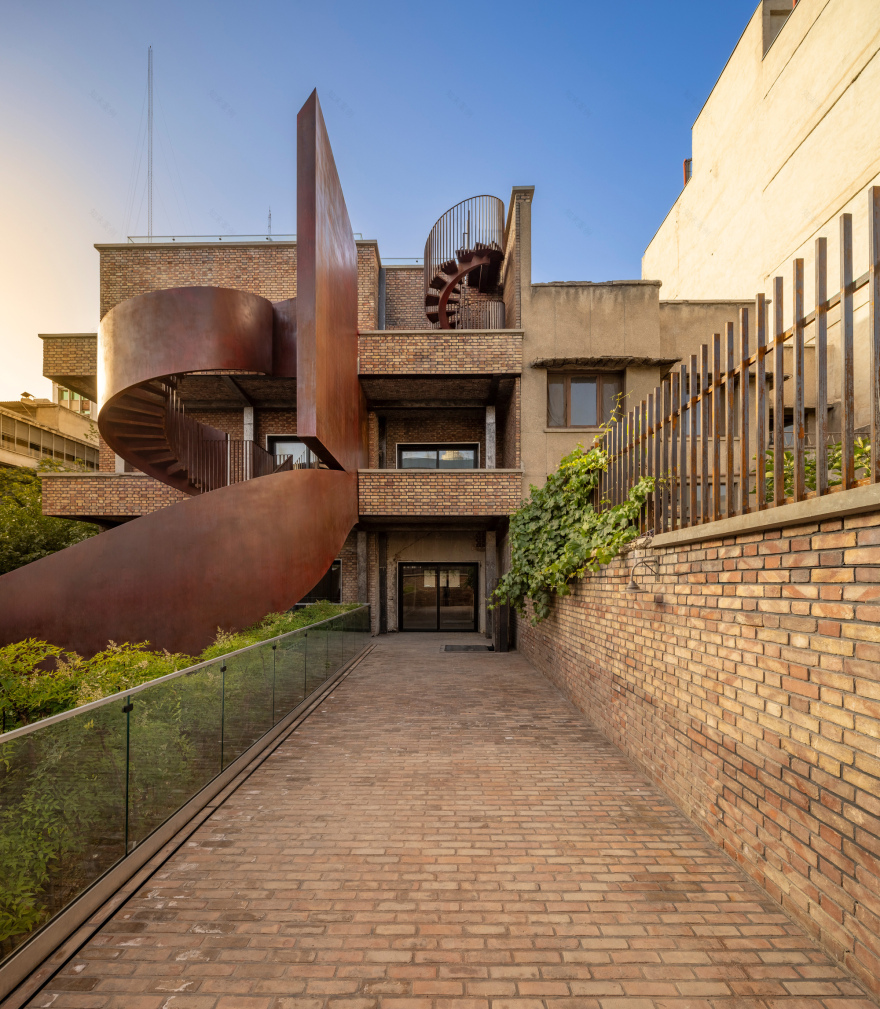
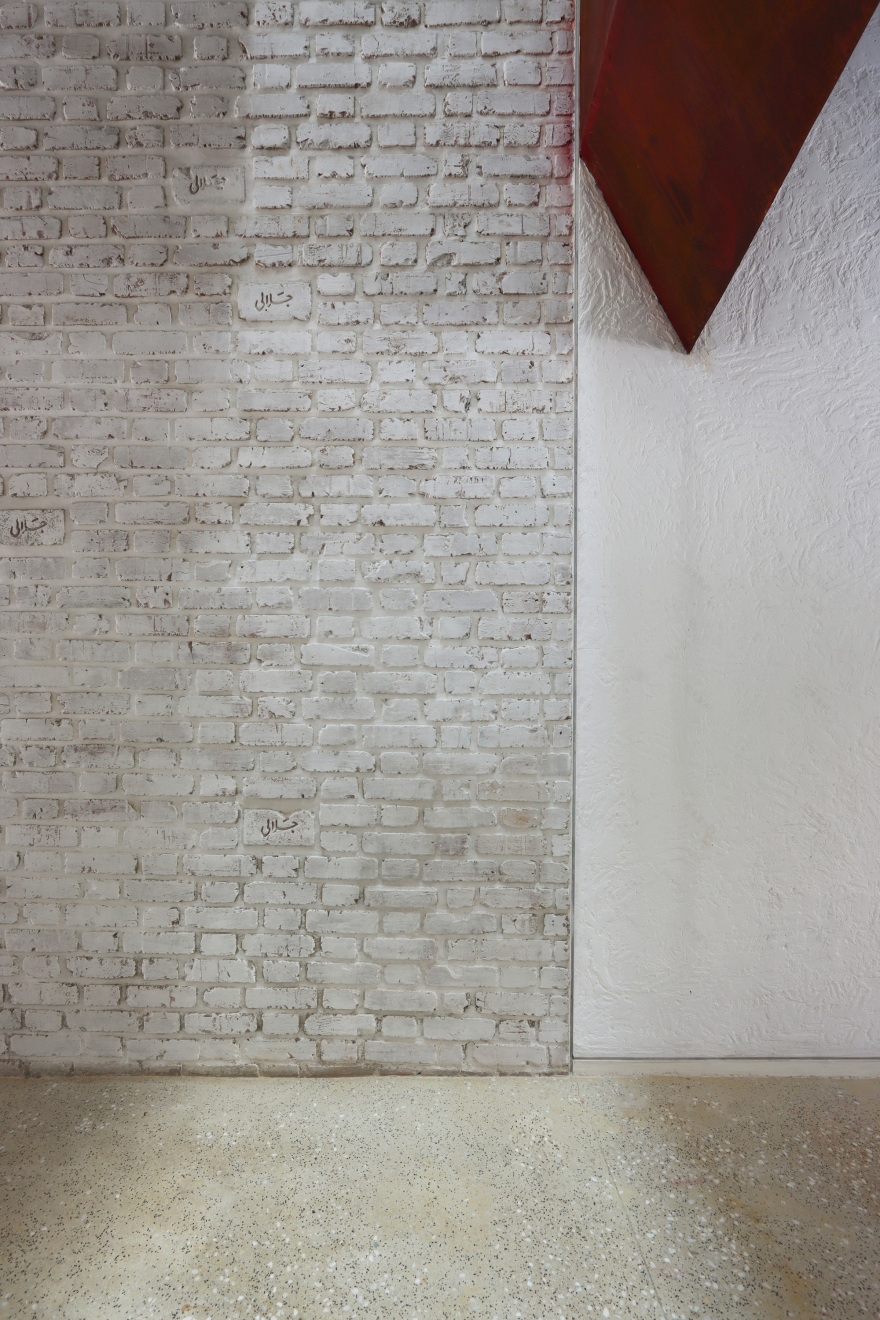
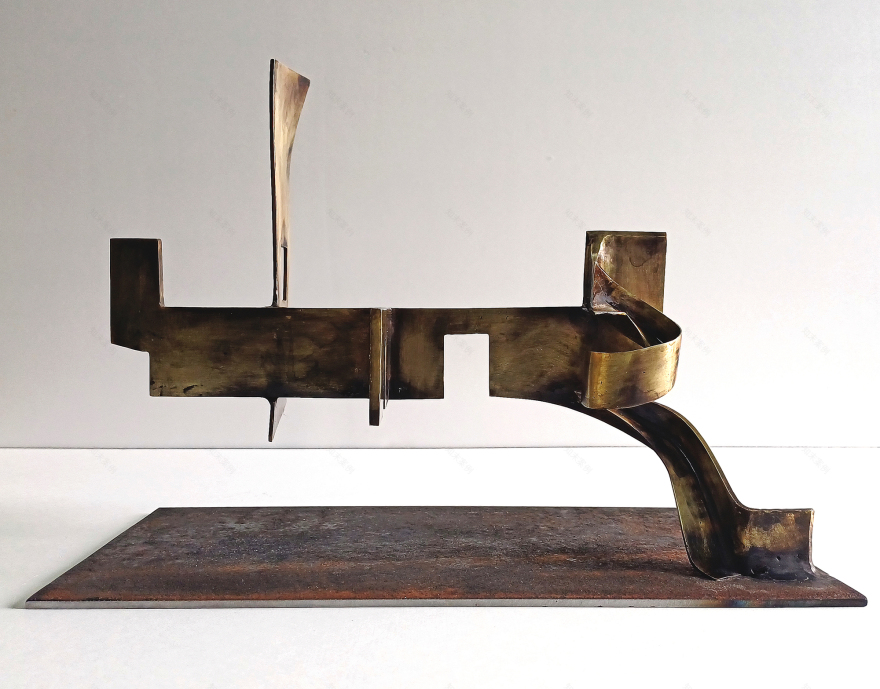
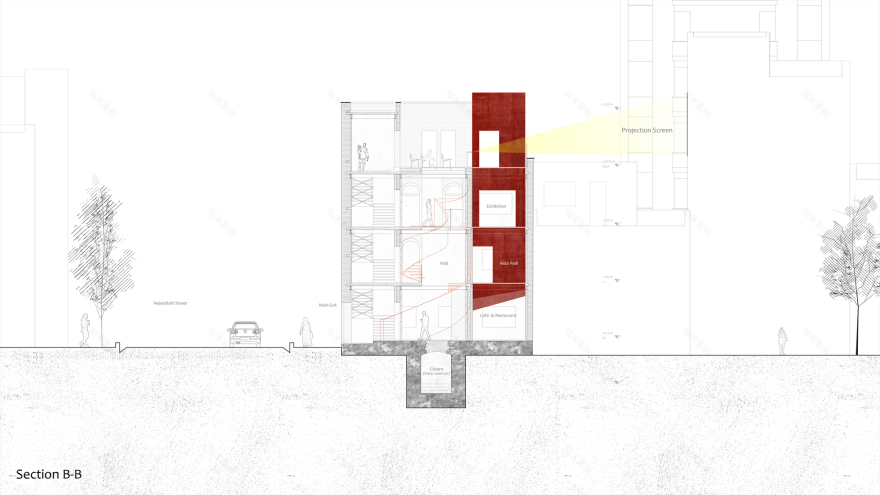
The brick load-bearing structure required reinforcement. Rather than concealing this necessity, we turned it into a central architectural-structural feature. A new steel wall was designed along the interior wall inscribed with a handwritten poem by Shamlou to his wife and muse, Aida— a wall that came to be known in the project as the "Aida Wall."

This intervention cuts through the building and rises from the courtyard to the rooftop, superimposing itself onto the generic structure to dramatize a constant tension between old and new, echoing the poet's rebellious spirit and his significance in Iran's cultural history.


Steel was chosen for its aging quality and formal responsiveness, capable of being cut, jagged, rusty, or bent. The project was designed so that the new steel structure could one day be removed, leaving the original intact. In doing so, it challenges and transforms, without erasing, the memory it honors.

Project gallery





南京喵熊网络科技有限公司 苏ICP备18050492号-4知末 © 2018—2020 . All photos and trademark graphics are copyrighted by their owners.增值电信业务经营许可证(ICP)苏B2-20201444 苏公网安备 32011302321234号
苏公网安备 32011302321234号客服
消息
收藏
下载
最近