

创作上传
VIP
收藏下载
登录 | 注册有礼
查看完整案例

收藏

下载

分享


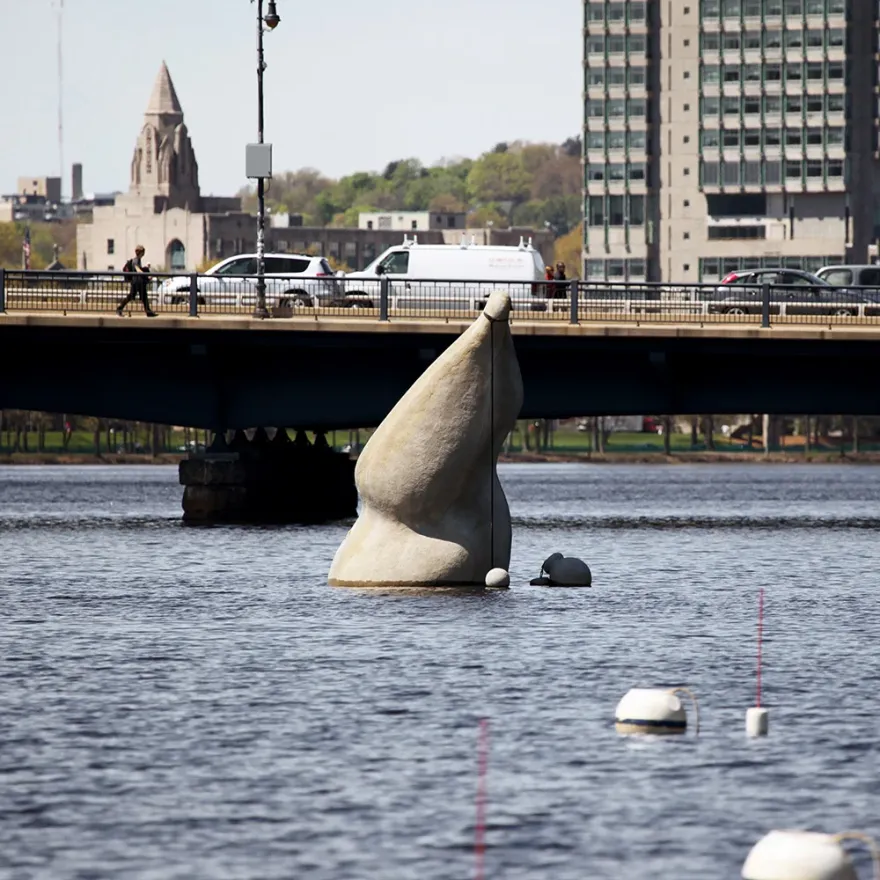


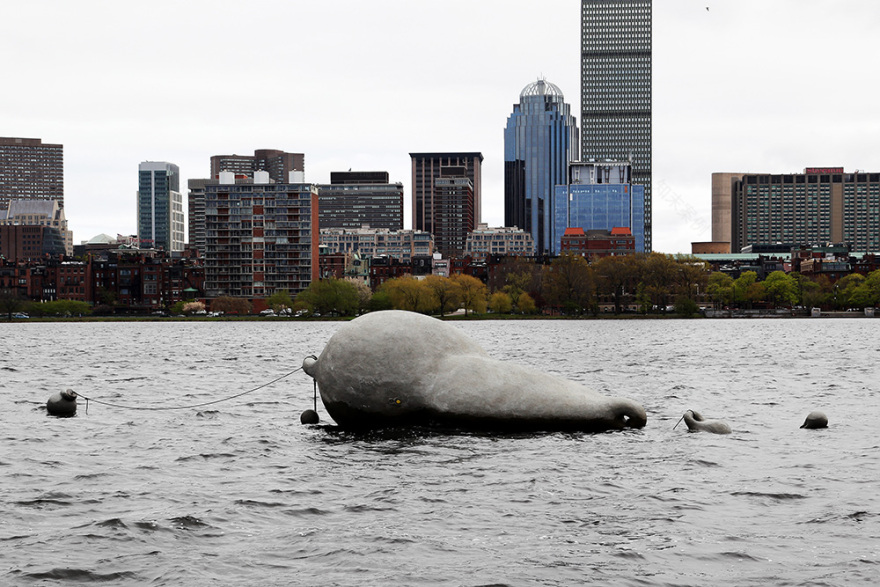


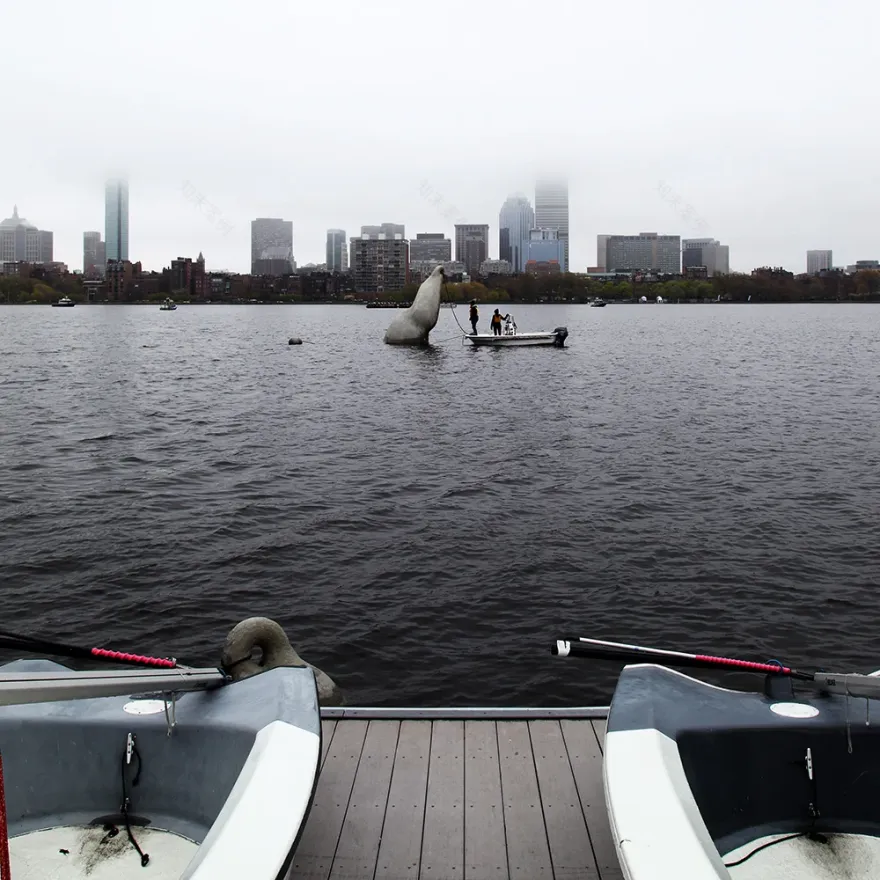
Buoy Stone
Megalithic civilizations held tremendous knowledge surrounding mass and weight. What if we could mine this past knowledge to inform contemporary practice with the tool of gravity? One of the greatest mysteries of Megalithic era construction surrounds transportation from quarry to site. It is thought that the Bluestones of Stonehenge were floated up the river Avon with animal bladders. This practical solution provokes perception in delivering a floating stone. What would it mean to float a stone today? The
Buoy Stone
is calibrated to rest on its side for a horizontal commute, then transform into a vertical figure once pumped full of river water.
The
Buoy Stone
celebrates the 100th anniversary of MIT crossing the Charles River from Boston to Cambridge. It is the second in a series of megaliths that investigate how this knowledge from the past could impact our contemporary world ~ the first being the
McKnelly Megalith
.
Credits
year
: 2016
location
: Cambridge, MA
site
: Charles River in front of Killian Court, MIT
size
: 8’ X 8’ X 20’
materials
: Glass Fiber Reinforced Concrete / Water
purpose
: Centennial Celebration of MIT crossing the Charles River
principal
: Brandon Clifford
project leads
: Myung Duk Chung \ Maya Shopova \ Tyler Swingle
computation
: Victor Leung
project team
: Ammar Ahmed \ Borislav Angelov \ Xhulio Binjaku \ John Fechtel \ Daniel Garcia \ Maxwell Jarosz \ Zain Karsan \ Alexander Marshall \ Paul Short
南京喵熊网络科技有限公司 苏ICP备18050492号-4知末 © 2018—2020 . All photos and trademark graphics are copyrighted by their owners.增值电信业务经营许可证(ICP)苏B2-20201444 苏公网安备 32011302321234号
苏公网安备 32011302321234号客服
消息
收藏
下载
最近