

创作上传
VIP
收藏下载
登录 | 注册有礼
查看完整案例

收藏

下载

分享

翻译
Interior Designers:AT Architecture
Area:140m²
Year:2024
Photographs:Agence AT
Lead Architects:Céline Teddé & Jérôme Apack Architects
structural Engineer:I2C
Category:Houses,Renovation
Extension Area:22 m²
Vertical Addition Area:66 m²
City:Carry-le-Rouet
Country:France

Text description provided by the architects. By wrapping an ordinary 1950s house in a lightweight timber superstructure, The Very Small Housing Collective transforms a suburban dwelling into a compact, intergenerational form of living without expanding its footprint.


Located in Carry-le-Rouet, on the Mediterranean coast near Marseille, the project sits within a diffuse suburban fabric characteristic of post-war development. This landscape of detached houses, long associated with low density and high land consumption, is now being questioned in light of environmental and social challenges. Rather than treating this heritage as obsolete, the project views it as an opportunity to explore gentle densification strategies capable of adapting existing housing to contemporary ways of living.


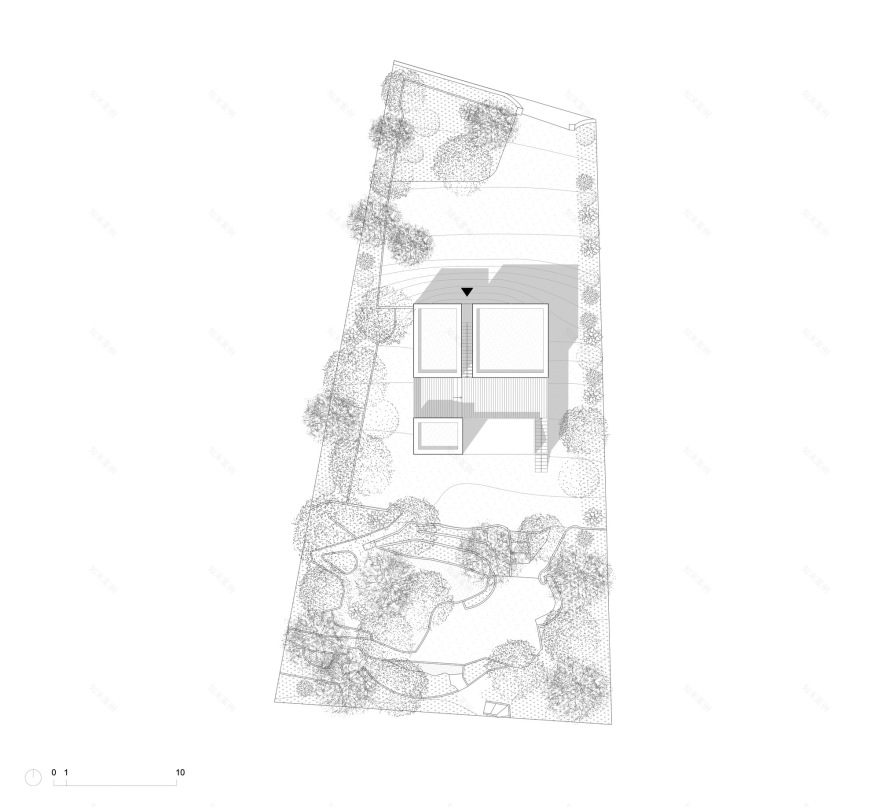
The client, deeply attached to a house built with his father, sought to accommodate evolving family needs over time: hosting a child returning after their studies, enabling dependent grandparents to live nearby, or creating a workspace. Initial proposals involving demolition and reconstruction were rejected. The challenge was therefore clear: how to increase capacity, comfort, and flexibility while preserving both the building and the land it occupies. Regulatory constraints on site coverage further reinforced the need for a solution that would densify vertically rather than horizontally.

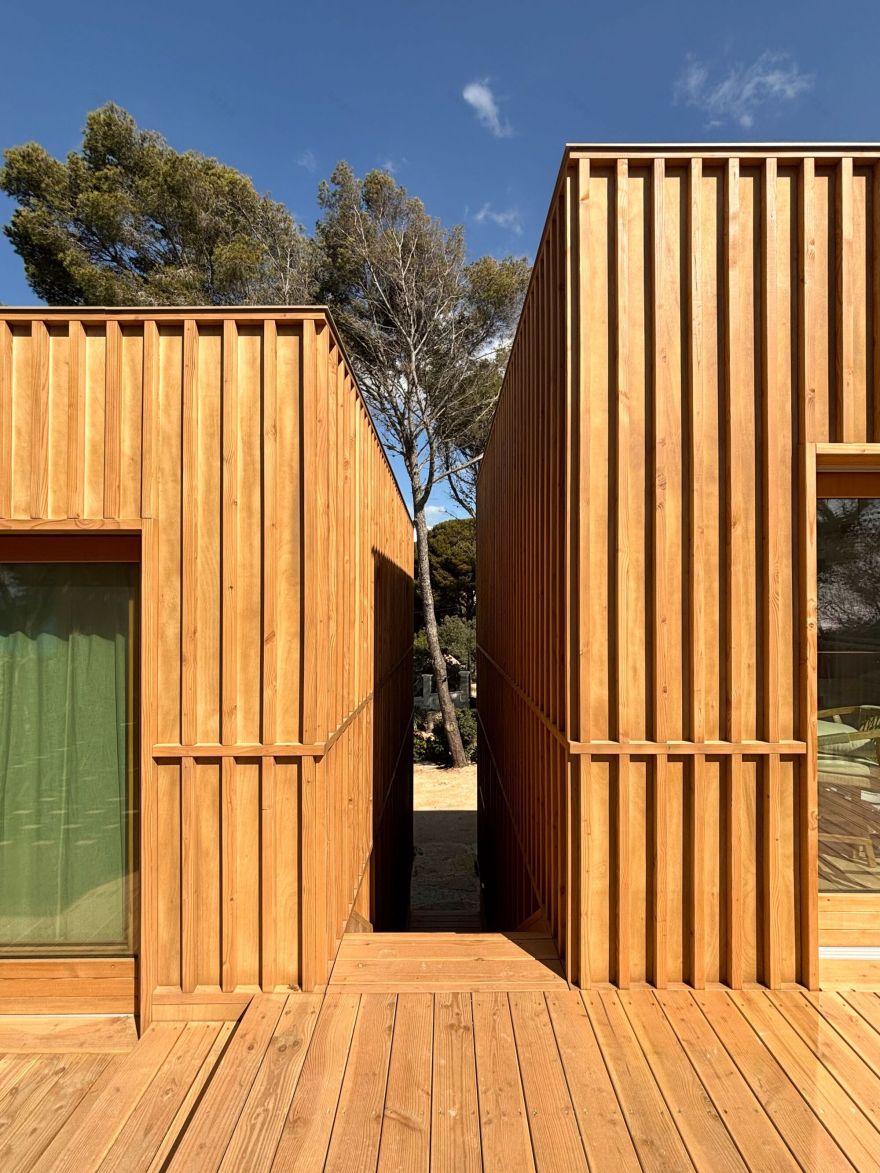
The design responds through a precise architectural gesture: a lightweight timber superstructure that envelops the existing house "like a hat." This intervention preserves the original footprint while significantly improving thermal performance and spatial quality. Timber plays a central role in the project, acting simultaneously as structure, comfort regulator, and mediator between old and new. Its use allows for a dry, prefabricated construction process that minimizes disruption to the site and surrounding neighborhood.

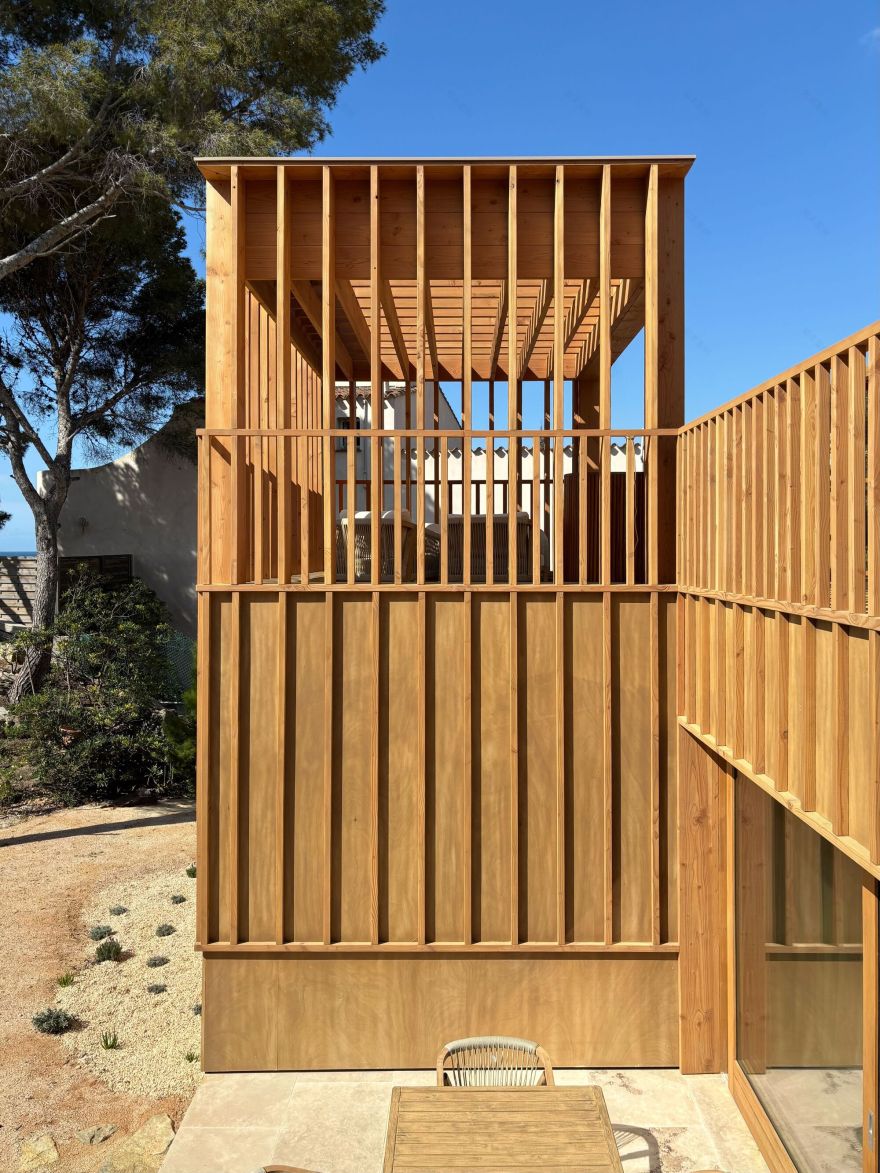
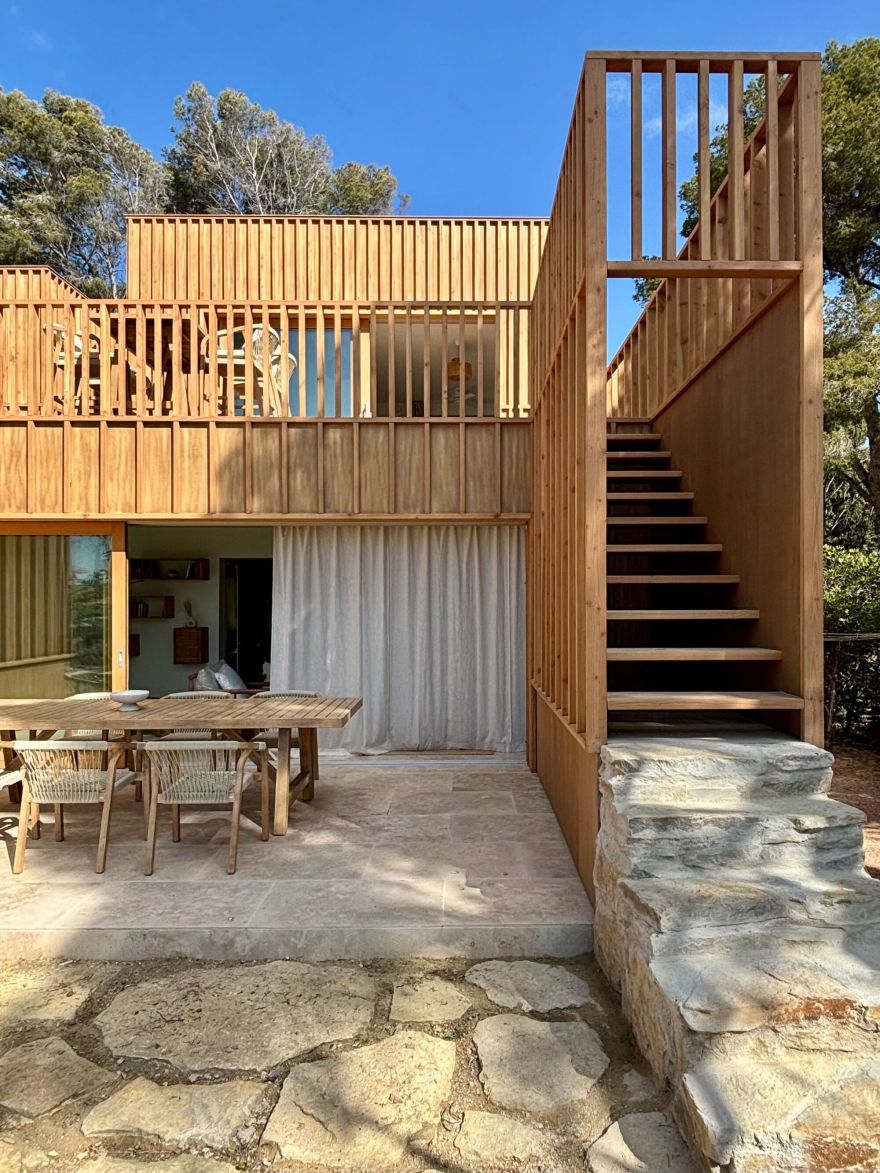
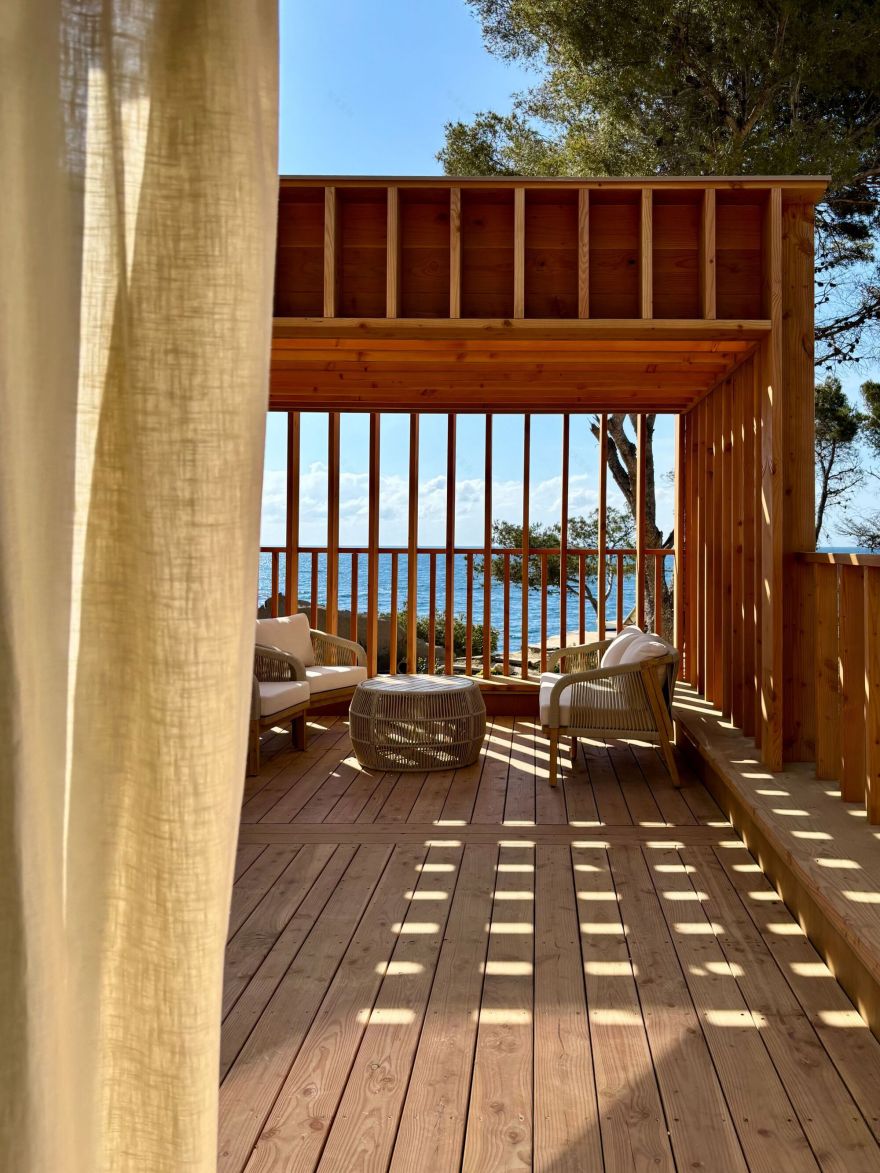
The project creates three autonomous dwellings organized as a very small housing collective: a main family apartment on the ground floor, complemented by a studio and an independent bedroom with bathroom above. Rather than internal circulation, the units are connected through exterior stairs and terraces, reinforcing a sense of independence while maintaining proximity. This organization supports a reversible and adaptable mode of inhabitation, capable of evolving alongside the family's needs.

Environmental considerations are embedded throughout the design. The site's soil has been de-sealed to restore permeability, all units benefit from natural cross-ventilation, and bio-based materials—primarily timber and local stone—are used extensively. Even the exterior cladding incorporates offcuts from the façade panels, reducing waste and reinforcing the project's constructive logic.

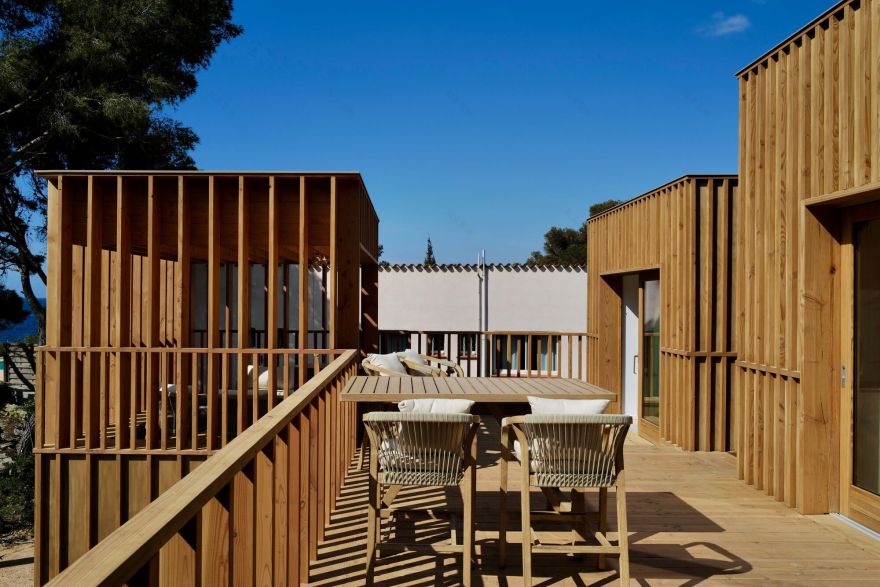
By upgrading and densifying an ordinary suburban house rather than replacing it, The Very Small Housing Collective demonstrates a concrete and replicable approach to architectural transition. It offers a modest yet impactful response to contemporary housing challenges, showing how existing buildings can be repaired, reinforced, and reimagined to support more sustainable and inclusive forms of living.
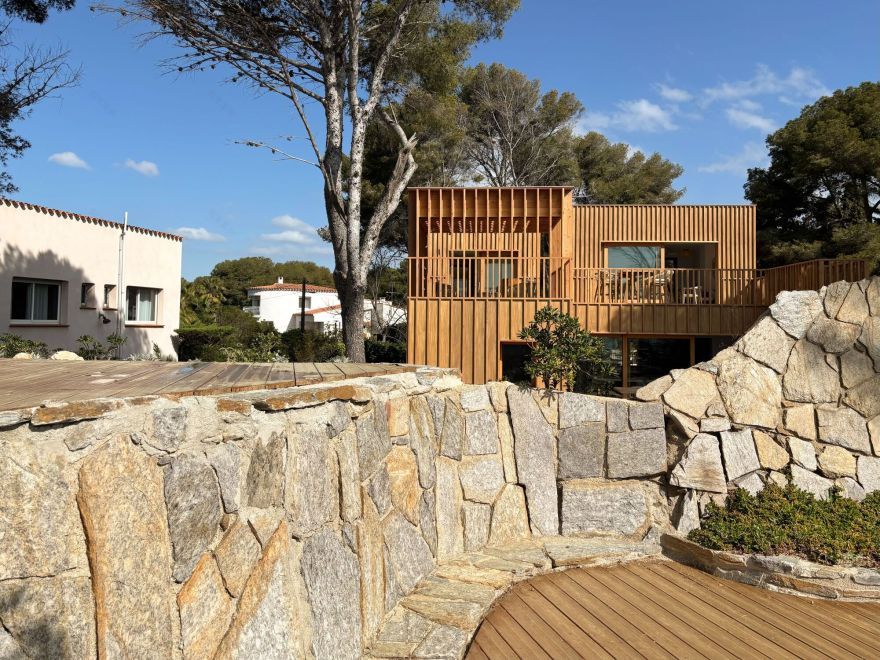
Project gallery






南京喵熊网络科技有限公司 苏ICP备18050492号-4知末 © 2018—2020 . All photos and trademark graphics are copyrighted by their owners.增值电信业务经营许可证(ICP)苏B2-20201444 苏公网安备 32011302321234号
苏公网安备 32011302321234号客服
消息
收藏
下载
最近