

创作上传
VIP
收藏下载
登录 | 注册有礼
查看完整案例

收藏

下载

分享

翻译
Architects:Of Possible
Area:7300ft²
Year:2024
Photographs:Jake Balston
Manufacturers:Madera Surfaces,Shildan
Lead Architects:Vincent Appel
Category:Residential Architecture,Apartments
General Contractor :Rise Development
City:Brooklyn
Country:United States
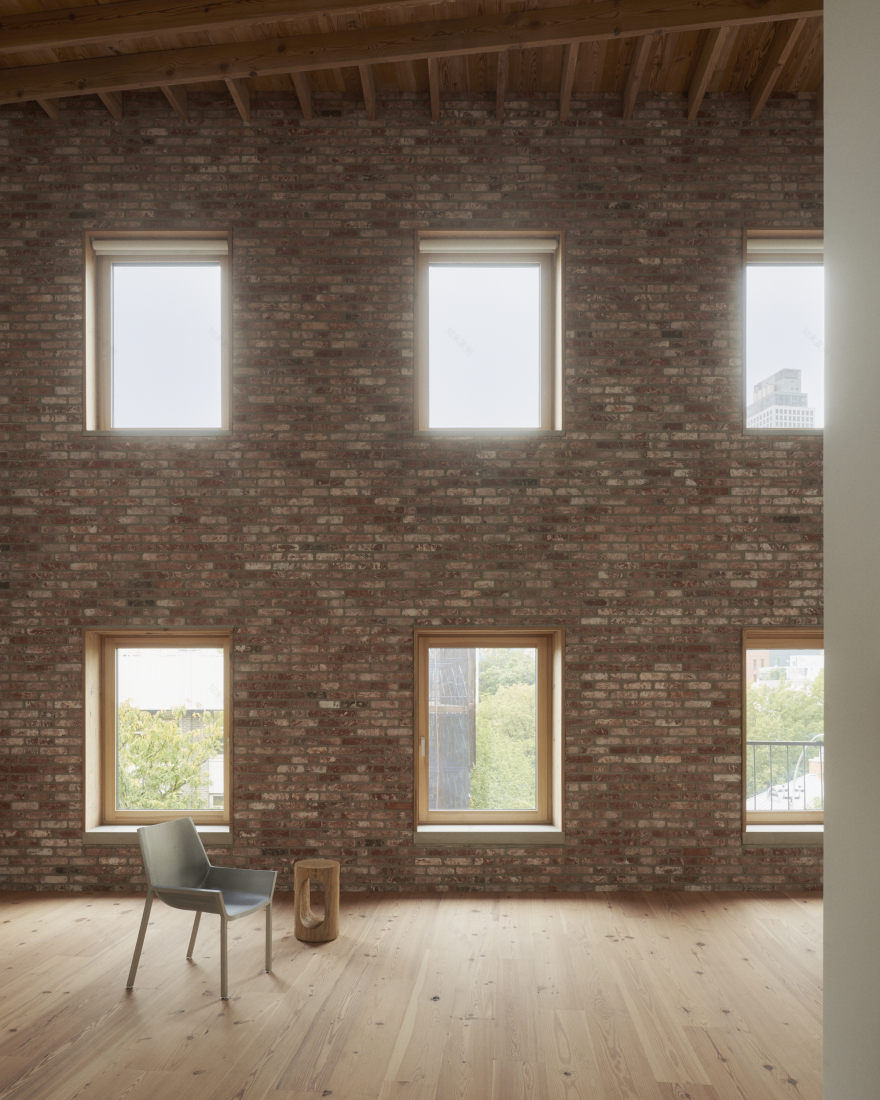
Text description provided by the architects. The team behind 103 Grand Street has unveiled the new multi-family building in Williamsburg, Brooklyn. Designed by Brooklyn-based architecture and design firm, Of Possible, 103 Grand is a three-unit 7,300 square foot development consisting of two duplexes and a triplex. Constructed by Rise Development, the project is located in the heart of Williamsburg and marries iconic Williamsburg loft-style living with the desirability of outdoor space, typically found only in garden-level apartments.


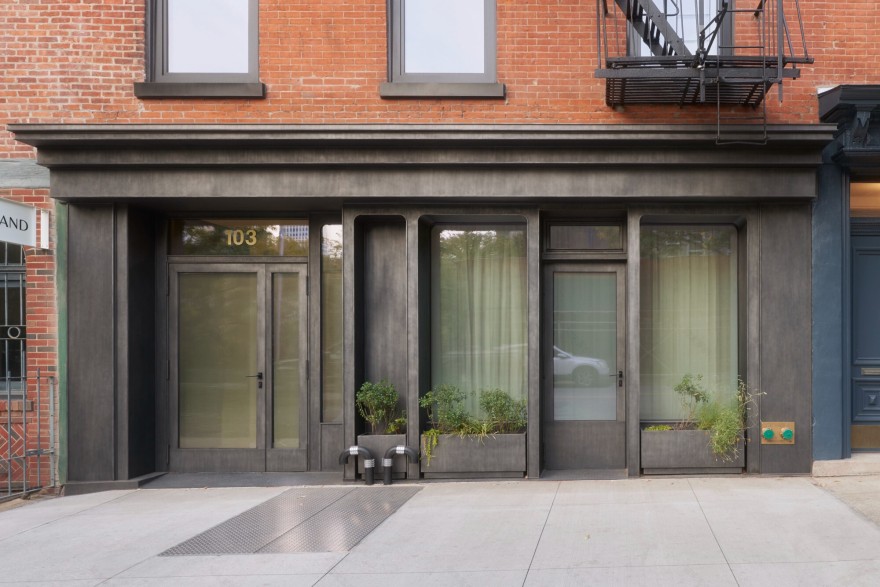
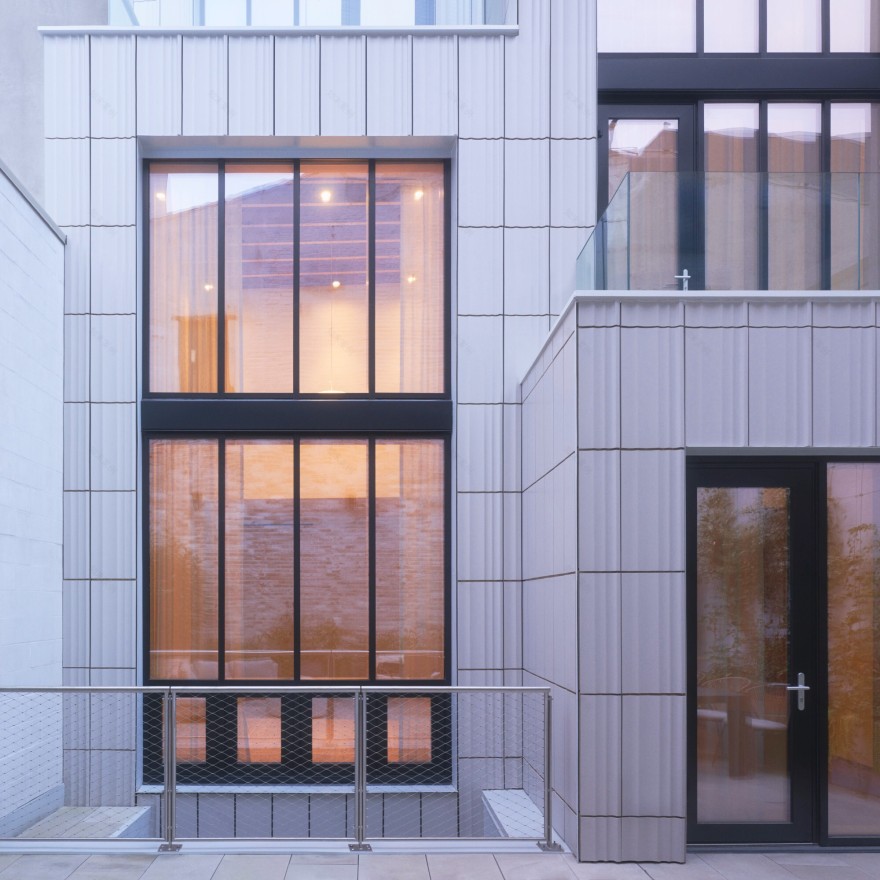
The design of the building incorporates two distinct facade strategies: street frontage remains true to the historic, red brick facades of the neighborhood, while the rear presents a contemporary counterbalance through a dynamic terracotta rainscreen. As is not the case for most buildings in New York City, the strategy for 103 Grand Street centers around creating a thoughtful and well-detailed design experience, even on the often overlooked backside of the building.

The rear facade is clad entirely in custom, fluted terracotta tile from Shildan. The shape of the tile mimics the S-curve of the interior linen curtains, drawing a rare connection between interior and exterior. The rear of the development is terraced so that all units contain multiple private outdoor spaces. Each unit is designed with loft-like 18' tall double-height spaces. Floor-to-ceiling glass on the rear facade allows extraordinary daylight to flood the loft-like interiors. Warm reclaimed heart pine wood from Madera Surfaces creates an inviting interior and harkens back to the original heart pine features of the townhouse and nearby factory buildings. Sourced from a building of the same era set for demolition in Queens, this mid-19th century material was reclaimed for use in flooring, cabinetry, window casings, and door surrounds. Each material was detailed for ease of construction and designed to last generations.


"Loft living was the quintessential Brooklyn experience when the neighborhood began to take shape. The new development market has become so efficient that new buildings don't leave room for double-height spaces or the variety of spaces found in old warehouse loft conversions. We thought, what if you could create a modern loft combined with the amenity New Yorkers want most now: outdoor space," says Vincent Appel / Of Possible founder. "With 103 Grand Street, we designed a unique residential option in the heart of Williamsburg that combines the materials and proportions of a Brooklyn loft with multiple private outdoor spaces. The design pushes the existing structure to its zoning limits, maximizing not only floor area ratio, but also volumetric space in each of the three units."

The material palette draws inspiration from existing architecture common to Williamsburg. The selection of brick, patinated metal, heart pine, plaster, and large-format glass windows was inspired by the neighboring buildings that were once warehouses and are now lofts. This industrial vernacular also inspired the proportions of interior environments, offering high ceilings throughout. The result is a building where each home has unique interior and exterior spaces, with no two identical units. The materials and scale of 103 Grand Street are at once old and new: reclaimed materials and loft-like proportions are in harmony with cascading expanses of glass and terracotta.

Exceeding standards set by New York City's Zone Green initiative, the building was designed with sustainable principles in mind. High-performance triple-glazed windows exceed the energy code, allowing for more natural daylight while maintaining comfortable insulation values. As an all-electric building with high-efficiency heating and cooling systems, healthier and more comfortable indoor air quality is achieved. Reclaimed heart pine is used for the floors, millwork, and ceilings, adding warmth to the atmosphere while reducing the building's embodied carbon footprint.
Project gallery




南京喵熊网络科技有限公司 苏ICP备18050492号-4知末 © 2018—2020 . All photos and trademark graphics are copyrighted by their owners.增值电信业务经营许可证(ICP)苏B2-20201444 苏公网安备 32011302321234号
苏公网安备 32011302321234号客服
消息
收藏
下载
最近