

创作上传
VIP
收藏下载
登录 | 注册有礼
查看完整案例

收藏

下载

分享

翻译
Architects:BodinChapa Architects
Area:650m²
Year:2025
Photographs:Witsawarut Kekina
Manufacturers:L-Thai,watsadu niyom
Lead Architects:Phitchapa Lothong, Bodin Mueanglue
Category:Houses
General Contractor:Blackbean Construction
City:Chiang Rai
Country:Thailand
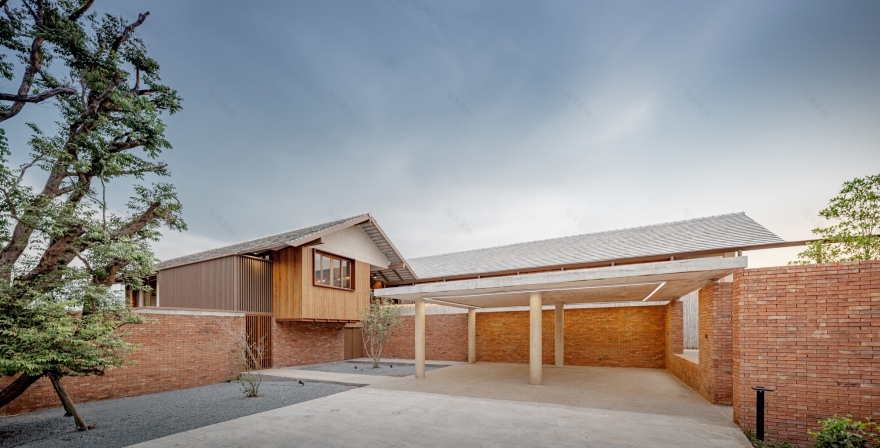
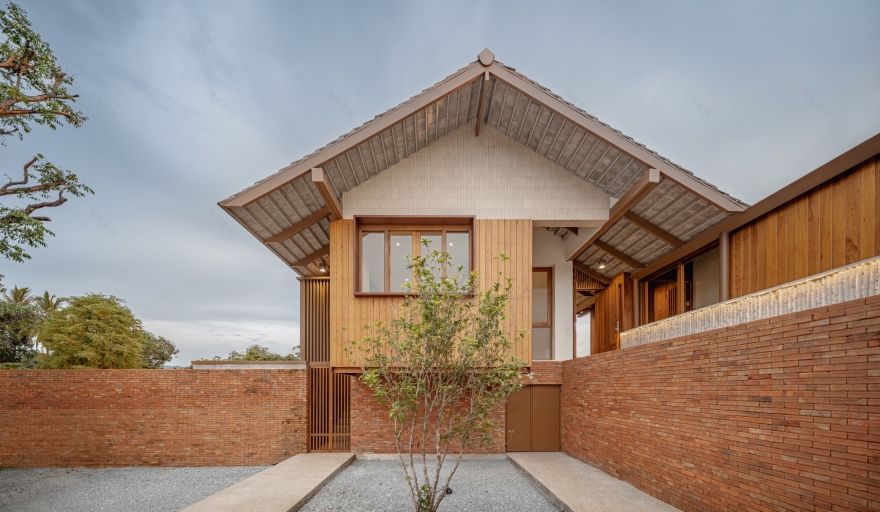
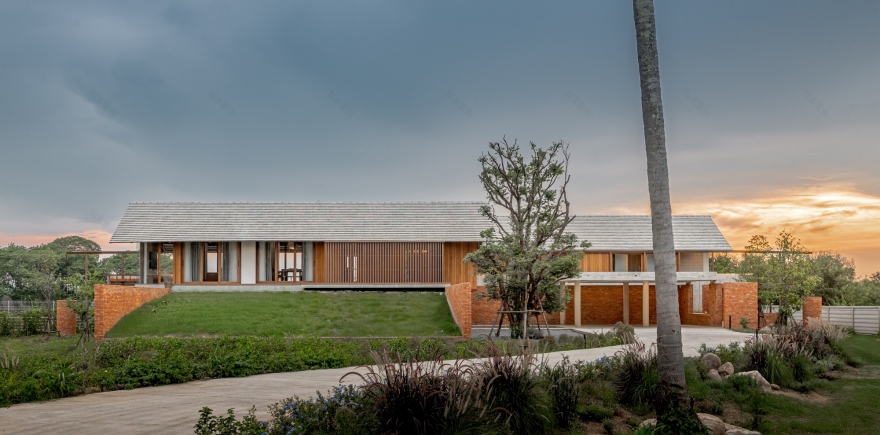
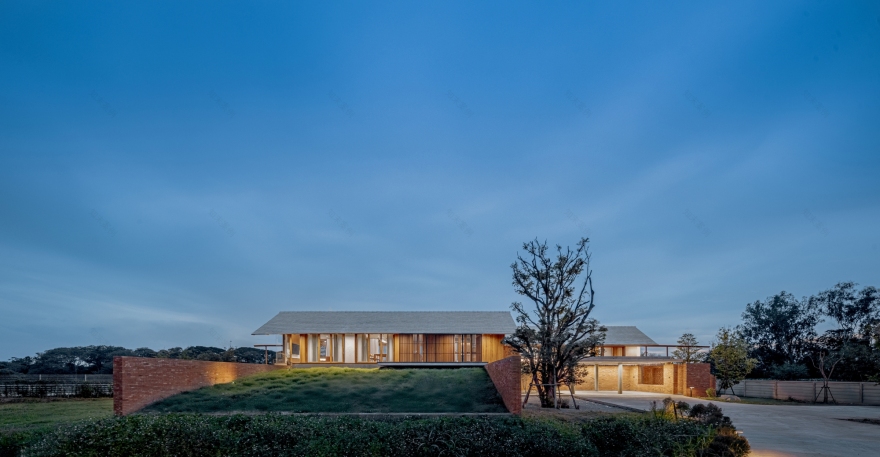
Text description provided by the architects. Baan SudSaenSuk is a private residence located in Chiang Saen District, Chiang Rai Province, an area distinguished by its rich artistic heritage, vernacular architecture, urban landscape, and historic significance as an important ancient city of the Lanna Kingdom. These layered qualities make Chiang Saen one of the places that most clearly reflect Lanna identity. The design concept of the house emerges from an interpretation of this local context, translating it into both material selection and architectural language that resonate with contemporary ways of living.
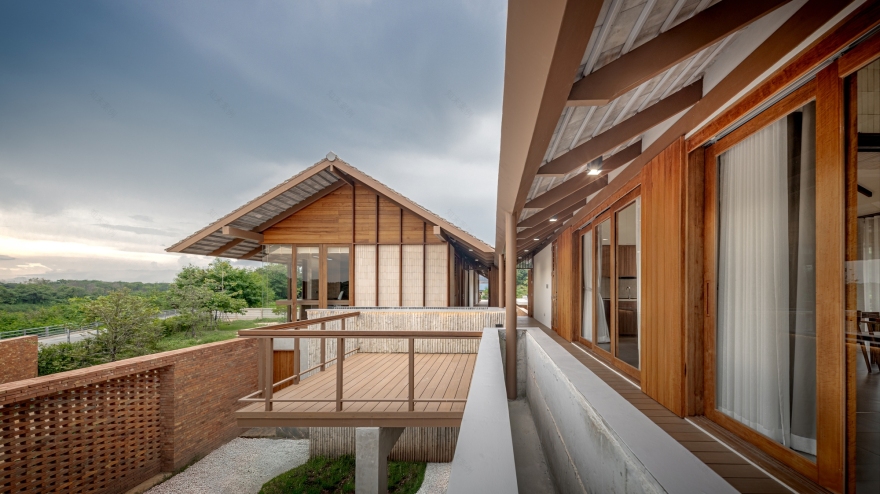
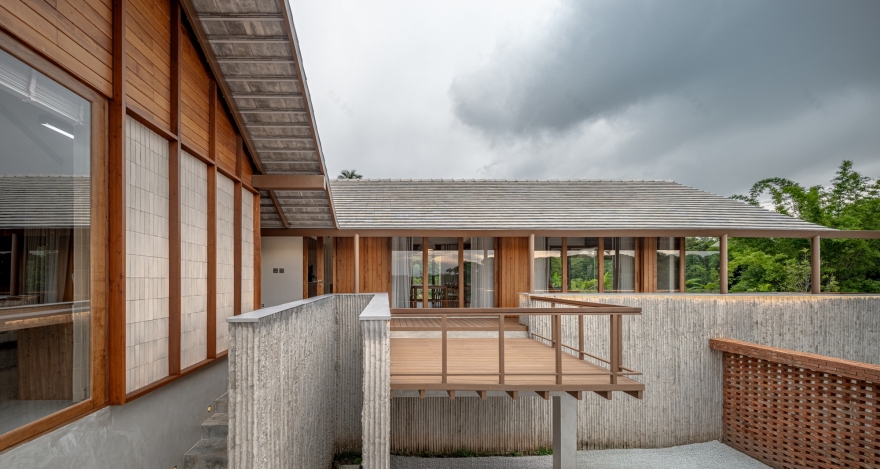
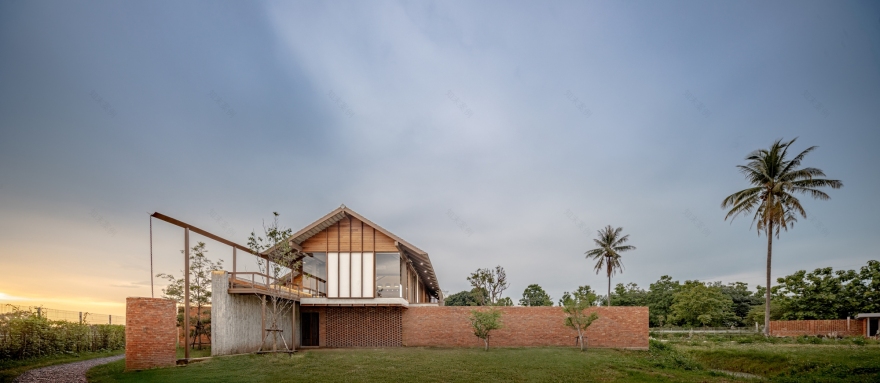
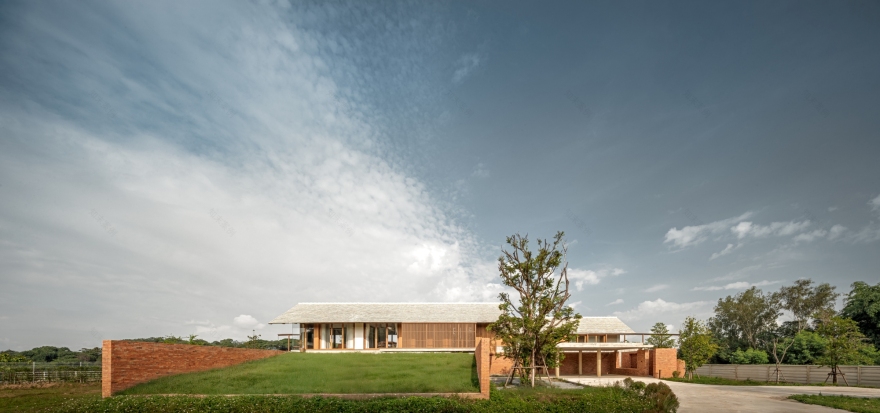
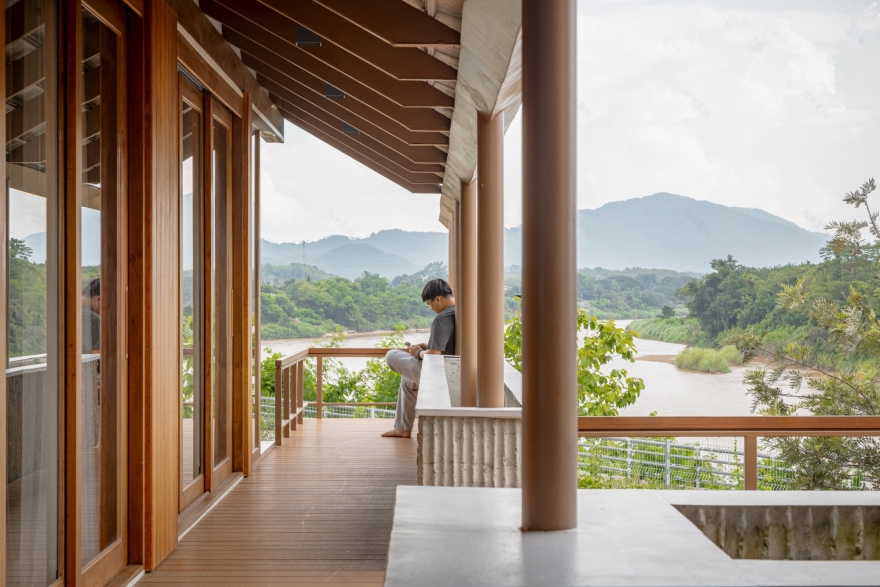
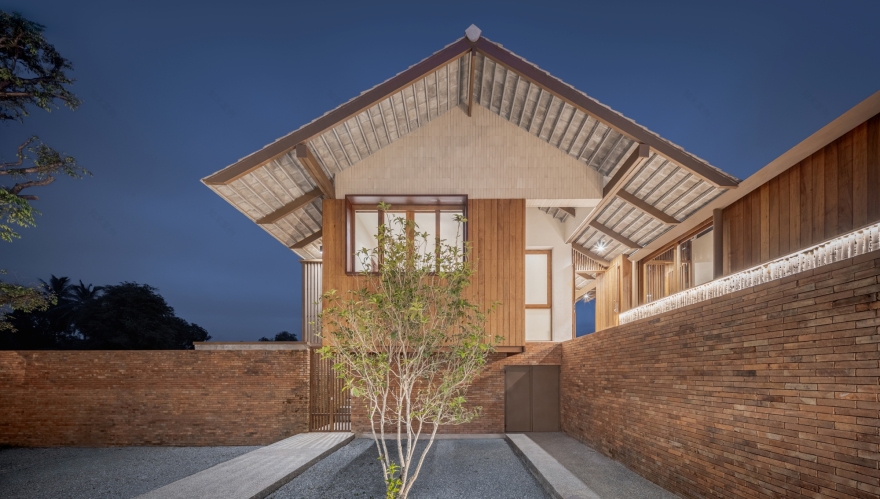
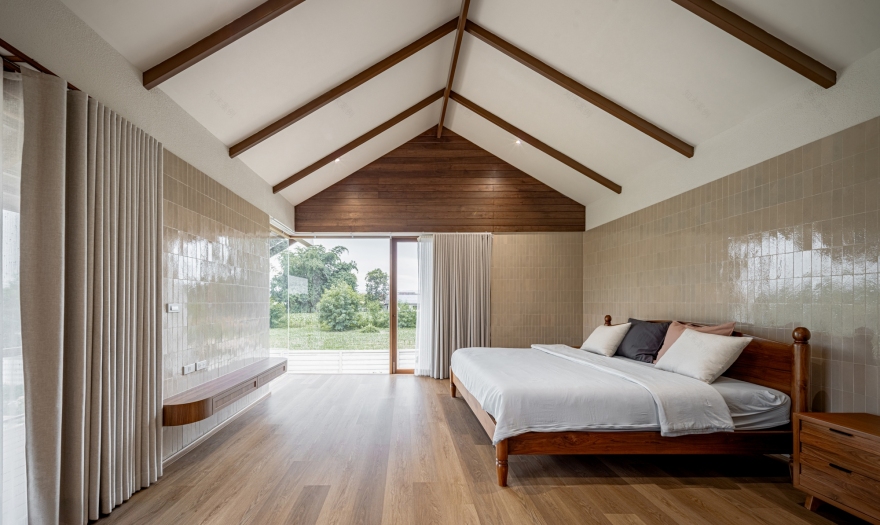
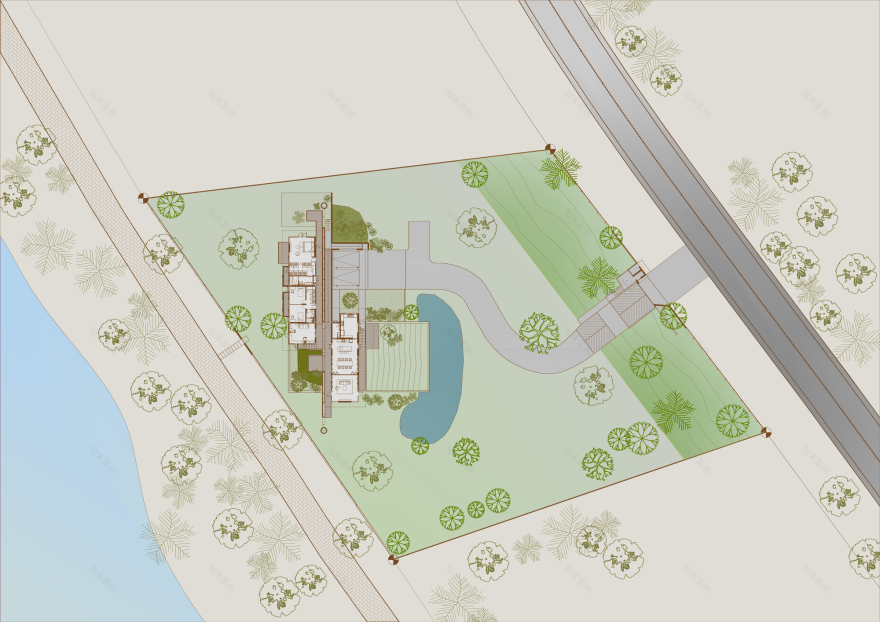
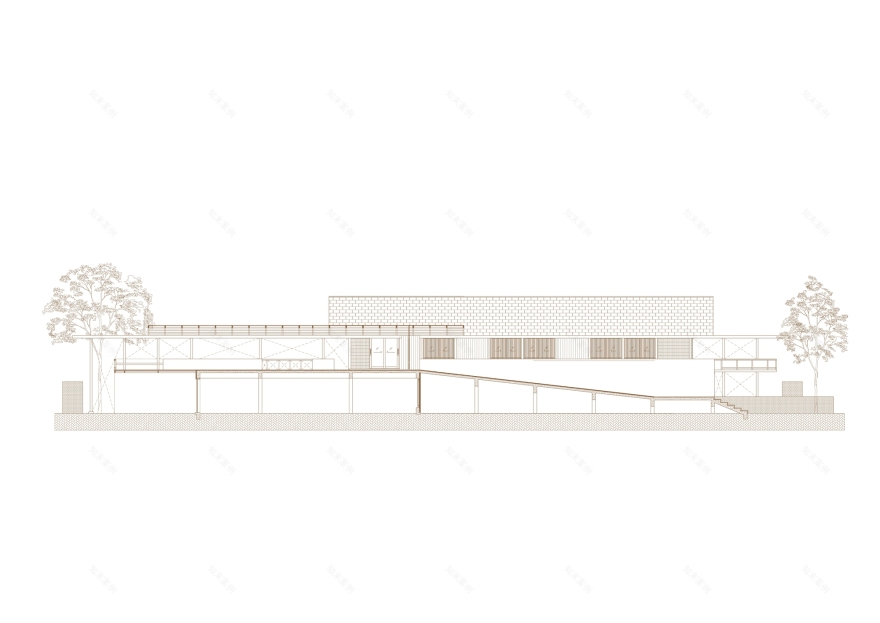
The designers conducted extensive studies of various forms of Lanna vernacular houses and reinterpreted their principles through a contemporary lens. Among these, the Ka Lae house, a distinctive traditional dwelling, became a key reference. The site is located near the Mekong River, separated by a public village walkway, requiring the design to carefully balance visual connection to the riverside landscape with appropriate levels of privacy. As a response, the house is oriented along the north–south axis, a configuration commonly referred to as "placing the house across the sun path," characteristic of the Ka Lae typology. This orientation positions the gable end toward the south, framing views of the Mekong River and the surrounding mountain range.
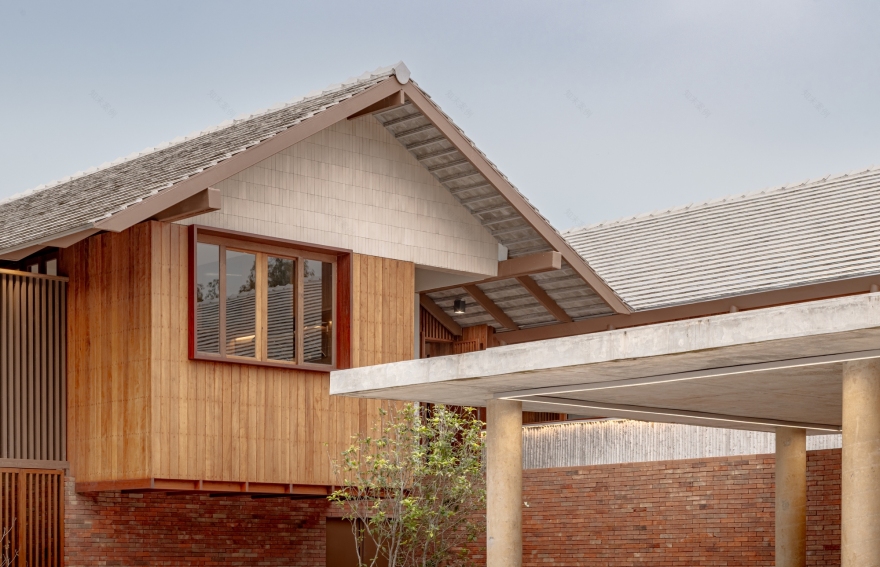
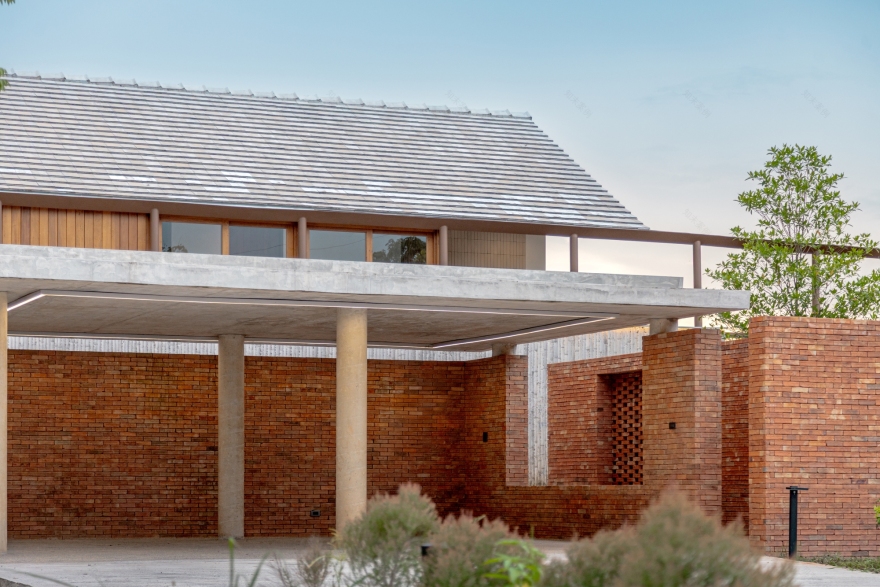
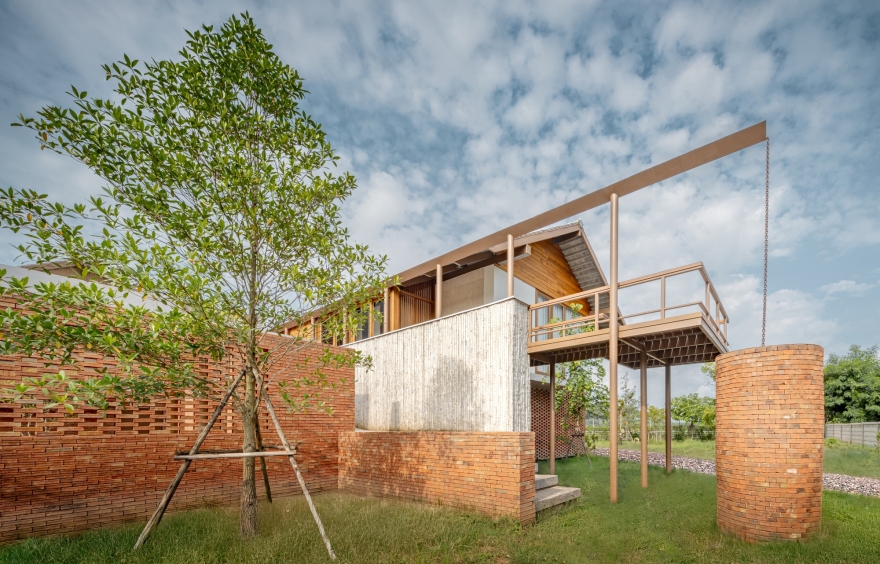
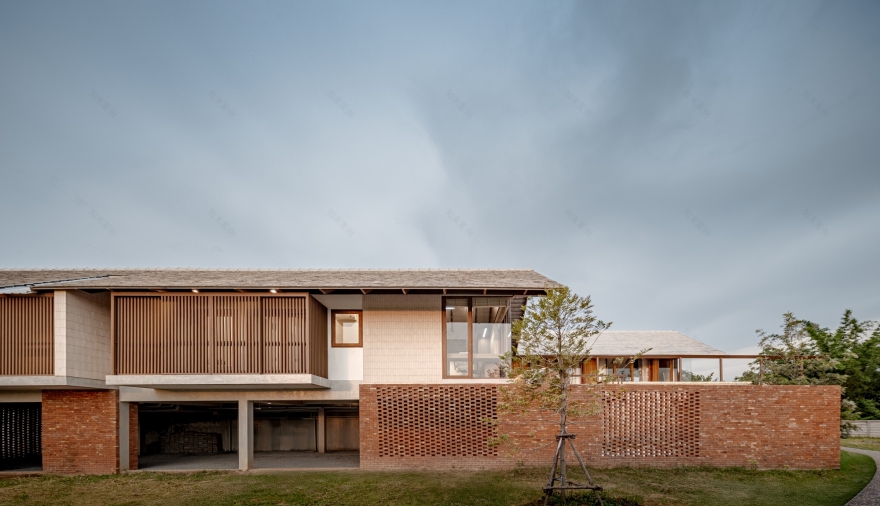
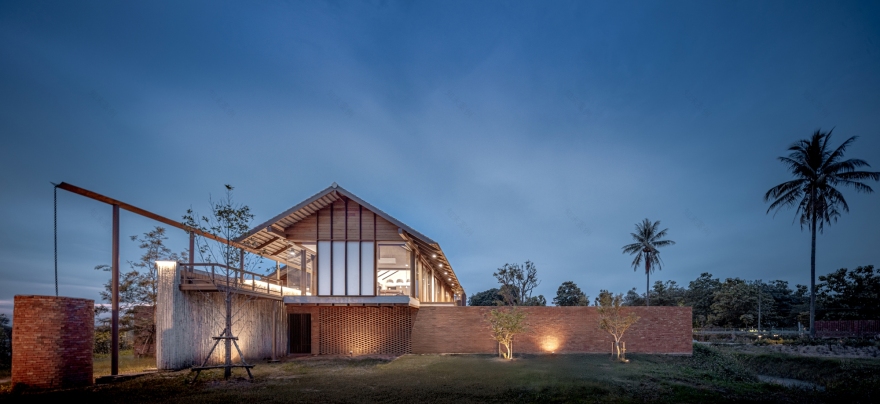
The building axis is further rotated at a 45-degree angle relative to the site boundary, preventing the long elevation of the house from running parallel to the public walkway. This creates a sufficient spatial buffer for landscape elements to filter views and enhance privacy. The house is elevated above the ground, forming a space reminiscent of a traditional underfloor area. This elevation improves ventilation, enhances visual perspectives, and provides space for building systems and additional functional uses. The concept of the "twin-house" is also adapted by separating the sleeping quarters from the kitchen and service areas, clearly distinguishing private zones from more active communal spaces. The twin gables are connected by a continuous rainwater gutter that channels natural rainfall into brick water reservoirs located to the north and south of the house, allowing water to be reused for gardening.
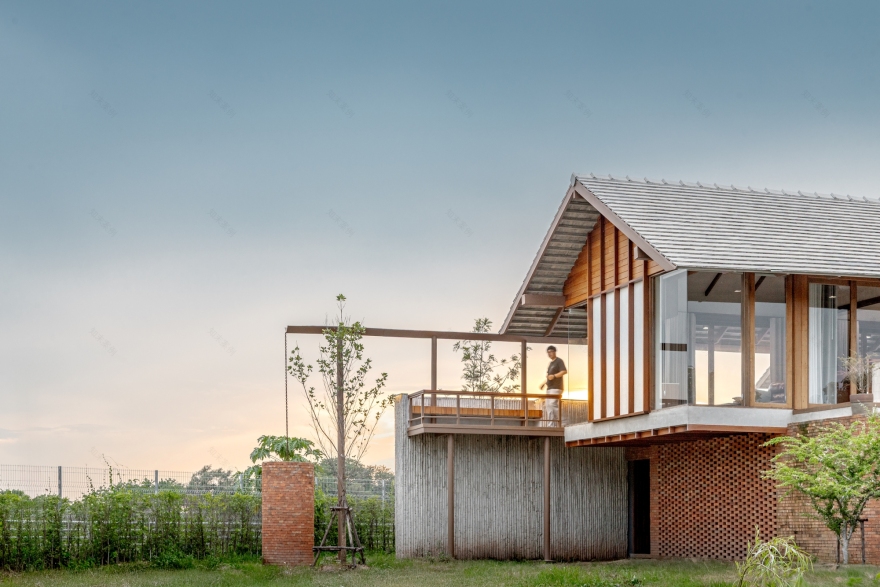
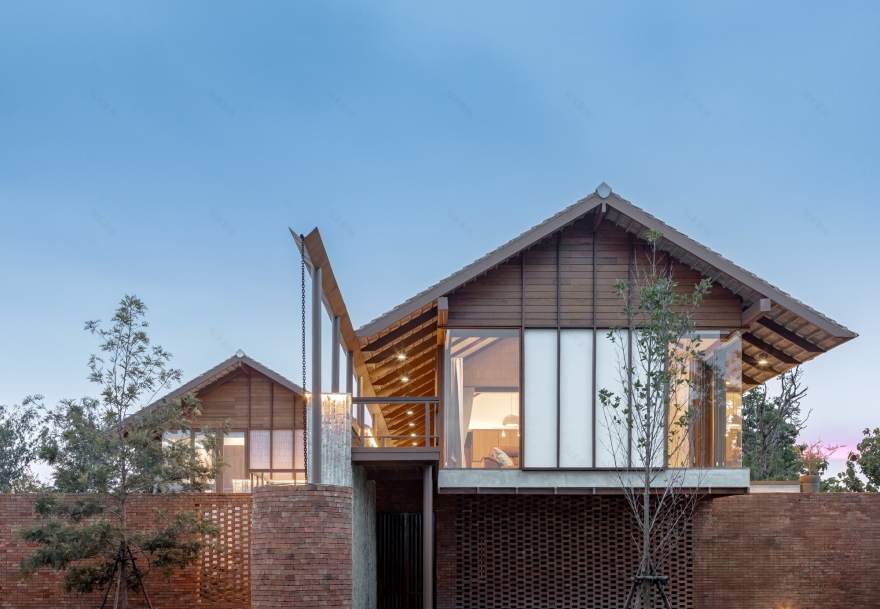
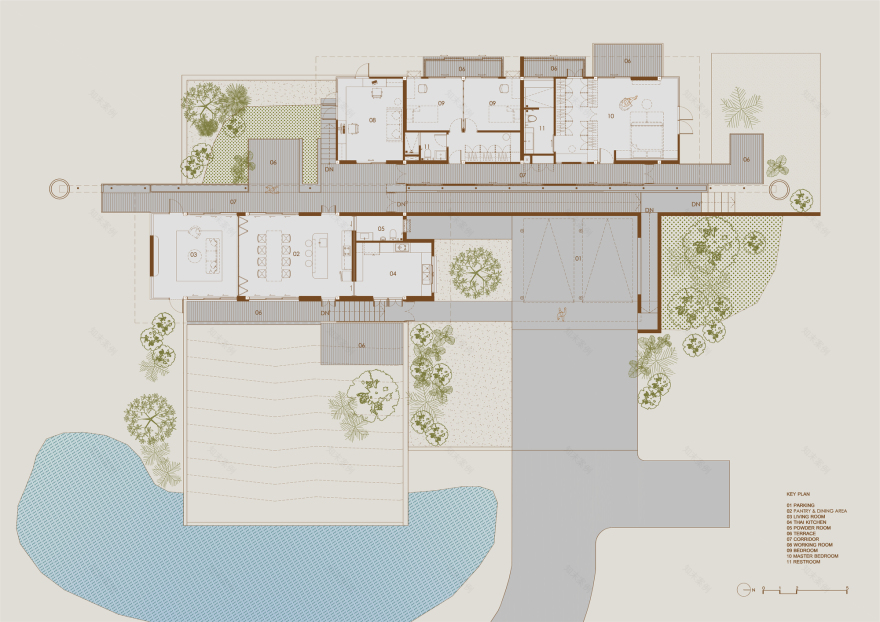
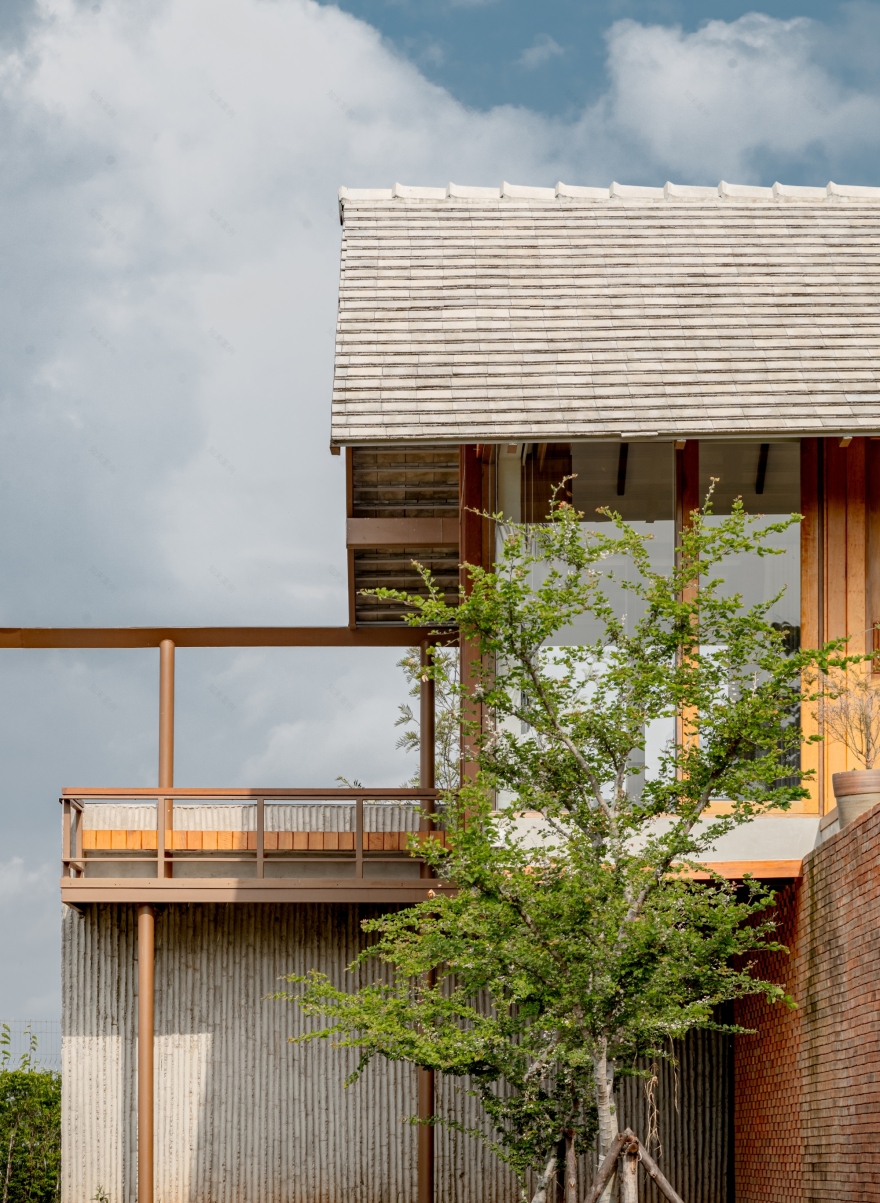
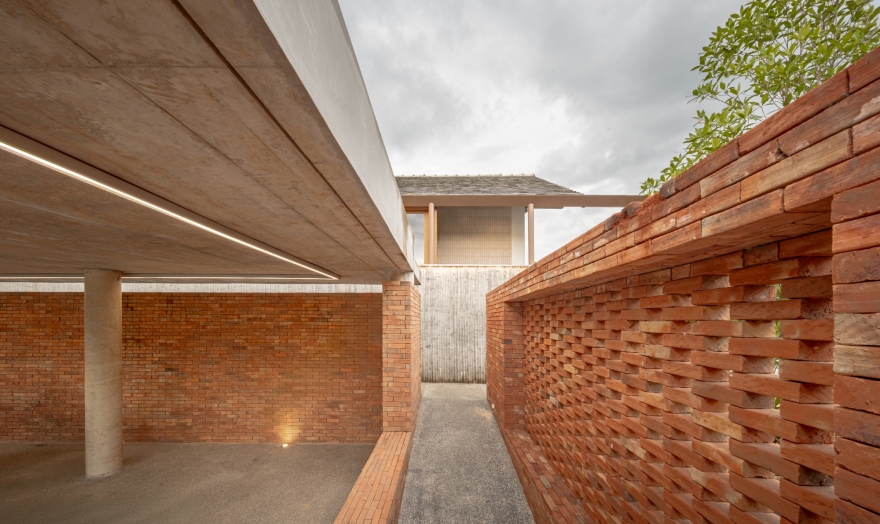
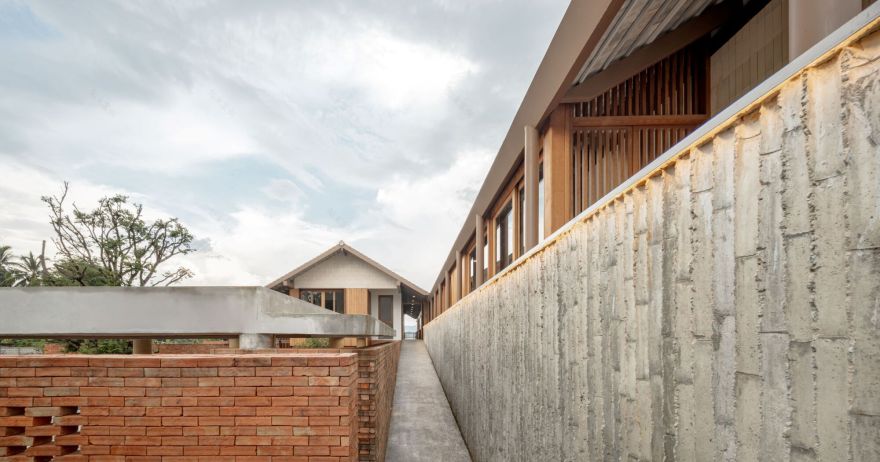
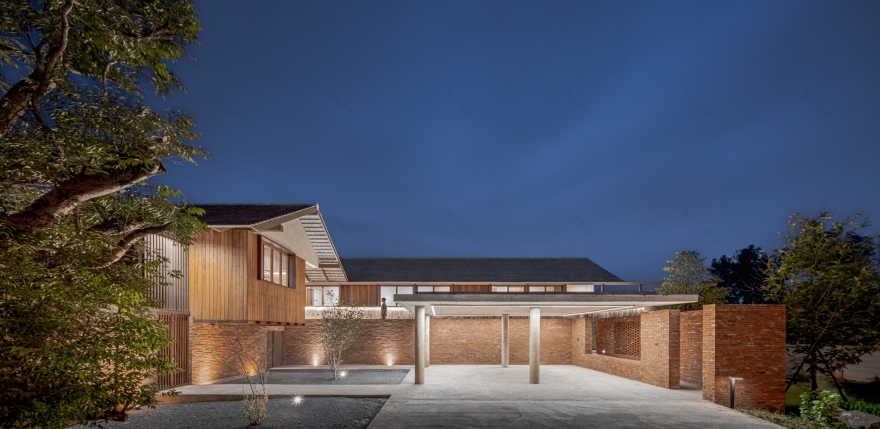
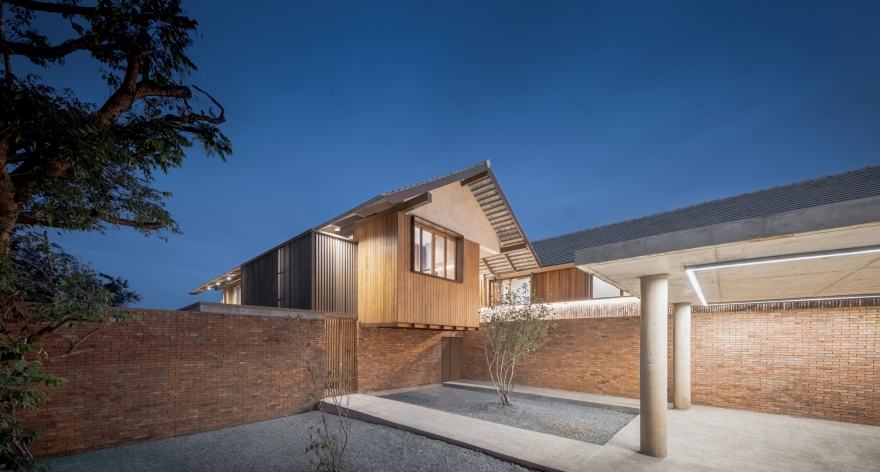
A defining feature of Baan SudSaenSuk is the inclusion of traditional transitional spaces known as the "Chan (ชาน)" and "Tern (เติ๋น)". These spaces function as circulation and connective elements between the sleeping house and the kitchen house. The chan takes the form of outdoor terraces extending to the north, south, and central areas of the house, while the tern serves as a semi-open transitional space at the heart of the dwelling. Together, these elements enhance natural ventilation and reduce heat gain within the interior spaces. Along the building perimeter, the distinctive "fa lai" (sliding wooden panels) are reinterpreted as façade elements, providing visual filtering and additional layers of privacy.
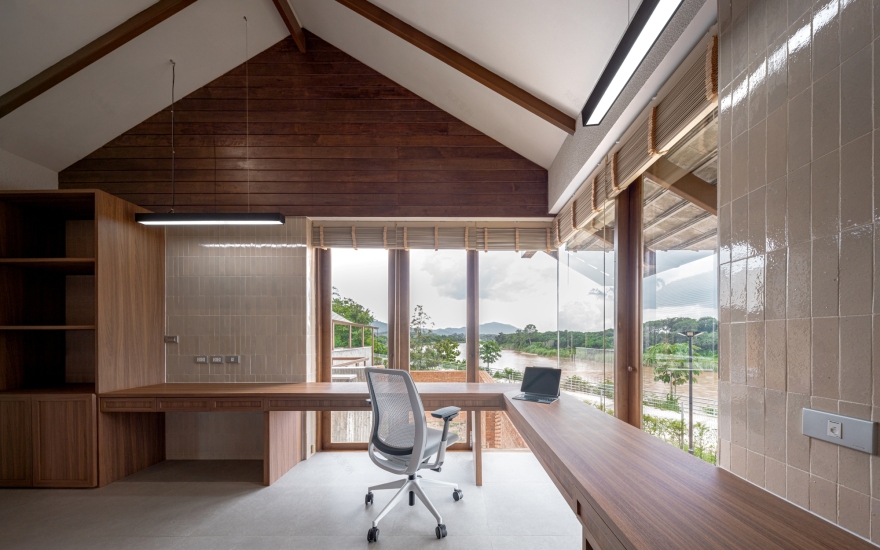
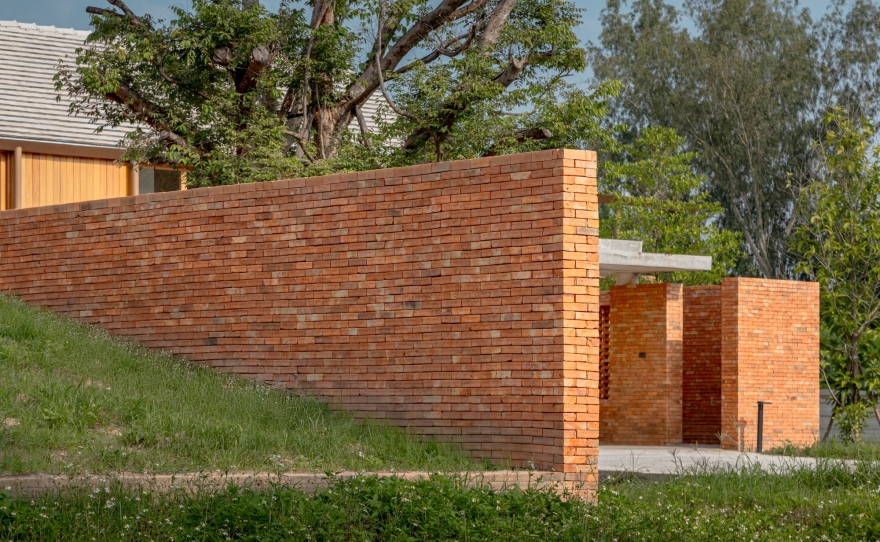
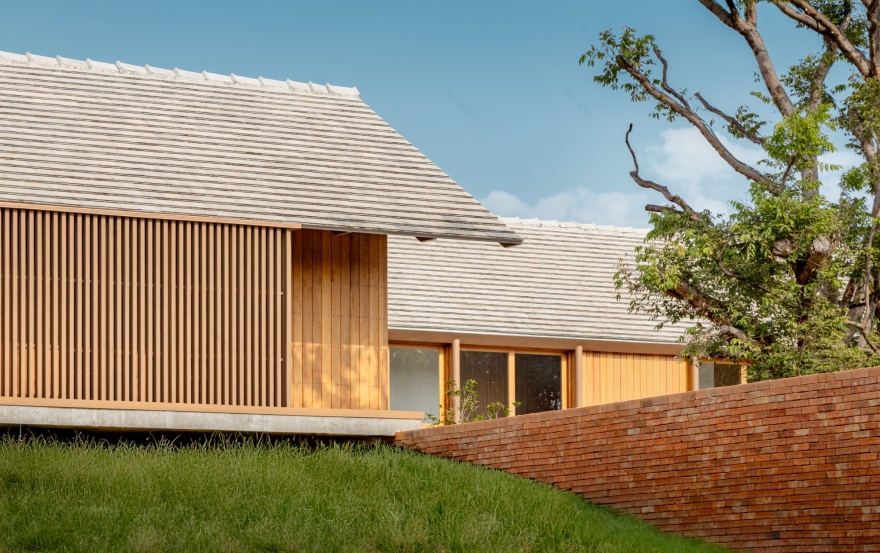
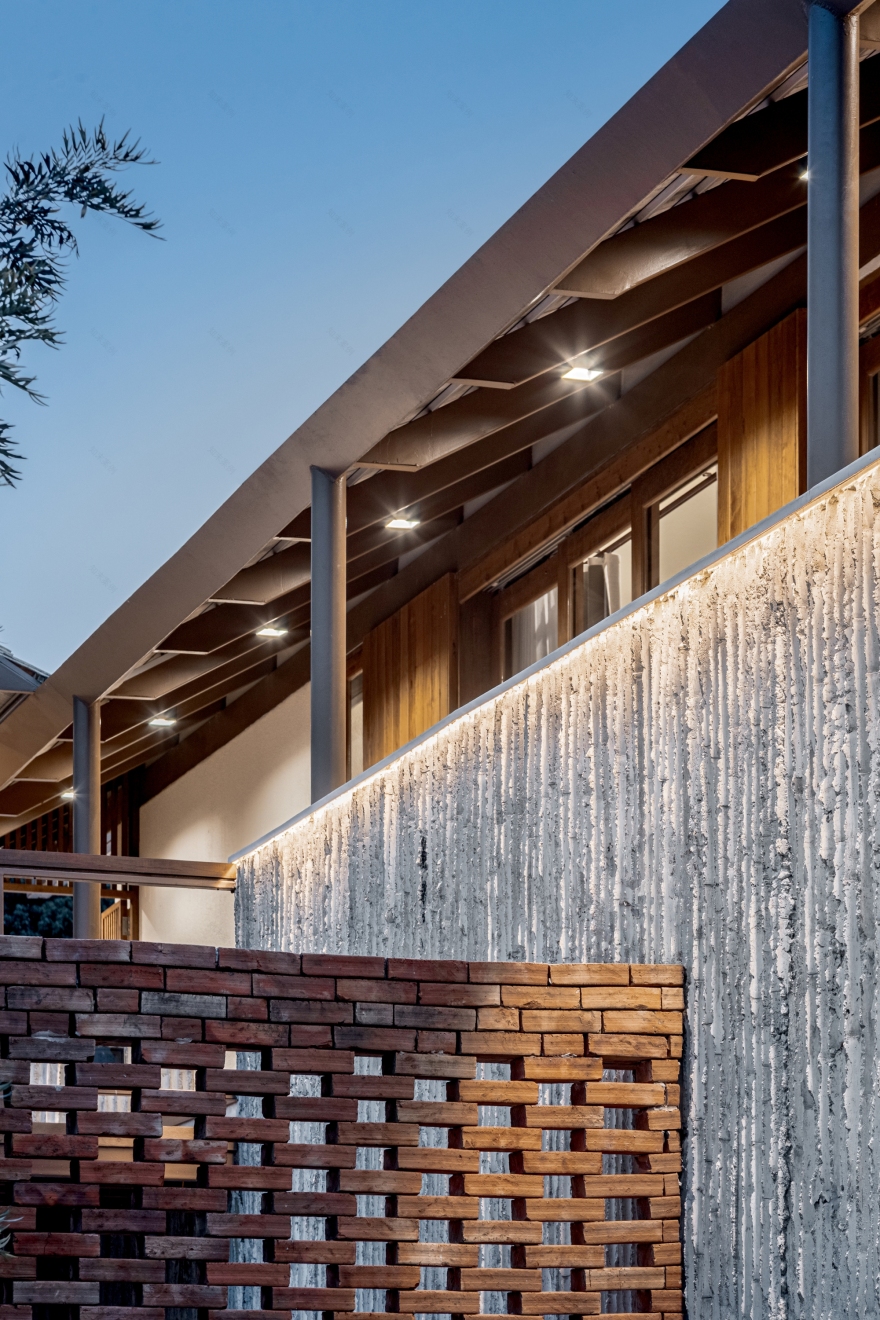
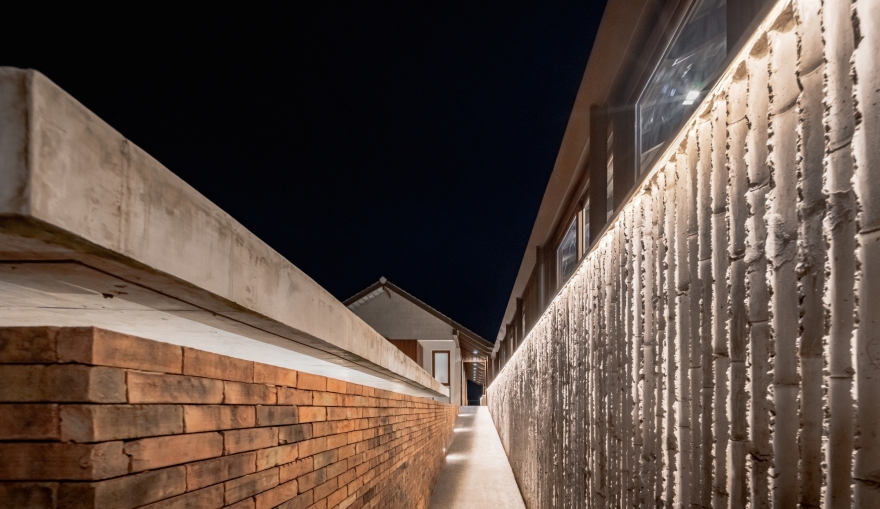
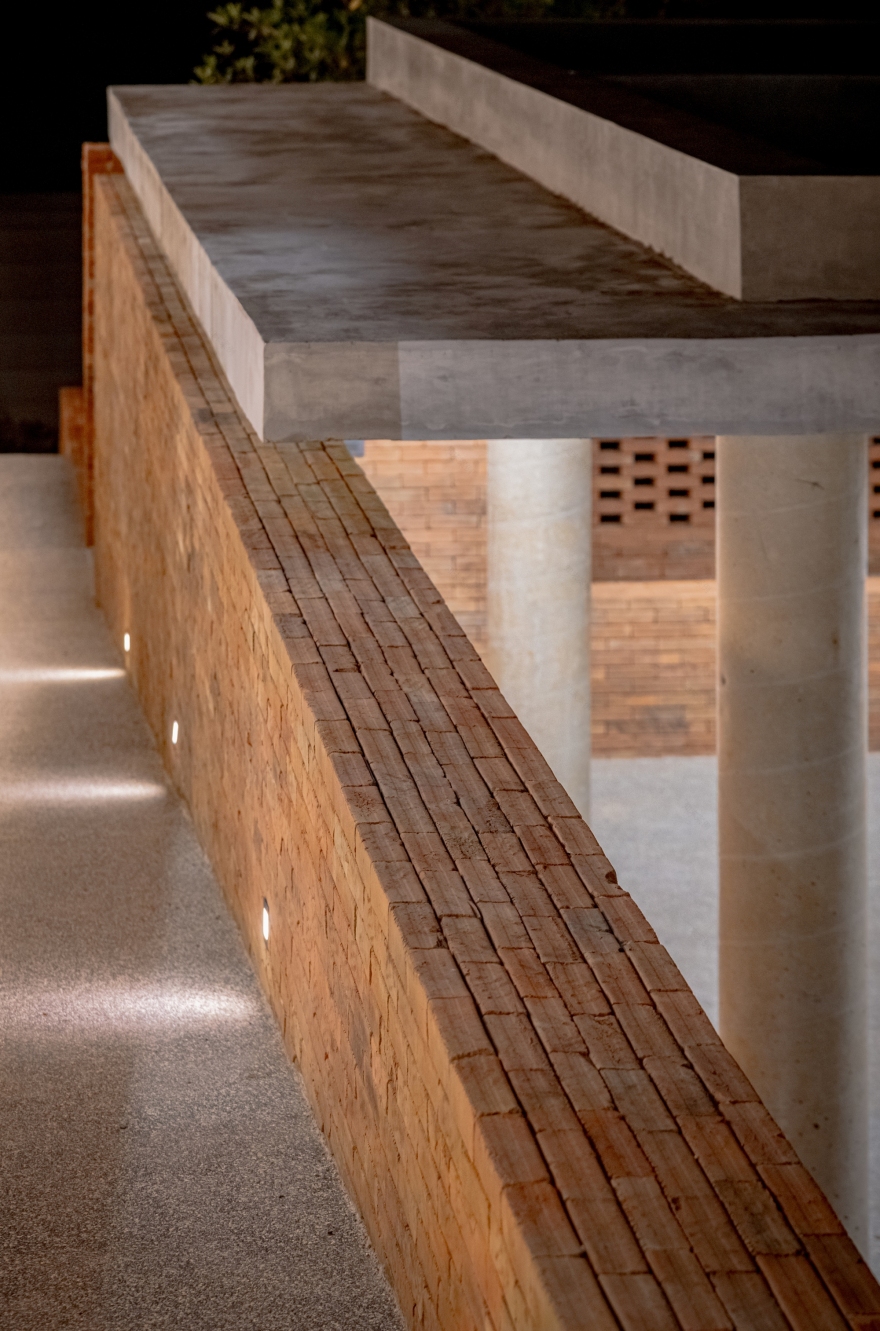
The architectural lines of the house are articulated through the use of brick and cast-in-place concrete walls textured with bamboo formwork. Brick wall planes and earthen mounds form another key characteristic of the house, drawing the surrounding greenery closer to the living spaces while visually grounding the building to the earth. These elements also help mediate the perceived height of the house, establish spatial boundaries, and organize an internal courtyard. Together with the bamboo-textured concrete walls, they unify the architectural components into a cohesive whole.
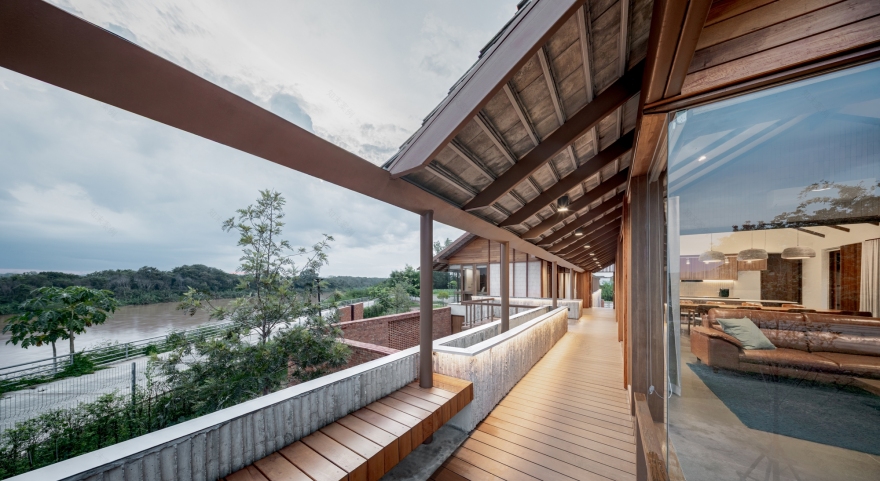
Baan SudSaenSuk reflects a thoughtful reinterpretation of traditional wisdom where humans shaped their environments in harmony with the Lanna way of life into an architectural form that remains relevant in the present day. While the house stands with a dignified presence, it is fundamentally rooted in a deep respect for its cultural, environmental, and urban context, embodying a contemporary architecture that grows meaningfully from local heritage.
Project gallery
南京喵熊网络科技有限公司 苏ICP备18050492号-4知末 © 2018—2020 . All photos and trademark graphics are copyrighted by their owners.增值电信业务经营许可证(ICP)苏B2-20201444 苏公网安备 32011302321234号
苏公网安备 32011302321234号客服
消息
收藏
下载
最近