

创作上传
VIP
收藏下载
登录 | 注册有礼
查看完整案例

收藏

下载

分享

在京都这样一座被时间层层叠叠包裹的城市里,建筑不仅仅是空间的容器,更是记忆与生活方式的物质载体。当一座拥有百余年历史的町屋被重新打开,设计所面对的并非是一次简单的更新,而是一场与时间的对话,那些木梁老化的痕迹、反复修补的结构、光线在深长空间中的停留,仿佛都在诉说着建筑自身的故事。
In a city like Kyoto, which is enveloped by layers of time, buildings are not merely containers of space; they are also physical carriers of memories and lifestyles. When a townhouse with a history of over a hundred years is reopened, the design is not simply a simple update; it is a dialogue with time. The aging marks on the wooden beams, the repeatedly repaired structures, and the lingering light in the deep spaces all seem to be telling the story of the building itself.

在谈及 Nazuna Kyoto Higashihonganji 项目时,Studio ALUC 告诉我们,他们希望这个空间留给使用者的,是一种会随着时间慢慢沉淀的记忆——那或许是光线、材料与空间所带来的安静感受,并
非是短暂而强烈的印象
。当这种体验开始进入人的记忆时,项目才算是真正完成。
When discussing the Nazuna Kyoto Higashihonganji project, Studio ALUC informed us that they aimed for this space to leave a lasting and subtle impression on the users, rather than a fleeting and intense one - perhaps a quiet sensation brought about by the light, materials and space. When this experience begins to enter peoples memories, the project is truly completed.

YINJISPACE: Did the site conditions and cultural context play an important role in shaping the initial concept? Did they give rise to a particular narrative direction?
Studio ALUC:业主希望住客能够体验传统京都町屋的生活方式,因此项目不仅是对历史建筑的保存,更是在其作为当代旅宿继续使用的前提下,让建筑得以延续。在拆除过程中显露出的木构架中,保留着不同时期反复修补的痕迹。我们没有用新的饰面去覆盖这些印记,而是在进行必要结构加固的同时让其继续被看见。正是在与建筑不断对话的过程中,“让人感受到过往木匠手工痕迹的空间”这一概念逐渐形成,使历史不再只是被讲述的信息,而是一种可以被身体感知的体验。
Studio ALUC: The owner hopes that guests can experience the traditional lifestyle of a traditional Japanese townhouse. Therefore, this project is not only about preserving the historical buildings, but also allowing the buildings to continue to be used as contemporary accommodations, thus enabling the continuation of the architecture. During the demolition process, the wooden framework that was revealed shows the traces of repeated repairs in different periods. We did not cover these marks with new finishes, but instead allowed them to remain visible while conducting necessary structural reinforcement. Through the continuous dialogue with the building, the concept of "a space where one can feel the handiwork of the past carpenters" gradually emerged, making history no longer just a piece of information to be told, but an experience that can be felt with the body.
YINJISPACE: In terms of spatial rhythm, circulation, or structural strategy, were there any aspects you deliberately emphasized? How do these respond to everyday behavior, rituals of living, or the perception of time?
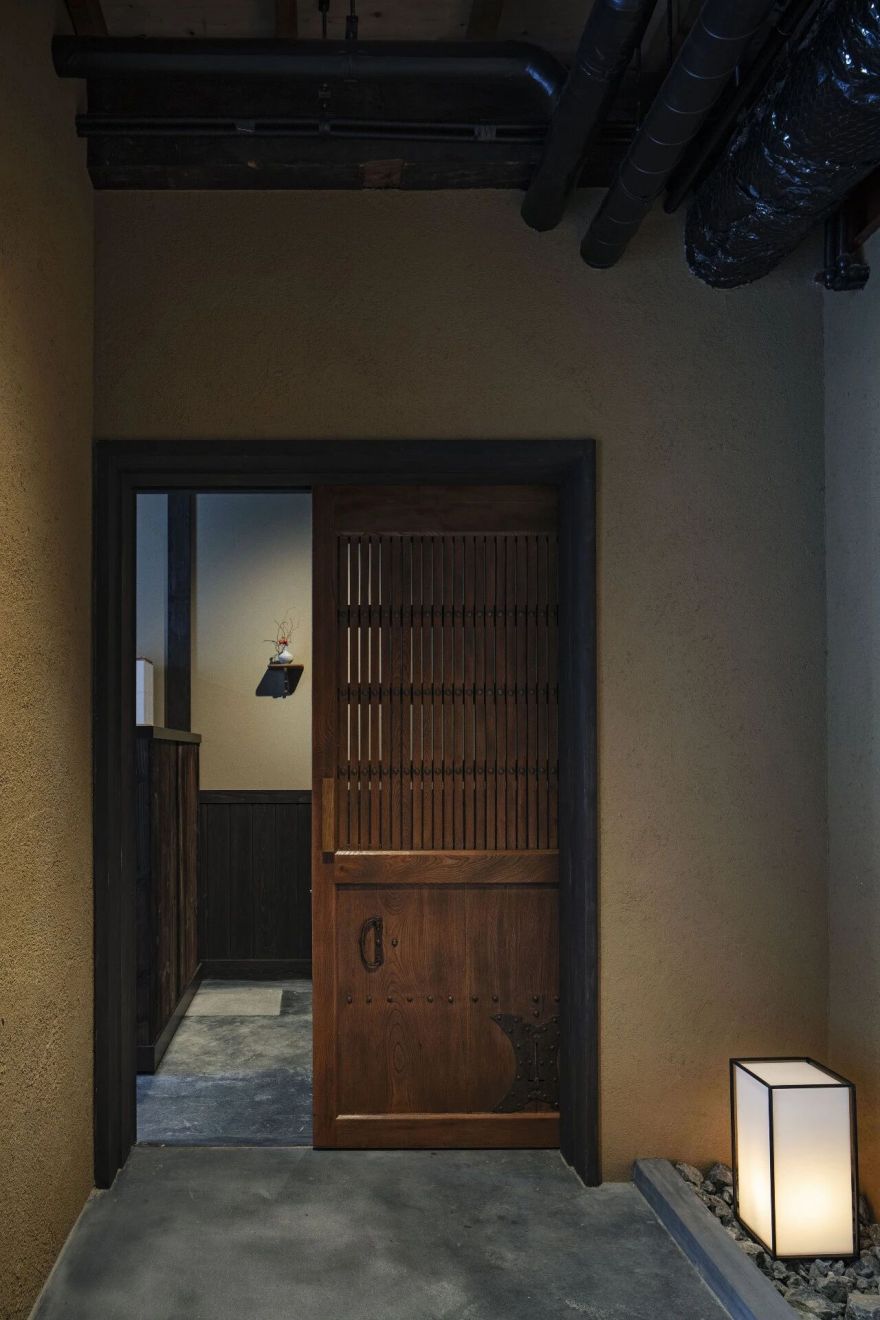
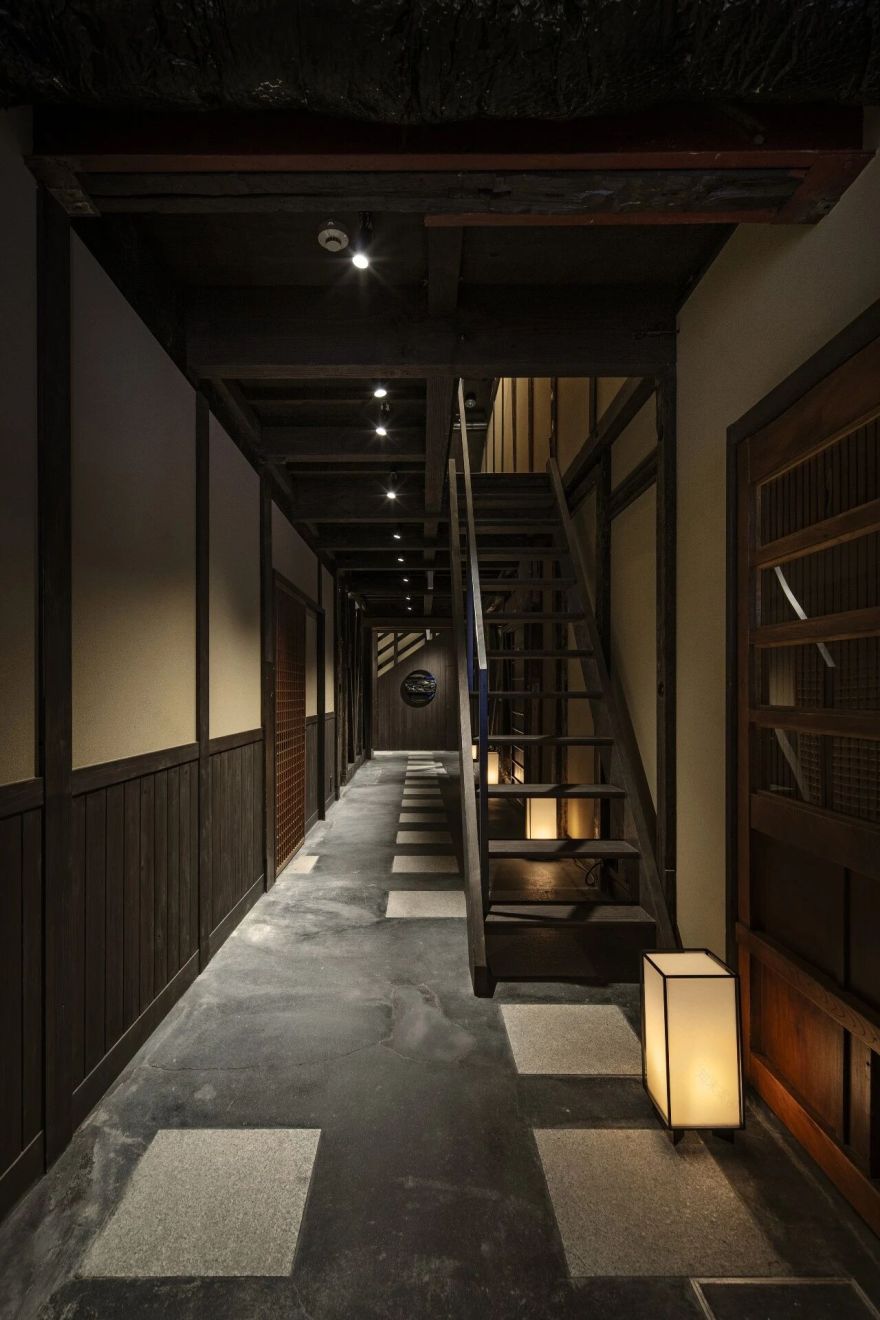
Studio ALUC:在拆除过程中显露出的柱、梁、屋架以及原有的土间空间,展现了木构本身的力量与美感,因此我们将这些既有元素纳入整体空间体验之中,并在必要的结构补强中谨慎处理新旧之间的关系,使其保持连贯。从入口开始,传统的土间被延续至室内并连接各间客房入口,通过这一过渡空间让人从室外逐渐进入居住状态,形成更缓慢的空间转换。在客房内部,卧室与沐浴空间被整合为一个整体,使入浴成为住宿体验的重要仪式;餐饮区域则设置围炉里,让客人通过烹饪与季节食材感受生活的气息。整体设计试图在日常生活的熟悉感与旅宿体验的非日常性之间取得一种平衡。
Studio ALUC: Studio ALUC: During the demolition process, the columns, beams, roof trusses, and the original interior spaces were revealed, showcasing the inherent strength and beauty of the wooden structure. Therefore, we incorporated these existing elements into the overall spatial experience and carefully handled the relationship between the old and new in necessary structural reinforcements, ensuring a seamless connection. Starting from the entrance, the traditional interior space is continued into the interior and connects the entrances of each room. Through this transitional space, people gradually enter the living state from the outside, creating a more gradual spatial transition. Inside the guest rooms, the bedroom and bathing area are integrated into one, making bathing an important ritual of the accommodation experience; the dining area is equipped with a stove, allowing guests to experience the flavor of life through cooking with seasonal ingredients. The overall design aims to strike a balance between the familiarity of daily life and the non-daily nature of the accommodation experience.

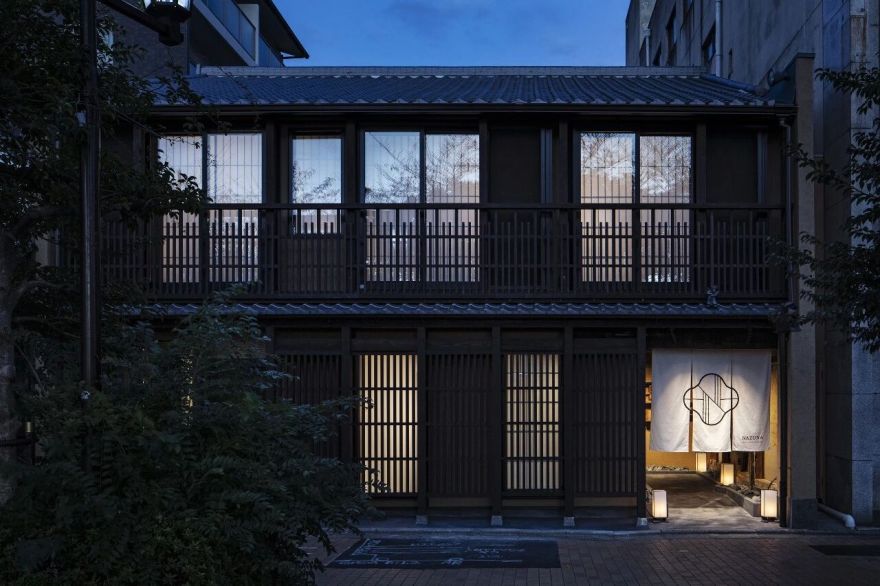
“Nazuna Kyoto Higashihonganji”是对一座拥有百余年历史的京都传统町屋的改造项目。建筑位于东本愿寺御影堂门正前方的主干道上,承载着京都传统城市肌理与历史记忆。
“Nazuna Kyoto Higashihonganji” is a renovation project of a Kyoto townhouse (machiya) that has stood for over 100 years, located on the main street directly in front of the Goei-do Gate of Higashi Honganji Temple.
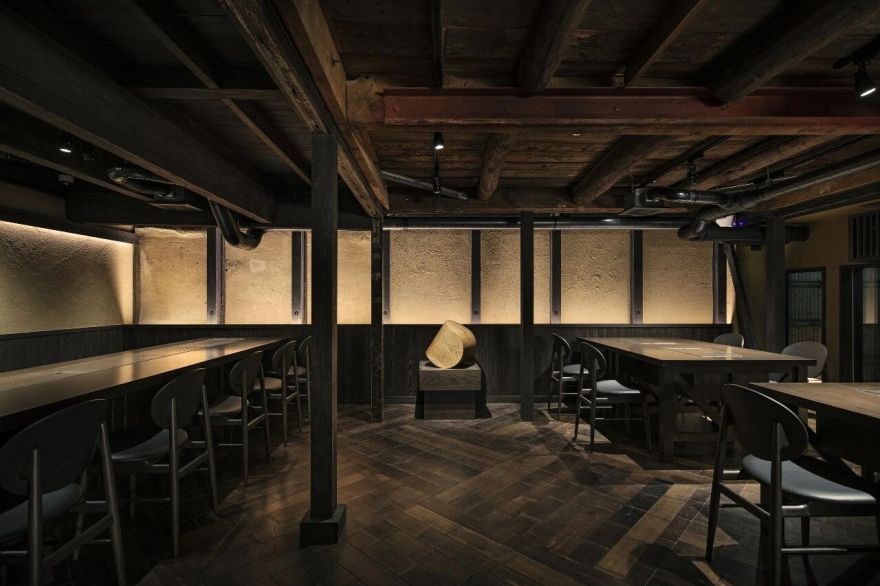
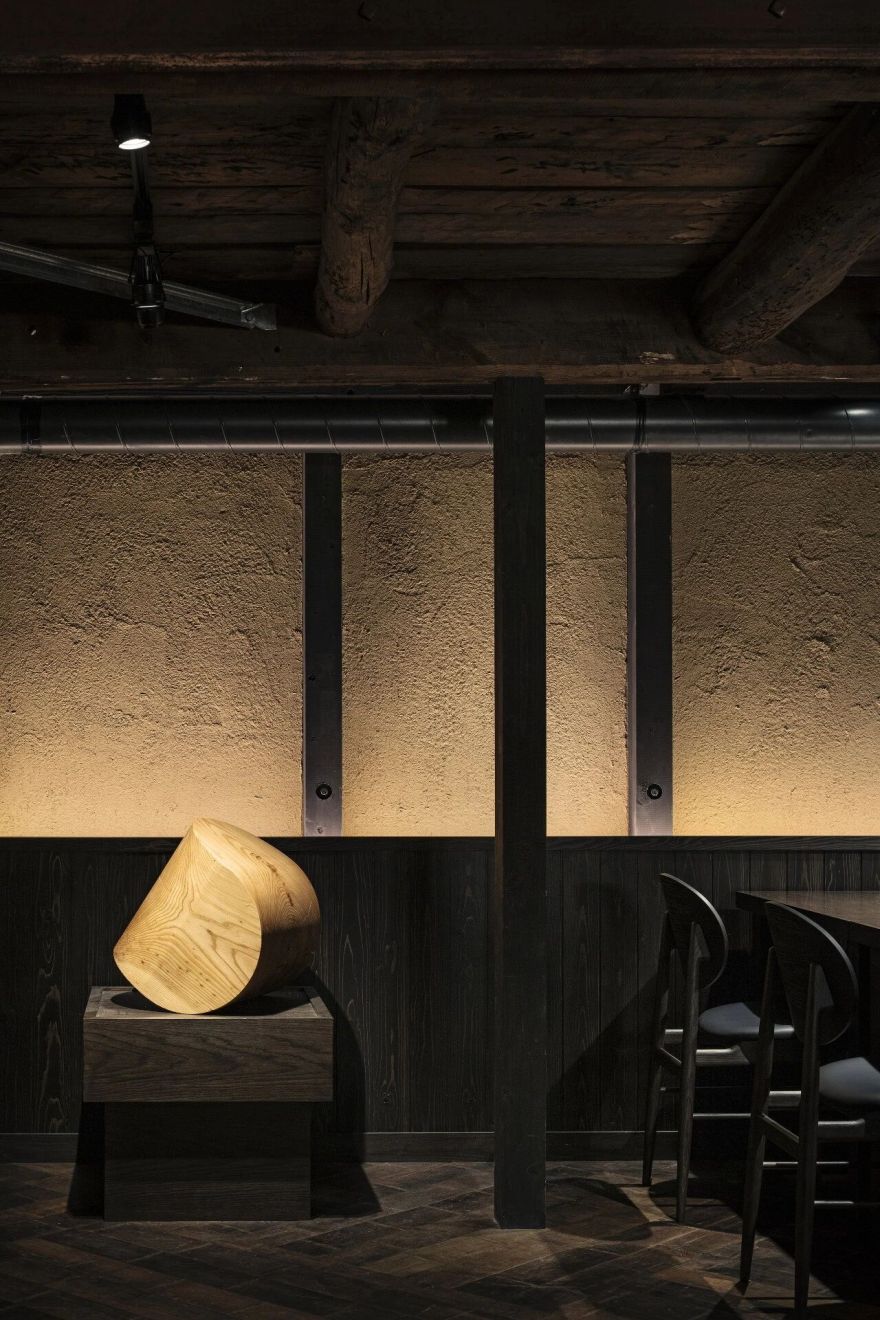


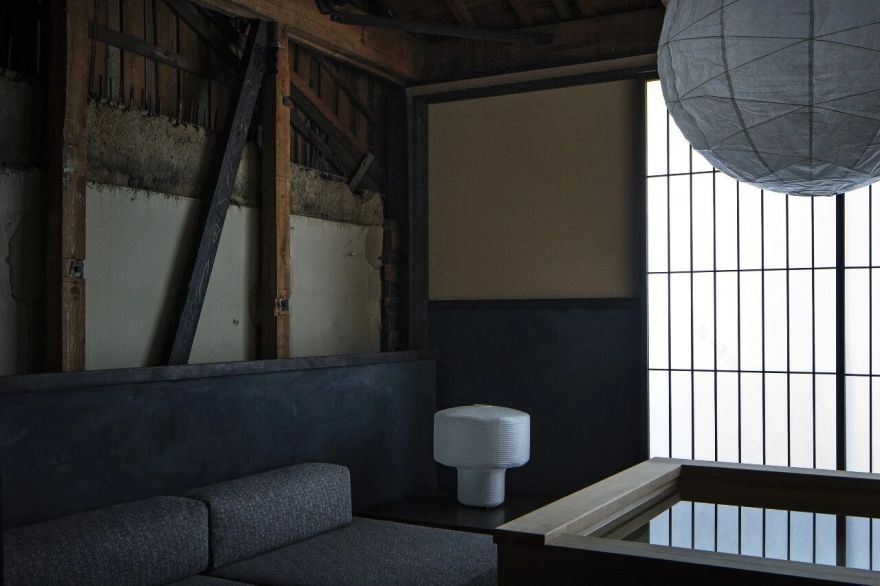
这座町屋由原本分开的东翼与西翼两栋建筑构成,现通过加建的屋顶相连。建筑在长期使用与多次修缮中逐渐形成了新旧交织的结构痕迹。改造过程在揭示建筑历史的同时,也发现了因时间推移而形成的结构缺陷。Studio ALUC在确保整体稳定的前提下进行加固,并尽可能保留原有的木结构与饰面。不同时代的木作工艺交汇,使建筑呈现出独特而迷人的时间层次。
This machiya consists of two buildings, originally separated into east and west wings, which have now been connected by a roof. The structure bears the marks of numerous renovations over the years, blending old and new elements. During the dismantling process, as we uncovered the history of the building, we found structural weaknesses that had developed over time. Reinforcements were made to ensure its stability, while preserving as much of the original wooden construction and finishes as possible. The points where carpentry from different eras meet reveal a unique beauty and charm.


在西侧建筑中,原有的土间地板被保留,该区域现在与位于东侧建筑南北两侧的小型庭院花园相连通。用餐区和休息室毗邻这些庭院,设计旨在引入充足的自然光,以缓解传统町屋采光困难的问题。沿着町屋典型的陡峭楼梯向上,进入一条拥有高耸斜顶的长廊。在长廊尽头,横梁低垂,成年人必须低头才能通过,令人感受到往昔工匠的精湛技艺。
In the west wing, the original earthen floor (doma) was preserved, and this area now connects to small courtyard gardens (tsuboniwa) located in the north and south of the east wing. The dining area and lounge are adjacent to the courtyards (tsuboniwa), designed to bring in abundant natural light, despite the challenges of lighting in a traditional machiya. Climbing the steep stairs typical of machiya, one enters a long corridor with a high, sloped ceiling. At the end, the low-hanging beams, so close that an adult must duck to pass, evoke the craftsmanship of the past.


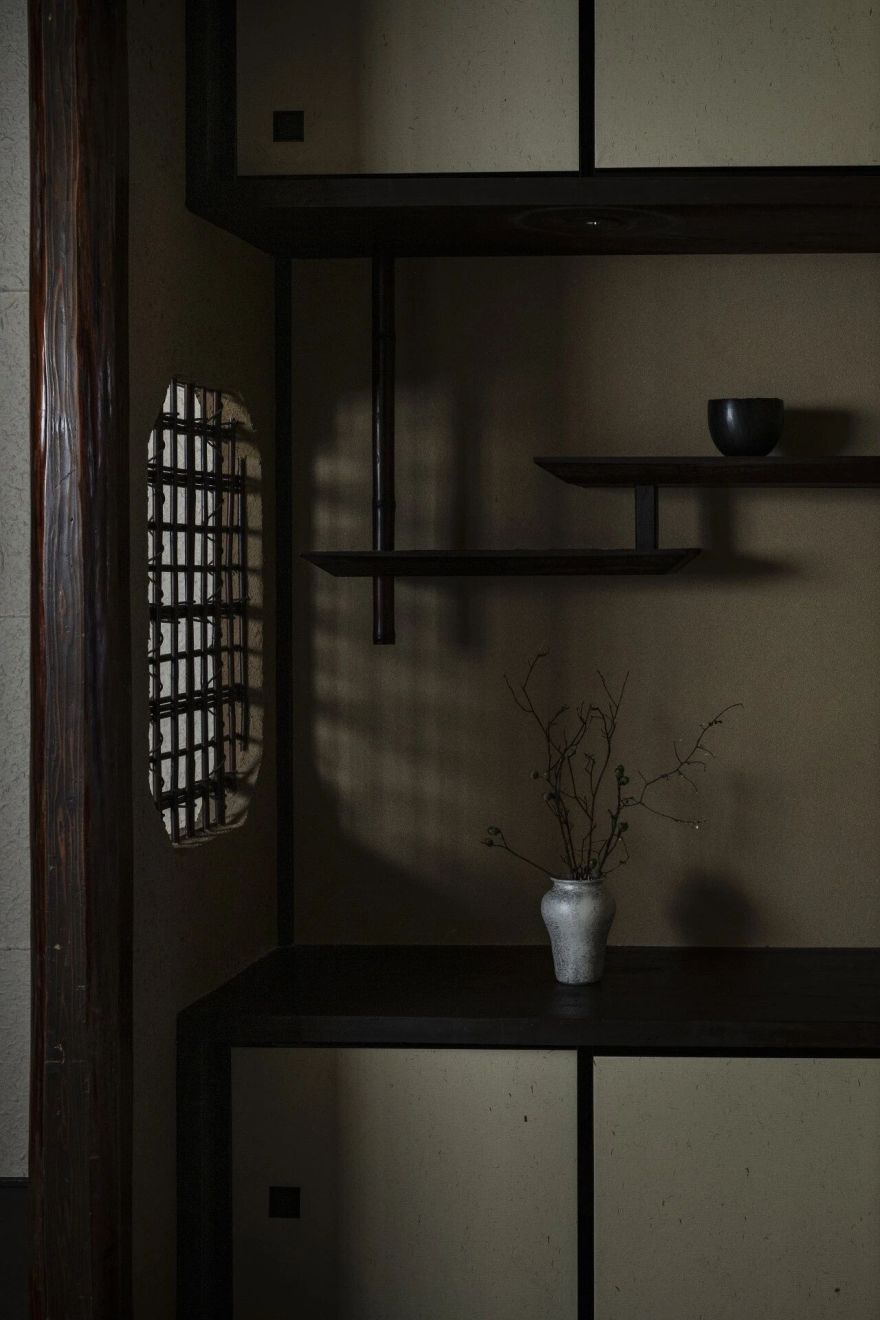


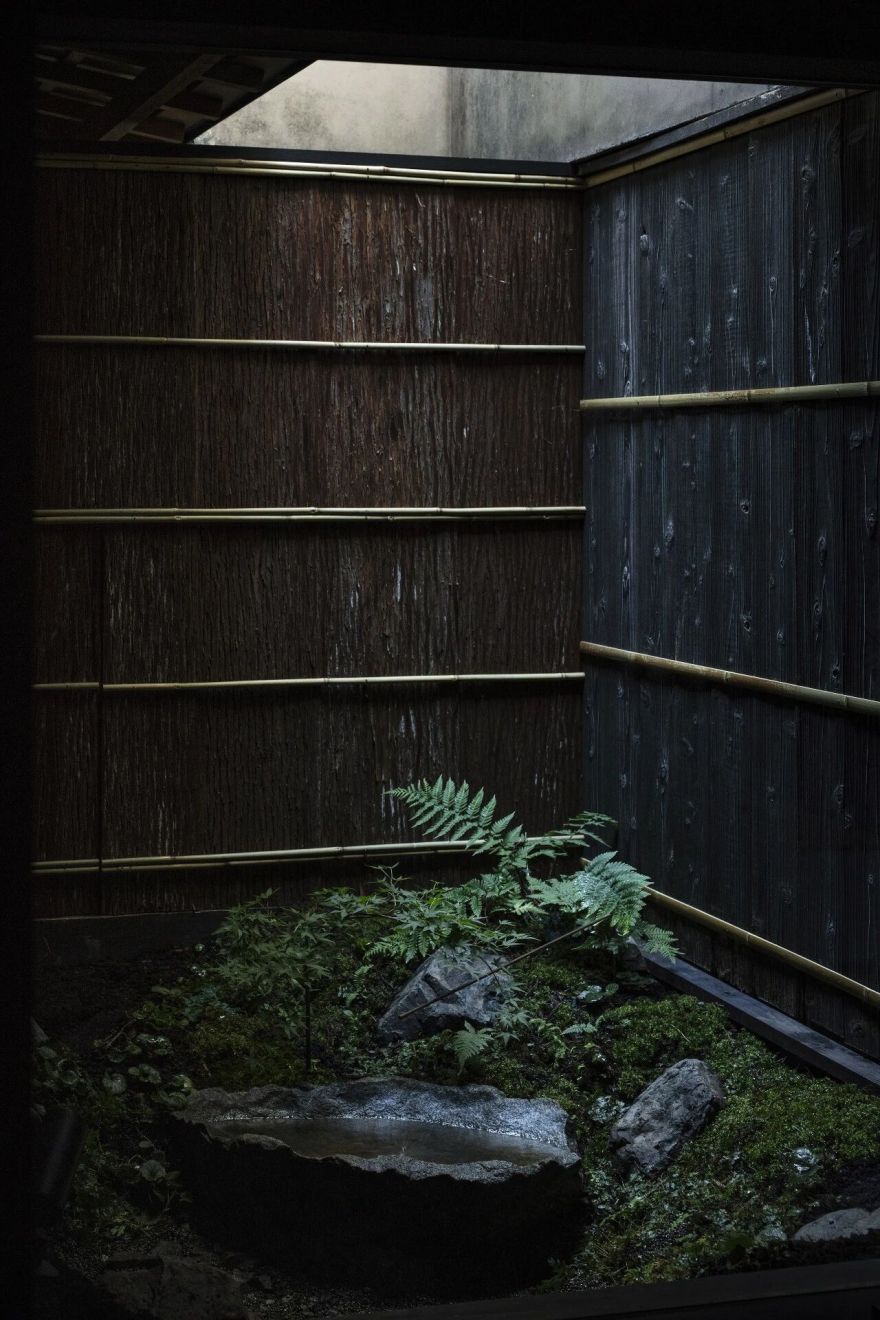

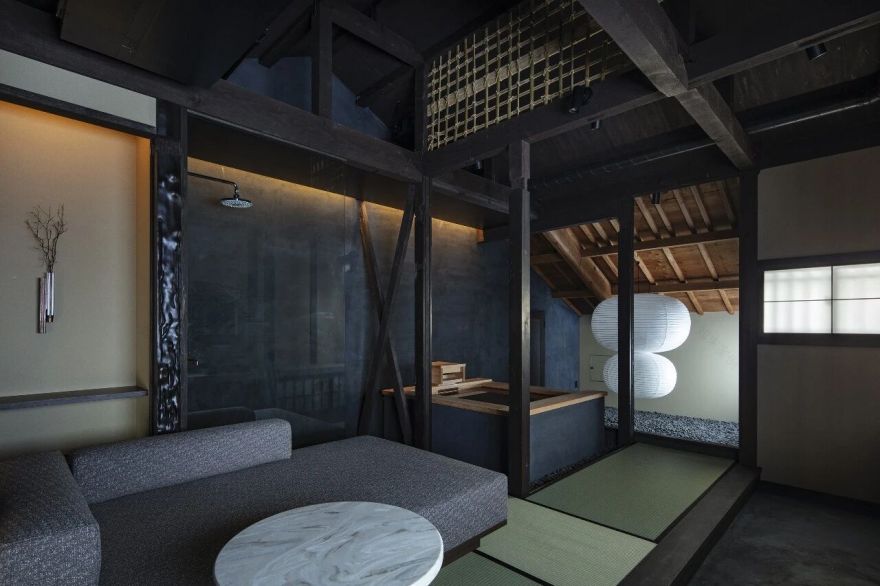
西侧建筑的二楼设置了三间客房,均可以透过盛开的樱花眺望东本愿寺。这些房间还配备了大型桧木浴缸,让客人能够一边泡澡一边欣赏美景。浴室区域的阁楼保留了始建时的屋顶板和外墙,让人得以一窥那个时代的木构技术。
The three rooms on the second floor of the west wing offer views of Higashi Honganji Temple through the cherry blossoms. These rooms also feature large hinoki cypress baths, allowing guests to enjoy the scenery while soaking. The attic in the bathroom area has exposed roof boards and earthen walls from the original construction, offering a glimpse of the carpentry techniques from that time.


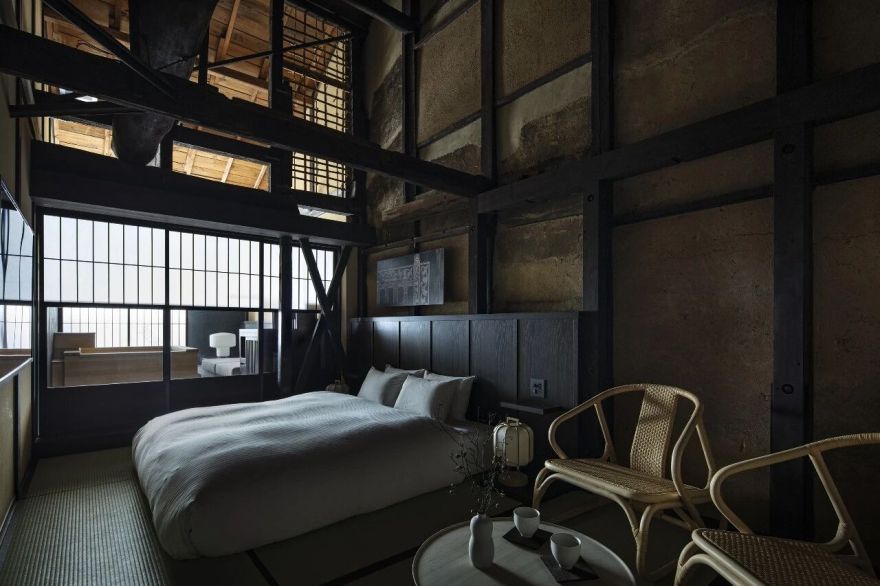

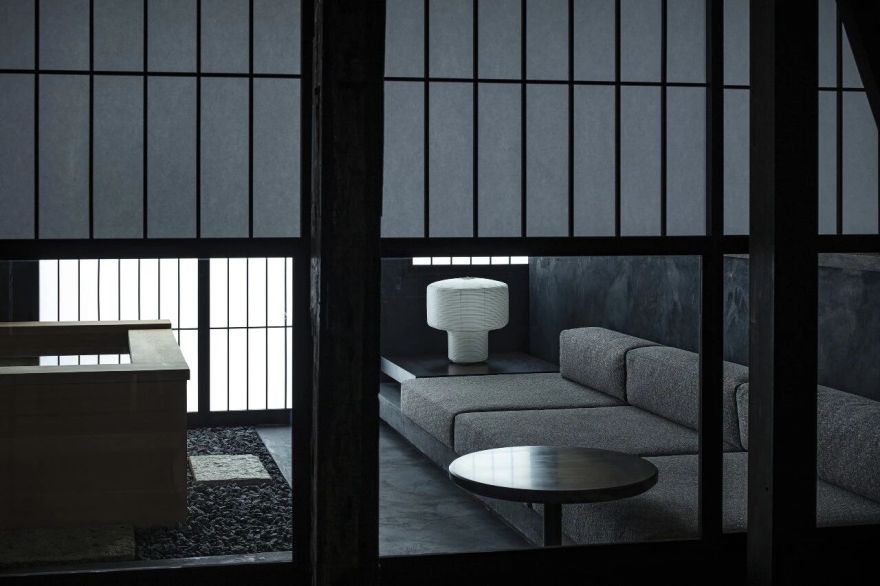
东侧建筑一楼的两个房间设有壁龛,由回收材料制成,并以传统木工为灵感创作了装饰画。床边的露天浴池与庭院的景致完美融合,营造出一种宁静且私密、与自然相接的氛围。两间复式客房横跨二、三层空间,唤起人们对传统町屋土间和起居空间的记忆。通过楼梯式抽屉柜可达三楼,空间内设有一个宽敞的、配有桧木浴缸的浴室,营造出开放而放松的氛围。
On the first floor of the east wing, two rooms feature an alcove (tokonoma), made from reclaimed materials, with art inspired by traditional carpentry. The open-air baths next to the beds seamlessly blend with the view of the courtyards (tsuboniwa), offering a serene and private connection to nature. The two duplex rooms, spanning the second and third floors, evoke the feeling of traditional machiya earthen floors and living spaces. On the third floor, accessible via a chest of drawers staircase (tansu), a spacious bathroom with a hinoki cypress bath has been created, offering an open and relaxing atmosphere.


怀着对町屋及其文化遗产的深深敬意,该项目旨在创造一个让访客能感受到京都悠久历史中时光流转的空间。新的设计与旧物和谐共生,为访客打造一处静谧的休憩之所。Studio ALUC 希望这间旅馆能成为一座桥梁,将京都的文化遗产与未来相连,给所有到访者留下深刻的印象。
With deep respect for the machiya and its cultural heritage, this project aims to create a space where visitors can feel the passage of time woven into Kyoto’s rich history. The new design harmonizes with the old, creating a tranquil retreat for guests. We hope this inn will serve as a bridge, connecting Kyoto’s cultural legacy to the future, leaving a lasting impression on all who visit.

南京喵熊网络科技有限公司 苏ICP备18050492号-4知末 © 2018—2020 . All photos and trademark graphics are copyrighted by their owners.增值电信业务经营许可证(ICP)苏B2-20201444 苏公网安备 32011302321234号
苏公网安备 32011302321234号客服
消息
收藏
下载
最近