

创作上传
VIP
收藏下载
登录 | 注册有礼
查看完整案例

收藏

下载

分享

翻译
Architects:Fragmentos
Area:2350m²
Year:2025
Photographs:Francisco Nogueira
Manufacturers:Louis Poulsen,Ferm Living,João Mendes,Santa&Cole,Almeco,Ay Illuminate,Bazar Bizar,Costa Nova,Desvio,Grau,Manufactori,Normo,Olaria António Mestre,Olaria Jeremias,Olaria Xico Tarefa,Sugo Cork Rugs by Susana Godinho,Teresa Sousa Coutinho&Balela,Vanessa Barragão,Viriato,magdala flores
Lead Architects:Pedro Silva Lopes, Marcus Cerdeira
Category:Hospitality Architecture,Hotels
Lead Team:Marcus Cerdeira, Pedro Silva Lopes
Design Team:Marta Metello, Bruna Cardo Duarte, Patrícia Tomé, Teresa Barbosa
Interior Design:Isabel Câmara Pereira
Landscape Architecture:Pólen
Project Management:Oyster PM
General Contractor:MAE
Engineering & Consulting > Structural:A400
City:Tavira
Country:Portugal
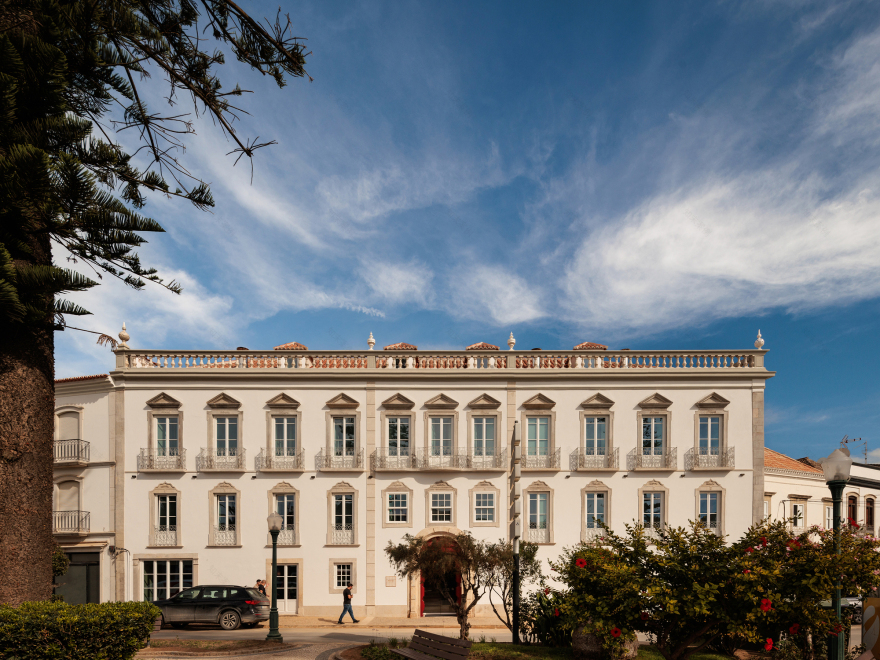
Text description provided by the architects. The Palácio de Tavira project reimagines a historic landmark through a careful balance between architectural memory and contemporary expression.

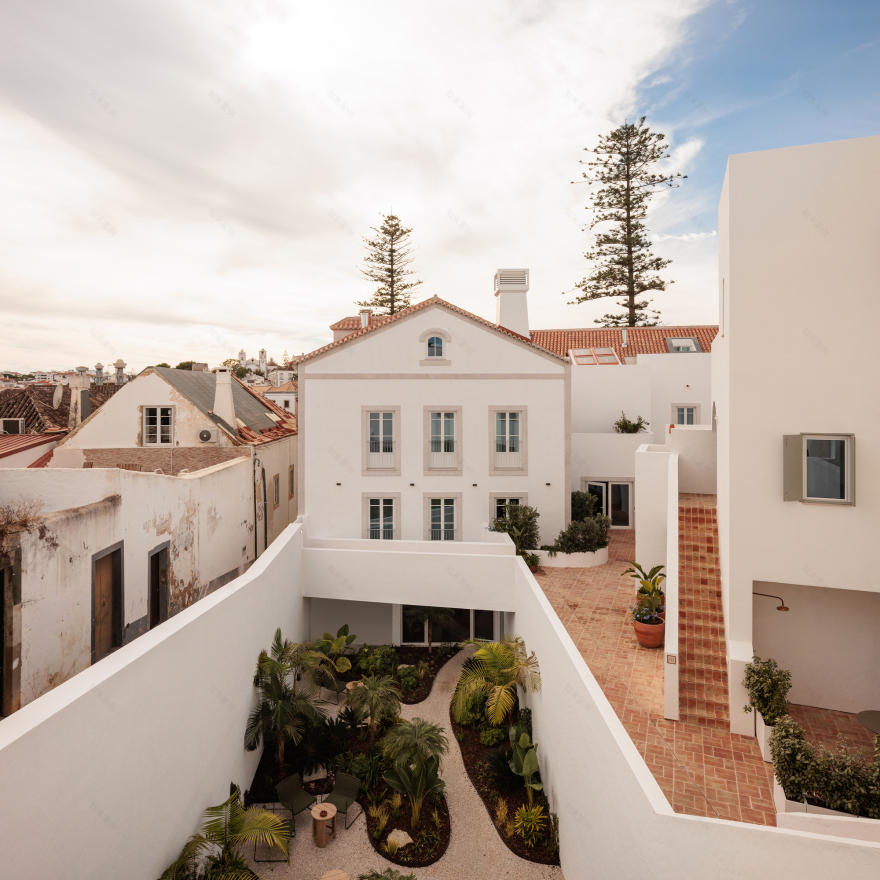
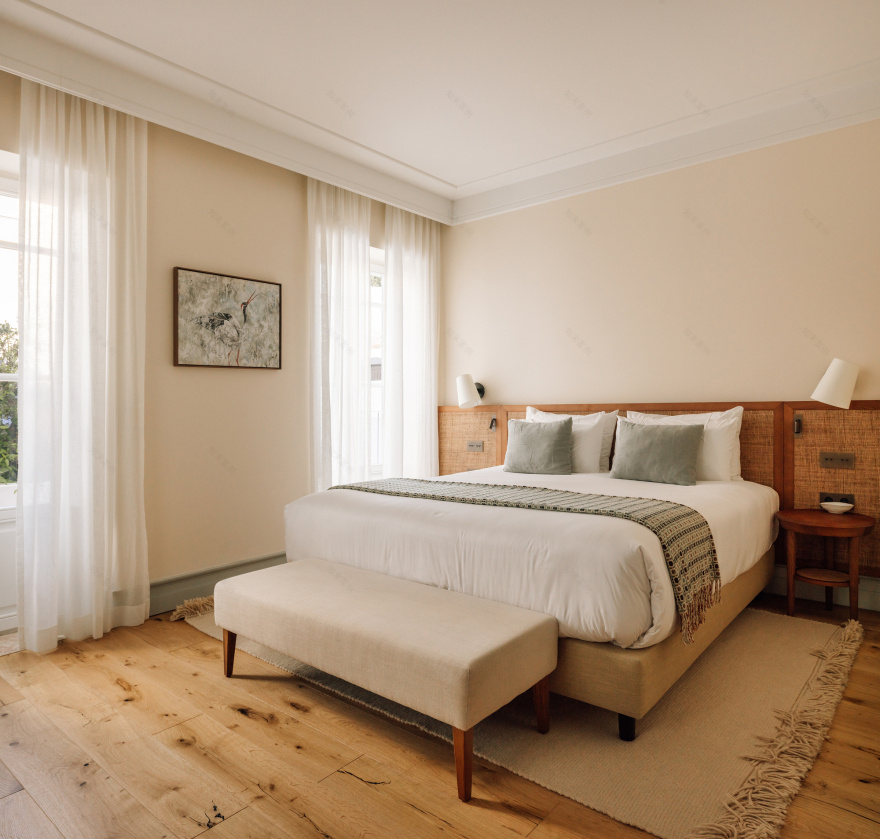
Located in the historic center of Tavira, the intervention combines the rehabilitation of an 18th- and 19th-century palace with a new architectural addition, responding to the site's cultural significance and complex urban context. The original palace, a prominent symbol of the city's aristocratic past, required preservation of its formal integrity while being adapted to contemporary standards of comfort, safety, and performance.
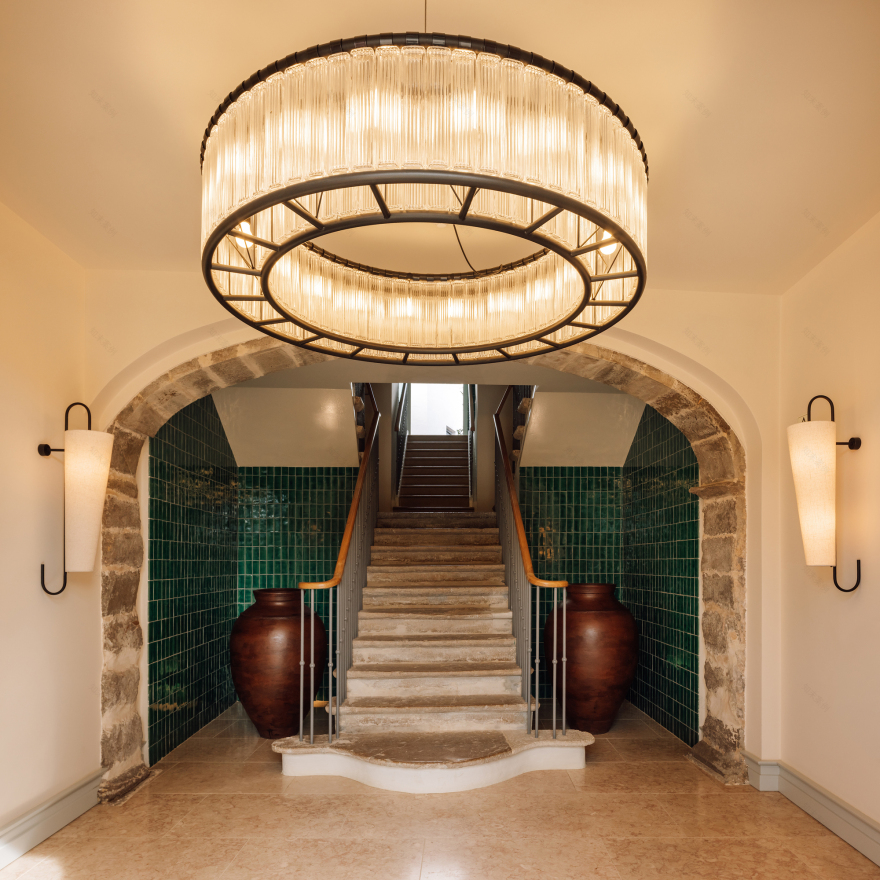
The rehabilitation focused on conserving the building's defining features. The façades retain their original scale, rhythm, and classical order, while stonework, decorative ceramics, and wrought iron elements were meticulously restored. Central to the intervention is the rehabilitation of the 18th-century stone staircase, both a structural anchor and a symbolic element, reinforcing the continuity of the palace's noble character. Discreet technical upgrades introduced structural reinforcement, improved acoustic and thermal performance, and modern safety systems, ensuring the building's long-term functionality without compromising its historical identity.
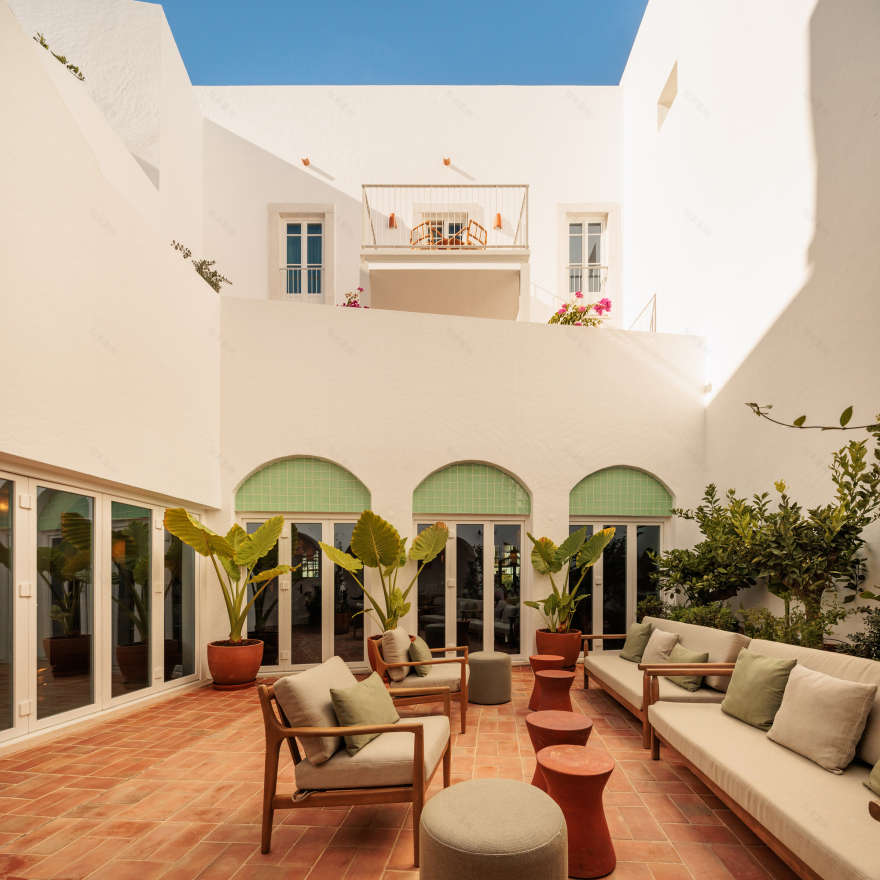
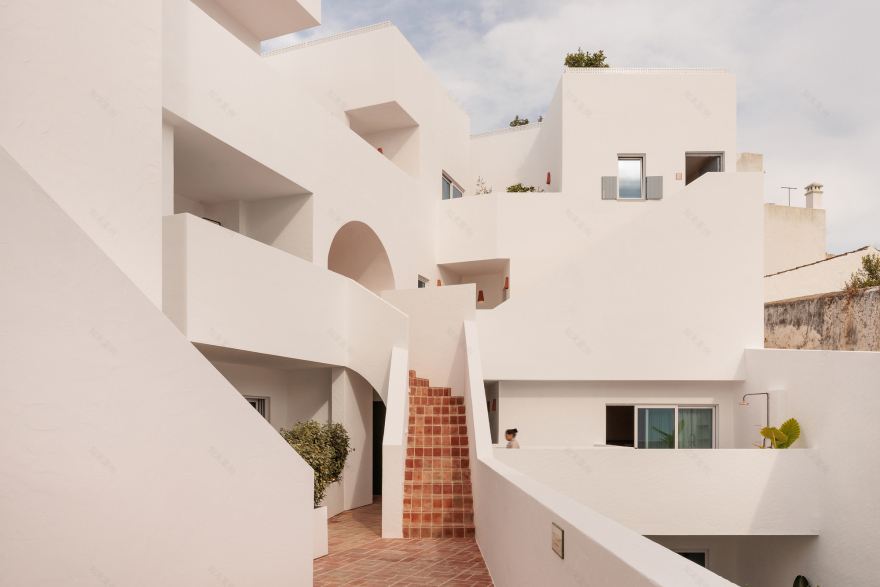
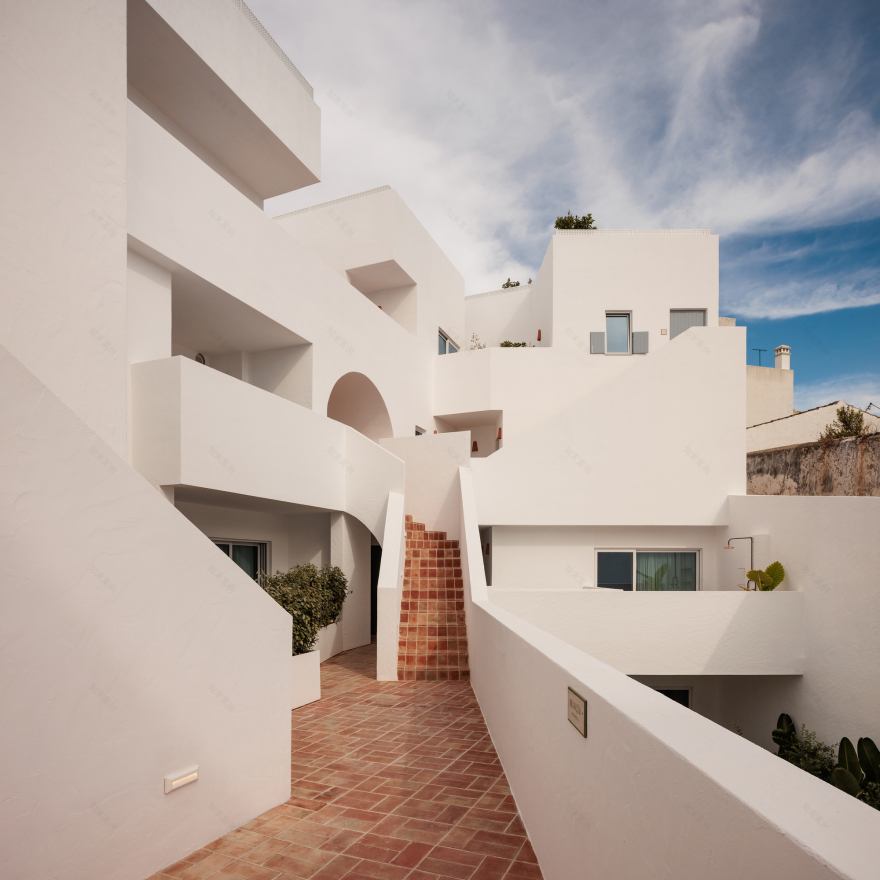
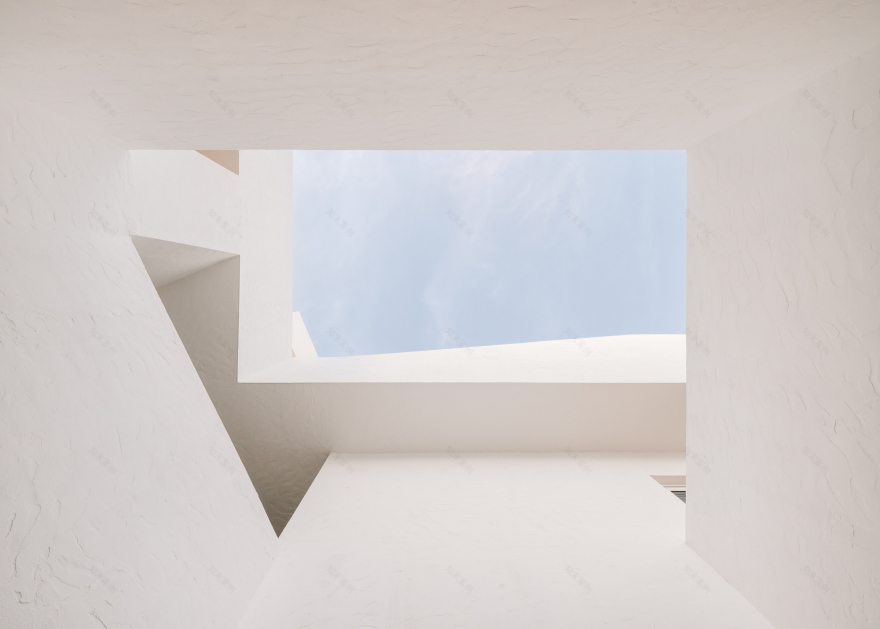
In contrast, the palace courtyard hosts the Medina, a new construction defined by a fragmented and organic architectural language. Organized as a constellation of interconnected volumes, the Medina is shaped by a deliberate interplay of solids and voids that generate patios, terraces, stairways, passages, and narrow internal streets. This spatial composition draws inspiration from the Algarve's traditional roofscapes and Moorish medinas, translating them into a contemporary architectural vocabulary. The variation in levels and circulation paths creates a labyrinthine experience, encouraging exploration and offering constantly shifting perspectives, light conditions, and sensory moments.

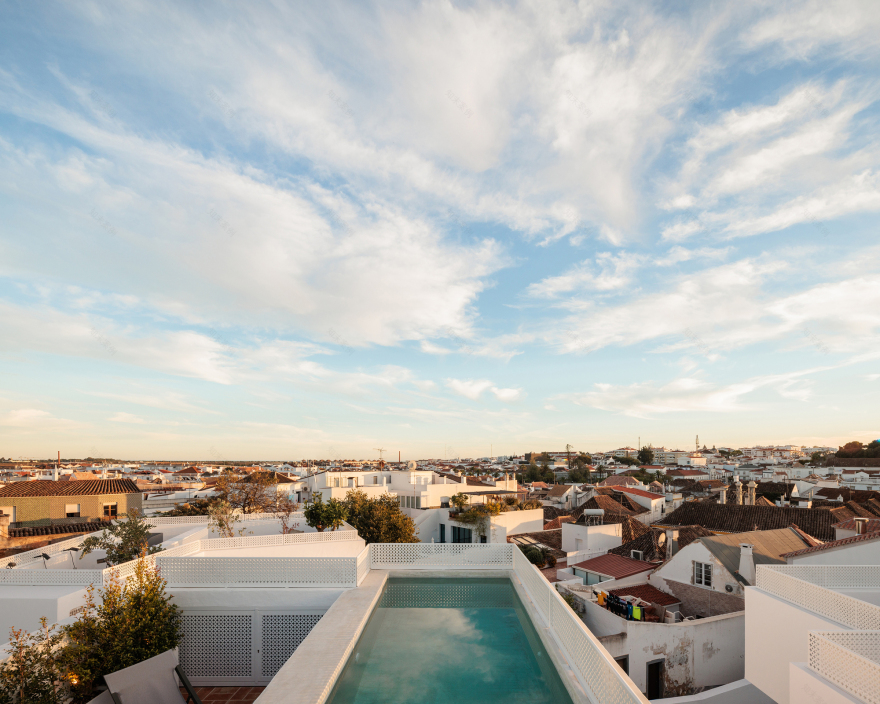
The project's concept is rooted in the complementarity between permanence and transformation. While the palace embodies solidity, memory, and classical order, the Medina introduces plasticity, spatial freedom, and adaptability, responding to the site's topography and the scale of the historic center. A continuous dialogue between interior and exterior spaces is established, where light and shadow actively shape perception throughout the day. Visual connections extend beyond the site, linking patios and terraces to the city, the Gilão River, and the sea.

Together, the Palace and the Medina form the Palácio de Tavira, an architectural ensemble that merges rehabilitation and new construction into a cohesive whole, offering a layered spatial experience deeply connected to the history, landscape, and identity of Tavira.

Project gallery



南京喵熊网络科技有限公司 苏ICP备18050492号-4知末 © 2018—2020 . All photos and trademark graphics are copyrighted by their owners.增值电信业务经营许可证(ICP)苏B2-20201444 苏公网安备 32011302321234号
苏公网安备 32011302321234号客服
消息
收藏
下载
最近