

创作上传
VIP
收藏下载
登录 | 注册有礼
查看完整案例

收藏

下载

分享

翻译
Architects:Perkins&Will
Area:18000m²
Year:2025
Photographs:Pedro Mascaro
Manufacturers:Arkos
Lead Architect:Douglas Tolaine
Category:Residential Architecture,Apartments
Coordination:Douglas Tolaine, Fernando Vidal, Lara Kaiser, Adriana Barbosa, Fatima Oliveira
Project Team:Gabriel Freitas, Fernando Afonso, Adriano Alves, André Mathias, Erika Dernovsek, Alice Uemoto, Bruna Bernardes, Daniel Bouer, Letícia Ferolla, Rubens Kenji, Lucas Matheus, Isabela Belini
General Construction:HVM Incorporadora
City:Campo Grande
Country:Brazil
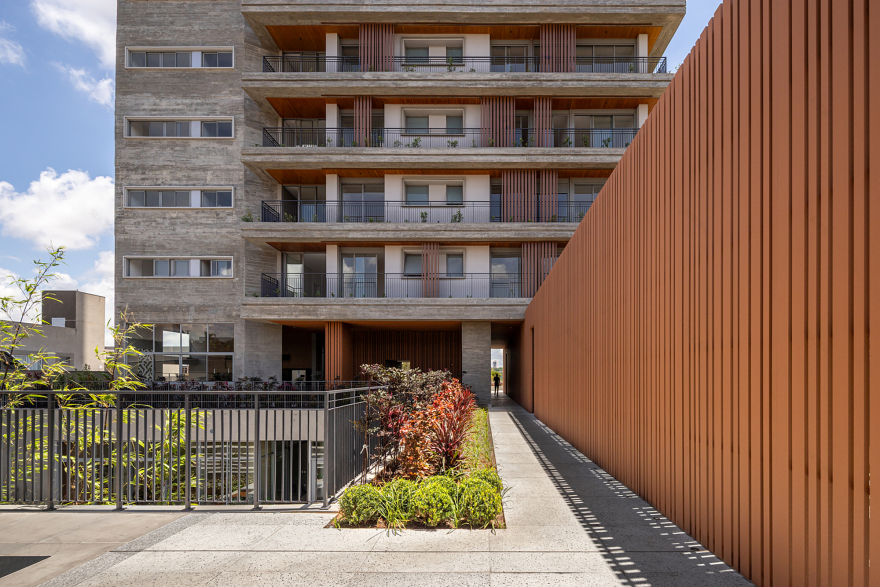
Text description provided by the architects. In an era where luxury architecture often succumbs to globalized repetition, the new development by Perkins&Will São Paulo in Campo Grande (MS) emerges as a turning point.
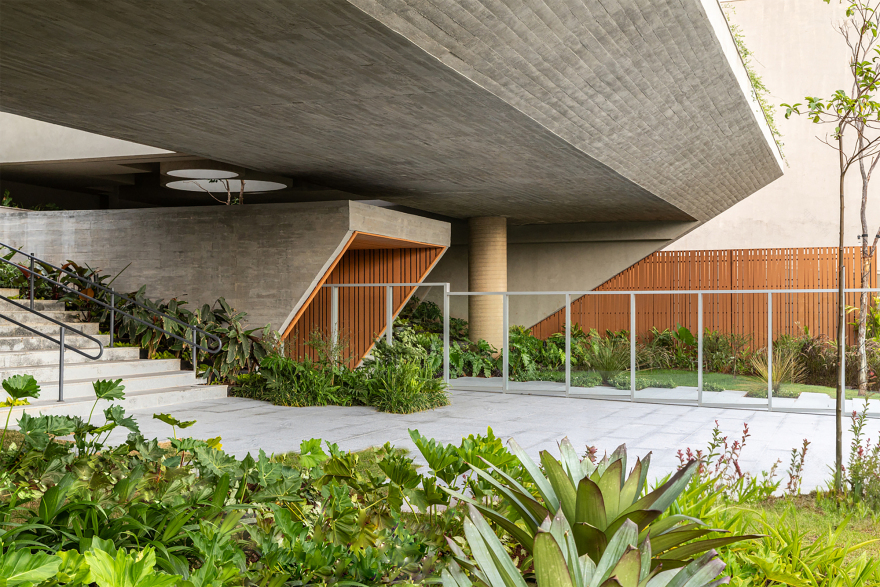
Developed for HVM Incorporadora, Maya is an Architectural Manifesto that boldly redefines what it means to live well in the Brazilian Midwest. The project aims to dissolve the boundary between luxury and nature, transforming exposed concrete and wood into a vibrant celebration of the potency of the Pantanal.
The HVM Maya is born from an essential premise: living in a building without renouncing the sensory experience of living in a home integrated with nature. Located on Avenida Afonso Pena, in front of the Parque das Nações Indígenas — the largest postcard of Campo Grande — the project is, simultaneously, a response to the territory and a proposal for a new way of inhabiting. From the outset, the strategy was clear: bring the park into the architecture, dissolving limits between landscape, materiality, and daily life.
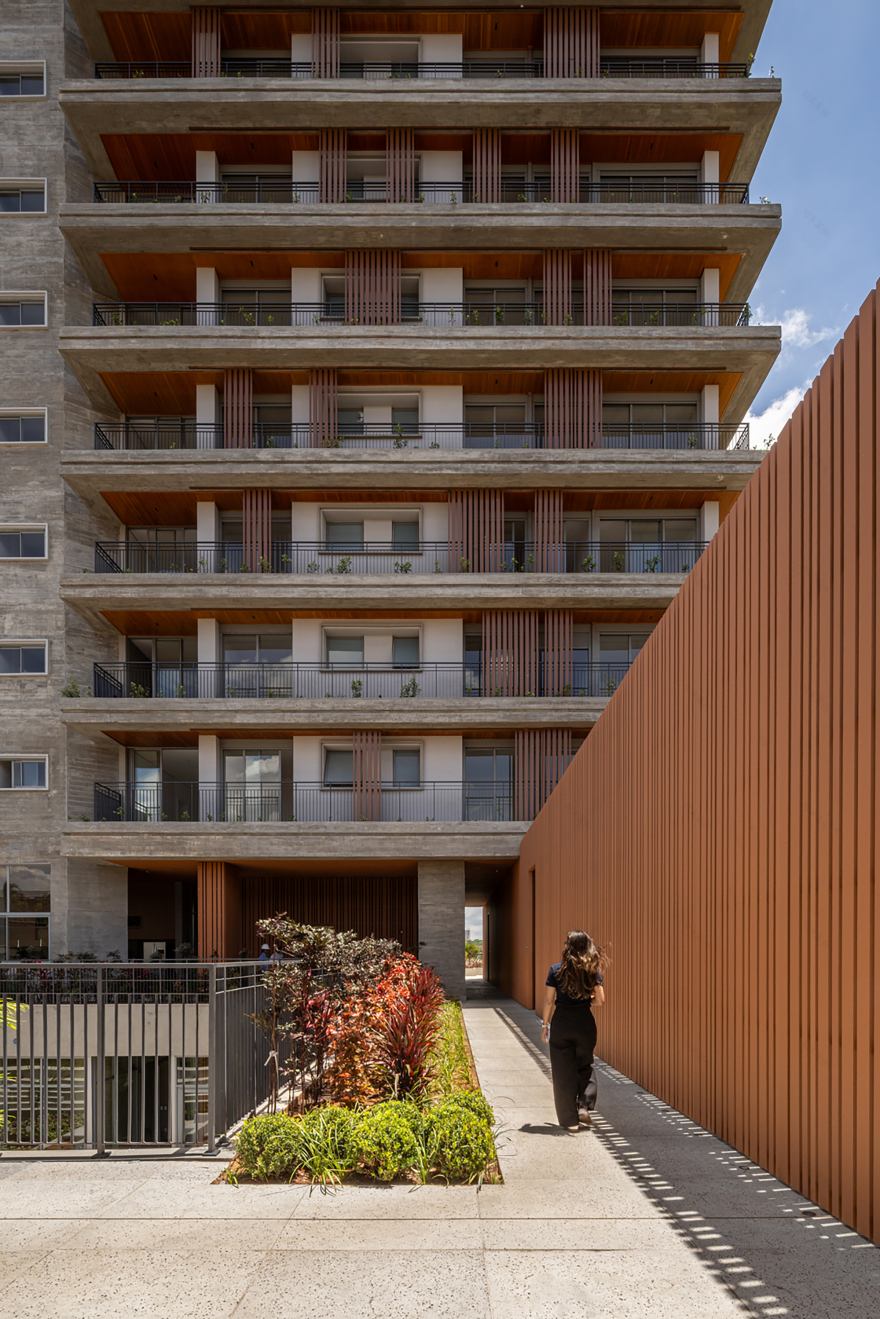
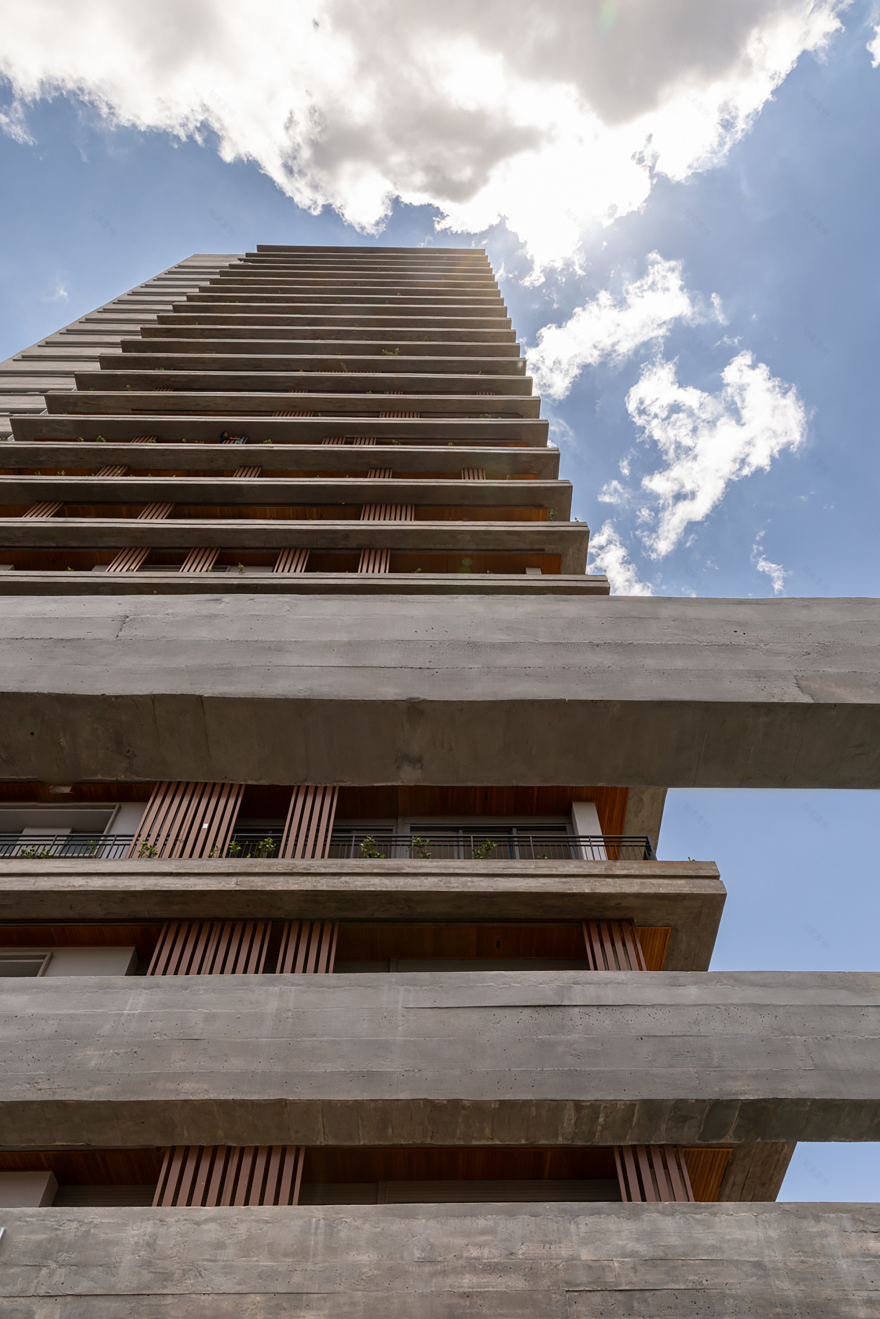
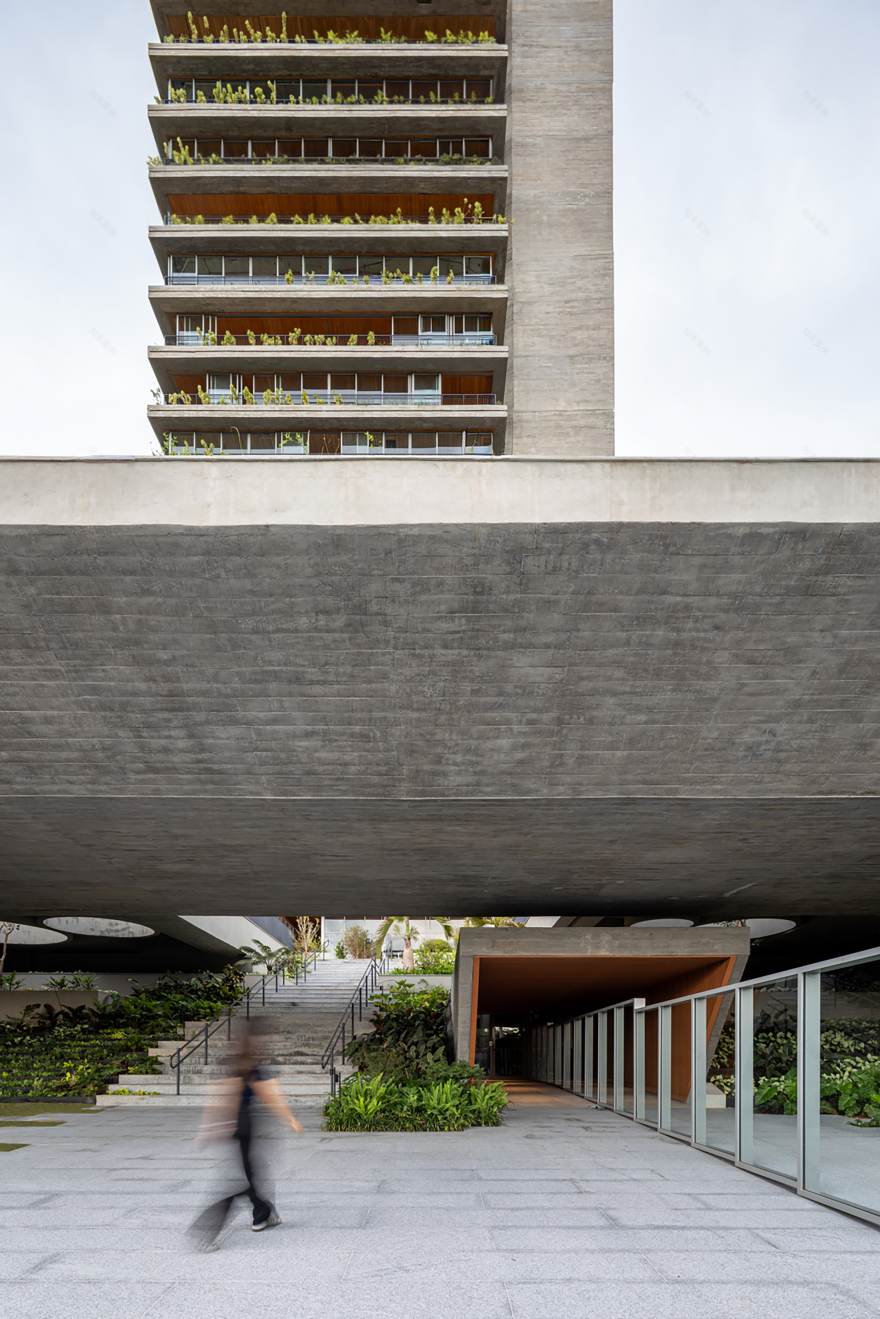
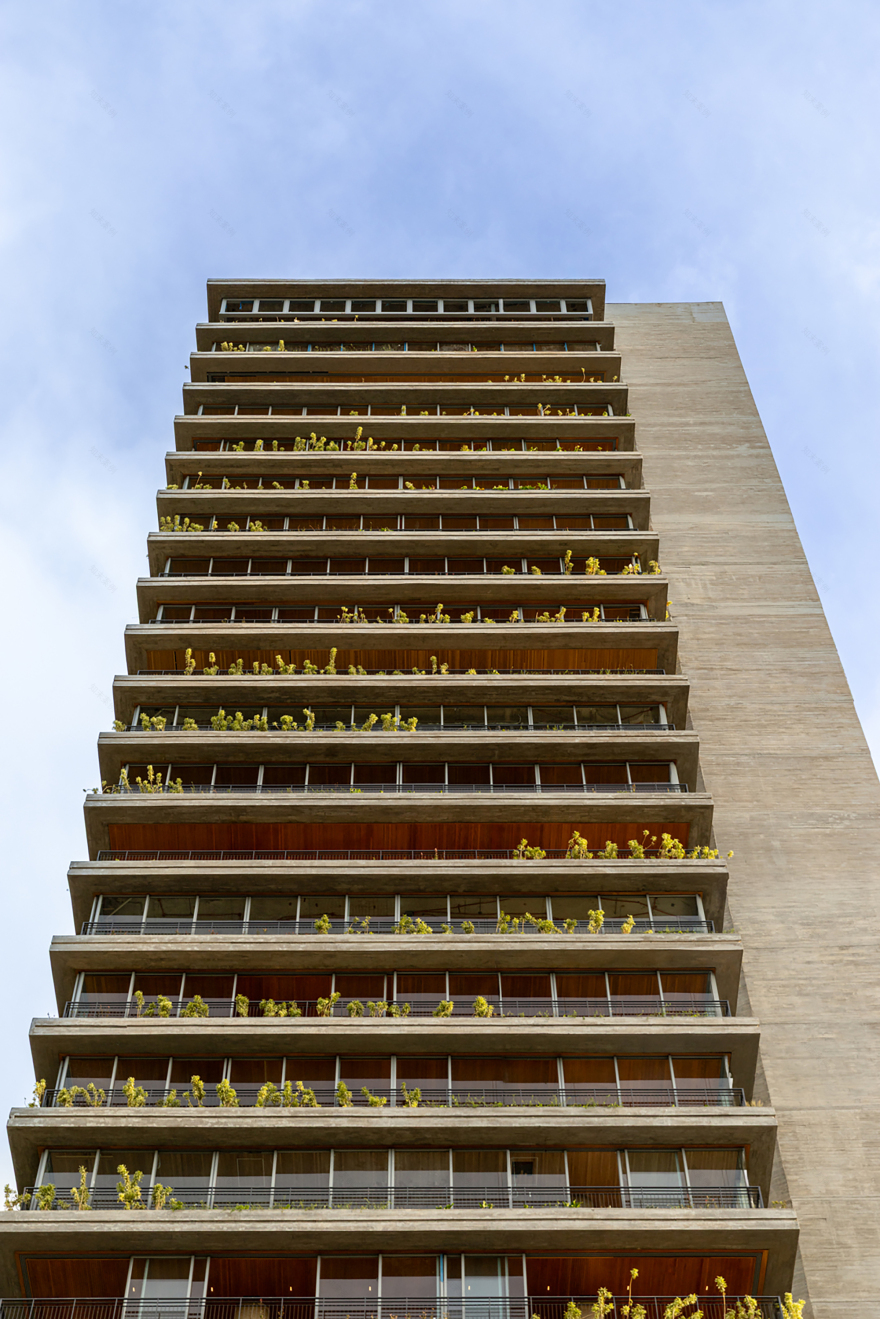
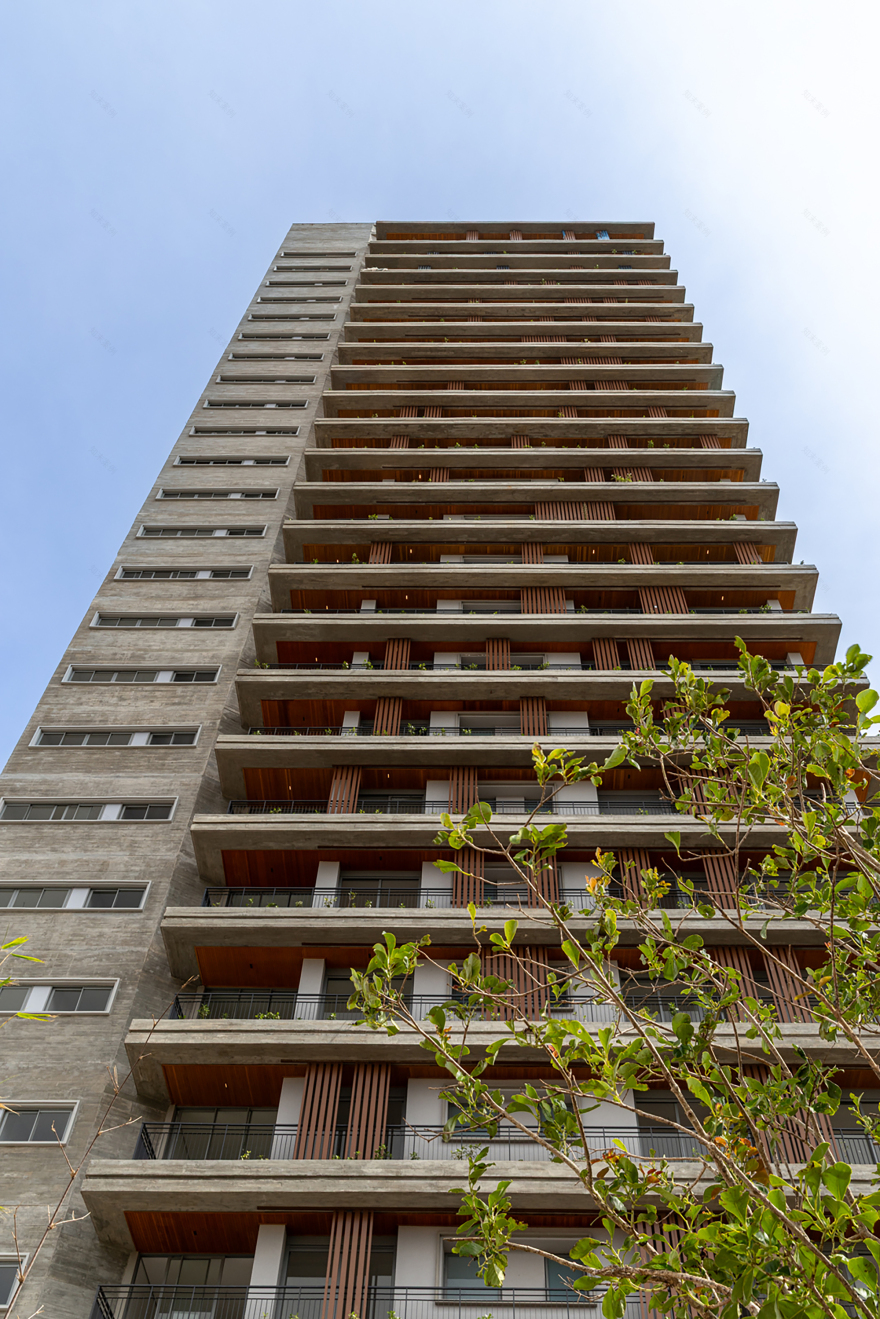
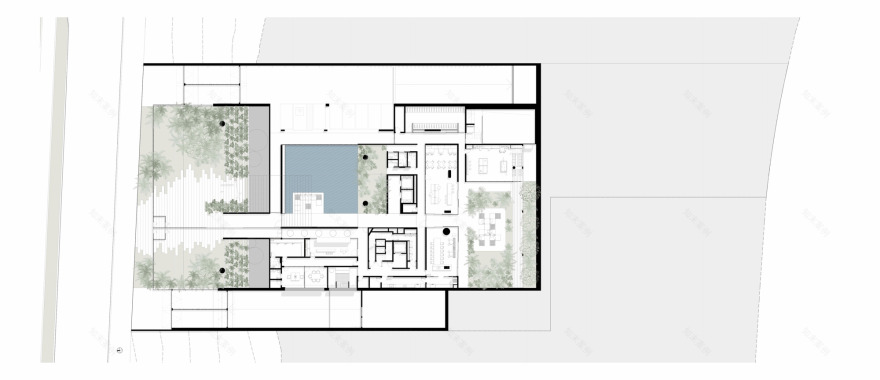
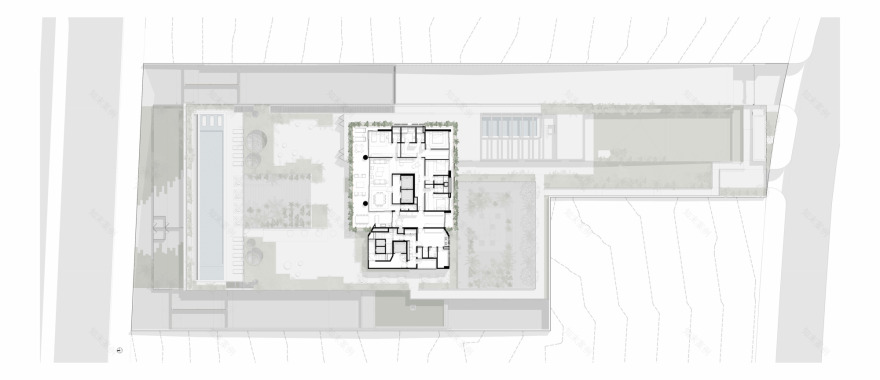
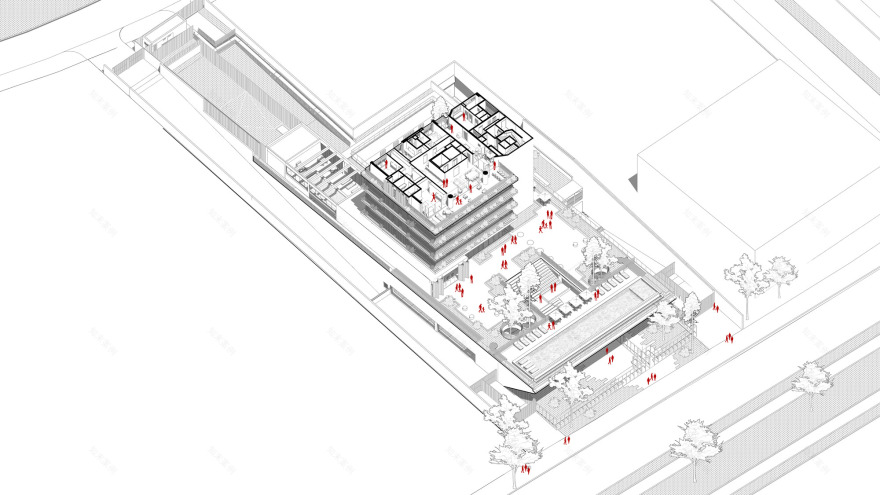
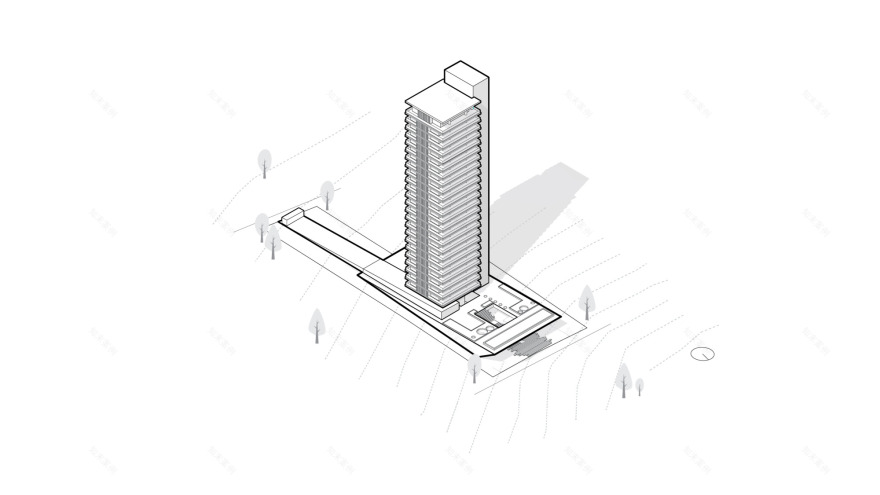
The implantation precisely explores the relationship with the surroundings. In a city with high temperatures, thermal performance became a critical starting point. We organized all vertical and horizontal circulation on the west facade, which receives the most sunlight throughout the day; this operation transforms circulation into a climate protection belt, while the apartments, oriented to the best directions, receive brise-soleils that filter light and heat. This technical guideline was decisive for the final volume of the tower — not only for comfort but for architectural coherence.
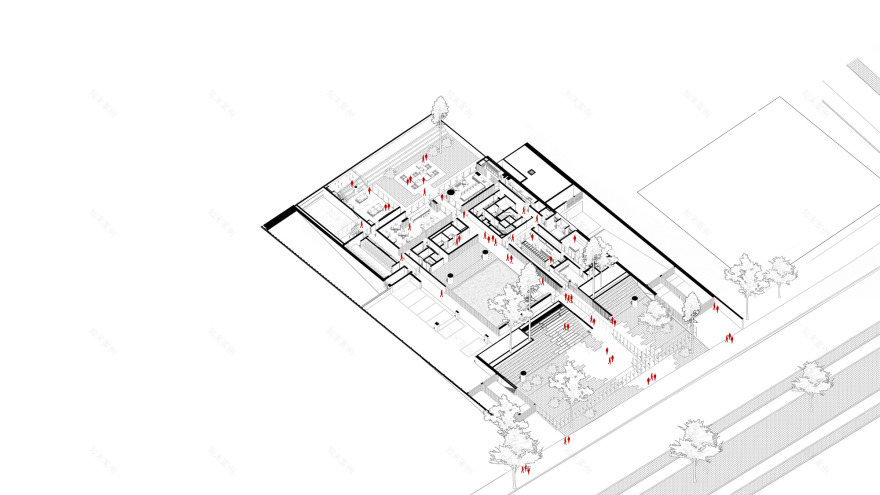
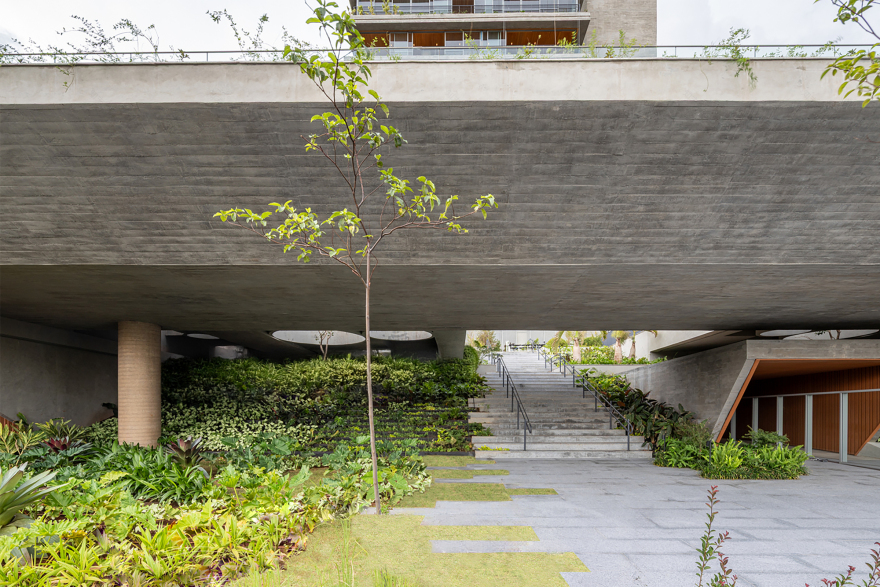
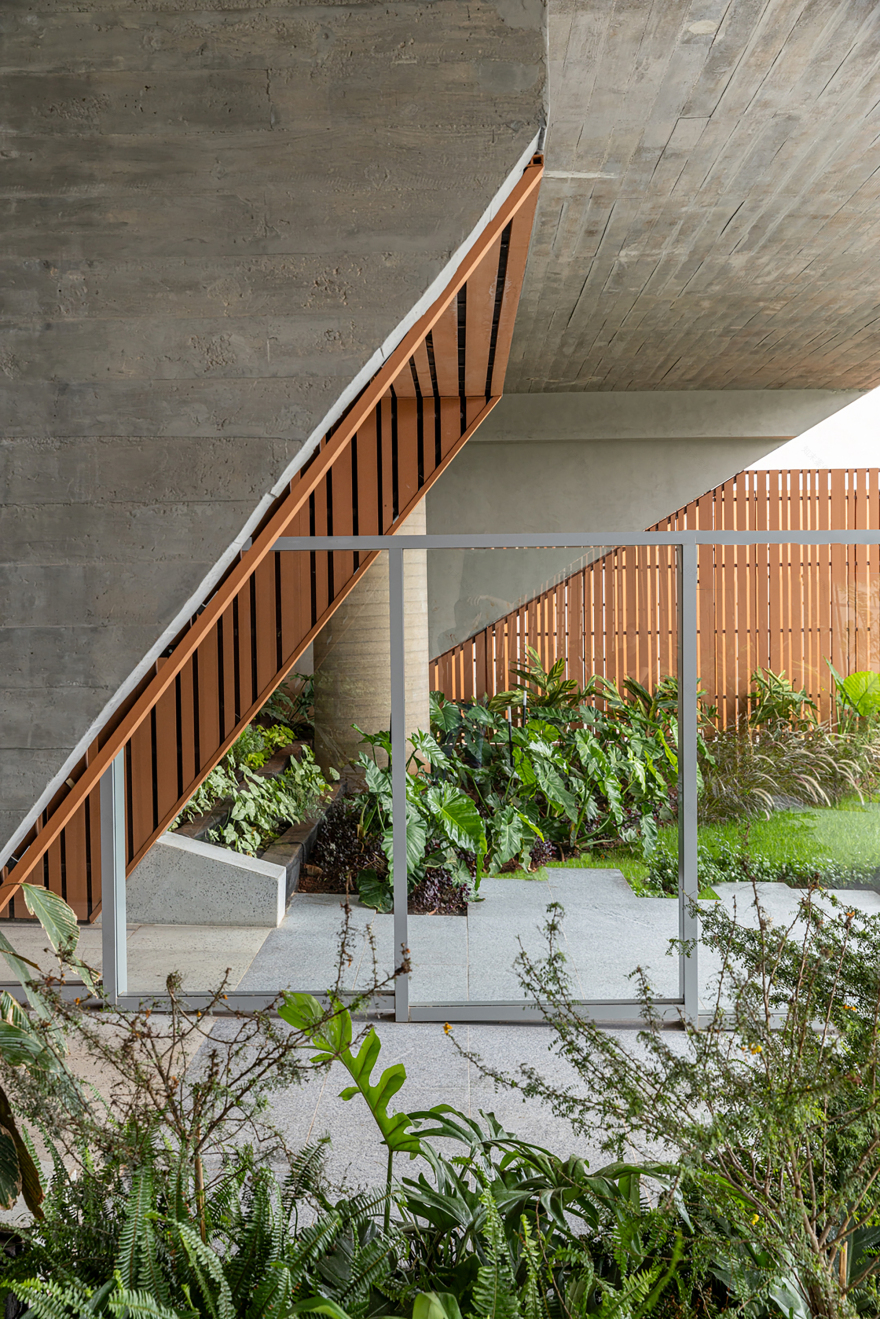
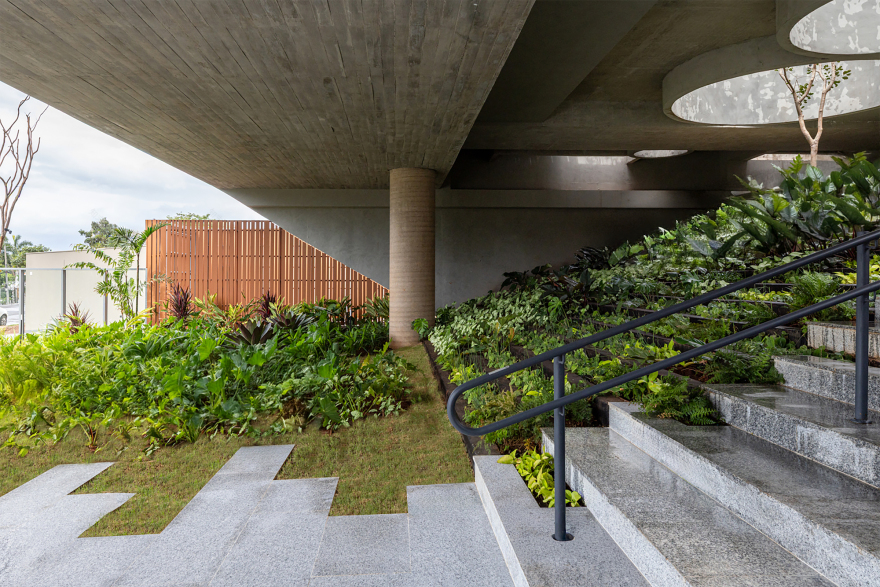
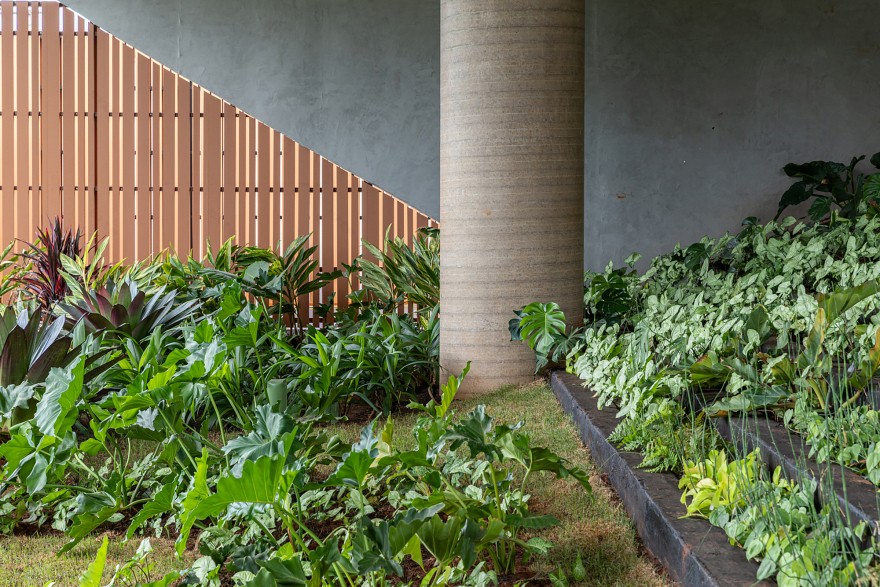
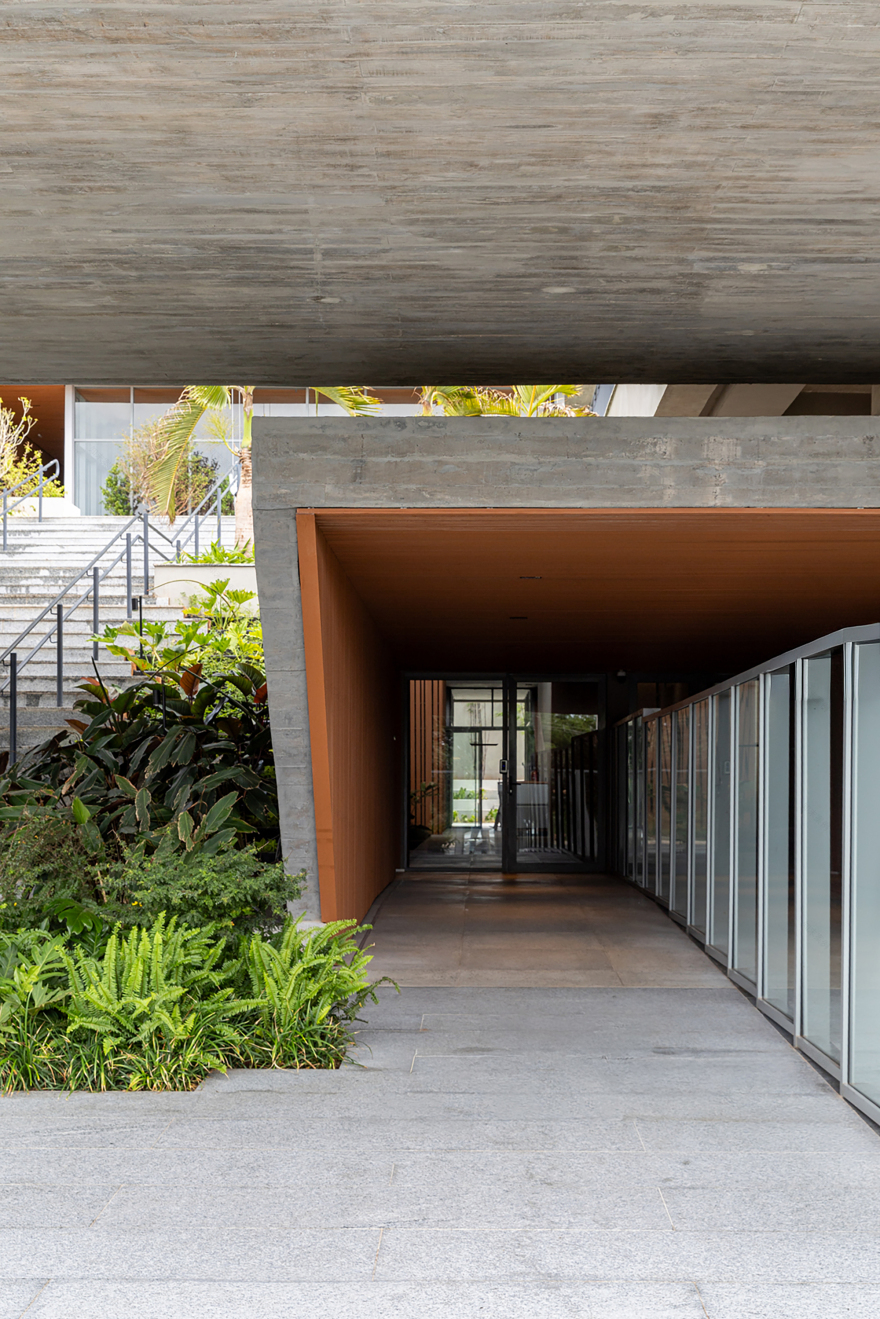
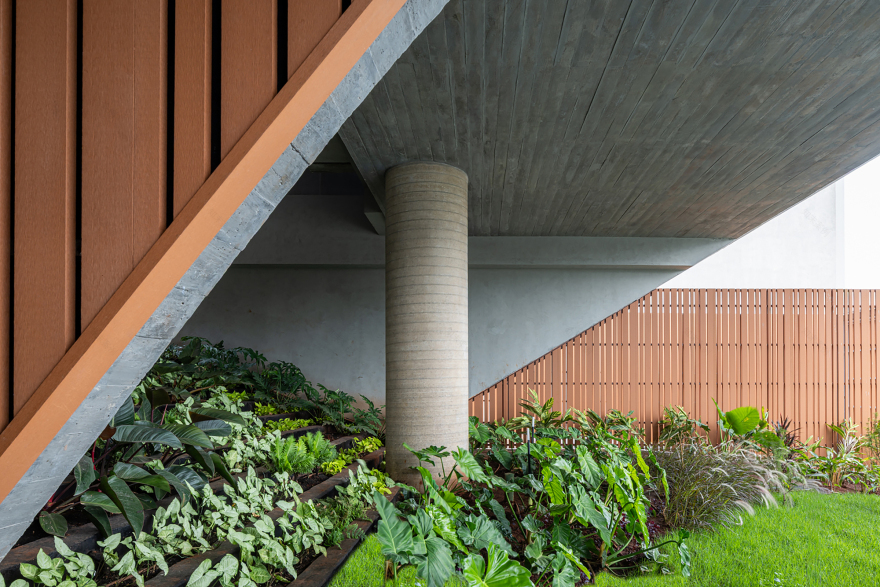
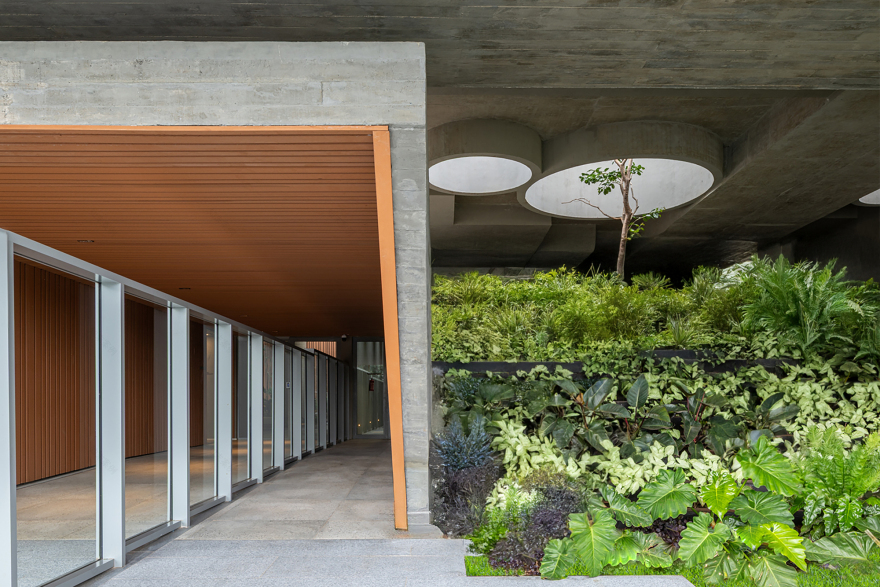
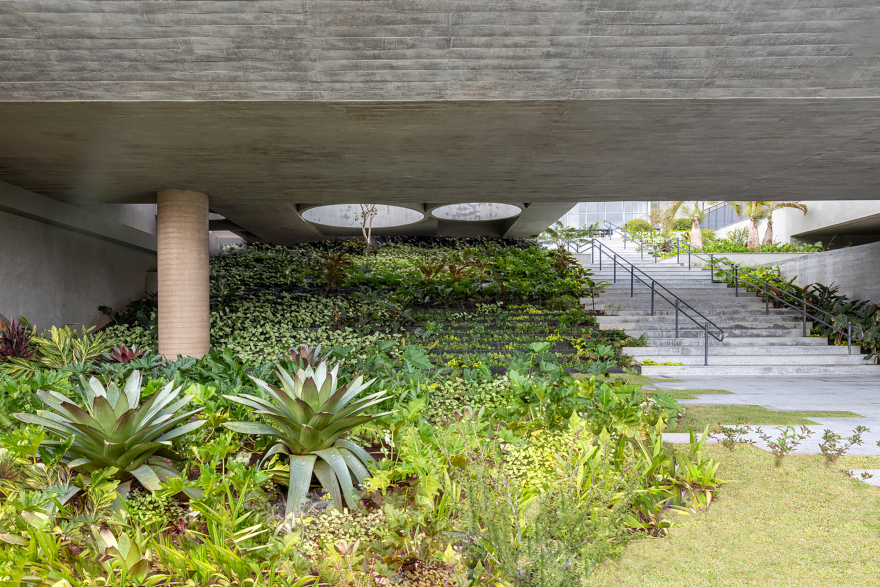
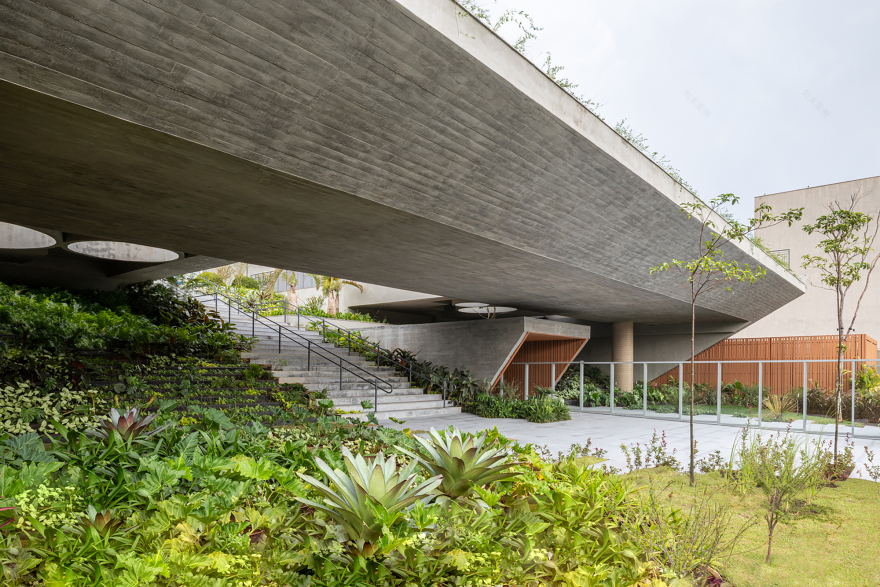
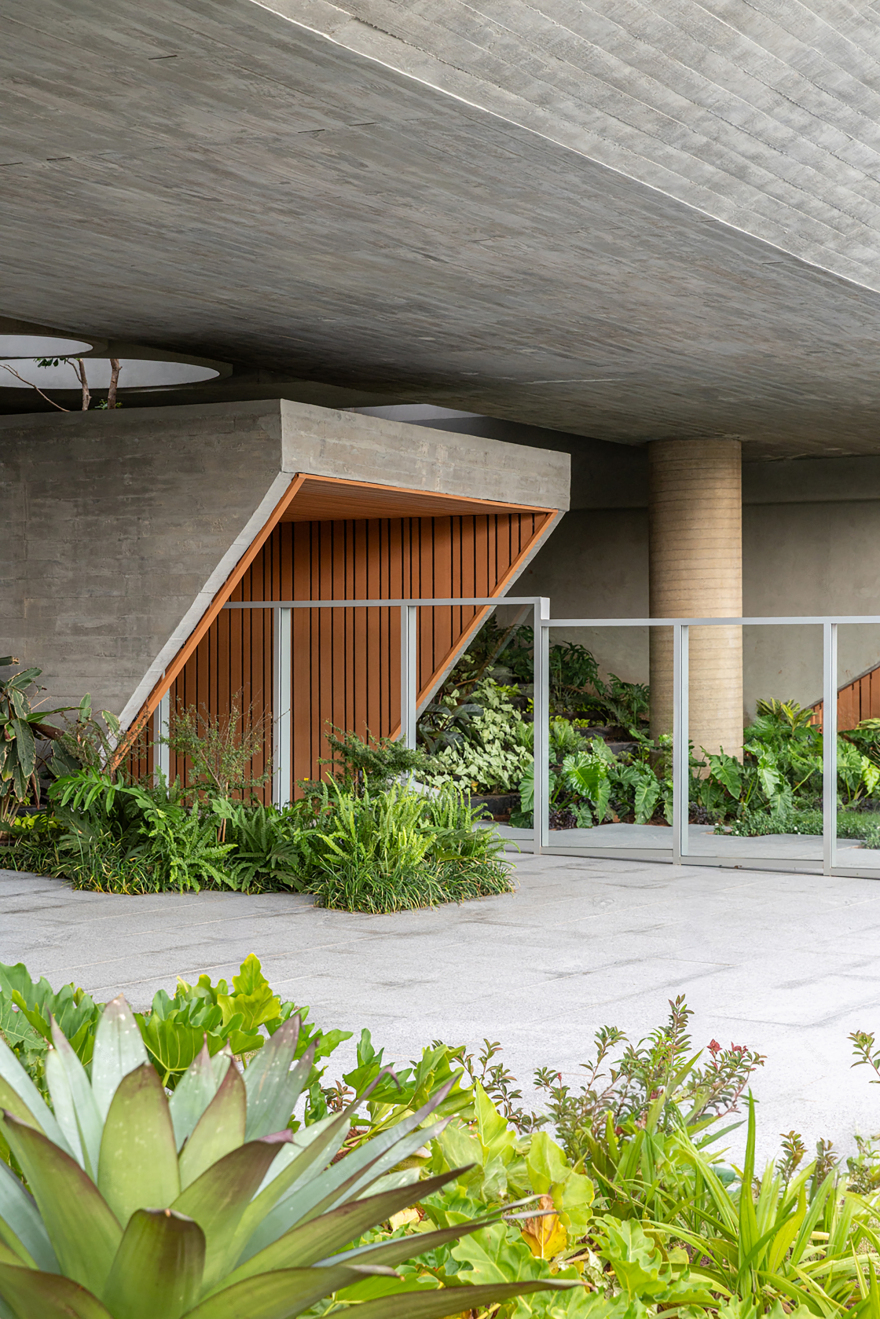
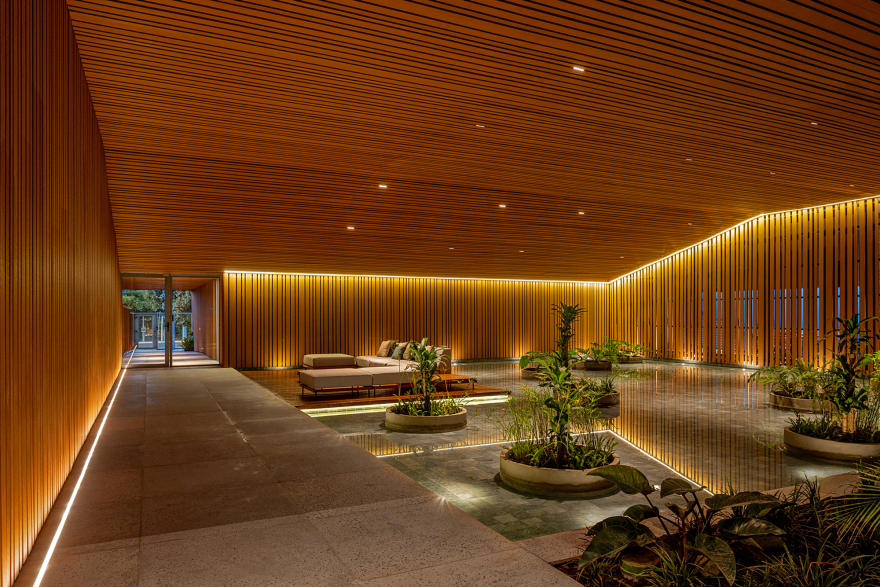
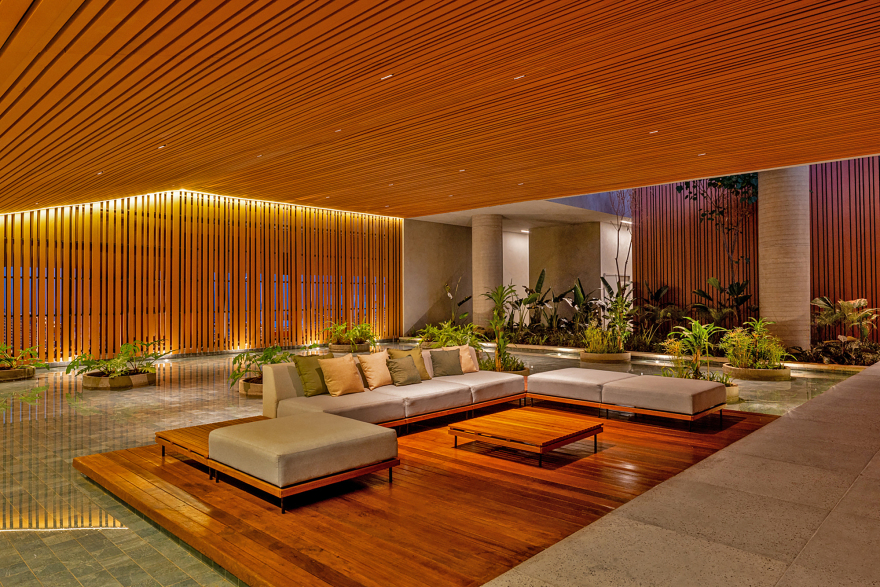
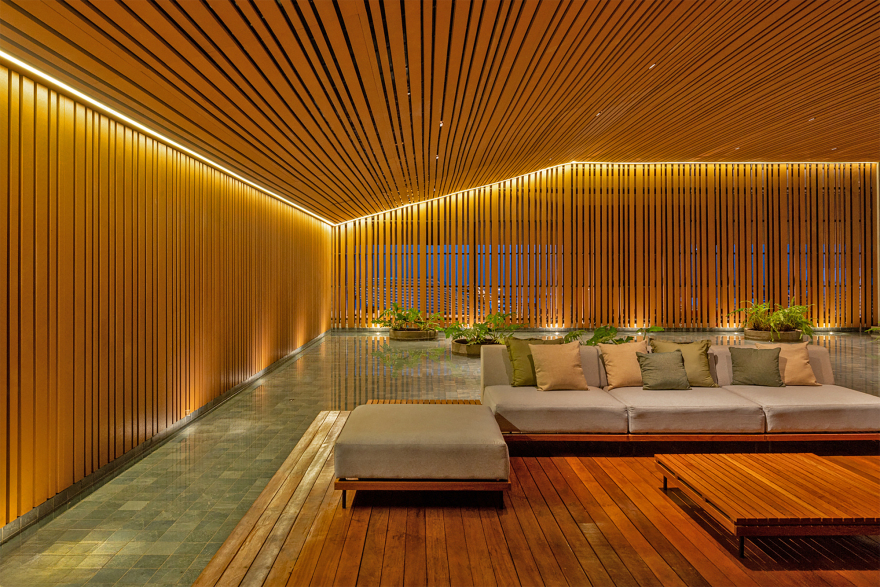
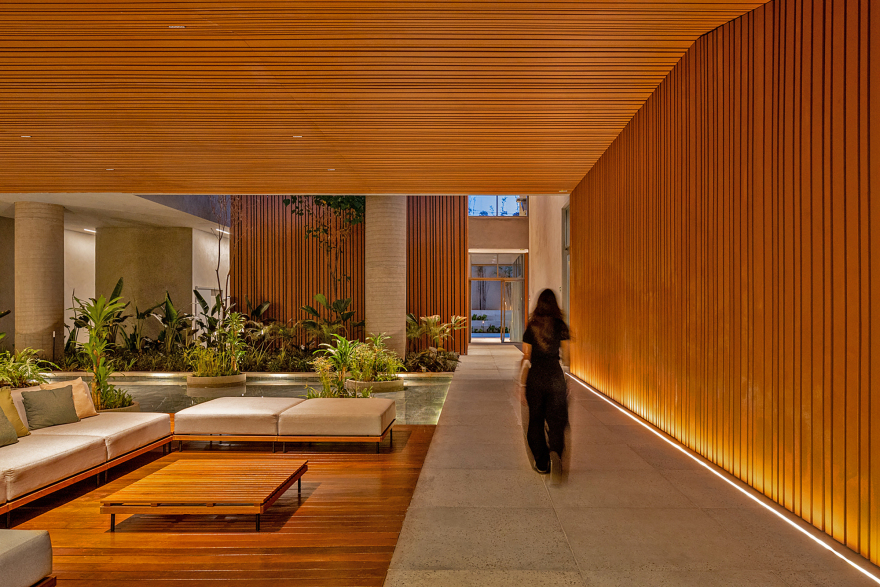
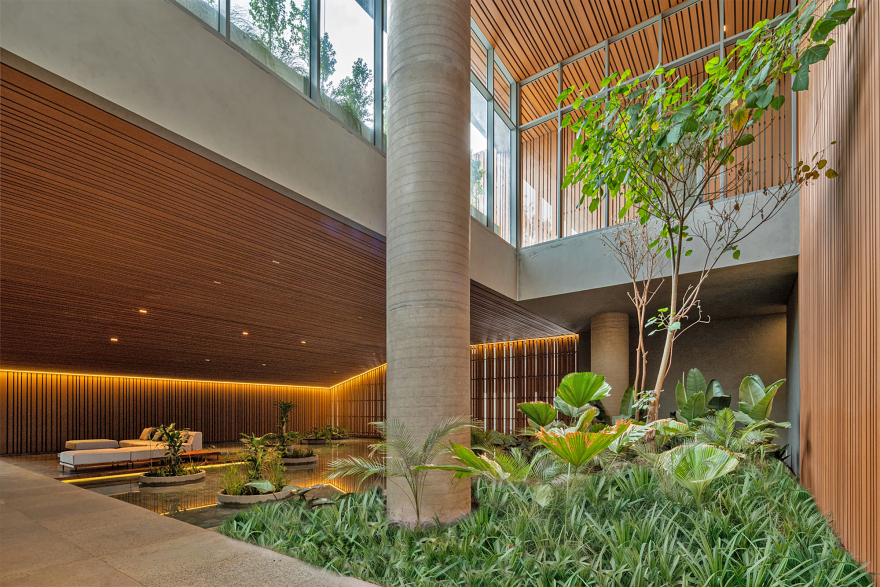
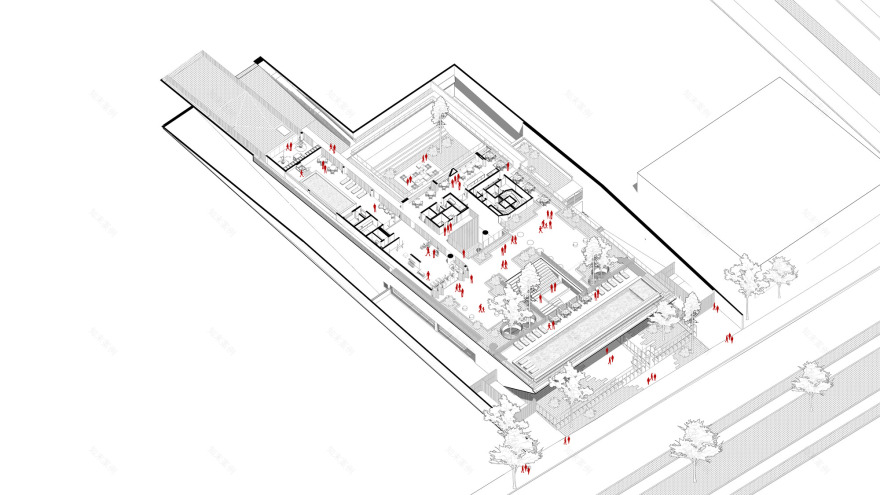
The social access is treated as a sculptural spatial sequence: a large awning invites pedestrians and opens the building to the park, while internal voids and illuminated tunnels create breathing spaces, shadows, visual permeability, and a sense of crossing — almost a passage from the urban to a natural microcosm. The abundant landscaping, the water mirrors at the entrance, and the combined use of stone, wood, and exposed concrete reinforce this atmosphere of welcome, enhancing the idea of a guided visit through textures, light, and nature. Each material was chosen not only for aesthetics but for its ability to communicate permanence, temperature, and authenticity.
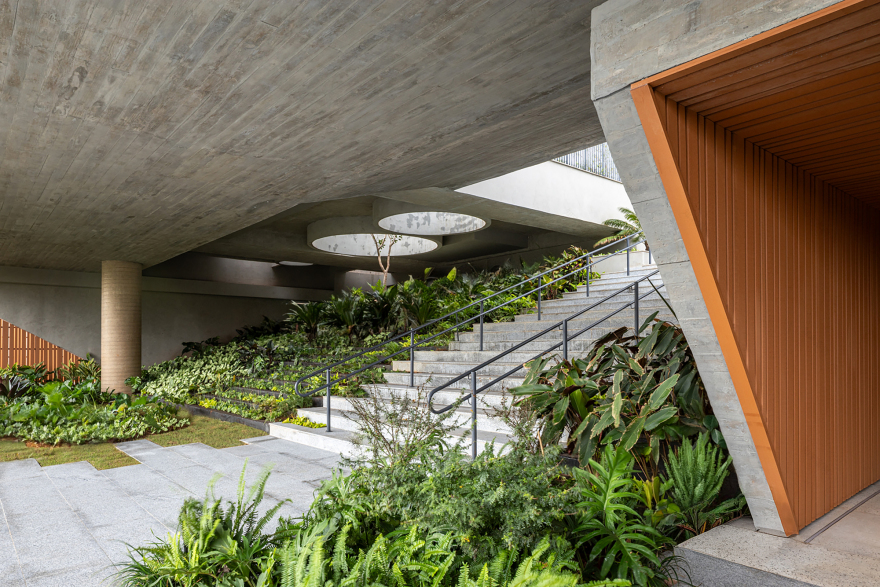
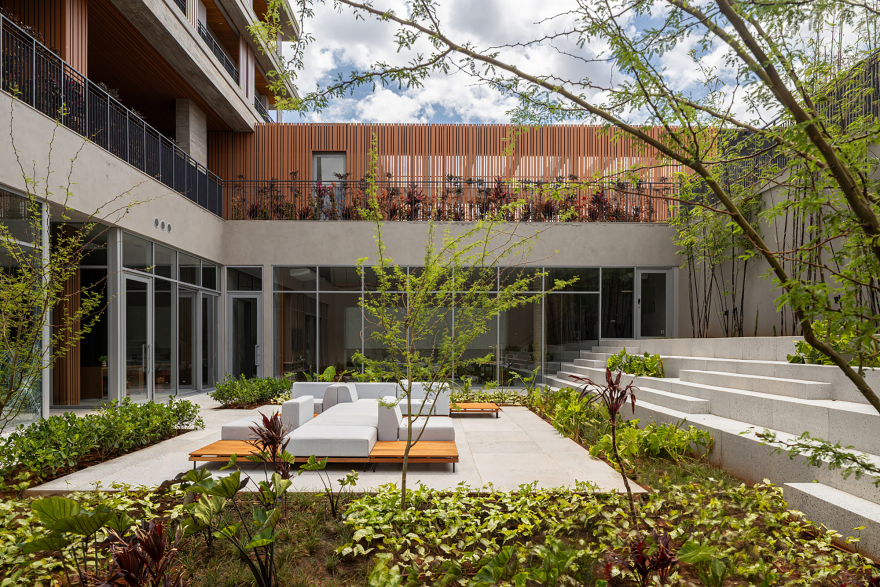
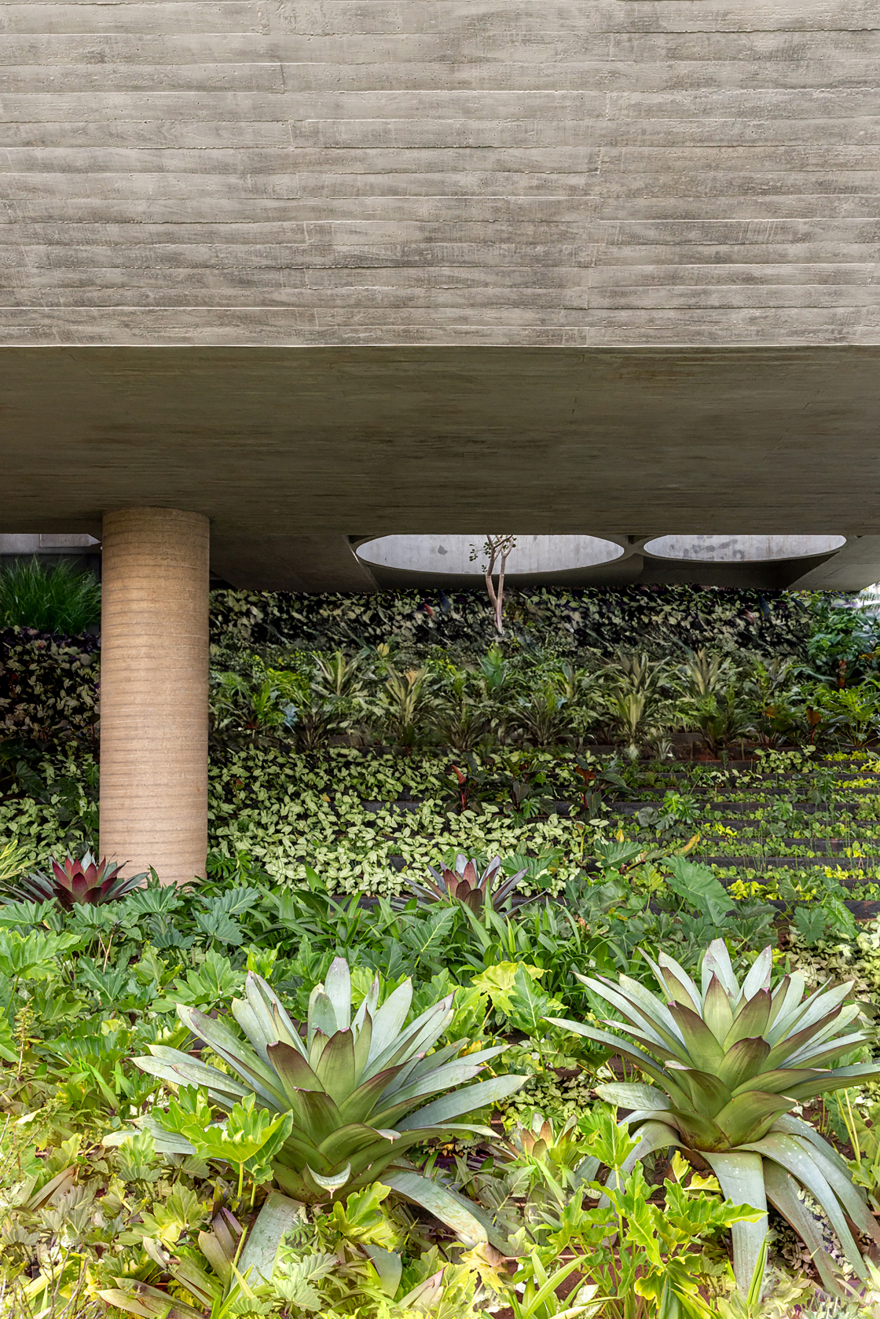
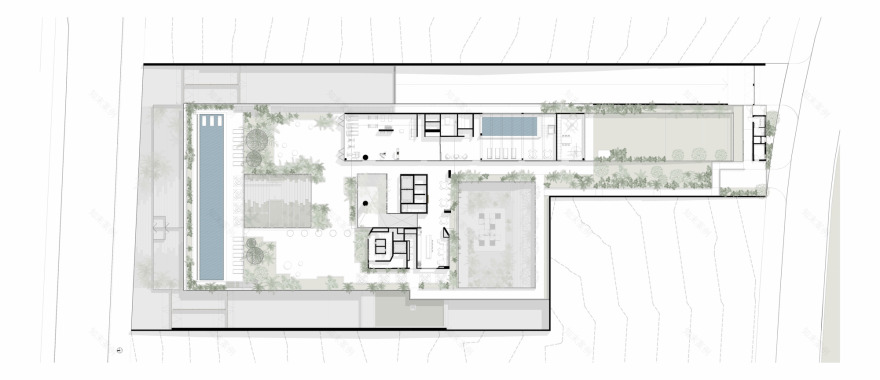
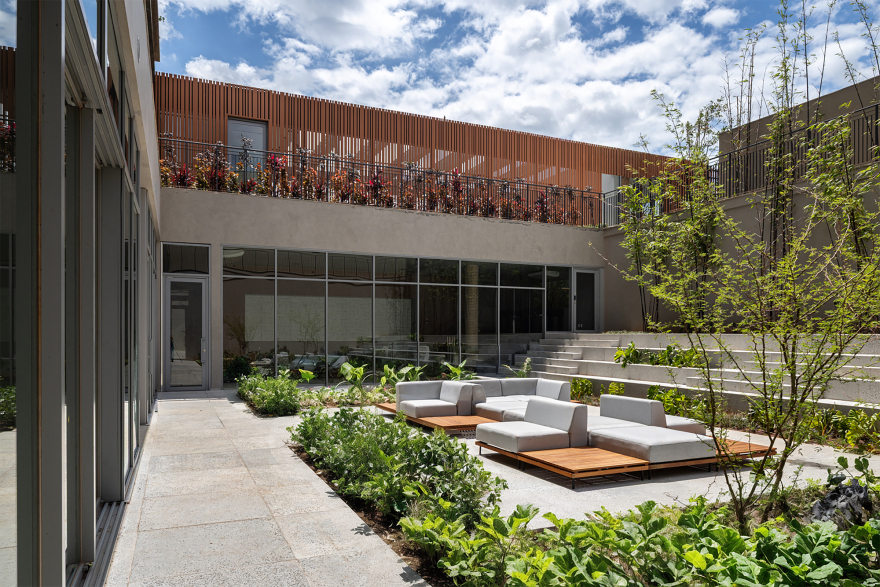
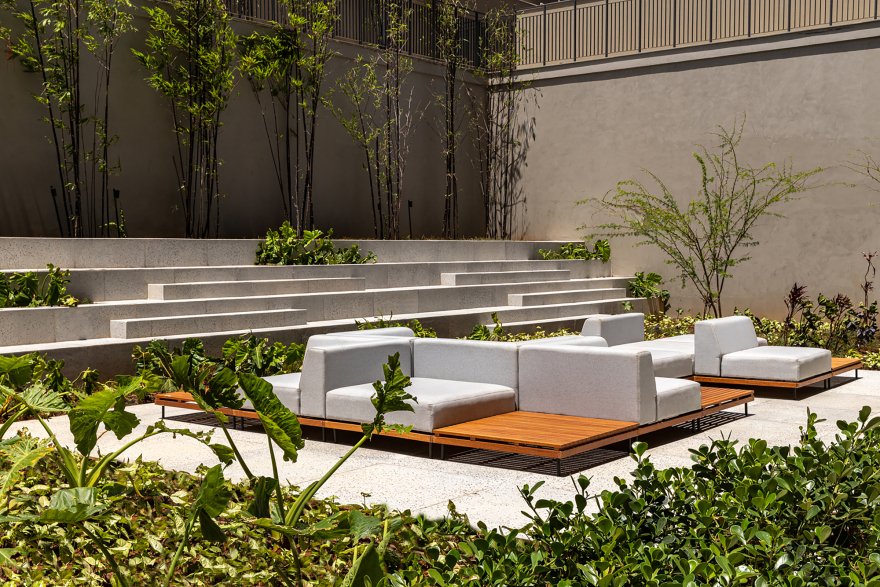
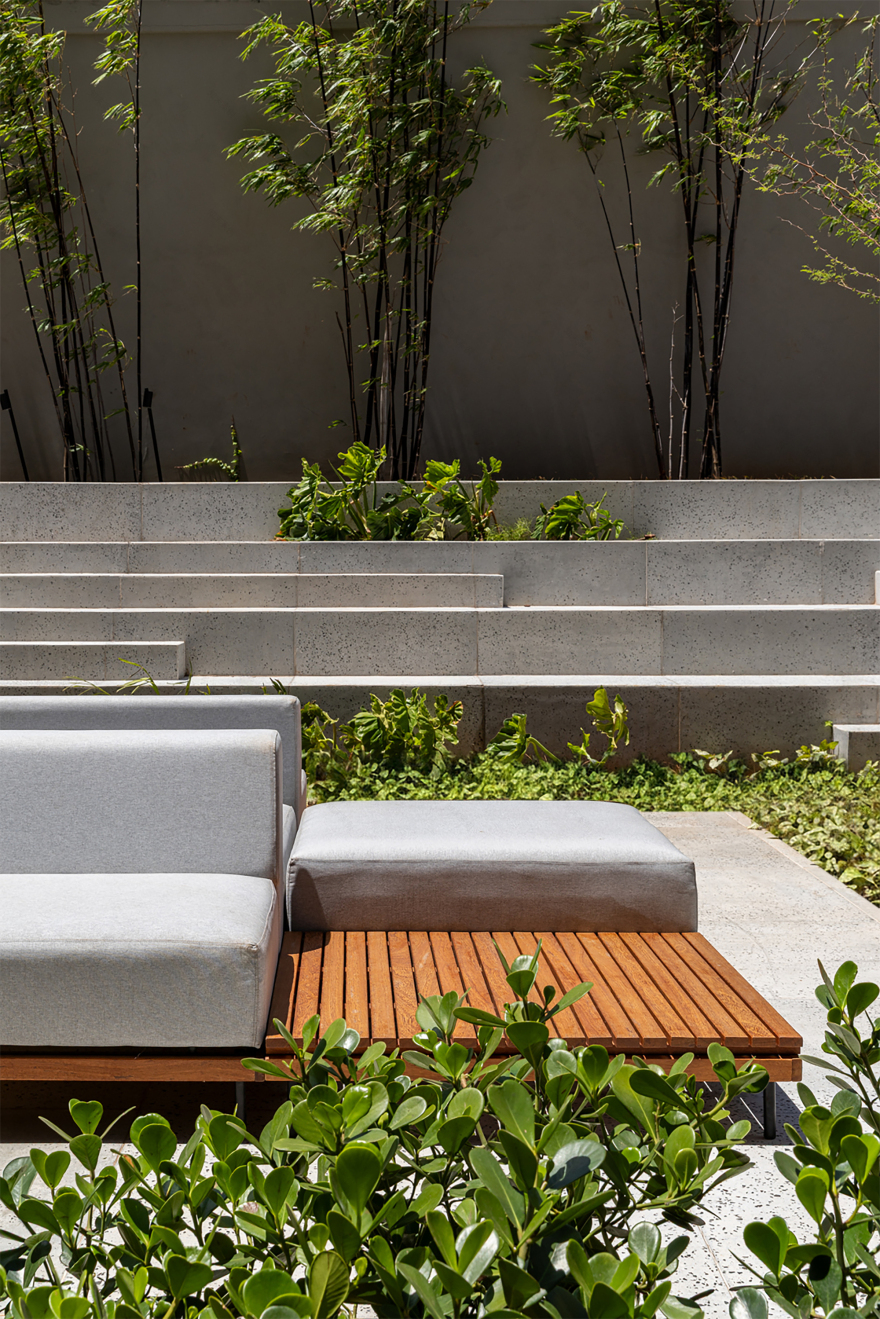
In the common areas, we organized leisure programs at different levels, creating a functional logic that values privacy, flow, and diversity of uses. A single support spine serves bathrooms and services, freeing up useful space for social interaction and reinforcing the clarity of the path. Natural light — captured through strategic openings in the slab — transforms these spaces throughout the day, always revealing new relationships between shadow, volume, and vegetation. Between the pool, game rooms, lounges, sauna, and fitness areas, the goal was never simply to offer amenities, but to build genuine social experiences, environments where residents recognize themselves, interact, and make them their own.
This sense of appropriation became clear right after the handover: residents spontaneously began recording videos, taking photos, and sharing the space — an unequivocal indicator that the project generated identification, symbolic comfort, and a sense of belonging. After all, architecture is only complete when inhabited.
Maya also fits into a particular market context. By choosing the land in front of the park, HVM Incorporadora took on the responsibility of producing a reference building, capable of elevating the local standard and engaging with a growing demand for high-end developments with a strong architectural identity. Here, architecture and product strategy go hand in hand: rare location, solid concept, and sensitive execution convert into urban, cultural, and real estate value.
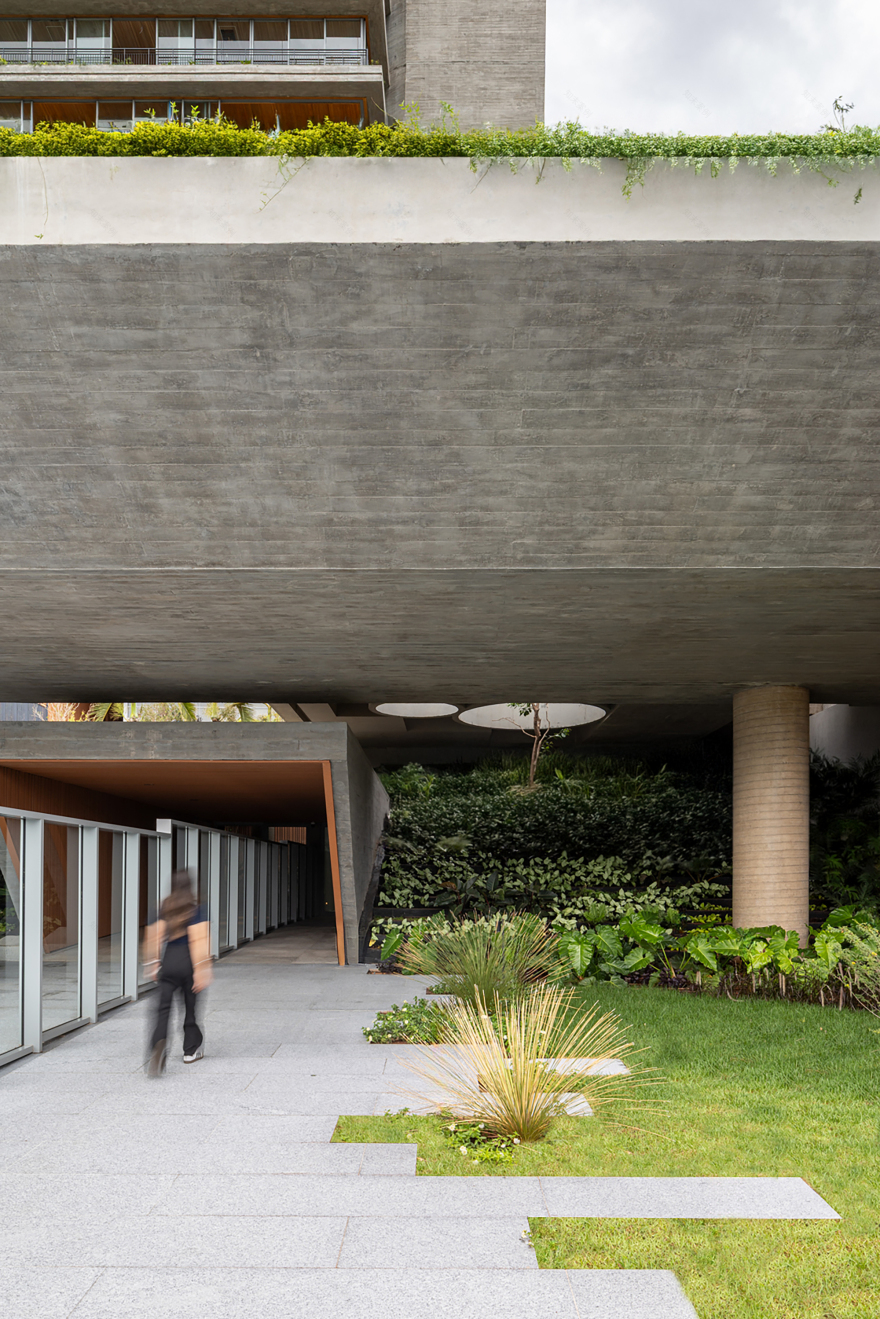
The result is a building that does not compete with the park but extends it; it does not impose itself on the surroundings but interprets it; it does not create barriers, but passages. HVM Maya is, above all, an exercise in climatic, sensory, and territorial architecture — a piece that anchors itself in Campo Grande and emerges as a contemporary landmark of the city.
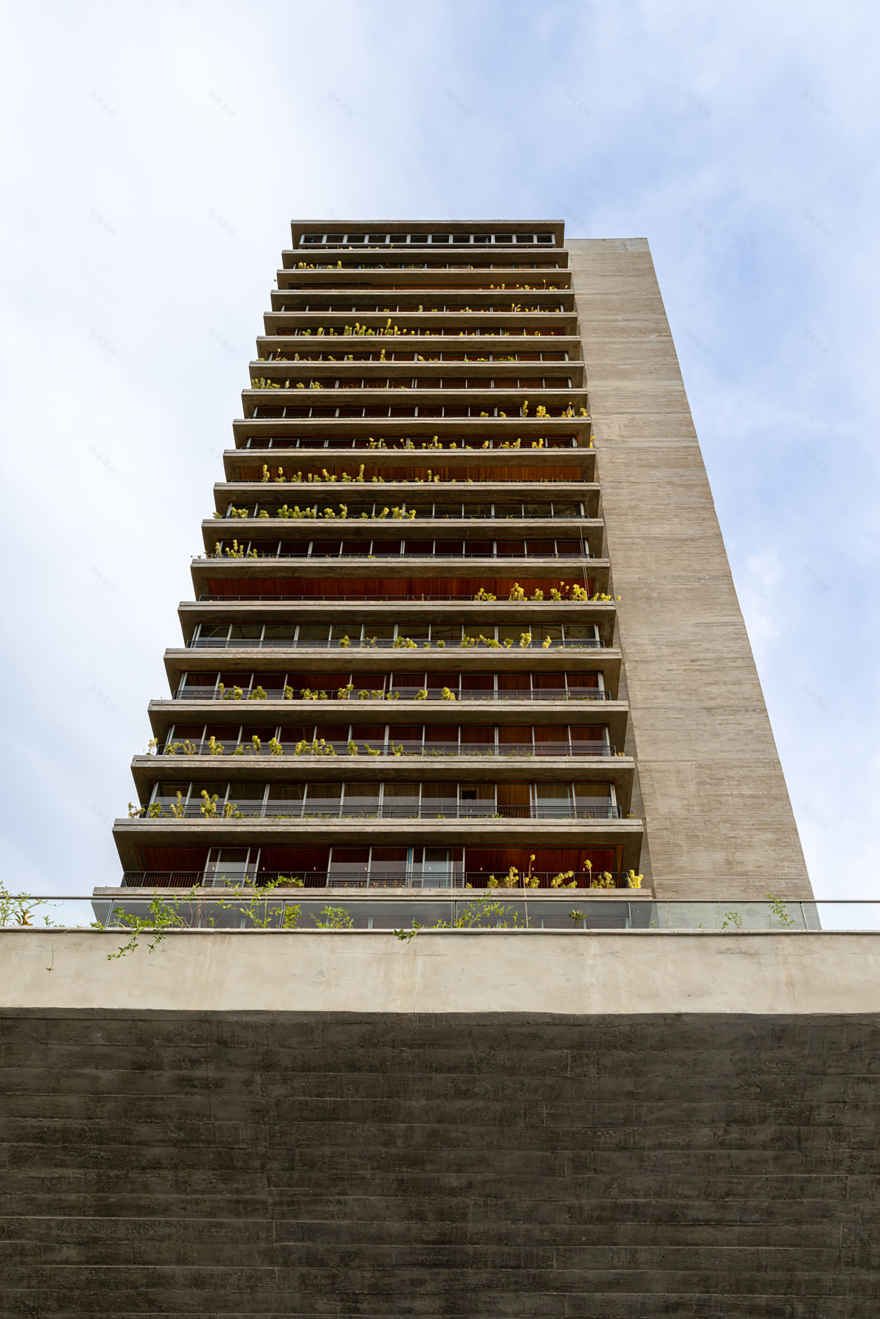
In essence, Maya is the architectural translation of a simple yet profound gesture: bringing people closer to nature and returning to the experience of living some of the poetry that has been lost in urban life.
Project gallery
南京喵熊网络科技有限公司 苏ICP备18050492号-4知末 © 2018—2020 . All photos and trademark graphics are copyrighted by their owners.增值电信业务经营许可证(ICP)苏B2-20201444 苏公网安备 32011302321234号
苏公网安备 32011302321234号客服
消息
收藏
下载
最近