

创作上传
VIP
收藏下载
登录 | 注册有礼
查看完整案例

收藏

下载

分享

翻译
Architects:Teitakusubako,Yusuke Igarashi Architects
Area:215m²
Year:2023
Photographs:Kentaro Nemoto,Kazumasa Harada
Lead Architects:Teitakusubako
Category:Houses
Lead Team:Naoki Hayasaka
Design Team:Yusuke Igarashi
Architecture Offices:Teitakusubako, Yusuke Igarashi Architects
Engineering & Consulting > Structural:yasuhiro kaneda STRUCTURE
City:Zushi
Country:Japan
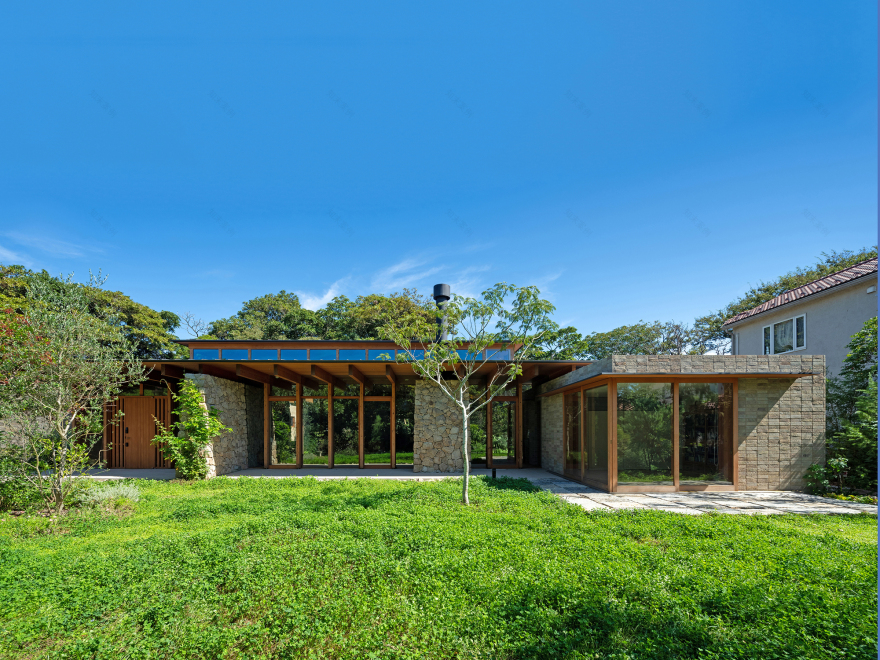
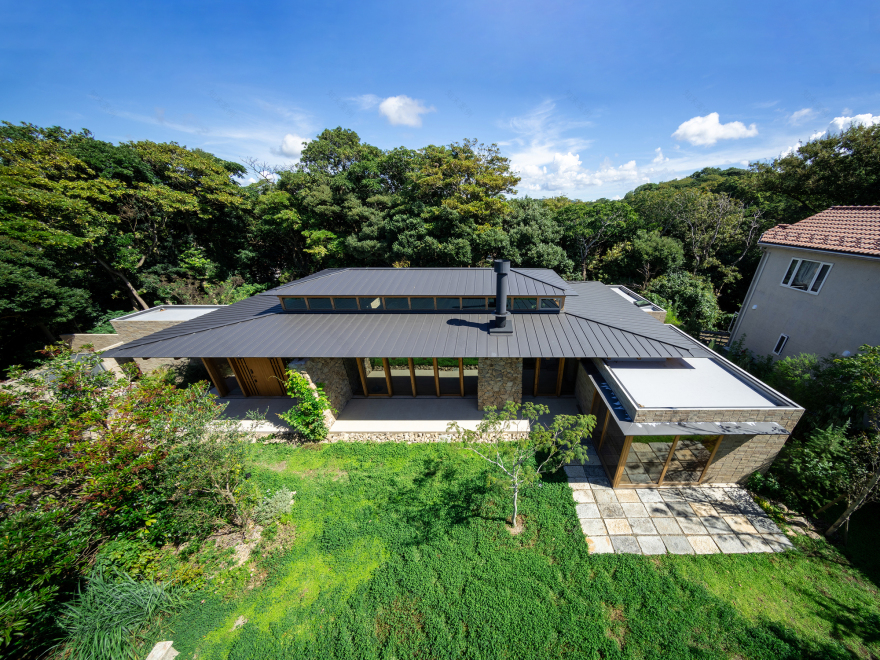
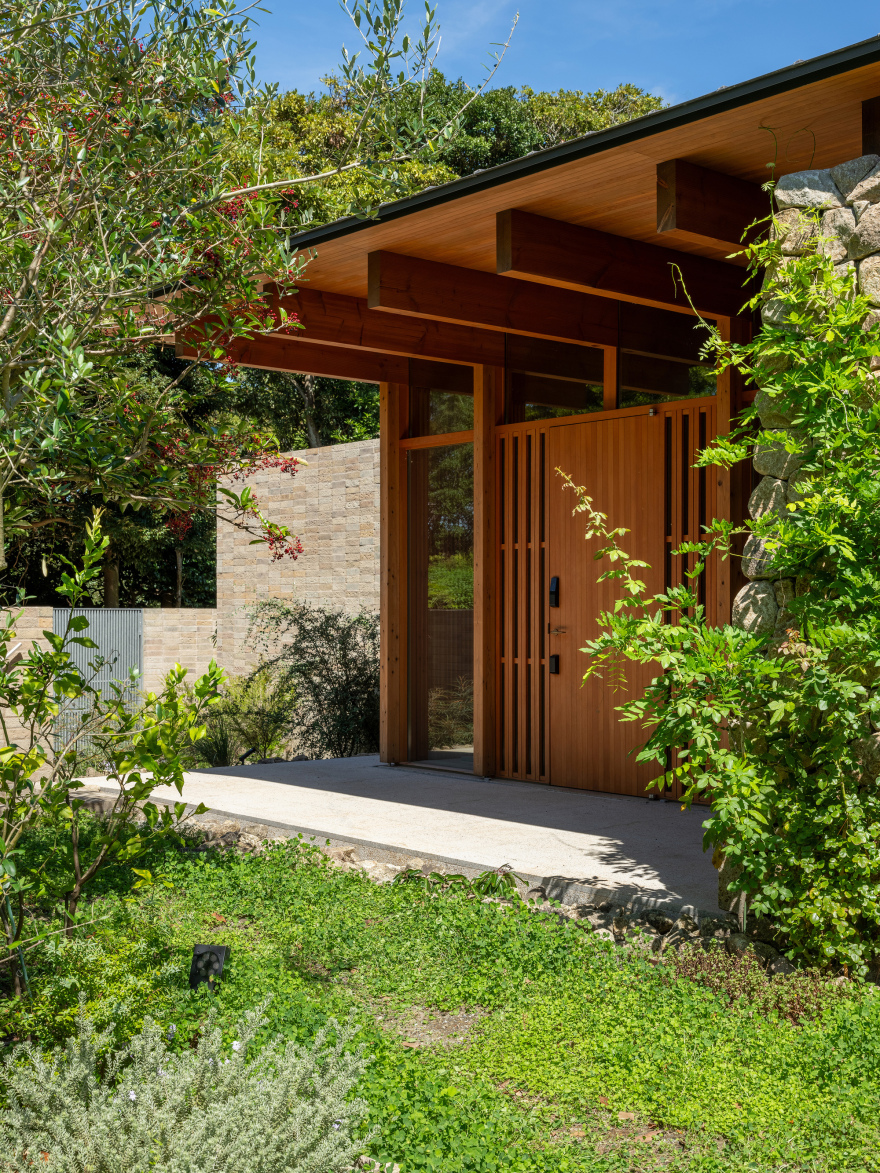
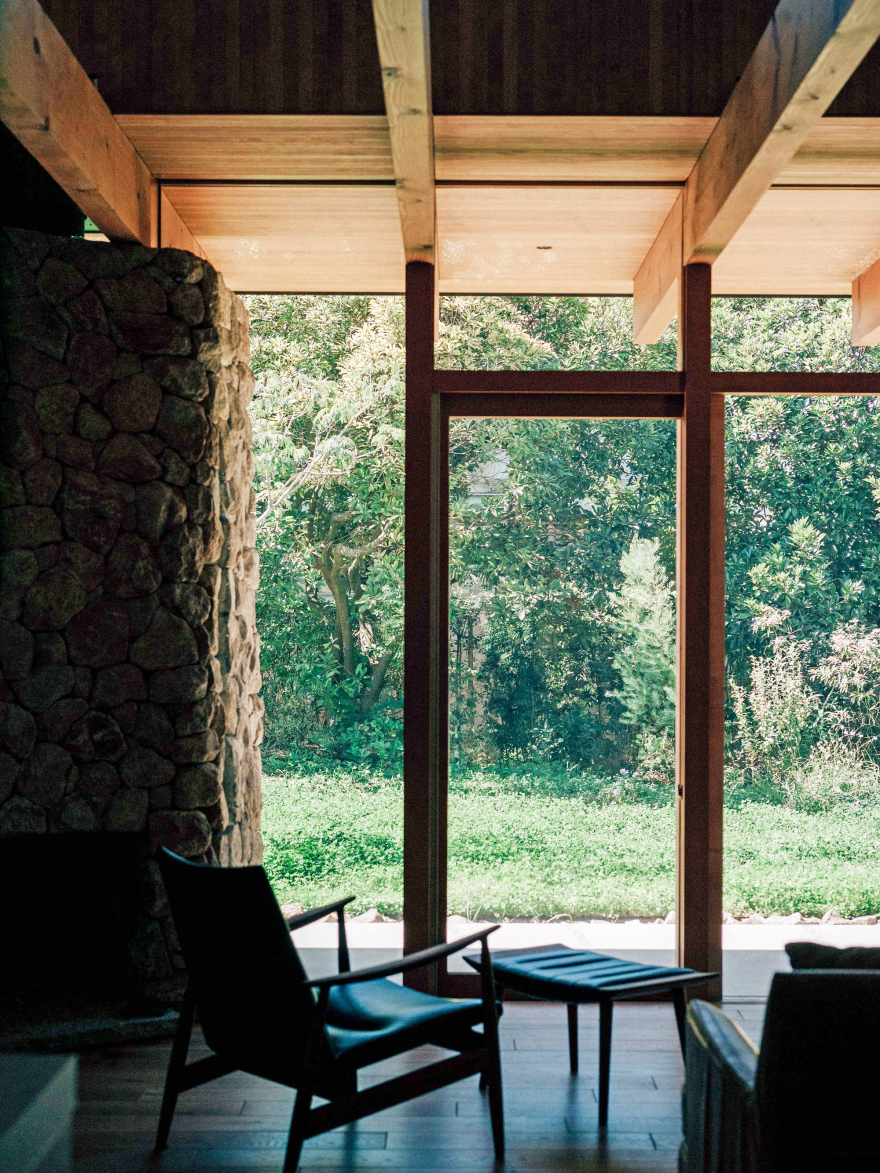
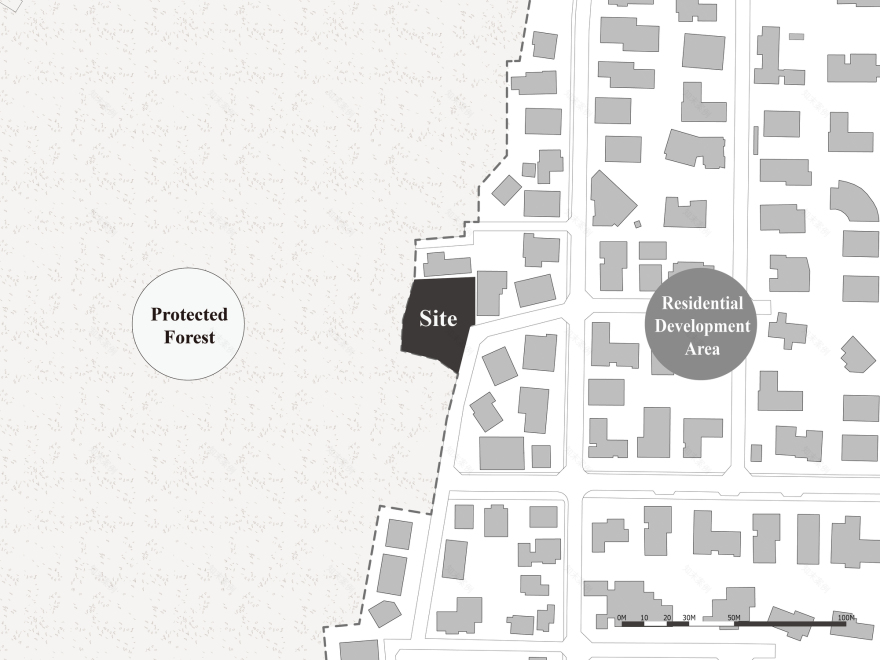
Text description provided by the architects. Situated on a 1,000 m² site in the suburbs of Tokyo, this single-family residence explores how domestic architecture can mediate between the contrasting spatial conditions of city and forest.
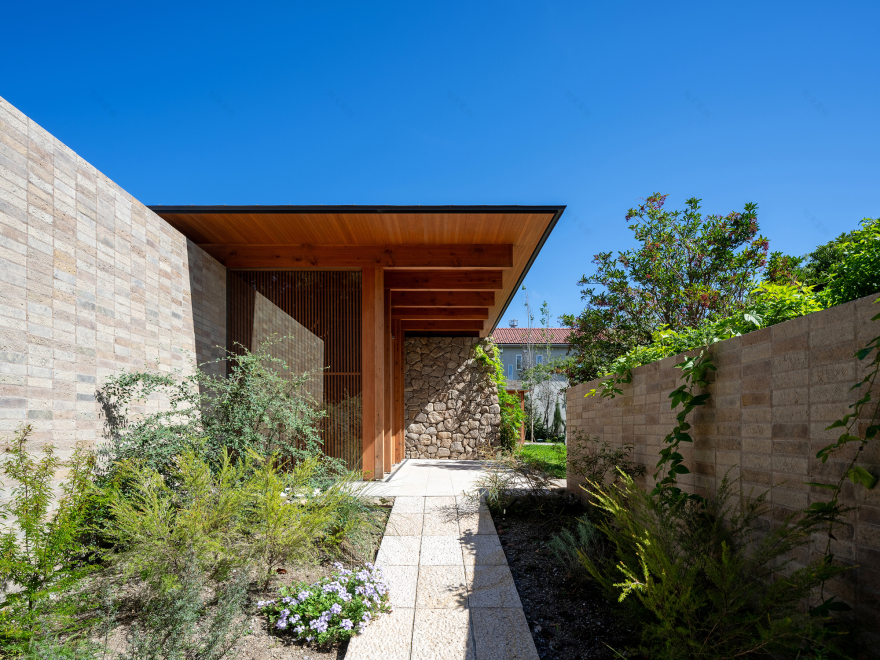
The site lies at a threshold where two distinct environments meet. To the east, neighboring houses establish the rhythm and scale of a typical suburban neighborhood. To the west, a dense grove introduces the spatial depth and enclosure characteristic of a natural landscape. Rather than choosing between these two conditions, the project seeks to negotiate a balance between openness toward the landscape and intimacy within the domestic environment.
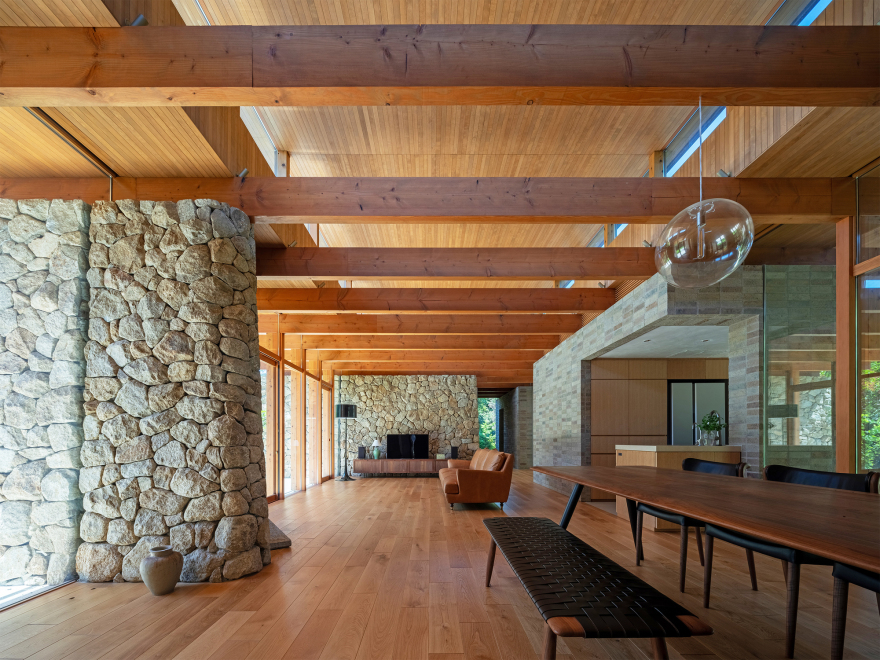
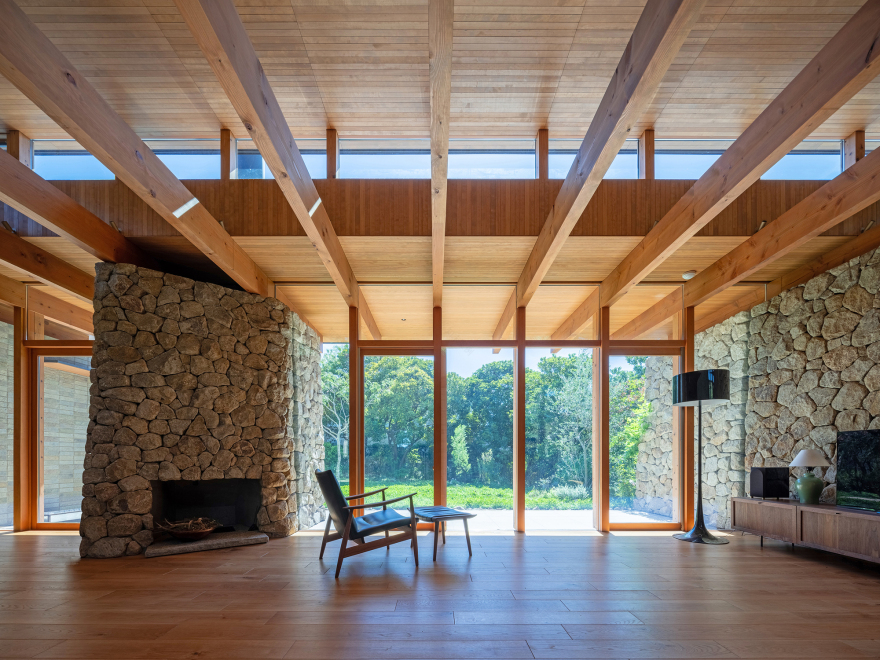
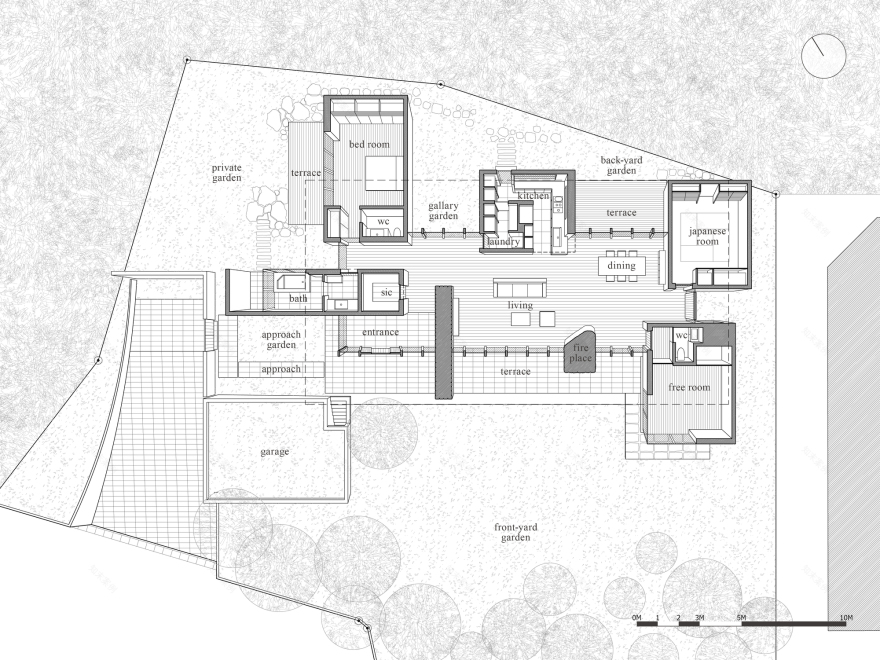
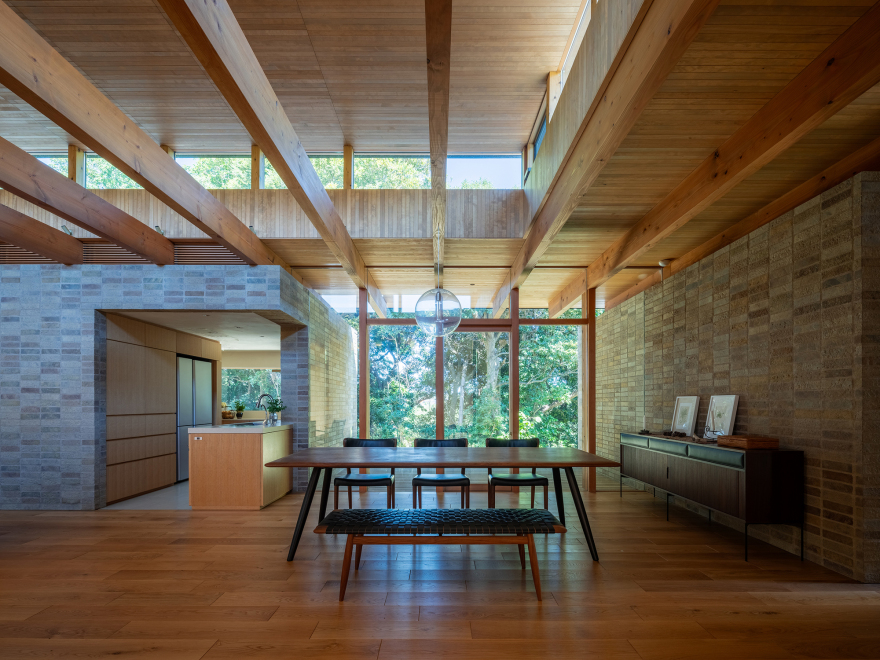
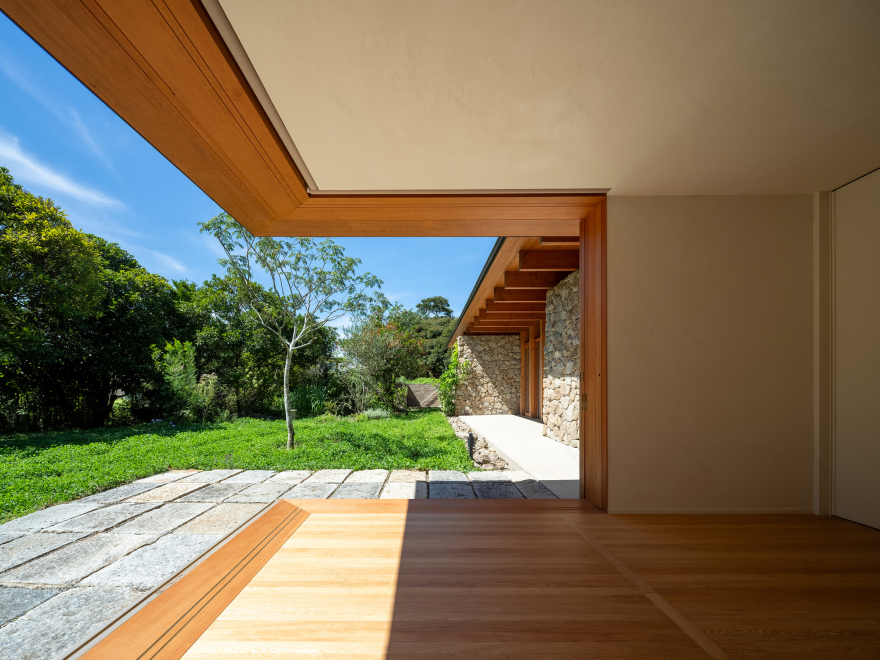
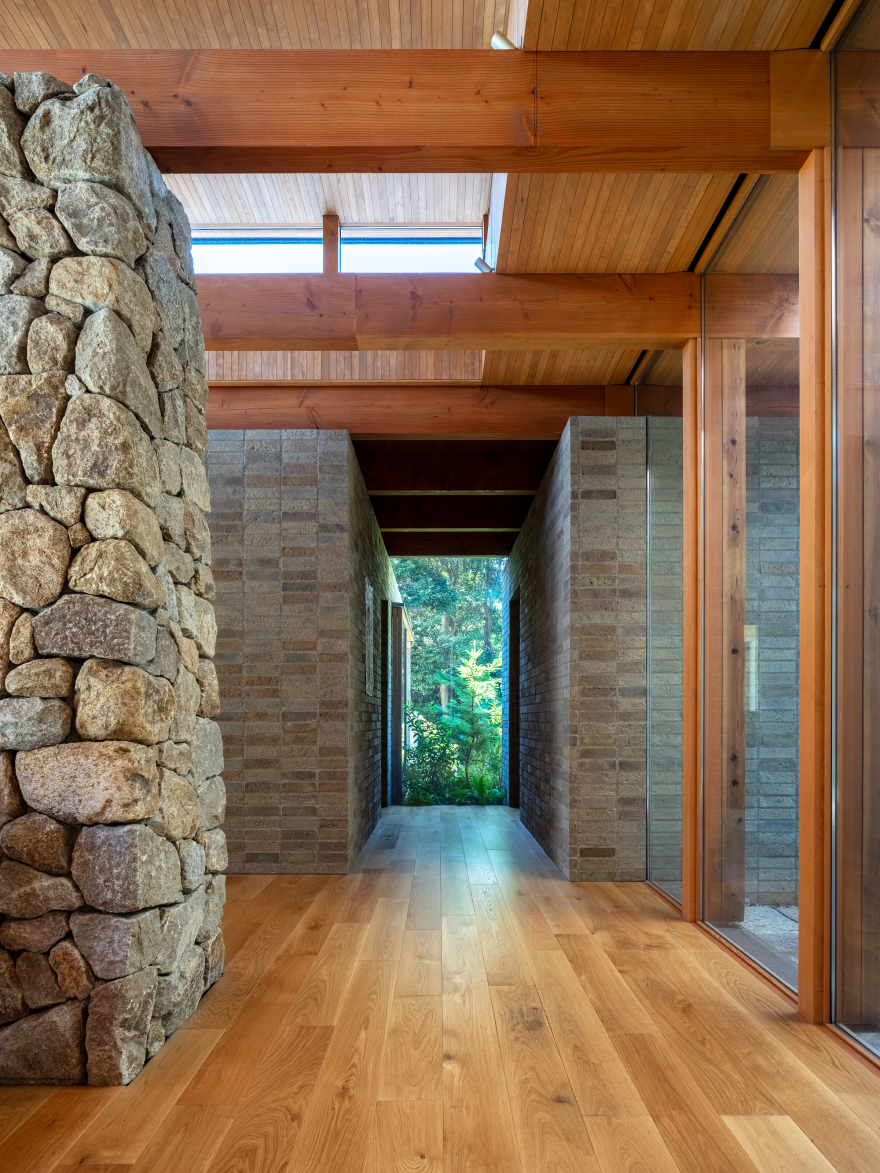
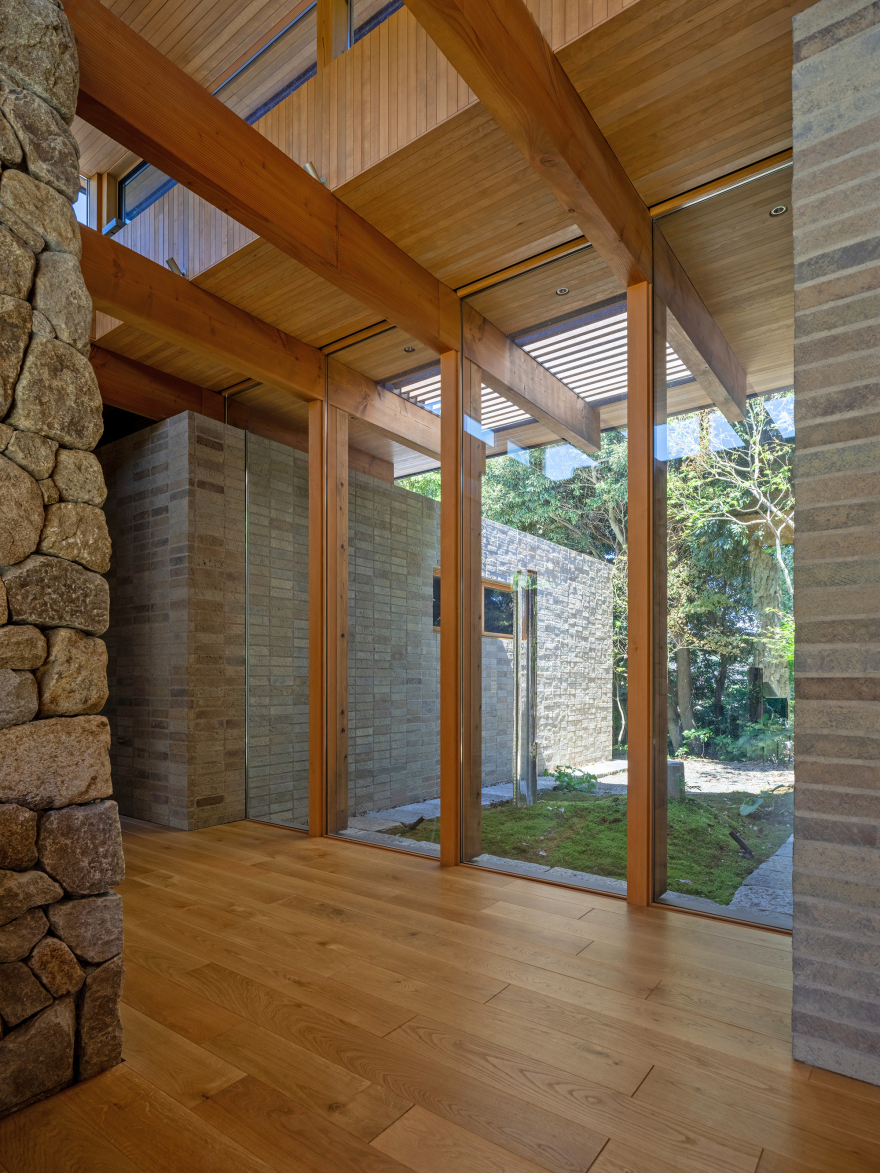
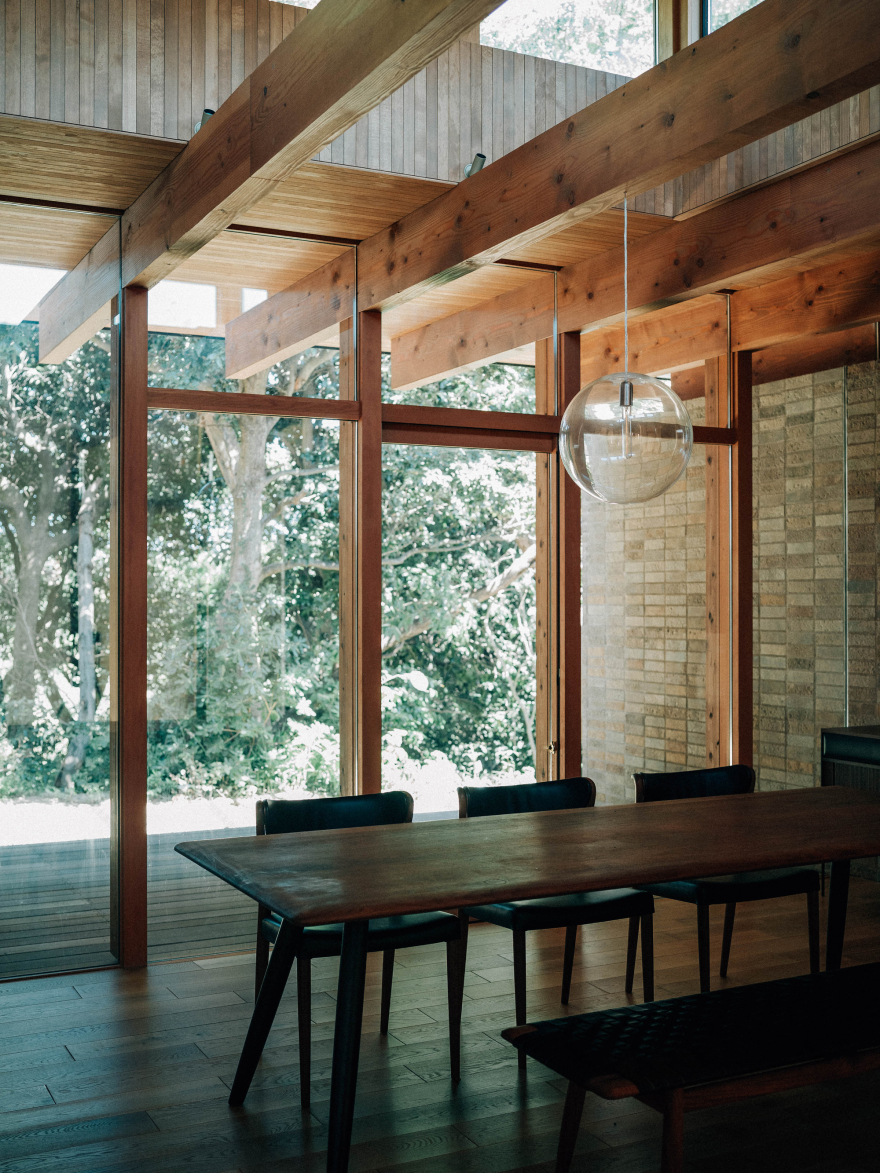
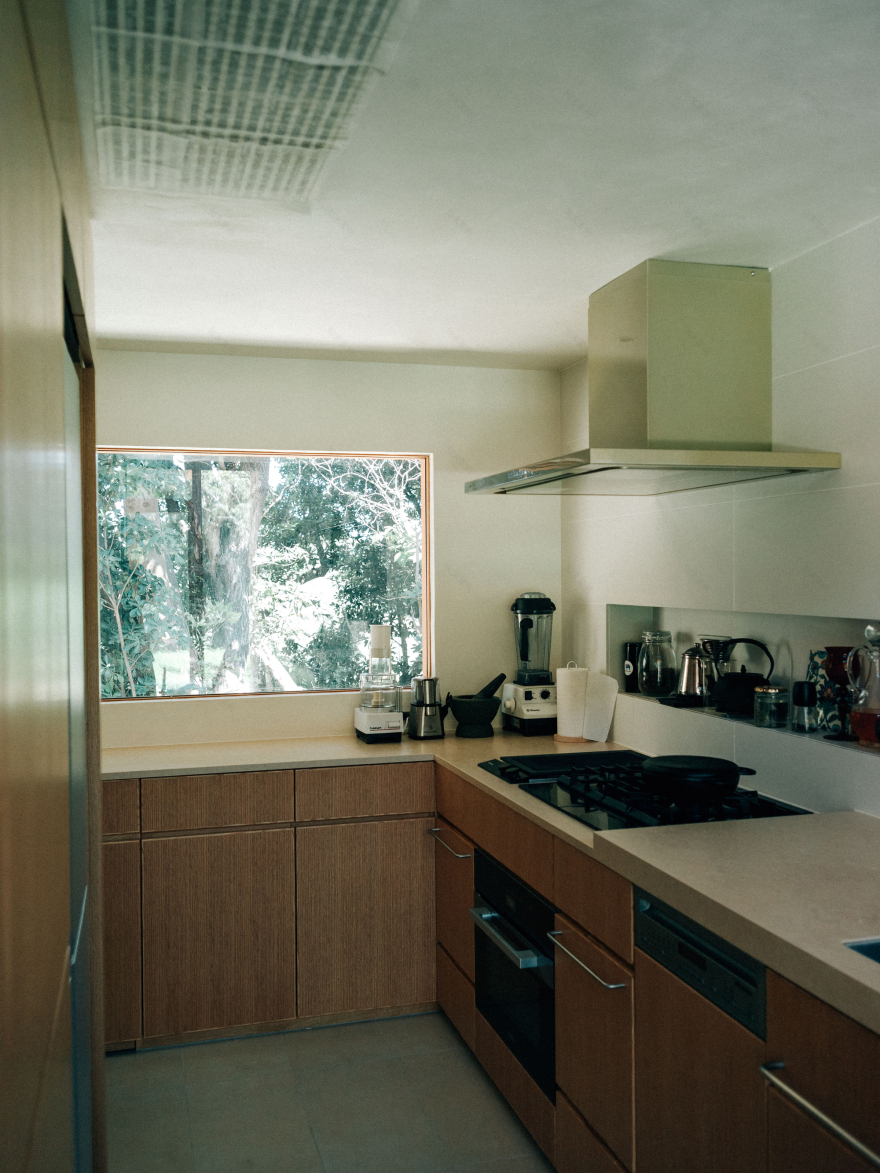
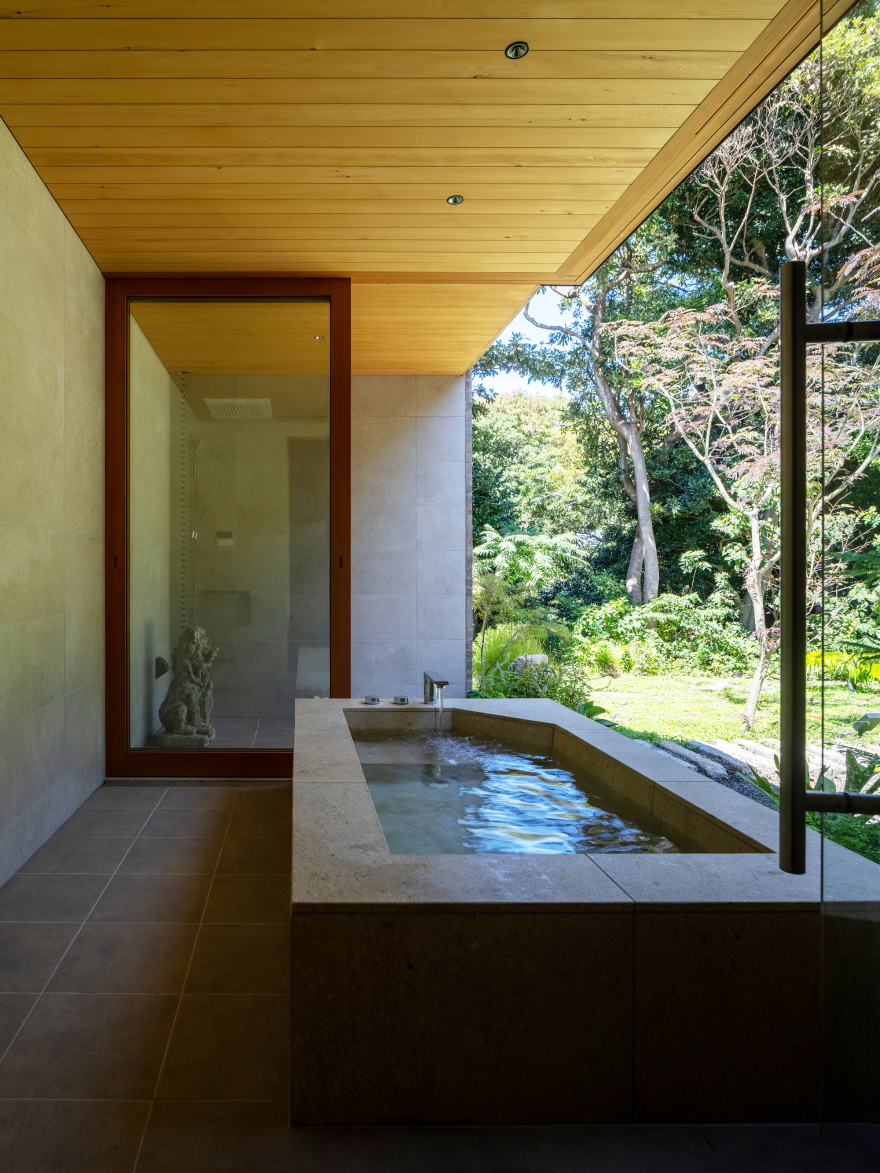
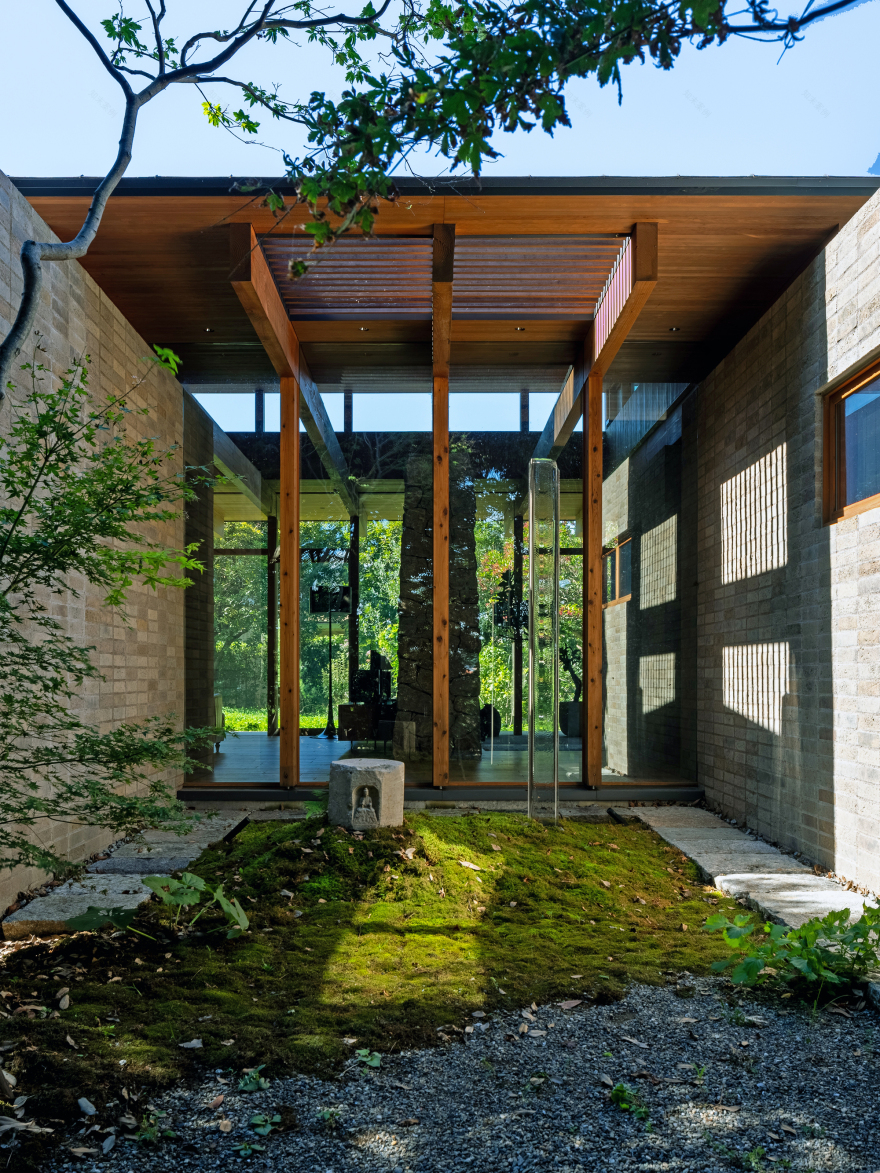
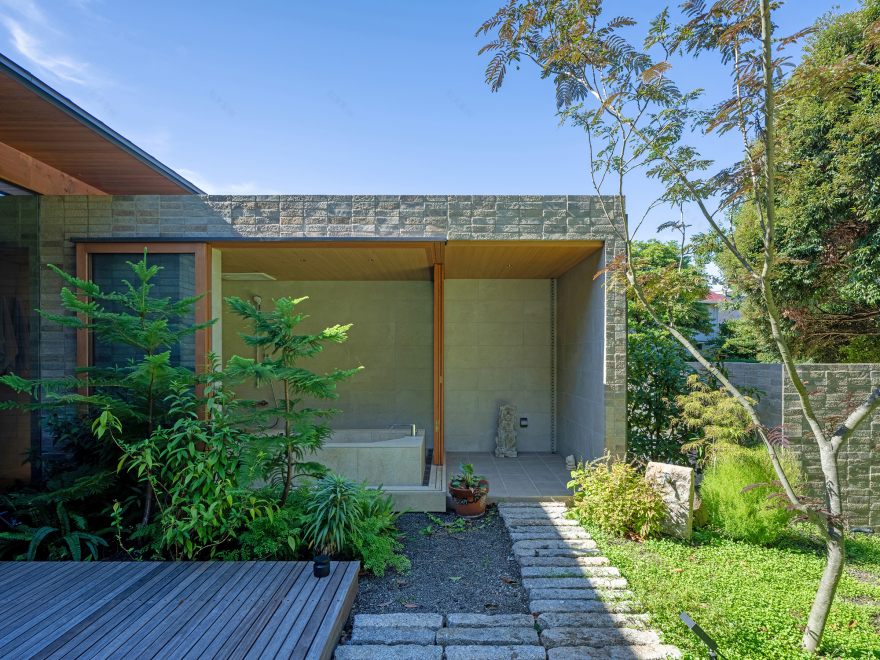
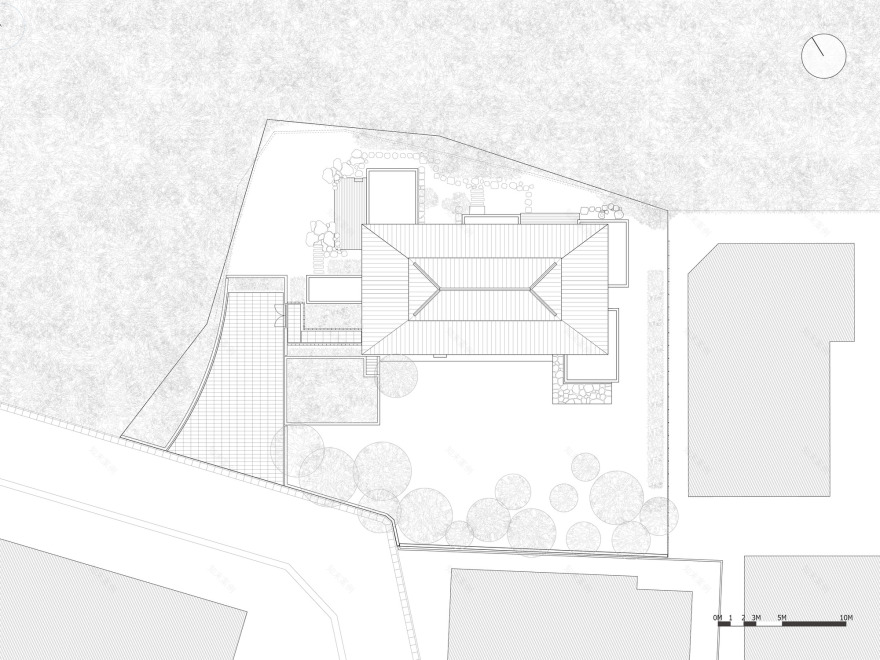
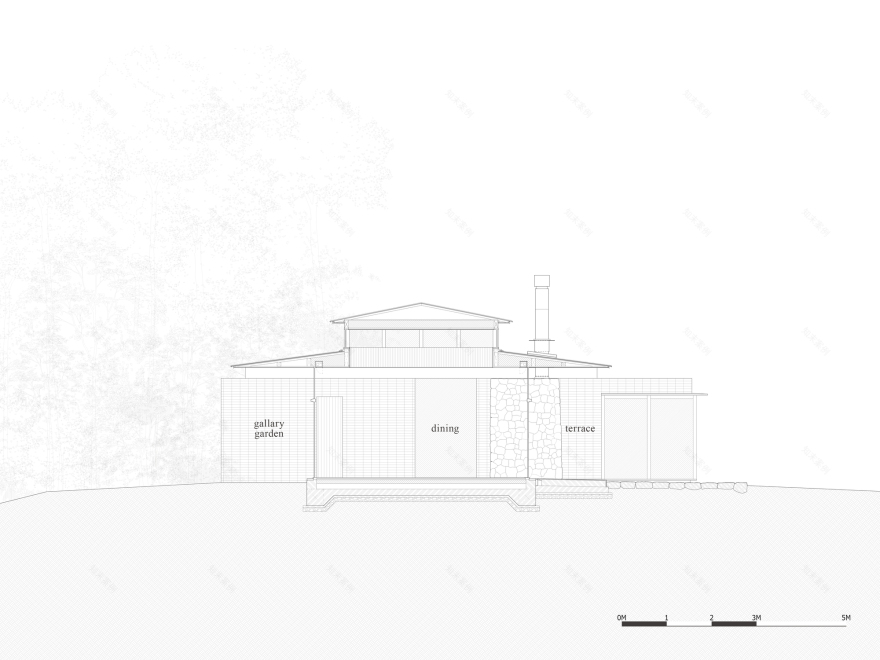
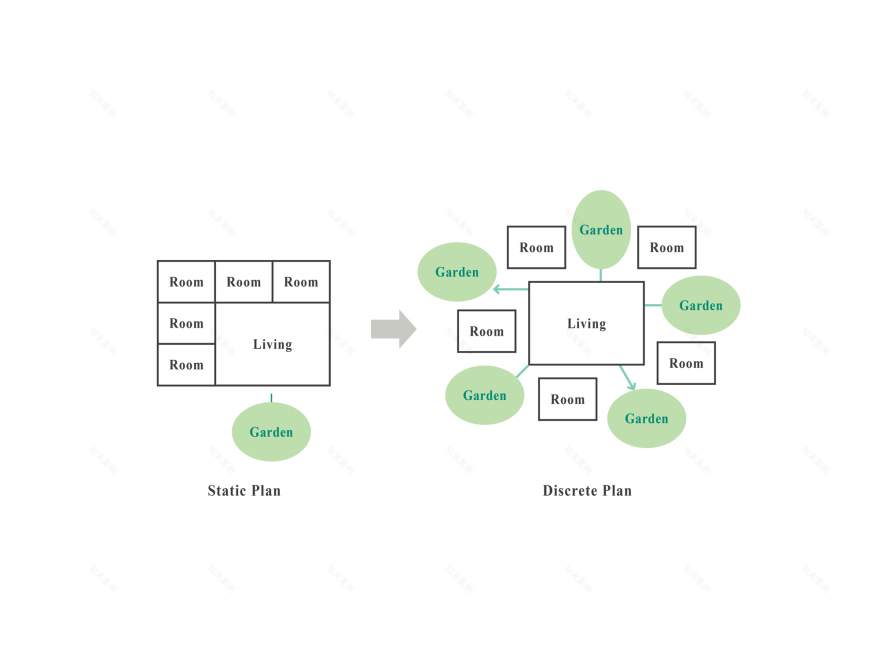
The house is composed of five independent room-volumes distributed across the site. Gardens are inserted between these volumes, creating a sequence of intermediate spaces that soften the boundary between architecture and landscape. This fragmented composition allows light, vegetation, and air to penetrate deeply into the living environment while maintaining a sense of spatial enclosure.
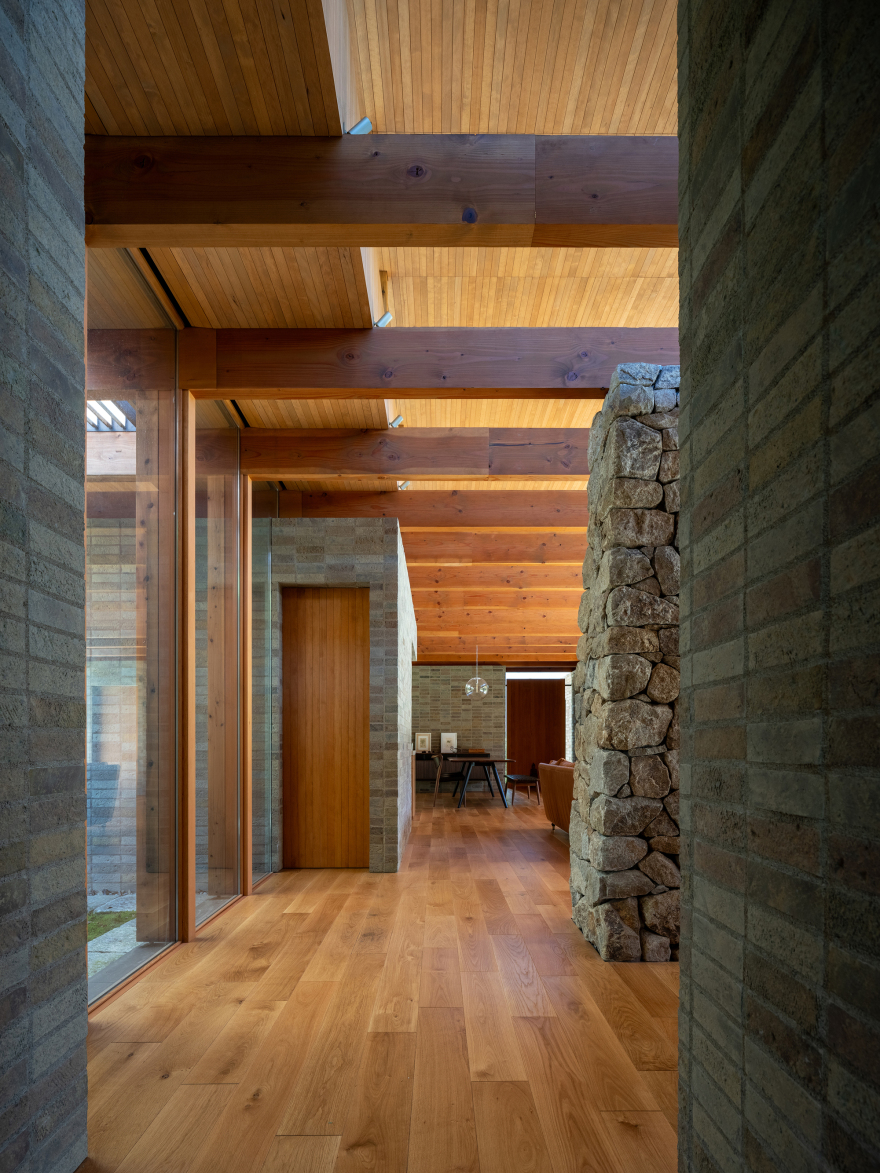
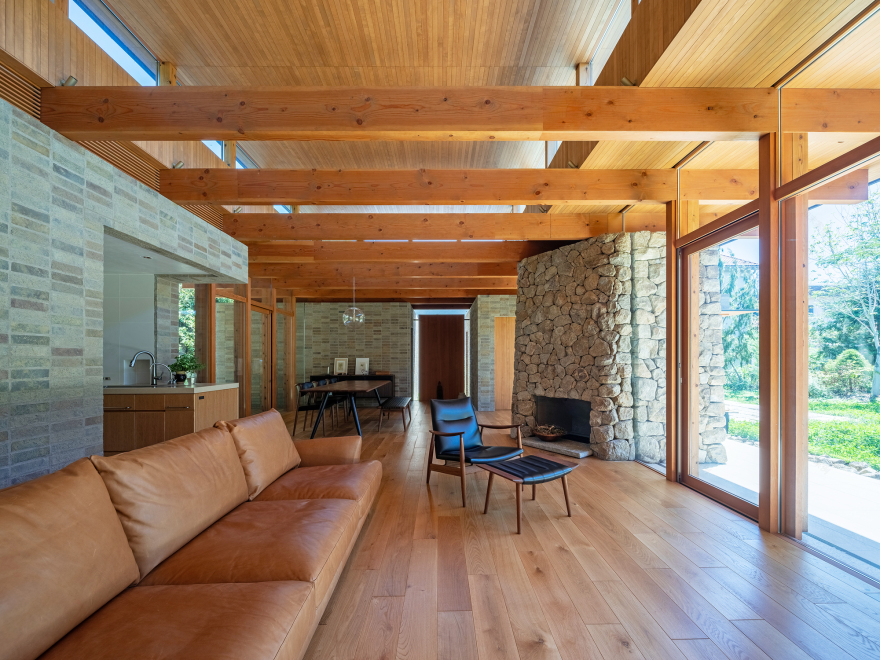
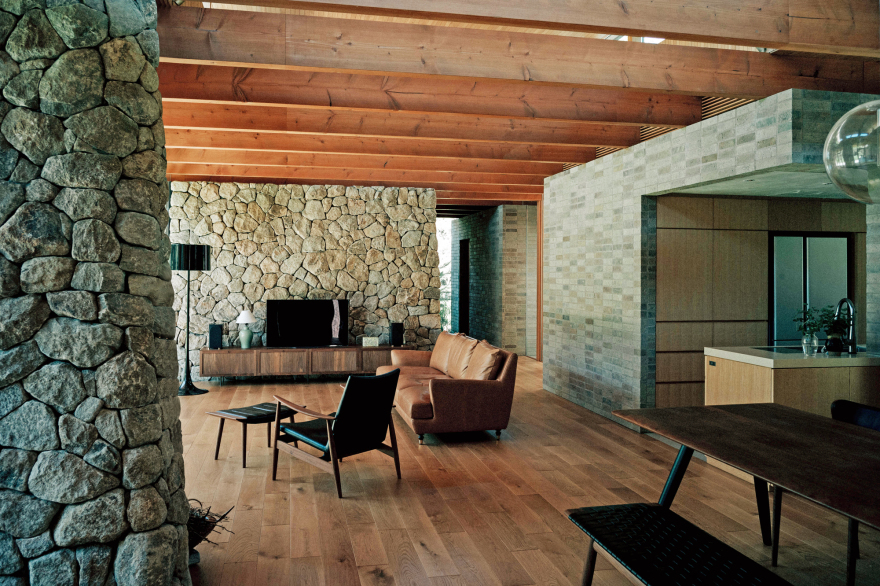
At the center of the composition, the living and dining space forms a shared interior landscape surrounded by the distributed volumes. A large horizontal beam spans across the structure, from which vertical posts rise to support the roof and define a vertical void. This opening introduces sky and daylight into the heart of the house, generating a sense of openness, while the surrounding mass of the volumes provides intimacy and spatial grounding.
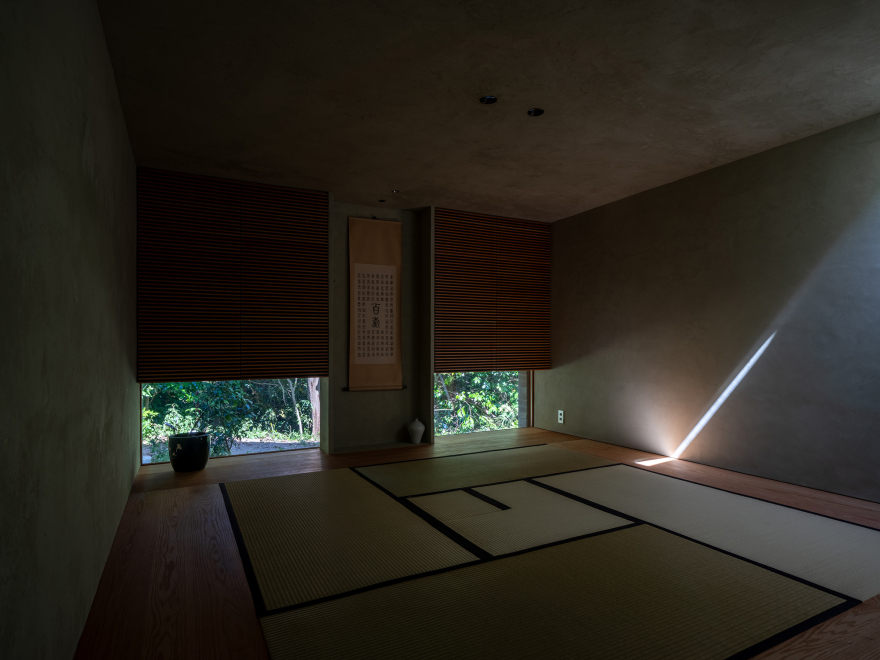
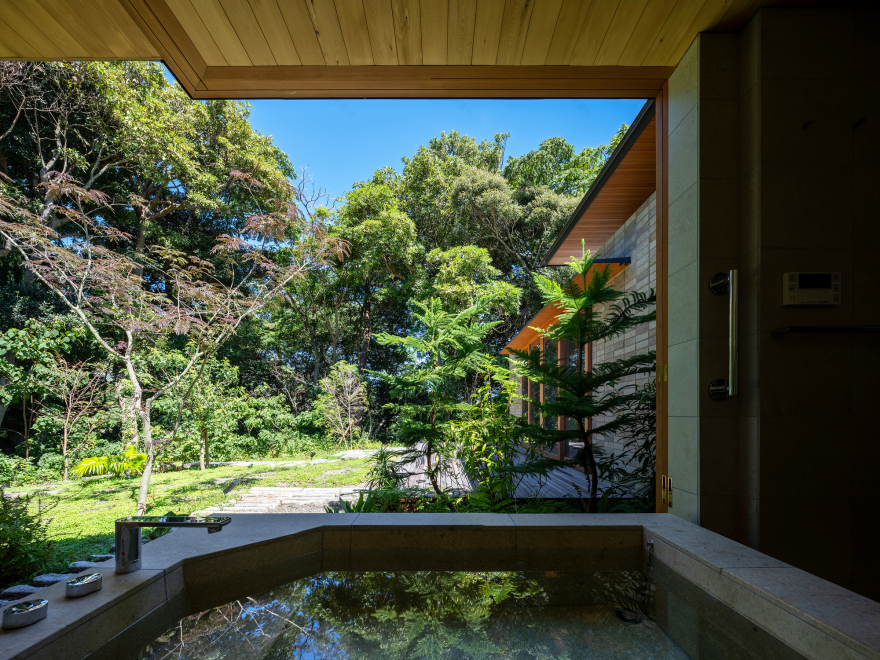
Through the careful arrangement of volumes and gardens, the project constructs a layered spatial condition where interior and exterior are no longer defined by a single boundary. Instead, architecture and landscape interweave to form a domestic environment that responds simultaneously to the urban fabric and the adjacent woodland. The house ultimately proposes a way of inhabiting the subtle threshold between the built city and the living landscape.
Project gallery
南京喵熊网络科技有限公司 苏ICP备18050492号-4知末 © 2018—2020 . All photos and trademark graphics are copyrighted by their owners.增值电信业务经营许可证(ICP)苏B2-20201444 苏公网安备 32011302321234号
苏公网安备 32011302321234号客服
消息
收藏
下载
最近