

创作上传
VIP
收藏下载
登录 | 注册有礼
查看完整案例

收藏

下载

分享

翻译
Architects:Clara Crous Arquitectura
Area:235m²
Year:2024
Photographs:Montse Capdevila
Manufacturers:JUNG,Santa & Cole,Marset,Siete Formas,Alex Mestre,Blasco&Vila,Calma Outdoor,Hans J. Wegner for Carl Hansen & Søn,IHI Studio,Icónico,Mosaics Torra,Vergés Design
Category:Houses
Author Architect:Clara Crous Fort
Technical Architect:Francesc Xavier Coromina Corominas
Construction:Fustech
Carpentry:Deco Fusta Pey
Blacksmith:Moragas Salvans
Kitchen:Albert Aubach
Technical Facilities:Jaume Ruiz
Machined Wood Solutions:7VETES
Polished Concrete Floor:Grup Curanta
City:Vilamacolum
Country:Spain
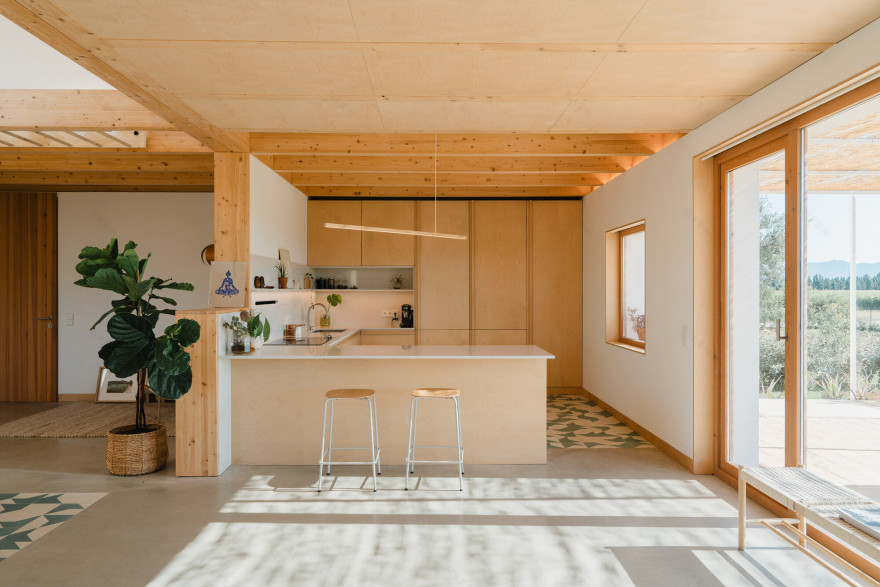
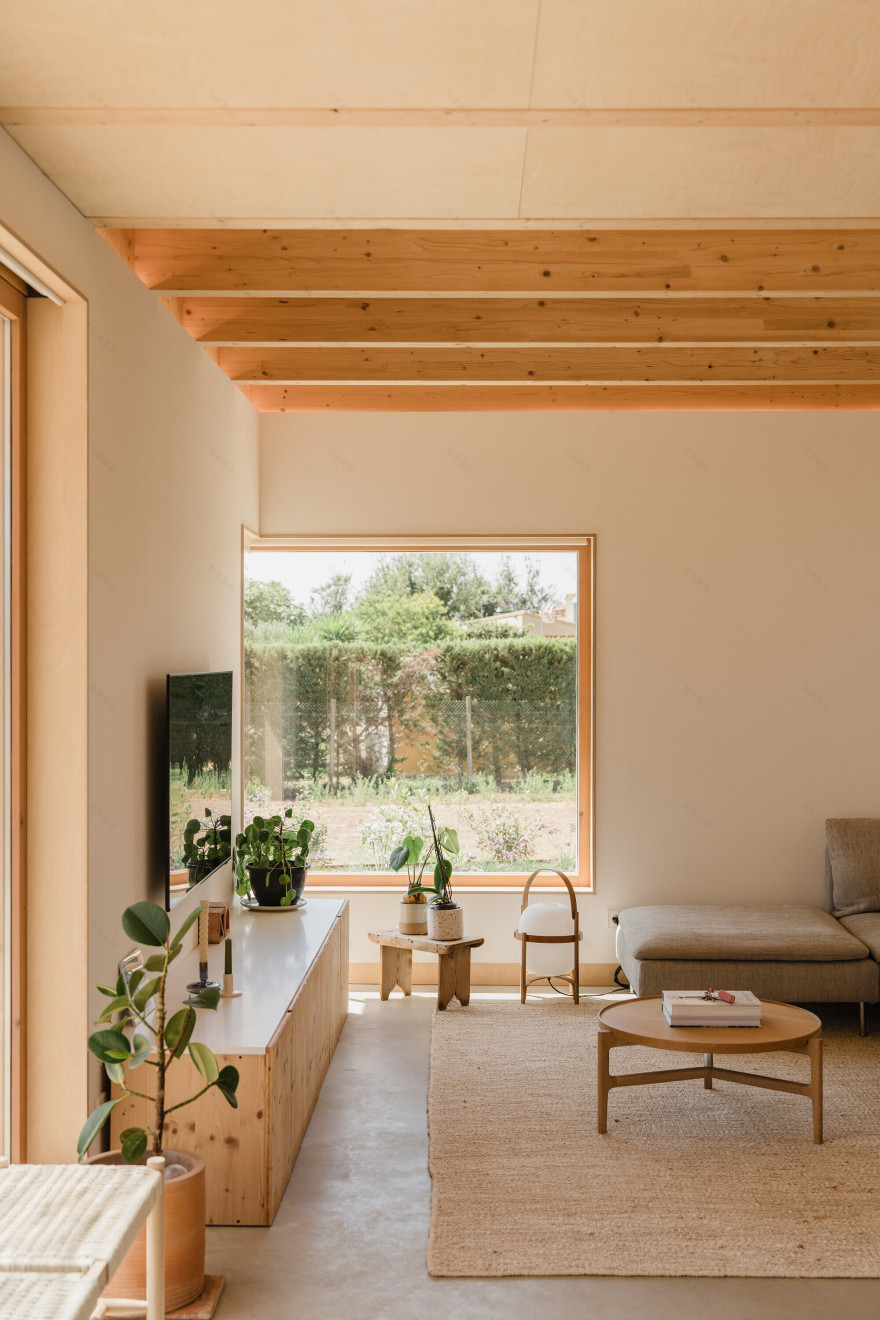
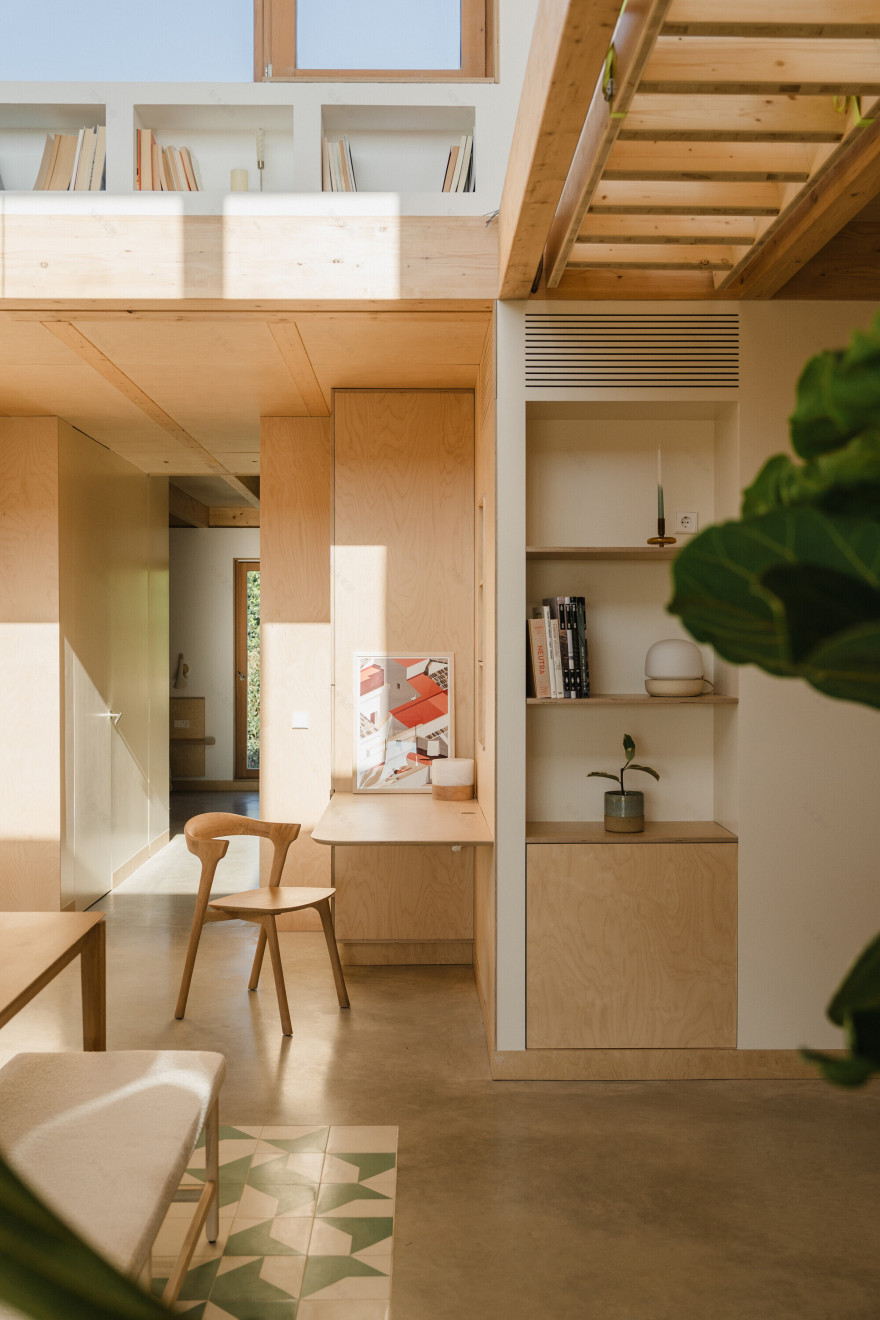
Carles, who is dedicated to digital manufacturing applied to wood and plastic, is also part of a family of farmers from the area, which naturally allows him to access a wide range of machinery for working with and manipulating large-format materials. This context was crucial for Clara and her team to conceive the project from the outset under a logic of self-construction that integrated design, technical means, and execution timelines.
The start of the construction, for example, was planned following the agricultural calendar and coincided with the end of the corn harvest, a time when local labor became available to actively participate in the execution of the project. Far from being an anecdotal circumstance, this alignment between productive cycles and the construction process became one of the conceptual pillars of the house.
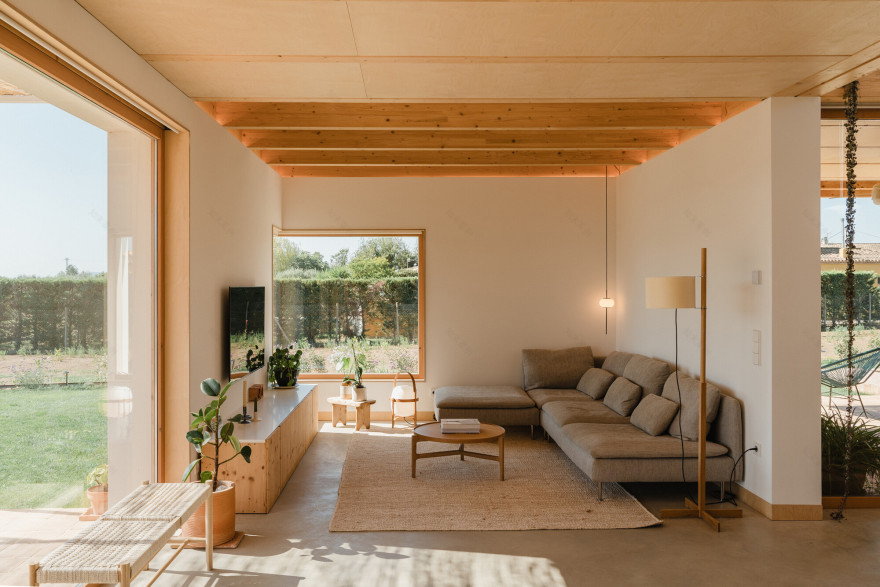
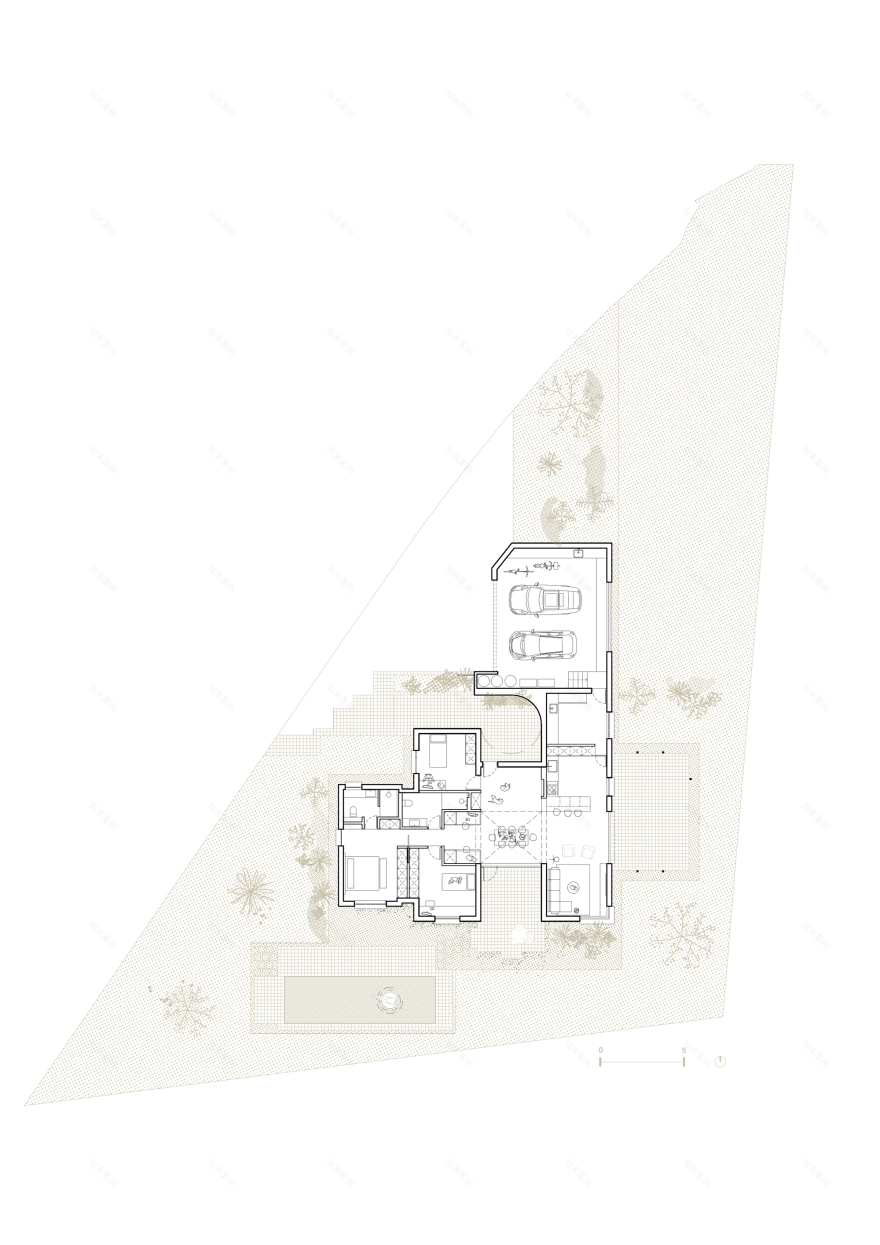
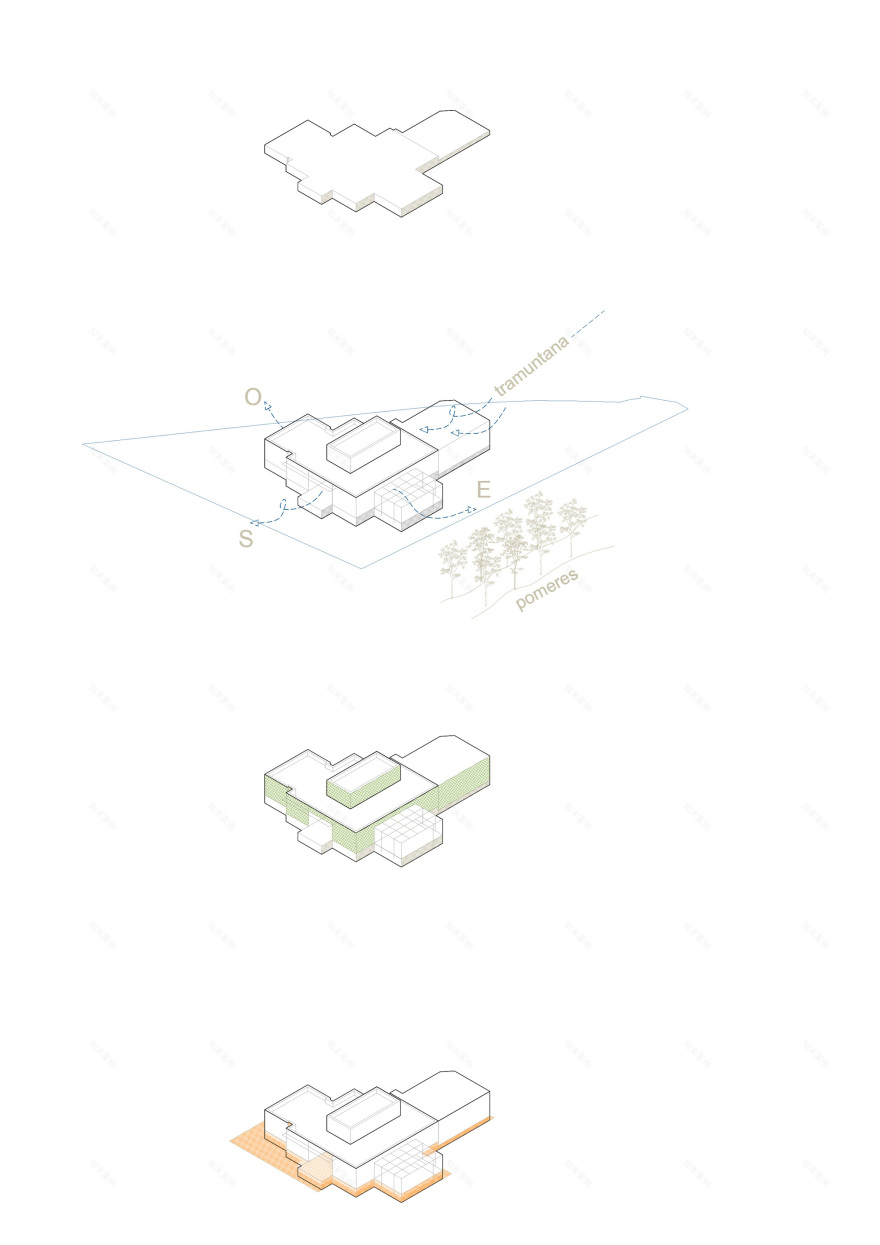
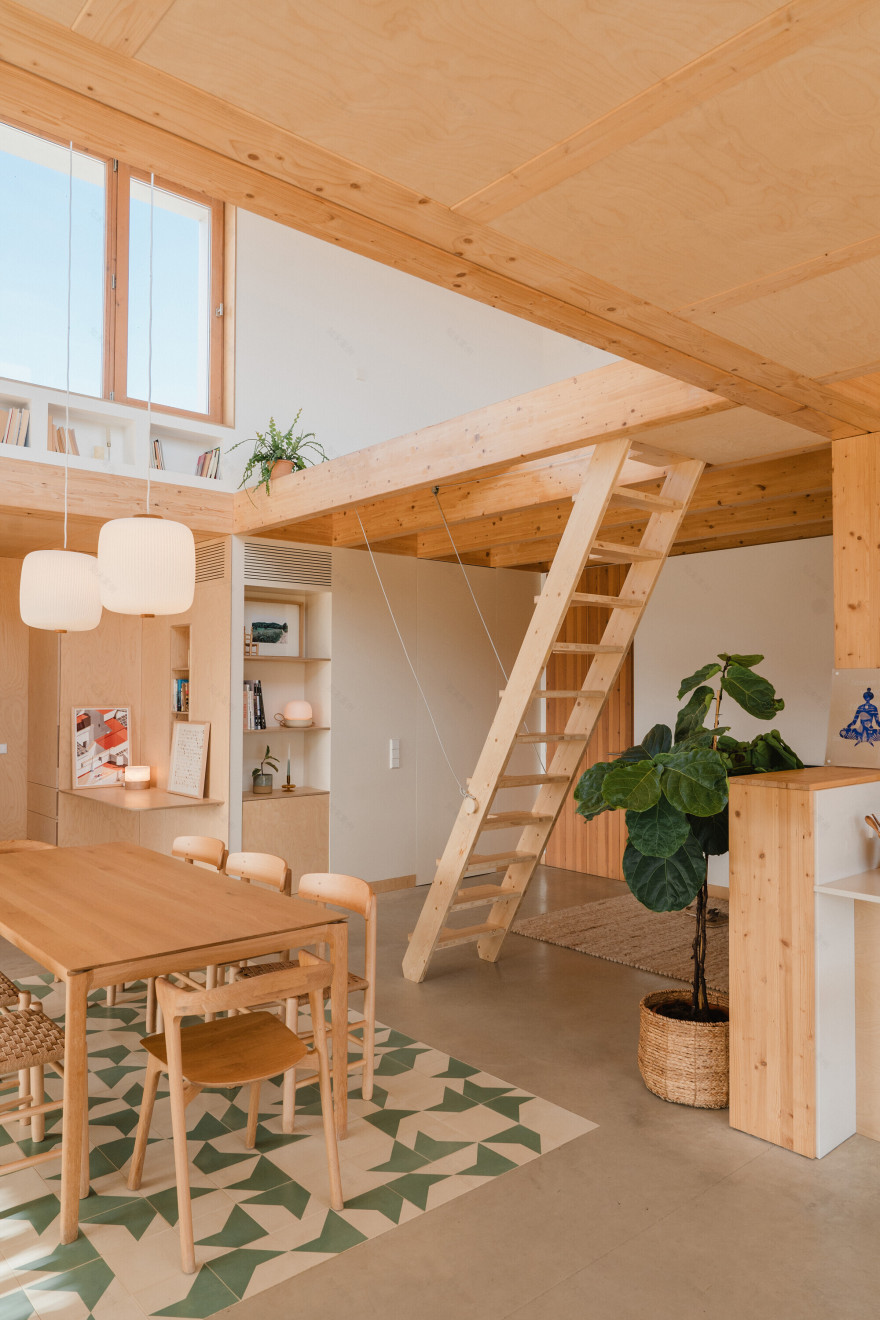
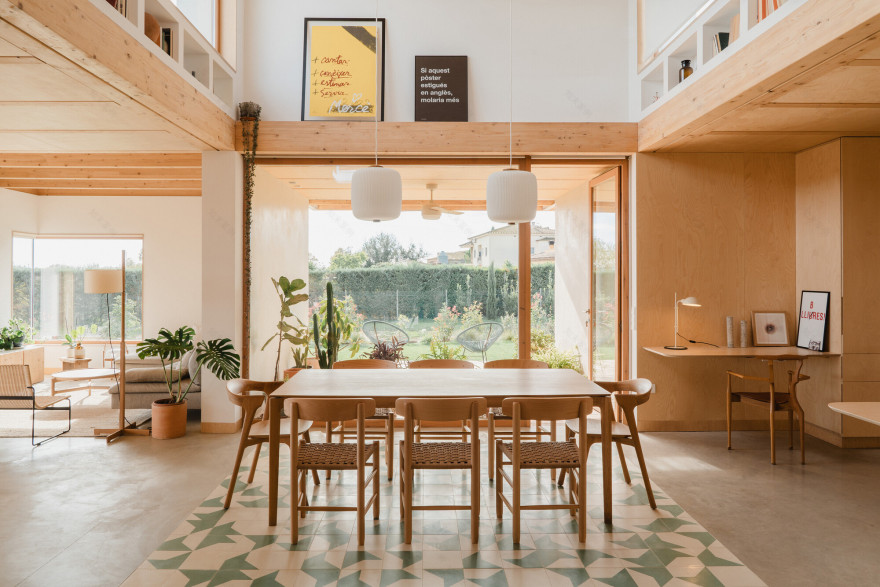
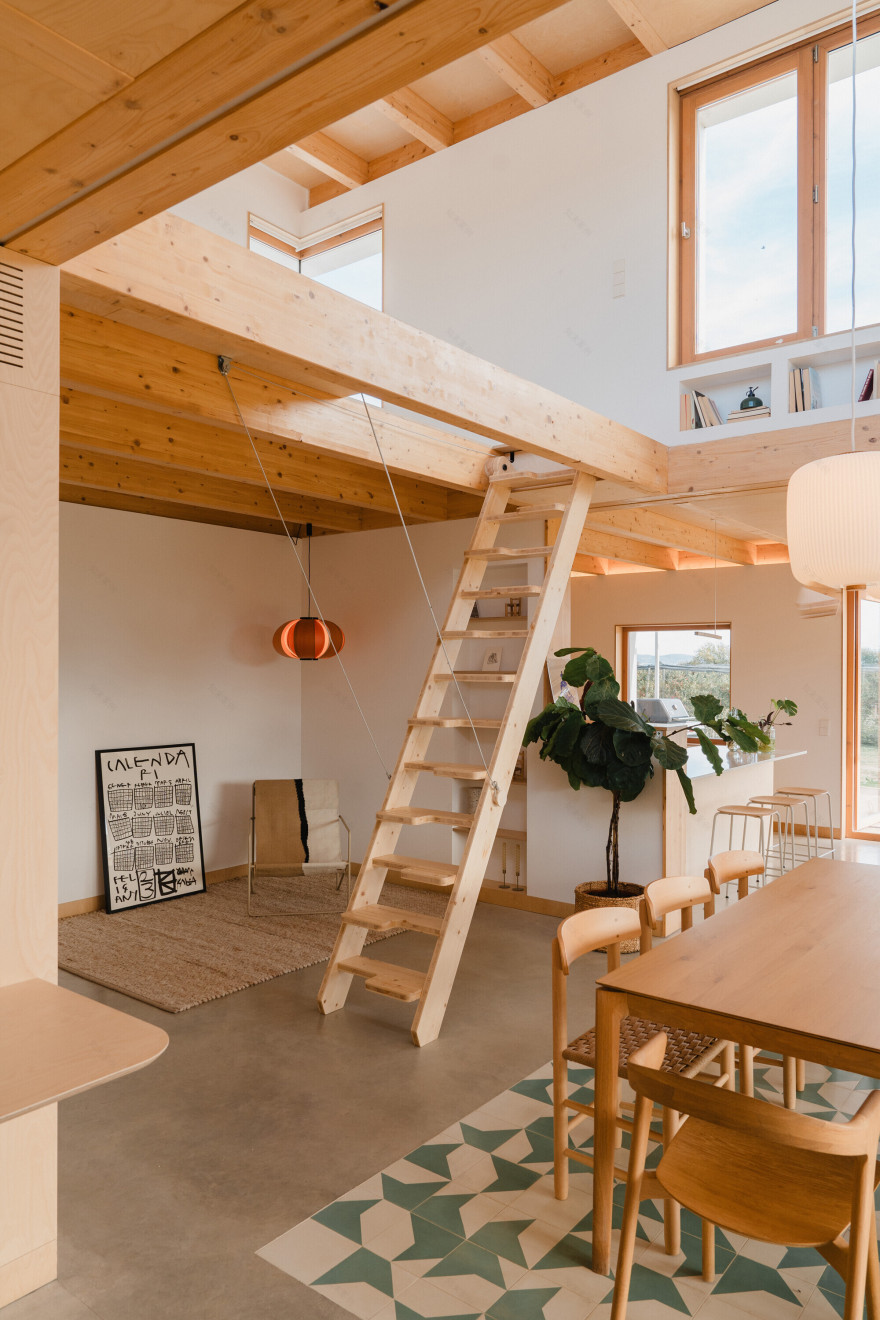
The structure was resolved using a lightweight wooden frame system, pre-machined in the workshop, which allowed for the optimization of time, effort, and resources. Based on this constructive logic, the house is articulated as a set of modules of different shapes and heights, evoking the vernacular buildings annexed to traditional farmhouses, which grew progressively as the family did.
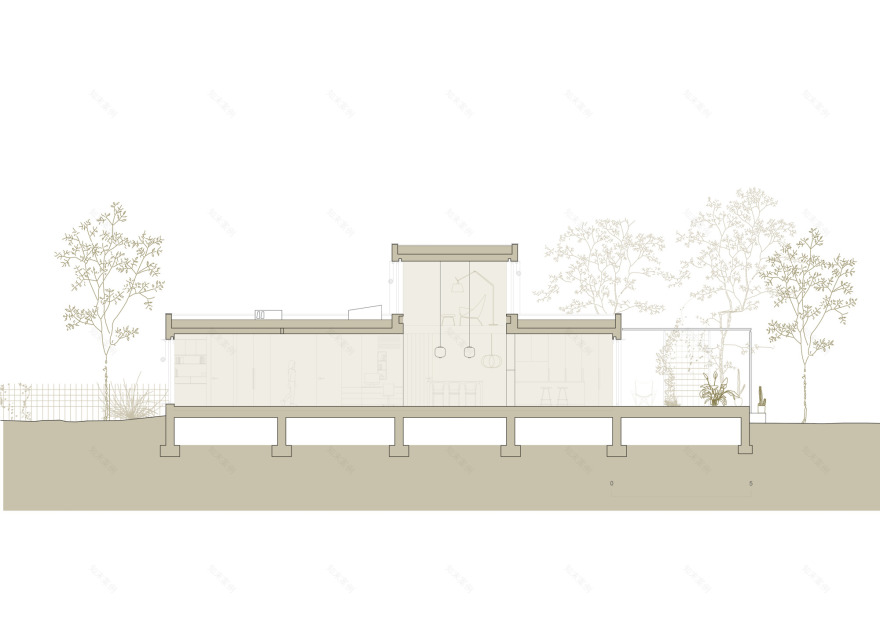
The Casa al Pradet is elevated 1.2 meters above the ground due to its location at the lowest point in the village, where rainwater flows toward a river situated below the plot, thus protecting it from potential flooding. Its placement also responds to the need to shelter from the tramontana wind. The recessed volumes interact with both the triangular geometry of the plot and the fragmented layout of the old Catalan farmhouses, integrating naturally into the rural landscape of the Alt Empordà.
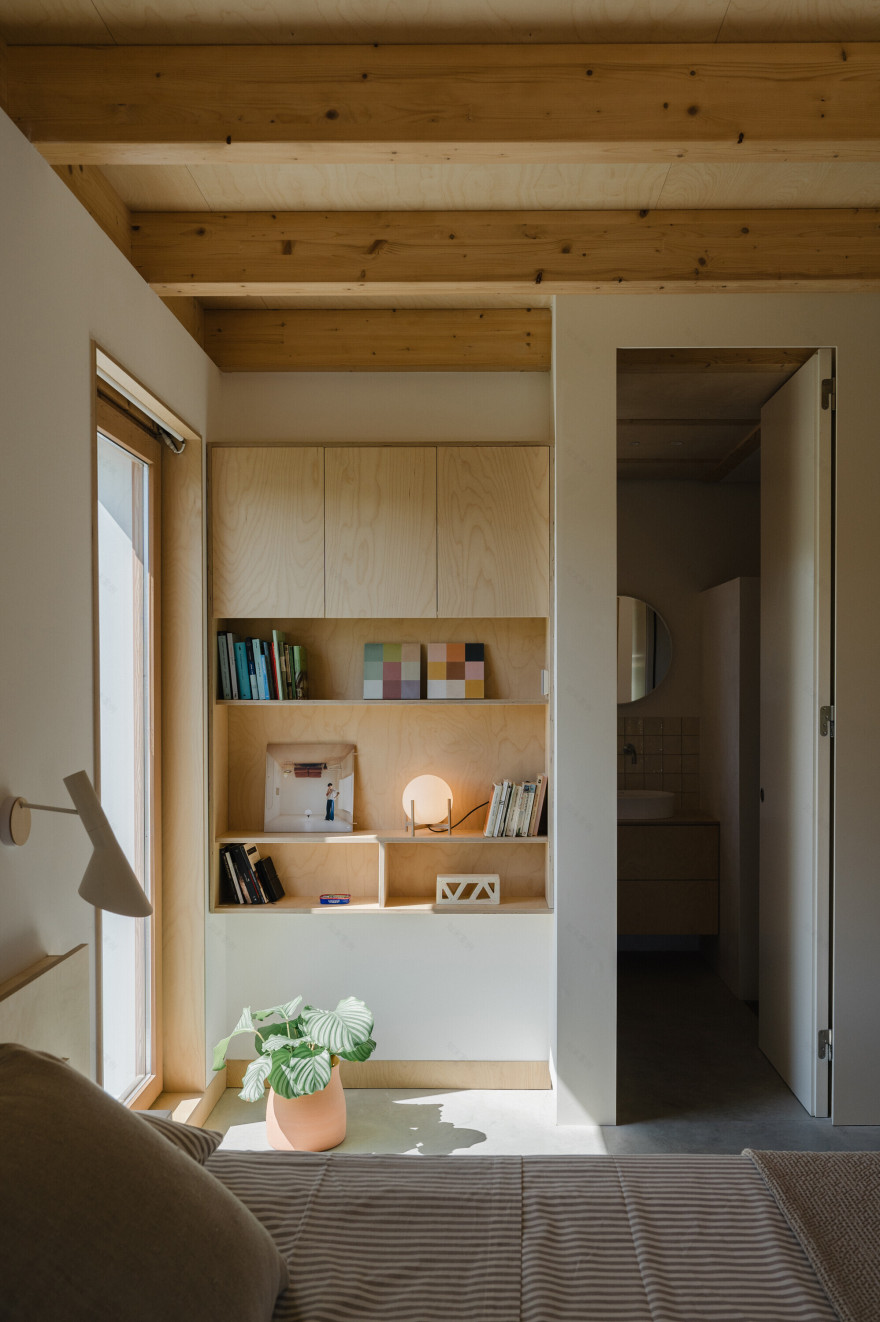
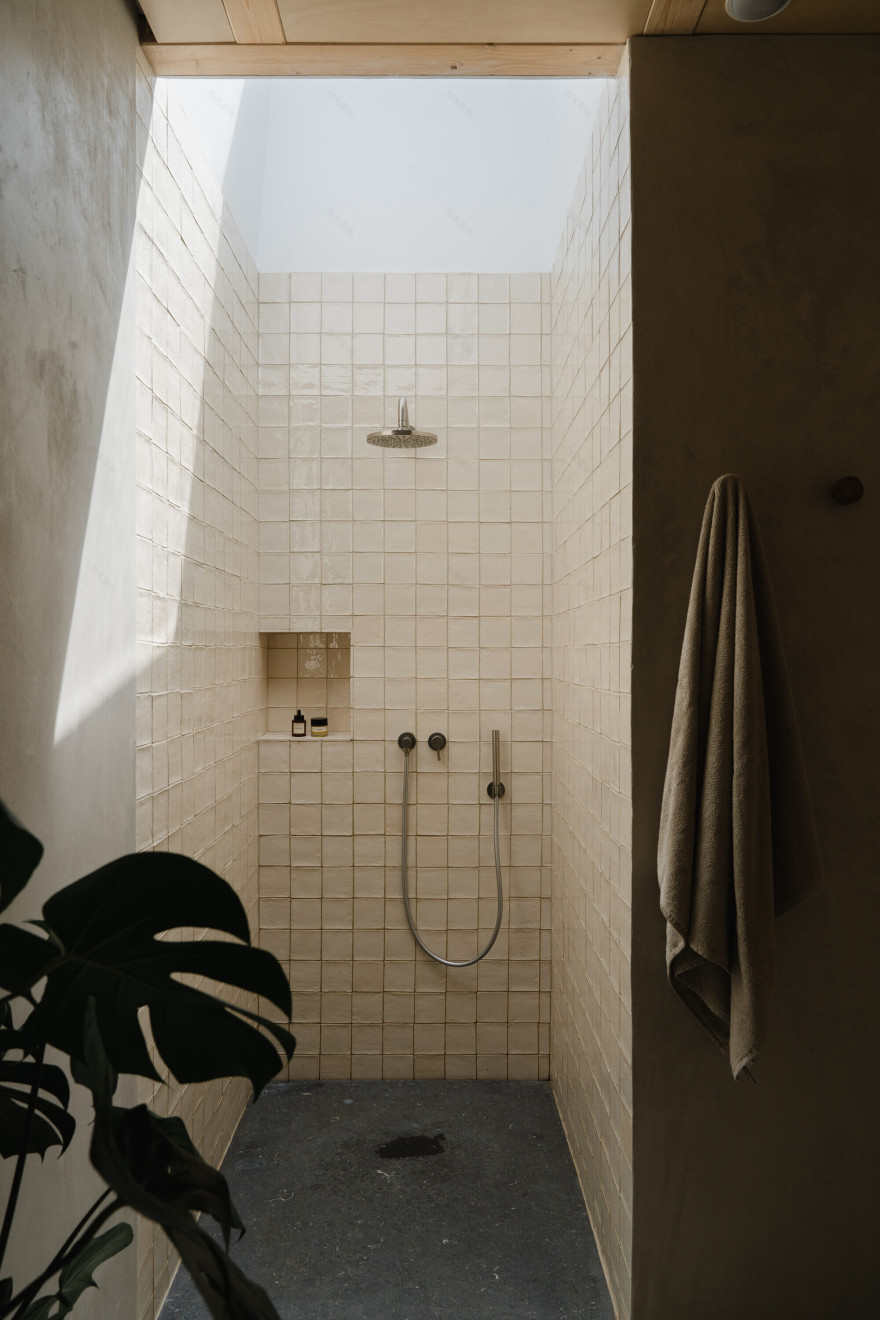
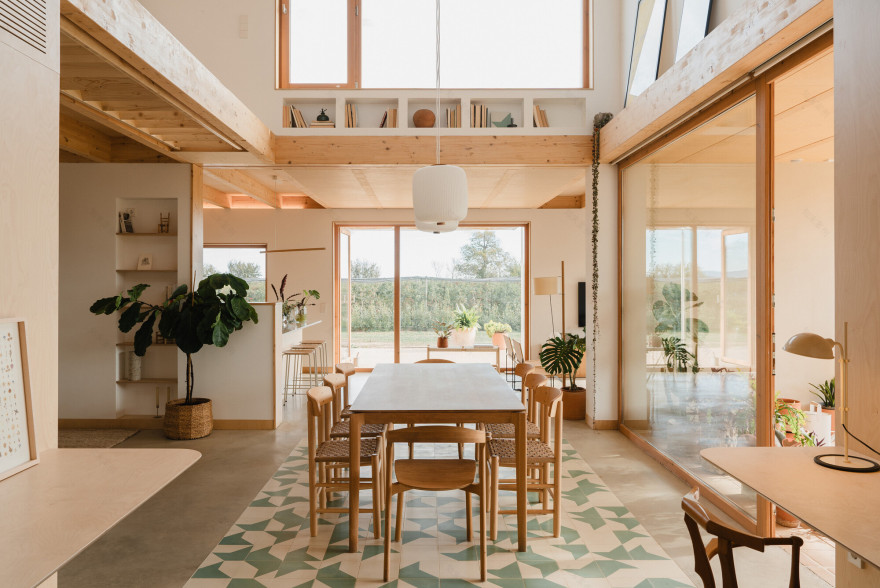
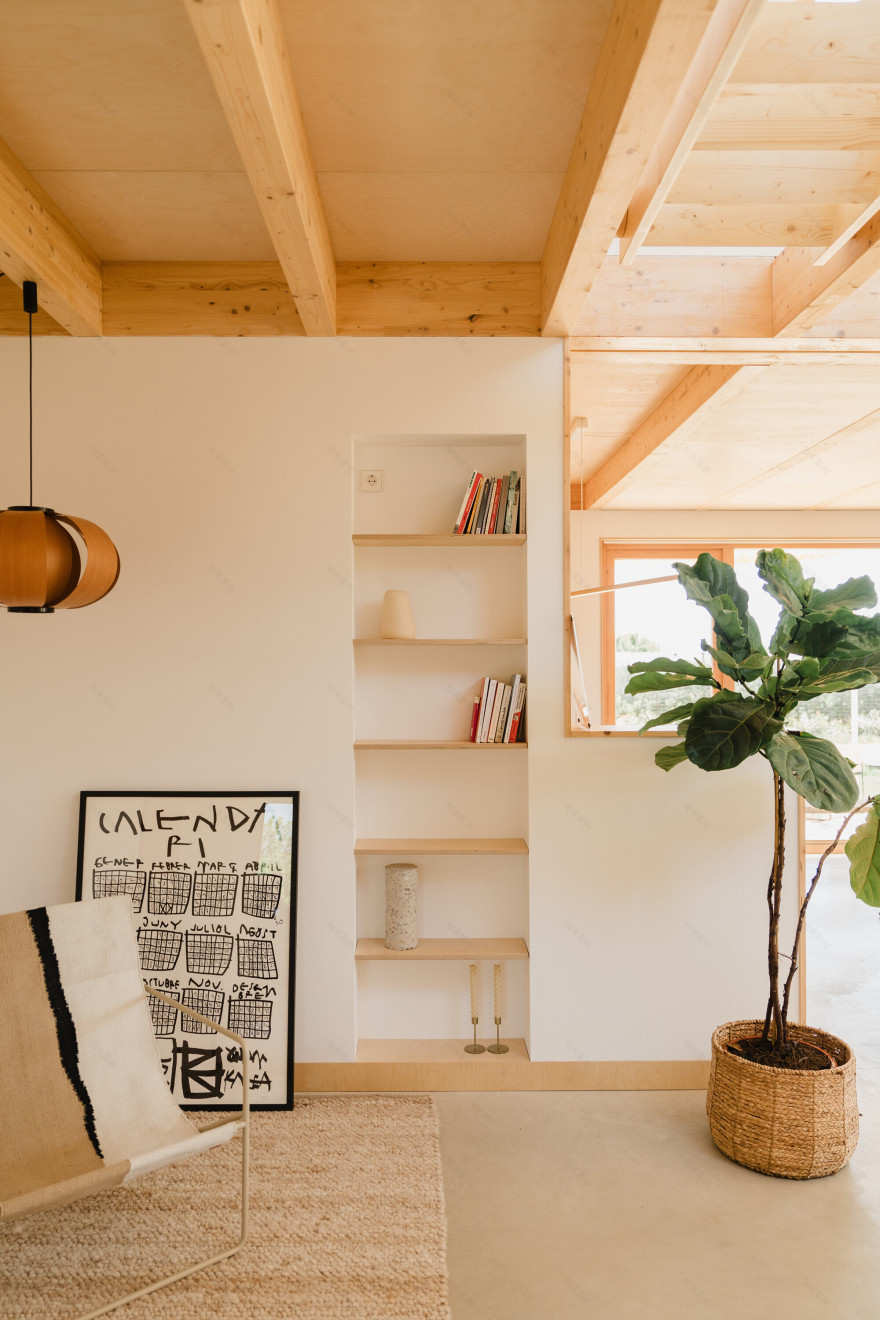
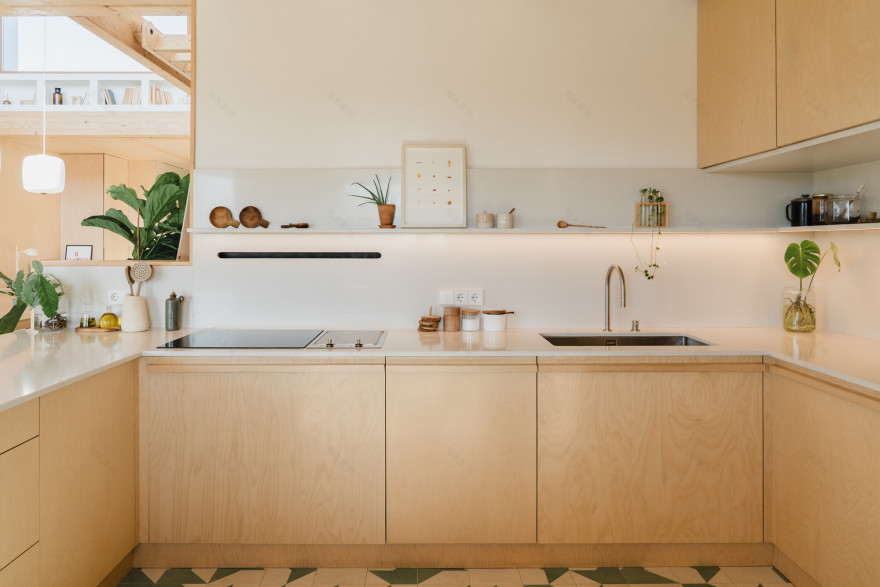
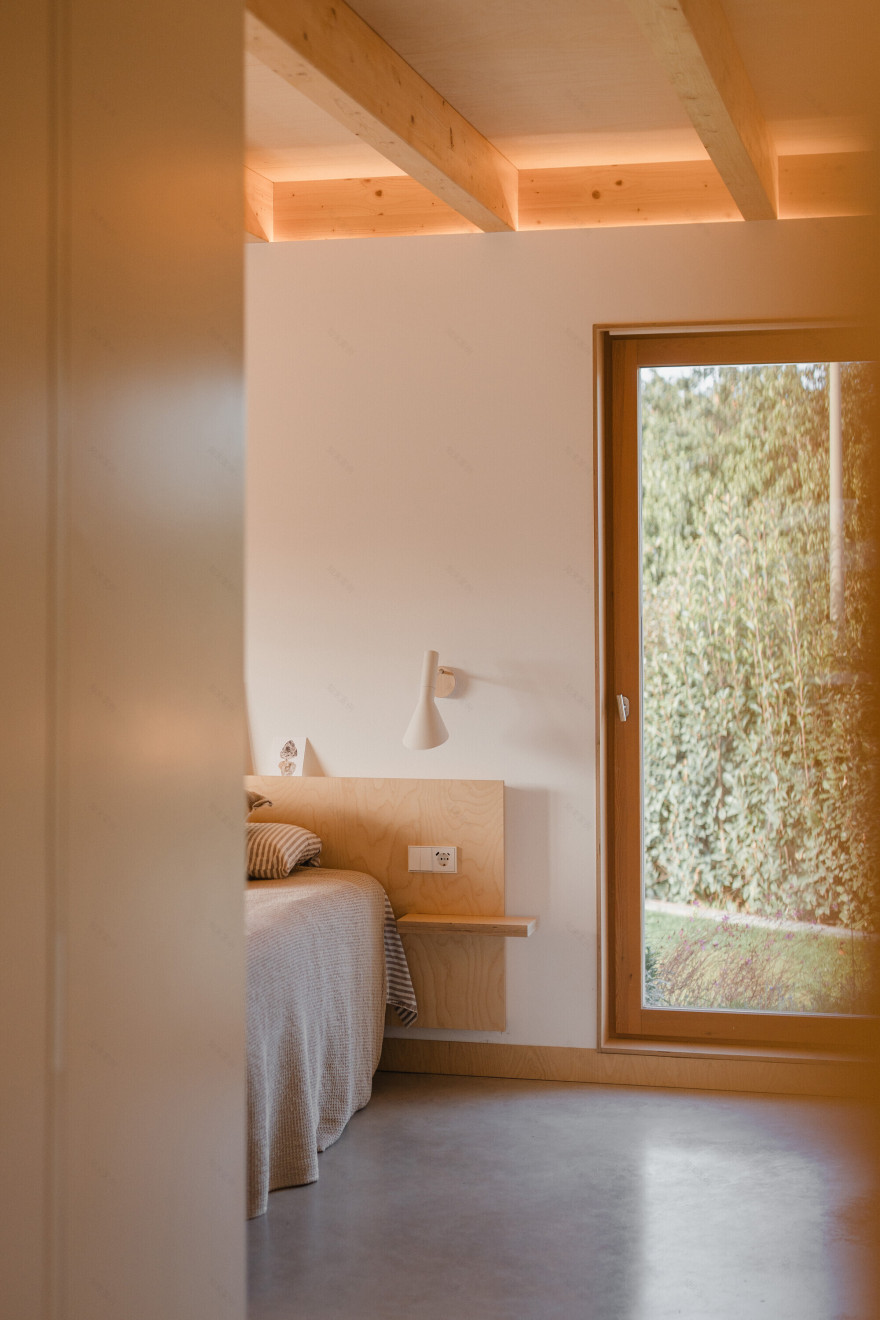
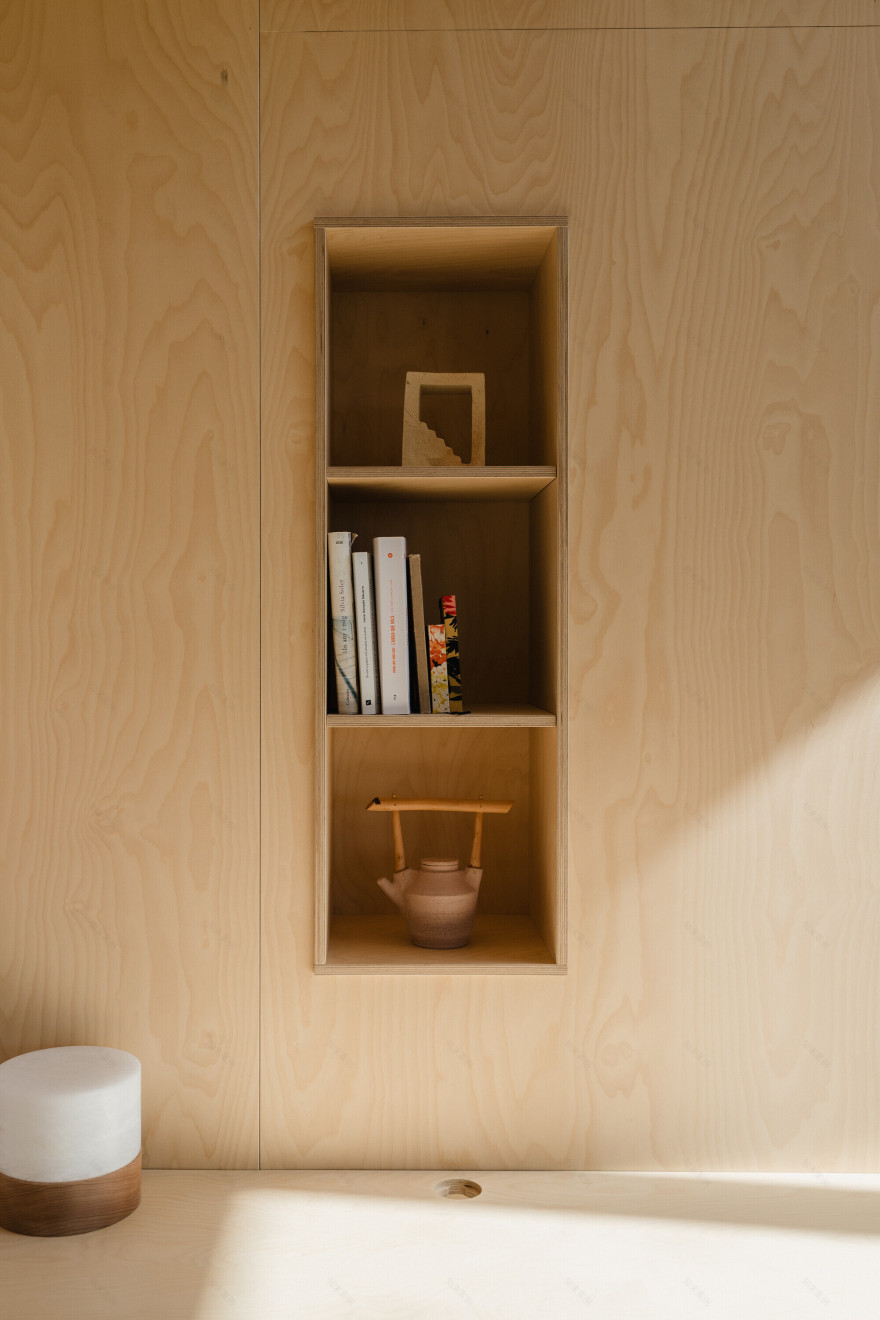
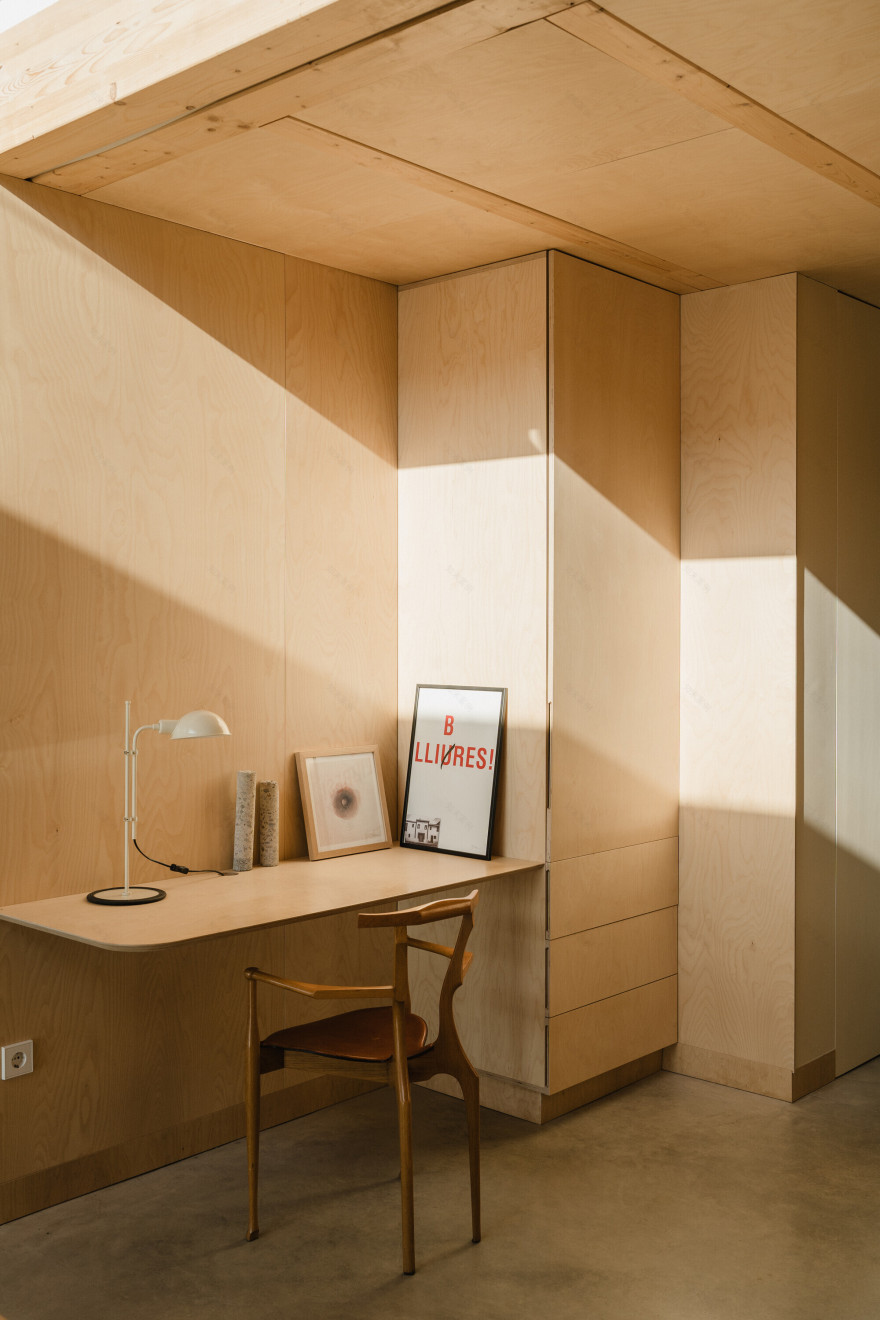
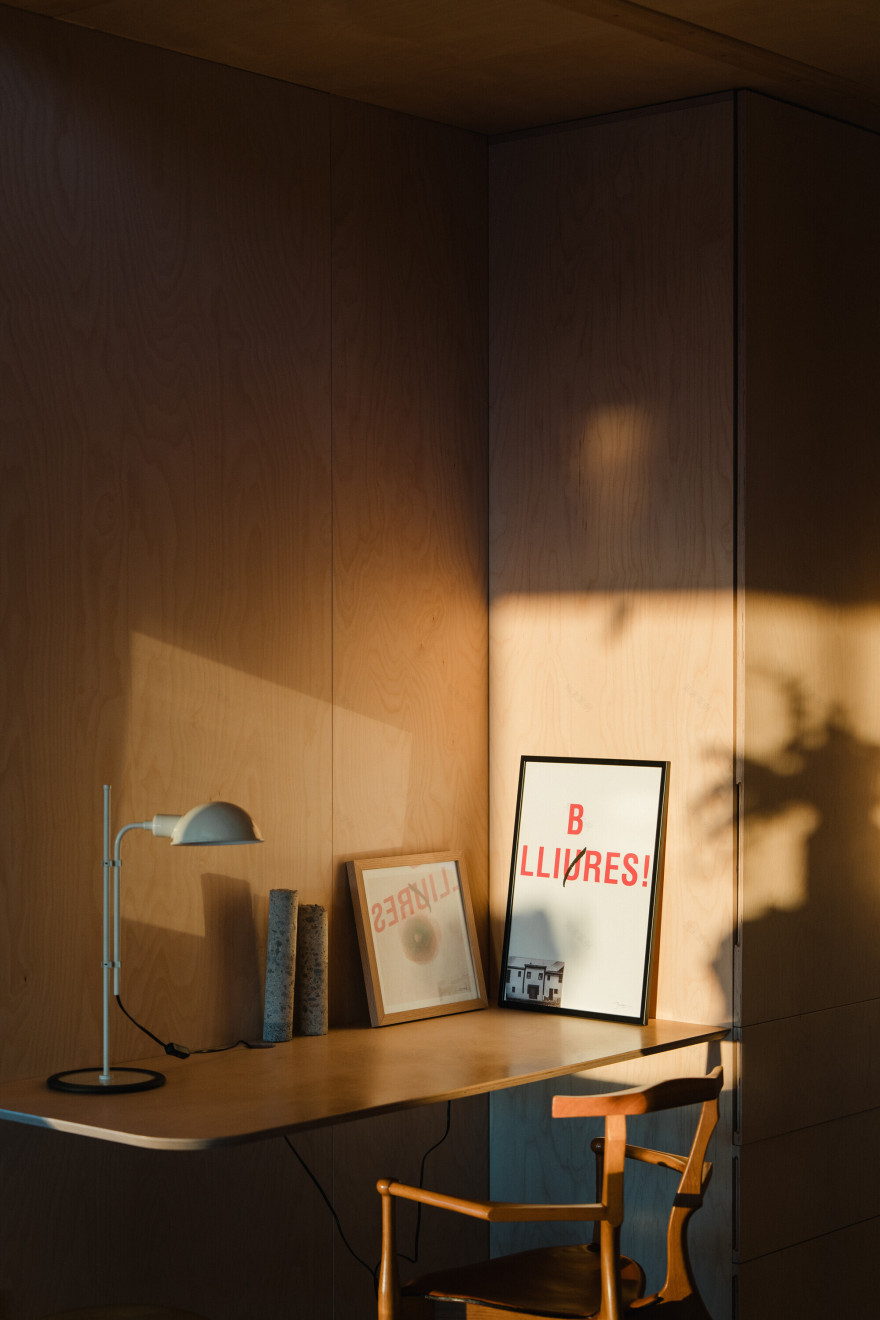
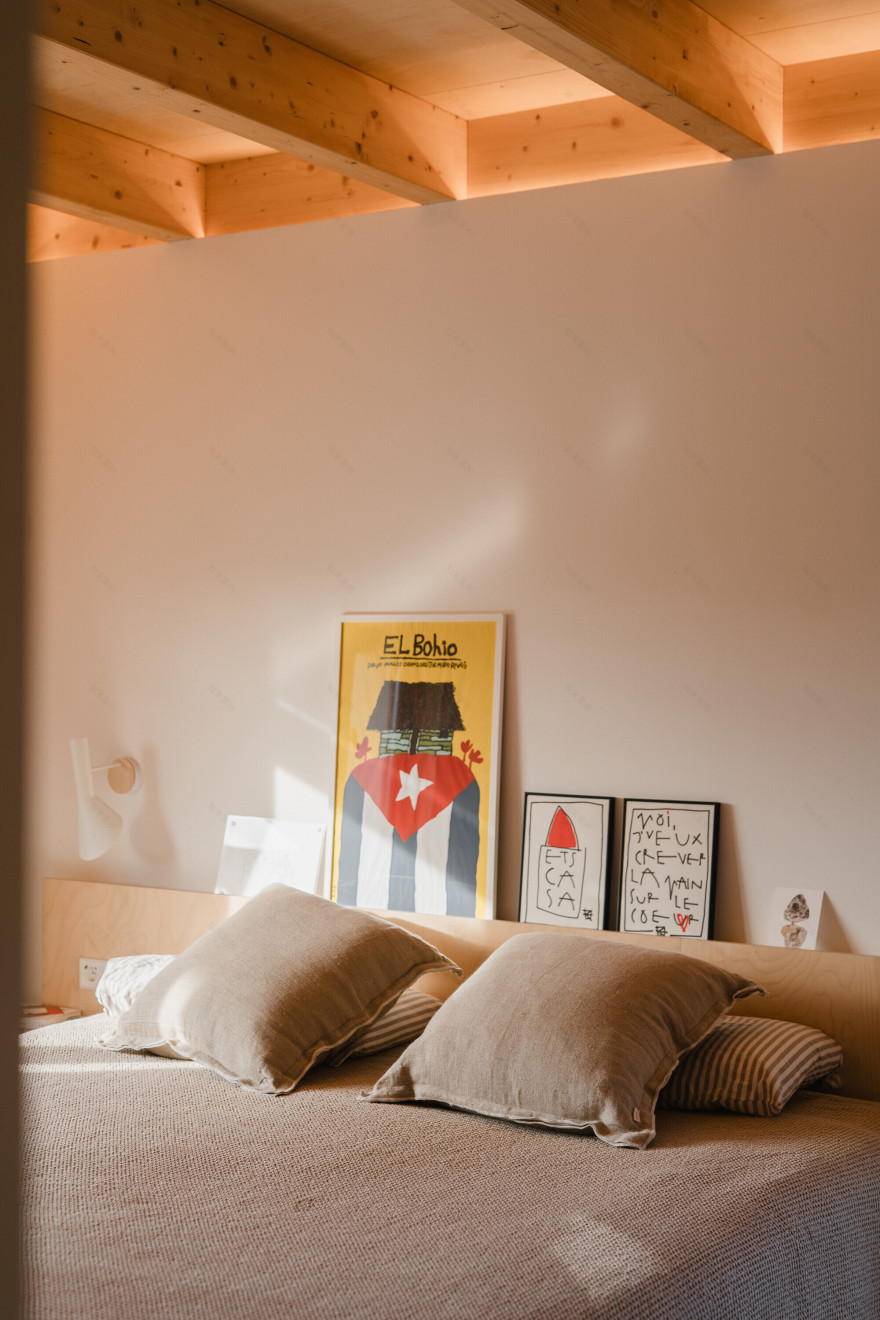
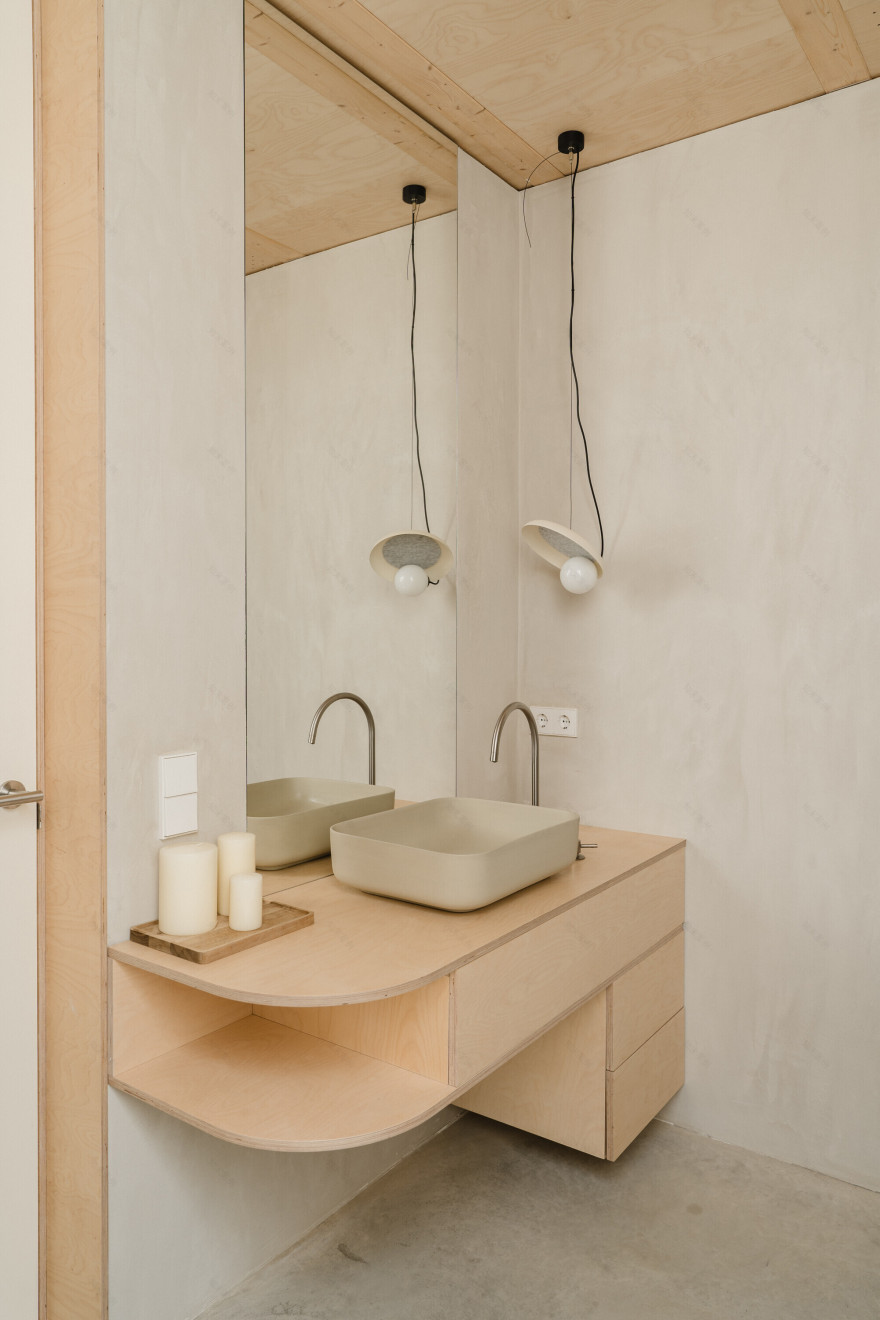
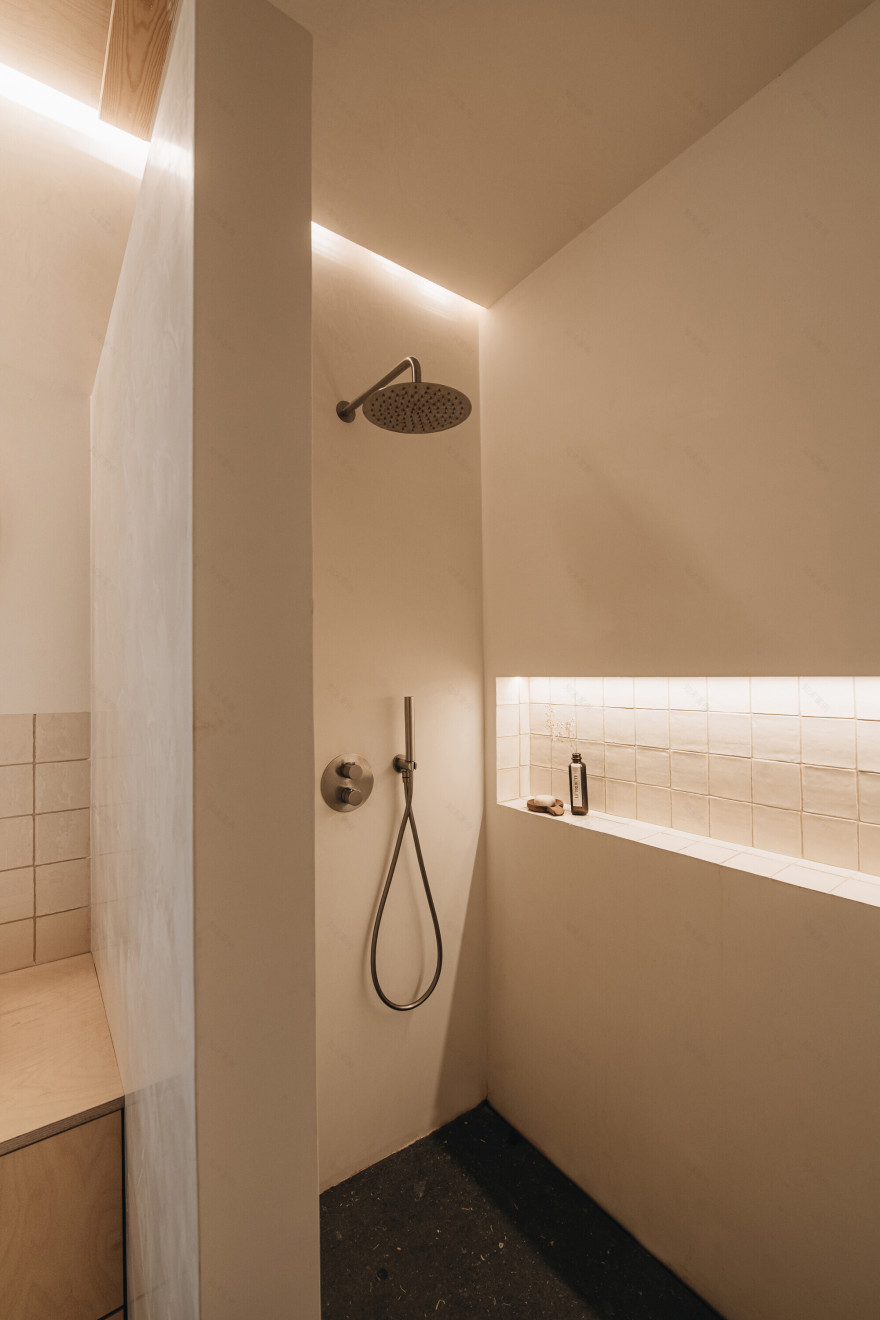
The house is built using natural and local materials such as cork, lime mortar, tova stone, hydraulic tiles, and handmade ceramics, which are used in floors, bases, exteriors, and various construction elements. Inside, wood structures the space and also defines the furniture, providing material continuity and warmth throughout the house.
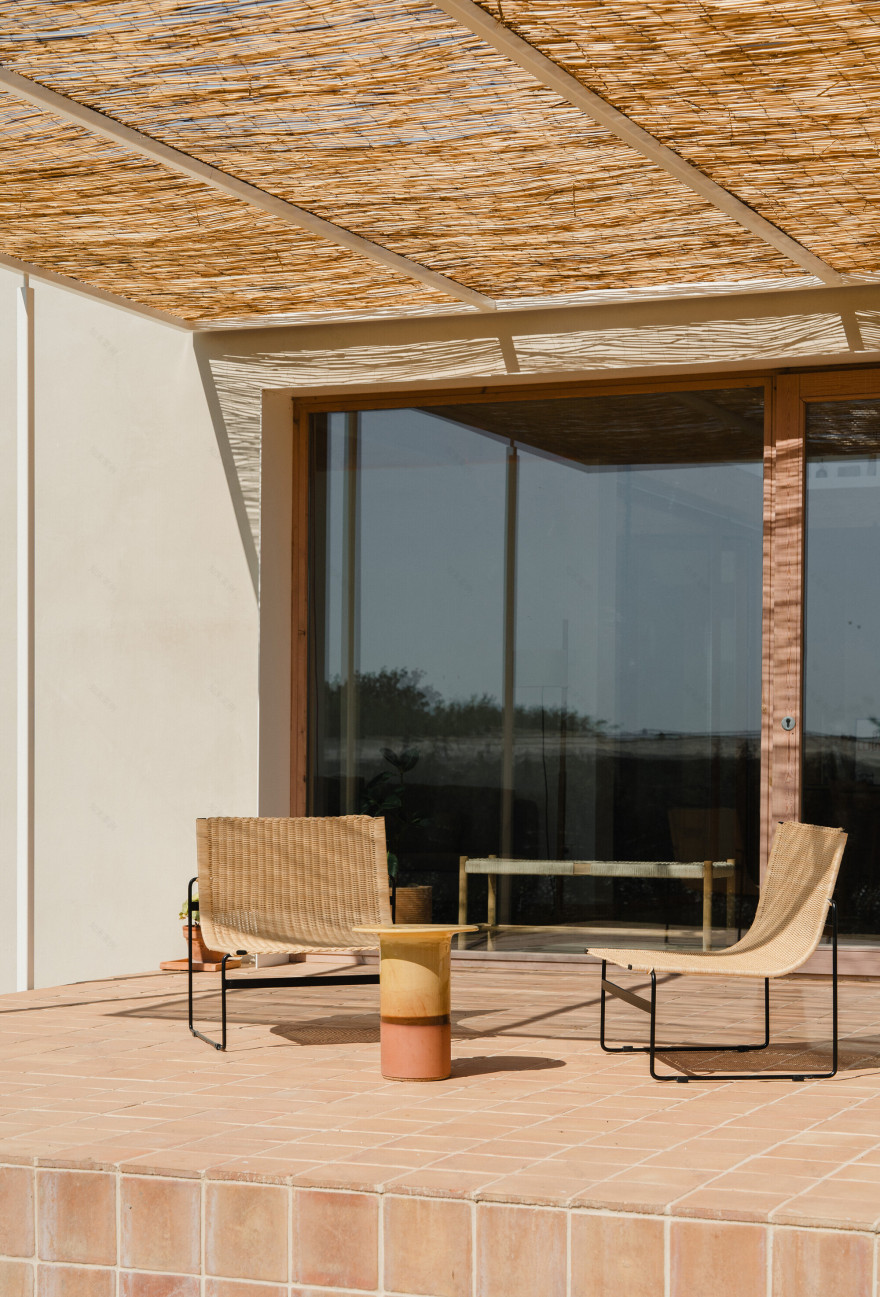
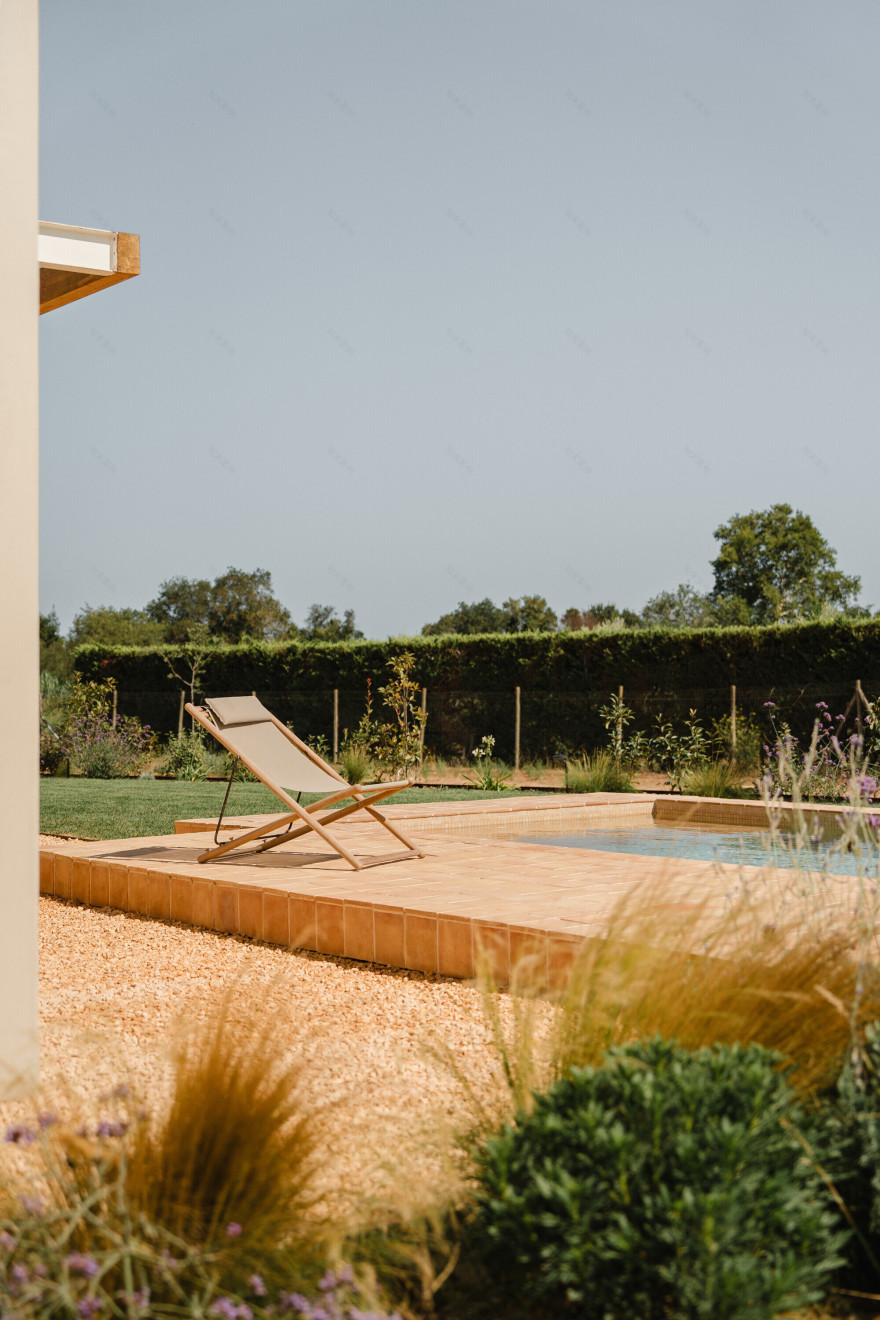
Some traditional elements are combined with current solutions. Thus, classic Alicante shutters have been motorized and are controlled by a home automation system that regulates their operation based on sunlight and wind. Outside, a perimeter strip of ceramic gravel facilitates ground drainage.
In short, the Casa al Pradet articulates a way of building linked to the place, where self-construction, contemporary techniques, and local knowledge are integrated into a functional home that adapts to the landscape and way of living in the Alt Empordà.
Project gallery
南京喵熊网络科技有限公司 苏ICP备18050492号-4知末 © 2018—2020 . All photos and trademark graphics are copyrighted by their owners.增值电信业务经营许可证(ICP)苏B2-20201444 苏公网安备 32011302321234号
苏公网安备 32011302321234号客服
消息
收藏
下载
最近