

创作上传
VIP
收藏下载
登录 | 注册有礼
查看完整案例

收藏

下载

分享

翻译
Architects:Fabrication Studio
Area:60m²
Year:2025
Photographs:Alex Lesage
Manufacturers:Santa & Cole,De la Espada,Formani,Ligne Roset
Lead Architects:François Abbott
Category:Residential Architecture,Houses
City:Toronto
Country:Canada
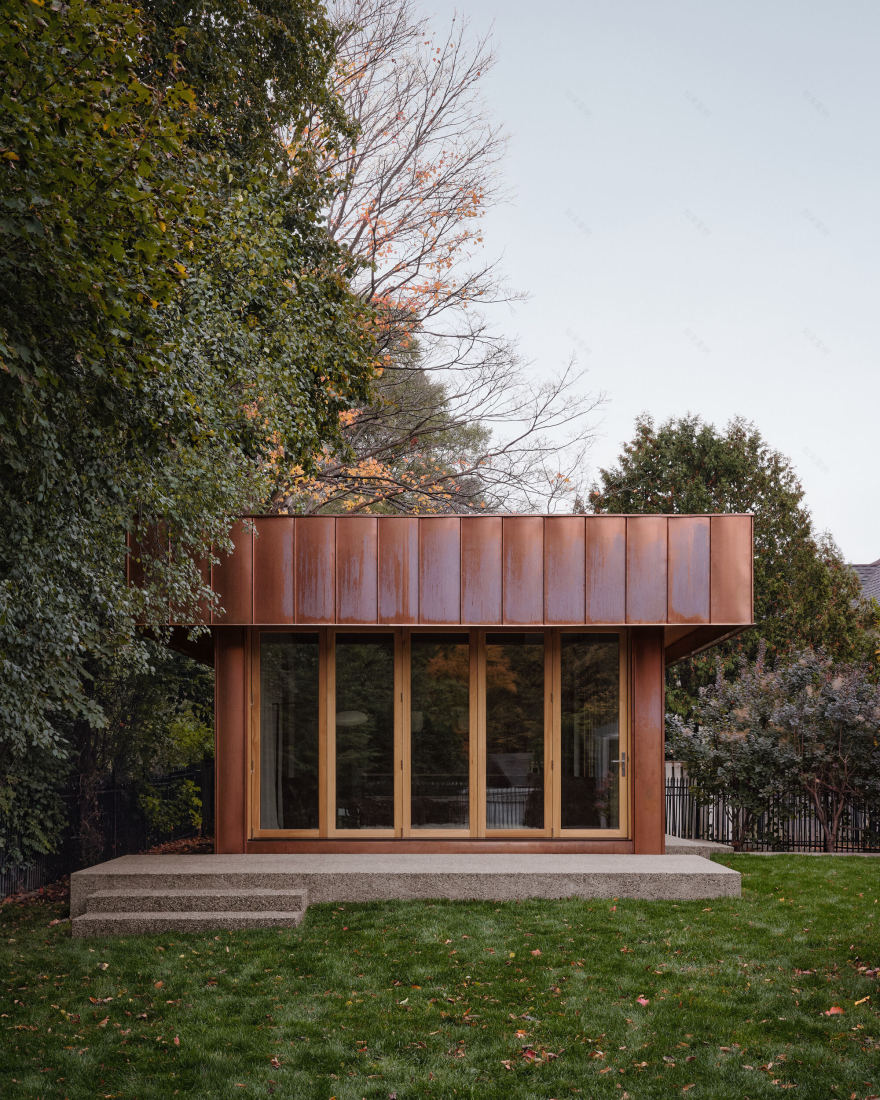
Text description provided by the architects. A compact garden suite in Toronto's Sunnybrook Park area, Copper House is designed to allow an aging homeowner to remain in place while creating a second dwelling where her adult children can return independently.
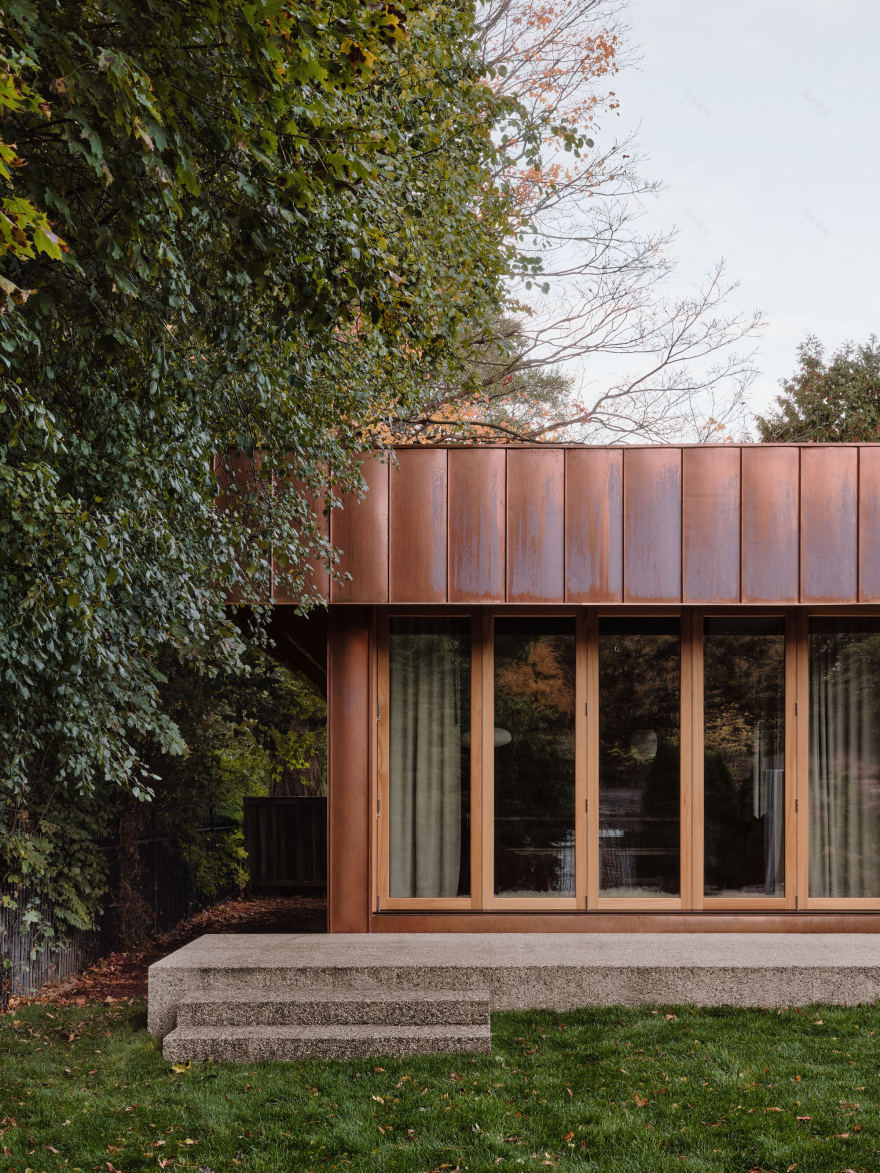
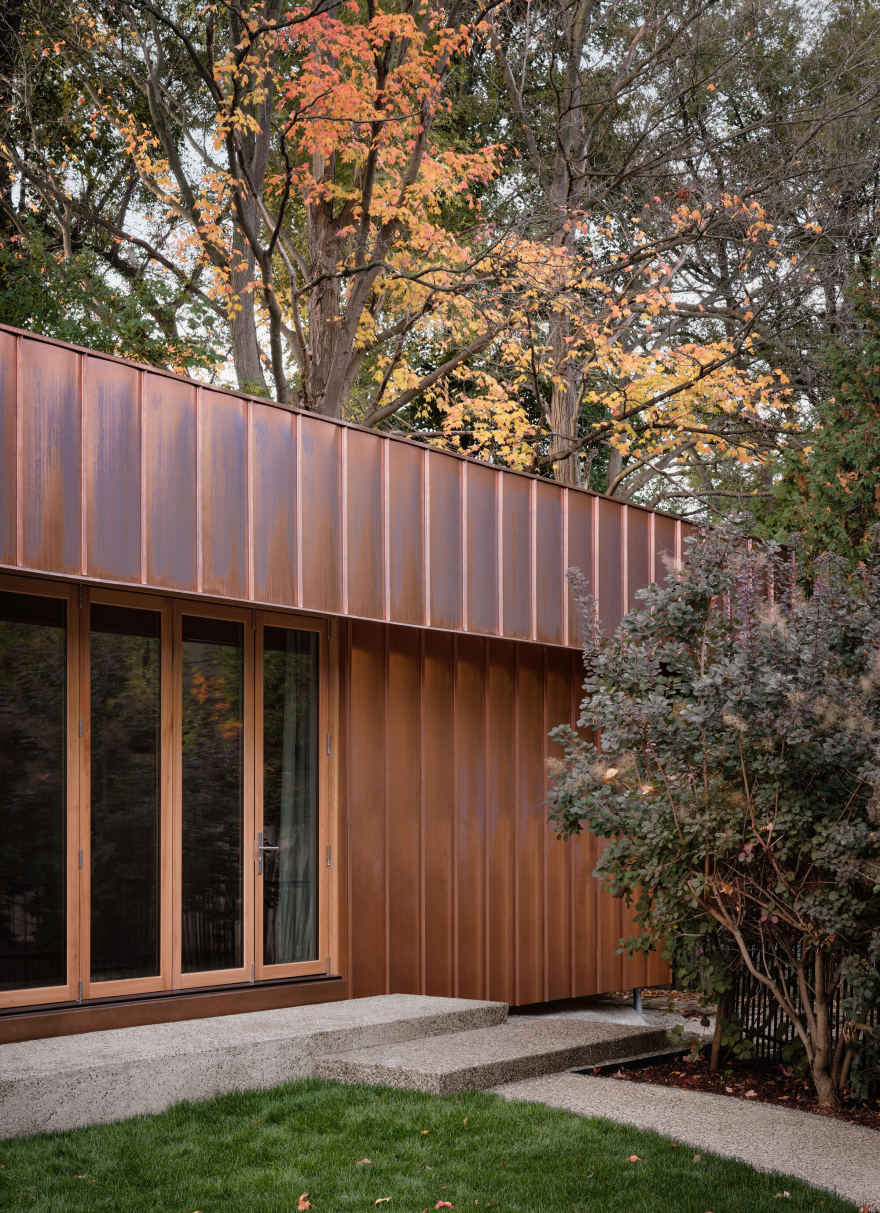
After decades in the same family home, the client—a single mother whose children had grown up and moved away—wanted to adapt the property for a new phase of family life. Rather than leaving the neighborhood, she sought a way to remain rooted in the community while allowing her children a place to return to when visiting or transitioning between homes. The project takes the form of a small accessory dwelling unit set within the rear garden, extending the life of the property across generations.
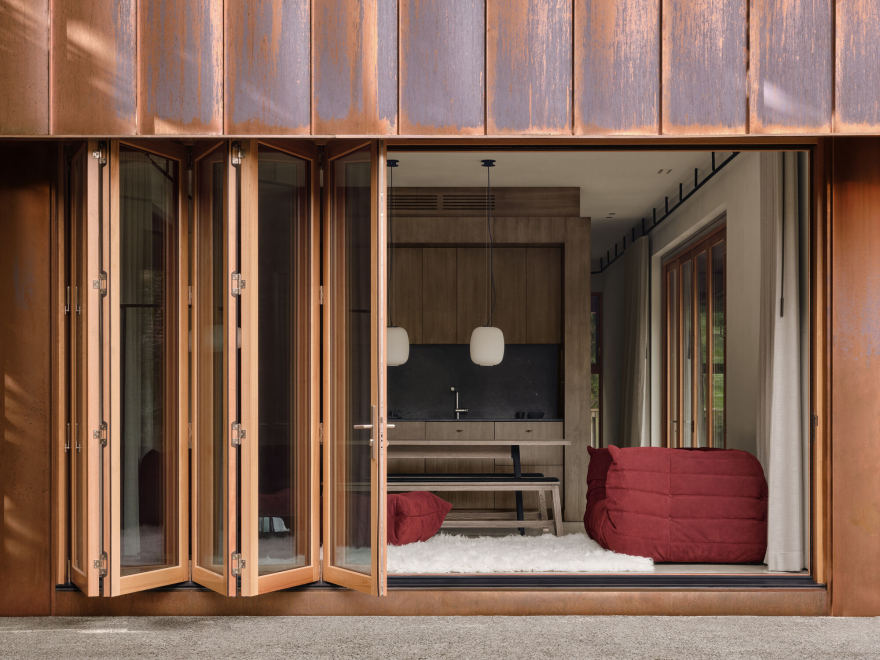
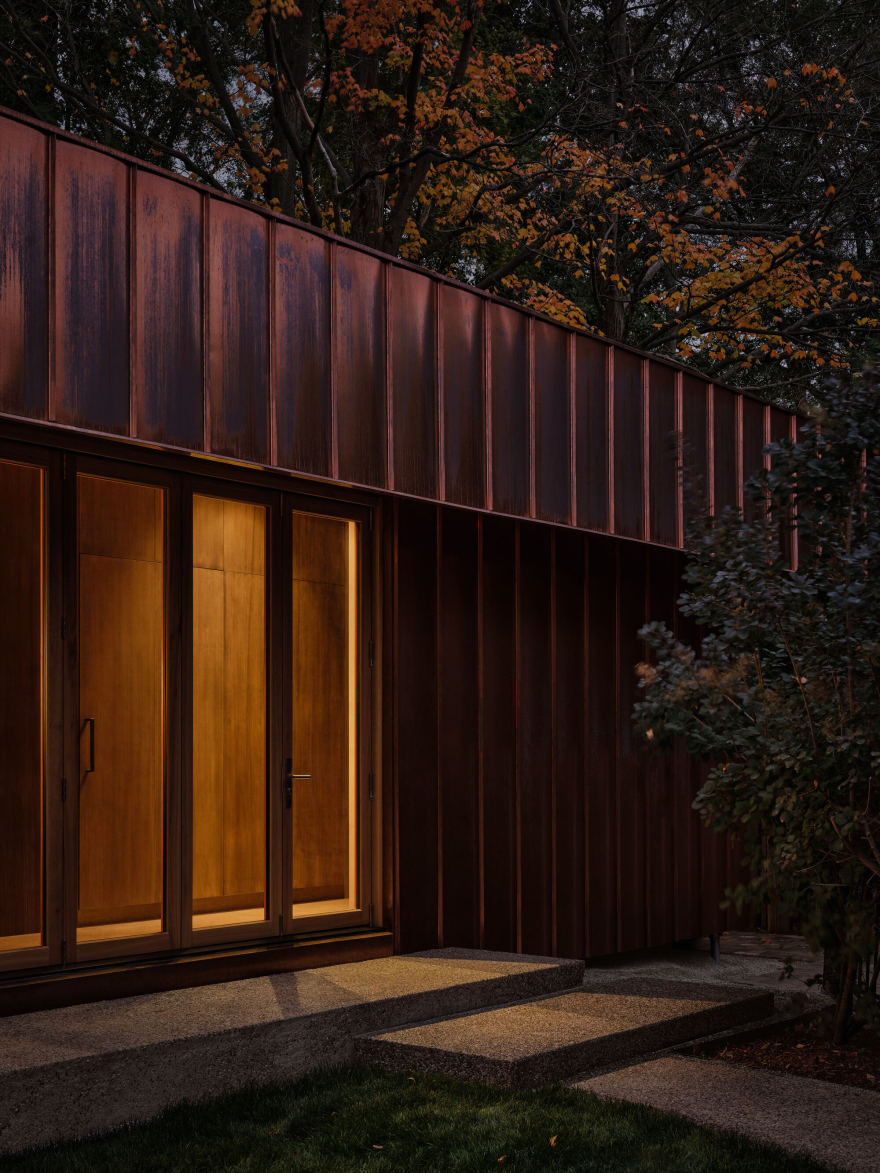
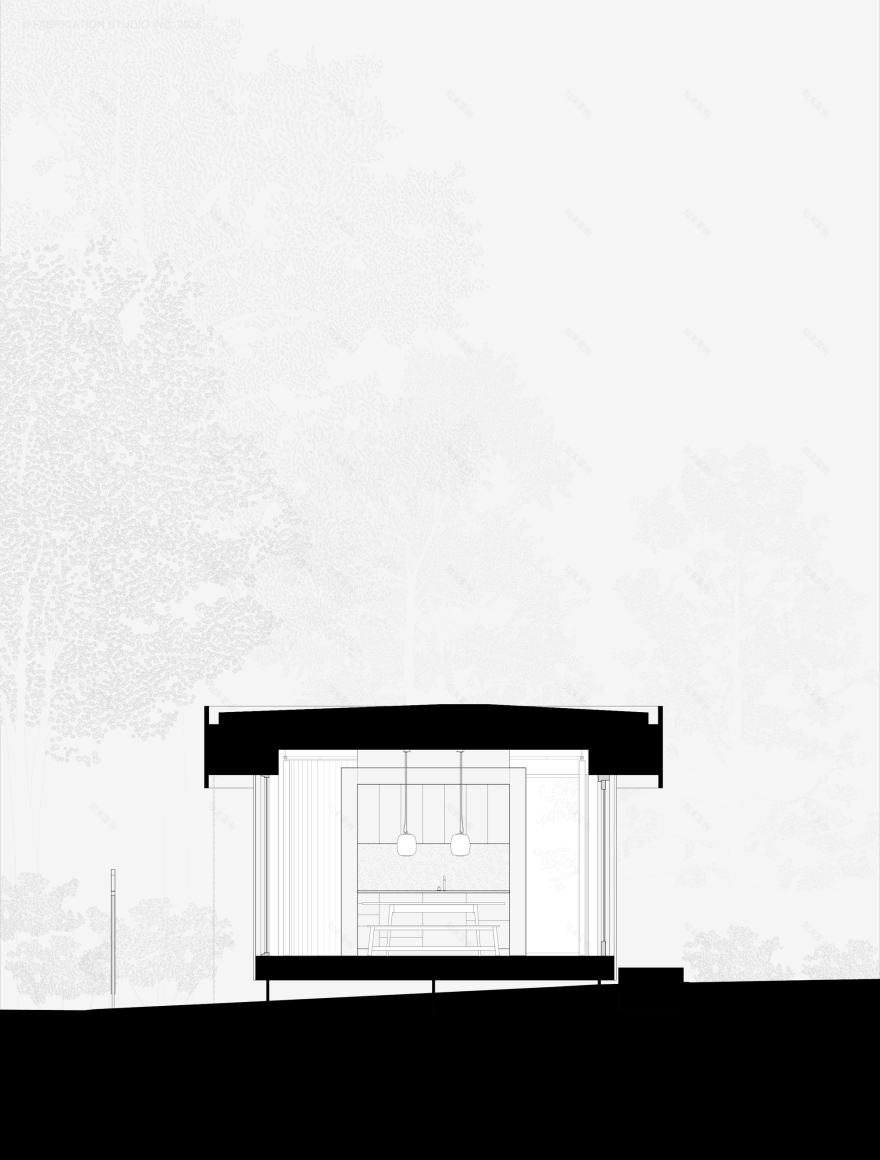
The site sits at the edge of Sunnybrook Park, where residential lots dissolve into a dense ravine landscape. Mature deciduous trees form a natural screen between the garden and the park beyond. Preserving this canopy became the project's primary constraint. To avoid disturbing the trees' root systems, the structure rests on helical piles instead of a conventional concrete foundation, lightly elevating the building above the ground and allowing air and water to move beneath it. By avoiding below-grade concrete, the project also reduces one of the largest sources of embodied carbon in small residential construction.
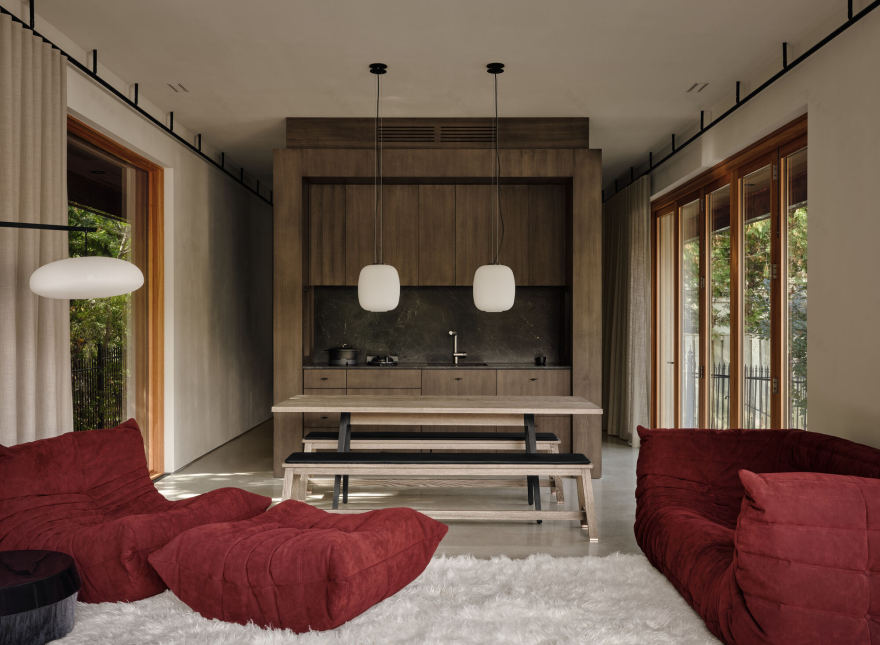
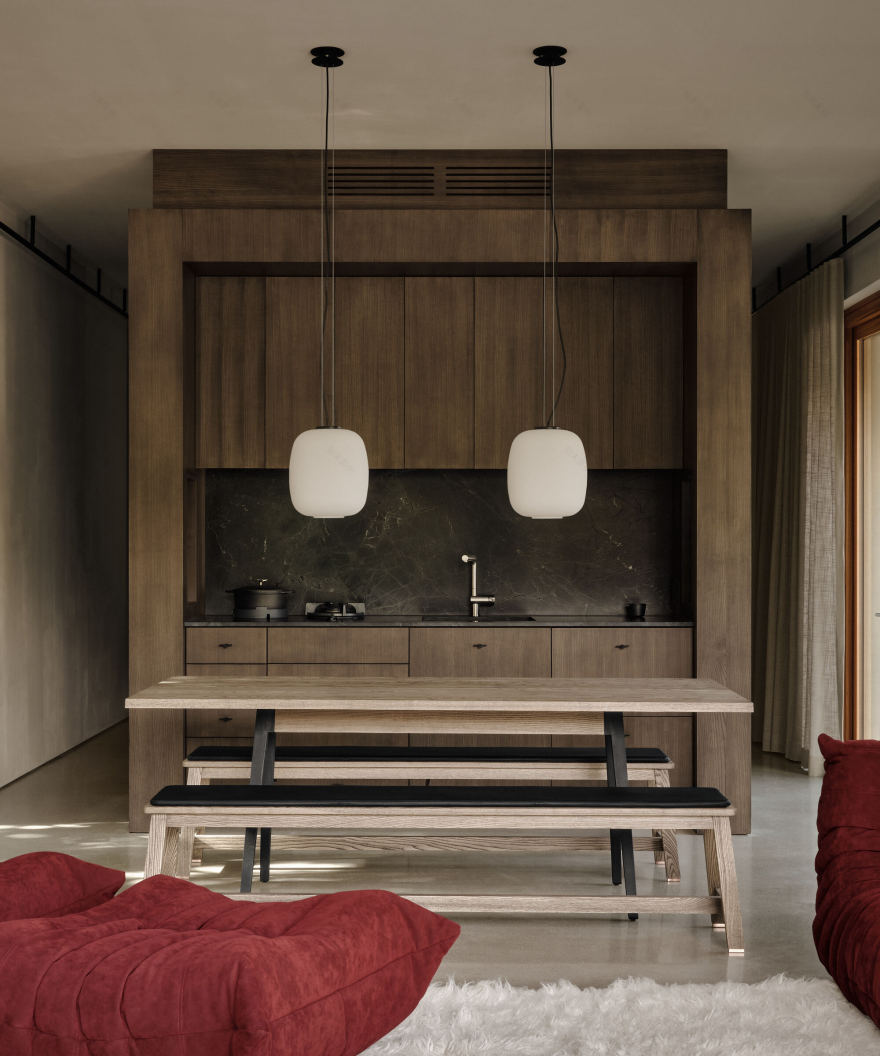
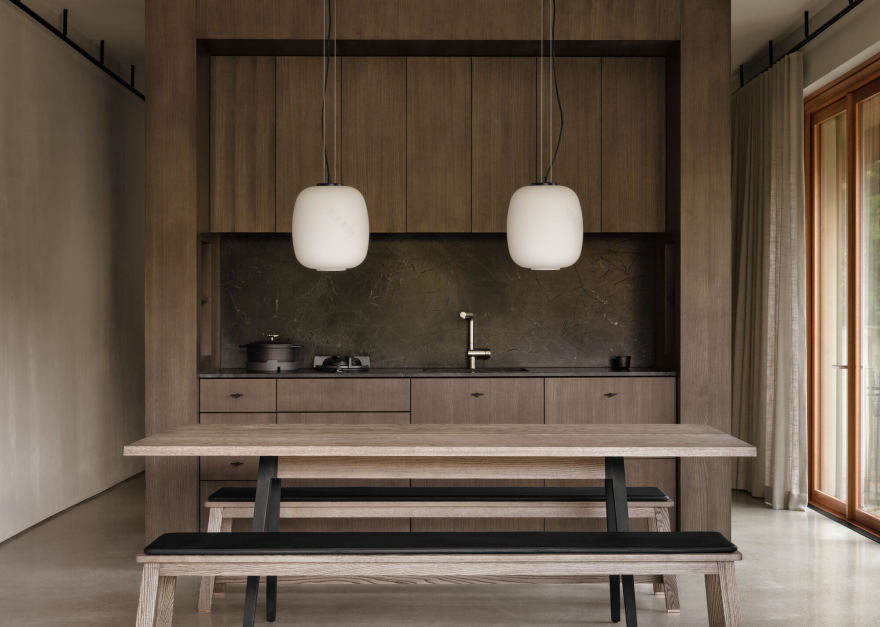
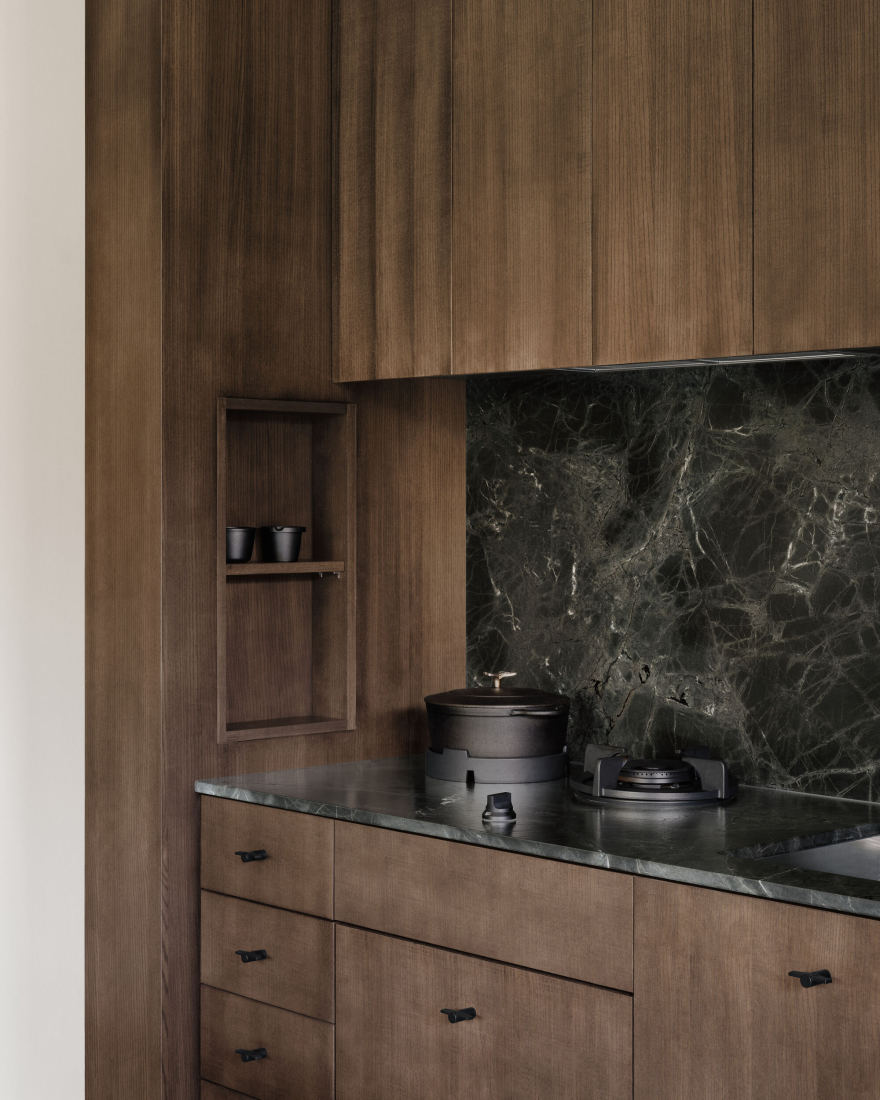
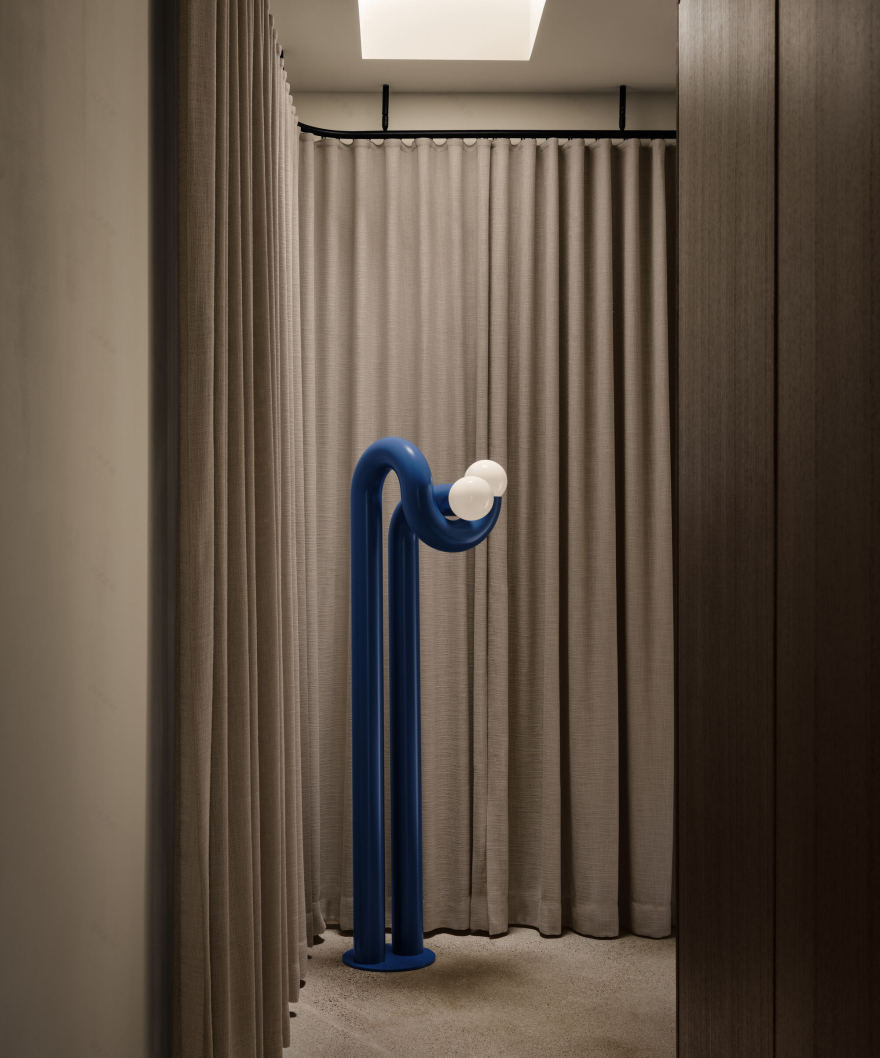
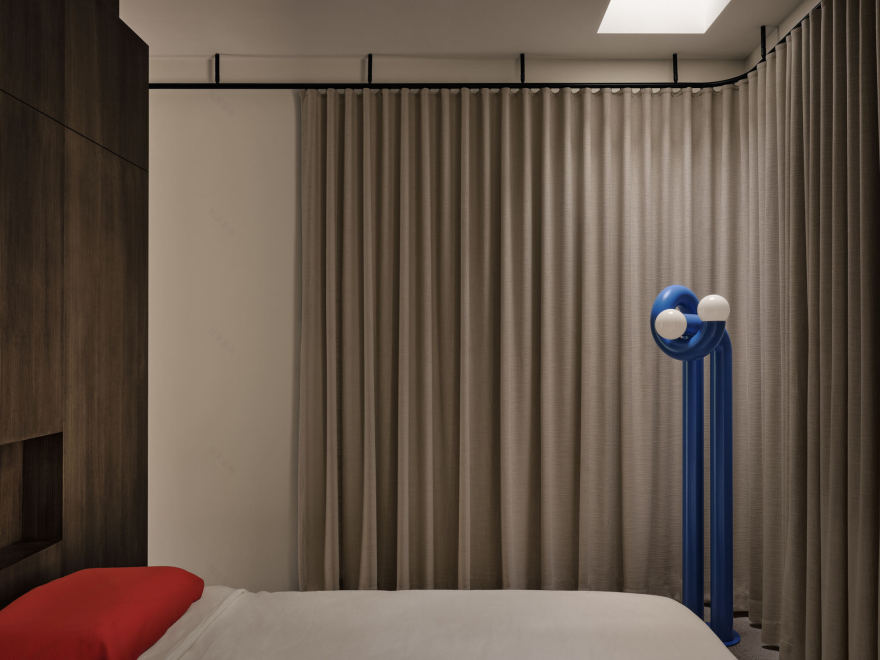
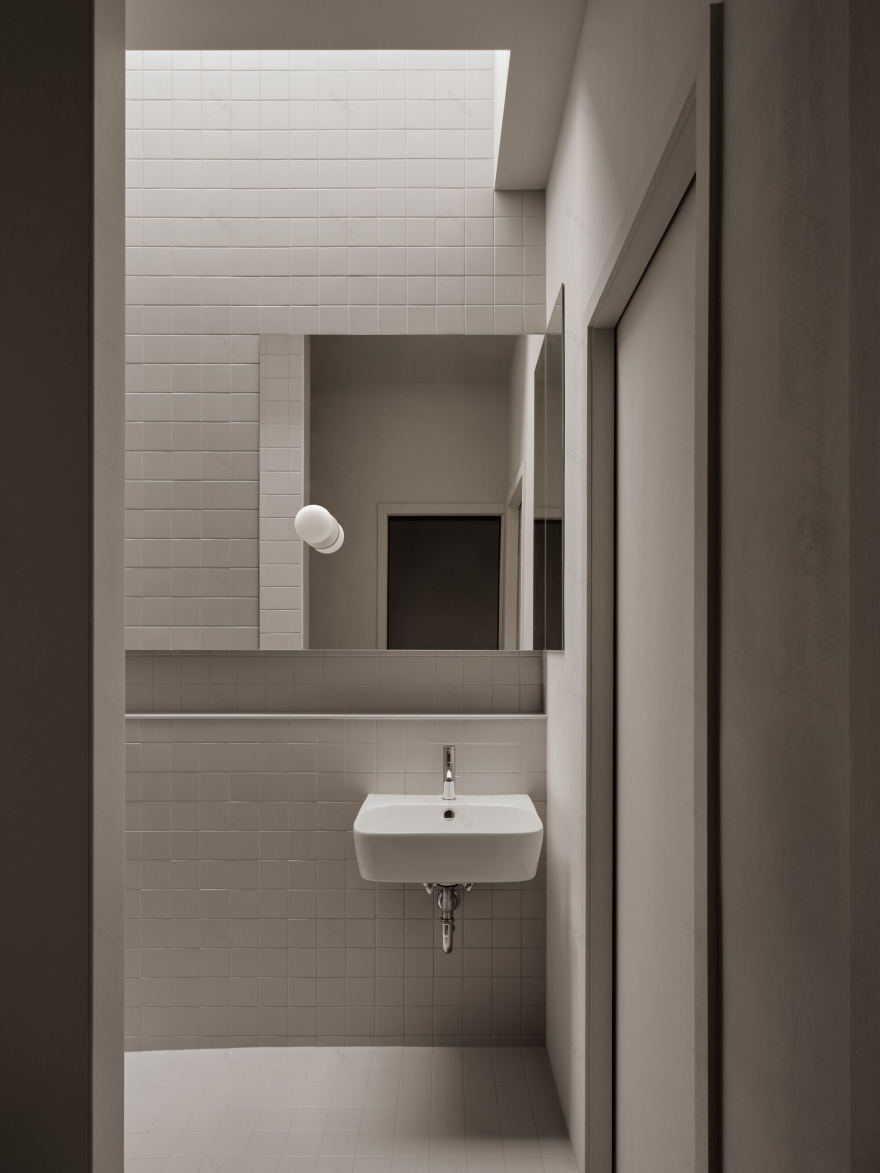
Within a footprint of just 60 square meters, the building concentrates the essential elements of a small home. A single-story plan is organized around a central wooden core that contains the kitchen, bathroom, and storage. Living space occupies one side of the plan while the bedroom sits on the other, allowing the compact interior to function as a complete and independent dwelling.
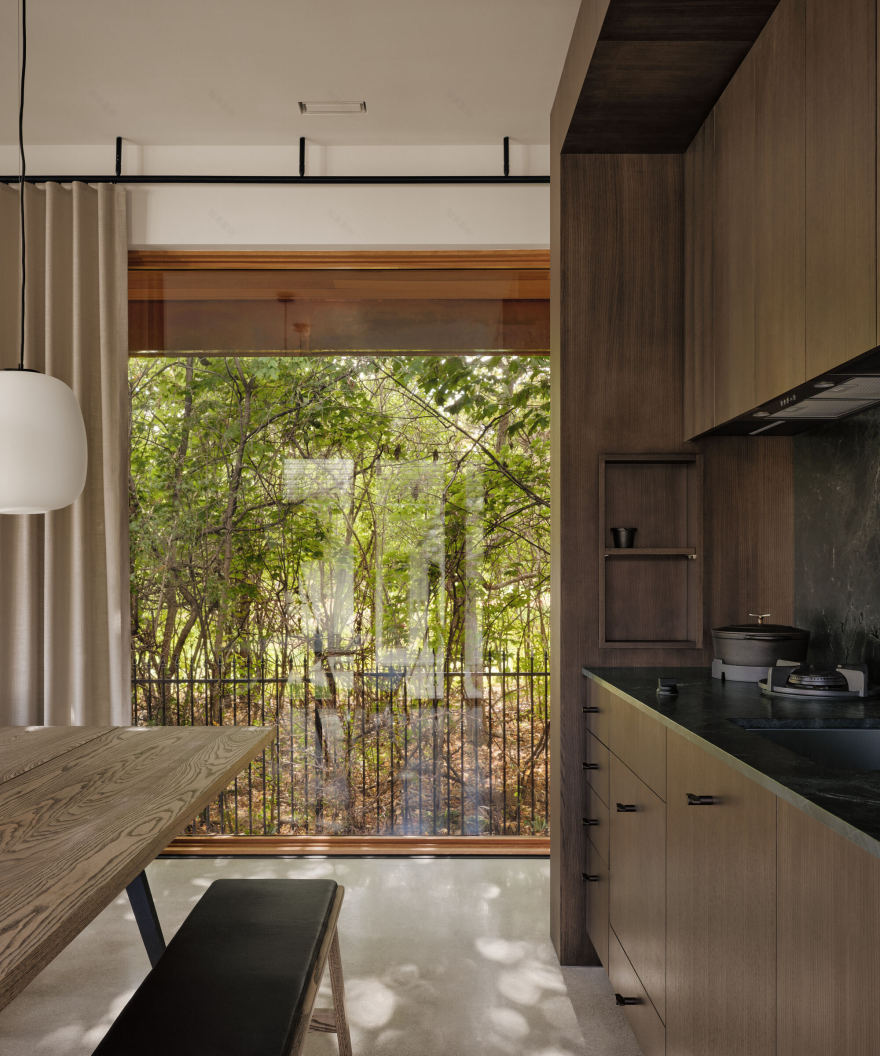
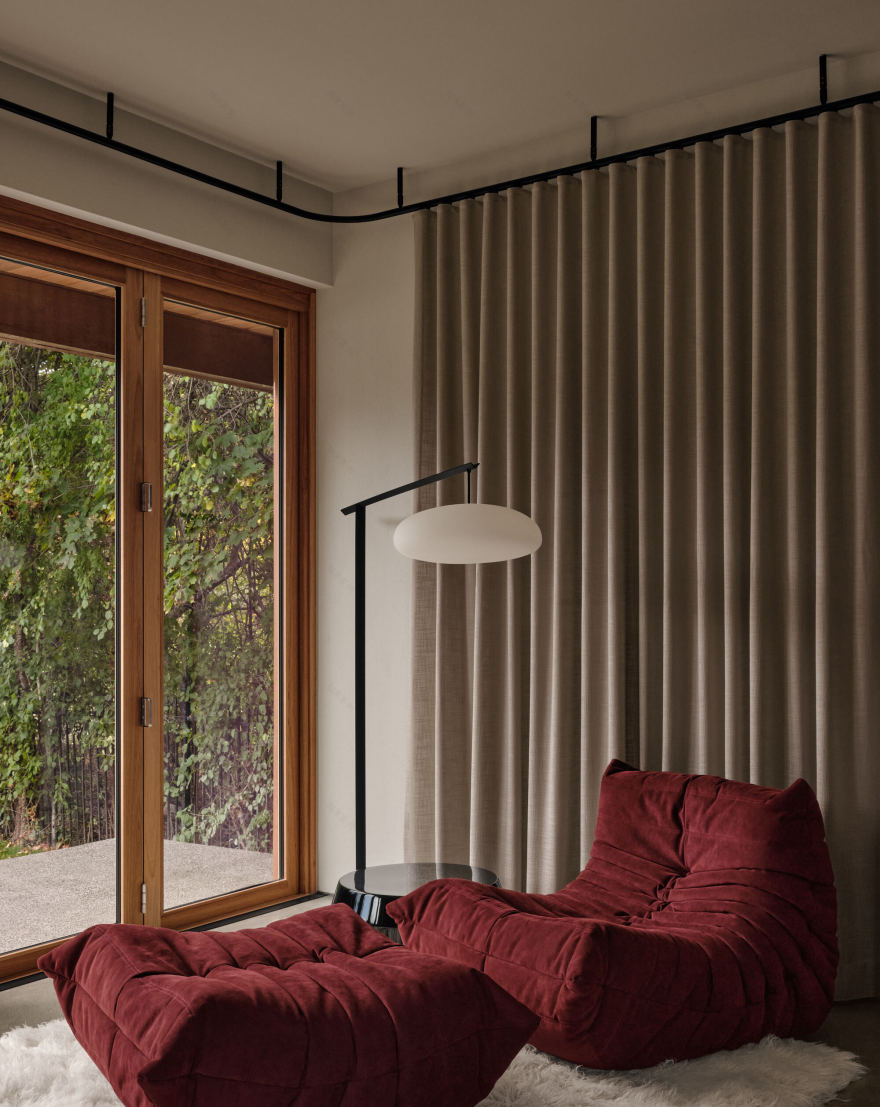
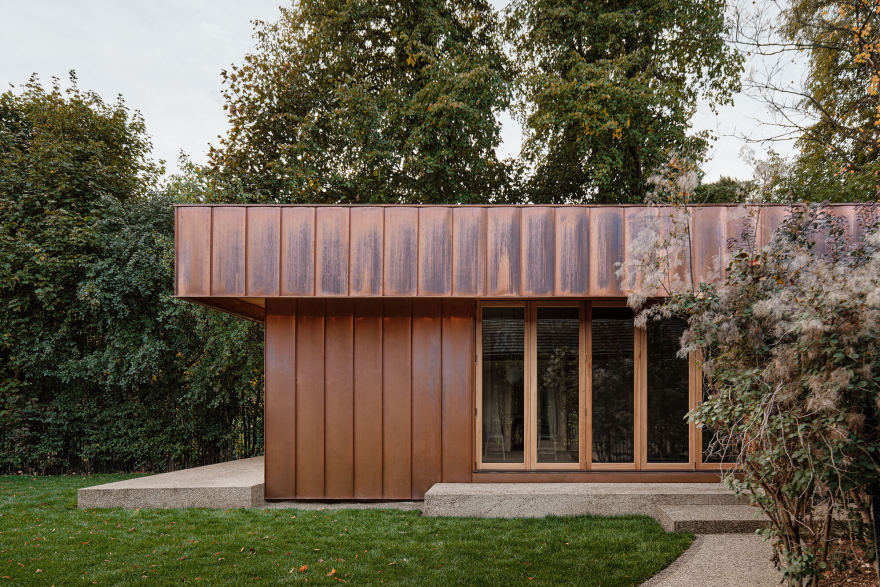
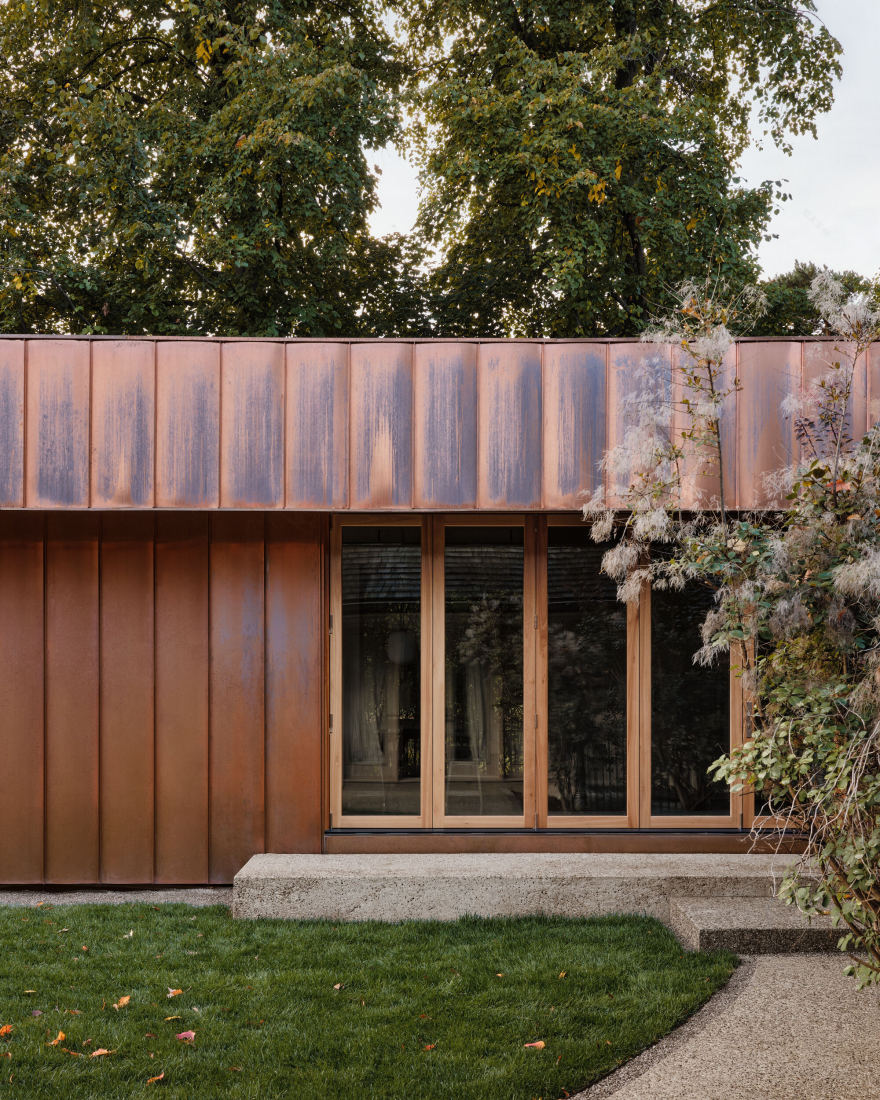
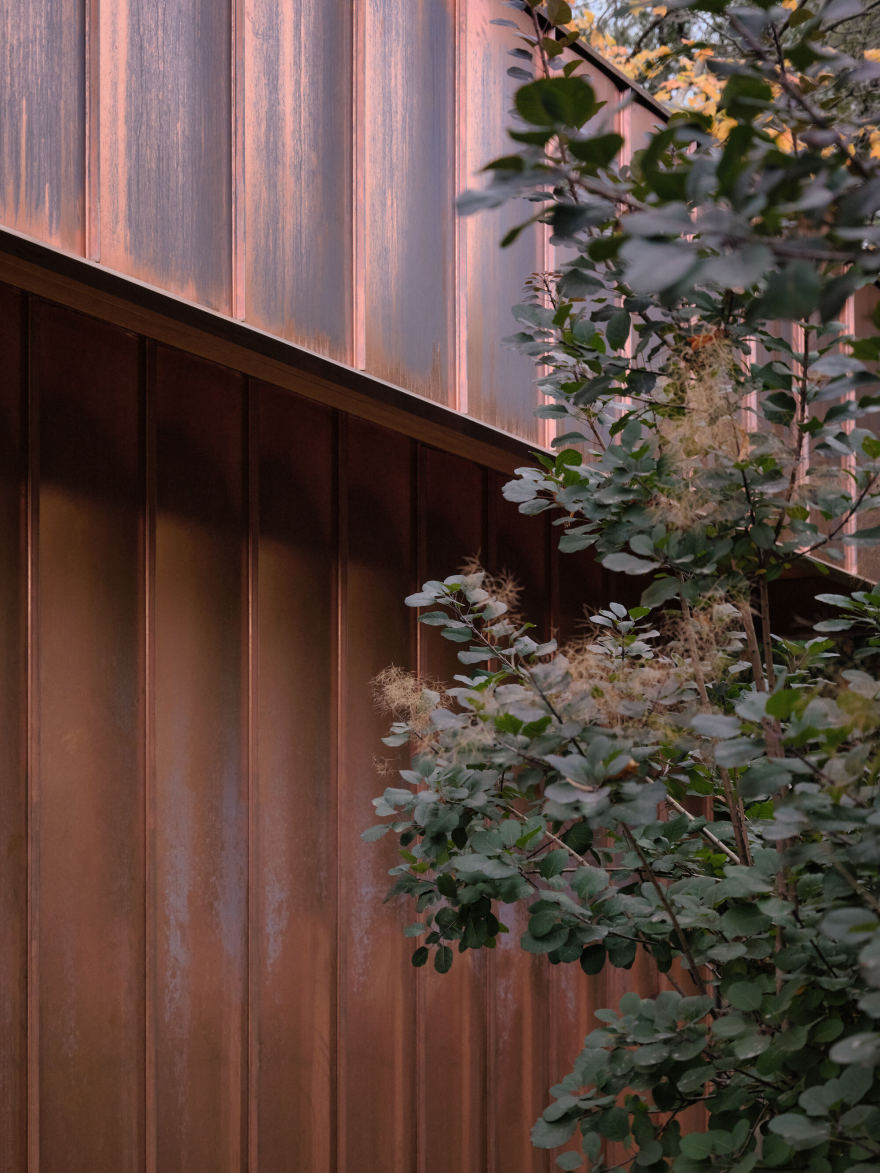
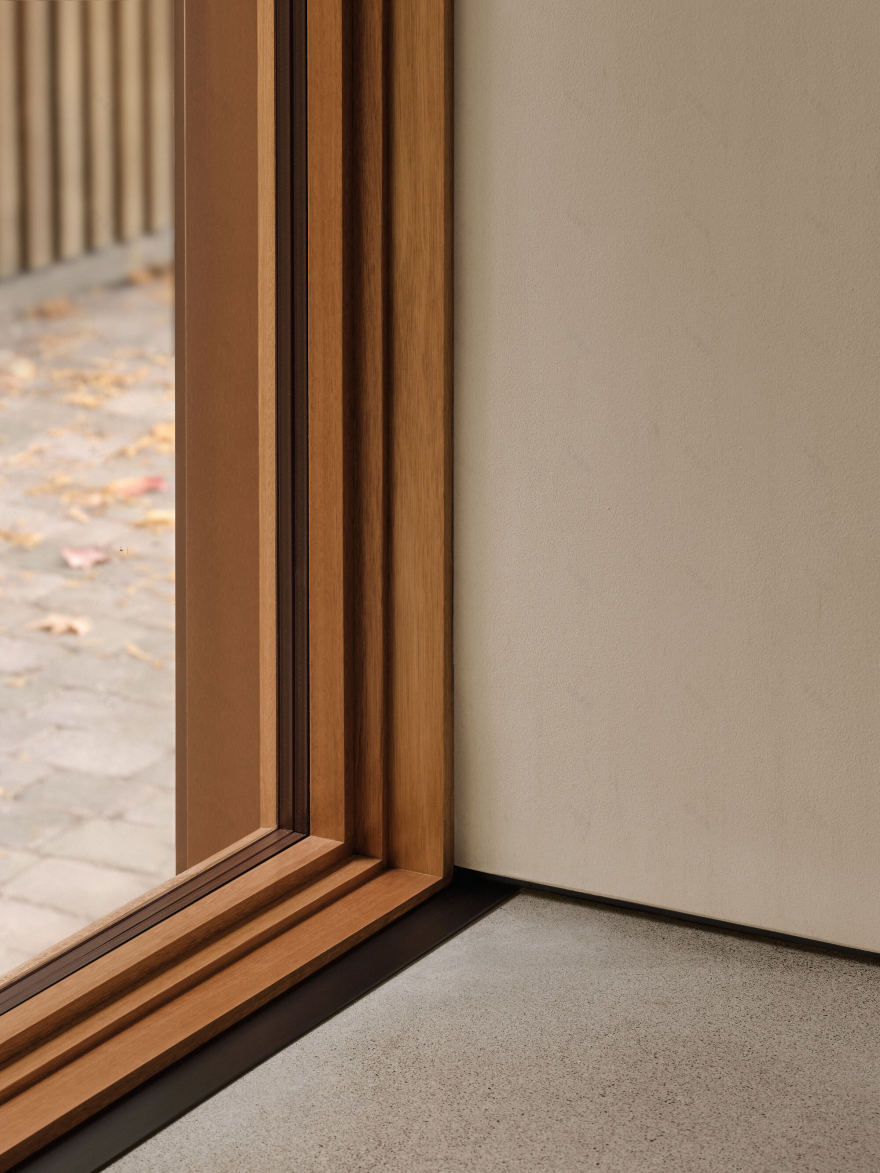
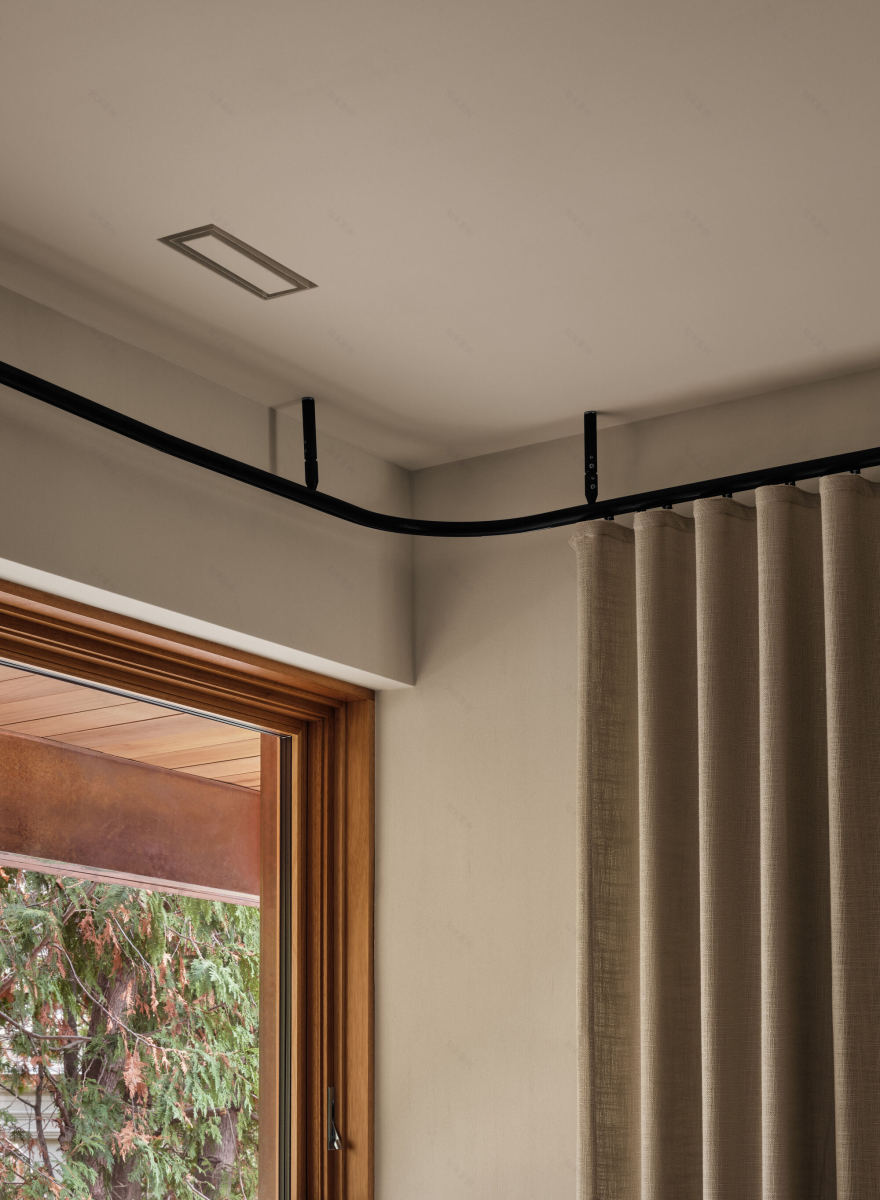
The exterior is defined by a restrained palette of copper and wood. Copper was selected for its ability to change over time, beginning bright and reflective before gradually softening into browns and muted greens through exposure to sun and rain. Wood frames the openings and interior core, creating a warm counterpoint to the metal exterior. Together, the materials are intended to weather slowly with the surrounding landscape.
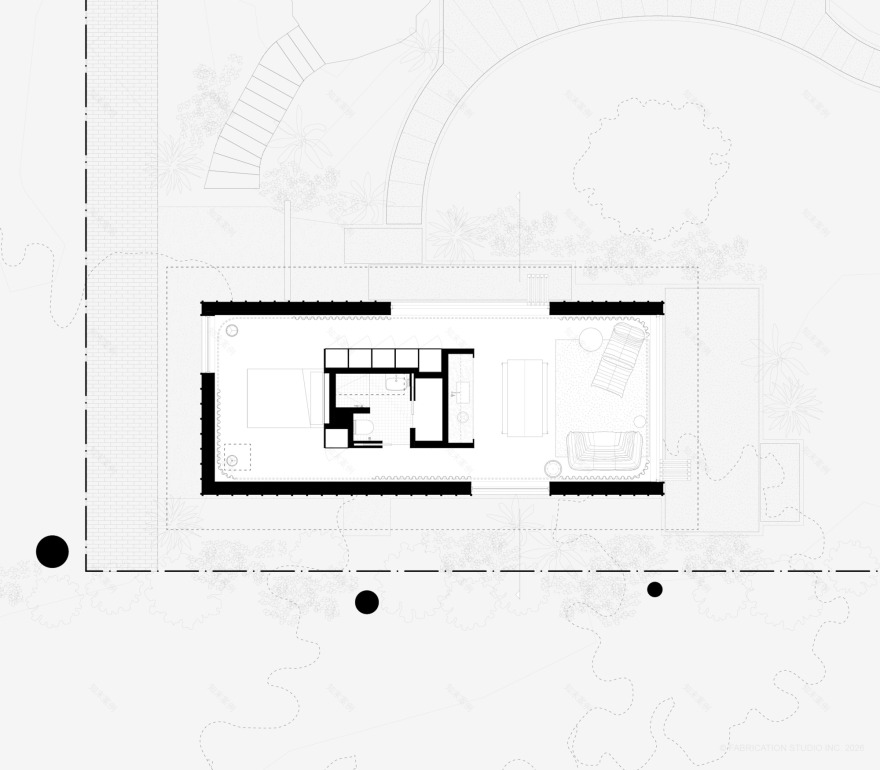
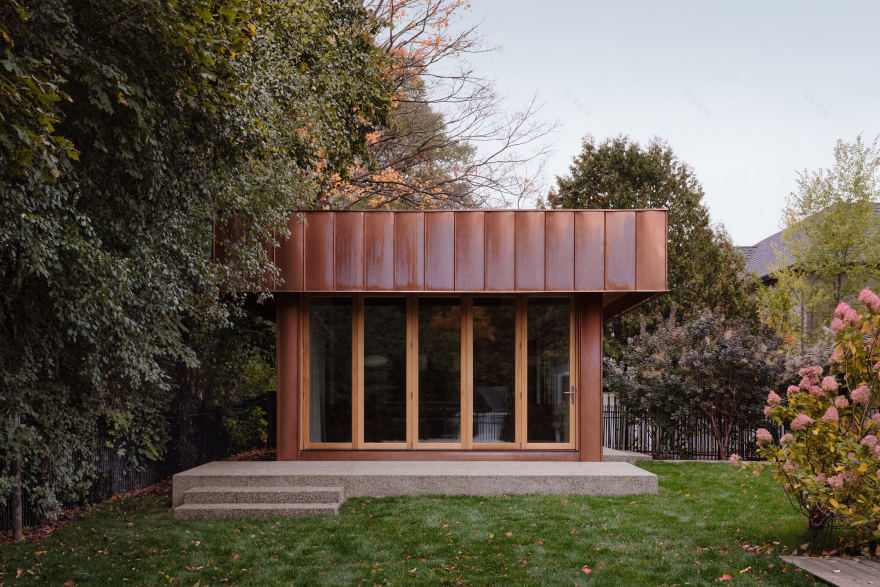
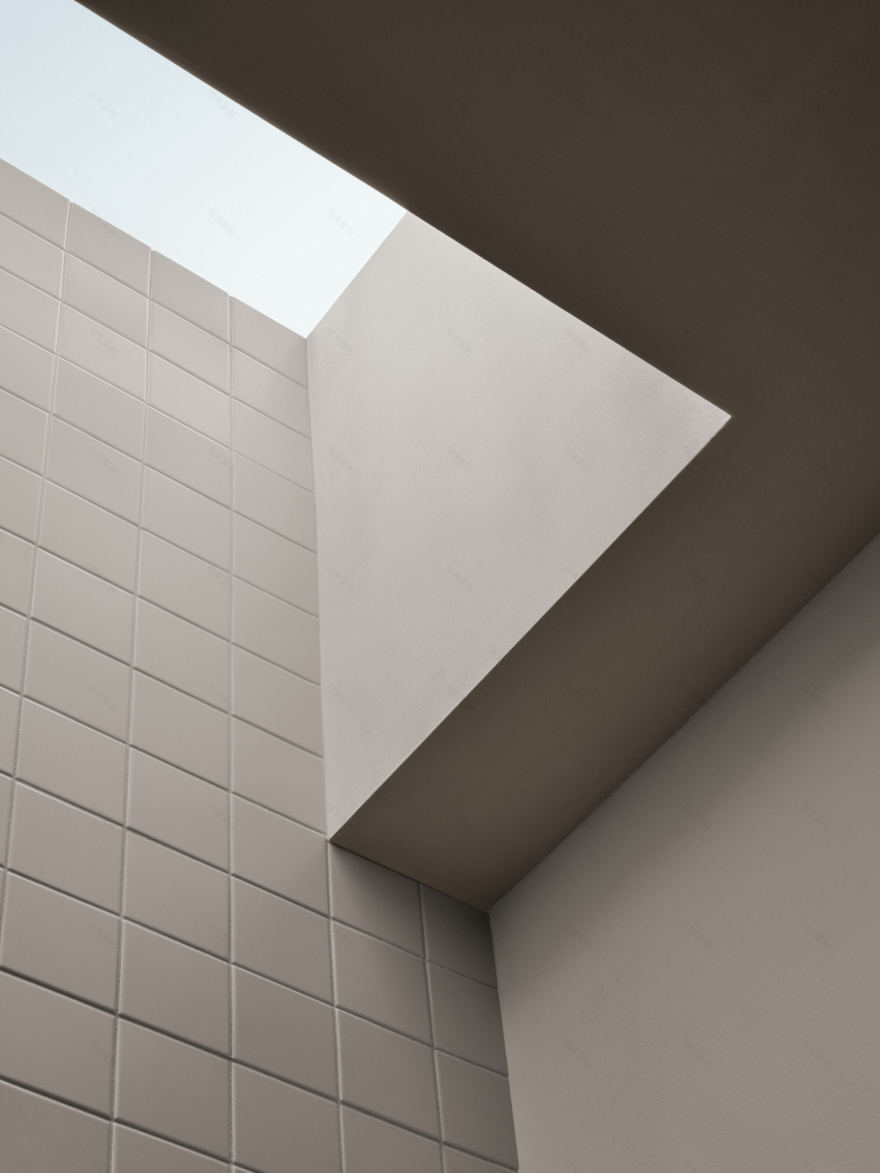
Each façade contains a single, carefully positioned opening. Toward the garden, large sliding panels allow the living space to open completely beneath deep roof overhangs, transforming the interior into a covered terrace. More private spaces use deep frames to focus views of vegetation and capture shifting light throughout the day.
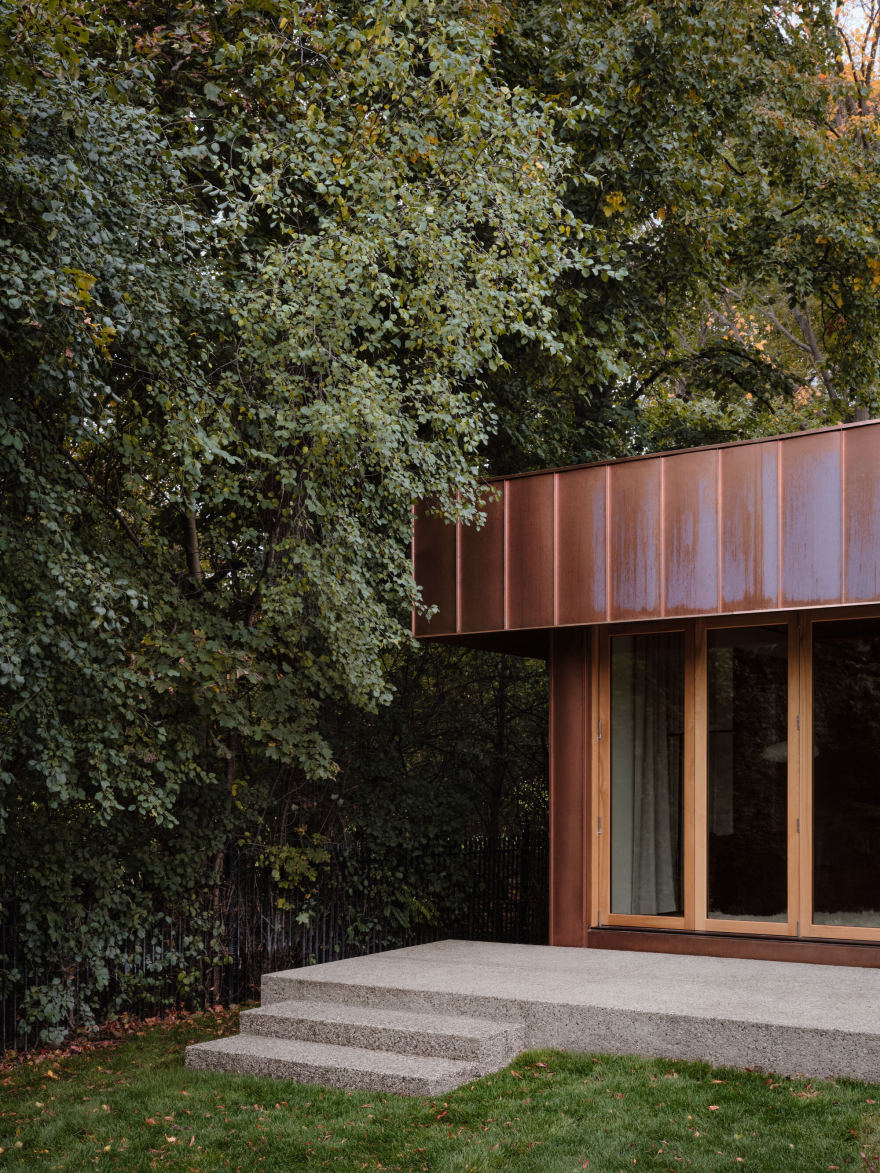
The result is a small building that settles quietly into its surroundings. Over time, as the copper façade patinates and the garden continues to grow around it, the structure is intended to become increasingly integrated with the landscape while supporting a new pattern of family life on the property.
Project gallery
南京喵熊网络科技有限公司 苏ICP备18050492号-4知末 © 2018—2020 . All photos and trademark graphics are copyrighted by their owners.增值电信业务经营许可证(ICP)苏B2-20201444 苏公网安备 32011302321234号
苏公网安备 32011302321234号客服
消息
收藏
下载
最近