

创作上传
VIP
收藏下载
登录 | 注册有礼
查看完整案例

收藏

下载

分享



比利时摄影师 Thomas De Bruyne 记录了两位顶尖建筑师之间的一场思想碰撞:一位是这座 20 世纪 70 年代混凝土展馆的原设计者,另一位则是现今将其视为归宿的主人。
驻于根特的建筑师 Glenn Sestig 回忆起原建筑师 Ivan Van Mossevelde 第一次造访他位于比利时 Sint-Martens-Latem 的新家时的情景。看到老建筑师眼含泪光,Sestig 深感触动。他与合伙人(同时也是事务所创意总监)Bernard Tournemenne 共同承担了这项使命,悉心修复这座作为 Van Mossevelde 早期职业生涯代表作的混凝土展馆。
Belgian photographer Thomas De Bruyne captures a meeting of the minds between two of the country’s pre-eminent architects: one who first designed the 1970s concrete pavilion, and the other who now calls it home.
Ghent-based architect Glenn Sestig recalls the moment when architect Ivan Van Mossevelde first visited his home in Sint-Martens-Latem, Belgium. Sestig was deeply moved to see Van Mossevelde with tears in his eyes, as he and his partner Bernard Tournemenne—the creative director of Glenn Sestig Architects—had been entrusted with restoring one of Van Mossevelde’s earliest and most significant projects.

Sestig 与这座粗野主义别墅的缘分始于多年前的一次偶然。当时还年轻的他漫步林间,被这座建筑深深吸引,甚至曾请求入内参观但遭到拒绝。多年来,他一直珍藏着写有街道名称和门牌的照片,并暗自许下诺言:如果有一天它被出售,他一定会写信争取。
尽管后来他扔掉了那些旧照片,但二十年后命运再次眷顾——一位当地记者告知他这栋房子正在秘密出售。凭借着修复并让“艺术重回生活”的诚意,Sestig 在 48 小时内便成功购得此房,其在国际建筑界的卓越声誉以及与 Raf Simons、Ann Demeulemeester 等时尚大师的合作背景也为此助力不少。
Sestig’s connection with this brutalist villa began by accident years ago. As a young architect walking through the forest, he was so struck by the design that he attempted to explore the grounds, though his request was initially declined. He kept photographs of the street and the nameplate for years, promising himself that he would reach out if the house ever went on the market.
Though he eventually discarded those old photos, destiny intervened two decades later when a local journalist informed him that the home was quietly for sale. Within 48 hours, Sestig secured the property by writing to the owners’ grandson, expressing his profound intention to preserve the structure and bring art back into the home.


Glenn Sestig和他的合伙人Bernard Tournemenne花了两年时间修复这座展馆,力求在视觉上保留其原有的建筑结构。其中一项结构上的改动是在内部庭院增设了一座悬浮楼梯,它看起来仿佛一直存在于此,而没有改变原有的混凝土结构。前景中摆放着一把不知名设计师设计的复古混凝土球形椅。
这座建筑规模宏大,占地4600平方米,建筑面积达1000平方米,在当地极为罕见。1972年建造之初,这种平顶现代设计过于超前,原业主甚至不得不征求周围40位邻居的同意。
最初的设计诉求是为艺术收藏家打造一个“流动的画廊”。首任业主在看到草图后,因担心空间不足以容纳藏品,要求将面积扩大一倍,这才造就了如今 Sestig 所居住的开阔空间。
The house is a rarity in size, spanning 1,000 square metres on a sprawling 4,600-square-metre plot. Built in 1972, the modern, flat-roofed design was so unconventional for the area that the original owners had to seek permission from 40 neighbours before construction could begin.
The original brief was to create a living gallery for art collectors. After seeing the initial sketches, the first owners requested the size be doubled to ensure their extensive collection had enough room to breathe, resulting in the expansive layout Sestig inhabits today.


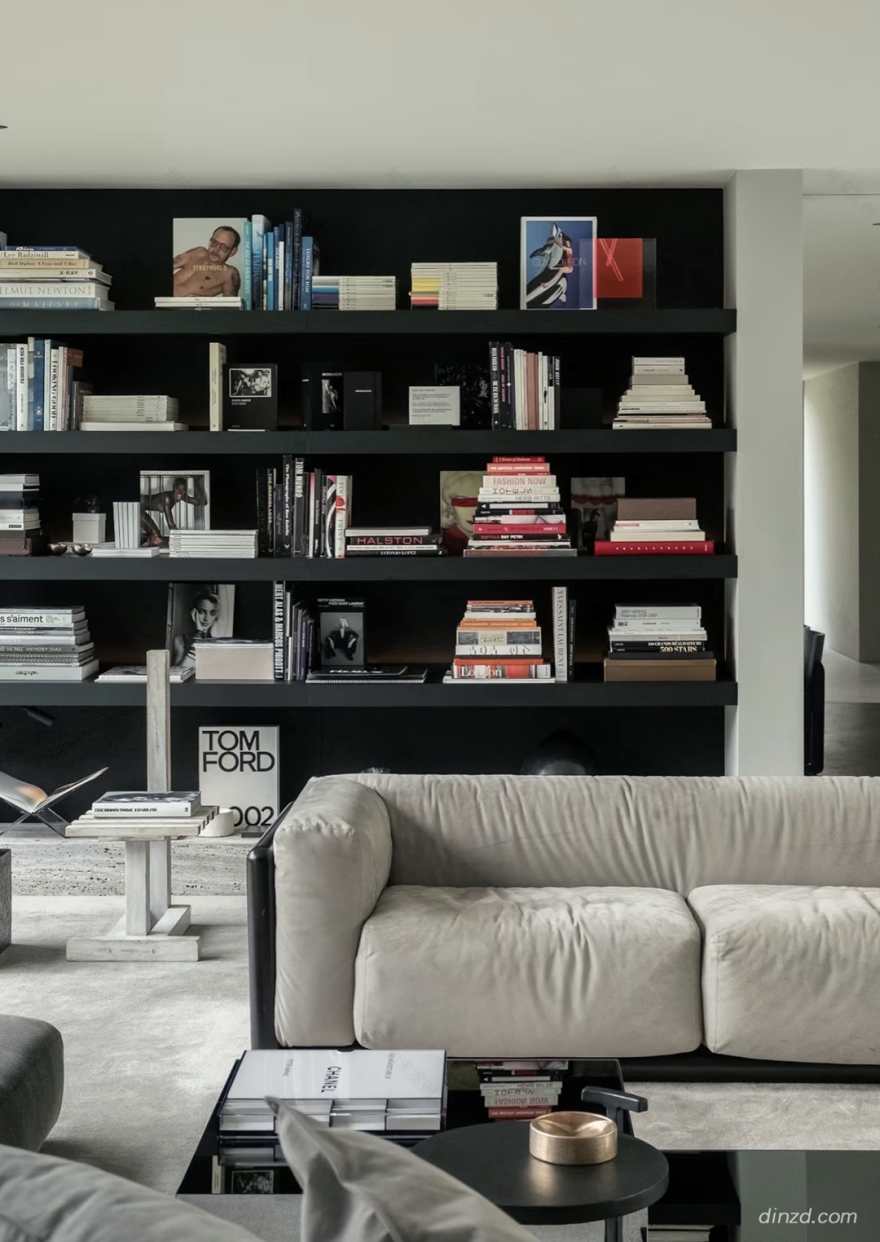
Zaha Hadid设计的Moraine沙发,以及Sol LeWitt、Thomas Houseago和Bosco Sodi的作品。
在为期两年的修复过程中,Sestig与Tournemenne坚持不对视觉建筑结构或混凝土开窗做任何改动。虽然室内部分经历了彻底的拆除——包括抹灰、地板、天花板以及水电管网——但所有更新均在遵循原始设计逻辑的前提下,达到了当今的技术标准。
During the two-year renovation process, Sestig and Tournemenne remained steadfast in their commitment to not alter the building’s visual architecture or original concrete openings. While the interior was completely stripped—from plasterwork and flooring to plumbing and electricity—every update was executed to meet modern technical standards while strictly following the 1970s original design.
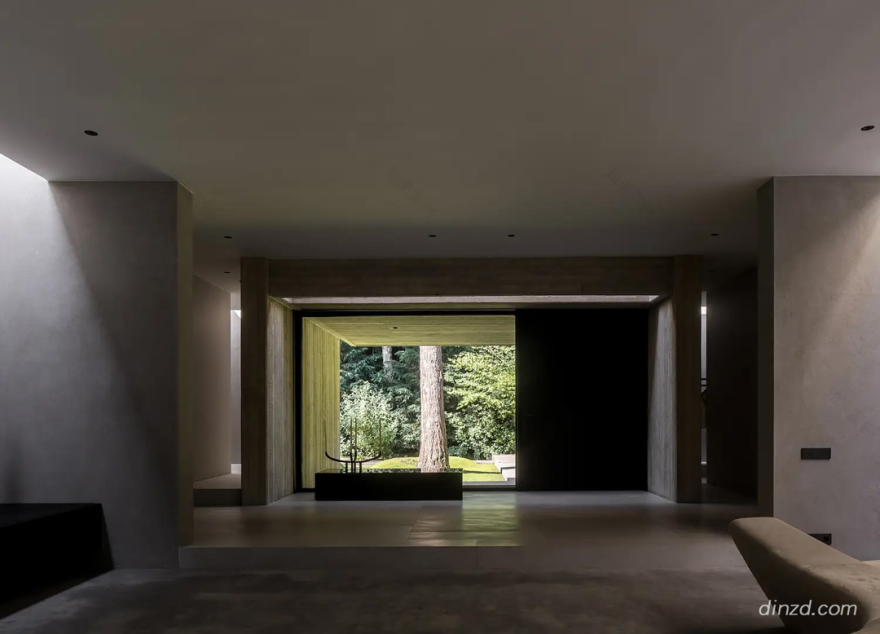

为数不多的结构变动是在内院增加了一座悬浮楼梯。其巧妙之处在于完全不接触原始混凝土,以便将来拆除时不留痕迹。此外,Sestig将原本的三个卧室重新规划为主卧套房和两间私人办公室,但保留了设计的灵活性,使其可以轻松恢复原样。
One of the few structural additions is a floating staircase in the patio. It was designed to avoid touching the original concrete, ensuring it could be removed in the future without leaving a trace. Sestig also reconfigured the three bedrooms into a primary suite and two private offices, though the layout remains flexible enough to be reverted to its original state if necessary.

原先的室内到处铺着地毯,甚至连楼梯也不例外,“就像老式电影院一样”。建筑师将地毯拆除后,重新聚焦于建筑本身的形态,再以镶嵌的方式局部引入地毯,并搭配石灰华,使空间“更具结构感”。

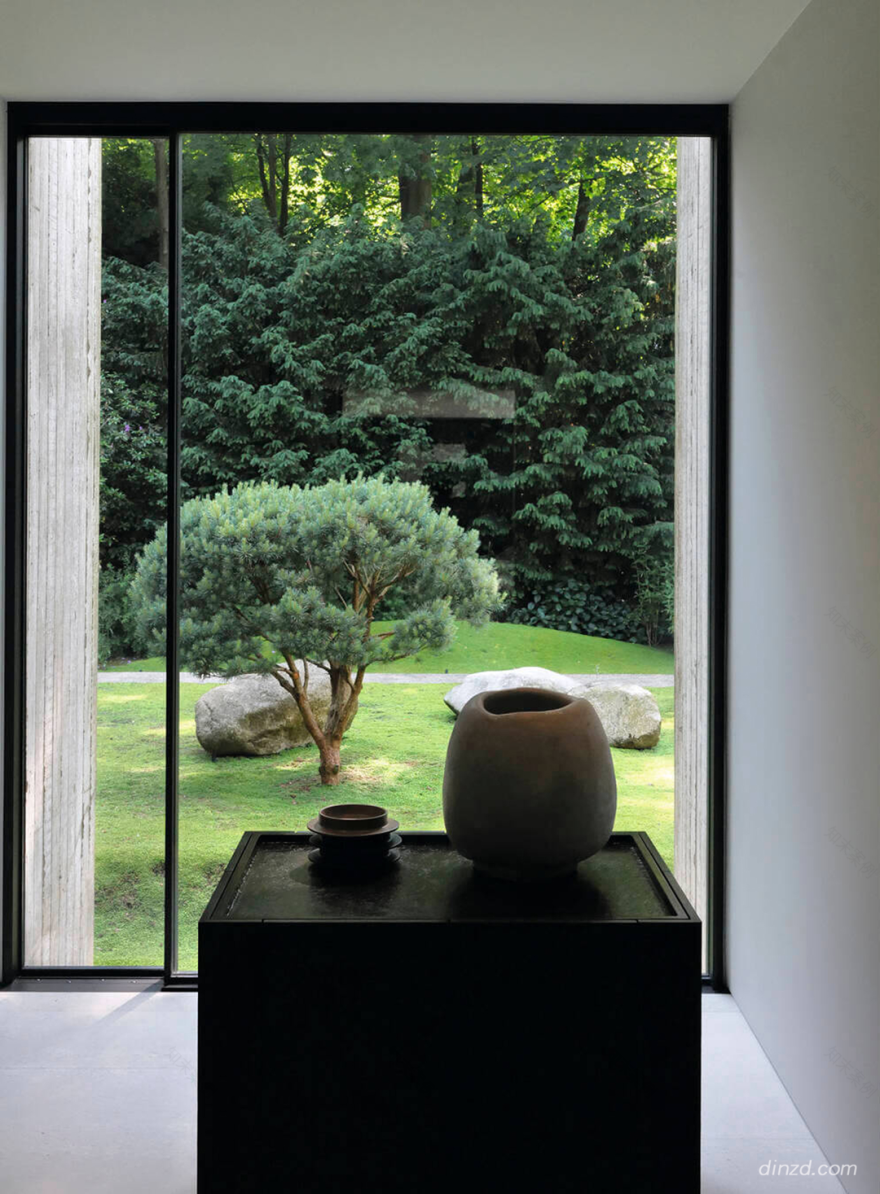
为了加强建筑与自然的联系,Sestig更换了已有50年历史的深色玻璃窗(原设计为保护艺术品免受阳光照射),让窗外的森林景观如画作般融入室内。在室外,他们设计了一个日式风格的花园,通过抬高草坪和增设泳池,赋予了房屋一种轻盈的“漂浮感”。
To better connect the home with its surroundings, the 50-year-old dark glass windows—originally intended to protect art from UV rays—were replaced with clear glass. This transformation turned the forest views into living artworks. Outside, Sestig and Tournemenne designed a Japanese-influenced garden with a raised lawn and a small pool, giving the property a serene, floating quality.


室内材质方面,Sestig移除了原有的满铺地毯,取而代之的是灰色洞石,以强化建筑线条,并辅以局部地毯镶嵌。厨房空间也得到了扩充,并采用了 Sestig为比利时品牌Obumex亲自设计的定制方案。
Inside, Sestig replaced the original wall-to-wall carpeting with grey travertine to accentuate the bold architectural forms, though he introduced carpet inlays for comfort and structure. The kitchen was also expanded, featuring a custom design Sestig created for the Belgian company Obumex.
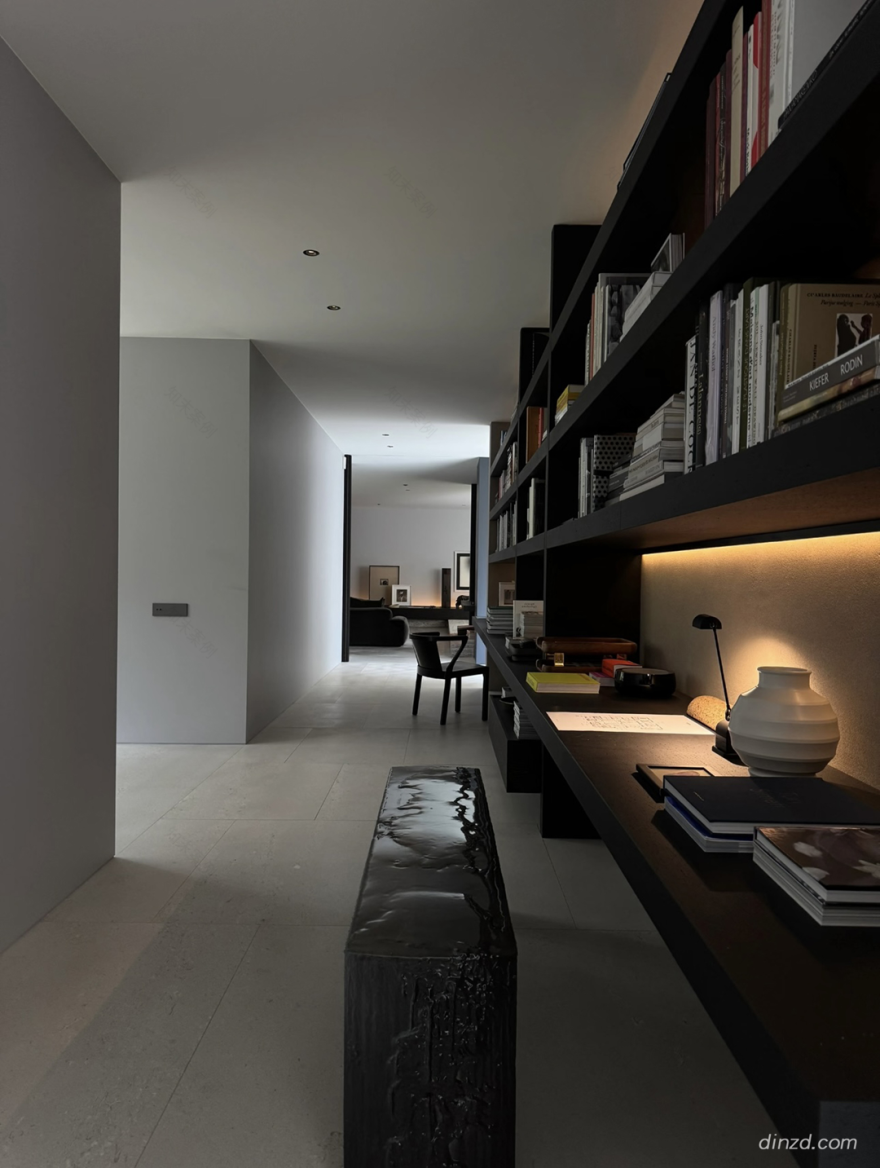


屋内的家具陈设是Sestig与伙伴33年来的心血结晶,其中包括Oscar Niemeyer、Carlo Scarpa和Sofie Middernacht的杰作。Sestig在布置上极为克制,他认为建筑空间需要呼吸,不应被艺术品塞满。
The home is furnished with a mix of pieces collected over 33 years and items specifically sourced for the space, including furniture by Oscar Niemeyer, Carlo Scarpa, and Sofie Middernacht. Sestig maintains a disciplined approach to curation, believing that architecture needs space to breathe and should never be overflowing.


银色洞石是建筑师最喜欢的材料之一。在改造后的浴室里引入了一个天窗,其灵感来源于
Van Mossevelde
,这些天窗可以将光线引入特定空间。


Sestig和Tournemenne引入了日式风格的花园,但保留了50年树龄的杜鹃花和树木。

平面图 ©
Glenn Sestig Architects
项目地点 |
Sint-Martens-Latem, Belgium
建筑设计 |
Ivan Van Mossevelde、Glenn Sestig
Architects
项目摄影 |
Thomas De Bruyne


创始人 / Glenn Sestig
1997年,Glenn Sestig在家乡Ghent创立同名设计事务所,开启了他创作生涯中一系列杰作的序幕。其作品涵盖住宅、商业及文化建筑项目,兼及产品设计,足迹遍布比利时国内外。每件作品皆以从容姿态与精准细节脱颖而出,这位比利时建筑师最擅长以举重若轻的方式,呈现令人过目难忘的精致设计。Sestig毕业于安特卫普著名的亨利·范德维尔德学院,在成立个人工作室前曾与多位设计师、建筑师及艺术家合作。这种跨学科与开放精神延续至其独立执业时期,亦体现在与客户的合作中。正因如此,时尚设计师Raf Simons、Pieter Mulier等杰出创意人士纷纷慕名而来,委托他进行设计创作。
他的设计哲学崇尚内敛的空间奢华、宁静纯粹的形态、材质的本真表达,以及极简主义与现代主义的影响。比利时20世纪建筑遗产、Sestig的环球旅行经历,以及超越建筑学科界限的文化洞察力,共同塑造其独特的设计语言。这些元素界定了Sestig的创作轨迹与丰厚作品集,在功能与艺术之间实现了精妙的平衡。
南京喵熊网络科技有限公司 苏ICP备18050492号-4知末 © 2018—2020 . All photos and trademark graphics are copyrighted by their owners.增值电信业务经营许可证(ICP)苏B2-20201444 苏公网安备 32011302321234号
苏公网安备 32011302321234号客服
消息
收藏
下载
最近