

创作上传
VIP
收藏下载
登录 | 注册有礼
查看完整案例

收藏

下载

分享

翻译
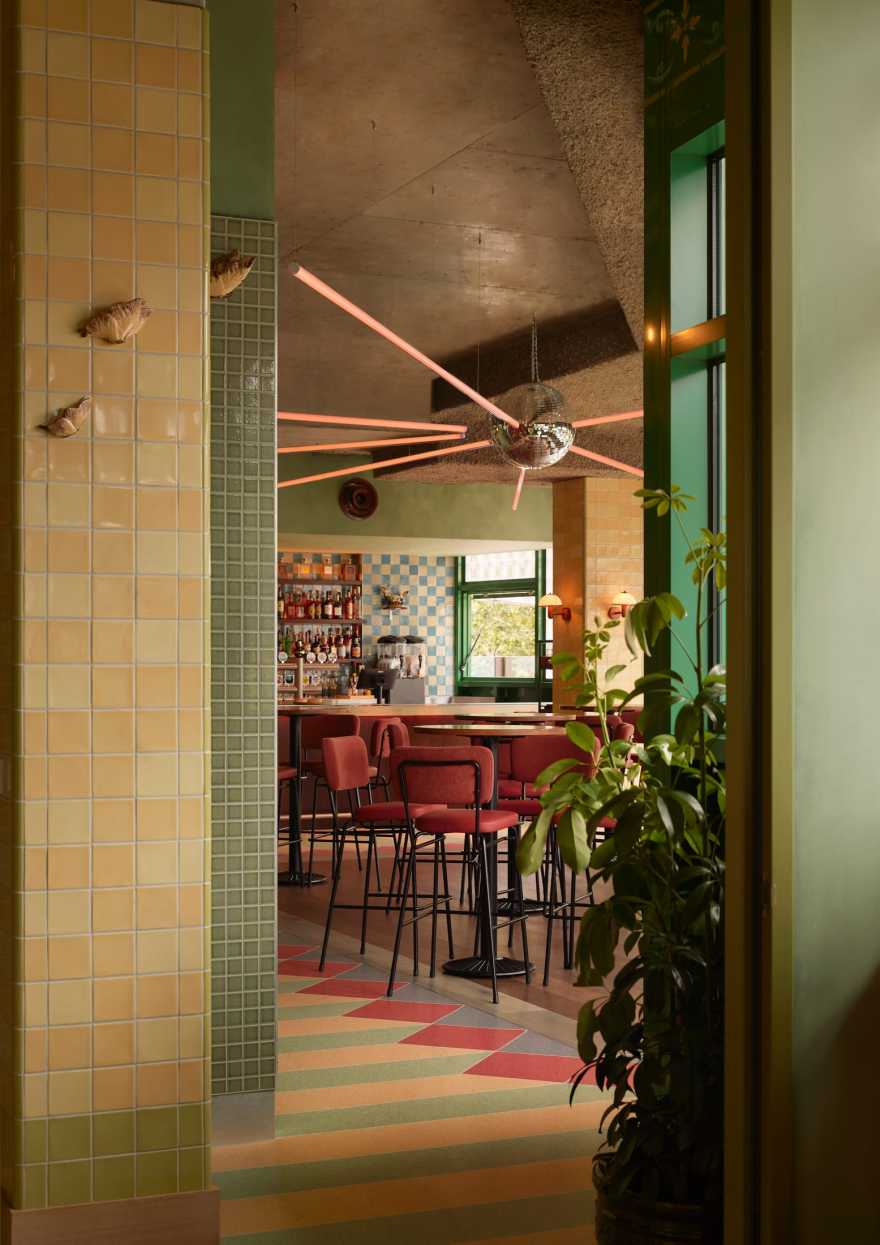


The Waterside Hotel in Melbourne is spread across seven levels of a 19th century pub, reworking an existing heritage building into something more layered: a ground-floor public bar that shifts, level by level, into Past/Port, a Southeast Asian restaurant and bar, before opening out to rooftop spaces above.
The architectural framework and planning were led by Techne Architects, who defined how the spaces connect and unfold across the building’s vertical sequence. Interior design and creative direction came from Eleisha Gray—curator, designer, and production design thinker—whose approach began not with a mood board, but with tone.
“Rather than replicate a style, the aim was to evoke a mood and allow the spatial language to build from there,” Gray explains. “That thinking comes from my background in production design, where atmosphere and sequence are worked through before materials are ever specified.”
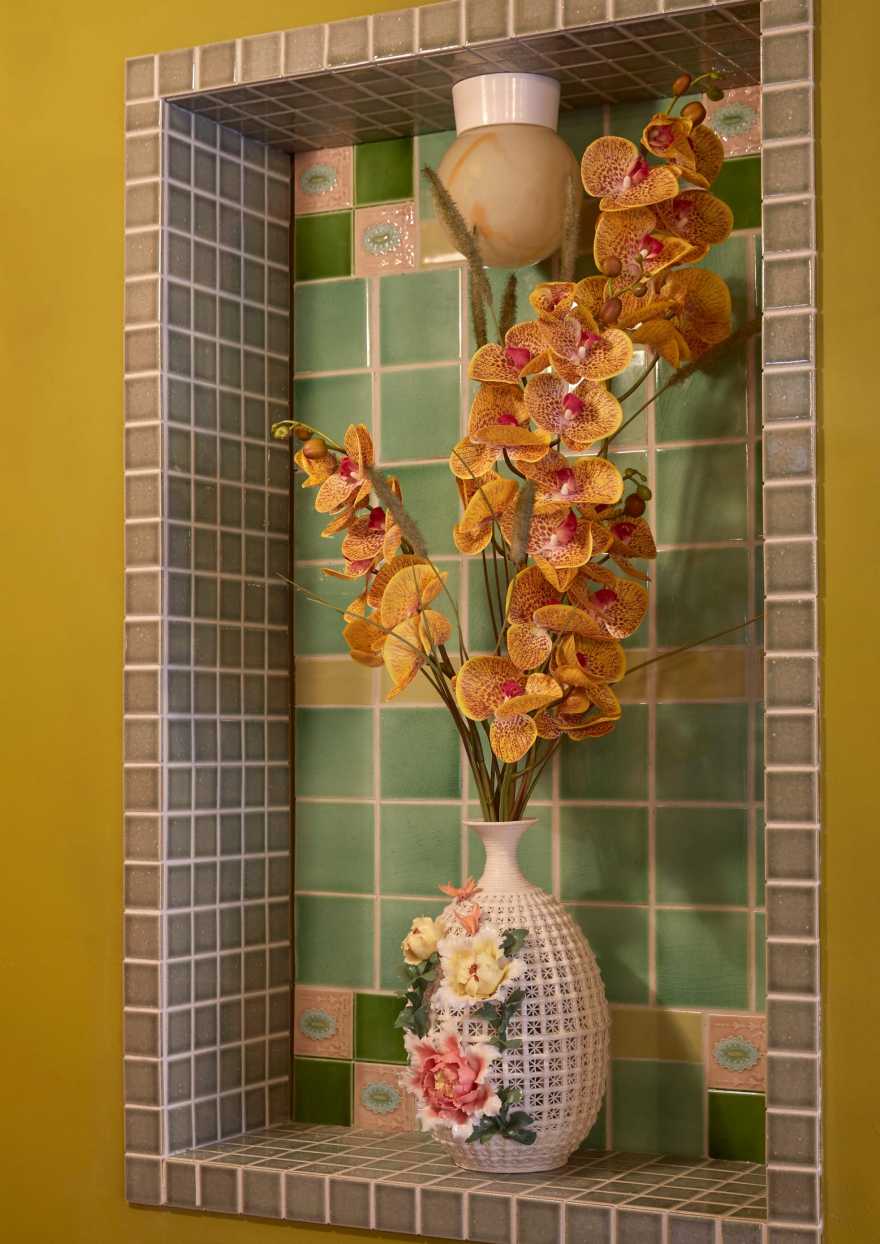
Past/Port is where that thinking lands most powerfully. Drawing on 1960s and ’70s Southeast Asia as a lens—atmospheric rather than literal—the restaurant takes its colour cues from Executive Chef Sarah Chan’s cooking. Greens in caper, tapenade and green tea move through the palette, grounded by rattan and ochre. Plate and interior share a visual language; the food and the room sit in conversation.
Two original exterior façade walls remain within what is otherwise a new build, their presence carrying the building’s history into the interior story. Gray is candid about the tension this creates: “Integrating them within an otherwise new build isn’t seamless, but their presence brings a depth and authenticity that simply can’t be recreated.”
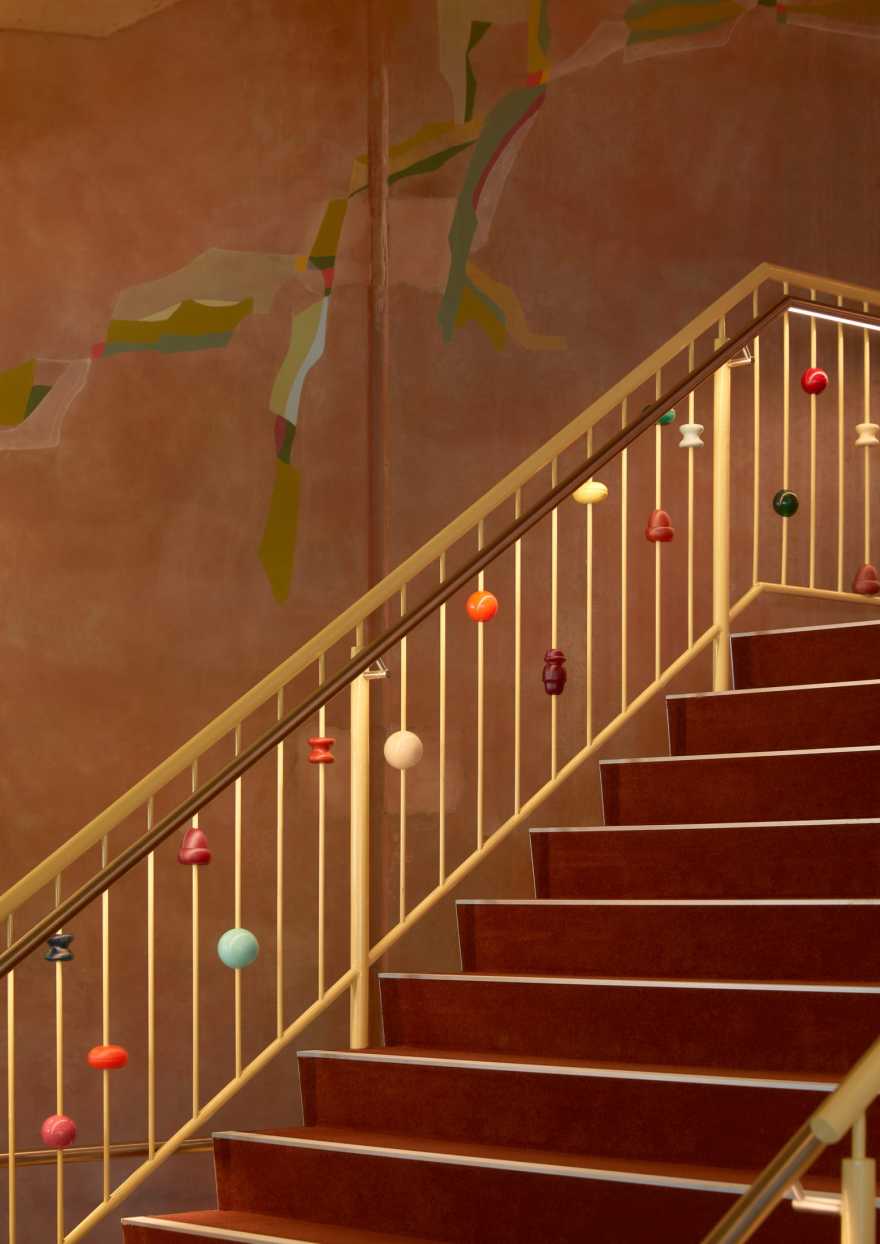
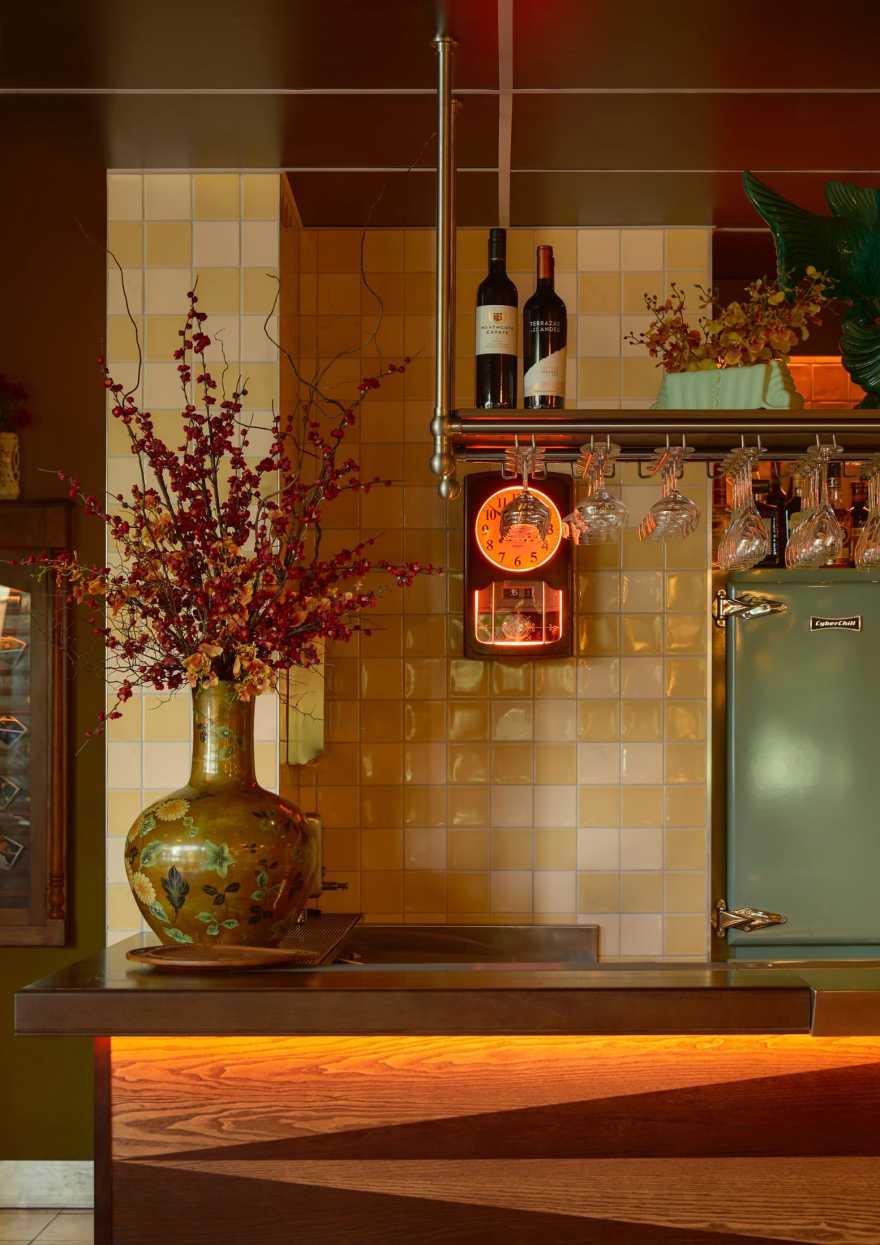
That commitment to accumulated character runs through every detail. Objects gathered from auction houses and marketplace finds sit alongside antique clocks altered and internally illuminated with LED. Old tables were reworked into custom shelving. Off-the-shelf ceiling fans were fitted with hand-painted shades. Ruffled curtains with embroidered trims soften the joinery. The intention, as Gray puts it, is to weave the old into the new so the space feels accumulated rather than assembled.
Scenic artists Mel Young, Mary MacDougall, and Hugh Anderson—drawn from theatre and film—contributed hand-painted surfaces that embed story directly into the walls, a mode of collaboration Gray has carried through previous projects, including the Esplanade Hotel in St Kilda and Tippy Tay at the Garden State Hotel. Landscaping by Ayus Botanical adds further dimension, while signage by Anchor Signs completes the venue’s identity.
The result is a series of spaces that resists easy categorisation—layered, immersive, and familiar without tipping into nostalgia. It’s the kind of place that feels like it’s been there forever, even when you know it hasn’t.
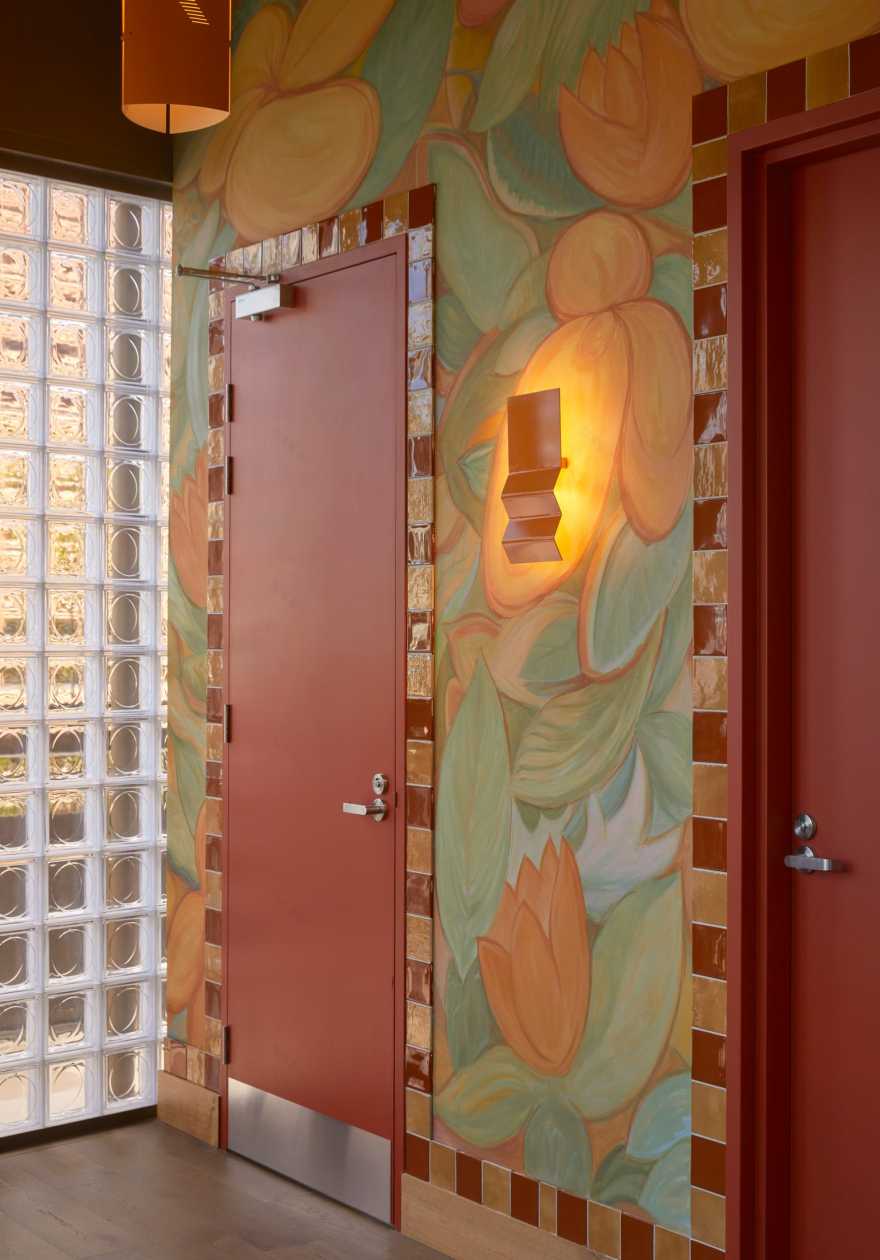


[Images courtesy of Eleisha Gray. Photography by Caitlin Mills.]








南京喵熊网络科技有限公司 苏ICP备18050492号-4知末 © 2018—2020 . All photos and trademark graphics are copyrighted by their owners.增值电信业务经营许可证(ICP)苏B2-20201444 苏公网安备 32011302321234号
苏公网安备 32011302321234号客服
消息
收藏
下载
最近